
Telling Unspoken Stories Through the Language of Dance
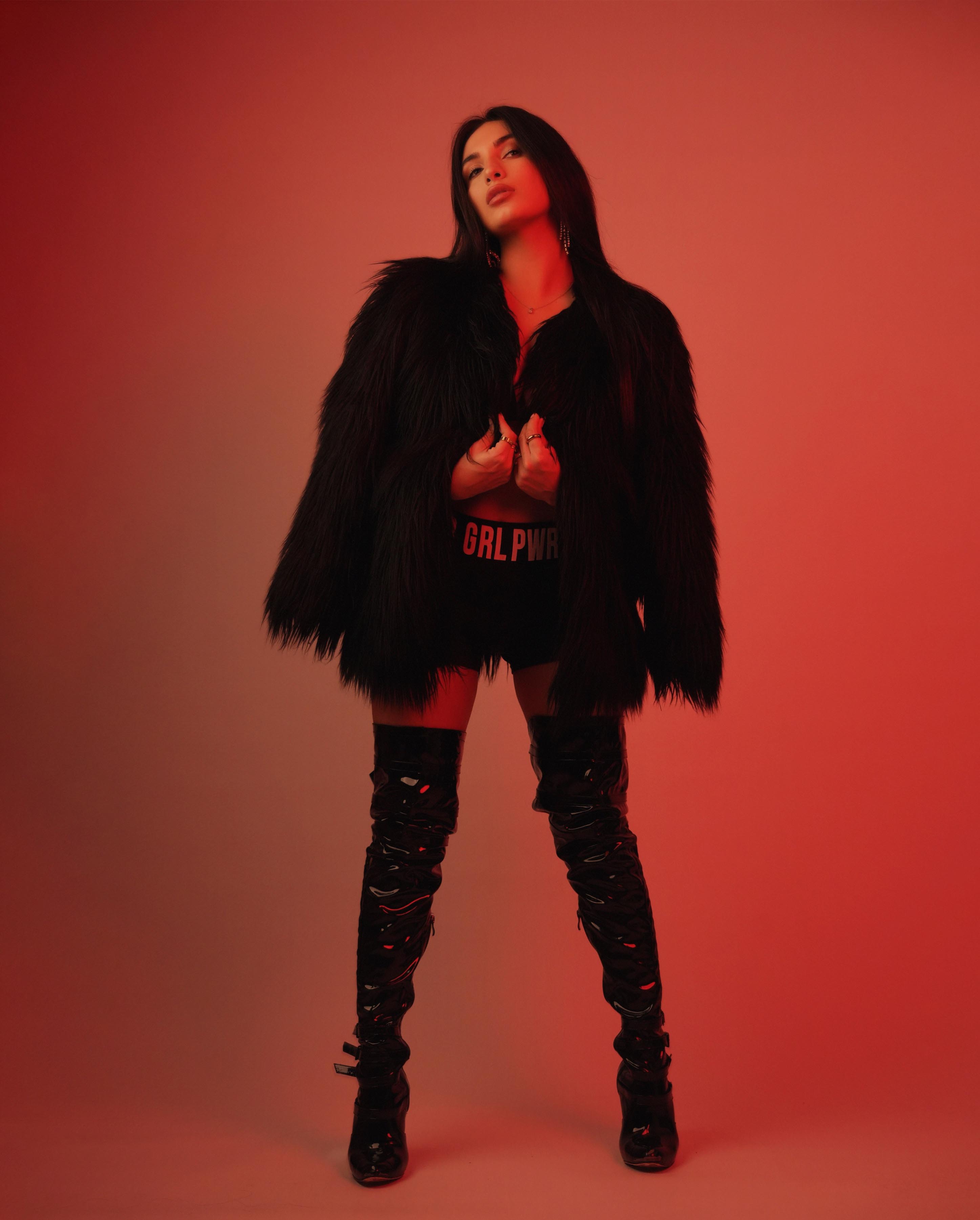
In the vibrant world of contemporary dance, few artists embody passion, resilience, and cultural pride quite like Aya Charaf. A dynamic dancer, choreographer, and creative force, Aya has captivated audiences both locally and internationally through her powerful performances with Mayyas – Beirut Contemporary Ballet, and Zirka Space. Born and raised in Lebanon, her artistic journey has been shaped by the country’s rich musical heritage, complex beauty, and unshakable spirit.
In this exclusive interview with CP Magazine, Aya opens up about her early inspirations, the challenges of pursuing dance in a society where it’s often misunderstood, and the transformative power of movement. From her classical training roots to breaking boundaries on global stages like America’s Got Talent, Aya’s story is one of courage, creativity, and cultural expression.
Join us as we delve into the life of an artist who’s redefining what it means to move with purpose, sharing her journey, insights, and dreams for the future with refreshing honesty and undeniable grace.
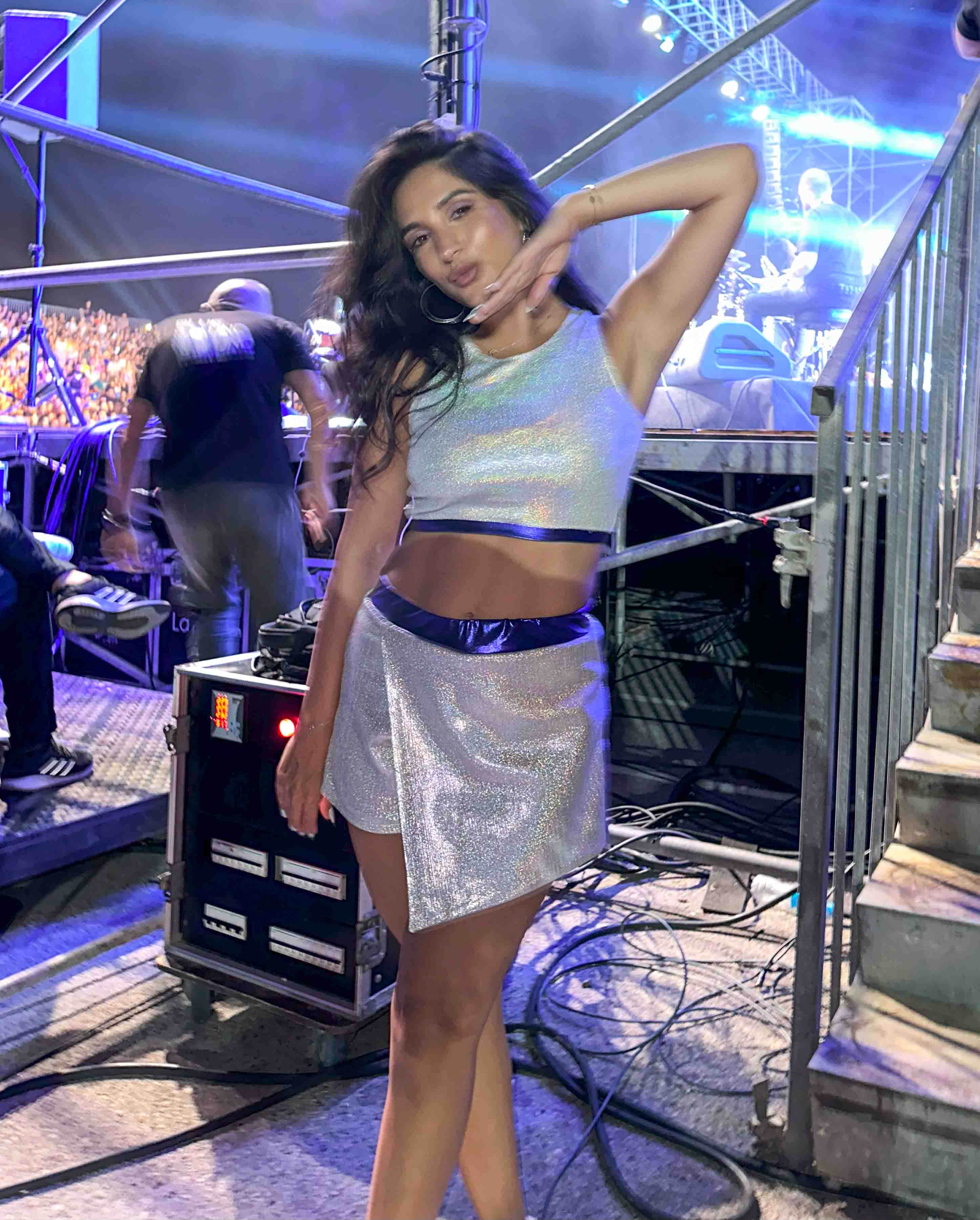
Can you share a little about your childhood and how it influenced your love for dance and art?
Growing up in Lebanon, I was surrounded by a culture rich in music and storytelling. My childhood was filled with moments where dance felt like a natural form of expression. I was always drawn to how dance could express emotions that words couldn’t. Lebanon’s beauty and chaos, its resilience and emotion, all influenced the way I move and create. That’s how dance became my language.
Was there a particular moment or person in your early life that made you realize you wanted to become a dancer and choreographer?
There wasn’t one single moment. It was more like a series of sparks. But if I had to choose, I’d say being part of many dance shows as a kid really shifted something in me. I remember being completely captivated not just by the movement, but by the emotion behind it. That’s when I realized this was something I wanted to do all my life.
How did your education and training shape the artist you are today?
My education and training were the foundation of everything I do today. At Zirka, I was introduced to a disciplined yet deeply expressive way of dancing. Yanina and Karina didn’t just teach movement they taught intention, storytelling, and emotional presence. They pushed me to dig deeper, to understand not just how to move, but why I move. That mindset shaped me not only as a dancer, but as a choreographer. Training in Lebanon also meant learning to be resourceful, to blend styles, and to stay resilient, which I think gives my work its unique edge.
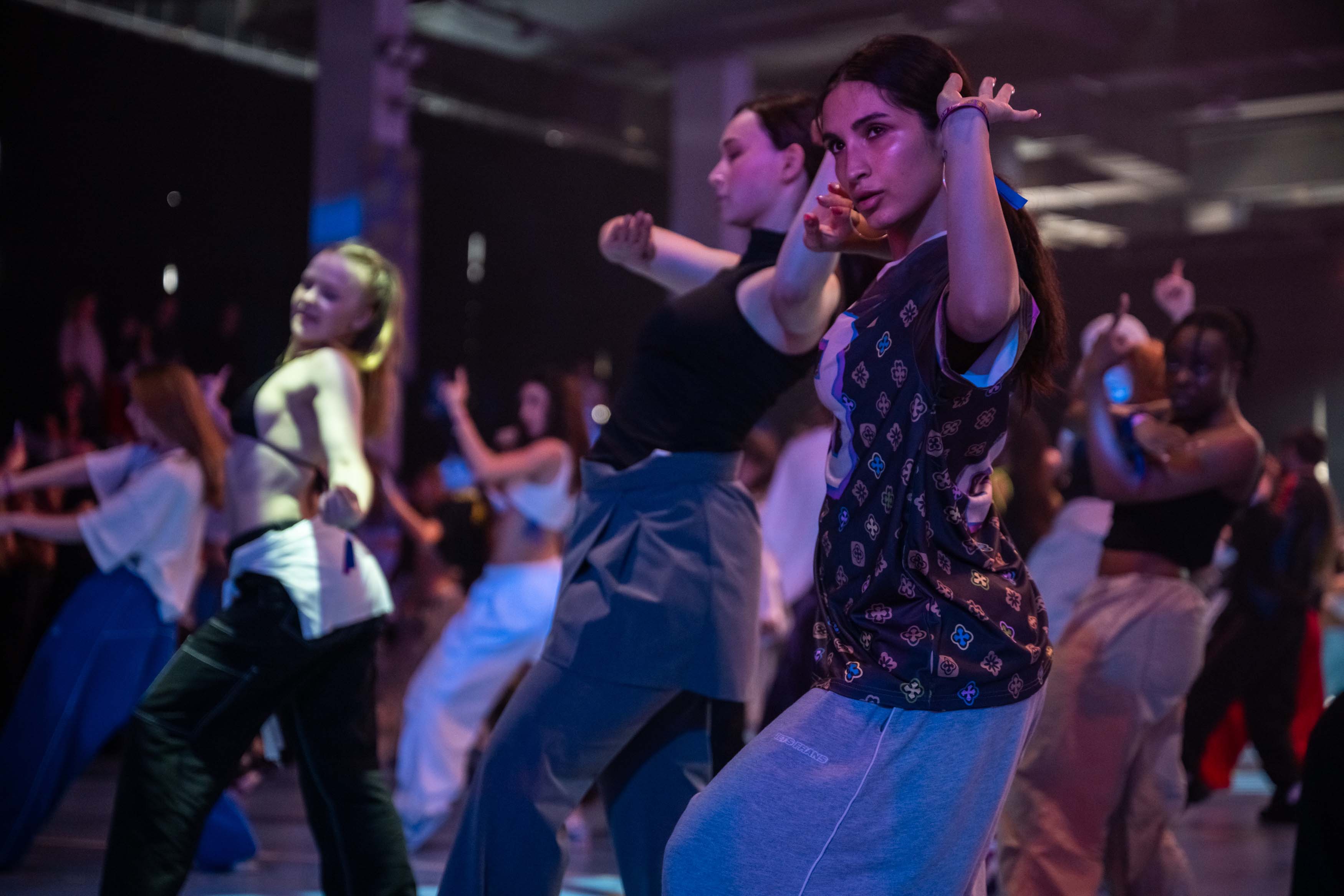
What styles of dance were you first drawn to, and how have your tastes evolved over time?
I was first drawn to Classical Ballet and Jazz. Those styles gave me a technical foundation and helped shape my presence on stage. As I evolved, I started gravitating more toward Street Jazz, Hip-Hop, Contemporary, and Heels. These styles feel freer, bolder, and more connected to who I am today. They allow me to express strength, femininity, and individuality in ways that are raw and real. I still carry the structure of my classical training, but now I use it to bring power and precision to my movement.
What was the biggest challenge you faced when you started your professional dance journey?
The biggest challenge was gaining acceptance as a dancer within Arab society. There’s still a lot of stigma and misunderstanding around dance especially when you choose it as a profession. It’s often not seen as a ‘serious’ or ‘respectable’ path, and that can be incredibly discouraging when you’re just starting out. I had to constantly prove that dance is an art form, a discipline, and a valid career. It took strength to push through judgment, to keep creating, and to stand proudly in my identity as a dancer. Over time, I’ve seen things start to shift people are becoming more open and curious but that early resistance shaped me. It made me more determined to succeed, not just for myself, but for every artist facing the same battle.
What does a typical day in your life as a professional dancer and choreographer look like?
A typical day for me is a mix of physical training, creative development, and sometimes rehearsals or performances. I usually start the day by going to the gym or having a solo training session. After that, I spend time working on choreography, either in the studio or at home. Then I head to Zirka to teach classes. The night usually includes show rehearsals with Mayyas. There’s also a lot of behind-the-scenes work, organizing schedules, communicating with other dancers, and coordinating with directors or producers.
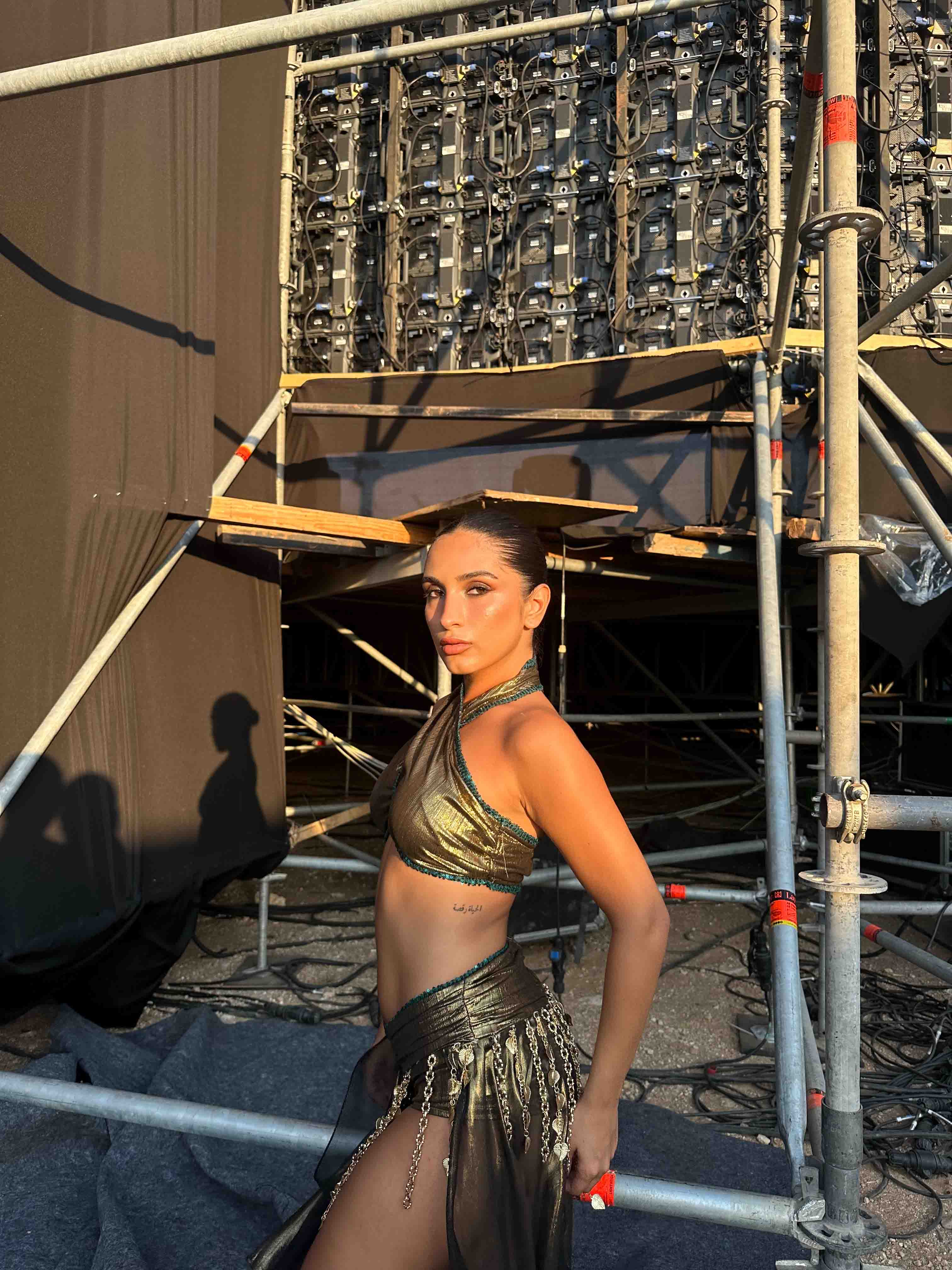
Which performance or project so far has been the most meaningful to you personally, and why?
Every performance holds a special place in my heart, but the most meaningful project so far was Mayyas’s first show in Beirut. It was such a powerful moment for the group and for me personally. After all the rehearsals, challenges, and growth we went through as a collective, performing in my hometown felt like the culmination of everything we had worked for. It was the first time we could present our art in our home city, and the energy on stage was electric. It wasn’t just a performance, it was a declaration that Lebanese dancers and artists have a strong, undeniable presence on the world stage.
How do you approach creating choreography? Do you follow a certain process or is it more intuitive?
Creating choreography for me is a balance between structure and intuition. I often start with a concept if it’s meant for a show, or a song if it’s for an open class. It’s always inspired by something a story, an emotion, or an idea I want to explore. From there, I begin experimenting with movement, letting my body respond to the music or message. Once I have some raw material, I refine it, building the piece around the emotional and visual journey I want to create. I believe in having a clear vision, but I also leave space for spontaneity. Sometimes the dancers bring something unexpected, and that’s where the magic happens when the piece evolves beyond what I imagined.
What has been your most unforgettable experience on stage?
My most unforgettable experience was performing the final piece on America’s Got Talent. It wasn’t just about the magnitude of the performance – it was the moment when the entire theater was filled with Lebanese voices, cheering for us. That connection, knowing our culture was being celebrated on such a global platform, was overwhelming. It felt like we weren’t just performing for the world we were performing for our family, friends, and country. I’ll never forget the energy, the pride, and the deep sense of belonging in that moment.
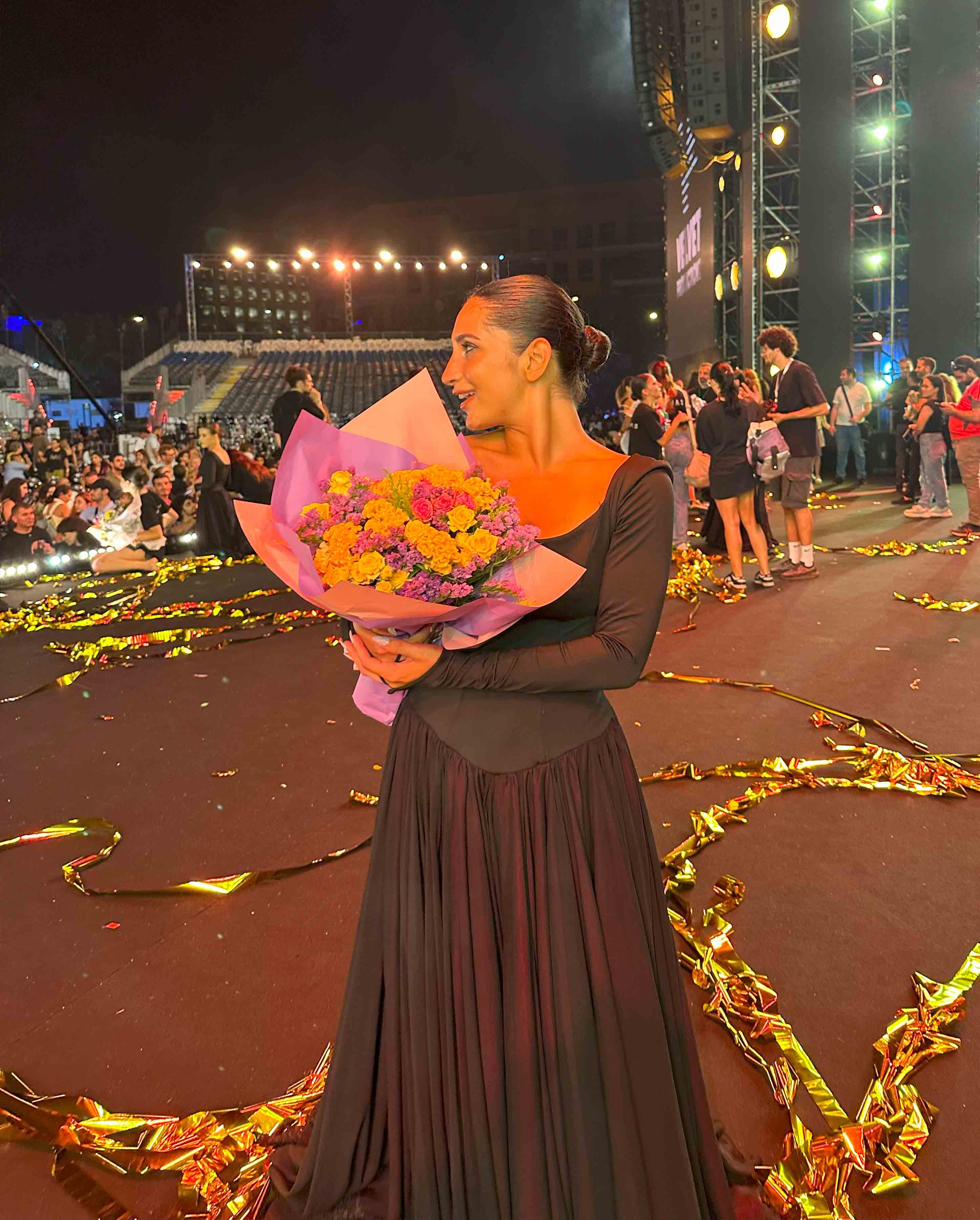
What inspires you when you create new dance pieces or performances?
Inspiration comes from many places like music, stories, emotions, or even the texture of movement. I’m deeply inspired by the world around me. Nature plays a big role in my creative process. I also draw inspiration from other art forms like visual art, theater, literature, and especially music. I look for connections between different modes of expression, which often allows me to see dance in a new light. Ultimately, what drives me is the desire to communicate something deeper, whether it’s a feeling, a message, or a shared human experience.
What has been one of the most difficult moments in your career, and how did you grow from it?
One of the hardest moments was facing doubt and resistance early on; especially in a cultural context where dance isn’t always seen as a legitimate career. I often felt I had to constantly prove my worth, not just as a dancer, but as an artist. There were moments of deep self-doubt. But these challenges forced me to dig into my passion and stay true to my vision. Over time, I learned to use those moments as fuel. They made me more resilient, and now I view every obstacle as an opportunity for growth.
Besides dance, what are some hobbies or activities that bring you joy and help fuel your creativity?
I’m always looking for things that help me recharge. Grabbing coffee at a local café is one of my favorite rituals. I love going to the gym and walking by the beach. It’s often in those quiet moments that new ideas come to me. I’ve also always wanted to learn to play the piano, it’s my favorite instrument, and I think it would be a fun and creative challenge.
Do you have a personal motto or philosophy that you live by, especially in challenging times?
My motto is: “Nothing worth having comes easy.” It reminds me that the things that matter – success, growth, fulfillment don’t come without effort and perseverance. Dance has taught me that from day one. There have been countless hours of training, setbacks, and doubts. This motto keeps me grounded because I know the reward is worth the struggle. It’s all part of the process.
What’s one thing about your journey that most people wouldn’t know but you wish they did?
Most people don’t see the internal battle with perfectionism and self-competition. While dance looks beautiful from the outside, it often comes with pressure to be flawless. I’ve struggled with self-doubt, even when things seemed to be going well. Over time, I’ve learned that the only real competition is with myself, and embracing that truth has brought me peace. It’s helped me grow not only as a dancer but as a person.
Can you share a favorite quote that resonates with you both as an artist and as a person?
“The only way to do great work is to love what you do.” ~ Steve Jobs
As an artist, I’ve realized that if you’re not deeply connected to your work, it’s hard to create something meaningful. Passion fuels resilience, and love for what you do makes the entire journey worth it.
How important has your Lebanese heritage been in shaping your artistic identity?
Being Lebanese is at the core of who I am as an artist. The culture, the music, the energy, it inspires everything I do. I incorporate traditional elements, rhythms, and emotions into my choreography. Carrying my heritage into every performance gives me a sense of pride. It’s important for me to represent Lebanon through my work and show the world its beauty and strength.
Looking back, what achievement are you most proud of, and what’s still on your dream list?
I’m most proud of performing on the global stage with Mayyas and representing Lebanon. Seeing our art celebrated worldwide was a dream come true.
As for what’s ahead, I dream of more international collaborations, choreographing for larger productions, and continuing to push the boundaries of dance, especially in Lebanon. There’s still so much I want to do.
How would you like Aya Charaf to be remembered in the world of dance and beyond?
I hope to be remembered as someone who brought authenticity and passion into every movement. Not just as a dancer, but as an artist who stayed true to her roots and inspired others to dream big. I want people to feel something when they see my work to be moved, to feel seen, to connect. That’s the kind of legacy I want to leave behind.
Your message for us at CP Magazine.
Thank you for giving me the space to share my journey with your readers. Dance has been my passion, my expression, and my path filled with both challenges and beautiful moments. I hope my story inspires others to follow their dreams, embrace their voice, and push through difficult times. Nothing worth having comes easy. To everyone who has supported or collaborated with me, I’m deeply grateful. Let’s keep creating, dreaming, and bringing the world of dance to life in meaningful ways.