

CZAR Fragrances – Bold Scents, Creative Freedom, No Boundaries
When creativity meets freedom, boldness is born. In this exclusive interview, world-renowned master perfumer Antoine Lie, born in Strasbourg in 1966 and trained at the prestigious Roure School in Grasse under Jean Carles before launching a 30-year career at Givaudan, IFF, and Takasago, shares the story of his unprecedented venture into the Middle Eastern fragrance scene with CZAR Fragrances, his very first brand partnership in the region, marking a milestone that’s poised to shake up both local and global markets.
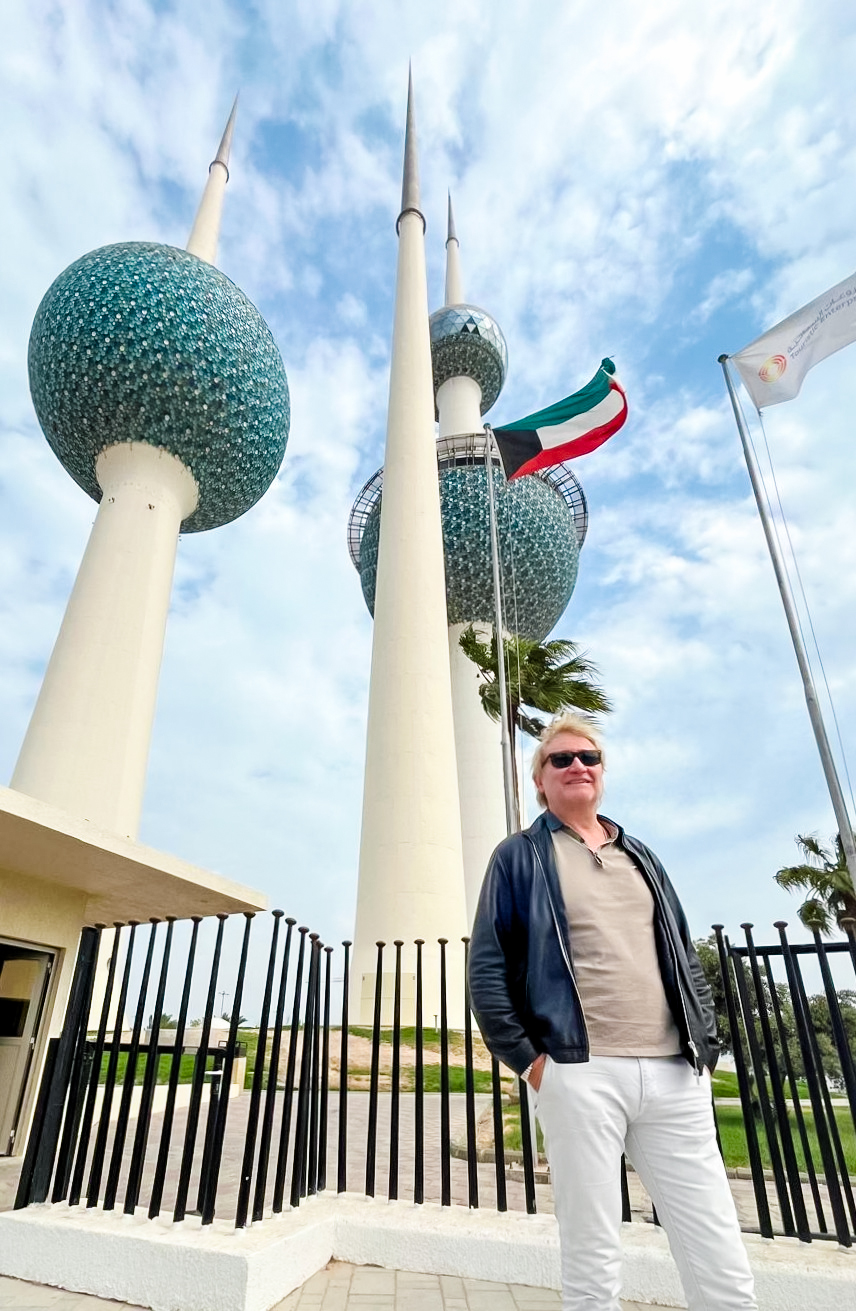
Lie is celebrated for offering both commercial and artistic successes, from the elegant Armani Code, the sensual Versace Crystal Noir, and wood-centric Wonderwood for Comme des Garçons, to the deliberately provocative Sécrétions Magnifiques for Etat Libre d’Orange.
His tenure as an “enfant terrible” of perfume is defined by fearless experimentation and olfactive storytelling that challenges norms. Now working as an independent perfumer, Antoine Lie founded his creative studio, ALOE (Antoine Lie Olfactive Experience), in 2018, giving him the freedom to take on projects that reflect his personal vision and artistry without corporate constraints.
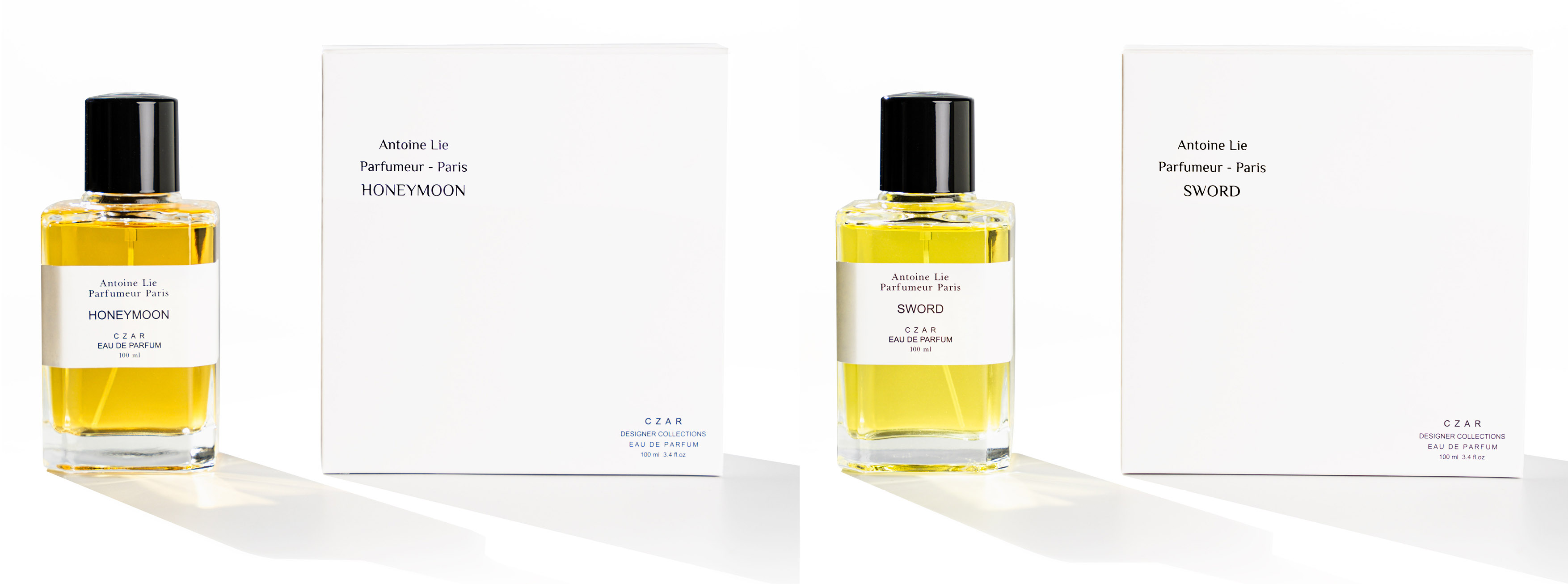
With Sword and Honeymoon, this visionary perfumer blends Western structure, Eastern richness, and coffee-heavy audacity. By partnering with a Kuwaiti house eager to grant full creative freedom, Lie and CZAR Fragrances are not just launching signature scents, they’re igniting a turning point for regional perfumery. This collaboration empowers local brands to stand toe-to-toe with world names, and introduces consumers around the globe to the artistry emerging from the Gulf. In this candid conversation, Lie reflects on his creative approach, the significance of cultural crossover, and what it means for CZAR, and the regional industry, to carve a place on the global fragrance stage.
You’ve created many bold and unique perfumes in your career. How do you balance your own creative style with the vision of the brand you’re working with?
You know, it’s, first of all, very personal. When you’re a perfumer, what do you want to achieve? Do you just want to be as successful as possible in the market, trying to reduce the risk of being too creative, and stay linked to the DNA of the brand, focusing only on the numbers? Or do you want to have an artistic vision for the project, really fitting the philosophy and DNA of the brand and what they’re looking for? This depends on who you are. Personally, as you mentioned, I try to get inspired by the brand what it wants to achieve and then I take care of the market afterwards. That’s the way I approach things.
I take all the different elements of a project, mix them, and then rebalance everything so I don’t lose the initial idea I had in mind. I adapt it to make it perform better and be more acceptable in the market. That doesn’t mean I copy what’s already on the market to be successful. I just adjust my idea based on the brand’s concept to create something accessible, but still true to my vision for the fragrance.
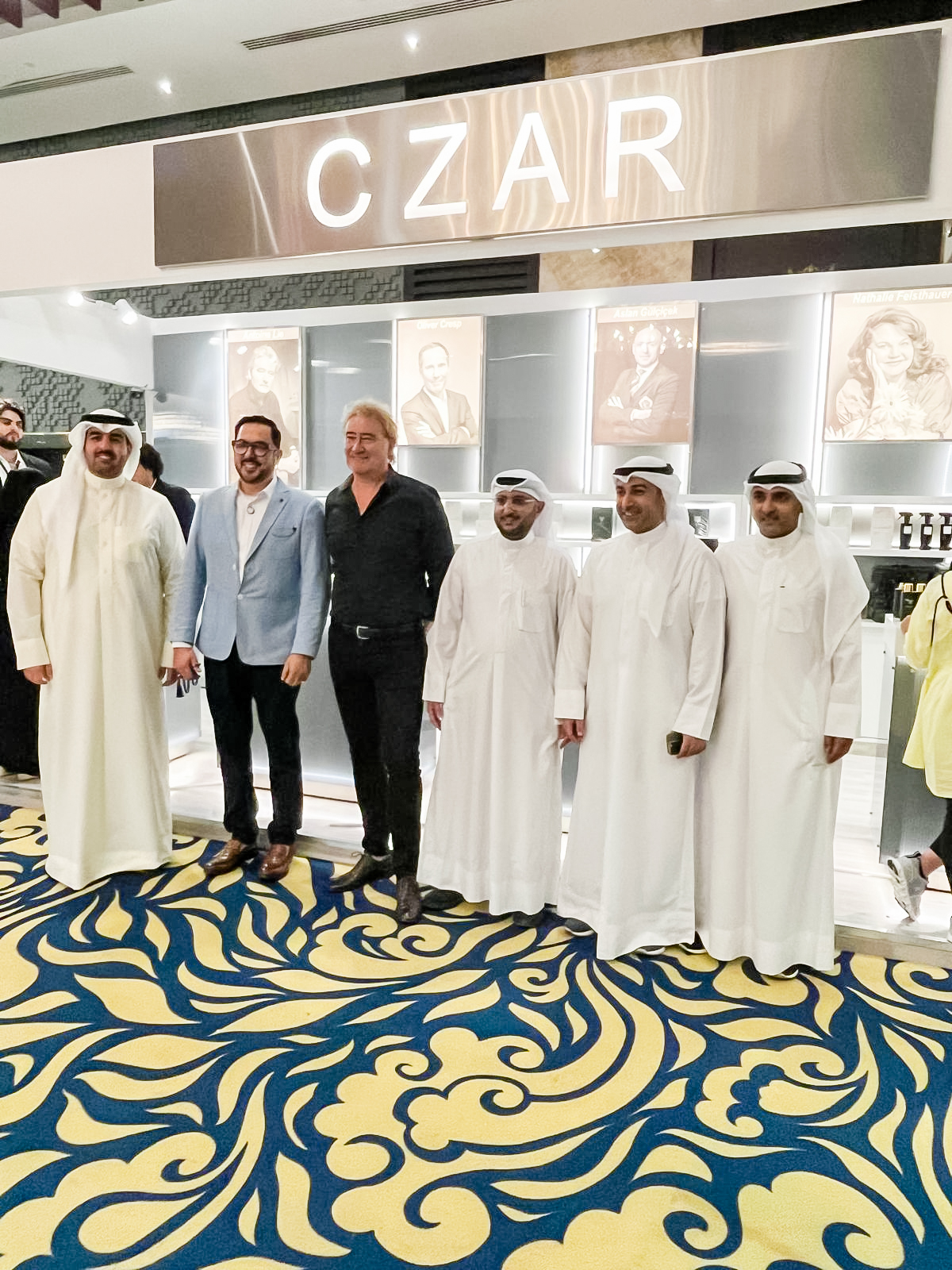
In 2024, you created Sword and Honeymoon for CZAR Fragrances. What inspired these two perfumes, and how was the creative process with the CZAR team?
The inspiration really came from the perfumes themselves. For Sword, CZAR Fragrances gave me a brief and a story mood board. Based on that, I felt it had to be powerful, something that makes you feel radiant, reassuring, and full of soft power—not aggressive, but protective in a way.
For Honeymoon, it was completely different. It was about the meeting of Middle Eastern and Western cultures. I wanted to highlight one ingredient common to both regions: coffee. I worked on a coffee structure, almost an overdose of coffee, which became the central idea. For Sword, I was inspired by the fougère structure from Western perfumery and combined it with strong elements like leather, which is very present in Middle Eastern fragrances. I merged these influences in a unique way.
So Sword became a fragrance built on reassuring power, blending fougère with leather and warm Middle Eastern notes. Honeymoon revolved around coffee, rebalanced into a bold structure built on this overdose of coffee.
Working with a brand like CZAR Fragrances can be different from other projects. What did you enjoy or find interesting about working with them?
Since I’m an independent perfumer, brands contact me directly, which is very motivating and respectful. What I was missing in industrial perfumery was that brands didn’t come for me, they came because of the company I worked for. This is completely different.
Working with CZAR Fragrances was new for me it was my first time collaborating with a Middle Eastern brand. They respected me, valued my work, and gave me a lot of freedom to be creative without boundaries or strict guidelines. That atmosphere of respect and open dialogue was a real pleasure, allowing me to create out-of-the-box fragrances people can enjoy.
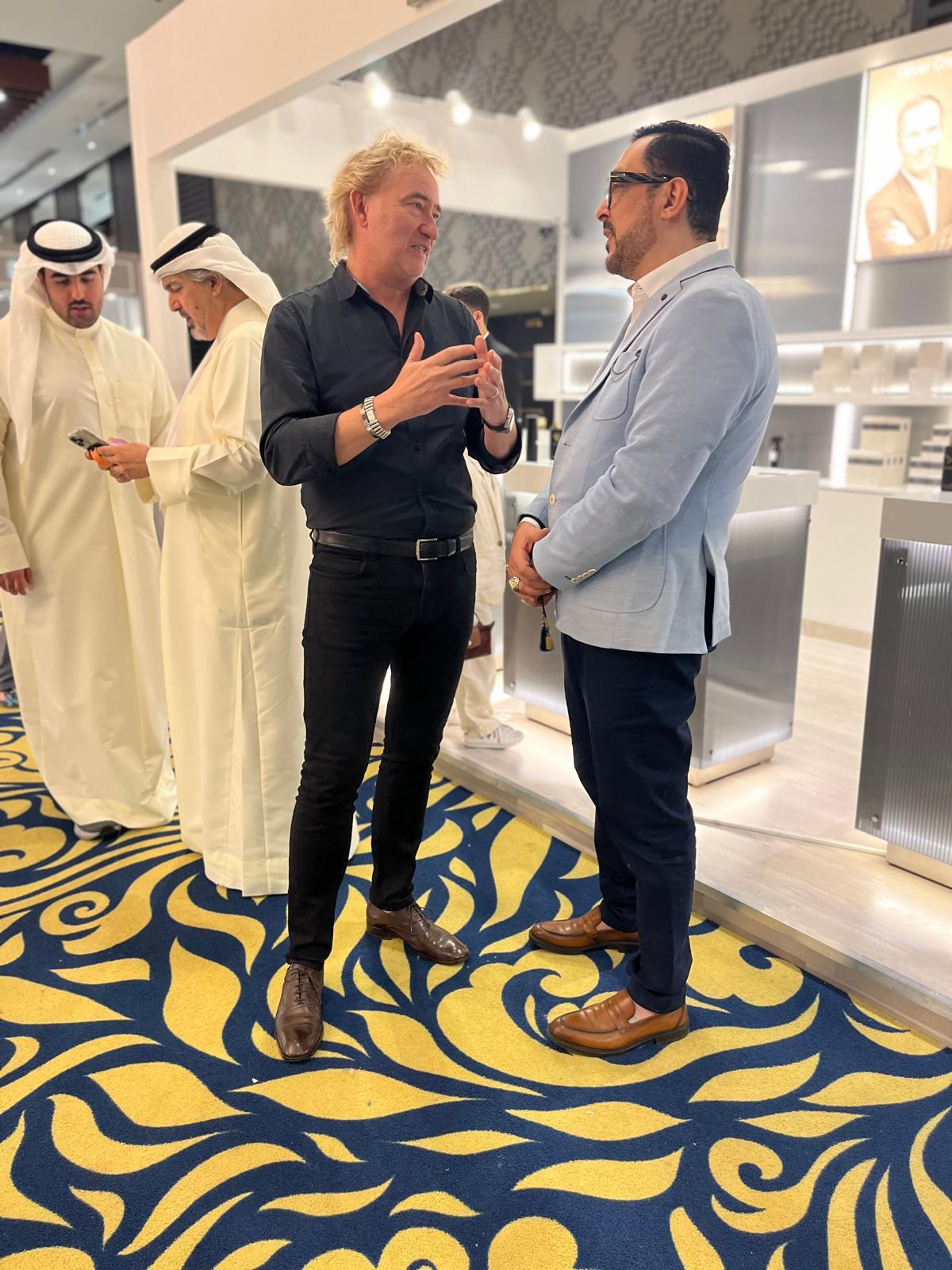
Your perfumes often break the rules in exciting ways. How did you bring your personal touch to Sword and Honeymoon, since they have very different moods?
As many know, I’ve developed avant-garde fragrances in the past. I always try to push boundaries, but also respect the brand’s intention. Are we aiming to provoke and shock, or to be creative and unique yet acceptable?
With Honeymoon, the overdose of coffee makes it truly polarizing very intense. But for those who love it, they’ll be loyal forever, which is a strength. With Sword, the challenge was reinventing a fougère for the Middle East by merging global influences into a clean, fresh, yet powerful structure.
Many new niche perfume brands are coming up around the world. Where do you see CZAR Fragrances in this global market? Do you think it stands out in a special way?
You’re right. Too many brands are launching every year. Survival in this market requires a unique approach.
Western brands often come to the Middle East with oud-based collections, adapting themselves to regional tastes. Meanwhile, many Middle Eastern brands focus on heavy woody, oudy, rosy, spicy, or leathery styles.
CZAR Fragrances stands out because, while being a Kuwaiti brand, it collaborates with Western perfumers to create structures that work both in the Middle East and in the West. This approach is fresh and smart, and I believe it will help CZAR succeed globally.
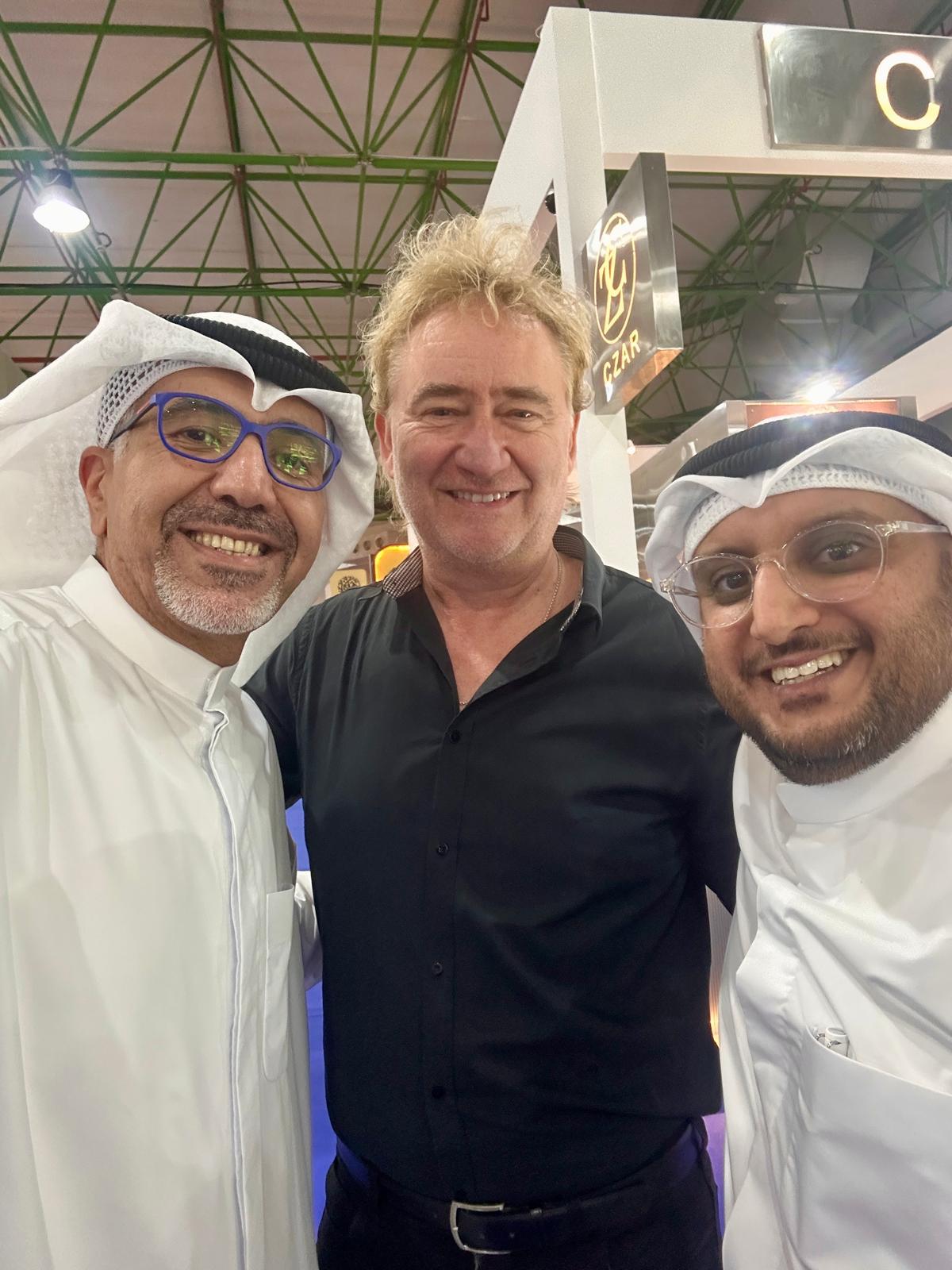
This was your first visit to Kuwait, how did you find the country? What was your impression of CZAR and the fragrance industry in Kuwait and the region?
It was my first time in Kuwait, and honestly, it was a very nice discovery. I didn’t know what to expect, but the people were extremely kind. The CZAR team treated me like royalty—it was a real pleasure.
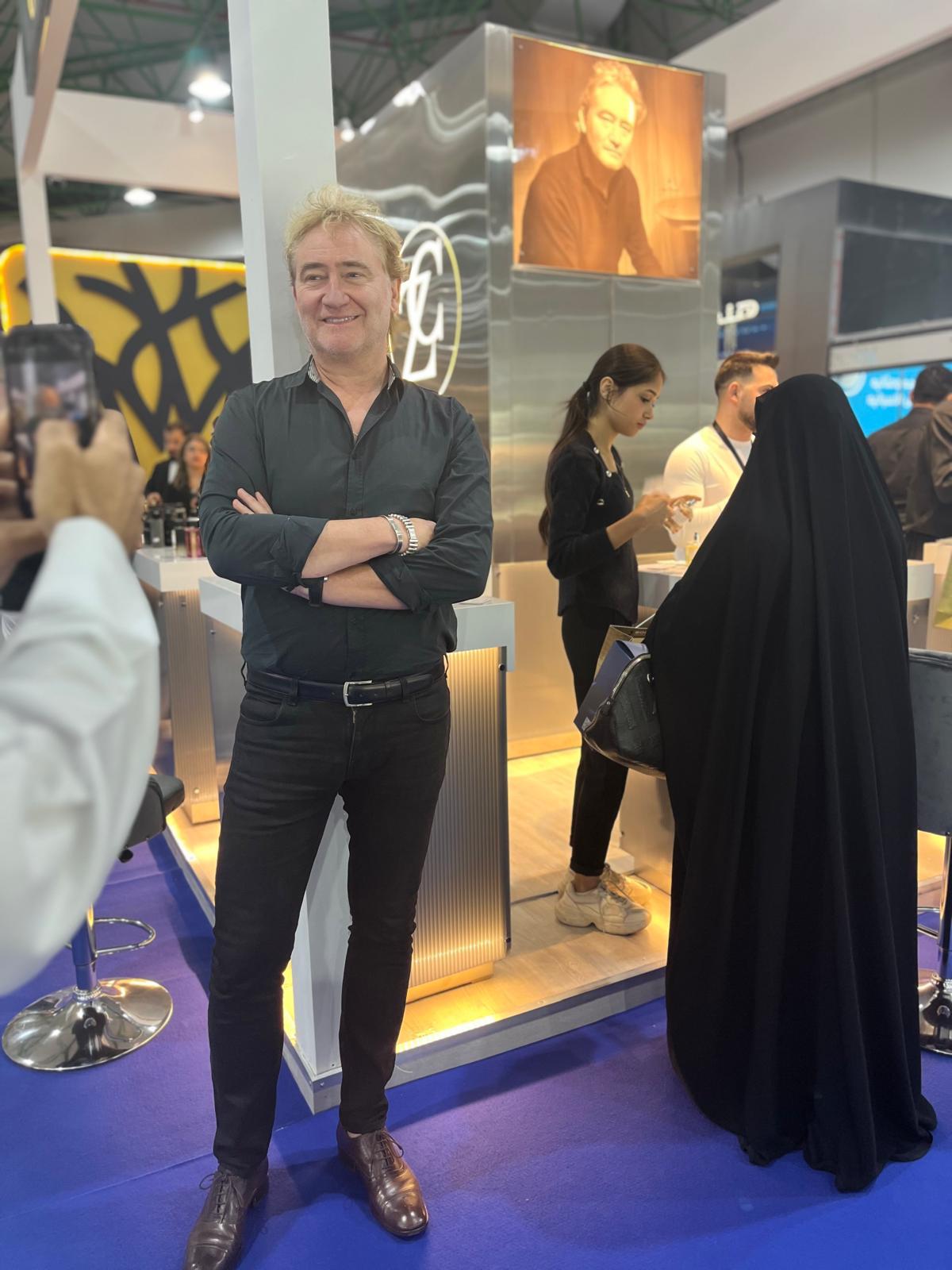
Even though my visit was short, during the October 2024 perfume expo I got a sense of the lifestyle. I noticed a strong Western influence in malls and the expo, but also felt the traditions. I didn’t feel lost in a foreign culture. The hospitality, food, tours, and museums made it a very enjoyable and surprising experience.
CZAR Fragrances is also the first Middle Eastern brand you’ve worked with. How was the experience for you? And how do you see the Middle East’s place in the global fragrance scene?
It was a great experience working with CZAR. The team was professional and respectful, which made it a real pleasure.
As for the Middle East, it has become an essential market. Western brands look here for growth, especially since many Western markets are saturated. GCC countries have wealth and influence, and in the last 10 years, the region has become vital to the fragrance business. This has influenced even Western formulas, pushing us to experiment with stronger ingredients like oud.
The exchange between Middle Eastern and Western perfumery is enriching. However, with so many brands emerging, I think saturation will eventually become a serious problem.
The Gulf region has become a key player in the perfume world. What do you think makes this region interesting or challenging for perfumers?
For big brands, it’s a huge opportunity because of population and wealth. For perfumers, it’s an opportunity to learn from traditions and experiment more freely, like with oud or overdoses of certain ingredients, which industrial perfumery doesn’t always allow.
For me, working with the Gulf region has been a way to open my mind and gain creative freedom. It’s a promising and rising market.
You’ve worked with many creative and well-known perfume houses. In your opinion, what makes a good partnership between a perfumer and a brand? And how was your experience with CZAR?
Some brands don’t respect perfumers, treating the fragrance as no more important than the bottle cap. Others, however, value the relationship and see it as central to the final product.
The best partnerships are based on dialogue, exchange, and trust, with a small group making decisions. It carries risk, but when done well, the results can be outstanding.
That’s exactly how it was with CZAR Fragrances: a mutual, respectful dialogue that simplified the creative process. For me, simplicity in collaboration leads to the best results, which is why I truly respect CZAR.
Instagram: @antoinelieolfactiveexperience
Instagram: @czar.kw