

Within touching distance of Berlin’s restless energy, Wilmina Hotel moves to an entirely different rhythm in the tree-lined avenues of Charlottenburg. Entered through a garden lobby that feels closer to a private courtyard than a reception space, the hotel immediately signals a sense of stillness. Here, history lingers in brick and steel, softly preserved rather than erased, as a former institutional complex has been transformed into one of the city’s most quietly luxurious addresses. Just beyond Kantstraße’s cafés, cinemas and perfumeries, Wilmina offers a gentle retreat from the capital’s momentum, refined, restorative and unexpectedly intimate.
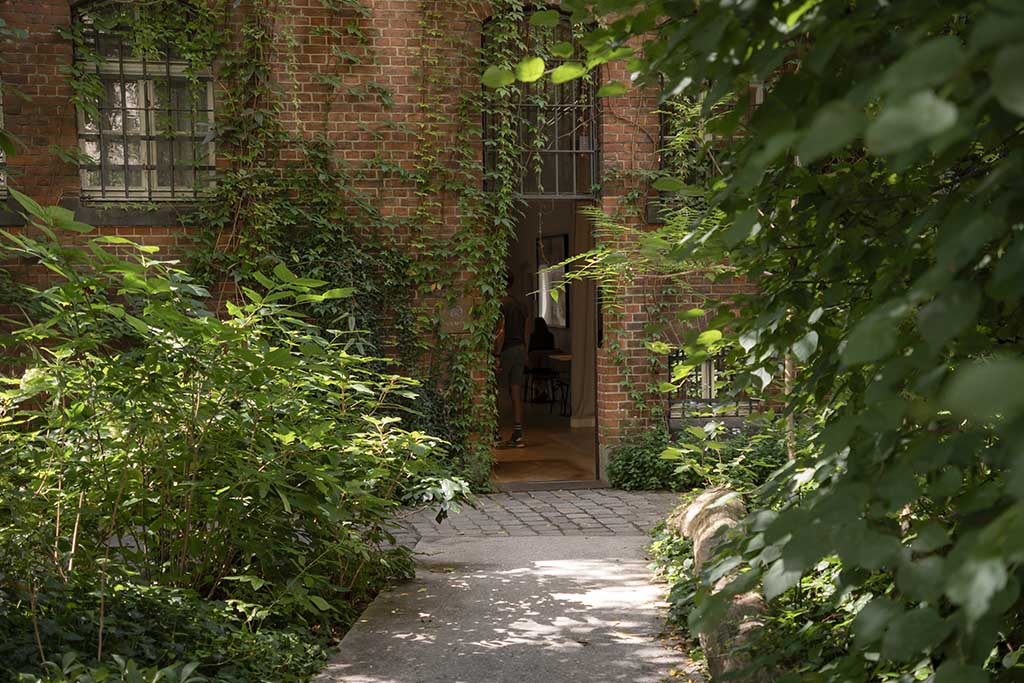
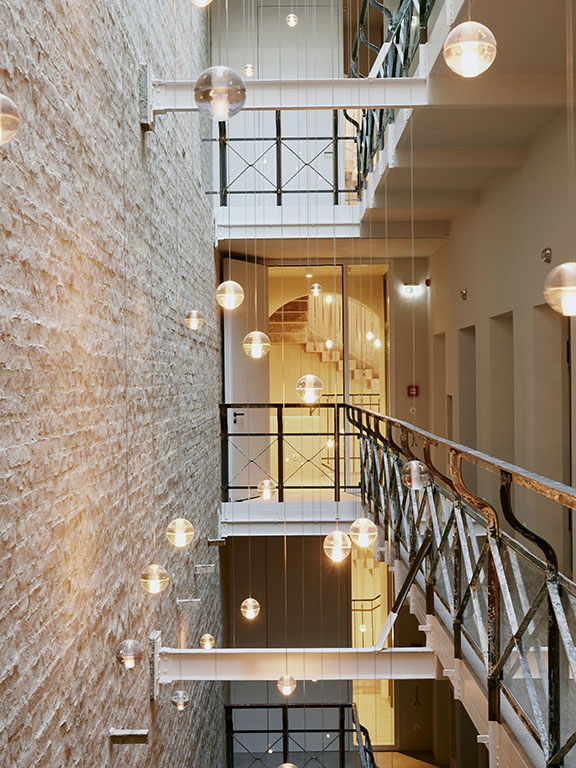
Wilmina is, in many ways, a study in Berlin’s most distinctive architectural instinct: pragmatic, restrained and deeply respectful of what has come before. Yet what makes it remarkable is not simply preservation, but transformation. Its former life as a courthouse and women’s prison has not been erased or concealed; instead, it has been carefully absorbed into the fabric of the present. Original brickwork, steel frameworks and structural traces remain legible throughout, not as relics, but as quiet markers of reinvention, offering a narrative of continuity rather than rupture.
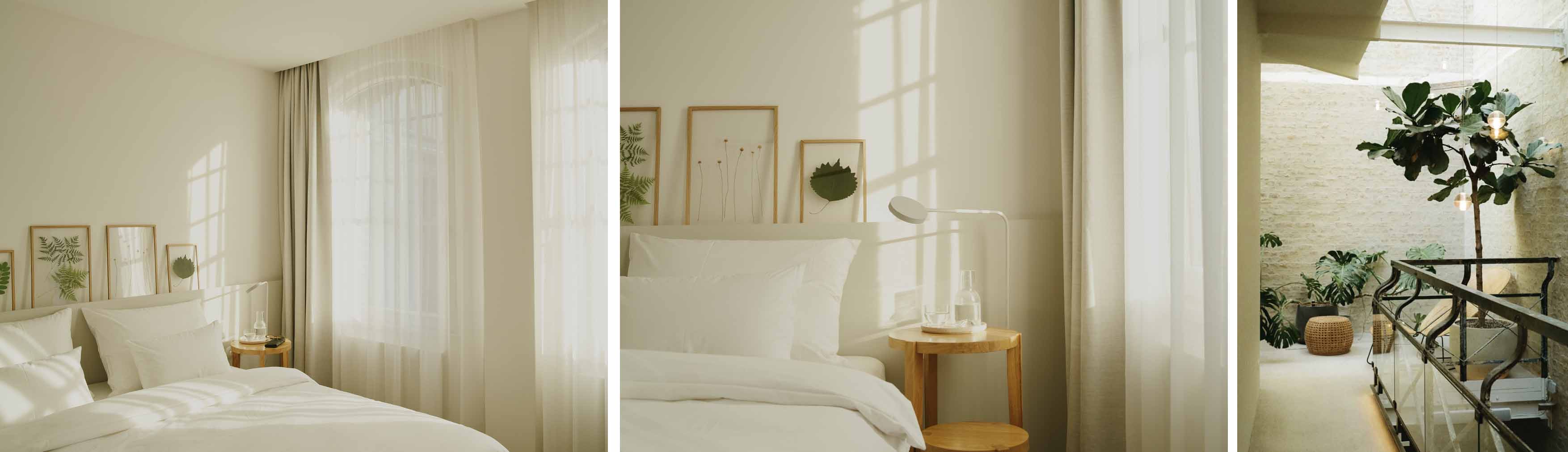
From this foundation emerges a carefully composed hotel village of 44 rooms and suites, arranged around a sequence of leafy courtyards and interconnected volumes that feel almost organically grown rather than designed. The arrival unfolds with deliberate ease: a garden lobby opens directly onto greenery, replacing the notion of a formal reception with something far more domestic and fluid, immediately dissolving the boundary between inside and out.
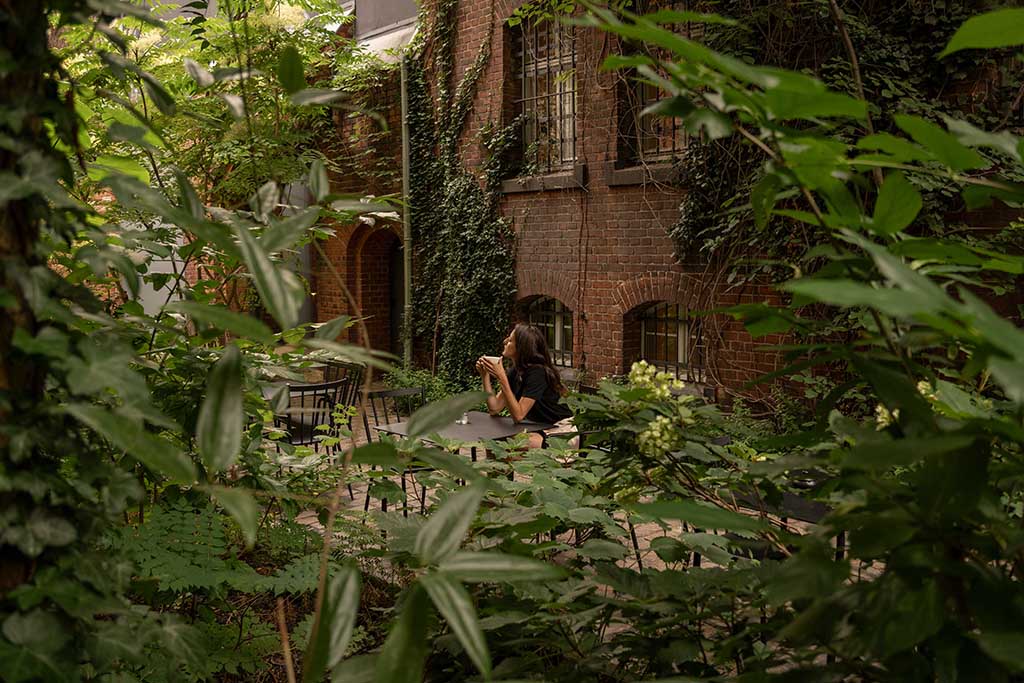
Grüntuch Ernst Architects have spent more than a decade reshaping the complex, preserving its integrity while introducing light, openness and a contemporary sense of ease. Courtyards have been reopened to the sky, former cell structures reconfigured into generous guest rooms, and circulation spaces softened through natural materials and considered proportions.
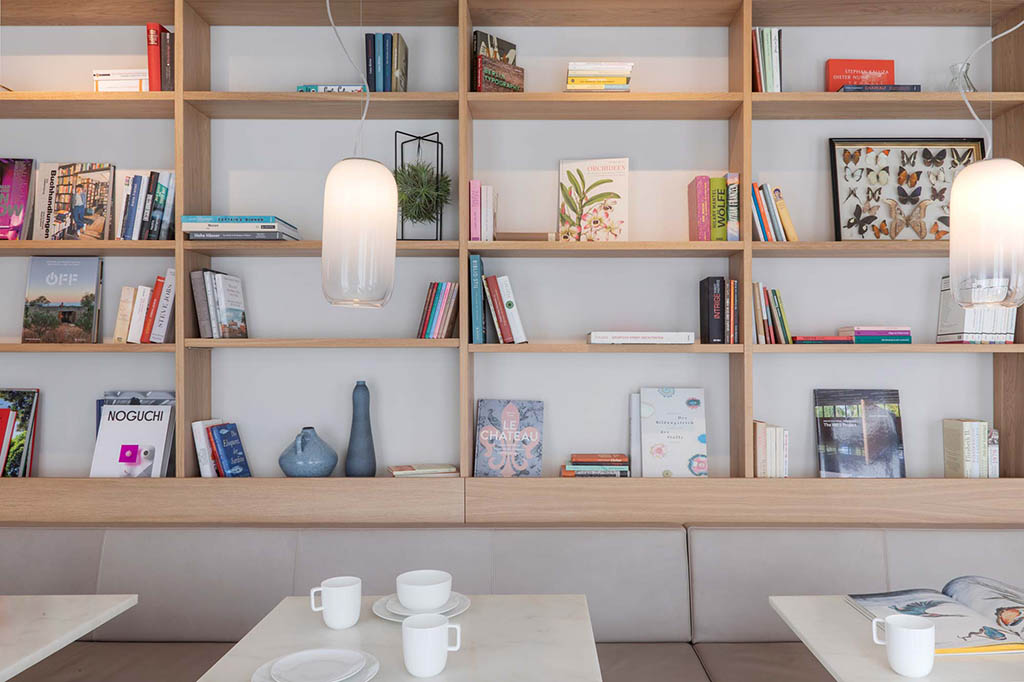
The surrounding neighbourhood of Charlottenburg reinforces this sense of balance. Kantstraße, with its mix of independent bakeries, arthouse cinemas and discreet boutiques, sits just beyond the hotel gates. A short walk leads to Lietzenseepark, where paddleboats drift across the water and the pace of the city slows even further. Despite being slightly removed from Berlin’s most intense districts, the city remains effortlessly accessible from here, close enough to reach, far enough to forget.
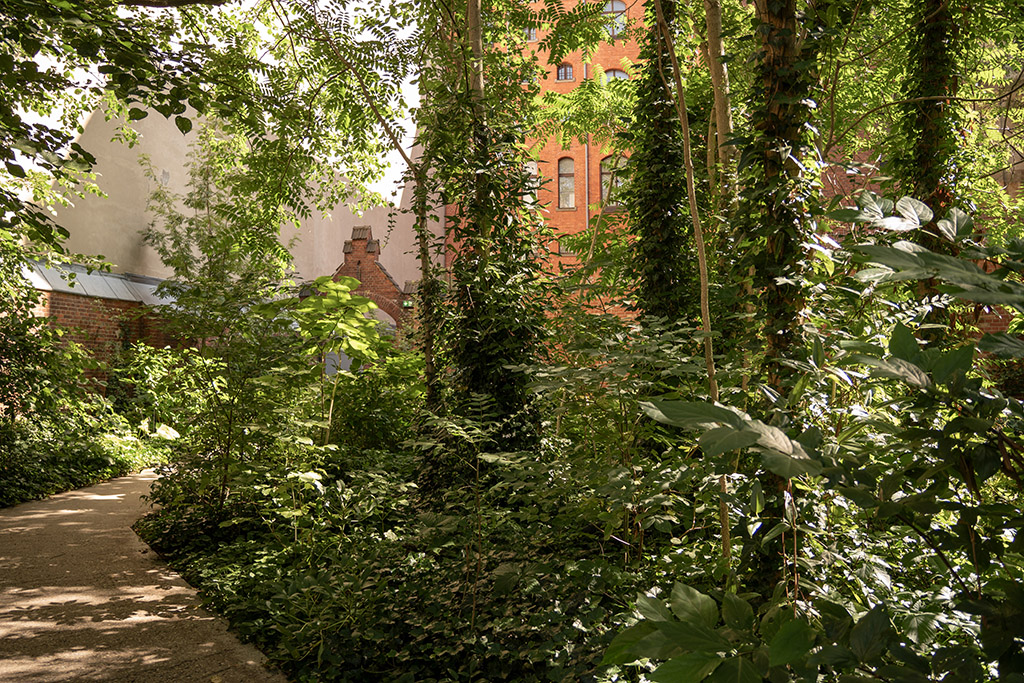
ROOFTOP CALM AND A DIFFERENT KIND OF WELLBEING
Inside, Wilmina is defined by a feeling of quiet clarity. The rooms are deliberately understated, soft neutral palettes, natural textures, and expansive windows that draw in daylight throughout the day. COCO-MAT beds, pared-back furnishings and minimal detailing create a sense of ease rather than design performance. Everything feels intentionally softened, as though the building is actively encouraging rest.
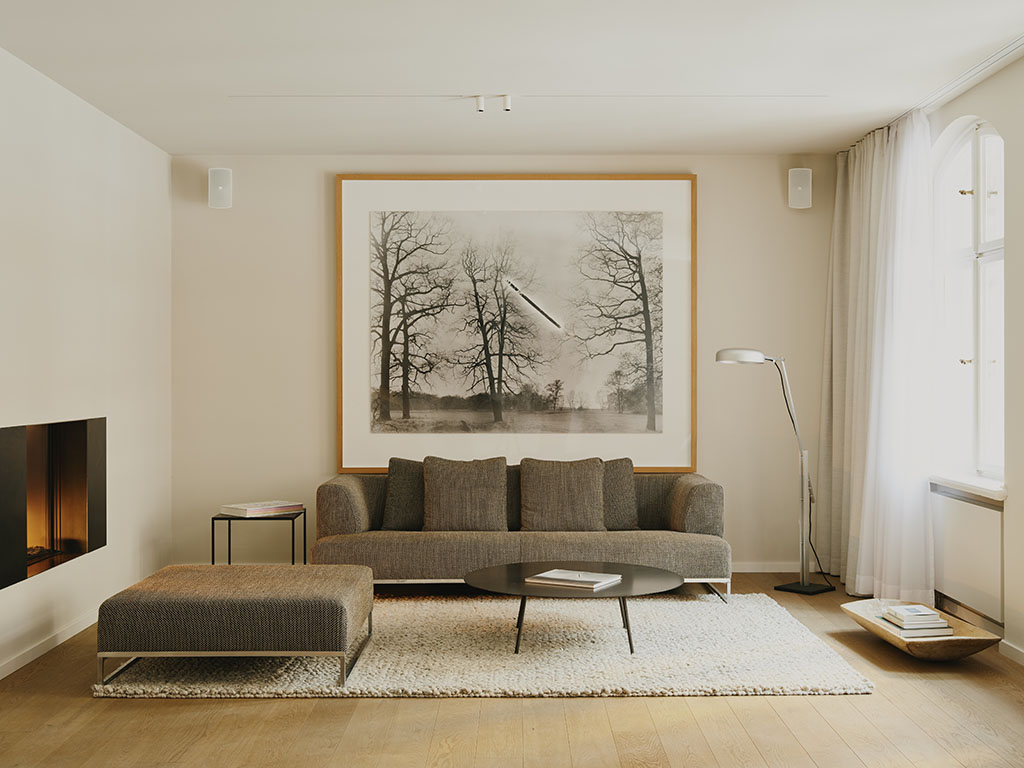
In the newer Carlotta apartments, space becomes almost residential in scale. These light-filled suites offer generous living areas, clean architectural lines and a sense of privacy that makes longer stays feel especially natural.
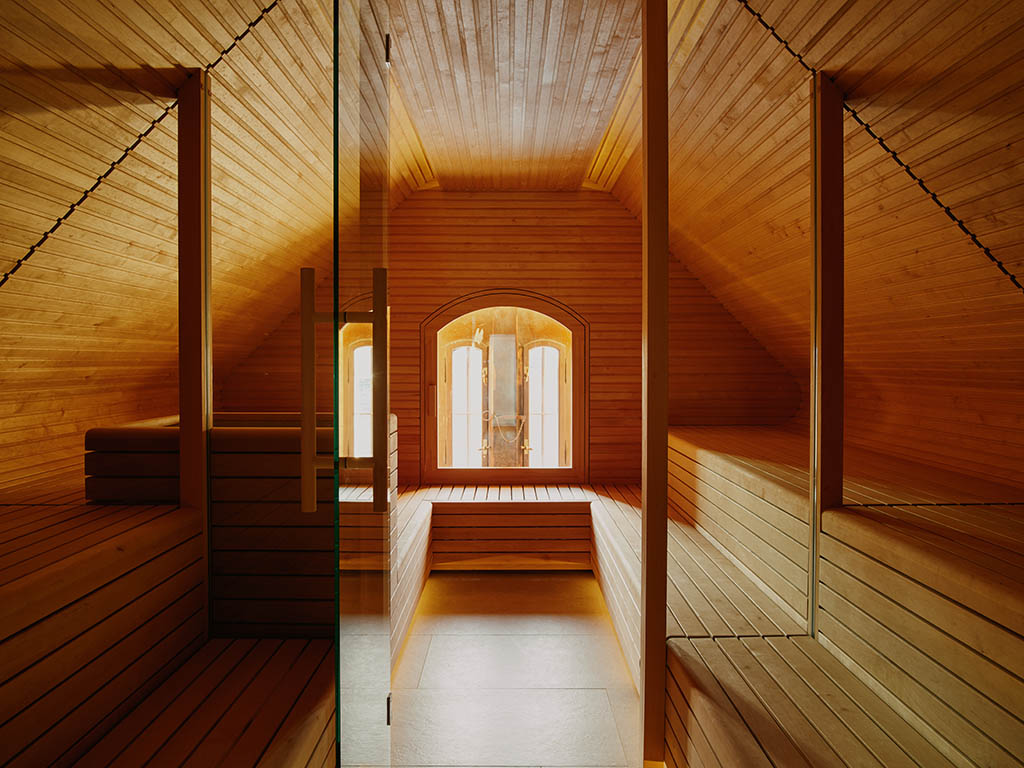
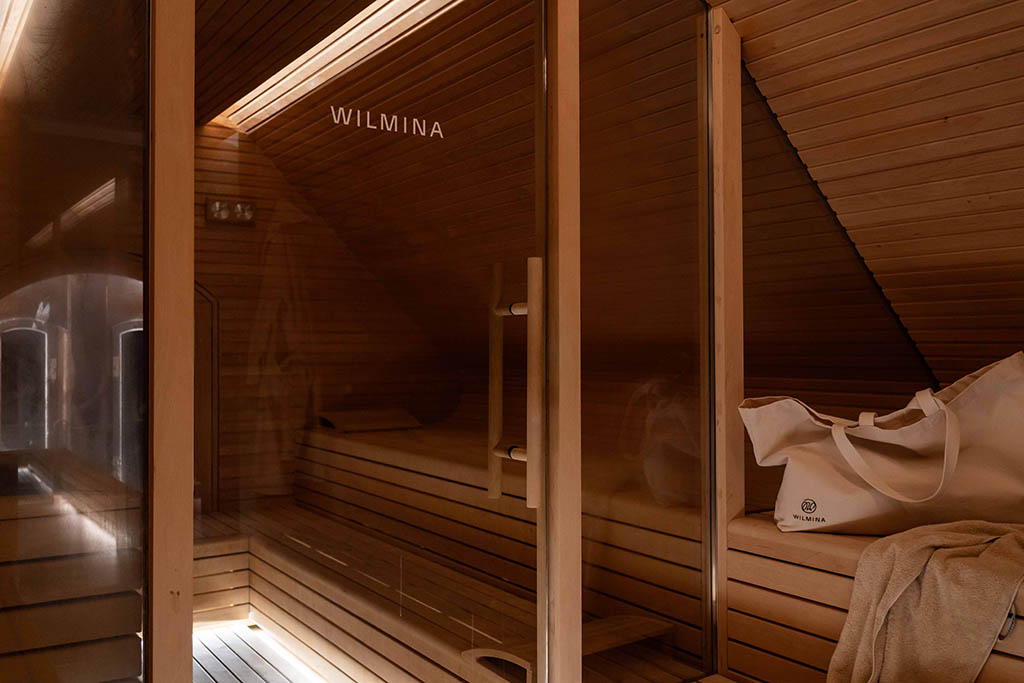
Wellbeing is woven into the structure of the hotel rather than added as an amenity. A spa, gym and sauna provide simple, essential rituals of rest, but it is the rooftop that defines the experience. Here, a seasonal infinity pool looks out over Berlin’s rooftops, shifting mood with the weather and time of day. It is less a statement feature than a quiet invitation to pause.
Throughout the property, small gestures reinforce this atmosphere: complimentary coffee, tea and fresh fruit in the Wilmina Lounge, informal moments in the billiard room, and the option of Lotta cocktails in the summer garden. Even movement through the hotel feels slowed, as if the architecture itself is resisting urgency.
The result is a form of hospitality that feels unusually grounded, less about indulgence, more about recalibration.
WILMINA BROT, LOVIS AND THE ART OF EASE
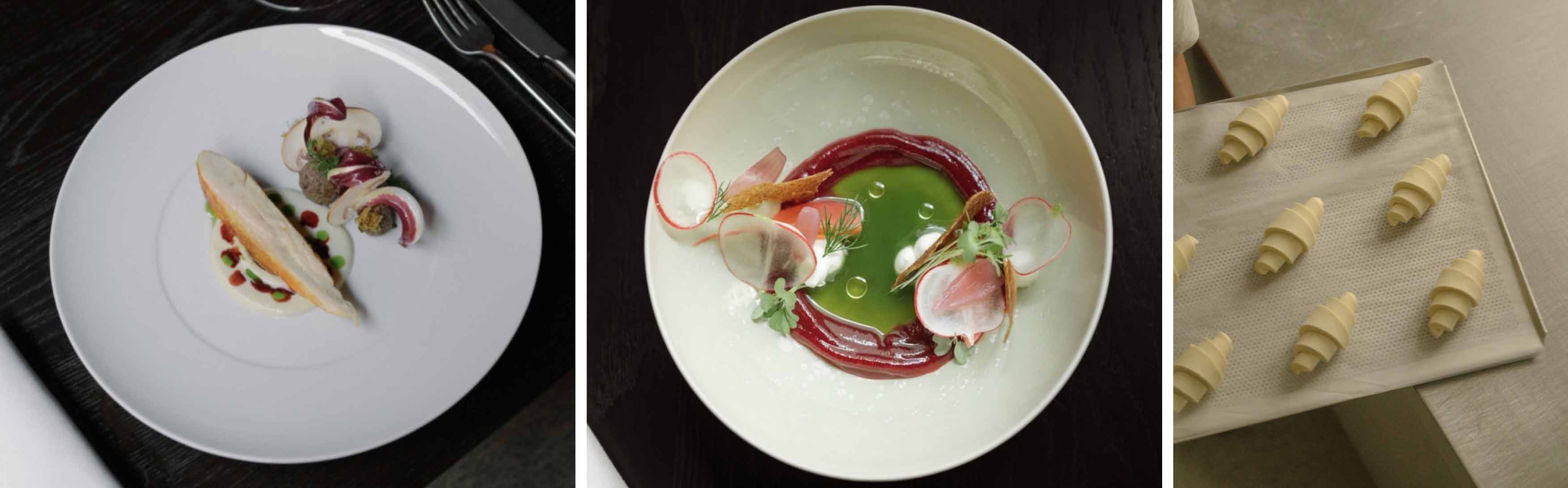
At Wilmina, dining is not a separate experience but part of the building’s daily rhythm. Mornings begin with the slow rise of sourdough at Wilmina Brot, the hotel’s in-house bakery, where the scent of fresh bread sets the tone for the day. Breakfast is generous but unforced: a curated buffet of homemade specialities, regional produce and simple, well-made dishes that reflect a distinctly German approach to quality and restraint.
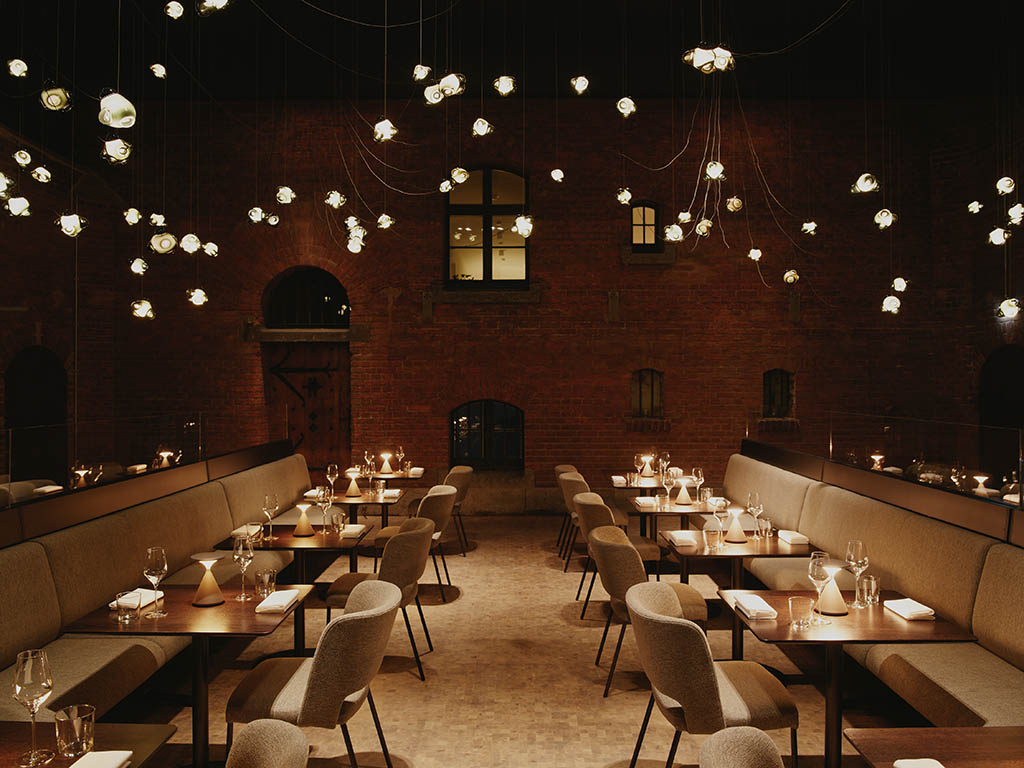
For lunch and dinner, Lovis Restaurant anchors the culinary offering. Led by chef Sophia Rudolph, it delivers contemporary cuisine rooted in seasonality and precision, where flavour is layered rather than amplified. The setting, softly lit, intimate, and opening onto greenery, mirrors the hotel’s wider aesthetic: composed, understated, confident.
Next door, the bar extends this philosophy into cocktails that favour balance over theatrics, designed to be quietly considered rather than showy. Service throughout is attentive but unobtrusive, allowing the space itself to remain the focal point.
Beyond the hotel, Kantstraße offers an easy extension of Wilmina’s culinary world. Its mix of cafés, bakeries and international restaurants reflects Charlottenburg’s cosmopolitan character, while many of the hotel’s own suppliers are drawn from this immediate neighbourhood. There is a sense of circularity here, what is served inside often begins just outside the door.
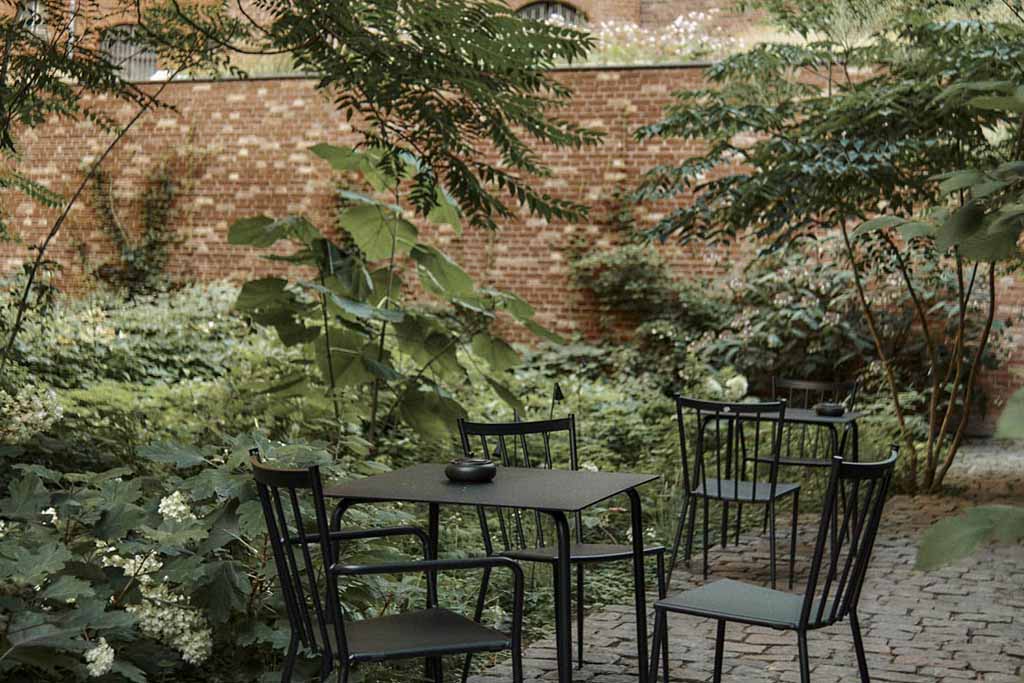
Back within the grounds, evenings might end in the library by the fireplace or in one of the courtyards, where seating is left intentionally flexible, encouraging guests to settle wherever light and silence feel best.
Wilmina does not try to compete with Berlin’s energy. Instead, it reframes it, offering a quieter version of the city that feels both rooted in history and entirely of the present.