

FROM GOTHIC SPIRES TO MODERN ART
Gothic towers, Baroque palaces, smoky cafés and golden parks: Prague has all the ingredients of a classic European escape, but look beyond the postcard and another city emerges, one of contemporary art, clever design, independent restaurants and a distinctly creative spirit.
As summer draws to a close, there comes a moment when the beach club loses its pull. What if the next escape offered something different: centuries of history, extraordinary architecture, contemporary art and neighbourhoods worth getting lost in? Prague makes a compelling case. Three days are enough to discover its Gothic towers and Baroque palaces, dip into its creative scene and understand why the Czech capital remains one of Europe’s most rewarding city breaks.
The city grew around the Vltava River, which still provides its natural centre of gravity. Kings and emperors ruled from here; the city became an important centre of the Holy Roman Empire; religious conflicts, wars and political upheaval repeatedly reshaped its fortunes. In the 20th century, Prague lived through Nazi occupation, the Communist era and the peaceful Velvet Revolution of 1989, before becoming the capital of the independent Czech Republic in 1993.
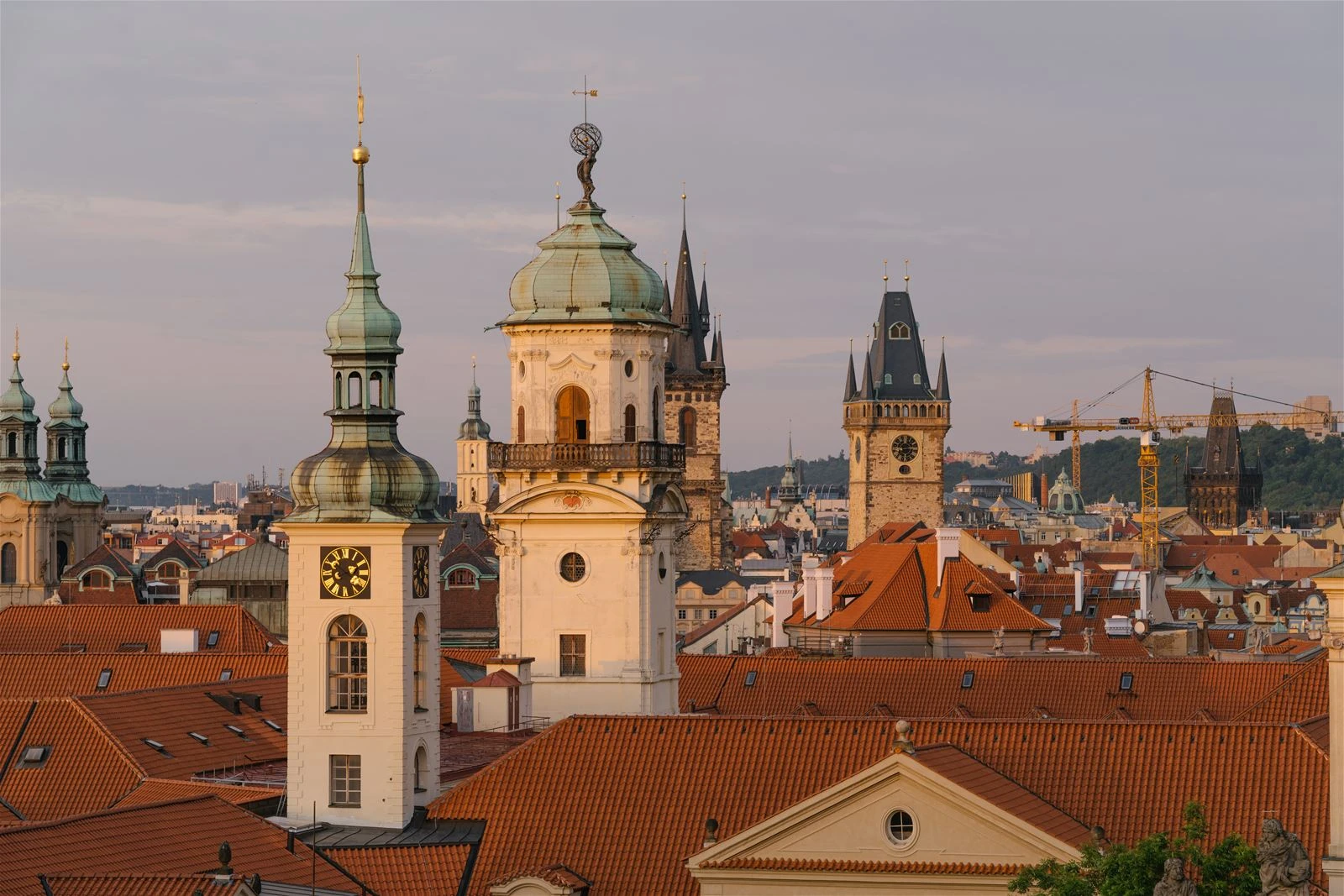
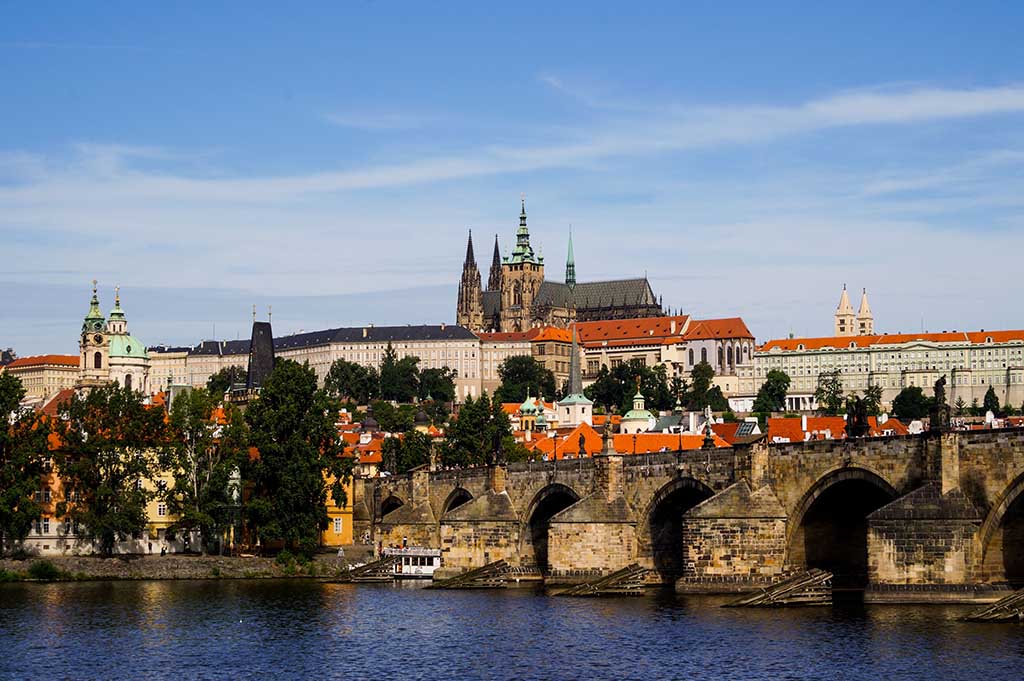
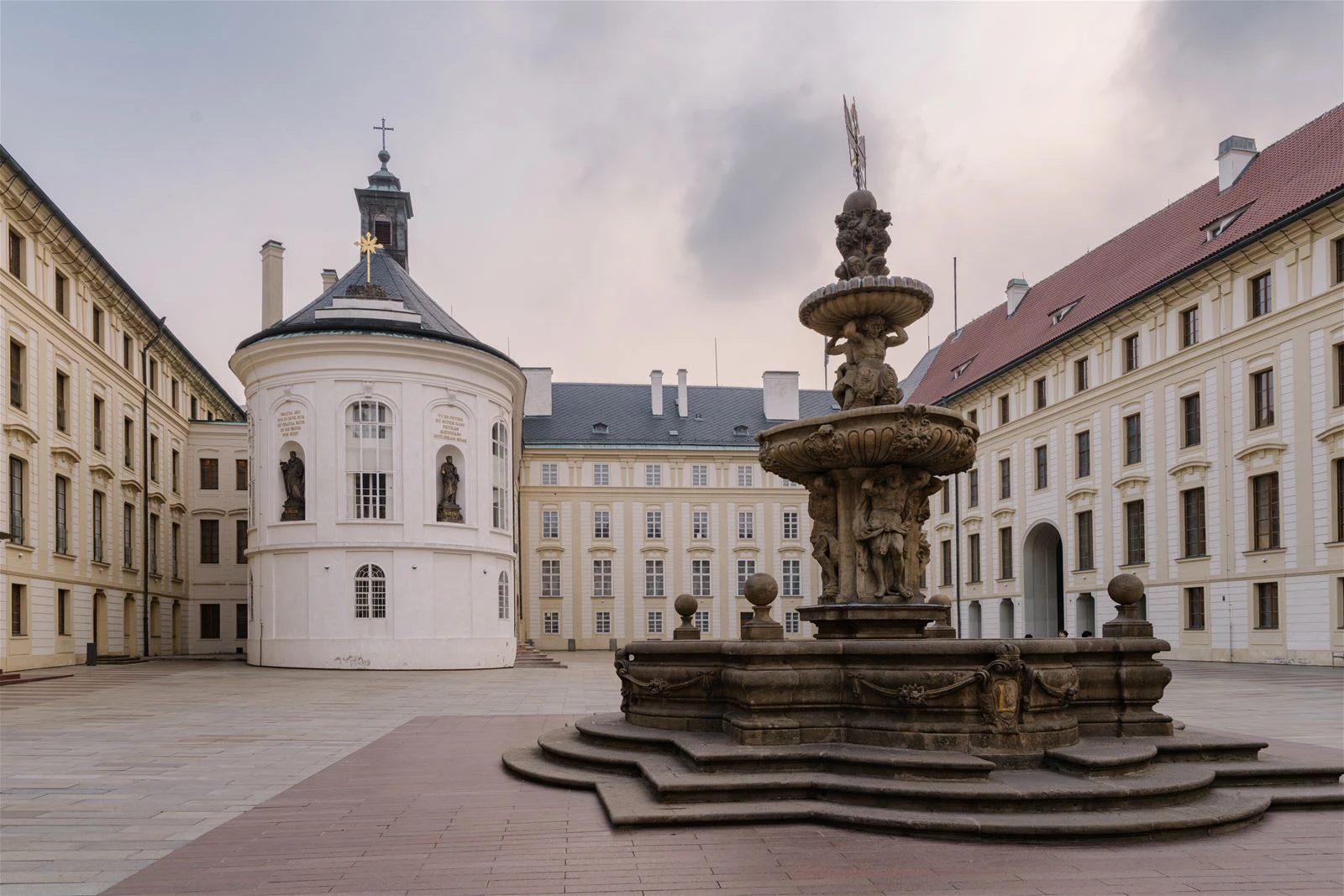
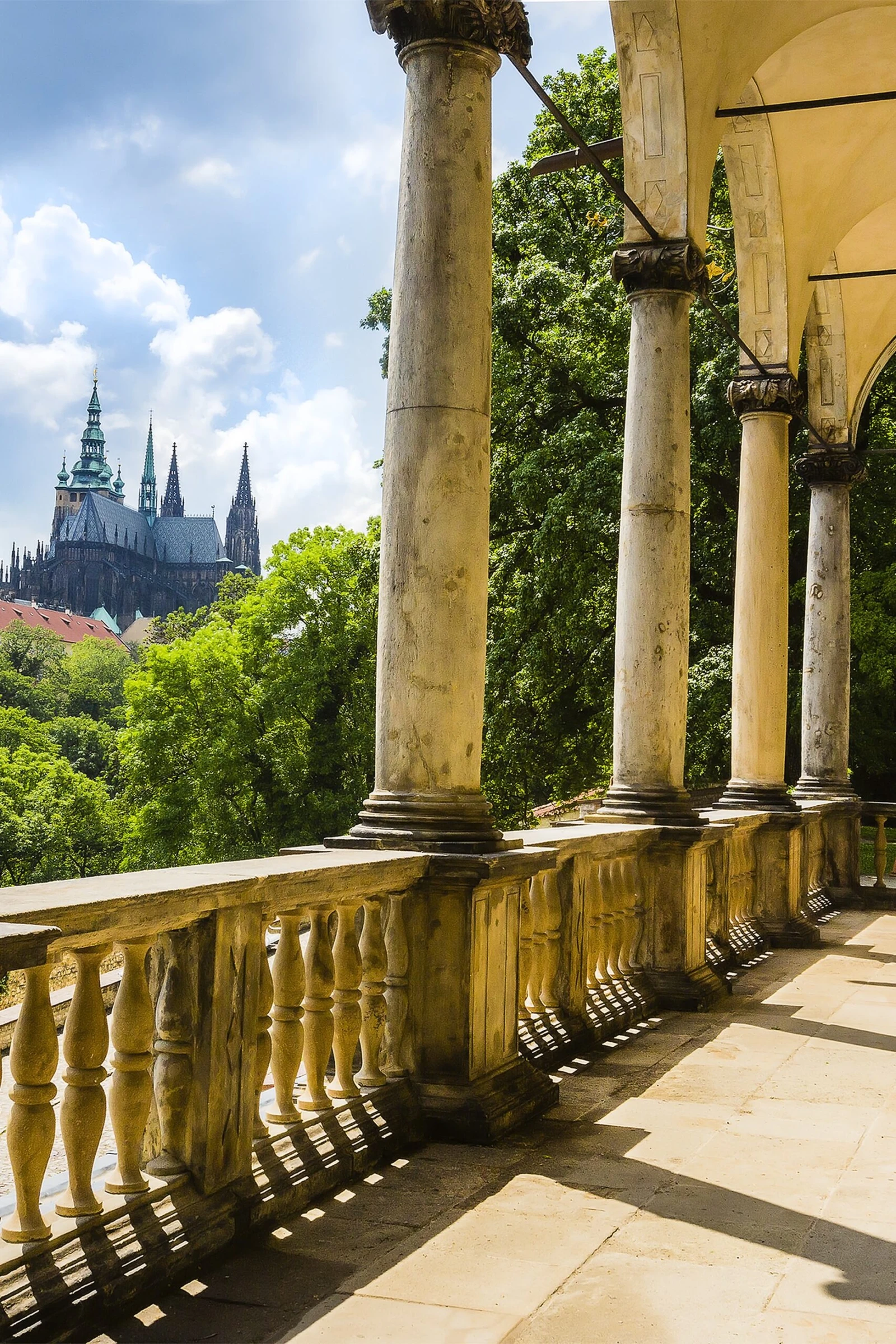
You can read much of this history simply by walking. Above the city, Prague Castle remains the most imposing reminder of its royal past. The enormous complex has been a seat of power for more than a thousand years, and its architecture reflects that long history, from Romanesque foundations to Gothic, Renaissance and Baroque additions. At its centre is St Vitus Cathedral, whose soaring Gothic interior is one of Prague’s great architectural experiences. Look for the stained-glass window by Czech Art Nouveau master Alphonse Mucha, an unexpected burst of colour inside a building otherwise defined by medieval stone.
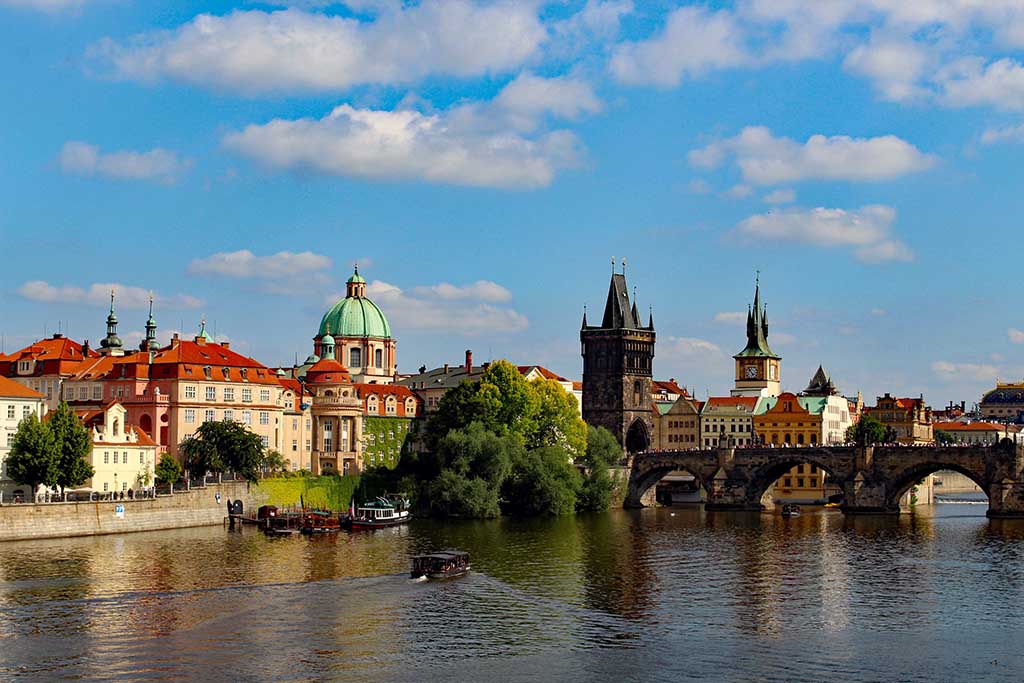
Nearby, the tiny houses of Golden Lane offer a more intimate glimpse of the castle district. The street was once home to craftsmen and is surrounded by the kind of legends that Prague has accumulated over centuries, including stories of alchemists searching for the philosopher’s stone. Then there is the Charles Bridge, the city’s great connector. Built in the 14th century, it links the Old Town with Malá Strana and has become Prague’s most recognisable image. During the day it can feel almost overwhelmed by its own popularity, but arrive early and the experience changes. The Vltava moves below, the statues emerge from the morning light and the castle rises beyond the rooftops.
FOLLOW THE CITY’S OLDER STORIES
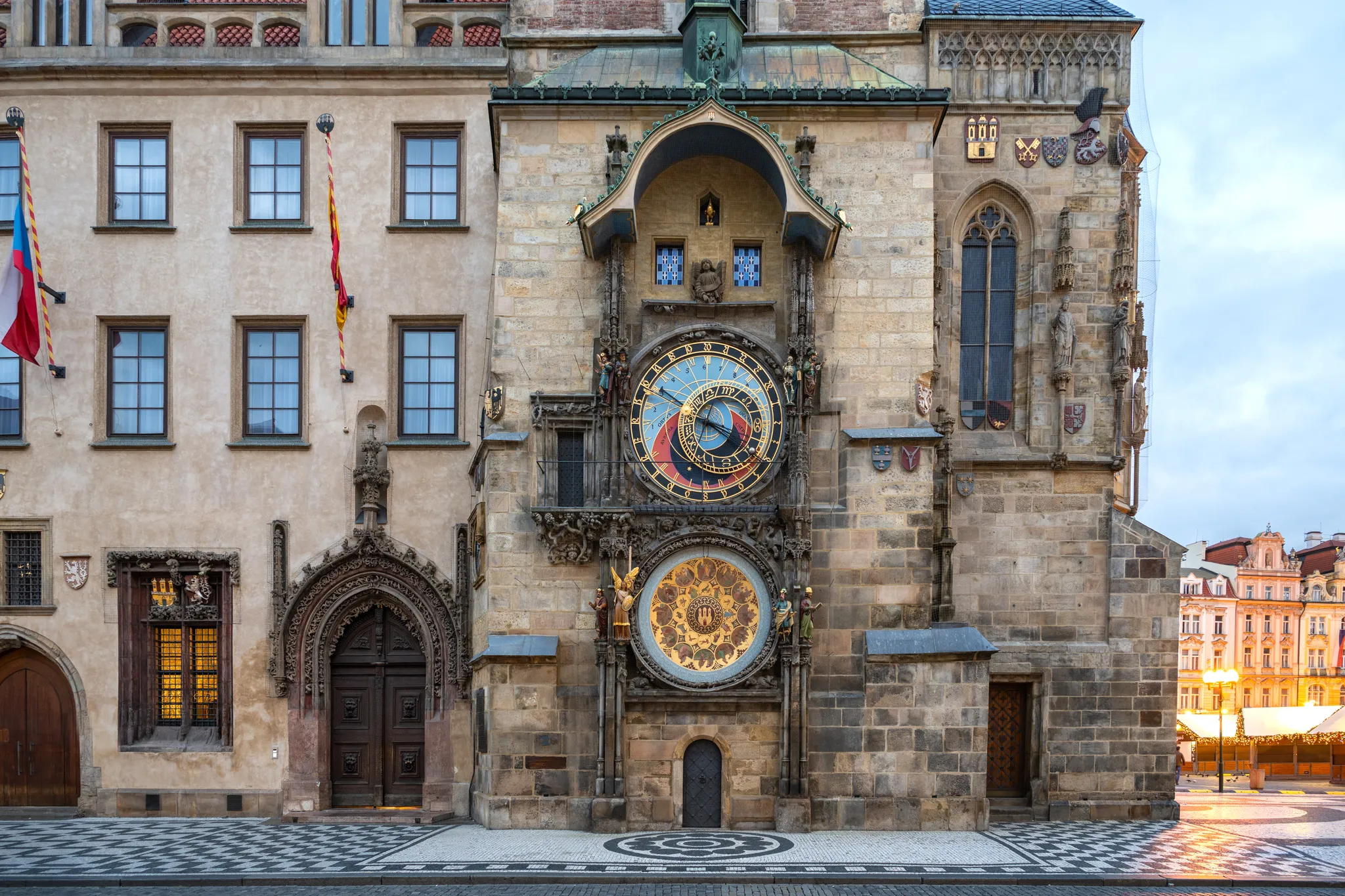
Cross back into the Old Town and Prague becomes a lesson in how different histories can occupy the same few streets. The Old Town Square is the obvious starting point, with its Gothic and Baroque façades, the Church of Our Lady before Týn and the famous Astronomical Clock, which has been marking the hours since 1410. Every hour, visitors gather beneath it for the brief procession of the Apostles. It lasts less than a minute, but there is something wonderfully theatrical about watching a piece of medieval engineering still perform its ritual more than six centuries later.
A short walk away, the Clementinum offers a quieter encounter with Prague’s intellectual history. The vast former Jesuit complex is home to one of the city’s most beautiful interiors: the Baroque Library Hall, where dark wooden shelves, historic volumes and astronomical globes create an almost cinematic setting. The Astronomical Tower provides another view across the rooftops. It is a reminder that Prague’s history is not only one of kings and churches, but also of scholarship, science and the arts.
Continue towards Josefov, the Jewish Quarter, where the city’s history becomes considerably more complex. The district was once Prague’s Jewish ghetto and today contains some of the most important surviving Jewish monuments in Europe. The Old-New Synagogue, one of Europe’s oldest active synagogues, remains at its centre, while the Pinkas Synagogue serves as a memorial to the Jewish victims of the Holocaust. The Spanish Synagogue, with its elaborate Moorish Revival interior, offers yet another architectural chapter. Josefov is not somewhere to rush through with a camera. Its significance lies in the layers of memory held within a remarkably small area — centuries of religious life, persecution, community and survival.
LEAVE THE OLD TOWN BEHIND
The historic centre is undeniably beautiful, but spending the entire trip there would be a mistake. Neighbourhoods such as Karlín, Vinohrady, Holešovice and Letná reveal a more contemporary side of the city. There are independent cafés, bakeries, design shops, wine bars and restaurants where locals rather than tour groups set the rhythm.
Vinohrady is particularly good for an afternoon wandering between elegant residential streets and cafés. Karlín has become one of the city’s strongest food destinations, while Holešovice has the galleries and creative energy.
Prague is also a city designed for looking upwards. Its skyline is a remarkable mixture of church towers, domes and spires — the reason it has long been known as the City of a Hundred Towers. There are, in fact, considerably more than a hundred. For one of the best views, head to Petřín Hill. The climb takes you away from the stone and traffic into gardens and wooded paths, ending at the Petřín Lookout Tower, whose silhouette deliberately recalls the Eiffel Tower. From the top, Prague spreads out below in a sea of terracotta roofs, church domes and green spaces.
Alternatively, take the historic Tram 42, a vintage hop-on-hop-off service that provides an entertaining way to see the city without another guided walking tour. The route passes Prague Castle, Malá Strana, the National Theatre and other landmarks while giving you the pleasure of travelling through the city as its residents do.
WHERE KAFKA MEETS CUBISM
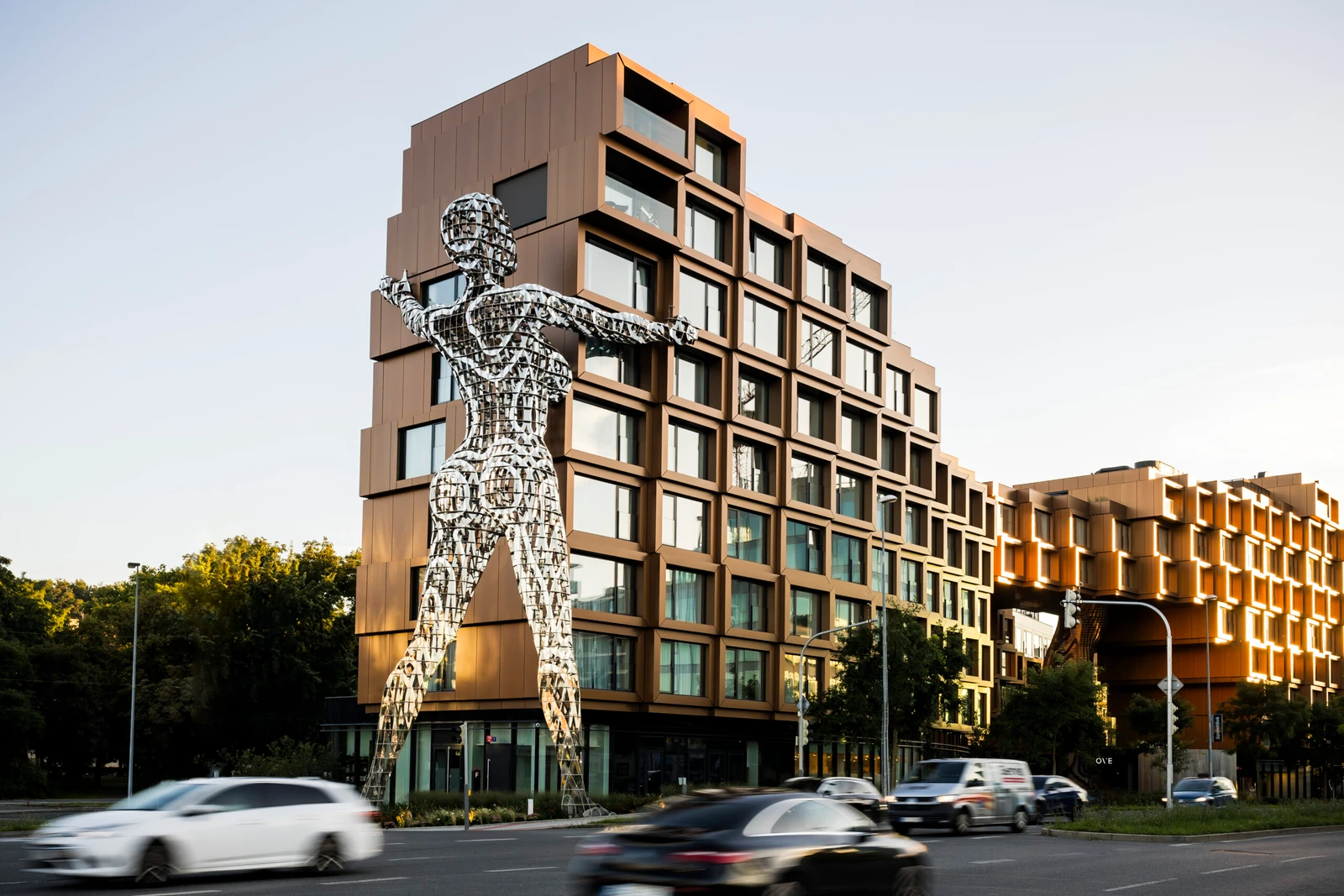
Prague has always attracted artists, writers and outsiders. Its most famous literary son, Franz Kafka, was born here in 1883 and spent much of his life navigating the city’s German-, Czech- and Jewish-speaking worlds.
His presence is still felt across Prague, although the city does not treat him like a conventional literary monument. There is a Kafka Museum, a Kafka statue and several addresses associated with his life, but his influence is perhaps better understood through the city’s atmosphere: strange, layered, occasionally absurd.
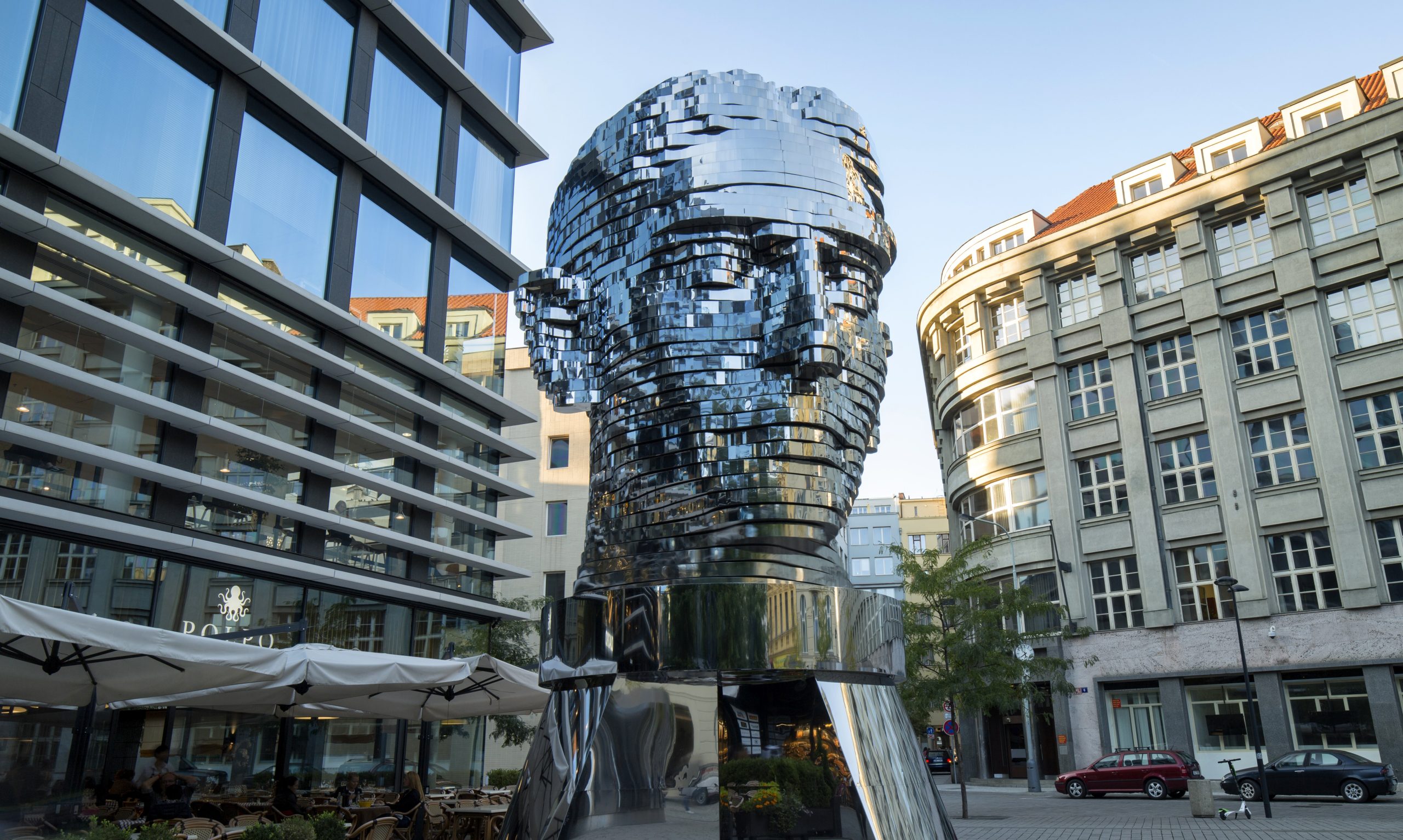
Prague’s artistic identity extends well beyond Kafka. The city was one of the early centres of Cubism, and its architecture remains an extraordinary expression of the movement. The House of the Black Madonna, near the Old Town, is one of the best places to see it, while the Czech Cubism Museum explores the movement’s influence on architecture, furniture and decorative arts. That dialogue between history and contemporary creativity continues today.
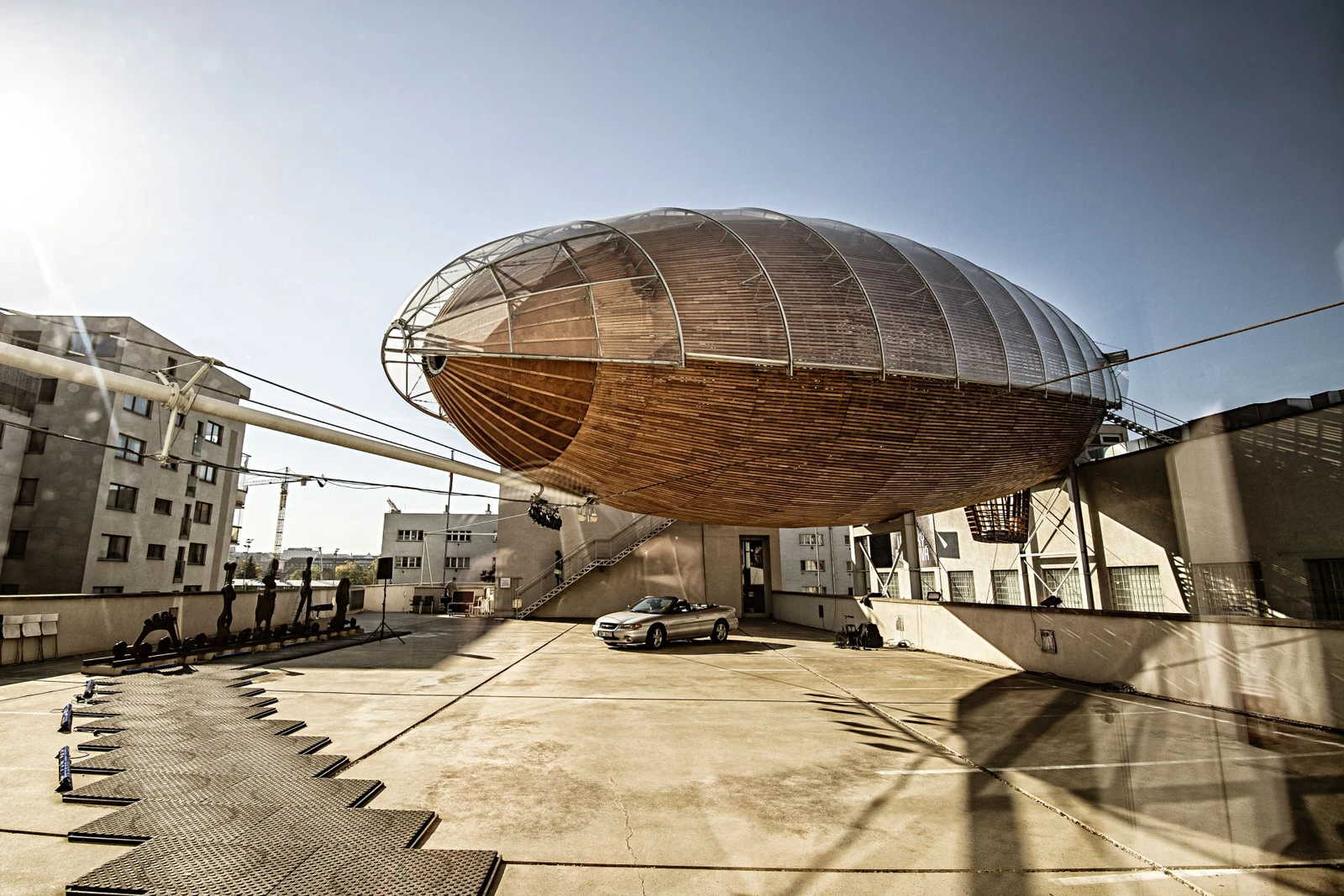
In Holešovice, a former industrial district has developed into one of Prague’s most interesting cultural quarters. Former warehouses and factories now contain galleries, cafés, studios and creative businesses. The DOX Centre for Contemporary Art, housed in a converted factory, is particularly worth visiting. Its enormous wooden airship, Gulliver, perched on the roof, has become one of the city’s more unexpected landmarks.
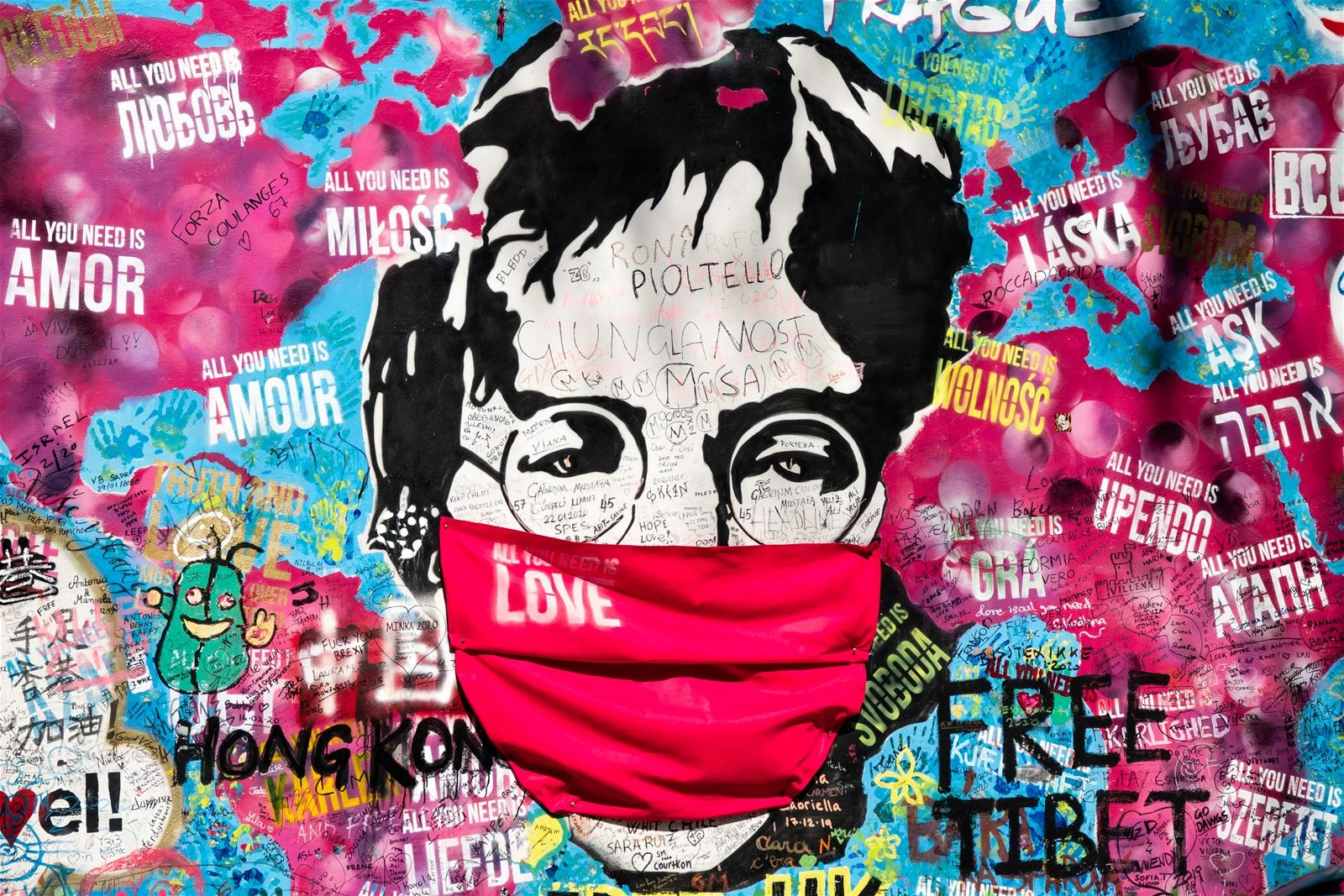
It is this Prague, less polished, more creative and slightly off-centre, that rewards returning visitors.
A CITY FOR CAFÉS AND CAKES
Prague’s café culture deserves almost as much attention as its monuments. There is something wonderfully old-fashioned about settling into a grand café in the middle of the afternoon, ordering coffee and something sweet and watching the city pass outside.
But don’t be tempted by every trdelník stand in the Old Town. The spiral pastry has become practically synonymous with Prague’s tourist centre, although it is not actually a traditional Czech speciality. Instead, try a větrník, a choux pastry filled with cream and caramel; a laskonka, similar to a macaron; or a vdolek, a Czech doughnut.
Myšák is a particularly good address for traditional Czech patisserie, while Cukrář Skála offers an impressive selection of cakes. The same balance between tradition and modernity can be found in Prague’s restaurants. Classic Czech dishes such as goulash, svíčková and knedlíky remain part of the city’s culinary vocabulary, but a younger generation of chefs is approaching the country’s cooking with considerably more ambition.
At Degustation Bohême Bourgeoise, traditional Czech ingredients and recipes are reinterpreted through a refined tasting menu. Elsewhere, the best meals may be considerably less formal: small restaurants in Karlín, Vinohrady or Holešovice where the cooking is modern but the atmosphere remains distinctly Prague.
THE PRAGUE VISITOR PASS
For a short stay, the Prague Visitor Pass is an excellent way to make the most of the city without spending your entire trip organising tickets. The official city card includes more than 70 experiences, with free admission or special discounts to historical monuments, museums and galleries. It also covers selected guided tours, the Prague Venice river cruise and unlimited public transport throughout the city, including transport to and from the airport.
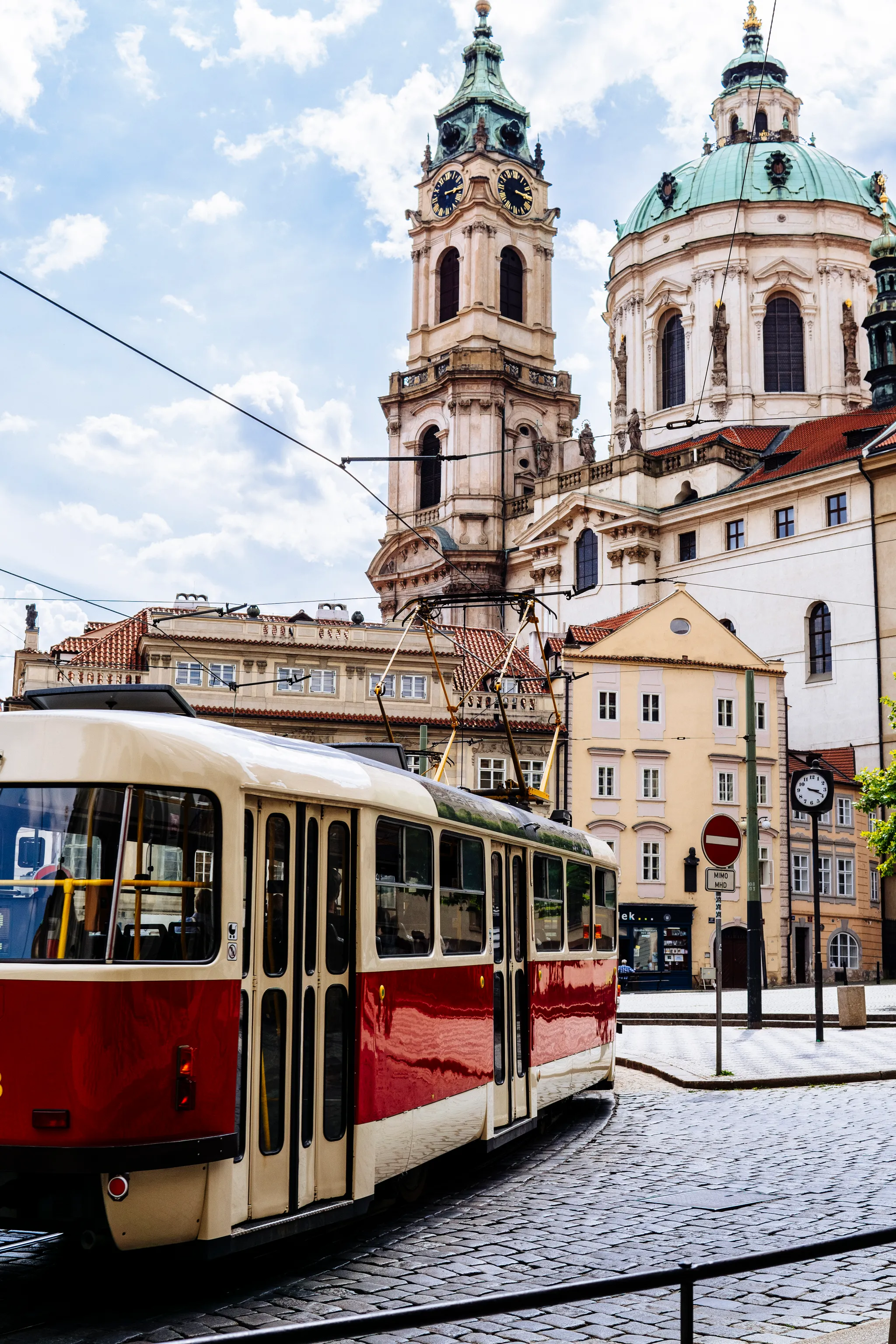
It is particularly useful because it encourages you to look beyond the obvious. Alongside Prague Castle and the city’s major landmarks, the pass includes places such as DOX, the historic Tram 42, and a complimentary coffee at the beautiful Art Nouveau café in the Municipal House. The card is available for 48, 72 and 120 hours, with adult, student and child versions. For a three-day escape, the 72-hour option makes the most sense.
Prague is often introduced through its most photographed sightsm: the castle, the bridge, the clock. They are spectacular, and there is no reason to pretend otherwise. But the pleasure of three days here lies in allowing the city to unfold beyond them.
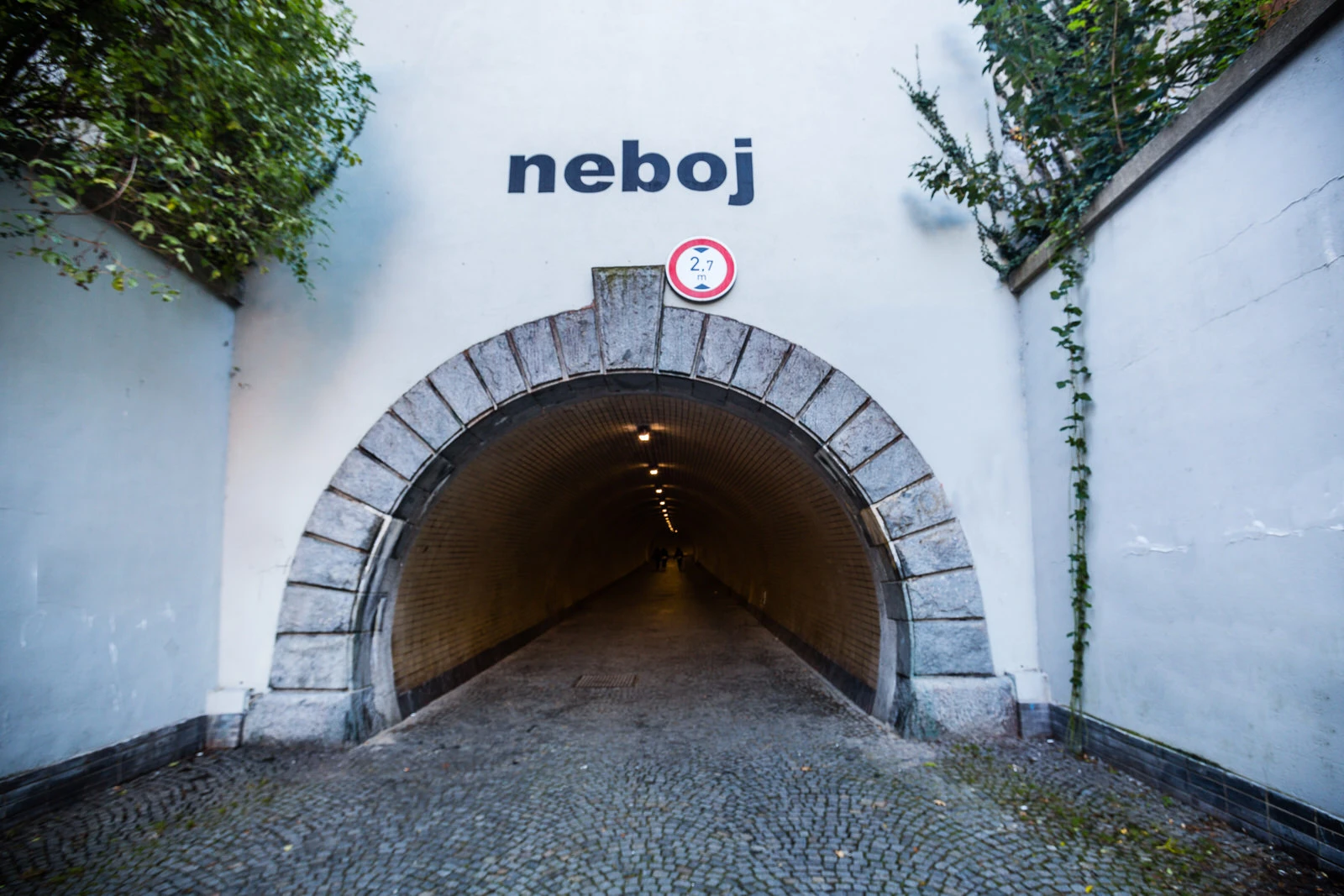
If I were to offer one piece of advice, it would be this: don’t try to see everything. Leave room for the unexpected. Take a tram into a neighbourhood you have never heard of, linger over coffee, spend an hour in a gallery or cross the Vltava at sunset. Prague is at its best when you stop following the itinerary and simply allow yourself to wander.