
Recovery advocate • Writer • Motivational speaker
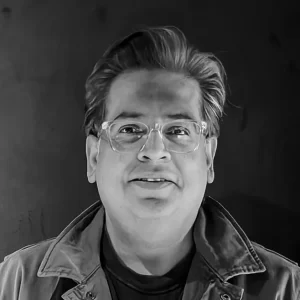
In a society where addiction is often misunderstood and stigmatised, Abdullah Al-Khudari stands as a courageous voice of hope, redemption, and resilience. A Kuwaiti national and recovering addict, Abdullah has transformed his darkest struggles into a powerful message of healing not only for himself, but for countless others navigating the path to recovery. Clean and sober for over a decade, he now dedicates his life to motivational speaking, writing, and supporting those still battling the disease of addiction.
In this candid and moving interview, Abdullah opens up about the harsh realities of substance abuse, the emotional and physical toll of detox, and the critical turning points that reshaped his life. He also shares the daily practices, spiritual insights, and support systems that continue to guide his sobriety. With humility and unflinching honesty, he reminds us that no one is beyond saving and that with the right help, every fall can lead to a meaningful rise.
“Recovery begins when you raise the white flag.”
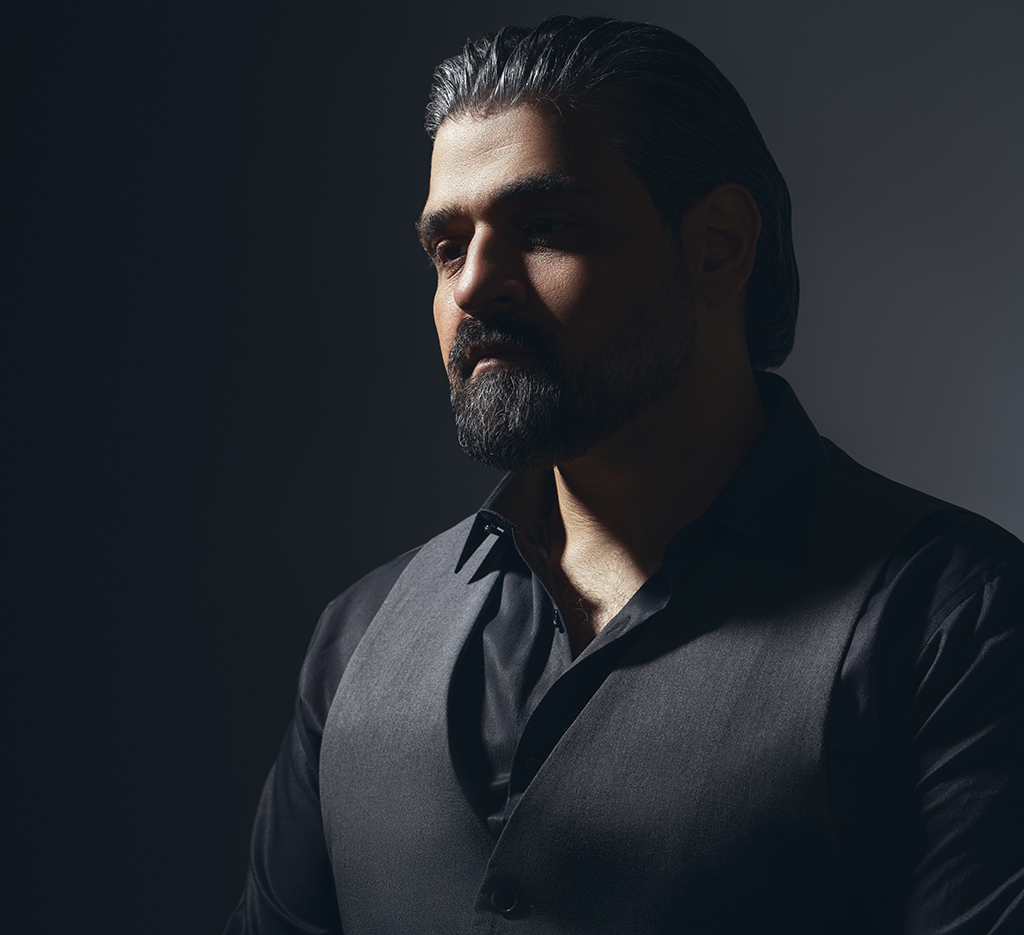
Please introduce yourself to our readers.
My name is Abdullah Al-Khudari, and I’m a recovering drug addict. I’m Kuwaiti, and the second of four siblings. I used drugs for 15 years, having started at the age of 14. I spent many years trying to get clean and sober, but all I had were failed attempts. I finally got clean at the age of 29, and today, I’m proud to say I’ve been clean for 10 years.
Tell us about your education.
I spent most of my life going back and forth between the USA and Kuwait during my school years. I eventually graduated from Virginia with a Bachelor of Science degree.
How would you describe your life before choosing recovery, and what was the moment you finally said, “enough”?
My life before recovery was draining and exhausting. I was using to live, and living to use that was my main goal. I wasted many years trying to get clean, but there was one moment that broke the camel’s back.
I took a loan from the bank to purchase a large amount of drugs. The deal was arranged by a close friend, and when I entered the apartment expecting to buy drugs, I was robbed by a group of my own friends armed. I left in tears, crushed and defeated. I realised I couldn’t live this way anymore. Something had to change and that something was me.
What was the most difficult part of detox: physically, mentally, or socially?
All three were extremely difficult. Physically, it felt like I was dying a slow death. I couldn’t handle the withdrawal symptoms they always sent me running back to my fix.
Socially, it was tough starting over. I had to rebuild my life from scratch, forming new relationships and cutting off a social circle that was like a virus, constantly dragging me down.
Mentally, though, was the most difficult of all. After 15 years of using, I couldn’t imagine living a single day without a fix. I had destroyed my self-esteem and labelled myself a failure. Climbing out of that mental space required intense work and dedication.
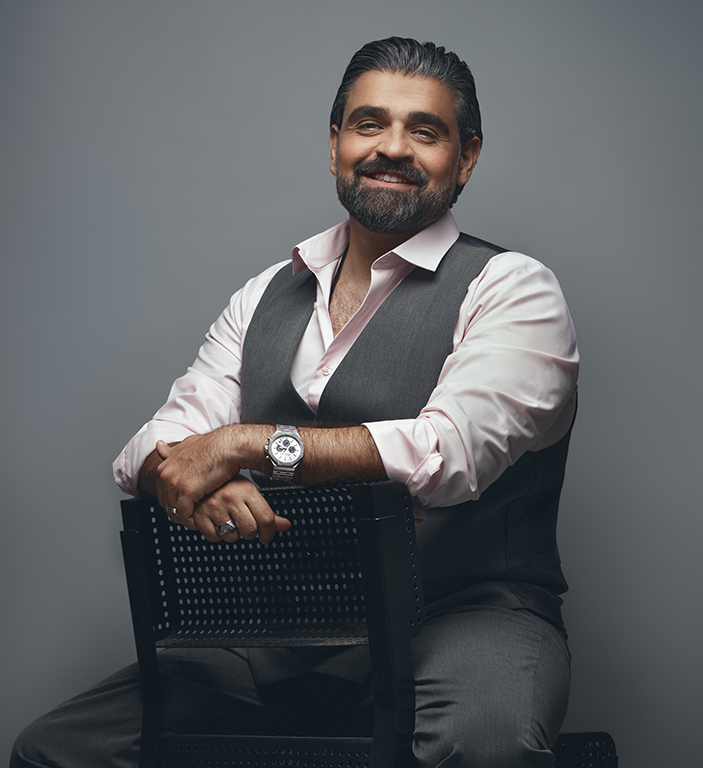
Who or what supported you most during the early stages of your recovery?
The biggest support came from fellow recovering addicts, people who had lived through what I was going through. Seeing them now clean and successful gave me hope.
My family only became supportive after they came to understand that addiction is a disease, not a choice. Therapy played a vital role in helping me realise that while I’m not responsible for having the disease, I am responsible for my recovery. Most importantly, building a renewed relationship with God became a turning point.
How did spirituality or religion play a role in helping you through your darkest moments?
Rebuilding my relationship with God and asking for forgiveness reignited my faith. I accepted that His will for me is far greater and wiser than my own. In every dark moment, that belief carried me through. He is the most gracious and the most kind.
What inspired your transition from recovery into motivational speaking and writing?
My main inspiration was to help addicts who are still struggling, and the families who are suffering alongside them. Giving back without expecting anything in return helped me make amends for the harm I’d caused in the past. I had once received the same support, it was now my turn to give back in any way I could.
What is the core message you aim to communicate through your talks and your written work?
My message is simple: don’t give up when you’re at rock bottom. When you’re down there, remember there’s only one way to go and that’s up. There is always hope for a comeback.
What daily routines or habits have you developed to maintain your emotional and mental stability?
I have five daily priorities that keep me grounded:
1.Prayer
2.Reading about addiction
3.Staying in contact with other recovering addicts
4.Attending recovery meetings
5.Maintaining regular contact with my therapist
Without these, I wouldn’t survive. I’d relapse.
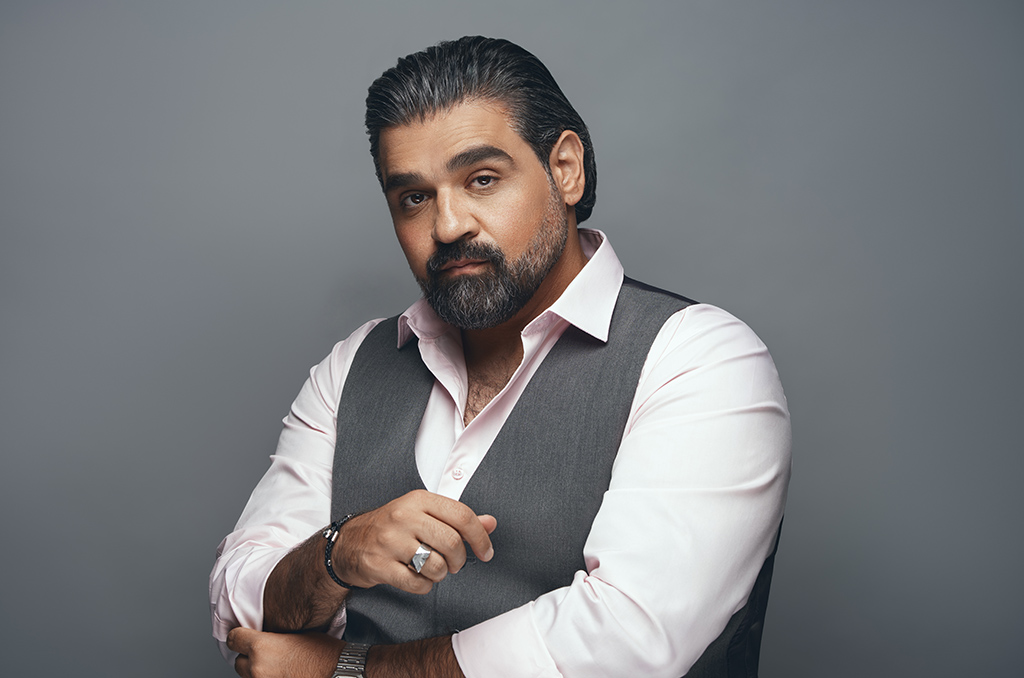
Do you have any personal tools or rituals for coping with cravings, negative thoughts, or painful memories?
I use the 12-step programme of Narcotics Anonymous. It’s the same programme that helped me get clean and continues to help me cope and grow.
Looking back, what mistakes during your recovery journey do you wish you’d avoided?
Like anyone, I still make mistakes. The key difference is that today, I learn from them instead of running away from them through drugs.
One major mistake was thinking I was “all good” after five years clean and could live life like a normal person. I forgot that I’m not a normal person, I have a disease called addiction. I must always do what is necessary to stay clean, or I put myself at risk of relapse.
How has recovery impacted your relationships with family, friends, and loved ones?
Recovery transformed my relationships. Most importantly, I learned to love and respect myself. That self-love allowed me to love and respect others in a healthy, meaningful way.
Have you ever experienced a relapse? If so, how did you navigate your way back on track?
I’ve never relapsed physically, but I’ve relapsed mentally. I started to believe I had defeated addiction and was untouchable. That mindset is dangerous. Thankfully, I recognised it and returned to my five daily priorities and my 12-step programme to get back on track.
What do you think is the biggest public misconception about addiction and recovery in Kuwaiti society?
The biggest misconception is that addiction is a choice. Many still refuse to accept that global studies classify addiction as a mental and neurological disease. That lack of understanding is a major barrier to recovery.
What cultural or societal barriers did you face as someone recovering from addiction, and how have you helped challenge those?
I’ve faced many barriers. When some people learn I’m a former addict, they assume I’m still dangerous or untrustworthy. They don’t realise that those of us in recovery live by a strict set of principles, violating them leads to relapse.
People also assume I’m distant from religion. The truth is, I’ve rebuilt my relationship with God and have found spiritual rebirth. I deal with these barriers by focusing on improving myself. I can’t change what people think of me but I can change myself. I remind myself that God forgives, and that’s what matters most.
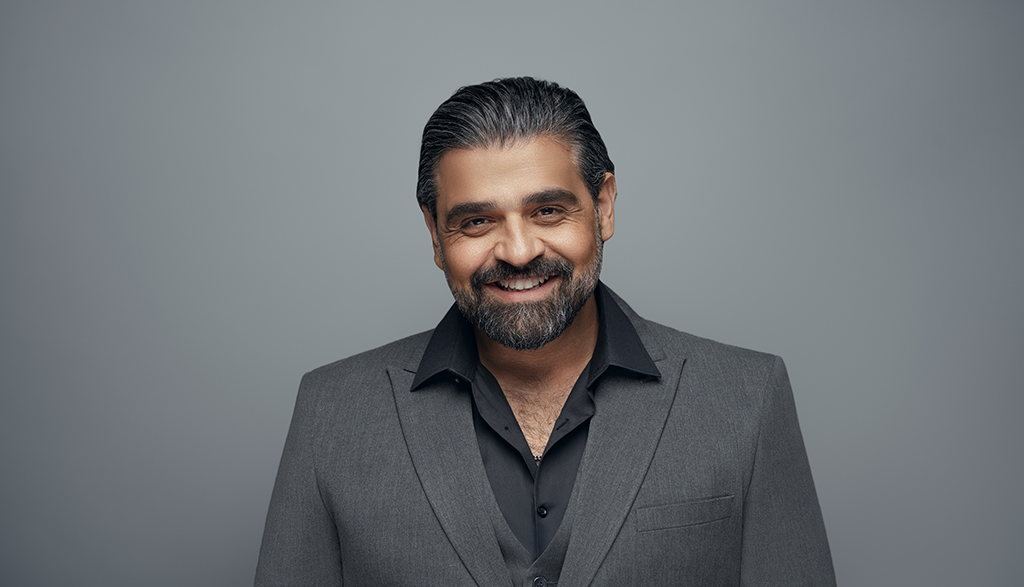
How do you assess the role of government and community support in Kuwait for people in recovery? What improvements are needed?
There’s a lot of room for improvement. I suggest:
1.Send addicts to rehab, not prison.
2.Ensure addicts stay in rehab until they complete the programme.
3.Make recovery programmes mandatory.
4.Educate the public that addiction is a disease and treat it as such.
5.Help former addicts find employment. Don’t reject them because of their past.
6.Staff recovery centres with qualified addiction counsellors and medical professionals, not just psychology graduates.
How did you overcome the fear of being judged when sharing your story publicly?
I overcame that fear by realising that somewhere, someone out there is going through what I once did. If 99 people judge me but one person is saved by my story, then I’ve succeeded. This is about saving lives, not worrying about opinions.
What message would you give someone reading this interview who feels trapped in addiction right now?
NEVER lose hope. I once had no hope and I was waiting either to die or go to jail. But there’s always a way out. If you’re feeling trapped, remember that many of us have made it out and we are no better than you. It’s time to raise the white flag and ask for help. Recovery is possible.
Your message for us at CP Magazine.
Thank you for raising awareness on this critical issue. This interview is a powerful way to share a message rooted in experience and hope.
Managed by: @hj.talent