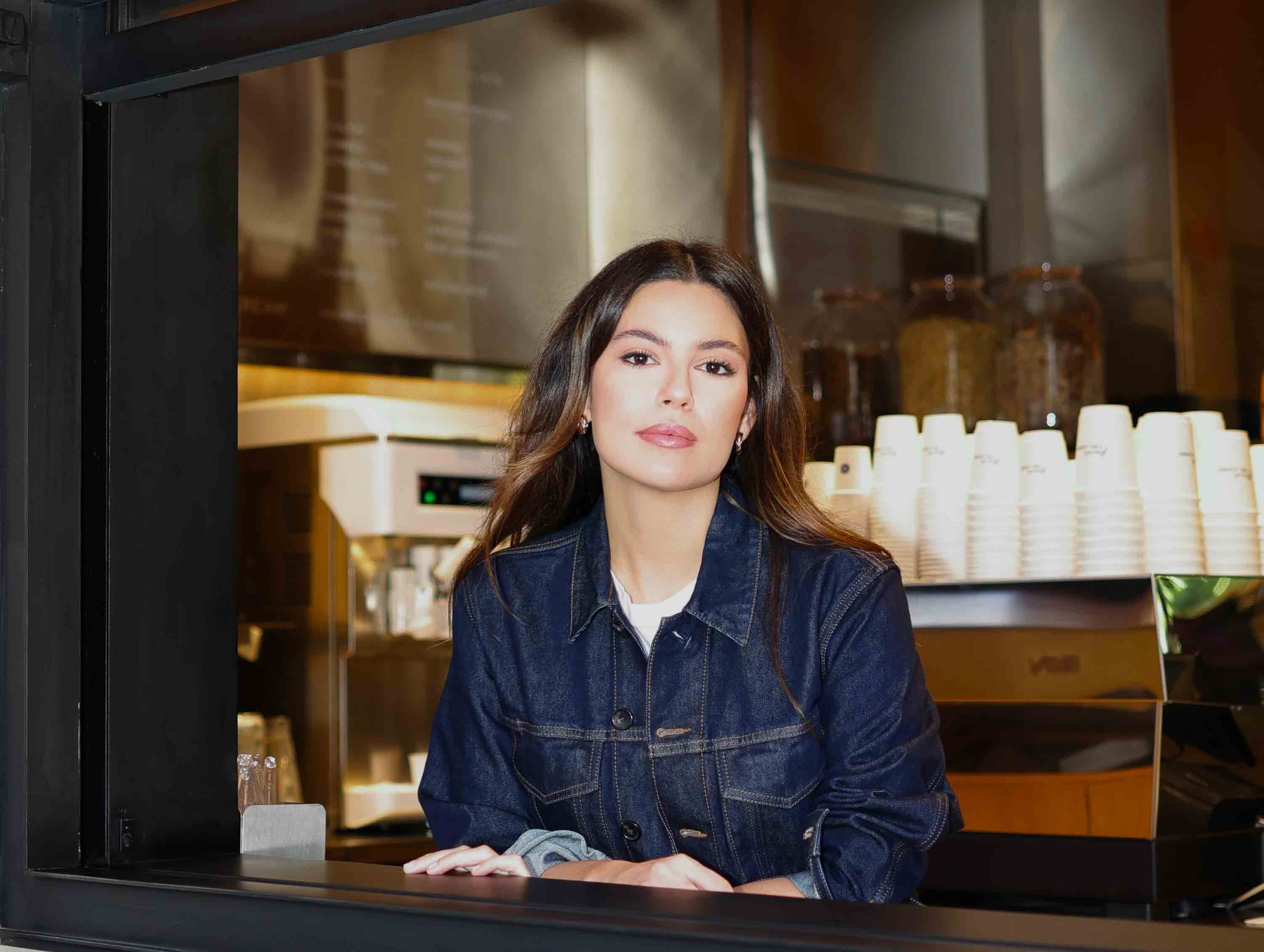


Em Sherif’s arrival in Madrid, as the group’s 35th restaurant worldwide, feels less like an expansion and more like a natural next step. With executive chef Yasmina Hayek at the helm, the restaurant offers a warm, generous take on Lebanese cooking, grounded in tradition and gently influenced by some of Spain’s finest ingredients.
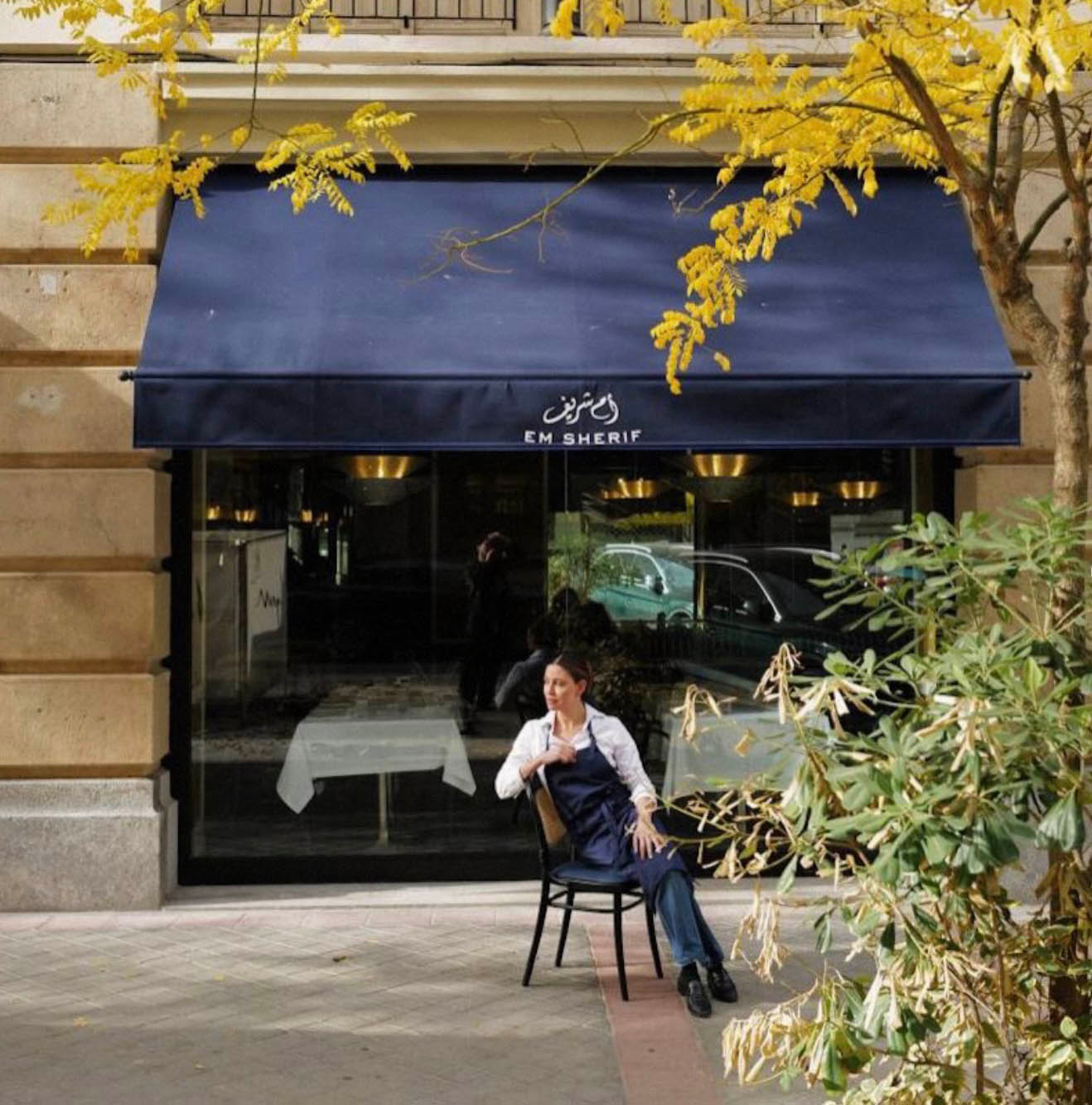
Madrid’s transformation over the past decade has been one of Europe’s most striking cultural and gastronomic stories. Once celebrated primarily for its taverns, late-night dining culture and regional Spanish cooking, the Spanish capital has evolved into a fully fledged international luxury destination, capable of competing with Paris, London and Milan not only in hospitality and retail, but also at the highest level of global gastronomy. Today, Madrid is no longer simply a city where one eats well; it is a city people travel to in order to eat exceptionally well. The opening of Em Sherif marks another decisive chapter in this evolution, introducing to the city a refined interpretation of Lebanese cuisine at a scale and level previously unseen in Spain.
The arrival of Em Sherif in Madrid reflects a broader shift in the city’s culinary identity. In recent years, Madrid has become a magnet for ambitious international restaurant groups, luxury hotel brands and chefs whose ambitions extend beyond borders. Its energy, accessibility, long dining hours and increasingly cosmopolitan clientele have created fertile ground for concepts that blend heritage with contemporary execution. The city’s dining scene now operates within a global framework, absorbing influences from Asia, the Middle East and the wider Mediterranean, while retaining a strong sense of place. Em Sherif enters this landscape not as an imported novelty, but as a missing piece: a comprehensive, high-end Lebanese dining concept that aligns naturally with Madrid’s Mediterranean sensibility.
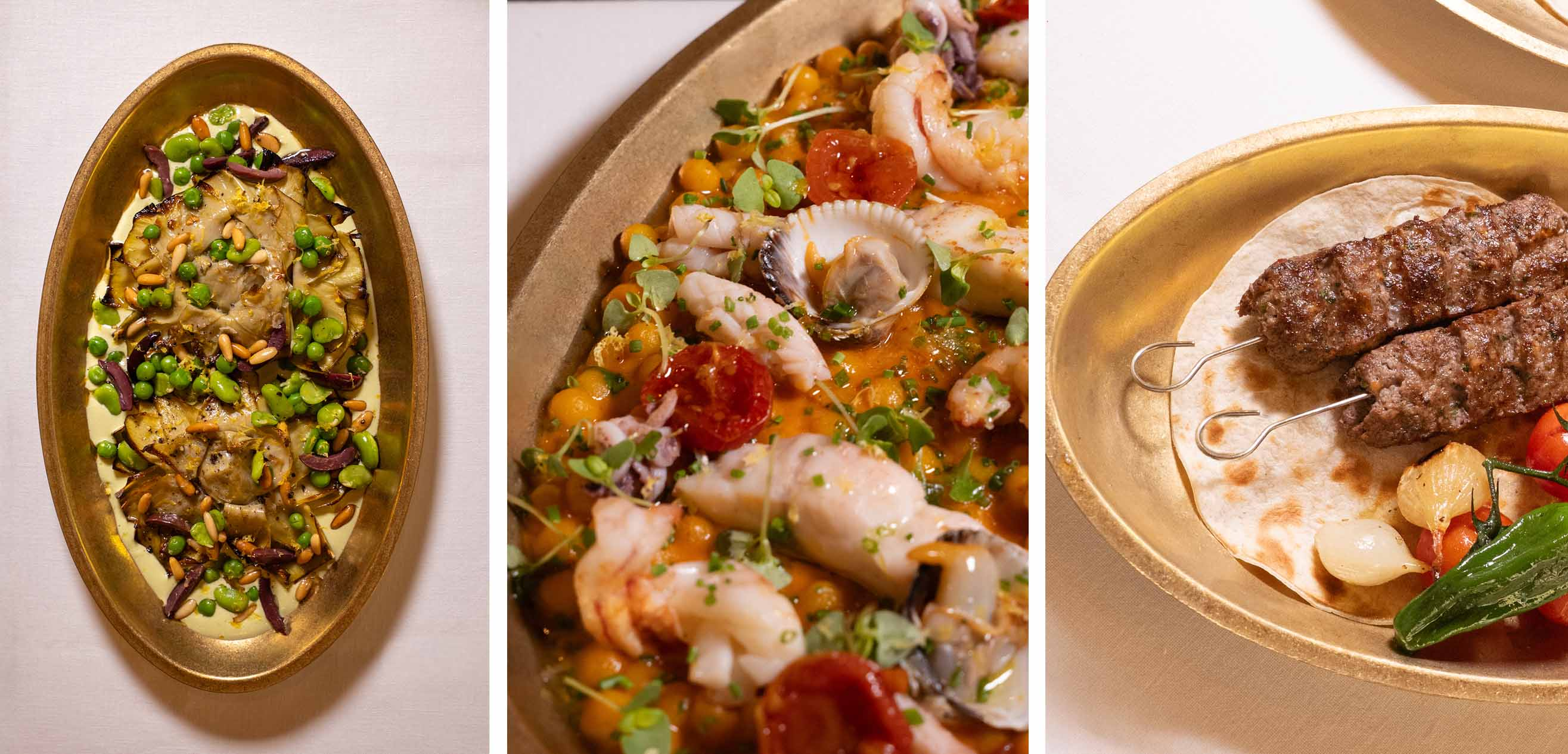
Founded in Beirut in 2011 by Mireille Hayek, Em Sherif began as a single restaurant deeply rooted in the traditions of Lebanese hospitality. Over the past fifteen years, it has developed into a substantial international group with more than thirty locations across Europe and the Middle East, including London, Paris, Monaco and Dubai. The Madrid opening, the group’s thirty-fifth restaurant, represents its first foray into Spain and signals a strategic commitment to Europe as a growth market. In doing so, Em Sherif positions Madrid as a new European reference point for Lebanese haute cuisine.
The project is now led by Yasmina Hayek, executive chef and co-owner, who has overseen the group’s international expansion and culinary direction. Her approach reflects a dual education that combines classical French culinary discipline with a contemporary understanding of design, entrepreneurship and global food culture. Trained at the Institut Paul Bocuse in Lyon and later at the Scuola Politecnica di Design in Milan, and shaped by professional experience in Michelin-starred kitchens in Copenhagen and Paris, her work bridges technical precision and cultural narrative. At Em Sherif, this translates into menus that remain firmly anchored in Lebanese tradition while being subtly responsive to local contexts.
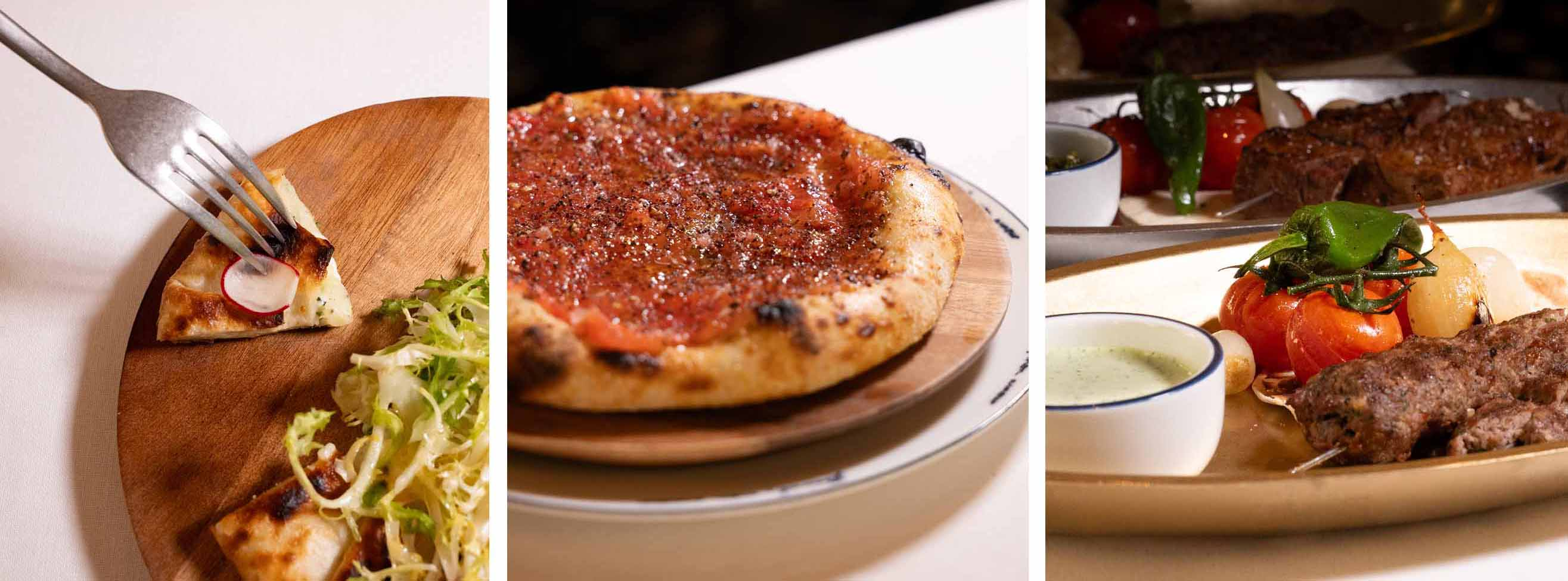
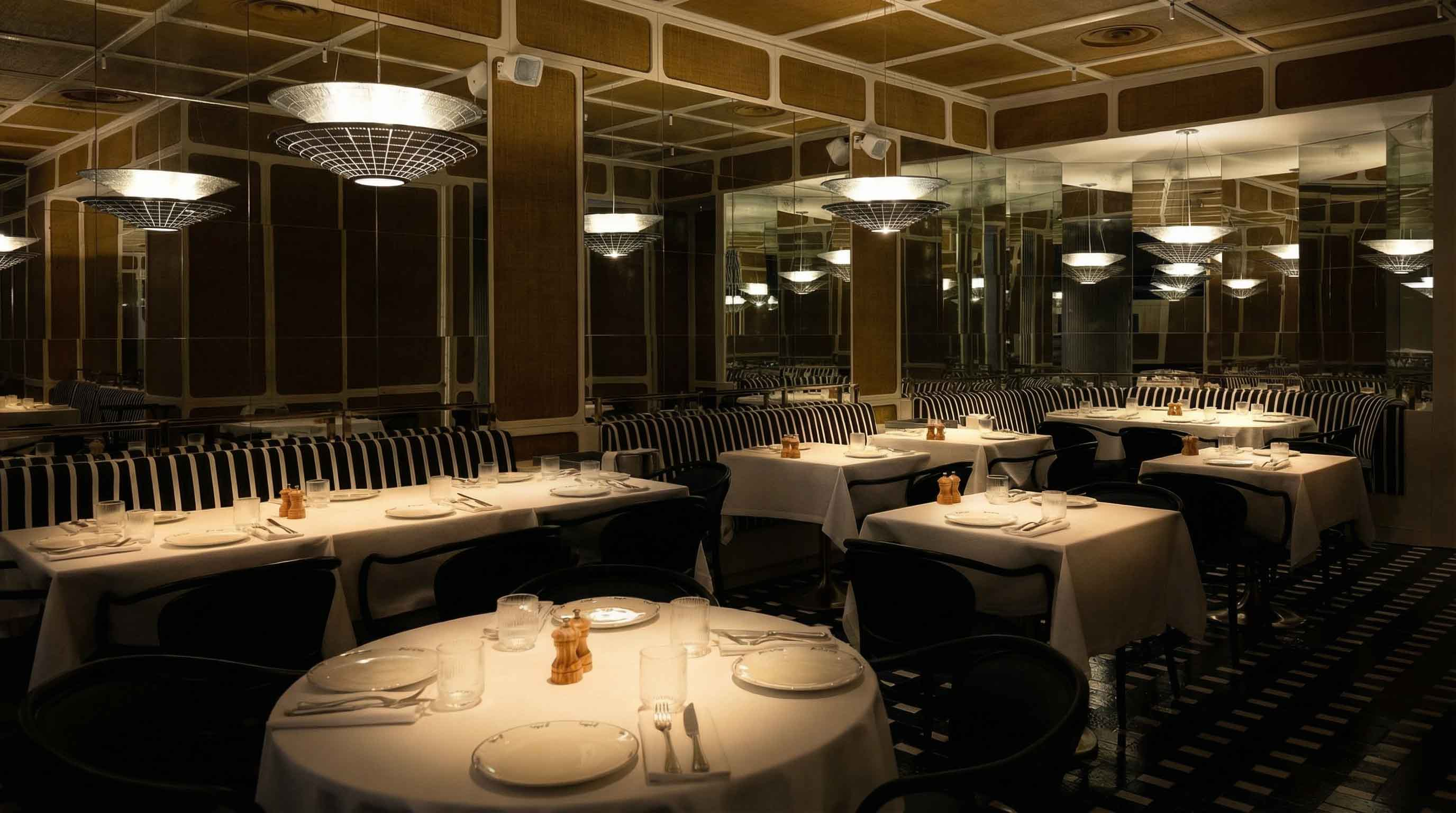
In Madrid, that dialogue with place is evident both in the cuisine and in the physical space. Located on Calle Alcalá, close to Retiro Park, the restaurant occupies a position that mirrors its ambition: central, elegant and outward-looking. The interior, designed by architect Samer Bou Rjeily, draws on Levantine light, textures and craftsmanship, reinterpreted through a contemporary European lens. Warm materials, artisanal details and a carefully calibrated sense of intimacy evoke the idea of the home as a space of generosity and gathering, a core principle of Lebanese dining culture, while remaining aligned with the expectations of a modern luxury restaurant.
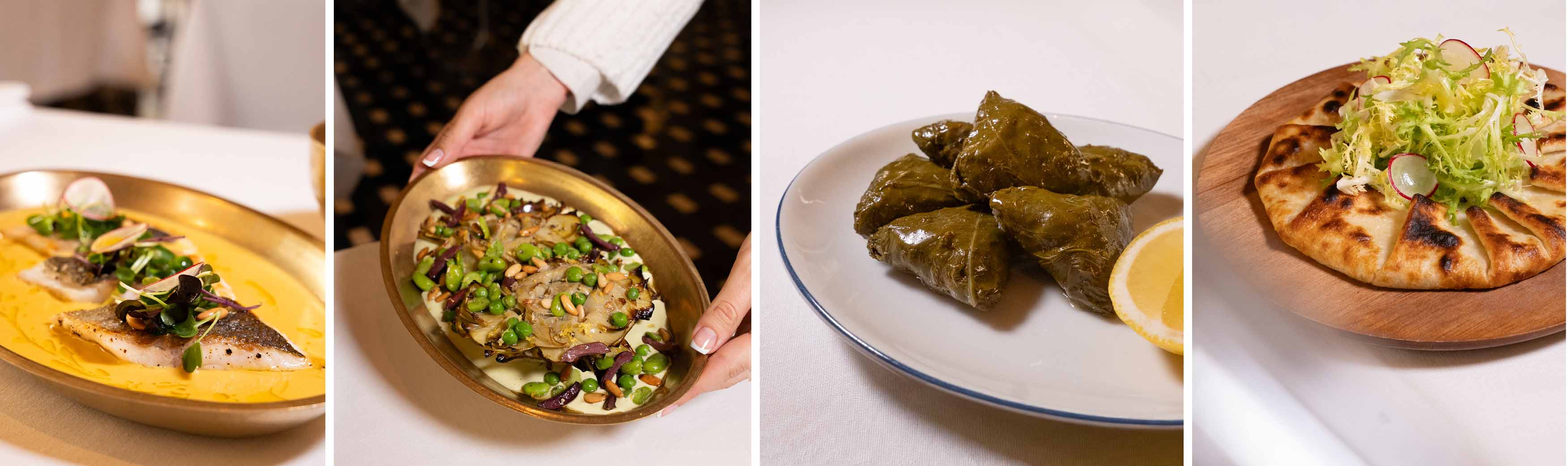
The culinary offering unfolds as a structured journey through the Lebanese repertoire. At its foundation lies the concept of mezze, not as an assortment of small plates, but as a carefully composed opening movement. These dishes establish the restaurant’s technical and cultural vocabulary, combining classical preparations with refined presentations. Raw and emulsified textures, controlled acidity and aromatic depth define the early stages of the meal, setting the tone for what follows. The balance between richness and freshness, a hallmark of Levantine cuisine, is handled with restraint and clarity.
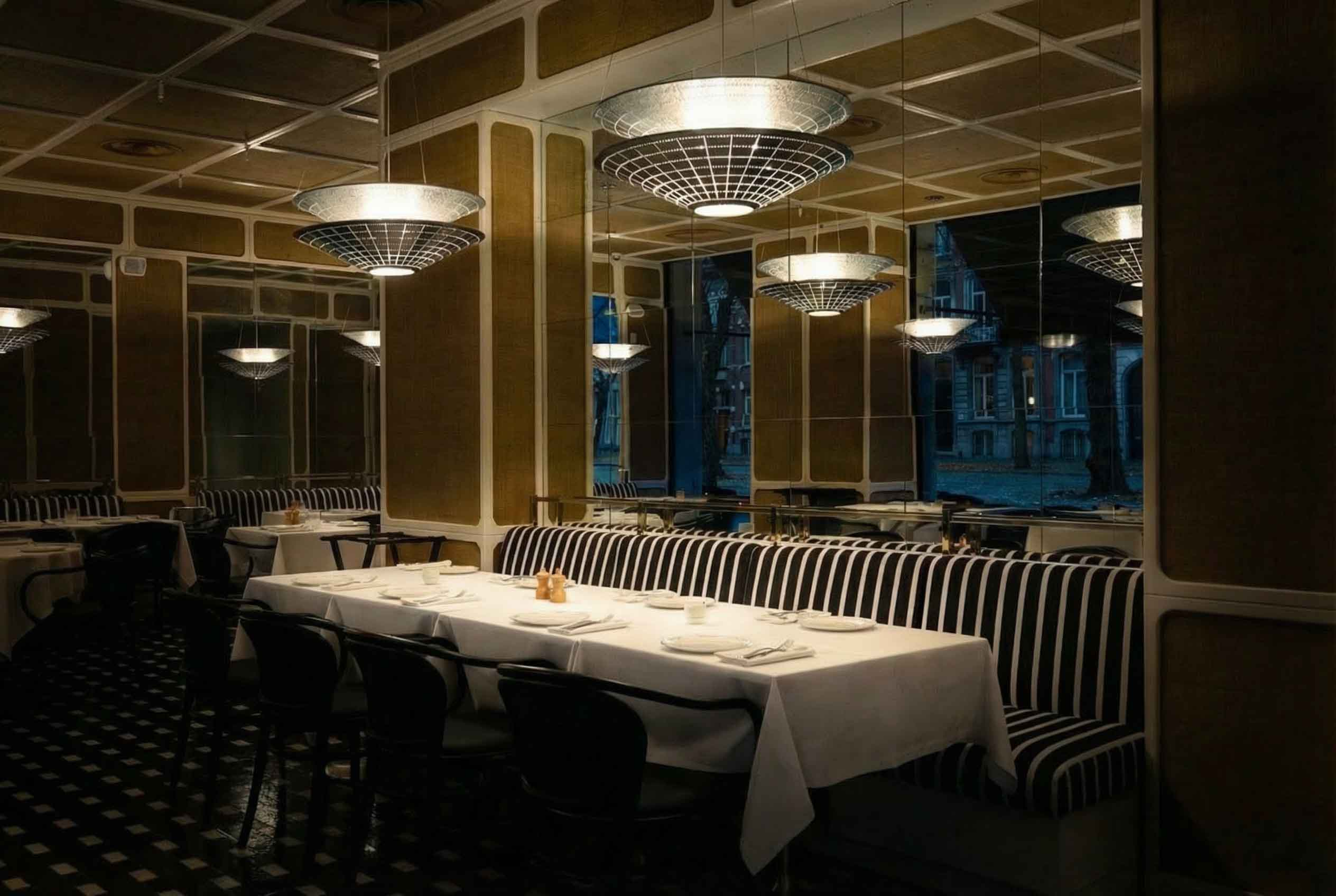
Main courses expand the narrative towards heartier, more ceremonial dishes that reflect the historical role of communal feasting in Lebanese culture. Slow-cooked meats, open-fire grilling and spice blends rooted in regional tradition are executed with precision and consistency. Lamb, beef, poultry and fish are treated with equal respect, each preparation designed to highlight both the primary ingredient and the broader architecture of flavour that surrounds it. Techniques such as confit, charcoal grilling and controlled roasting are employed not for effect, but as vehicles for depth and balance.
A distinctive feature of Em Sherif’s Madrid menu is its integration of local Spanish produce within a Lebanese framework. Seasonal ingredients are incorporated not as adaptations or fusions, but as natural extensions of a cuisine that has always been defined by its relationship to land, sea and market. This approach reinforces the restaurant’s philosophy of authenticity without rigidity, allowing the cuisine to remain recognisably Lebanese while resonating with its surroundings.
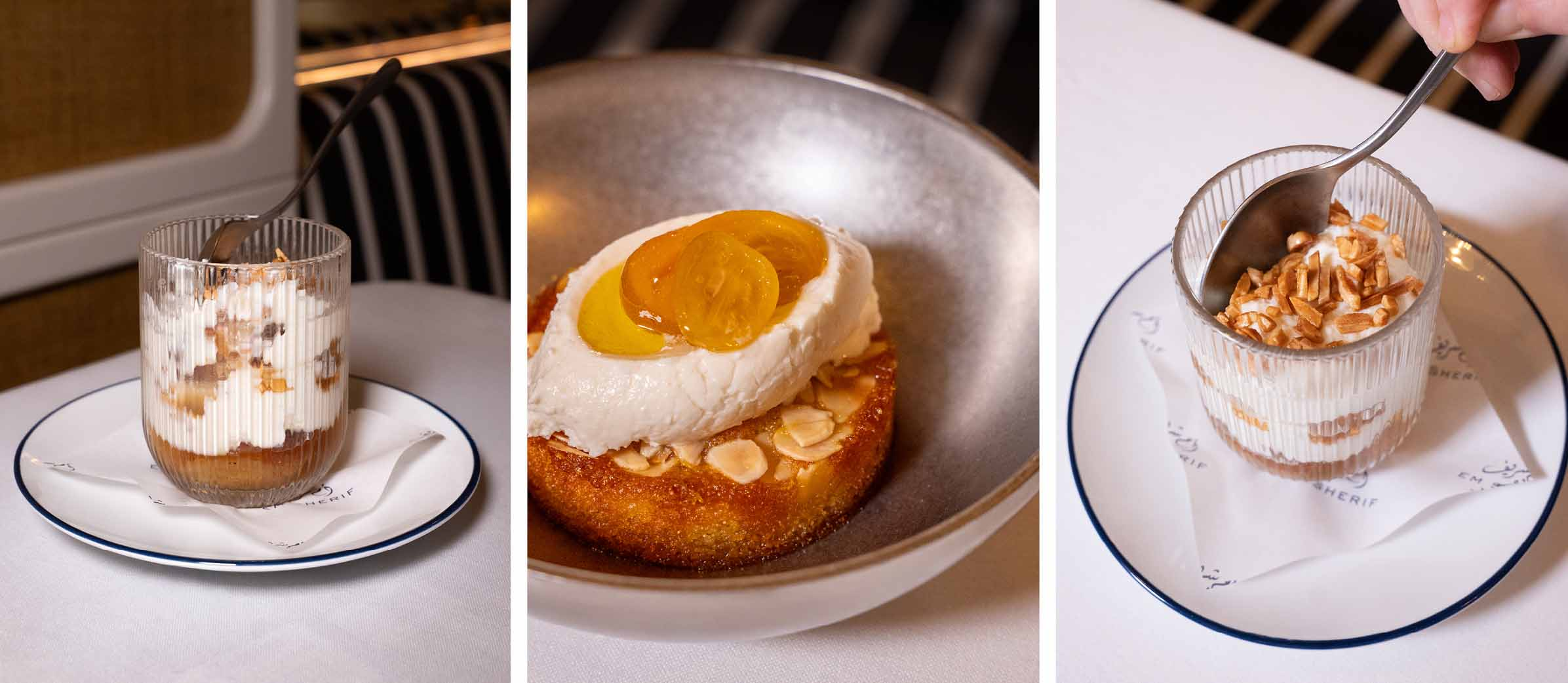
The dessert course completes the experience with a return to delicacy and aroma. Milk-based preparations, semolina cakes and cheese pastries are perfumed with orange blossom, rose water and spice, offering a conclusion that is both comforting and precise. These desserts avoid excessive sweetness, favouring instead balance and fragrance, in keeping with the overall structure of the meal.
Beyond the plate, Em Sherif’s significance lies in what it represents for Madrid’s gastronomic ecosystem. The city has increasingly positioned itself as a bridge between Europe, Latin America and the Mediterranean basin. The introduction of a fully realised Lebanese fine-dining concept strengthens that position, expanding the city’s culinary vocabulary while reinforcing its status as a destination where global food cultures are presented with seriousness and respect.
The opening also reflects a wider re-evaluation of Middle Eastern cuisines within the global fine-dining context. Long appreciated for their flavours and generosity, these culinary traditions are now being examined through a more technical and cultural lens, with increasing attention paid to provenance, technique and narrative. Em Sherif contributes to this conversation by presenting Lebanese cuisine not as an exotic counterpoint to European dining, but as an equal participant in it.
As Madrid continues to redefine itself on the international stage, the arrival of Em Sherif feels both timely and inevitable. It speaks to a city confident in its ability to host diverse gastronomic expressions, and to an audience increasingly curious, informed and demanding. In bringing the rituals, flavours and hospitality of Lebanon to the heart of the Spanish capital, Em Sherif does more than open a restaurant; it reinforces Madrid’s position as one of Europe’s most dynamic and compelling dining destinations.