
Pastry Chef of the Year 2026 and Architect of Modern Dessert Tasting Experiences
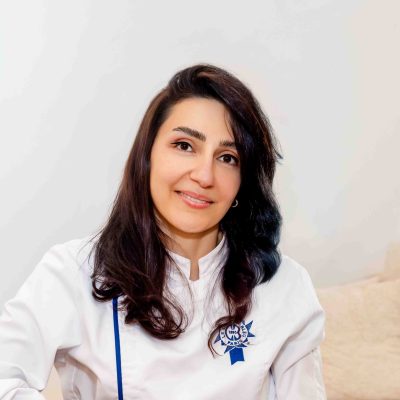
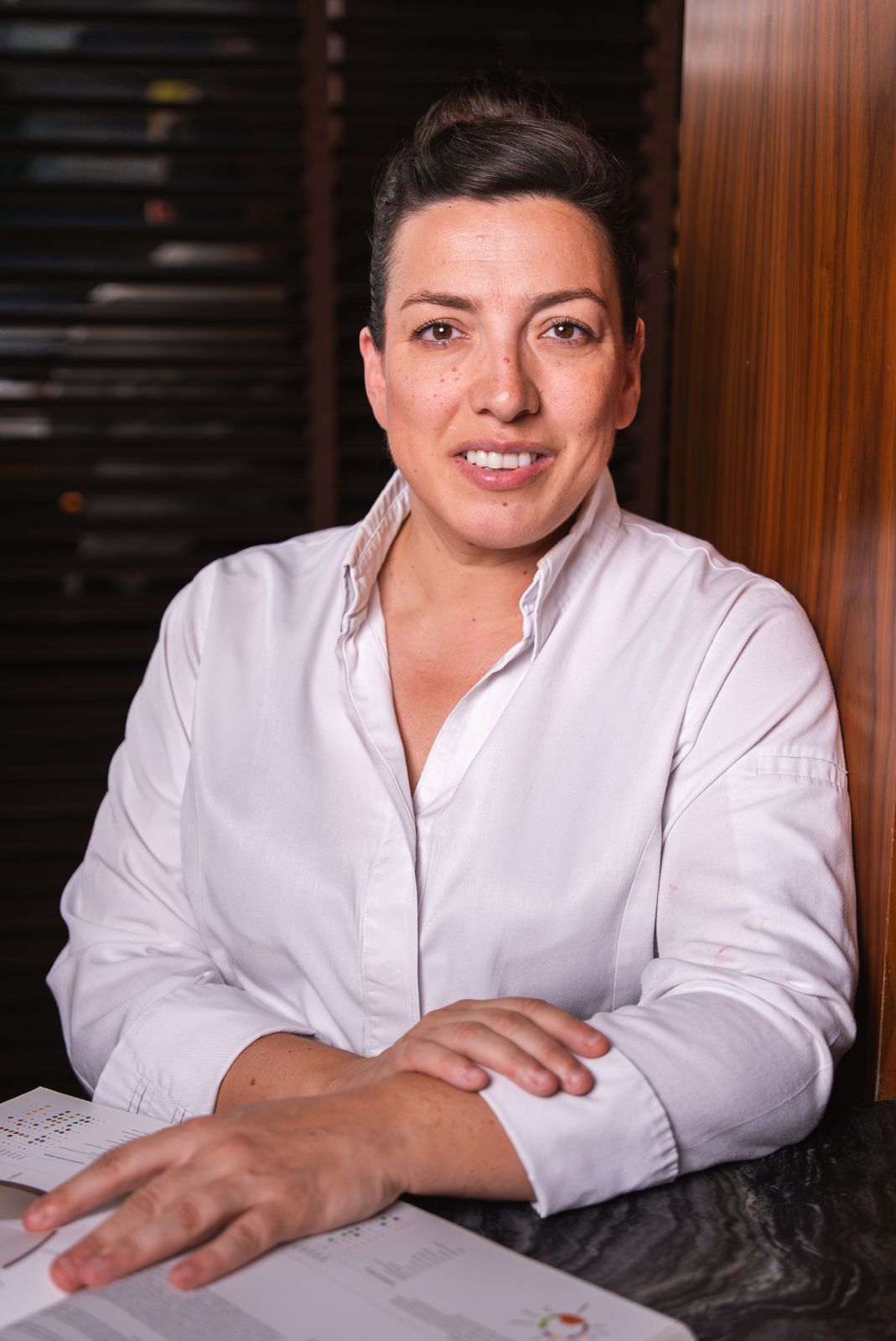
Award-winning pastry chef Carmen Rueda Hernandez is redefining the role of dessert in contemporary fine dining. Recently named Pastry Chef of the Year 2026, she has built a reputation for placing pastry at the intellectual and emotional centre of the culinary experience rather than treating it as a closing gesture. Through her concept-led approach and research-driven methodology, she has helped shift the perception of dessert from decorative indulgence to narrative craft.
With formative experience in some of the world’s most demanding kitchens, her work blends technical precision with cultural interpretation, sensory research, and storytelling. At BRIX Journey in Dubai, home to the city’s only dessert tasting menu, she leads a format where flavour progression, texture, sound, memory, and context are carefully orchestrated to create immersive experiences. Her menus are known for restraint, balance, and intention, often drawing from regional ingredients and heritage while expressing them through a contemporary pastry language.
In this exclusive conversation with CP Magazine, Chef Carmen reflects on recognition, responsibility, creative discipline, and the evolving identity of pastry. She shares insights into her process, philosophy, and the deeper purpose behind her desserts not simply to impress, but to resonate, question, and endure in memory.
First of all, congratulations on being named Pastry Chef of the Year 2026. What did this recognition represent for you personally, and how does it reflect the direction of your work professionally?
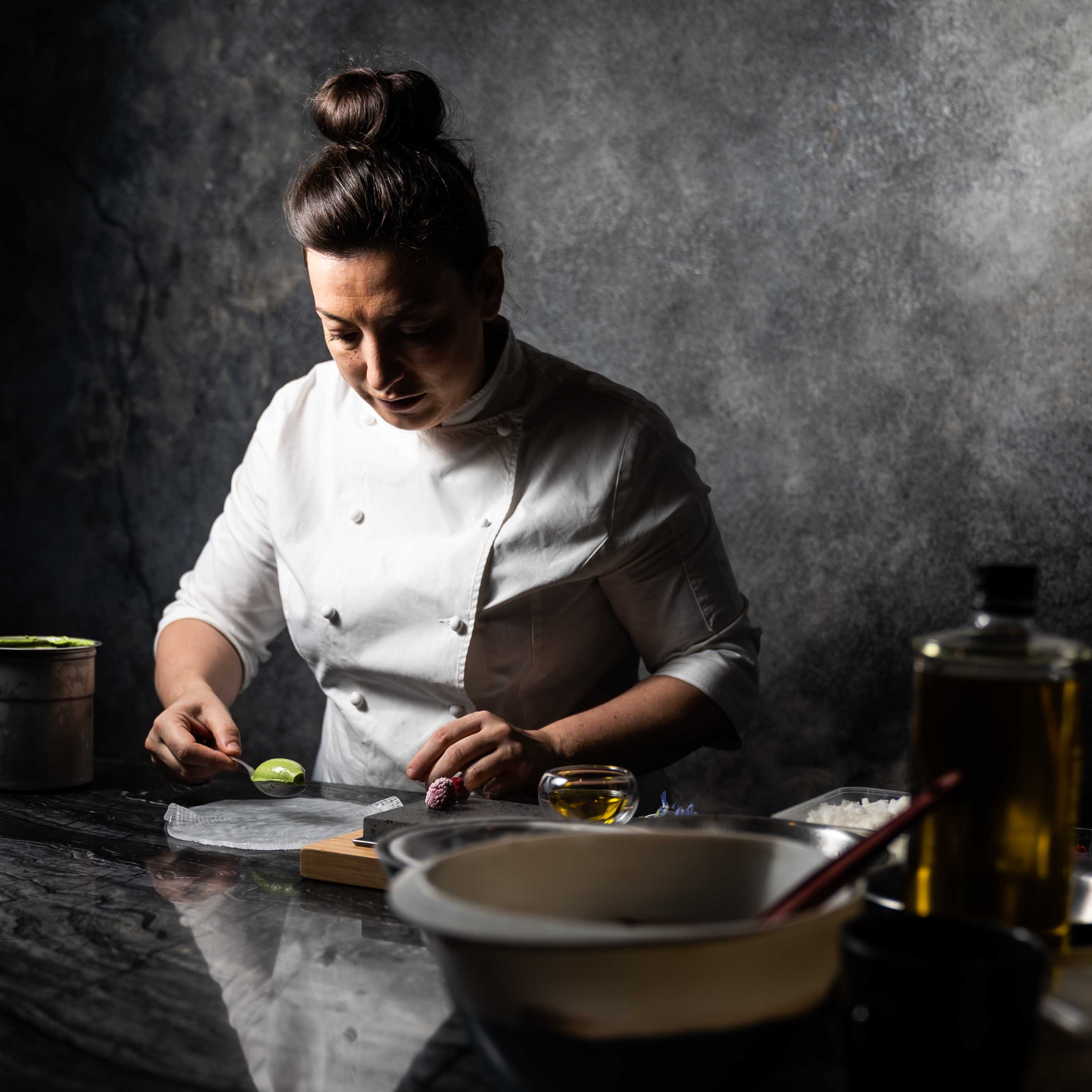
Personally, this recognition felt like a moment to pause and reflect rather than celebrate. It brought visibility to years of work that are often quiet, repetitive, and built on constant questioning. Professionally, it confirmed that the direction we have chosen, placing pastry at the center of a dining experience, is being understood and valued. It reinforced my belief that dessert can be serious, thoughtful, and culturally relevant.
You have recently received several important awards throughout your career. In what way does this recognition feel distinct from the others you’ve received so far?
This award feels different because it recognizes a body of work and a vision rather than a single moment. It acknowledges consistency, evolution, and a clear point of view. It reflects not only what is on the plate, but how pastry is positioned within a broader culinary conversation.
When you reflect on your professional journey, from your early years to today, which moment or period do you feel most strongly shaped your identity as a pastry chef?
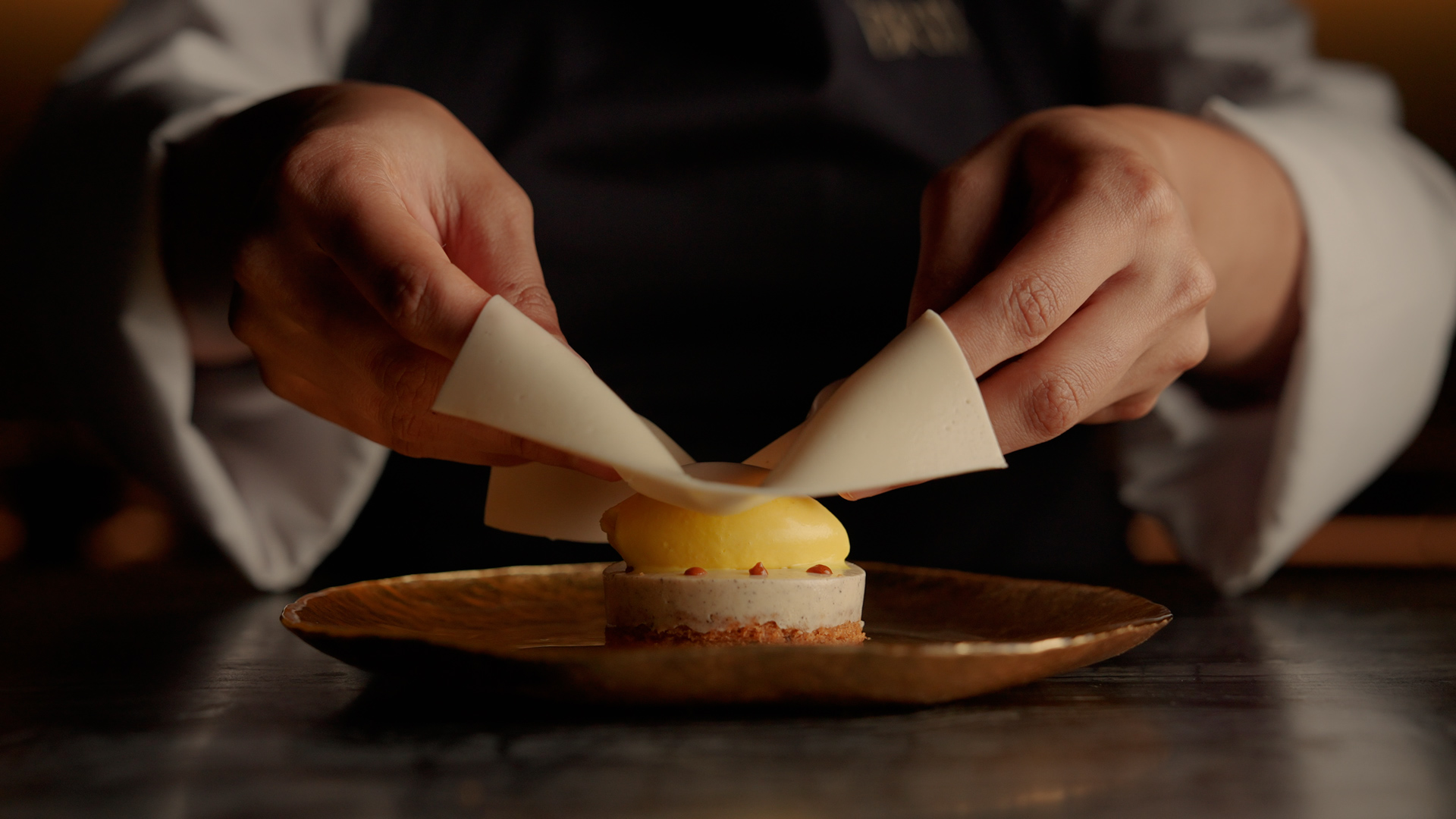
The most formative moments were those spent in demanding kitchens where questioning was encouraged and comfort was never an option. Being exposed early to environments where pastry was treated with the same seriousness as savory cooking shaped my mindset. Those experiences taught me to build desserts with intention and discipline rather than relying on instinct alone.
You trained in some of the world’s most influential and demanding kitchens, including Heston Blumenthal’s. What key lessons stayed with you from those experiences, particularly from working in an environment where menus were developed through neurology, emotion, music, and multidisciplinary research?
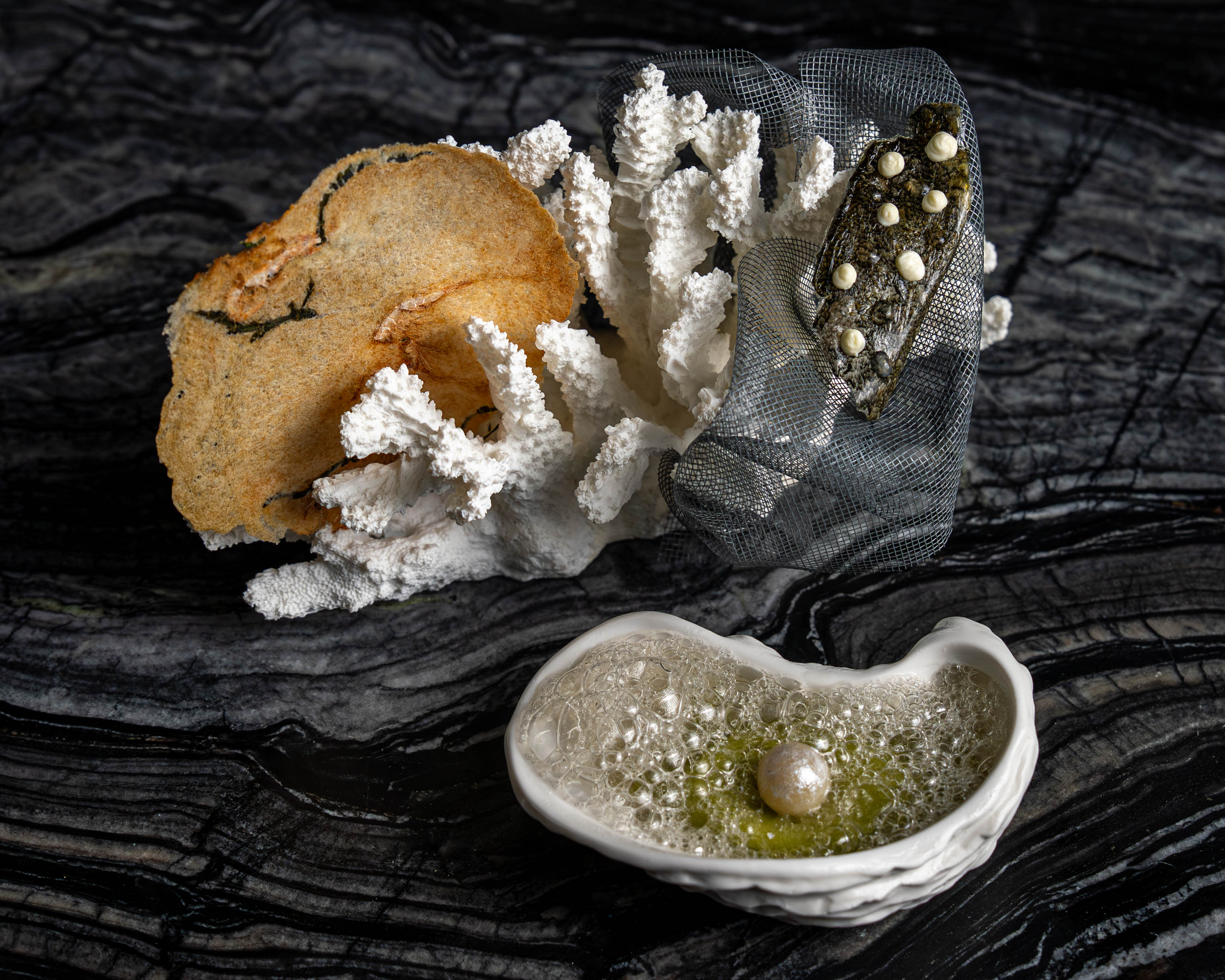
My time in Heston Blumenthal’s kitchen was particularly influential because it expanded the definition of what cooking could be. Menus were not built only around flavor, but around how the brain perceives experience. Neurology, memory, sound, texture, and emotion were all part of the creative process.
That environment taught me that dessert is not only tasted, it is perceived. This understanding continues to guide how I design menus today, especially when building experiences where sound, light, aroma, and storytelling work together with flavor.
Much of your background comes from experimental and research-driven kitchens. How did those environments influence the way you think about dessert and its role within a menu today?
Experimental kitchens taught me to think of dessert as part of a broader system rather than a single moment at the end of a meal. Research-driven environments require structure, questioning, and intention.
They showed me that dessert can guide rhythm, control emotion, and hold narrative weight when it is integrated thoughtfully into a menu. Today, this is reflected in how I design dessert experiences that evolve progressively, rather than aiming for one final impact.
At BRIX Journey, dessert is not positioned as a final course but as the core of the experience. What inspired you to place dessert at the center of the dining narrative?
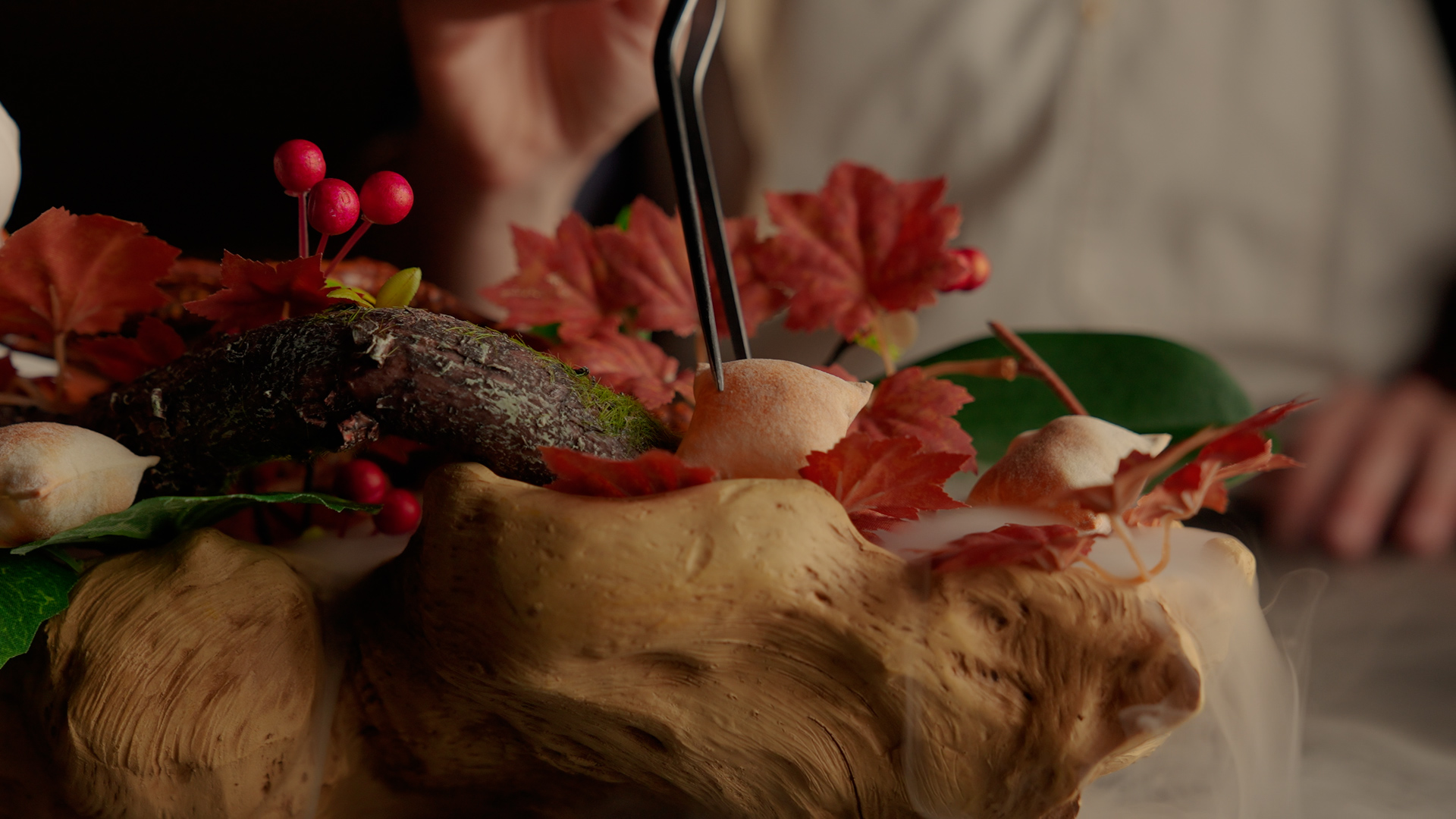
Dessert naturally engages emotion, memory, and sensitivity in a way few other courses do. I was interested in exploring what would happen if dessert were given time, structure, and space, rather than being confined to a closing role.
By placing dessert at the center, the experience becomes more reflective and immersive. Guests are not rushing toward an ending; they are moving through a journey that unfolds gradually, with intention and comfort.
If you had to define your pastry identity today, how would you describe your signature style in three words?
Intentional, balanced, and narrative-driven.
Each word reflects a conscious choice: intention in concept, balance in flavor and structure, and narrative as the thread that connects the experience.
Your work is often described as narrative-driven rather than decorative. How do you translate abstract stories, ideas, or cultural references into desserts?
The narrative is always a starting point, but it is never literal. I translate stories through decisions, how flavors evolve, how textures interact, and how intensity is managed across the menu.
Rather than explaining a story, I prefer to suggest it. This allows guests to engage freely, bringing their own interpretation to the experience.
Emotion and memory seem to play a central role in your menus. How do these elements influence your creative process from concept to execution?
Emotion and memory influence how long a dish stays with someone. From the earliest stages, I consider how a dessert should feel, not just how it should taste.
This affects sweetness levels, pacing, and even silence between courses. When emotion is part of the process, the result feels more human and more memorable.
Pastry requires extreme precision, but also imagination. How do you personally balance technical discipline with creative freedom?
Technical discipline provides stability and clarity. It ensures that ideas are executed consistently and respectfully. Creativity, on the other hand, gives direction and meaning.
When both are aligned, the dessert feels natural rather than forced. Precision supports creativity, allowing it to be expressed clearly.
The definition of fine dining continues to evolve. In your view, what defines a fine dining dessert today?
Fine dining dessert today is defined by balance, restraint, and intention. It is no longer about excess or complexity, but about clarity of flavor and emotional coherence.
A fine dining dessert should feel considered, precise, and connected to the overall experience.
Your work is deeply connected to place and context. How has living and working in the Middle East, and particularly the UAE, influenced your flavor language and concepts?
The UAE has influenced my work through its openness and diversity. It is a place where cultures coexist, which encourages dialogue rather than imitation.
This environment has shaped how I approach flavor combinations, storytelling, and respect for ingredients, always with sensitivity to origin and context.
One of your most distinctive projects is Voices of the Emirates. Can you walk us through the creative thinking and research behind this menu?
Voices of the Emirates was built through observation and listening. The process involved cultural research, ingredient exploration, and interpretation rather than replication.
Each dessert represents a voice or moment, expressed through our own pastry language, allowing the menu to feel rooted while remaining contemporary.
When starting a new dessert, there are many possible entry points. Do you begin with flavor, texture, visual design, or stor and why?
Most often, I begin with the story, because it gives the dessert a reason to exist. The narrative helps define the emotional direction of the dish and its role within the menu. Once the story is clear, flavor and texture follow naturally and with more coherence.
Starting with a story also creates structure. It prevents the dessert from becoming purely aesthetic or technical, and instead ensures that every decision from sweetness level to texture contrast, serves a purpose. This approach allows the dessert to feel intentional and connected to the larger journey, rather than existing as an isolated creation.
The region offers a unique pantry of ingredients. Which local or regional ingredients are currently inspiring you the most?
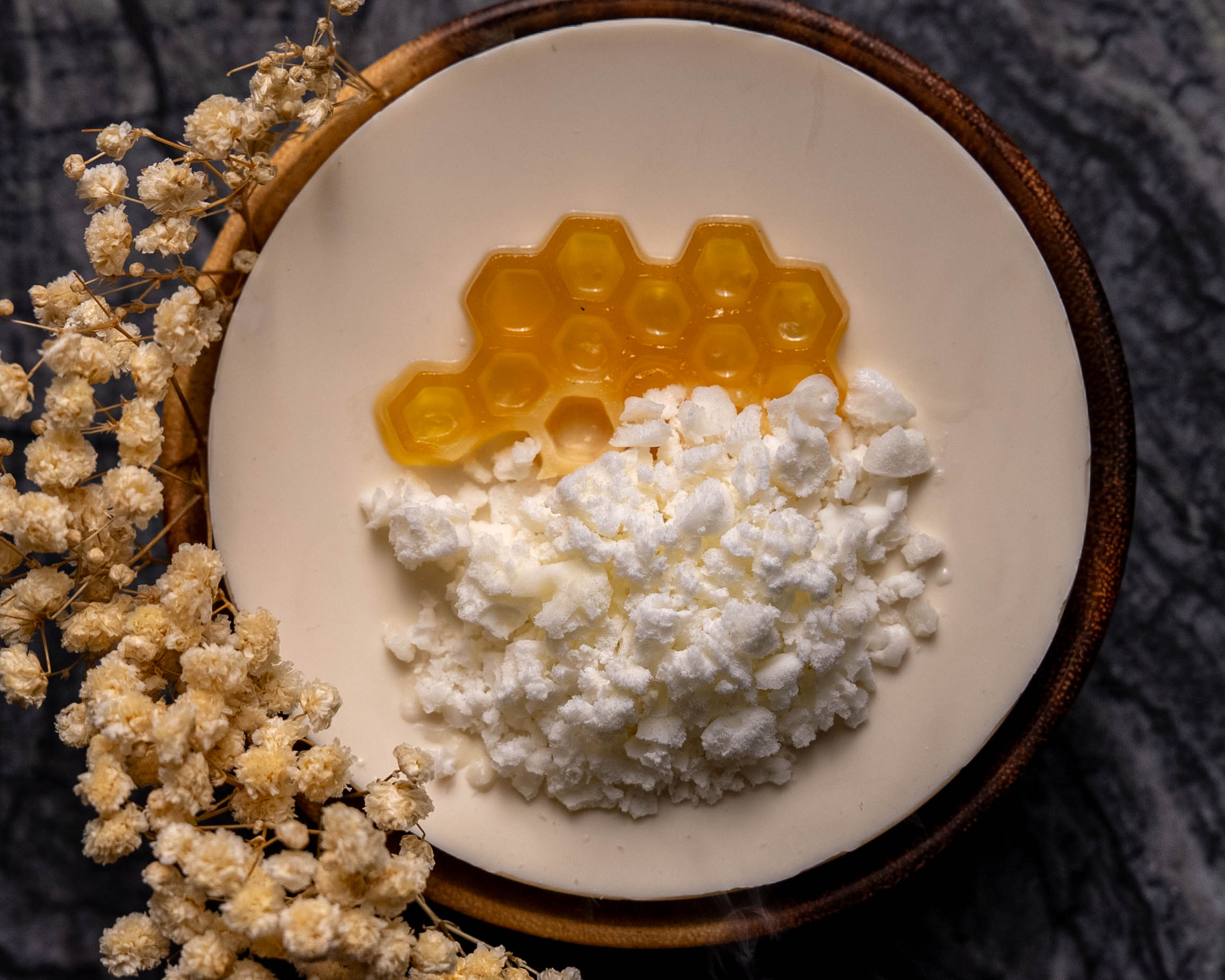
Local honey continues to inspire me for its depth, variation, and strong sense of place. It carries both sweetness and aromatic complexity, allowing us to work with restraint.
Ingredients like salicornia bring salinity and freshness, opening new possibilities for balance and contrast in dessert. Miswak, with its distinctive aromatic profile, introduces an unexpected herbal dimension that challenges traditional boundaries of pastry.
These ingredients allow us to explore flavor in a more layered and expressive way, while remaining deeply connected to the region.
Despite the evolution of pastry, certain misconceptions remain. What do you think people still misunderstand about pastry chefs and their craft?
There is still a tendency to see pastry as decorative or secondary. In reality, it requires the same level of discipline, conceptual thinking, and technical precision as savory cooking.
Pastry is a craft of balance and restraint, not excess.
As one of the most influential female pastry chefs in the region, what challenges have you encountered, and how have you navigated them throughout your career?
Early on, the main challenge was being taken seriously in leadership roles. Over time, consistency, clarity of vision, and results become the strongest response.
The focus has always remained on the work and on building environments based on respect and professionalism.
Looking back at your work, which dessert would you consider the most technically demanding you’ve ever created, and why?
One of the most technically demanding projects has been the development of the Emirati menu. The challenge was not complexity in form, but precision in interpretation. Working with flavors and ingredients that carry strong cultural meaning requires a deep level of respect, research, and restraint.
The technical difficulty lay in expressing identity without imitation. We did not want to recreate traditional desserts, but to interpret Emirati flavors through a contemporary pastry language. This meant carefully balancing sweetness, salinity, and aroma while maintaining clarity and elegance.
Each dessert required extensive testing to ensure that the flavors remained recognizable yet transformed, and that the structure of the menu flowed naturally. The Emirati menu demanded a high level of technical control, sensitivity, and discipline, making it one of the most challenging and rewarding projects I have worked on.
After completing a tasting journey at BRIX Journey, what emotions or reflections do you hope guests carry with them?
I hope guests leave feeling calm, curious, and reflective. More than surprise, I want them to feel a sense of comfort and openness throughout the experience.
Many guests encounter flavors and combinations they have never tasted before. This sense of discovery encourages them to approach dessert from a different perspective, allowing the experience to stay with them beyond the table and become a lasting memory.
If you were to create a dessert inspired by Kuwait, which elements cultural, sensory, or ingredient-driven would you be most interested in exploring?
I would be interested in exploring the relationship between the sea and the desert, which is deeply rooted in Kuwait’s identity. Maritime influences, subtle salinity, and mineral notes could be contrasted with warm, aromatic desert elements.
Rather than recreating traditional desserts, the focus would be on interpretation, using texture, aroma, and balance to express a sense of place in a contemporary and respectful way.
As your work continues to evolve, what new concepts, research directions, or creative territories are you currently excited about?
We are constantly researching new flavors and combinations, always looking for ways to expand our flavor language while remaining coherent and balanced. This research goes beyond ingredients alone; it also includes how flavors interact, how they evolve during tasting, and how they are perceived by the guest.
At the same time, we are exploring new ways to present these ideas so that guests can experience them intuitively and comfortably. Innovation for us is not about being disruptive, but about creating experiences that feel new, thoughtful, and memorable. The goal is always to offer something unique while staying true to our identity and to what guests are seeking from a refined dessert experience.
Finally, what message would you like to share with the readers of CP Magazine?
I would encourage readers to remain curious and open to new perspectives in gastronomy. Dessert, like any culinary discipline, continues to evolve through dialogue, research, and experimentation.
Supporting thoughtful approaches and allowing space for new formats helps push the industry forward, creating experiences that are both meaningful and memorable.