


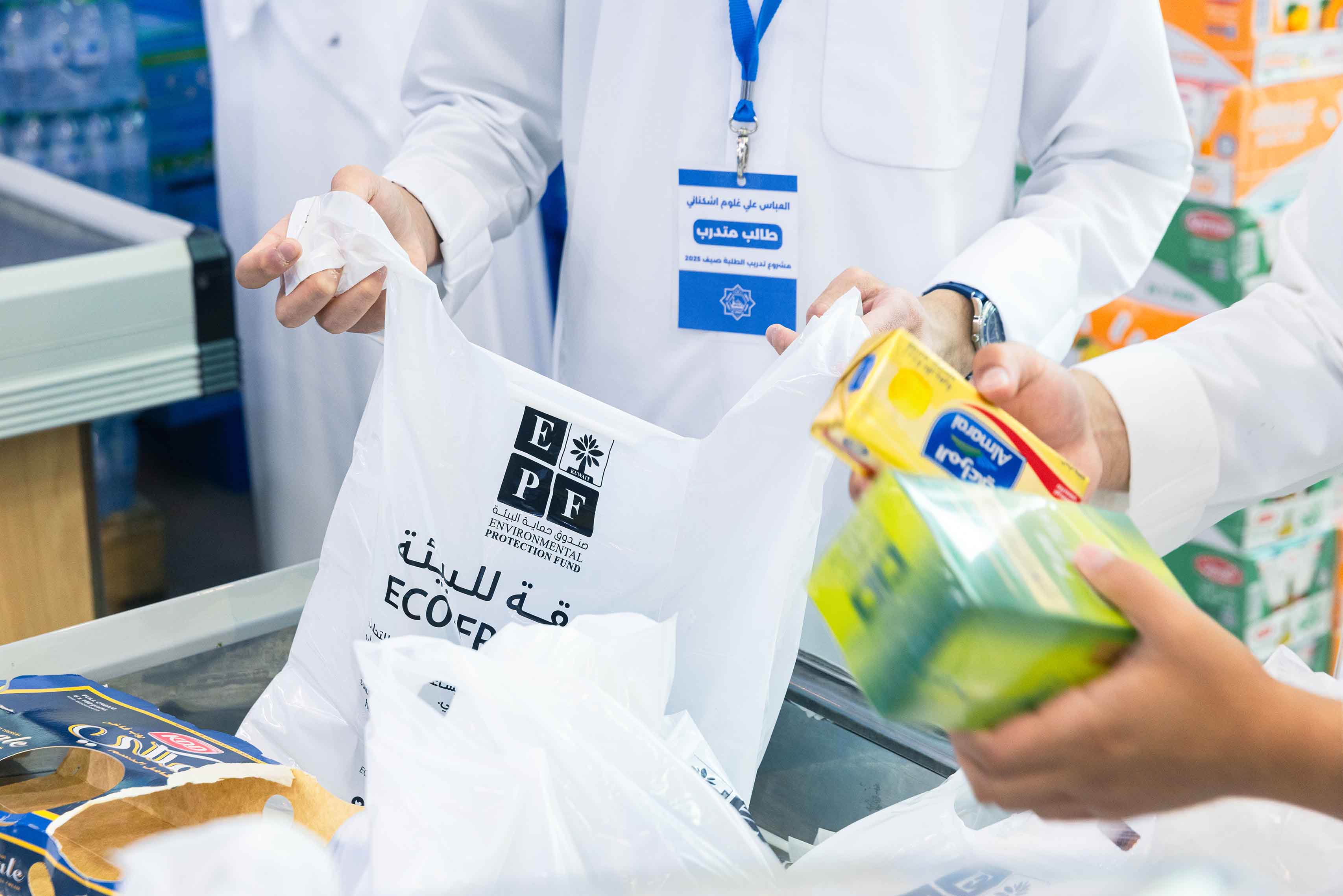
In an age where environmental concerns are at the forefront of global discussions, the need for sustainable alternatives to traditional plastic products has never been more critical. One such innovative solution is the use of eco-friendly bags made from polyvinyl alcohol (PVA), which are fully soluble in hot water and have a minimal environmental impact. These bags, which incorporate calcium carbonate – an essential component of marine rocks present a promising alternative to conventional plastic bags. This article delves into the composition and benefits of these eco-friendly bags, the detrimental effects of plastic bags, and the role of the Environment Public Authority of Kuwait in promoting sustainable practices.
Composition and Characteristics of Eco-Friendly Bags
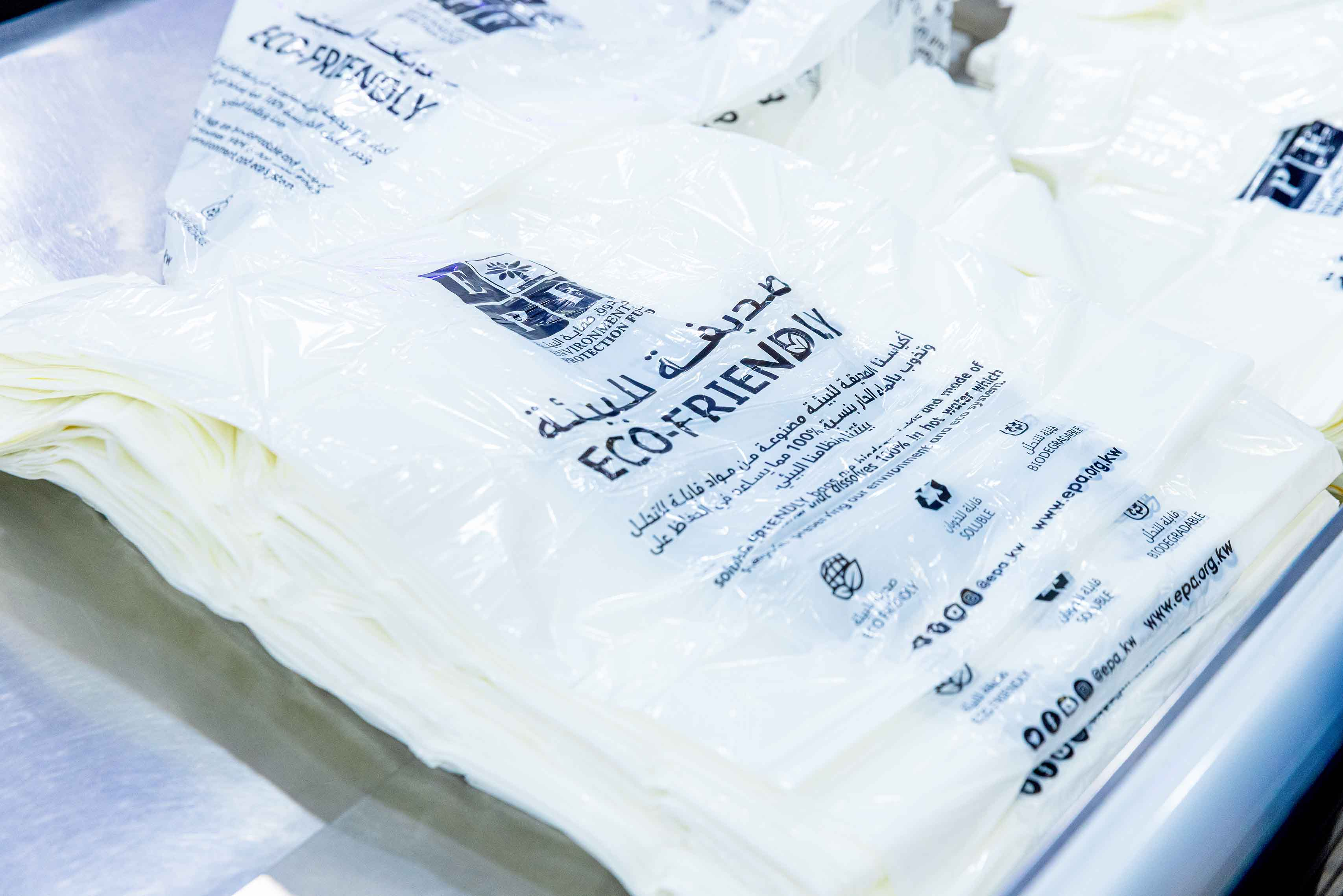
Eco-friendly bags made from polyvinyl alcohol are characterized by their unique chemical properties. PVA is a synthetic polymer that is not only biodegradable but also non-toxic, making it safe for both human use and the environment. The incorporation of calcium carbonate enhances the mechanical properties of these bags and supports their eco-friendly profile. Calcium carbonate, a naturally occurring mineral, is abundant in marine environments, thus reinforcing the sustainability of these products.
One of the standout features of PVA bags is their ability to dissolve completely in hot water. This means that when these bags are disposed of, they do not contribute to the growing problem of plastic waste, which is a major environmental concern. Instead, they break down harmlessly, leaving no toxic residues or microplastics behind.
Positive Impact of Eco-Friendly Bags
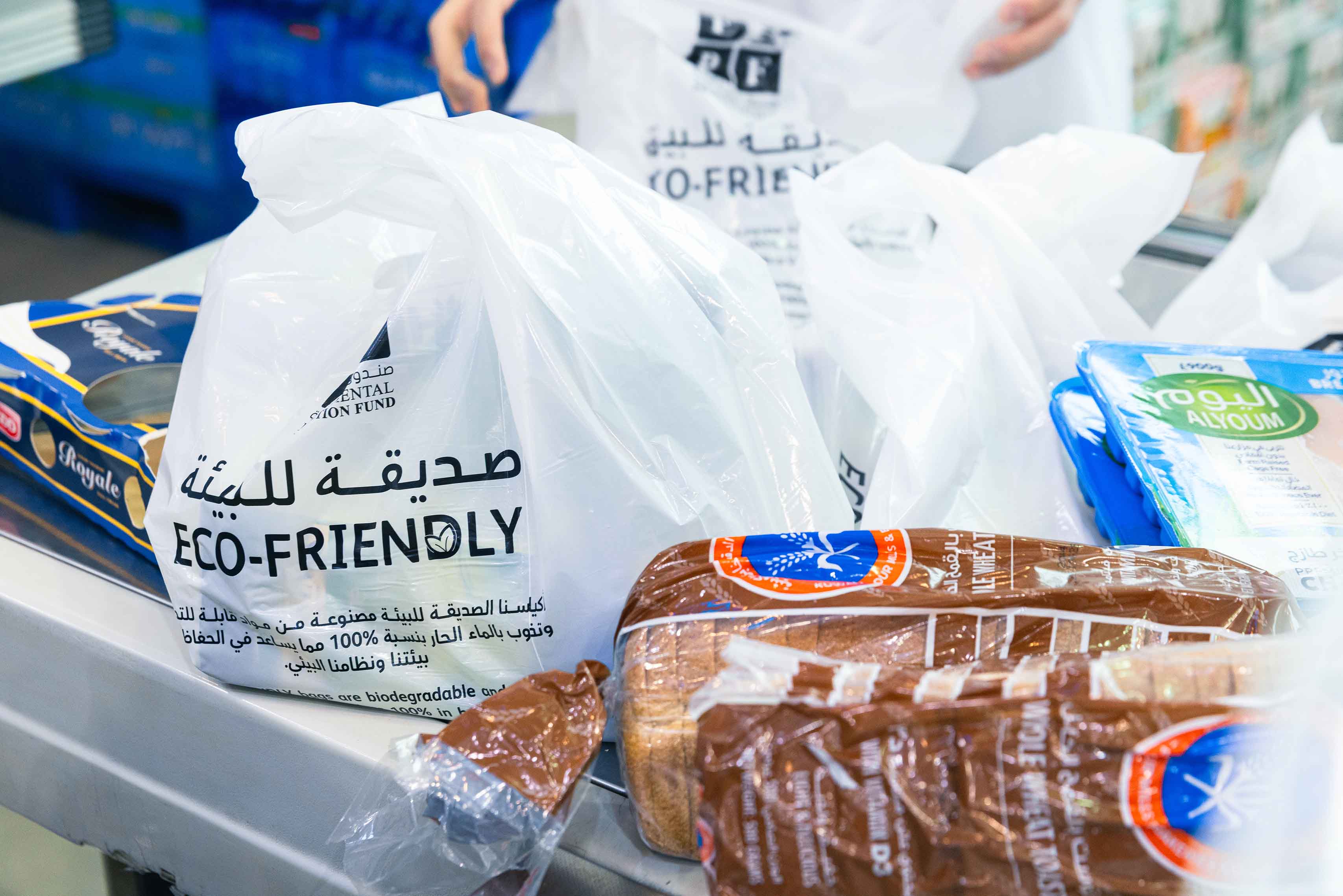
Reduction of Plastic Pollution: The most significant advantage of PVA bags is their potential to reduce plastic pollution. Traditional plastic bags take hundreds of years to decompose, leading to severe environmental degradation. In contrast, PVA bags dissolve completely, making them an ideal solution for reducing the volume of plastic waste in landfills and oceans.
Marine Ecosystem Protection: Marine life is particularly vulnerable to plastic pollution. Sea turtles, birds, and fish often mistake plastic bags for food, leading to congestion and often fatal consequences. PVA bags, being water-soluble, pose no threat to aquatic organisms, thereby supporting healthier marine ecosystems.
Sustainable Resource Use: The production of PVA bags utilizes calcium carbonate, a renewable resource found in abundance in nature. This contrasts sharply with plastic bags made from petroleum, a finite resource whose extraction and production contribute significantly to carbon emissions and climate change.
Public Awareness and Education: The introduction of eco-friendly bags can help raise awareness about the importance of sustainable practices. As consumers earn about the environmental impacts of their choices, they are more likely to support products that align with their values, fostering a culture of sustainability.
Versatility: PVA bags can be used in various applications, from packaging products to serving as biodegradable bags for groceries. Their ability to dissolve in hot water makes them particularly useful in scenarios where immediate disposal is necessary, without leaving harmful waste behind.
The Harmful Effects of Plastic Bags
While eco-friendly bags offer numerous benefits, the adverse impacts of traditional plastic bags are well-documented and concerning:
Long Decomposition Time: Plastic bags can take up to 1,000 years to decompose. Over this time, they break down into microplastics, which persist in the environment, polluting soil and waterways and entering the food chain.
Threat to Wildlife: Animals often ingest plastic bags, mistaking them for food. This can lead to severe health issues, including choking, malnutrition, and death. The mpact on biodiversity is profound, with countless species affected by plastic pollution.
Landfill Overflow: The sheer volume of plastic waste generated by plastic bags contributes to overflowing landfills. This not only occupies valuable land but also eads to the leaching of toxic substances into the environment.
Carbon Footprint: The lifecycle of plastic bags from production to disposal results in significant greenhouse gas emissions. The extraction and processing of fossil fuels, used in plastic production, contribute to climate change, exacerbating
global warming.
Human Health Risks: Chemicals used in plastic bag production can leach into food and beverages, posing potential health risks to consumers. In contrast, PVA bags are safe and non-toxic, making them a healthier alternative.
The Role of Environment Public Authority in Kuwait
Recognizing the urgent need for sustainable solutions, the EPA plays a vital role in promoting eco-friendly practices. Theis organization is tasked with raising awareness about the environmental impact of plastic waste and advocating for the adoption of biodegradable alternatives.
Awareness Campaigns: EPA conduct public awareness campaigns to educate citizens about the dangers of plastic pollution and the benefits of eco-friendly products. By informing the public, they encourage a shift in consumer behavior towards sustainable choices.
Policy Development: EPA works with policymakers to develop regulations and incentives that promote the use of biodegradable materials. This includes implementing bans on single-use plastic bags and supporting the manufacturing of eco-friendly alternatives.
Partnerships with Industries: Supporting the development and distribution of eco-friendly bags. By providing support and licensed resources, they can help businesses establishment to sustainable practices, benefiting both the environment and the economy.
Research and Innovation: EPA supports research initiatives aimed at improving the performance and affordability of biodegradable materials. This fosters innovation in the field and encourages the development of new, sustainable products.
Community Engagement: Engaging local communities in sustainability initiatives fosters a sense of responsibility and ownership. EPA can organize events, workshops, and clean-up drives that not only address plastic pollution but also promote eco-friendly alternatives like PVA bags.
The shift towards eco-friendly water-soluble bags made from polyvinyl alcohol represents a significant advancement in our efforts to combat plastic pollution.
With their ability to dissolve completely in hot water and their minimal environmental impact, these bags offer a sustainable alternative to traditional plastic bags. The positive effects of adopting such alternatives are manifold, from reducing plastic waste and protecting marine ecosystems to fostering public awareness and promoting sustainable practices.
As the harmful effects of plastic bags become increasingly apparent, the role of environmental agencies in promoting eco-friendly solutions is crucial. By advocating for biodegradable alternatives and supporting initiatives that raise awareness, Environment Public Authority in Kuwait can help pave the way for a cleaner, healthier planet. Ultimately, the transition to sustainable practices is not just a choice; it is a responsibility we all share to ensure a better world for future generations.