


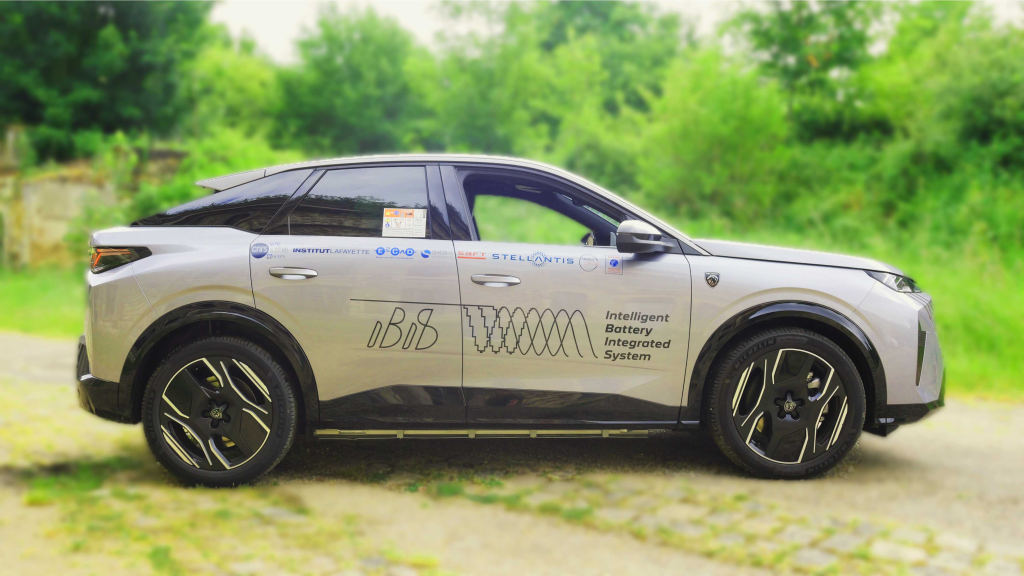
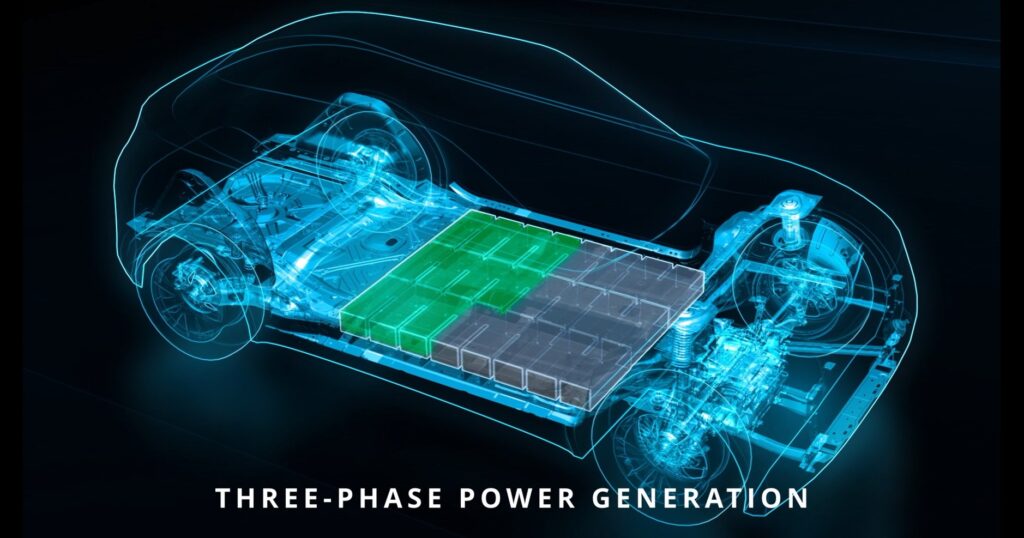
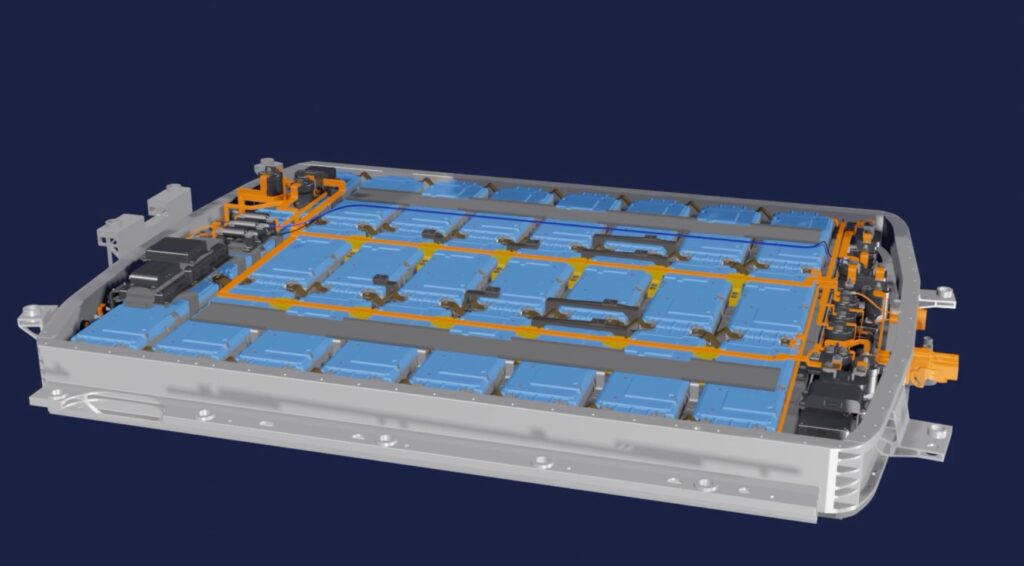
- The Intelligent Battery Integrated System (IBIS) improves vehicle space usage and simplified maintenance by eliminating the need for separate charger and inverter components
- Innovative development marks a significant breakthrough for both mobile and stationary energy applications.
- IBIS is a collaborative research initiative in France aimed at creating a more efficient, sustainable, and cost-effective energy storage and electric conversion solution.
Key Benefits
- Efficiency & Performance: Up to 10% energy efficiency improvement (WLTC cycle) and 15% power gain (172 kW vs. 150 kW) with the same battery size.
- Weight & Space Savings: Reduces vehicle weight by ~40 kg and frees up to 17 liters of volume, enabling better aerodynamics and design flexibility.
- Faster Charging: Early results show a 15% reduction in charging time (e.g., from 7 to 6 hours on a 7 kW AC charger), along with 10% energy savings.
- Simplified Maintenance: Easier servicing and enhanced potential for second-life battery reuse in both automotive and stationary applications.
IBIS also streamlines maintenance and facilitates the reuse of second-life batteries in stationary automotive applications by reducing the need for extensive reconditioning.
Leadership Perspectives
Ned Curic, Chief Engineering and Technology Officer at Stellantis:
“This project reflects our belief that simplification is innovation. By rethinking and simplifying the electric powertrain architecture, we are making it lighter, more efficient, and more cost-effective. These are the kinds of innovations that help us deliver better, more affordable EVs to our customers.”
Hervé Amossé, EVP Energy Storage Systems at Saft:
“The IBIS project is a powerful testament to Saft’s innovation leadership. By embedding IBIS technology into our next-generation applications, we’re unlocking a new era of intelligent, flexible, and sustainable energy solutions. Saft continues to lead the way in advanced research, offering long-term, cost-effective solutions tailored to evolving market needs.”
What’s Next: Phase 2 of the project began in June 2025 with continued support from the French Government through France 2030. The focus now shifts to real-world testing under representative driving conditions, which could pave the way for the integration of IBIS technology into Stellantis production vehicles by the end of the decade.
Beyond automotive, the IBIS architecture holds promise for a wide range of applications, including rail, aerospace, marine, and data centers underscoring Stellantis and Saft’s commitment to scalable, sustainable electrification.