
A Self-Taught Artist Transforming Emotion, Conflict, and Healing into Powerful Visual Narratives
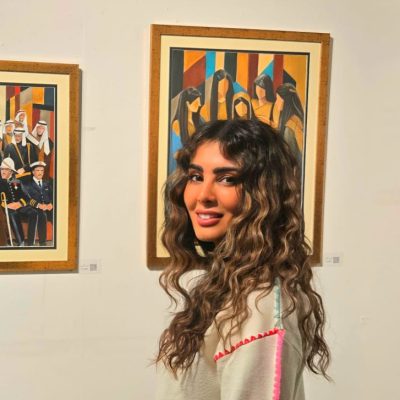
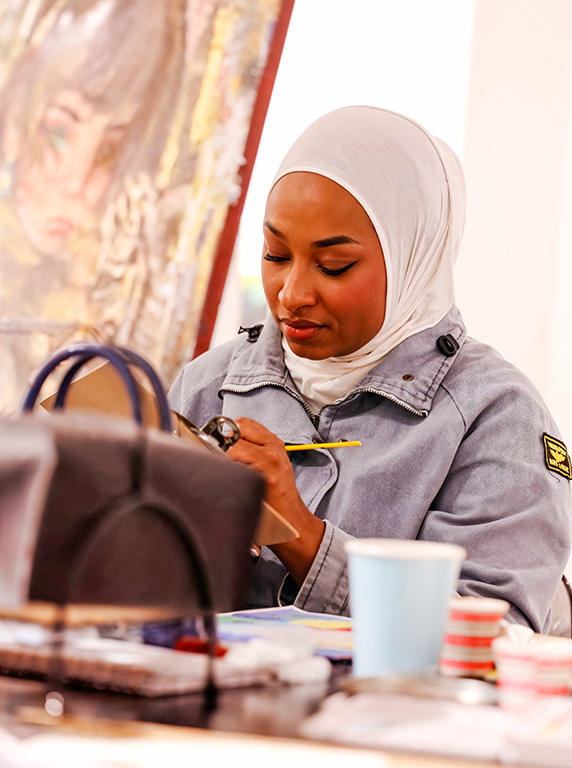
In this compelling interview, CP Magazine speaks with self-taught artist Ghalyah Alhajri, whose work is deeply rooted in emotion, introspection, and human connection. Without formal training, Ghalyah has carved a distinctive path through dedication, experimentation, and an unwavering commitment to her craft. Her art, often centred on realism, captures the quiet complexities of inner struggles and personal strength, resonating with audiences on a profoundly personal level.
Beyond the canvas, Ghalyah is a certified wellbeing and life leadership coach, with specialised training in art and Cognitive Behavioural Therapy. This unique combination allows her to bridge creativity with emotional healing, using art as a powerful tool for expression, reflection, and growth. Her multidisciplinary approach not only shapes her artistic voice but also informs her work with individuals, particularly in supporting mental wellbeing.
Most recently, her work has been influenced by the current regional tensions affecting Kuwait, inspiring pieces that reflect collective emotion and shared human experience. Through both her art and her coaching, Ghalyah continues to explore the transformative power of creativity.
In this conversation, she shares insights into her journey, inspirations, and the meaningful intersection between art and wellbeing.
How would you describe your journey as a self-taught artist?
My journey as a self-taught artist has been driven by curiosity and a deep emotional connection to creativity. I am proud of being self-taught, as I have relied on experimentation, observation, and continuous practice to develop my skills and professionalism in art. This path has allowed me to grow, discover my voice without limitations, and understand myself more as I continue to evolve.
What first inspired you to start creating art?
I am a very sensitive person, and one of my old habits was keeping my feelings to myself. Through art, I learned how to express emotions and thoughts that words couldn’t fully capture. It became a personal outlet where I could translate feelings into visual form rather than take things personally.
How did you develop your style without formal training?
I developed my style through consistent practice and by experimenting with different techniques and mediums. Over time, I refined what resonated with me and allowed my personal experiences to shape my artistic identity.
What themes do you most enjoy exploring in your work?
Realism. I enjoy exploring themes of emotion. My work often reflects inner struggles and strength.
Can you tell us about your creative process?
My creative process usually begins with an emotion or concept. My inspiration can be quite random, sometimes it comes from real-life stories or experiences, and other times from music. My imagination plays a significant role in my work. I like to sketch loosely and then build layers gradually, focusing on light, contrast, and storytelling until the piece feels complete.
What materials or techniques do you prefer to use?
I like to work with watercolours, acrylics, and alcohol markers. Each medium has its own techniques; however, I often like to combine realism with abstract elements.
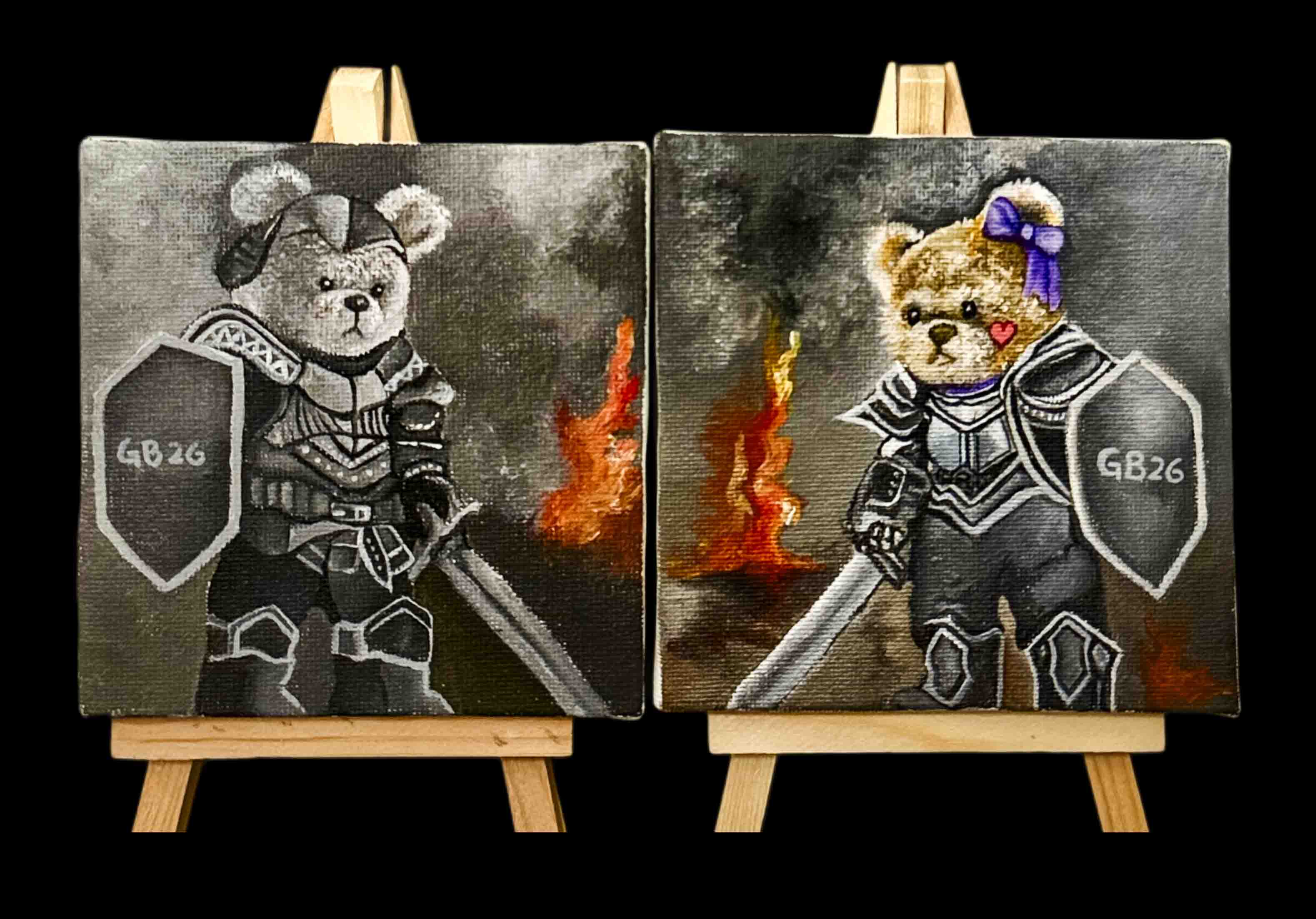
What challenges have you faced as a self-taught artist?
One of the main challenges I have faced is standing out and building a strong connection with my followers and the art community. I manage this by engaging daily, which has now become part of my routine and lifestyle.
How has your art evolved over time?
My art has become more intentional and emotionally expressive. I have grown more confident in my style and storytelling, and my work now reflects deeper themes and stronger meaning.
What message do you hope people take from your work?
The message I would like to share is that anything is possible. With consistent practice and motivation, you can achieve whatever you want in life. It is possible to be a self-taught artist and create professional work with focus and creativity.
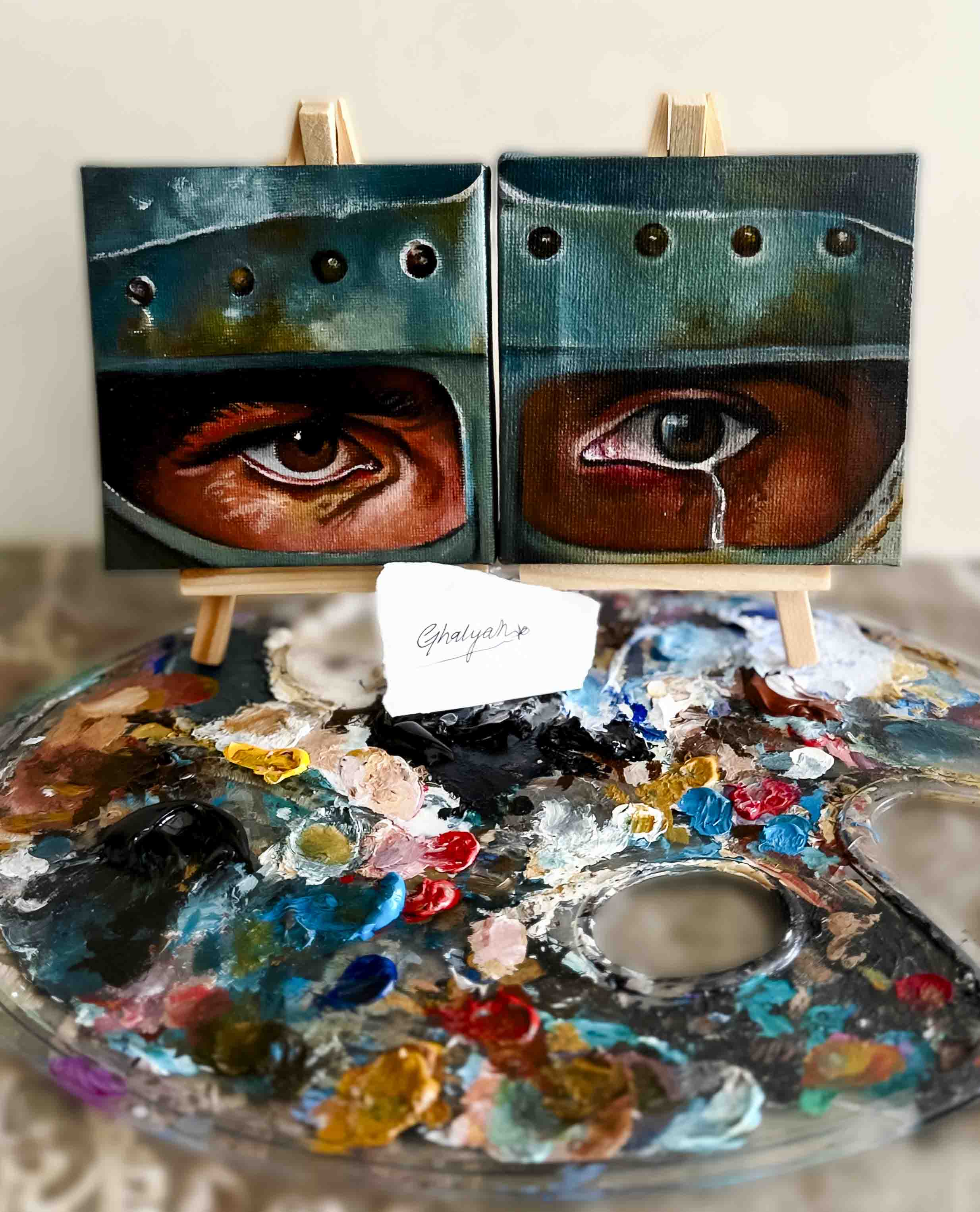
How do you balance art with your role as a wellbeing and life leadership coach?
Both roles complement each other. Coaching informs my understanding of human emotions, while art allows me to express and process them creatively.
In what ways does your coaching influence your art?
My coaching deepens my empathy and awareness, which directly influences the emotional depth and storytelling in my artwork. Teaching art to different age groups also helps me connect with my students on a deeper level.
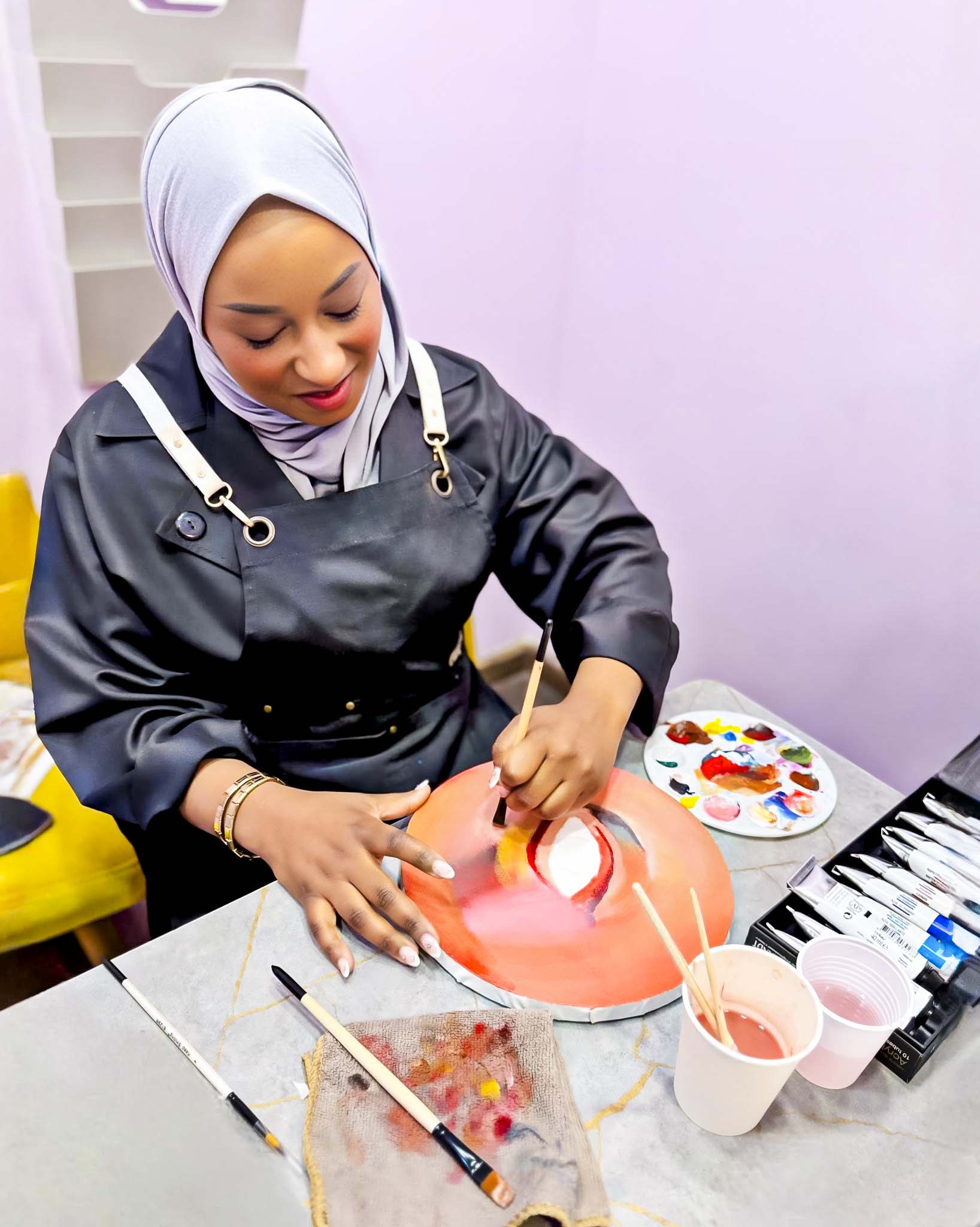
How does art support mental health and wellbeing in your view?
Art provides a safe space for expression, reflection, and healing. It allows individuals to process emotions and reduce stress in a constructive way. Personally, I have also learned patience through art.
Can you explain your work in art and CBT therapy?
I integrate art with Cognitive Behavioural Therapy, mainly with children. I have found that creative expression and storytelling help children identify thoughts, emotions, and patterns in a visual and accessible way. This can also support parents in strengthening their relationship with their children and understanding the reasons behind different behaviours.
What impact has behavioural psychology had on your creative approach?
It is fascinating to understand how an individual’s behaviour can change due to life circumstances and experiences. This knowledge has helped me recognise emotional triggers and create more meaningful and psychologically resonant artwork.
How do you use creativity as a healing tool?
I use creativity to transform emotions into visual expression, helping both myself and others process experiences through art.
What has been a defining moment in your artistic career so far?
One of the most repeated comments I receive is that “my paintings speak to others”. This always touches my heart and reminds me why I chose this path, inspiring me to keep creating.
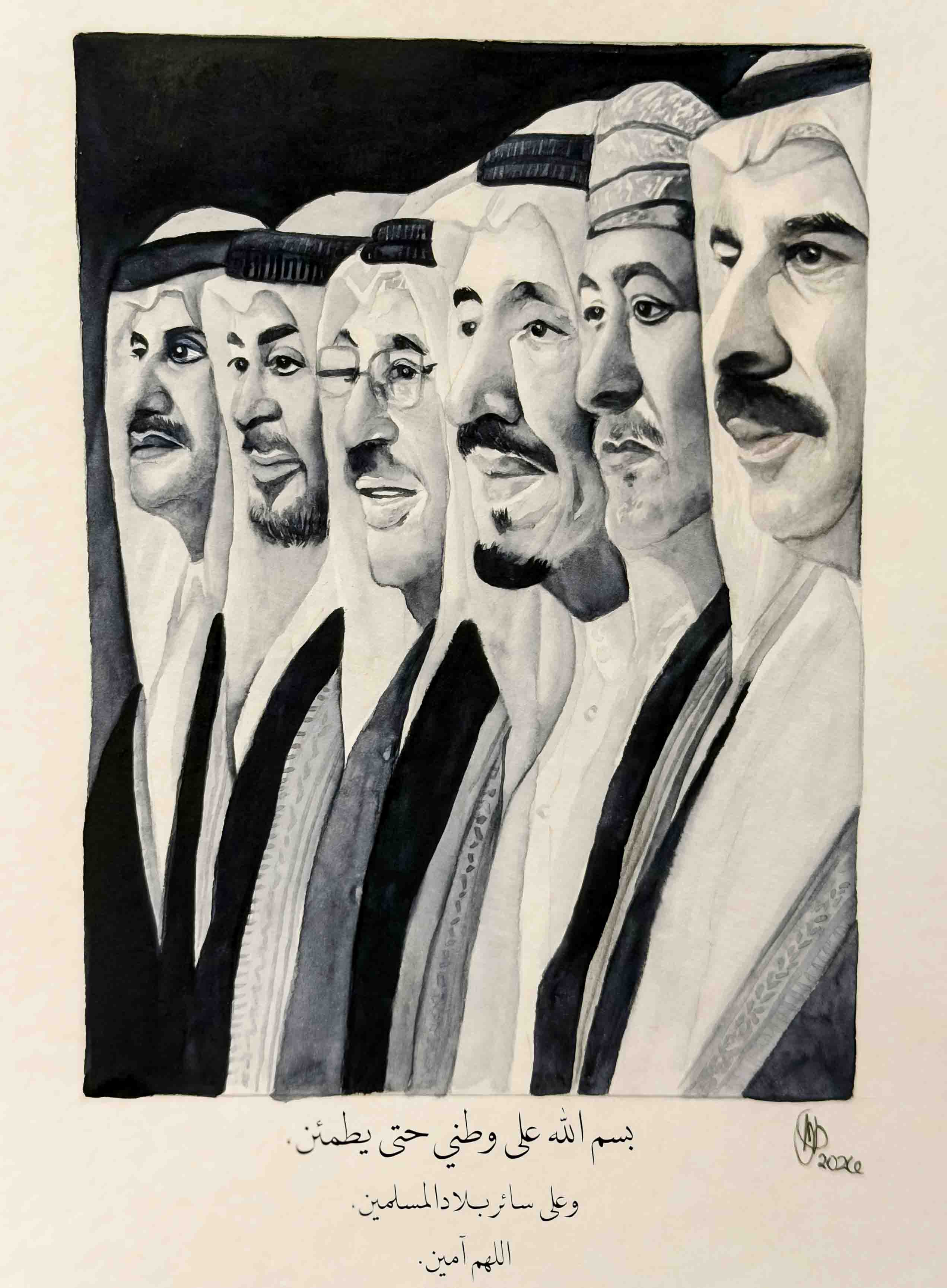
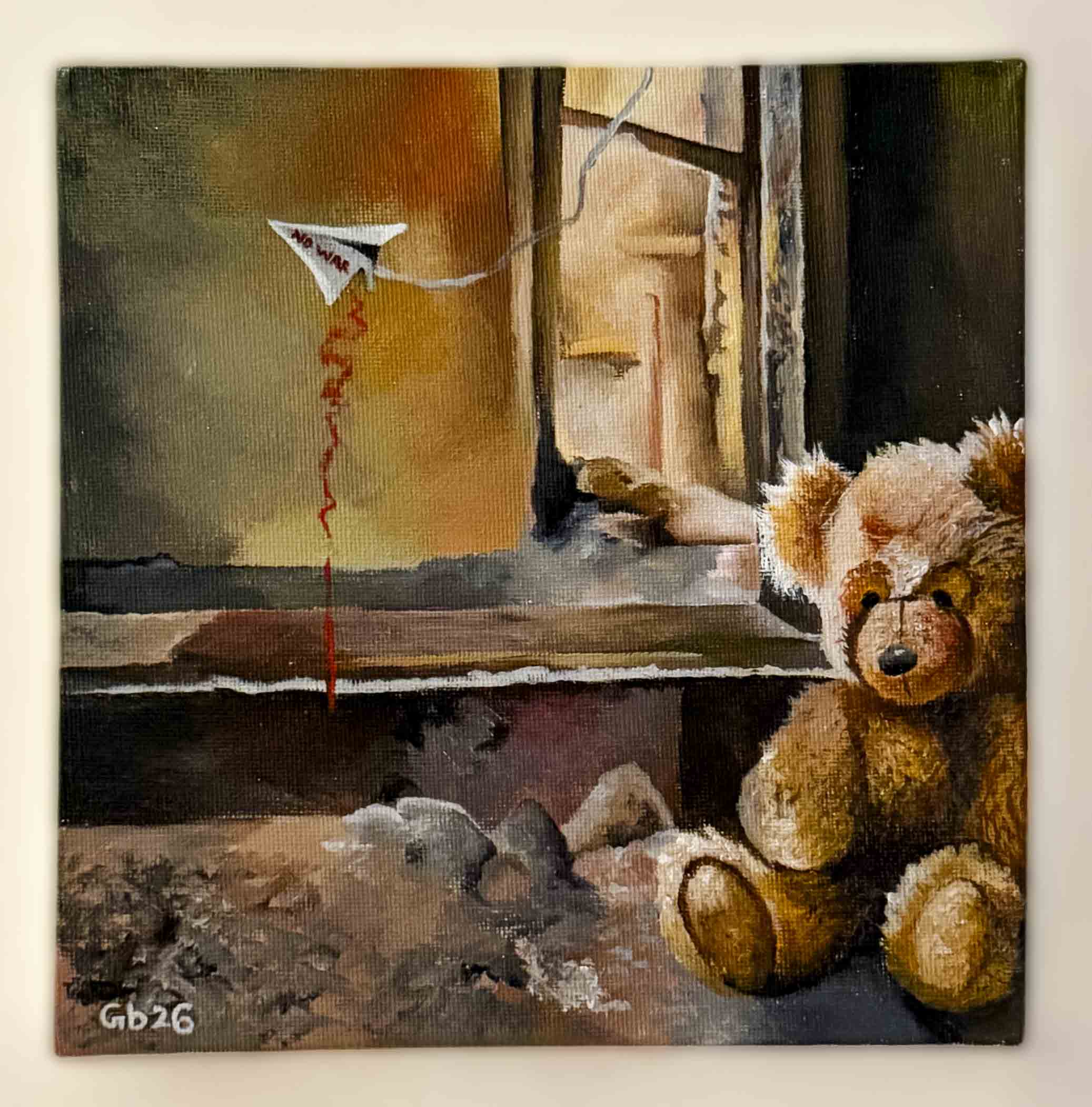
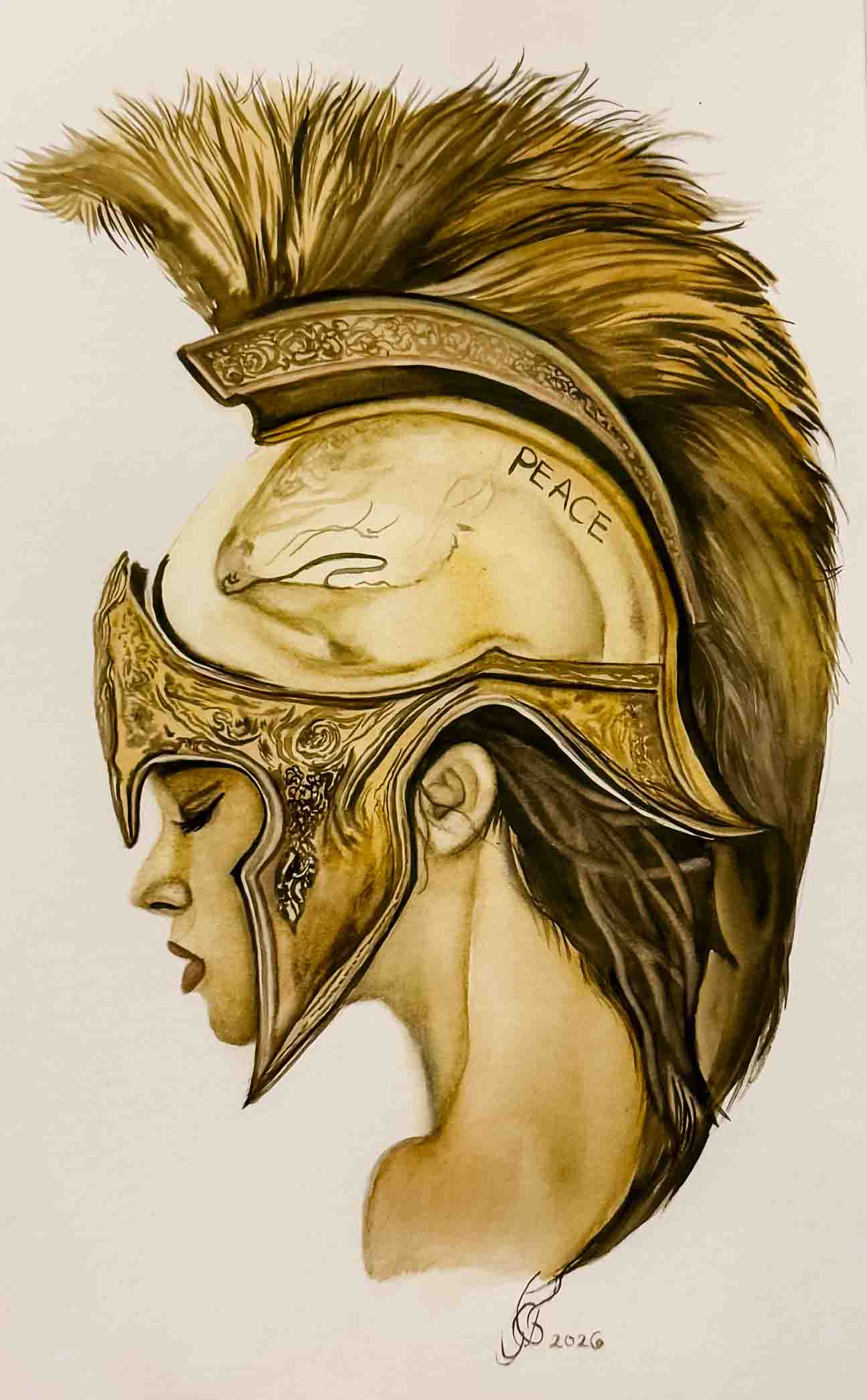
You recently created a painting about the current situation in Kuwait and the region. What inspired this piece, and what emotions were you trying to express?
What we are going through is a very painful and uncertain experience. On a larger scale, the whole world is going through collective pain. These artworks reflect the emotional weight that we all carry.
What are some of your other hobbies?
I enjoy reading, exploring psychology, and engaging in activities that support creativity and personal growth.
How has the regional conflict influenced your perspective as an artist?
It has pushed me to create more meaningful and impactful work that resonates with people on a deeper level.
Your message for us at CP Magazine.
Thank you for interviewing me. It has been a pleasure. I am grateful for this experience. To all fellow artists out there: never stop creating!