
Where Childhood Dreams Meet Artistic Rebellion
In this exclusive interview, CP Magazine sits down with Mariam Ajami, a multidisciplinary artist whose surreal, collage-based work blends memory, imagination, and cultural reflection. Based in Beirut after years abroad in London, Mariam brings a unique perspective shaped by personal experience, artistic exploration, and deep-rooted identity. Her pieces, playful yet poignant challenge conventional narratives through whimsical imagery and symbolic depth. Influenced by movements like Surrealism and Dadaism, as well as the vibrant legacy of Lebanese heritage, Mariam’s work navigates themes of nostalgia, childhood, and transformation. With a creative process rooted in instinct and experimentation, she constructs visual stories that are both intimate and universal. In this conversation, she opens up about her artistic evolution, the role of cultural identity in her practice, and the challenges of being a contemporary artist in the digital age. Join us as we explore the world of Mariam Ajami, where fantasy meets reality in striking and meaningful ways.
“Art has always been my way of saying what I can’t express in words – a release for the good, the bad, and the messy.”
Introduce yourself to our readers.
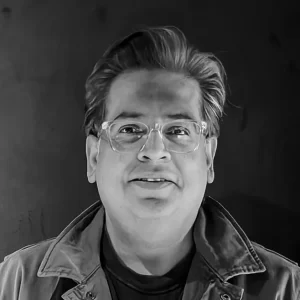
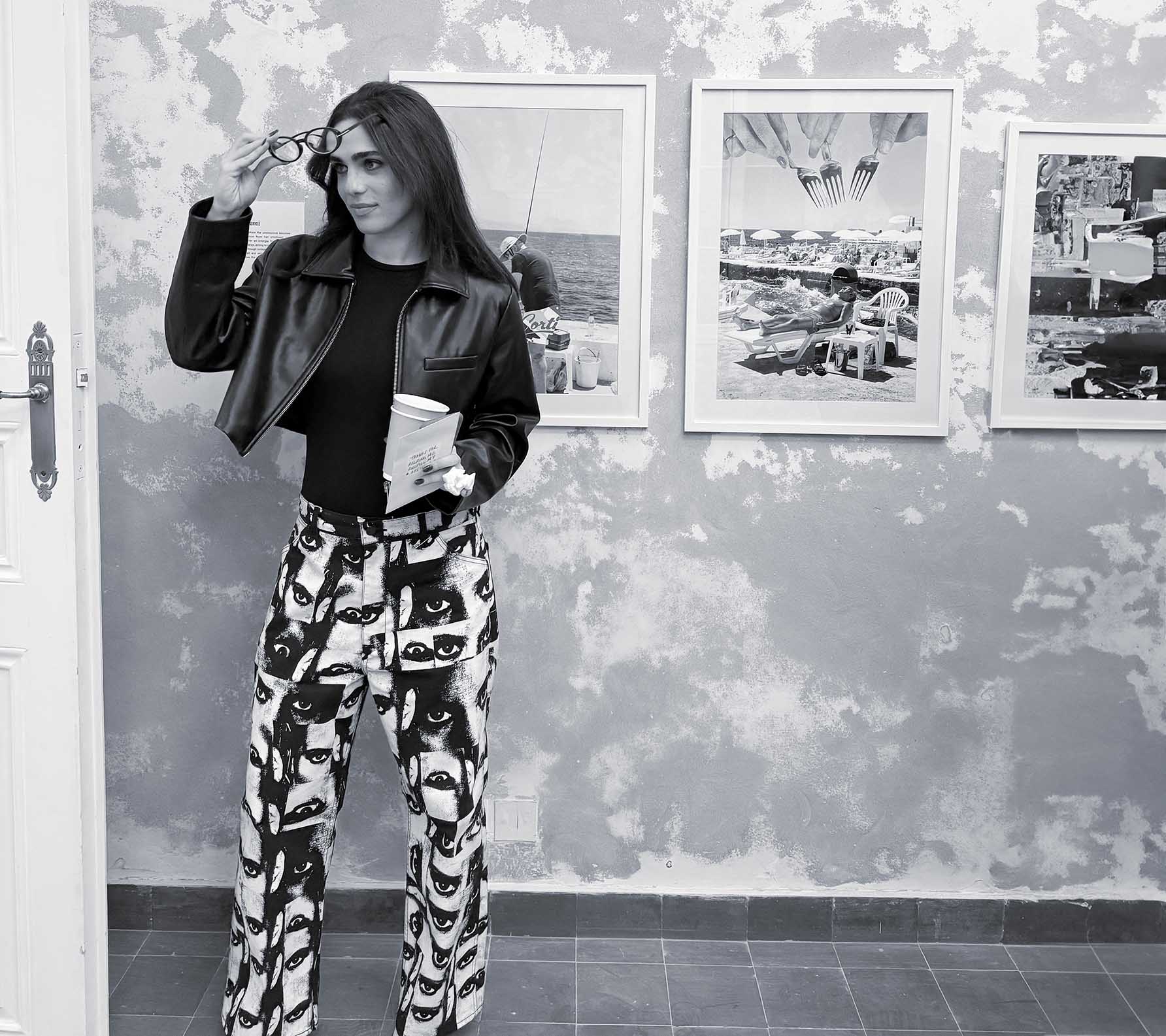
My name is Mariam Ajami, a multidisciplinary artist based in Beirut. After spending eight years abroad in London, I returned to Lebanon to reconnect with my roots. Here, I began exploring my artistic voice through a surreal lens, crafting collages that reflect both memory and imagination.
Can you share a bit about your journey into the world of art and what first sparked your interest?
My journey began with painting and illustration. I was drawn to art from a young age. During my final year of university, I discovered Surrealism and Dadaism, which deeply resonated with me. Artists like Lola Dupre, Linder Sterling, and John Stezaker became key influences. I was especially captivated by collage for its rebellious spirit and its ability to transform existing imagery into entirely new narratives.
How would you describe your artistic style and the evolution it has undergone over the years?
I wouldn’t say I have one distinct style. At least, I don’t see it that way. I tend to gravitate towards the most absurd or unexpected option, and embracing that instinct has been an ongoing process. Over the years, I’ve been learning to get comfortable with pushing those boundaries. My goal is to evolve my work into something that’s not only visually appealing but layered with meaning.
What themes or emotions do you find yourself consistently exploring in your work?
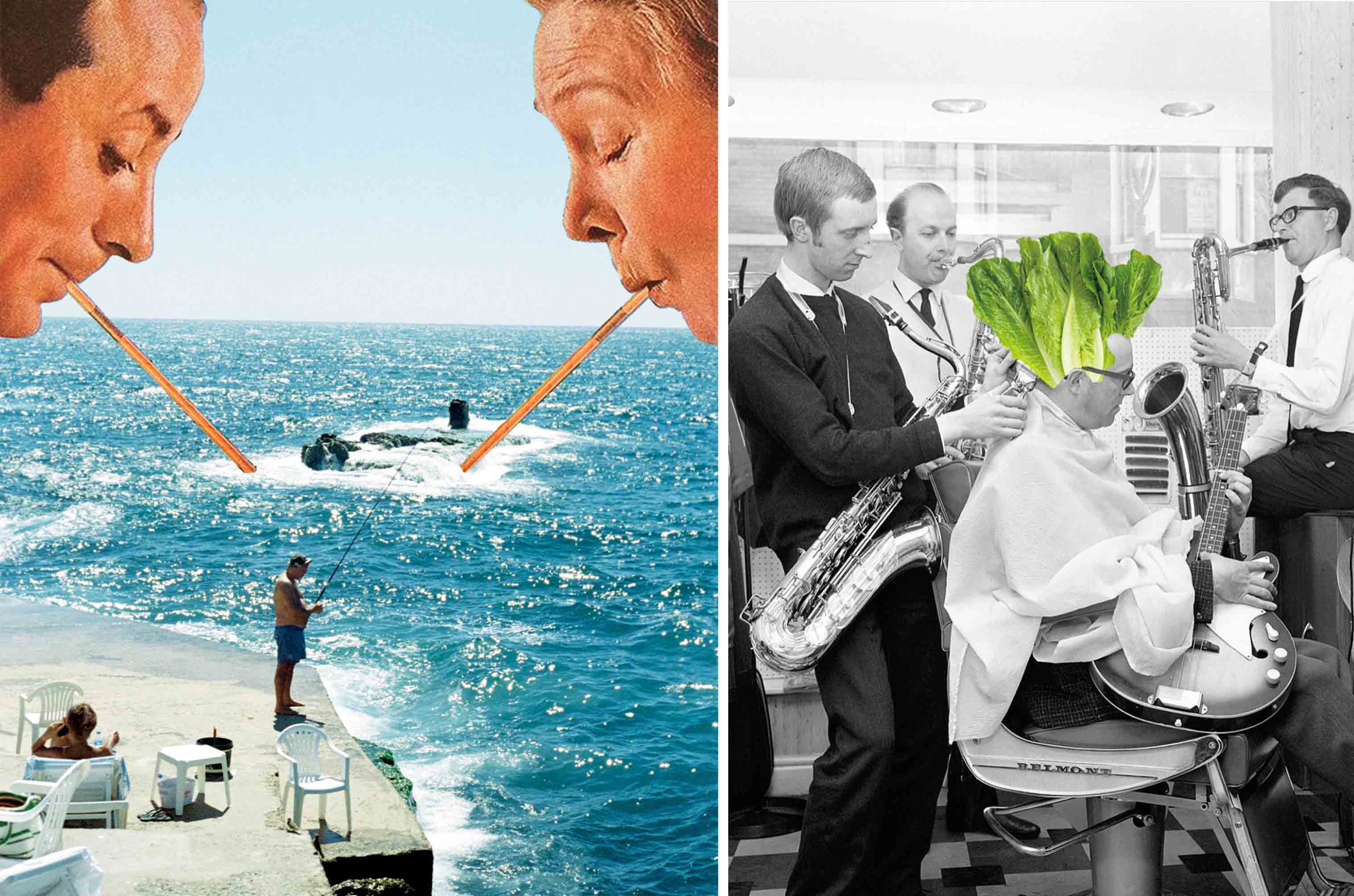
My work often explores themes of childhood, nostalgia, and culture, blending them in unexpected ways. I’m always drawn to evoking a sense of whimsy, even when the underlying themes stem from personal pain. It’s that contrast between playfulness and vulnerability.
Where do you draw your inspiration from, both visually and emotionally?
One of my key inspirations is Salvador Dalí’s method of prolonged observation. Through collage, I play with scale and composition, distorting familiar elements to subvert expectations. I’m influenced by the worlds of children’s books, like those of Dr. Seuss, and the eccentric character-building of Tim Burton. These playful, surreal references often shape the feel and narrative of my pieces.
Can you walk us through your creative process, from concept to completion?
My creative process often starts with automatism. I follow my instincts and let myself be drawn to certain images or aesthetics without overthinking. I work through trial and error, giving myself space to play and see what unfolds. I consistently evaluate whether the elements present are enough, pausing until deeper meaning emerges and I understand its significance.
What role does cultural identity play in your art?
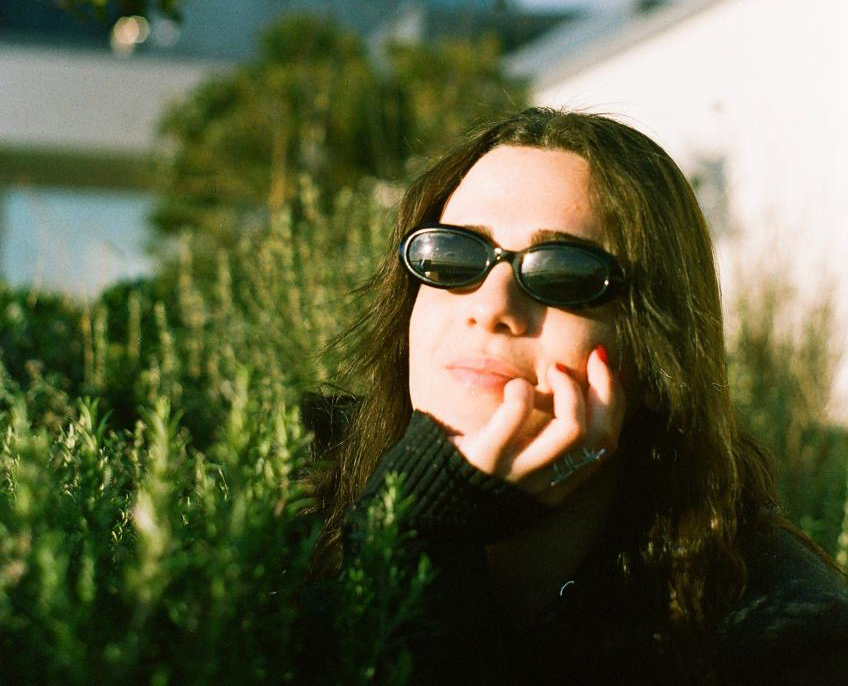
My culture plays a very important role in my work and has shaped me as an artist from the references I draw on to the colours and elements I use. I enjoy taking pieces of my Lebanese heritage and weaving them into my art. I’m proud of my identity, even though the country faces many challenges. Through satire and a touch of childhood whimsy, my goal is to reimagine our harsh reality with a surreal and colourful perspective, revealing the hidden beauty beneath the turmoil.
Are there specific materials or techniques you feel especially connected to, and why?
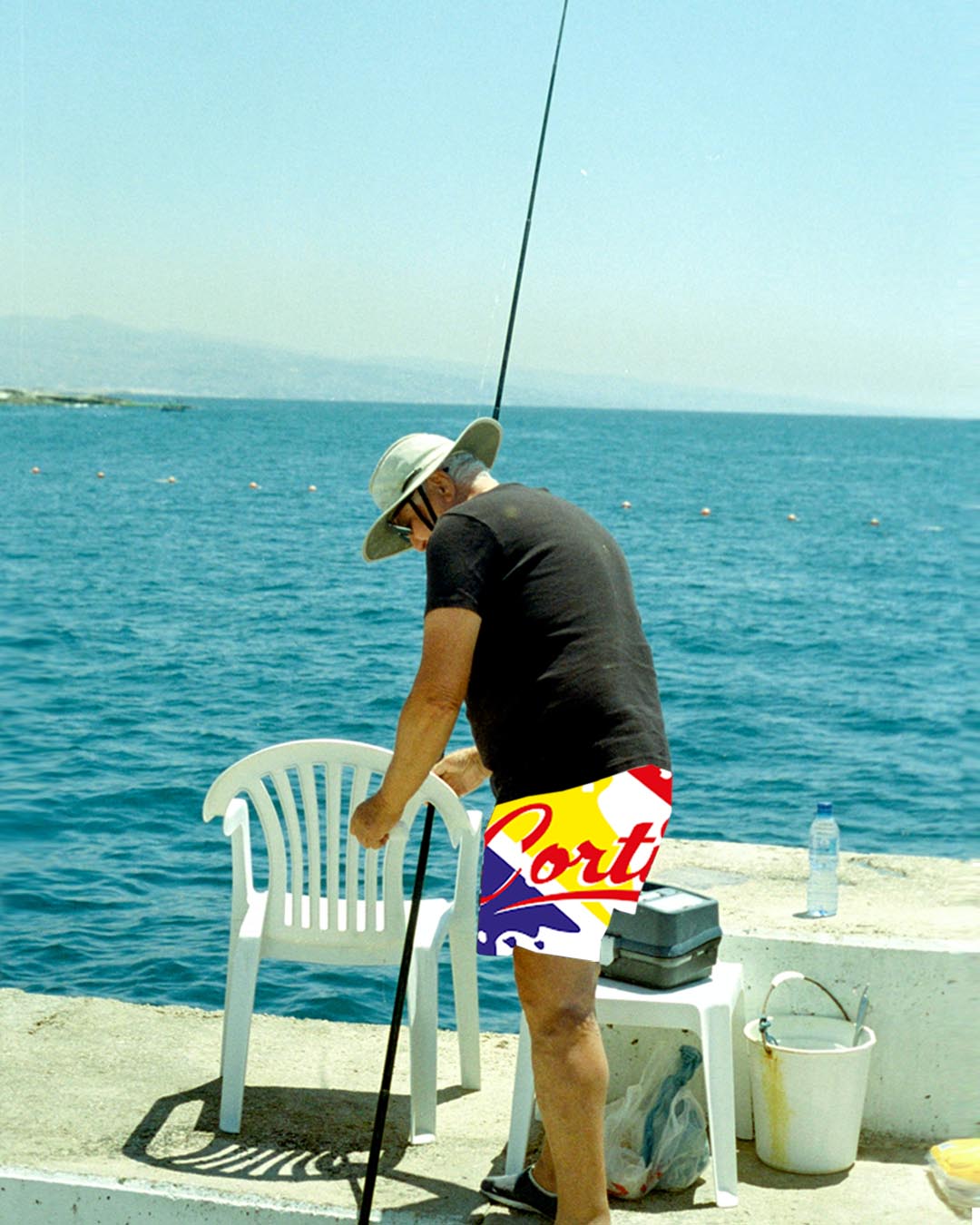
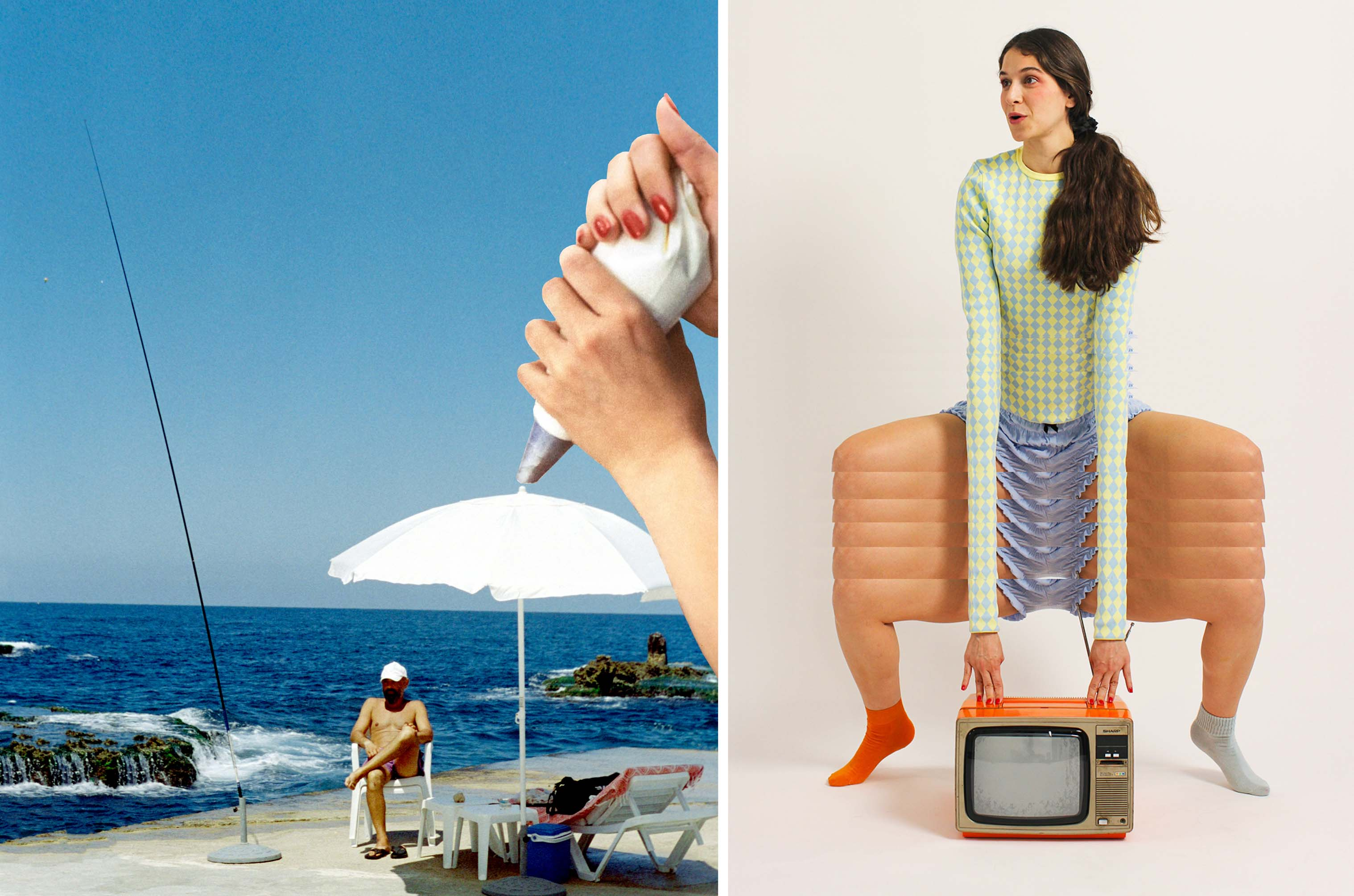
I love my film camera and giving new life to found images. Symbolism plays a big role in my work to express deeper meanings. When I shoot, I prefer film because I never know exactly how the photos will turn out, it keeps things surprising. I like the nostalgic feel of vintage cameras, especially when combined with bright colours. I usually start by sketching the story, then figure out the best way to bring it to life.
What has been the most personally meaningful piece you’ve created, and what is the story behind it?
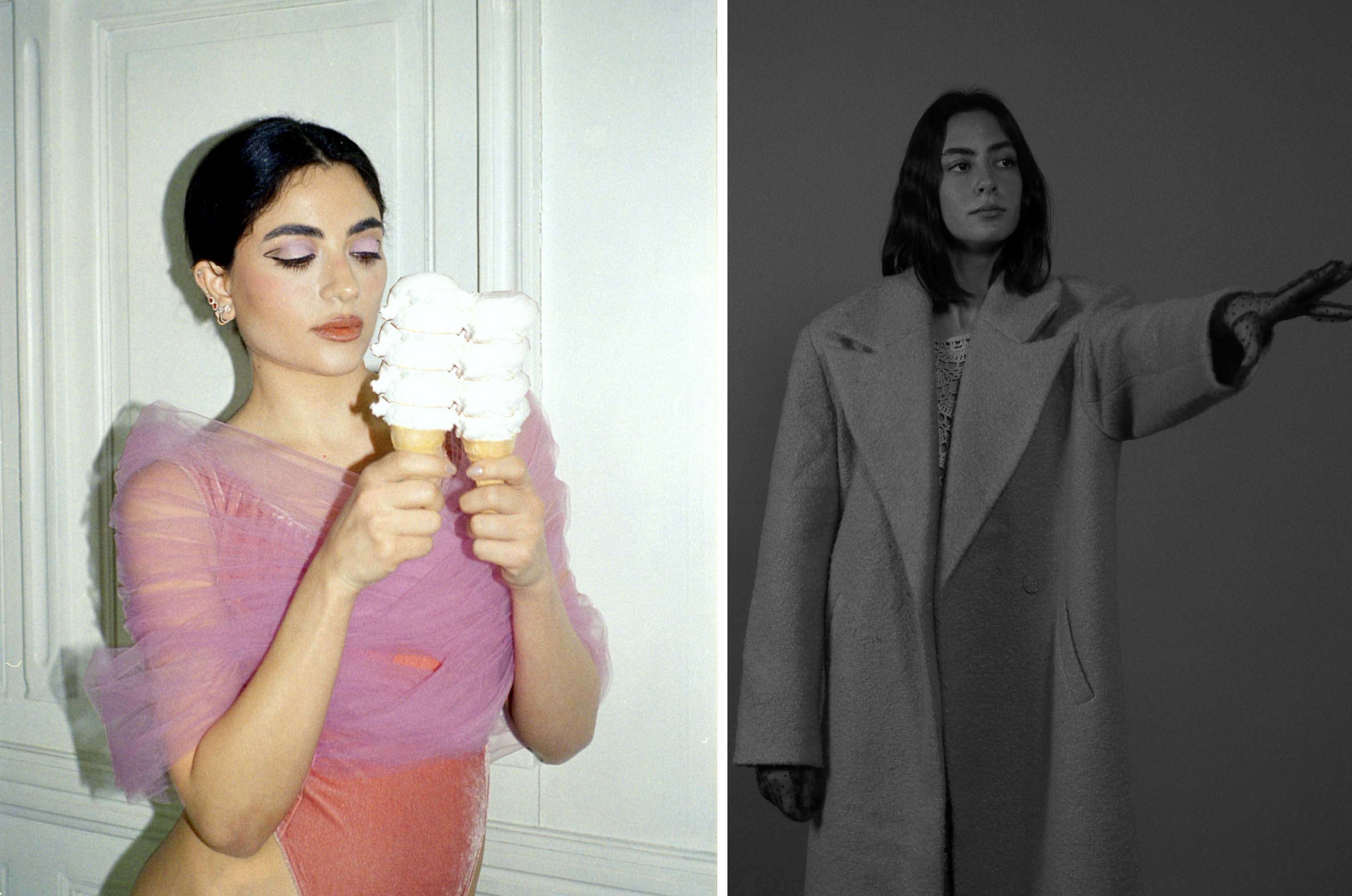
I’m Not Listening is a piece from a series that was my Master’s thesis. The idea was to have no restrictions, just pure expression through symbolism, imagining a world where you create your own boundaries.
What challenges have you faced as an artist, and how have they shaped your practice?
Finding the balance between “creating” and “putting out content” has been tough. Being an artist in the age of social media is both a privilege and a challenge because people want to label and simplify your work. I can’t really describe what I do. I just follow whatever inspires me at the moment.
How do you view the intersection of art and mental health in your personal experience?
Art and mental health are deeply connected for me. Art has always been a way to express what I can’t say otherwise – a release for the good, the bad, and the messy.
What advice would you give to emerging artists trying to find their voice?
Play as much as you can. Art shouldn’t feel like a chore. Create for the sake of creating, and experiment freely. Don’t chase success; create from a place of curiosity.
How do you define success in your artistic career?
Success, to me, is when you inspire others to create and tell their own stories.
What legacy do you hope to leave through your body of work?
The legacy I hope to leave is one that inspires people to see art as something powerful, rooted in passion and dedication. I want others to feel empowered to imagine and visualise their own worlds and never let anything stand in the way of their creative expression.
Your message for us at CP Magazine.
Thank you for creating a space that truly celebrates artists and culture.