

“Architecture, Emotion and the Art of Reinvention”
By the time Rakan Shams Aldeen was five years old, he wasn’t just doodling figures, he was sketching futures. Dresses, silhouettes, shapes that defied convention. It was a vision born in a home filled with strong, style-savvy women who designed their own clothes as a form of self-expression. “Fashion was never a choice,” he says. “It was part of my DNA.”
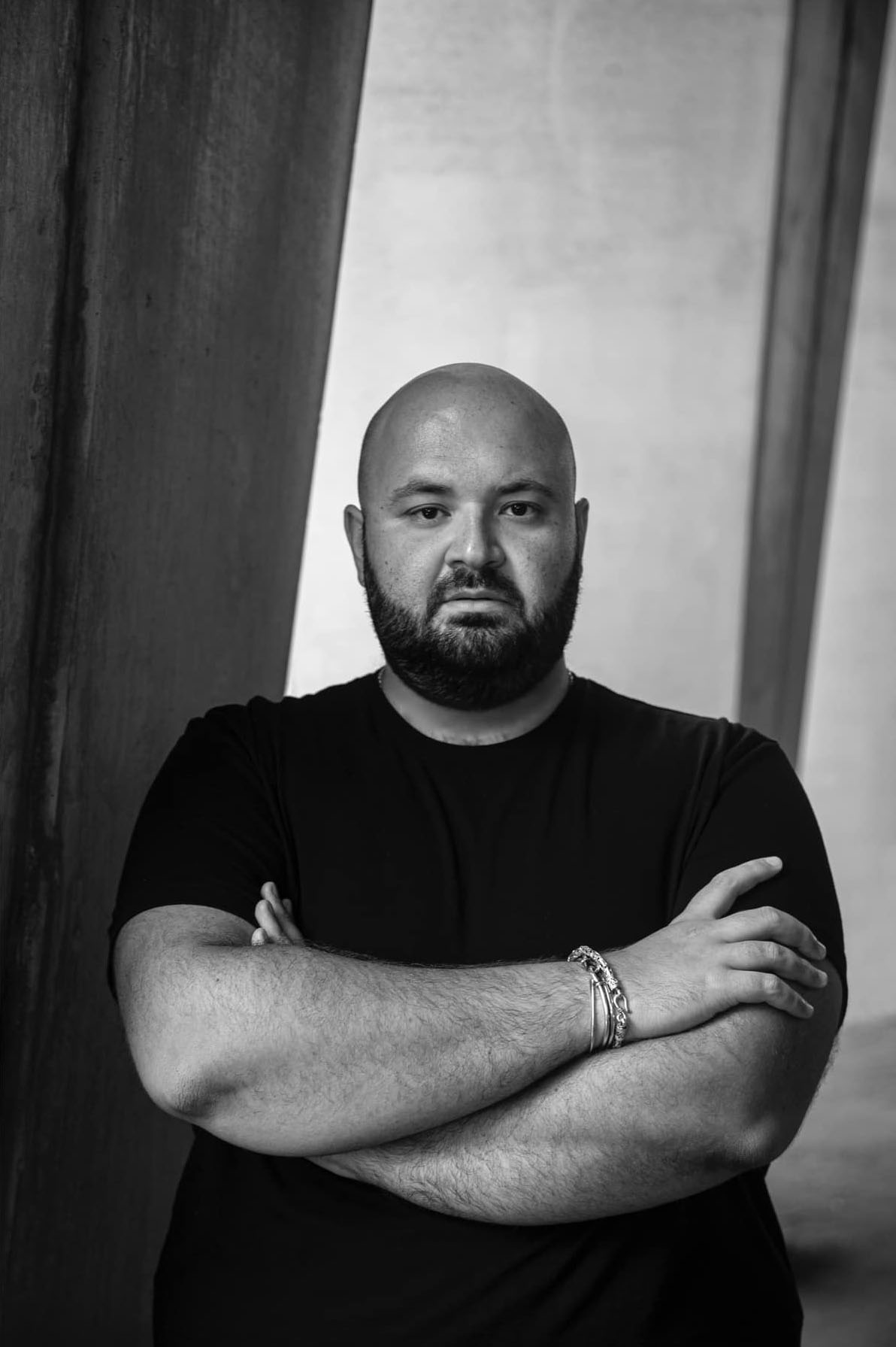
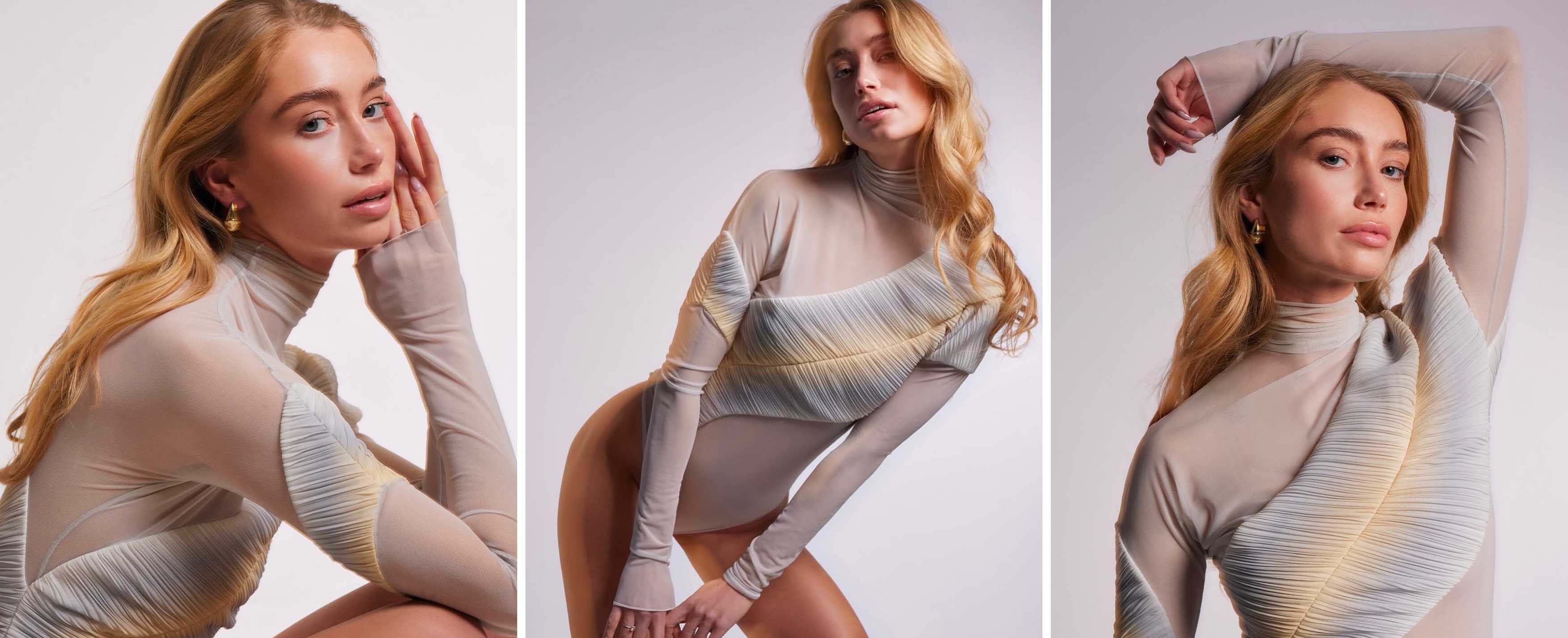
Today, the Syrian-born, New York–trained designer is redefining modern luxury through his brand RAKAN, a name that has quietly but powerfully become synonymous with structural elegance and cultural depth. His work speaks the language of architecture, his first field of study, yet it’s translated through the fluid grammar of fabric and form. Each design balances strength and sensuality, a dialogue between precision and poetry.
Before he built dresses, Rakan built spaces. His architectural background, rooted in discipline and proportion, remains visible in his collections, every pleat, every seam, every cut is a structural decision. Yet beyond the geometry lies emotion, a connection to his Middle Eastern heritage, where tradition, texture, and storytelling breathe life into design.
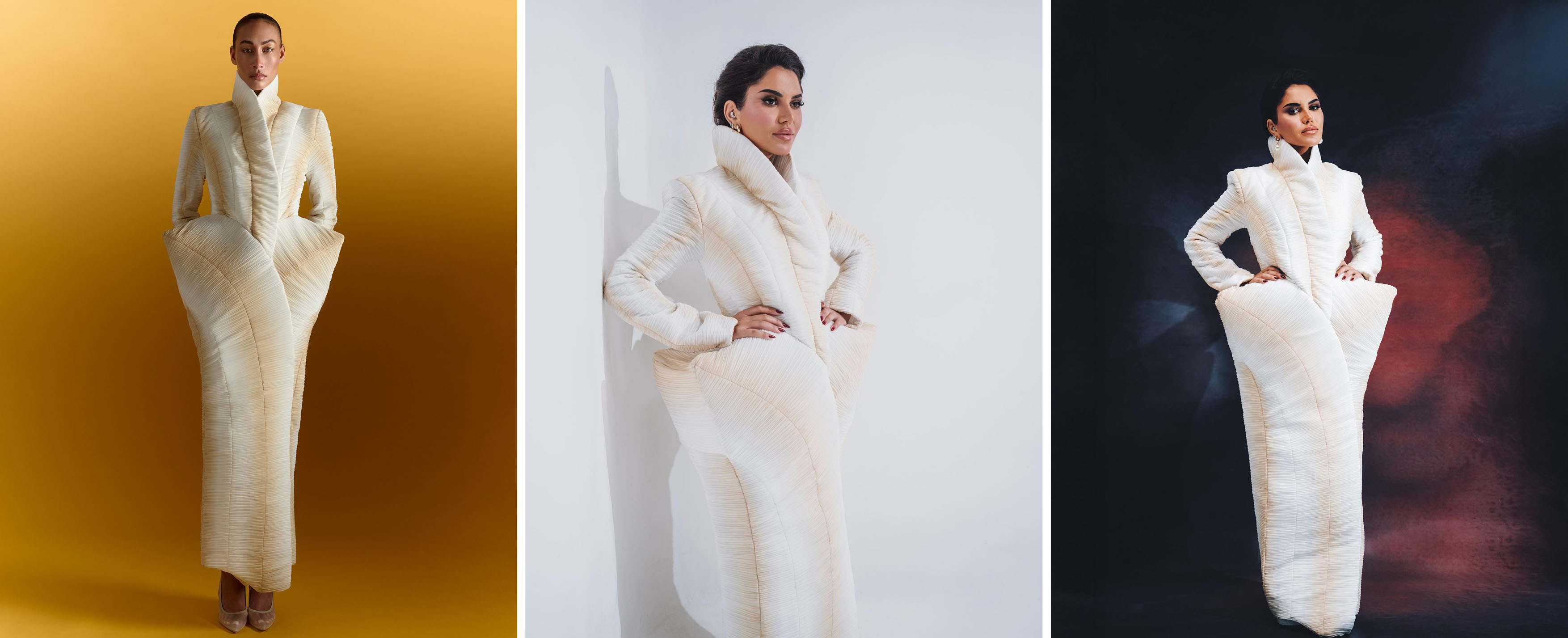
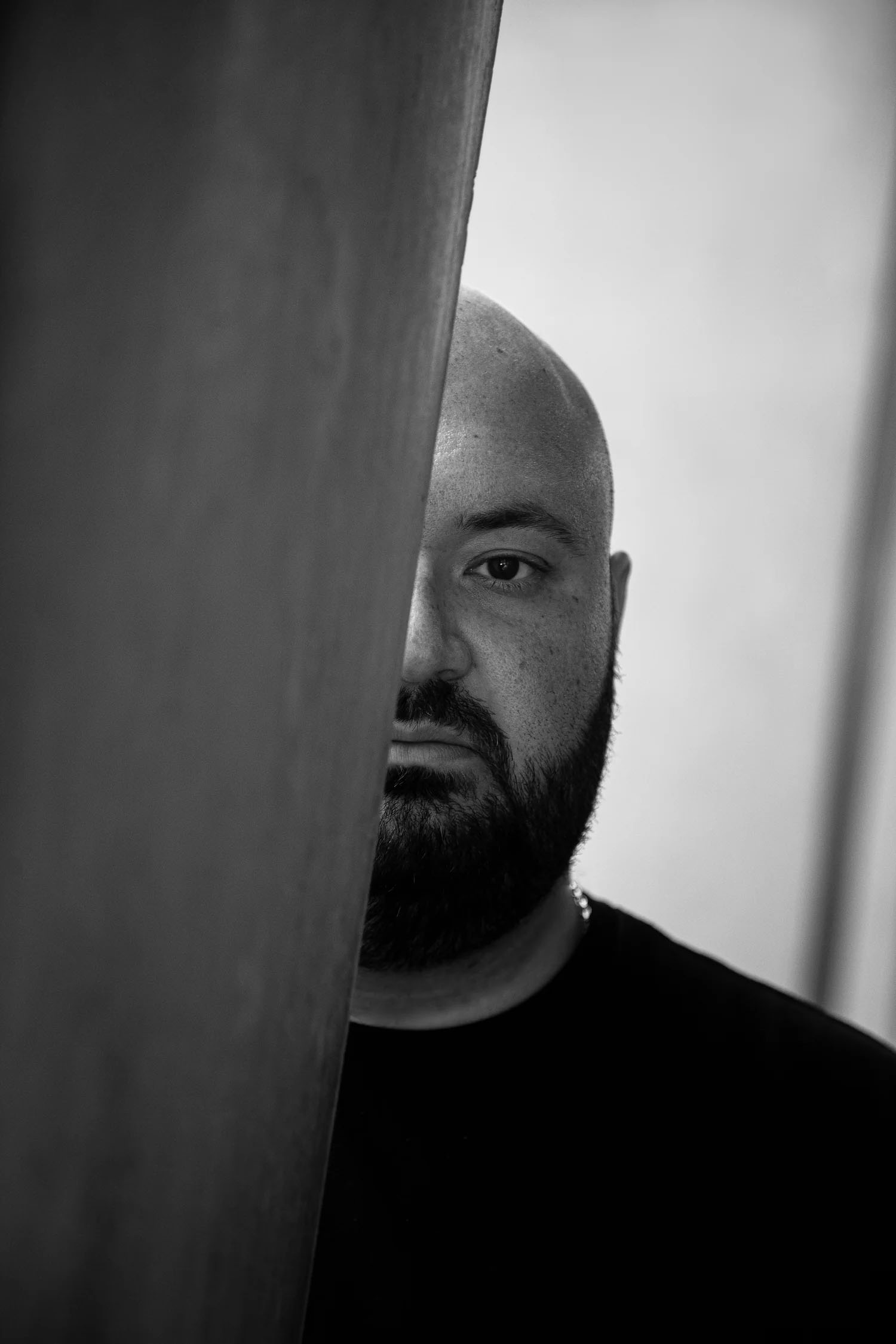
“For me, there’s no future without a past,” he explains. “I’m constantly inspired by the historical and architectural richness of my culture, but I reinterpret it for the woman of today, strong, intelligent, effortlessly modern.”
This duality between heritage and innovation became the foundation of his aesthetic. It’s what caught the eye of the international fashion world, propelling him onto Project Runway USA, Season 17, and later earning him the prestigious Fashion Group International Rising Star Award for Womenswear in 2020, a recognition once shared by icons like Tory Burch and Joseph Altuzarra.
FASHION AS TRANSFORMATION
For Rakan, design has always been a form of transformation both artistic and personal. Moving from the Middle East to Turkey to pursue a degree in fashion design, then crossing continents to establish himself in New York, his journey has been defined by reinvention and resilience.
“Coming to the United States gave me space to grow,” he recalls. “It was an experimental phase where I discovered who I truly was as a designer not just someone creating clothes, but building an identity.”
That identity, sharp, sensual, and deeply human is now expanding once again. With the brand’s recent move to Amsterdam, RAKAN is stepping confidently into the European market, opening a new studio and preparing a collection that blends meticulous craftsmanship with digital innovation and sustainability.
In a fashion landscape obsessed with speed, Rakan stands for slowness for meaning. His commitment to sustainability isn’t performative; it’s structural. His garments favor natural fibers like silk, cotton, and wool, and his process increasingly incorporates digital design and recycled materials to minimize waste.
“The industry needs radical change,” he says. “As designers, we have a responsibility to create consciously to produce less, but with more purpose.”
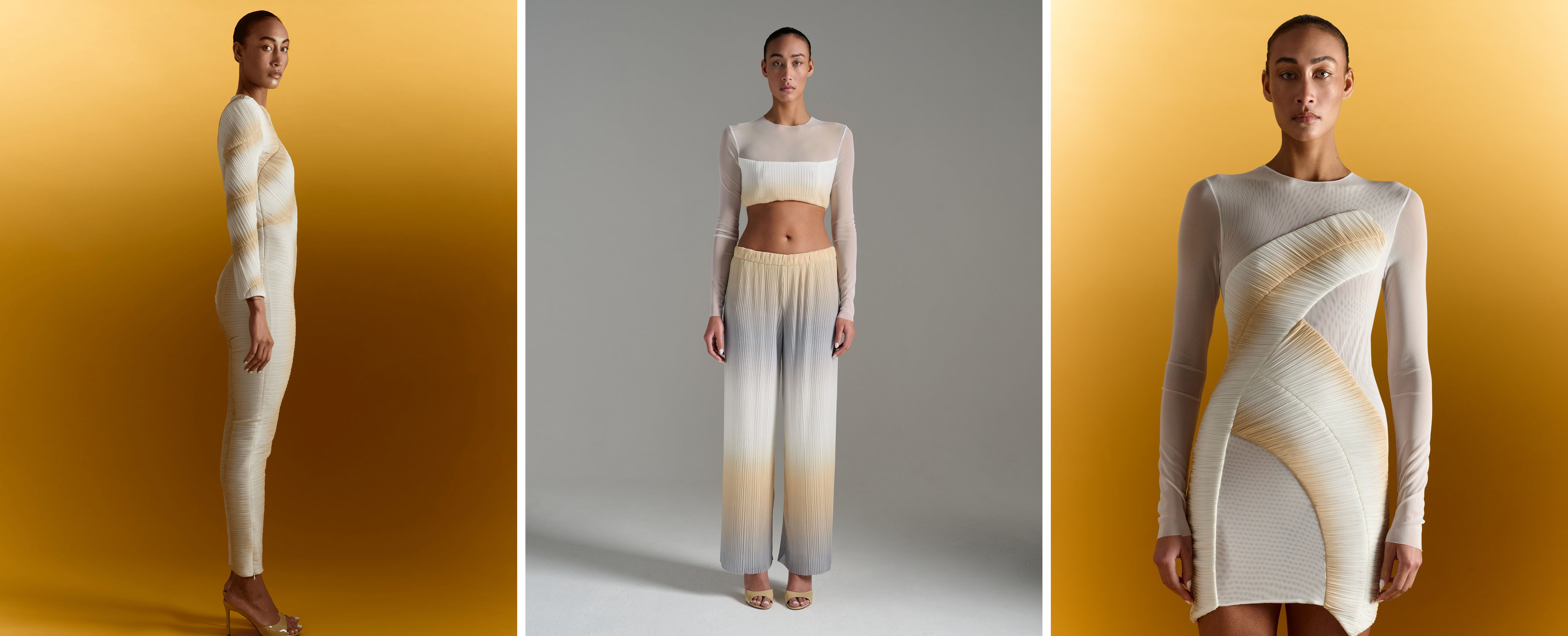
This philosophy extends to his design ethos: understated elegance, architectural strength, and emotional storytelling. Each collection feels like a conversation between memory and modernity, woven together with the precision of an architect and the sensitivity of an artist.
Behind Rakan’s serene poise lies a relentless drive. His advice to emerging designers is simple yet profound: “Patience, patience, patience… and believe in your abilities. Everything you dream of is possible if you trust your own vision.”
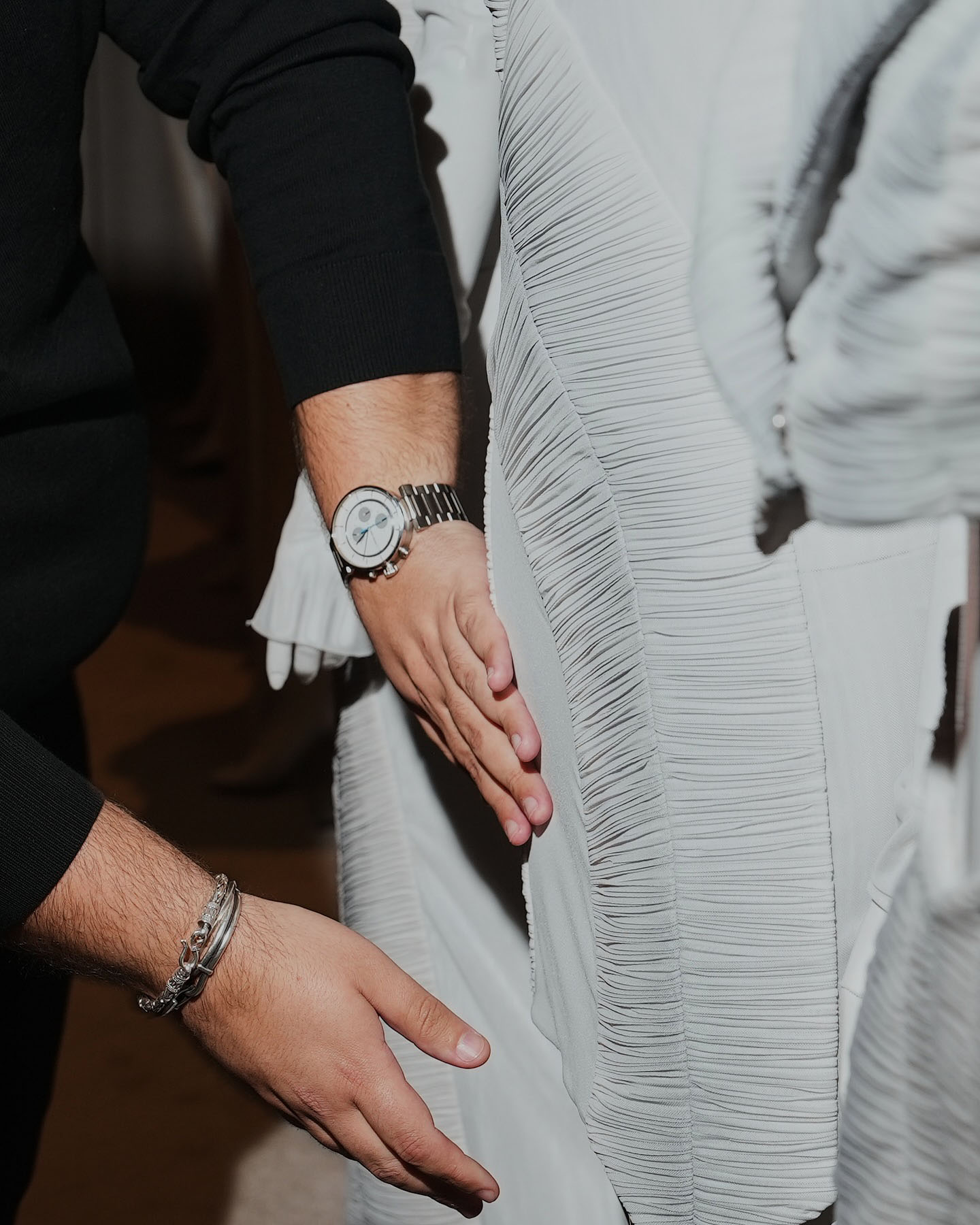
In an era where trends shift faster than seasons, Rakan Shams Aldeen’s voice stands out, calm, grounded, visionary. His journey reminds us that fashion, at its best, isn’t about spectacle. It’s about transformation, the ability to take fabric, history, and emotion, and sculpt them into something timeless.
As he looks ahead, Rakan’s world continues to expand from New York to Amsterdam, from heritage to innovation. But one thing remains constant: the belief that fashion is not just what we wear, it’s who we are becoming.