
Stones, Rooms and Stories
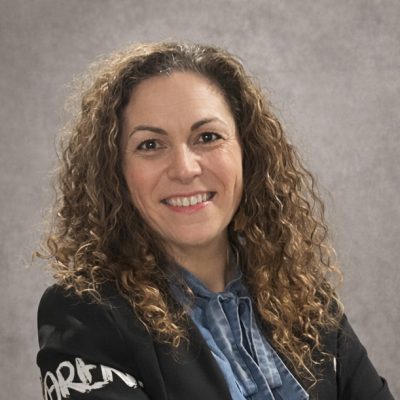
Born in Jeddah and shaped by the layered cultural memory of the Hejaz, Sarah AlAbdali has built an artistic practice rooted not in spectacle, but in attention. Her work begins with the intimate rituals of daily life, the scent of mastic on a glass, the cadence of domestic space, the unrecorded labour of women and expands outward into a broader inquiry into identity, belonging and loss. Growing up in a city suspended between tradition and accelerated modernity, AlAbdali learned early to read architecture, objects and gestures as carriers of meaning. Today, the Hejaz is not simply her subject, but her method: a lens through which she reclaims overlooked histories and insists on their contemporary relevance.
Her journey from graffiti to painting, ceramics and installation mirrors this ethos of access and dialogue. As one of Saudi Arabia’s first street artists, AlAbdali used public space as a testing ground, a place where art could speak without fear and receive an immediate response. That formative freedom continues to inform her practice, even as it has grown more research-driven and materially complex. Her studies at The Prince’s School of Traditional Arts in London proved pivotal, offering both technical rigor and a critical realisation: that Hejazi material culture, despite its centrality to Islamic history, remained strikingly absent from academic discourse. Since then, her work has operated at the intersection of archive and imagination, combining meticulous historical research with a deeply personal, poetic visual language.
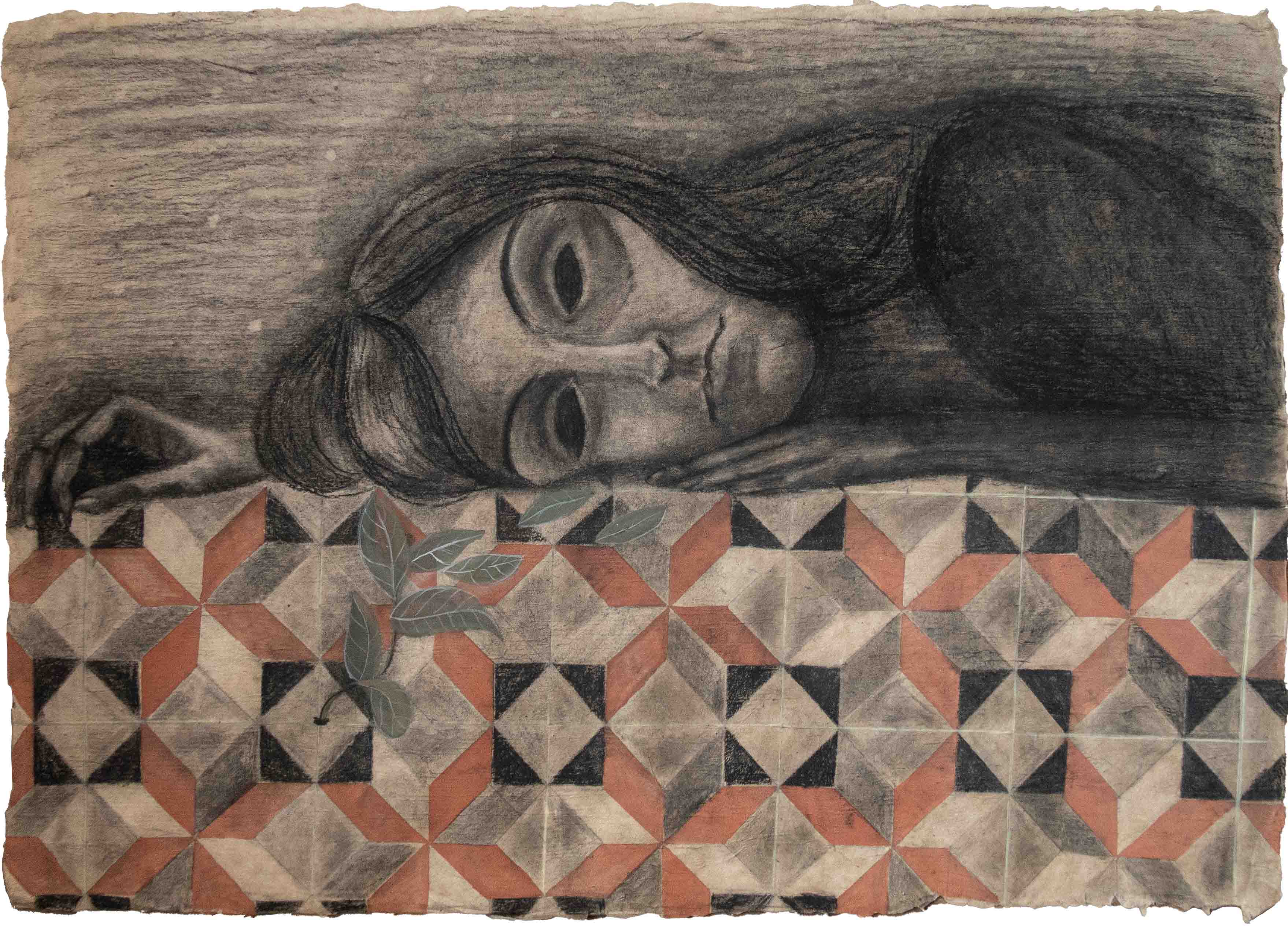
What distinguishes AlAbdali is her refusal of nostalgia as comfort. Instead, she approaches memory as a site of responsibility, one that demands precision, ethics and care. Whether documenting women scholars of Makkah, tracing genealogies through tombstones, or staging scenes that exist only in collective recollection, her works resist simplification. Exhibited internationally yet firmly anchored in place, her practice offers a quiet but compelling counterpoint to dominant narratives of the region. In giving form to what has been marginalised, women’s knowledge, domestic authority, material traces of everyday life – Sarah AlAbdali is not merely preserving heritage; she is actively reshaping how it is seen, studied and felt.
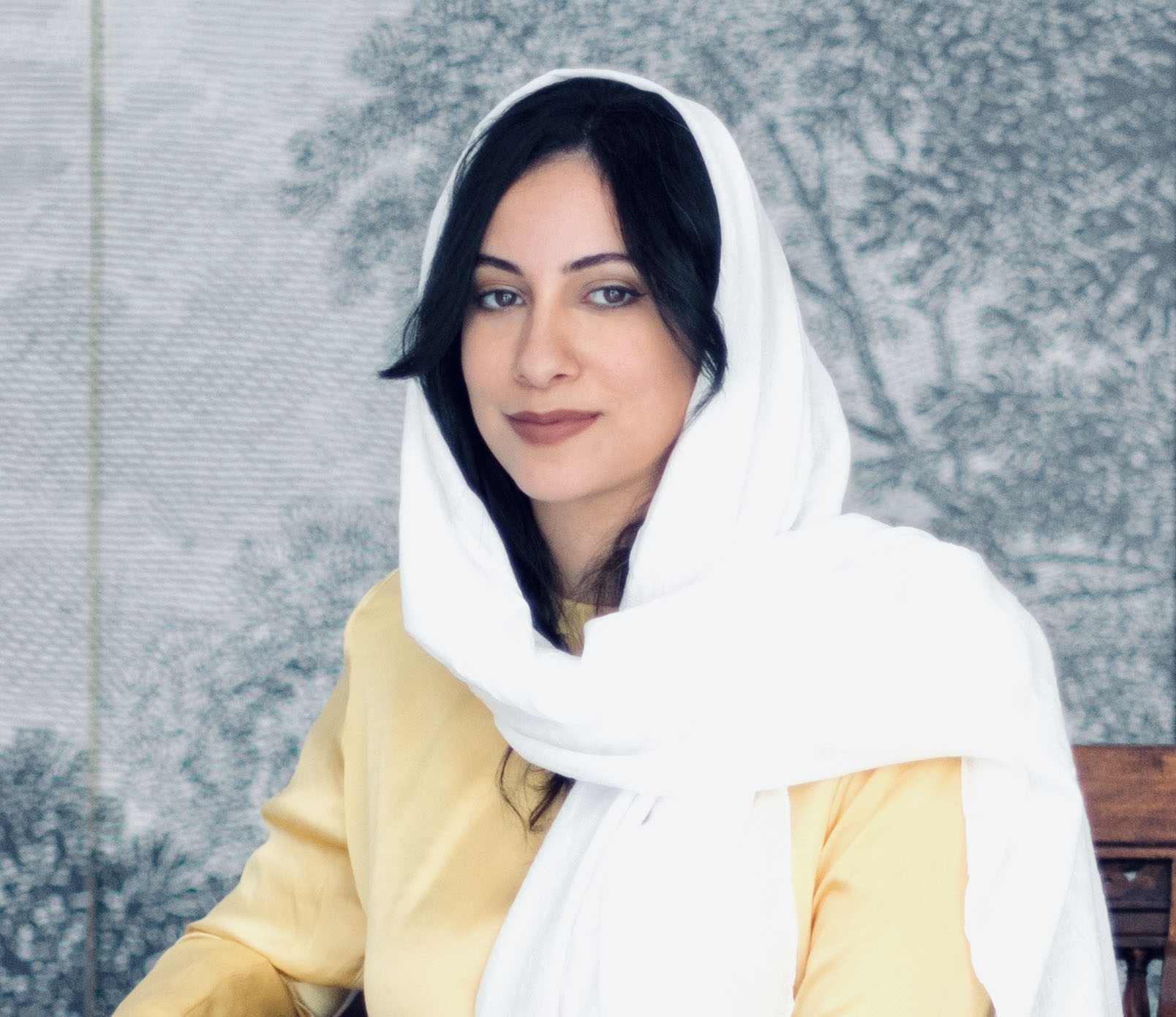
José Berrocoso, our Lifestyle Editor, sits down with Sarah Al Abdali to explore memory, material culture and the stories that quietly shape her artistic practice.
You often say that Hejaz is at the core of your artistic identity. What early memories or experiences first made you feel connected to its heritage?
It’s the people and traditions I grew up around, the very simple things like how my grandmother perfumed drinking glasses with mastic for example. Things I took for granted coming from this identity, yet finding they are undocumented and unknown of to many people from other cultures.
Growing up in Jeddah, how did the city’s shifting architecture and urban landscape shape your visual language?
Jeddah is a nurturing city to many cultures and contradictions, specially those between tradition and modernity. This duality affected how I seek to communicate in art, creating parallels and contrasts.
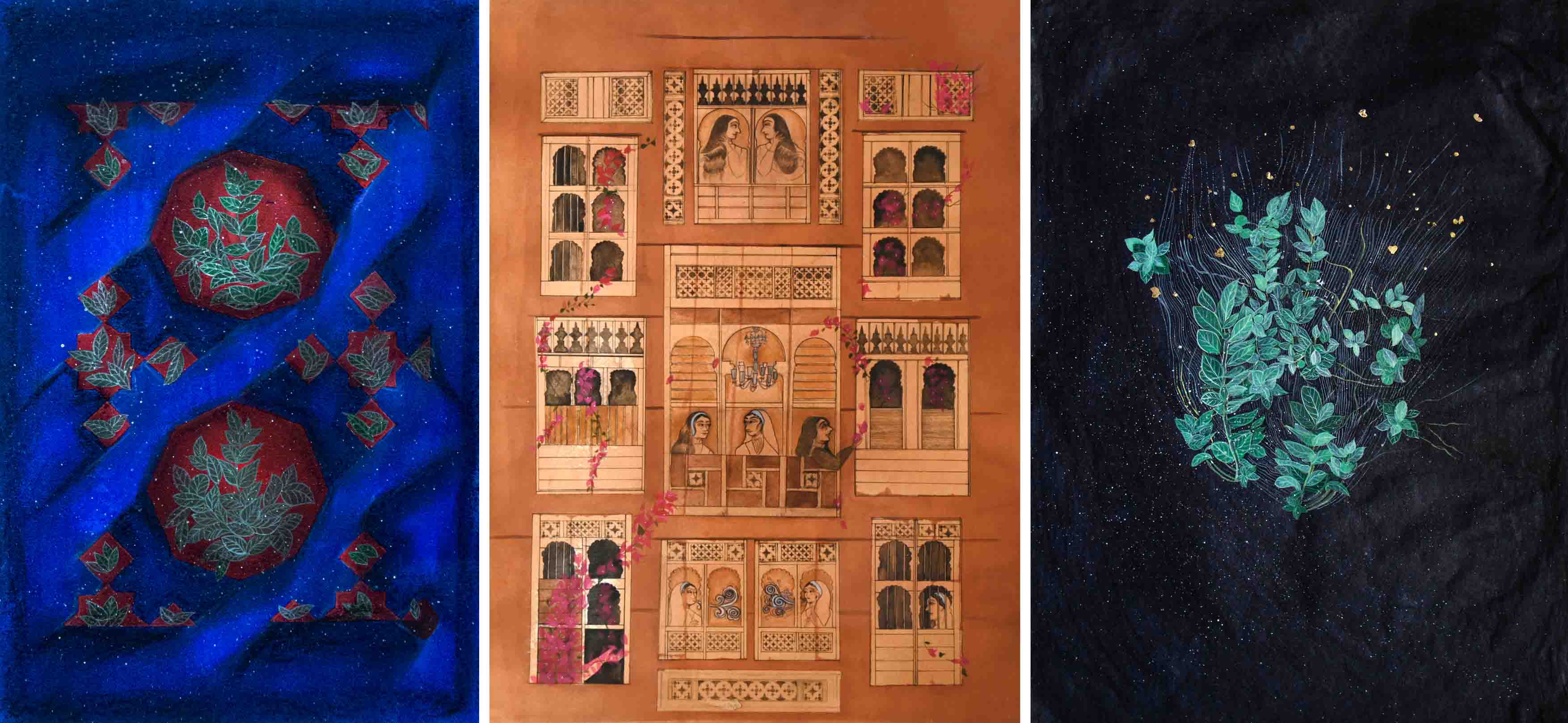
You began your journey experimenting with street art. Looking back, what did graffiti allow you to express that other mediums didn’t?
It has certainly birthed my artistic practice, for practicing art requires freedom of fear. Street art made that possible.
Your piece Makkah Street Sign became unexpectedly iconic. How did its reception influence the direction of your career?
It has invited me to believe in myself as an artist, but also to dismantle the instant fame and success I got and to truly navigate my authentic artistic voice.
After studying graphic design, what led you to pursue traditional arts at the Prince’s School in London, and how did that training transform your practice?
This is when I started dwelling into a practice which would solidify my craft, it was life changing. I got the opportunity to study Islamic art and architecture in depth, yet also to realize that the Hijaz is absent as a subject from this field.
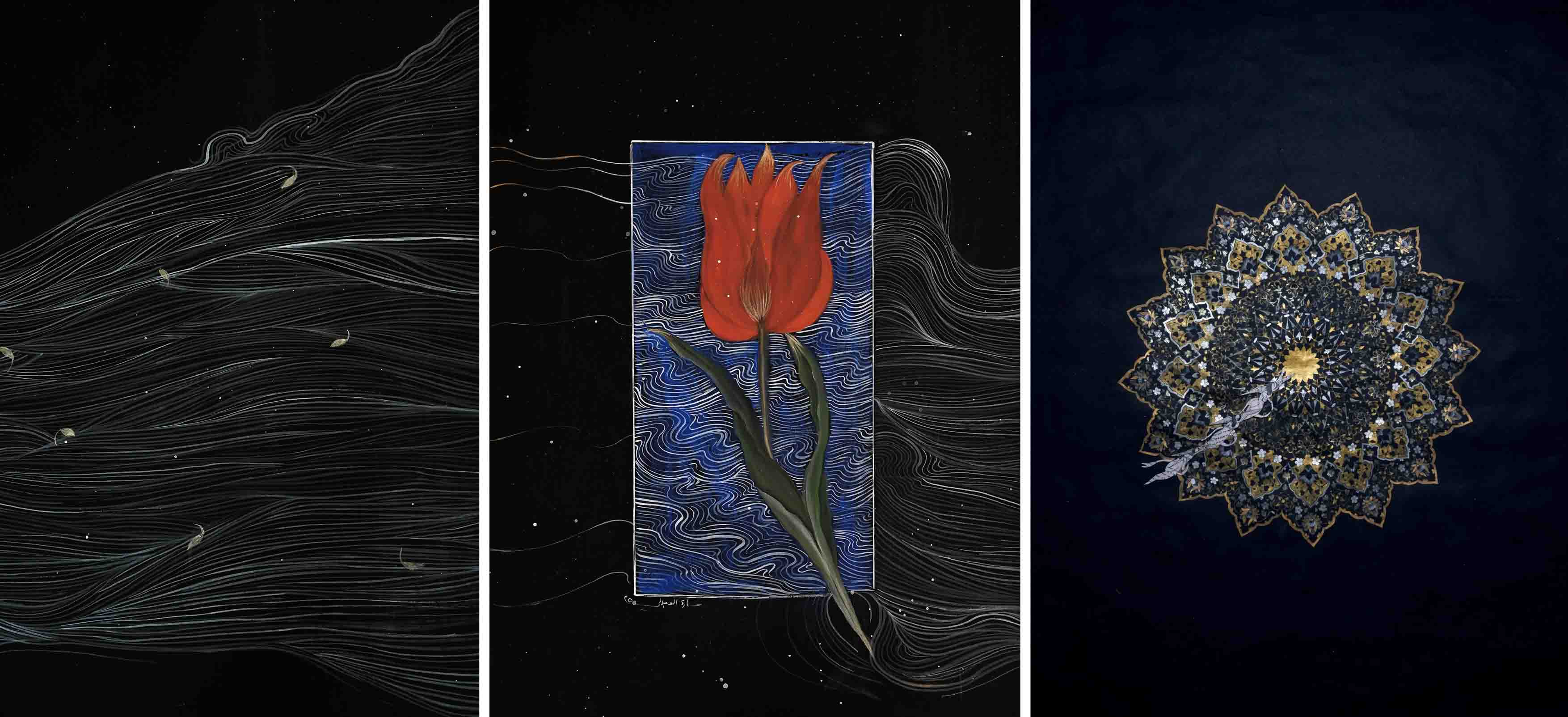
You work across painting, ceramics, woodwork, miniature painting and more. How do you decide which medium best communicates a particular idea?
I’d like to perceive my practice as multidisciplinary. I think of a new work of art how a poet comes up with a new piece, the medium follows that process, it isn’t essential as much as the vision of the artwork. Though lately I have been loyal to painting above any other form of art.
Research plays a key role in your storytelling, especially around forgotten histories and overlooked female figures. Can you describe your research process?
Going back to the previous question regarding studying Islamic art, I found that there’s a lack of research and understanding on the material and non material culture of the Hijaz, the heart of Islam. My process sways between accumulating references about the subject and going through excerpts which I would choose to highlight in an art form, and also between real life opportunities as a researchers/curator to dig deep into history. An example would be my latest curatorial role at the second edition of the Islamic arts biennale where I was invited to research objects from the Haramayn in local collections.
Many of your works explore paradoxes of identity, belonging and memory. How do you navigate these themes without falling into nostalgia?
I don’t fear nostalgia, yet I don’t find myself heading there. Some of my work could be nostalgic to a specific age group who’ve experienced remnants of spaces and people not existent anymore. I’d rather look into some nostalgic elements I use as poetic, like for example the relationship between the city of Jeddah and the resilient colorful bougainvillea plant, or the men and women reclining in spaces in their traditional attire, in scenes which do not exist unless in memory.
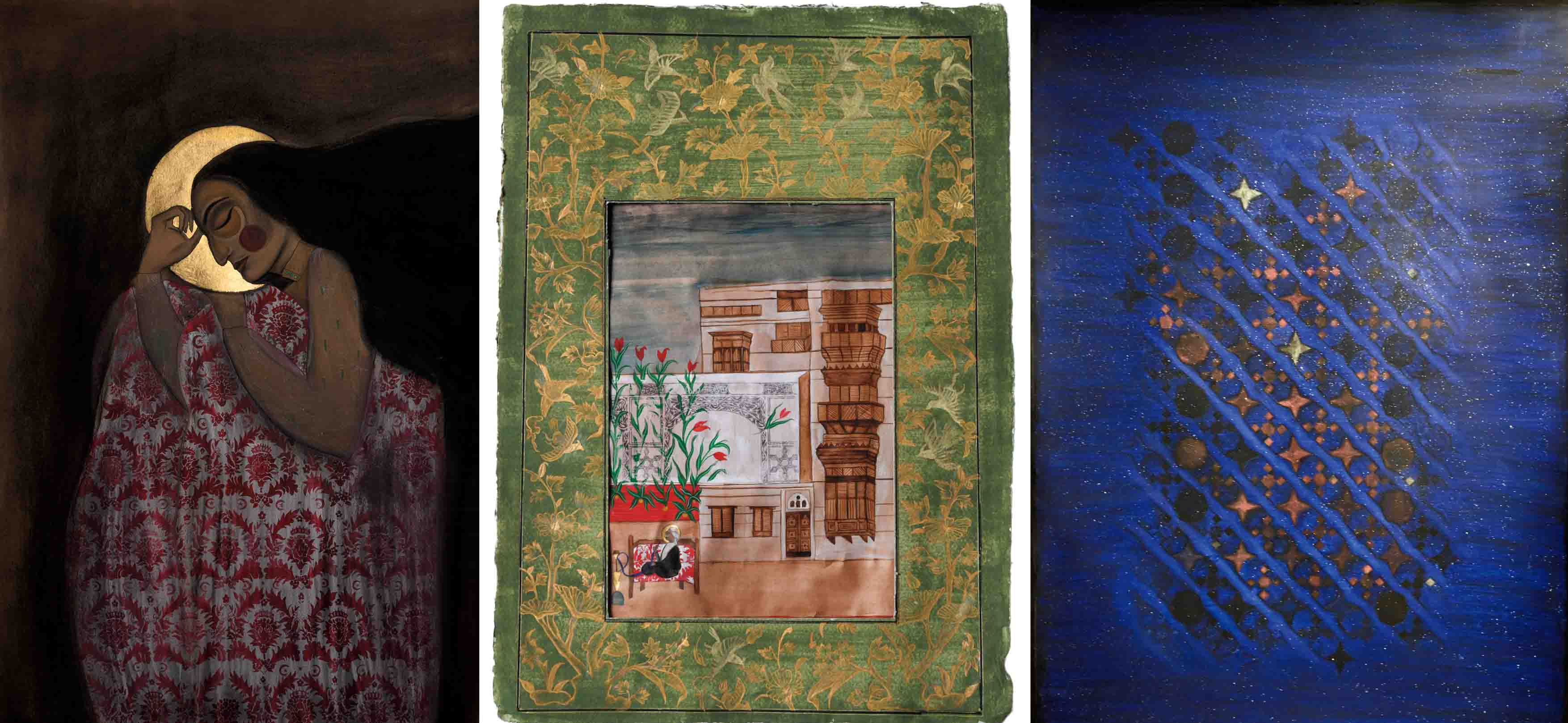
You’ve highlighted concerns around urban transformation in the Hejaz. What responsibilities do you feel contemporary artists have in documenting cultural change?
Artists are responsible to faithfully reflect their times, wither from a very individualistic perspective or a wider communal one. The artistic practice demands much more than a moment of creation, it’s a lot of politics, management and securing physical spaces to allow for a movement between a personal spaces and a studio. All these factors play a huge role in depicting culture and urban life. They are a mirror of one’s time.
Your community work, especially training local craftswomen is deeply rooted in heritage preservation. What drives that commitment?
I haven’t trained or run workshops in a very long time, as I’ve been heavily involved in my artistic practice and our studio brand Tabaa’. However I’ve been committed to particular one on one apprenticeships within my studio. The main drive is to pass down knowledge, and I’m exploring expanding this concept still.
How has motherhood influenced your creative rhythm, your priorities or the themes you’re drawn to now?
My themes haven’t changed except they might have got a deeper layer. I’ve been interested in the nature of femininity and how that remains underrepresented in my culture, from a historic sense. Reading into certain narratives from the history of the Hijaz, women had a powerful role in creating and shaping the cultural and scientific scene. As I mature I find it a responsibility to raise awareness about such narratives.
Two works you cherish are Al Tabariyat and Hisar. What personal discoveries did you make while creating them?
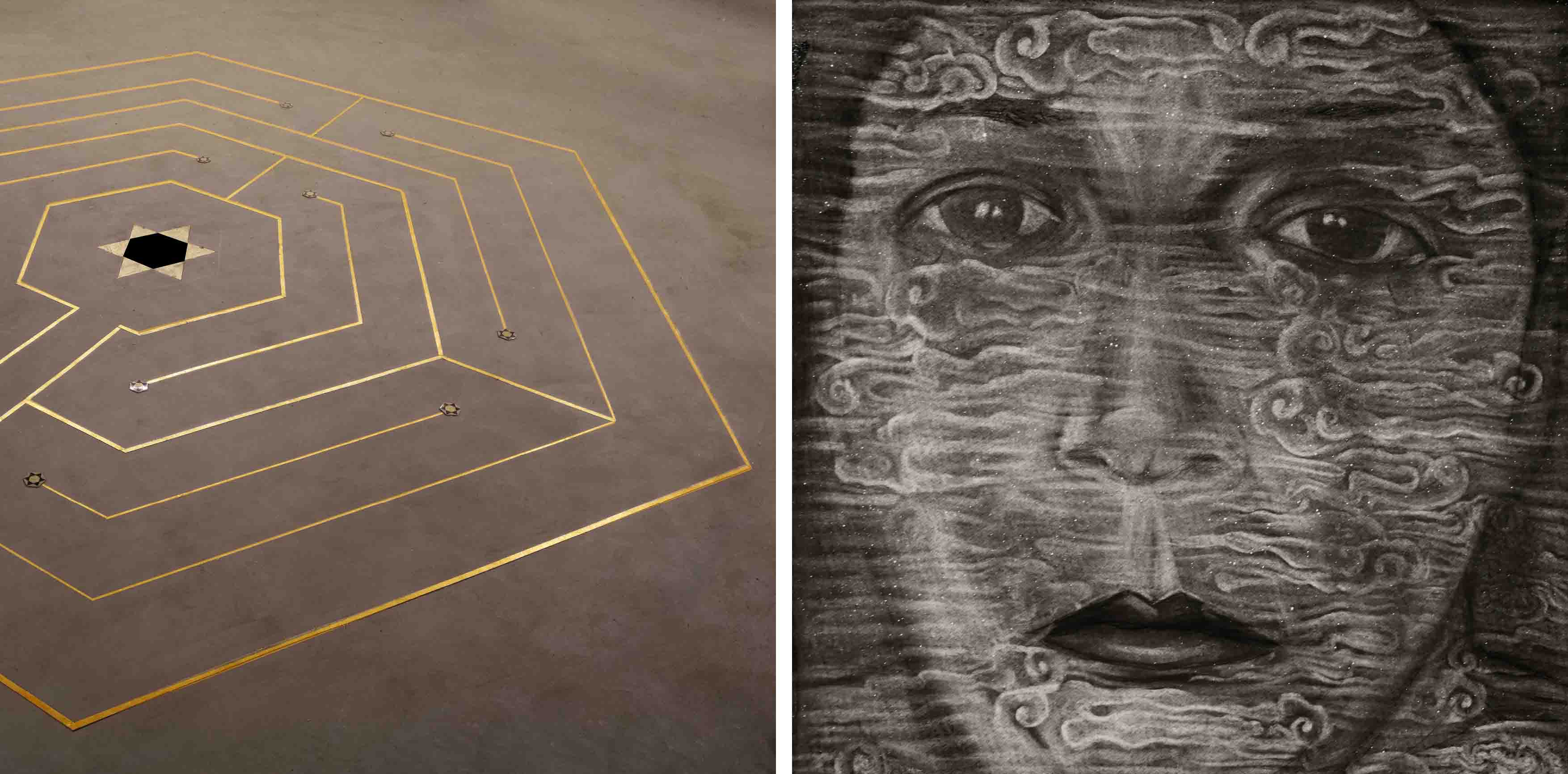
Al Tabariyat is a work about a family of scholars, Al Tabari, who dwelled Makkah up until the 13th century AH. It documents the role of the women from this family in Makkah scientific excellence in their time. Scholars from around the world traveled to their majalis to attend to their wisdom and to be gained an ijaza certificate from them authenticating their knowledge. As for Hisar, I created this amidst the Syrian refugee crisis, capitalizing on the paralyzing polarity the refugees go through from tyranny on one hand and terminal disasters on another. I have grown to find myself close to this tragedy upon my constant visits to Turkey at the time and witnessing the change of language and hierarchy in the streets.
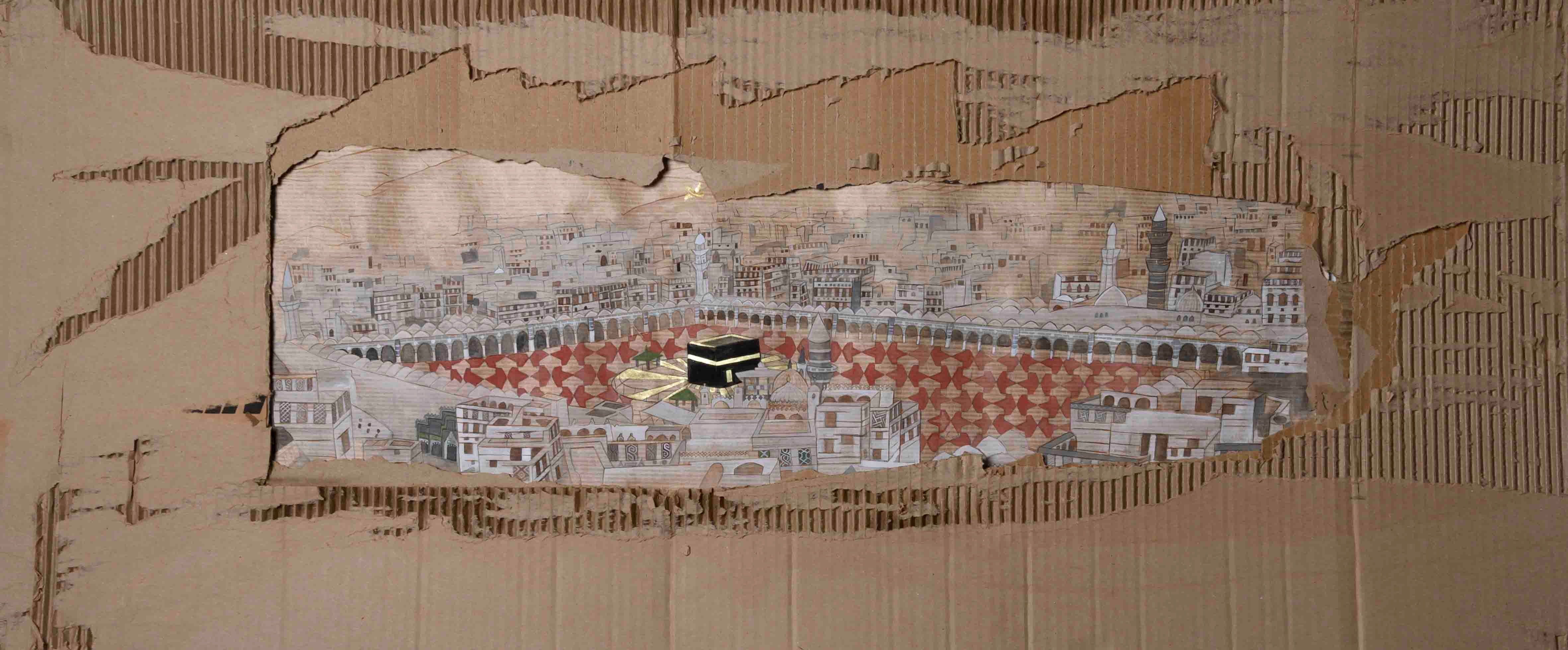
You’ve exhibited internationally, from the Venice Biennale to the Saatchi Gallery. How does global exposure influence your perspective as a Saudi artist?
It honors me to voice out my art to big platforms from around the world, yet it doesn’t define my art. I’m keen on not loosing my true authentic voice in sake of curatorial visions and white gallery spaces and remain focused on my themes and poetic interpretations.
Looking ahead, what new ideas, projects or mediums are you hoping to explore in the coming years?
On a commercial sense, I’ll be launching art wallpaper soon as a way of introducing art to a wider audience. I’m also on a constant mission to complete the art series which emerged after the work shown at the first Islamic art biennale under the title After Hijrah, where I got the chance to showcase 84 tombstones from Al Ma’la cemetery. I’m continuing the research on that subject, and a series of art installations driven from it.