
As summer temperatures climb across much of the region, Slovenia emerges as one of Europe’s most refreshing seasonal escapes. Here, days are spent hiking through alpine valleys, cycling between vineyards, swimming in crystal-clear lakes and discovering villages where local traditions remain part of everyday life. Small in size but immense in natural beauty, Slovenia offers travellers the chance to exchange crowded resorts for open landscapes, fresh mountain air and a slower, more enriching way of experiencing summer.
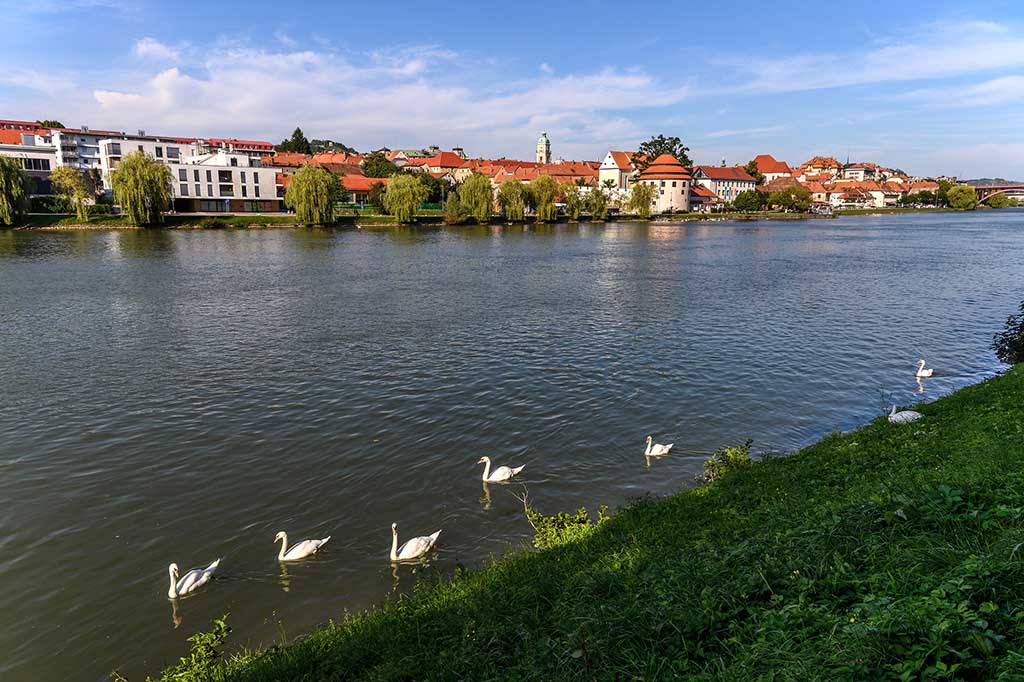
Not every summer holiday needs to involve a sun lounger, a crowded shoreline or a battle for shade. For a growing number of travellers seeking cooler temperatures, open landscapes and a deeper connection with nature, Slovenia has quietly become one of Europe’s most rewarding escapes.
Tucked between Italy, Austria, Croatia and Hungary, this small country often slips beneath the radar. Even some Europeans struggle to place it on a map. Yet that anonymity is precisely part of its appeal. Slovenia has spent decades cultivating something increasingly rare in modern travel: authenticity.
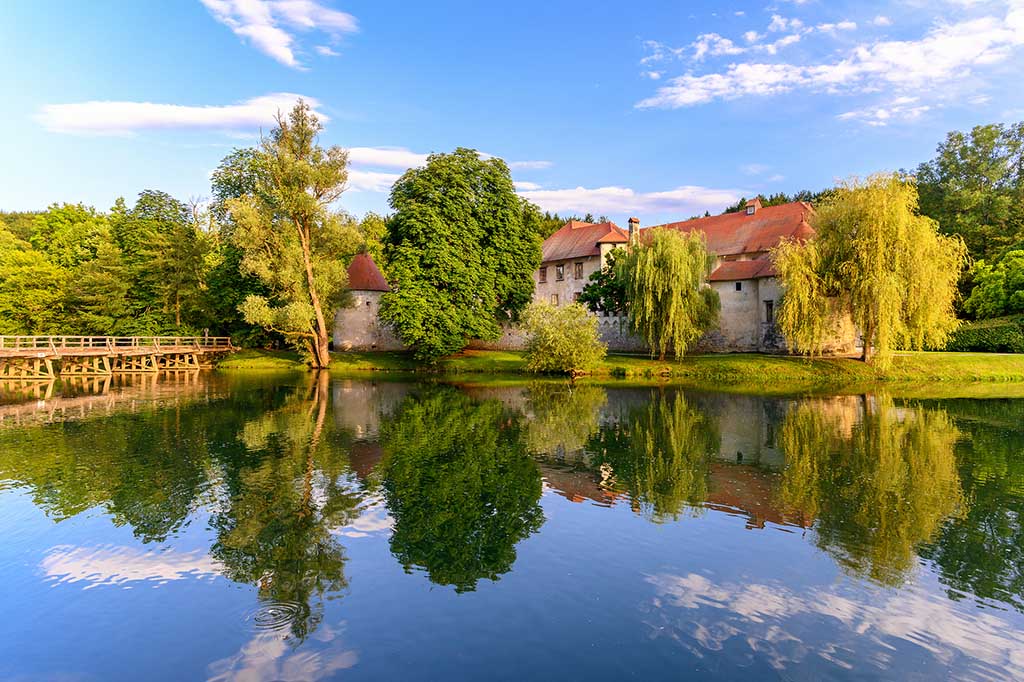
While much of southern Europe braces itself for another season of soaring temperatures and overtourism, Slovenia remains refreshingly green, uncrowded and deeply connected to the natural world. Forests cover more than half of the country, making it one of the most wooded nations in Europe. Rivers remain clear enough to drink from in places, alpine meadows burst with wildflowers throughout summer, and mountain villages continue to operate at a pace dictated more by nature than by tourism.
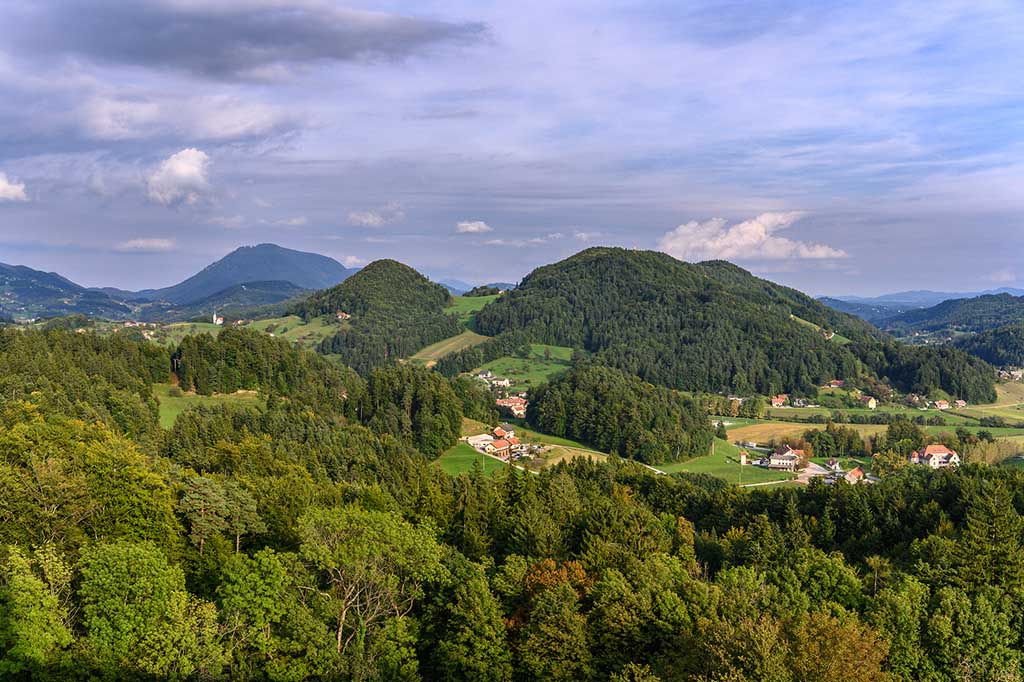
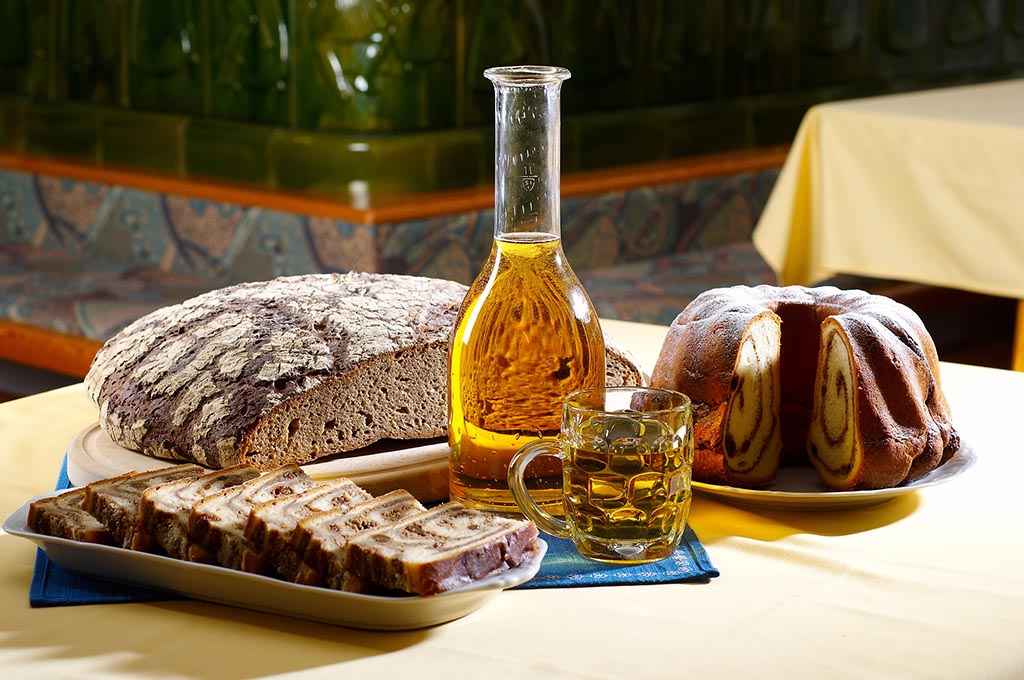
The country’s unofficial motto could easily be: slow down.For travellers from the Gulf seeking respite from the summer heat, Slovenia offers a different kind of luxury. Here, days begin with fresh mountain air drifting through open windows rather than air conditioning units humming through the night. Breakfast arrives from nearby farms: honey collected from local beekeepers, artisan cheeses, homemade jams and freshly baked bread still warm from the oven.
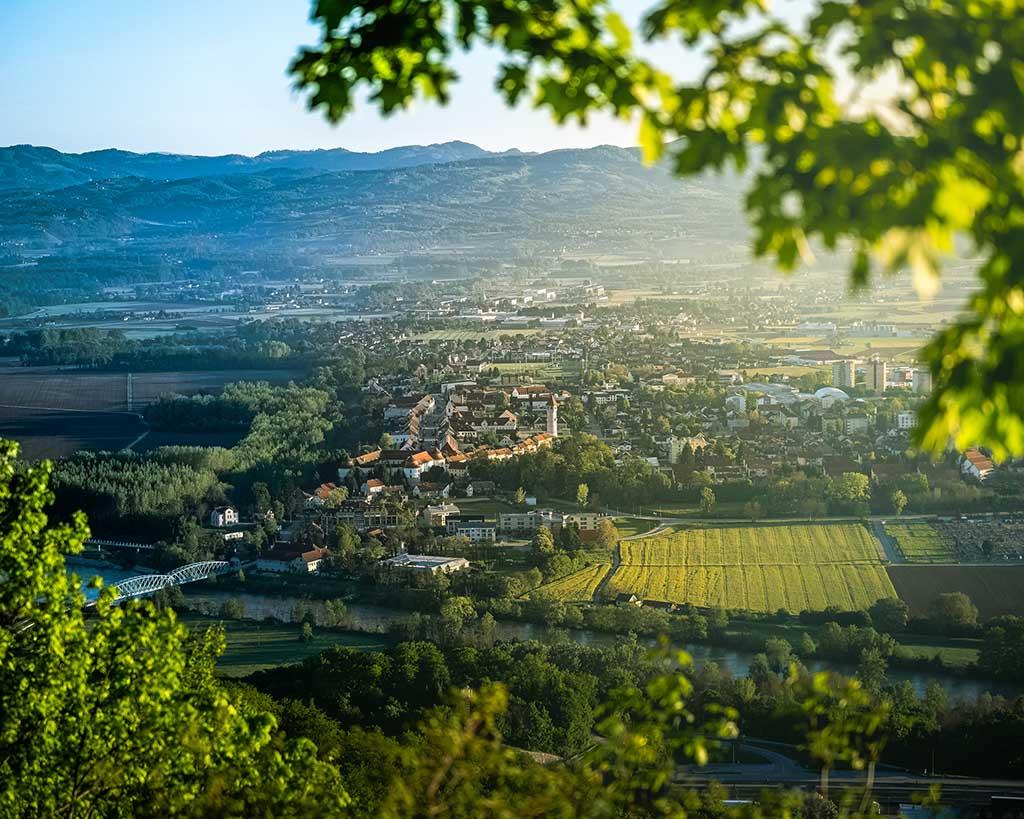
The landscapes feel almost impossibly varied for such a compact country. Within a few hours, visitors can travel from the dramatic Julian Alps to vineyard-covered hills, from emerald rivers and glacial lakes to dense forests where brown bears still roam freely.
Lake Bled remains Slovenia’s most photographed destination, and understandably so. Its tiny church-crowned island, medieval clifftop castle and backdrop of Alpine peaks create a scene that appears lifted from a fairytale. Yet Slovenia’s real magic begins beyond the postcard views.
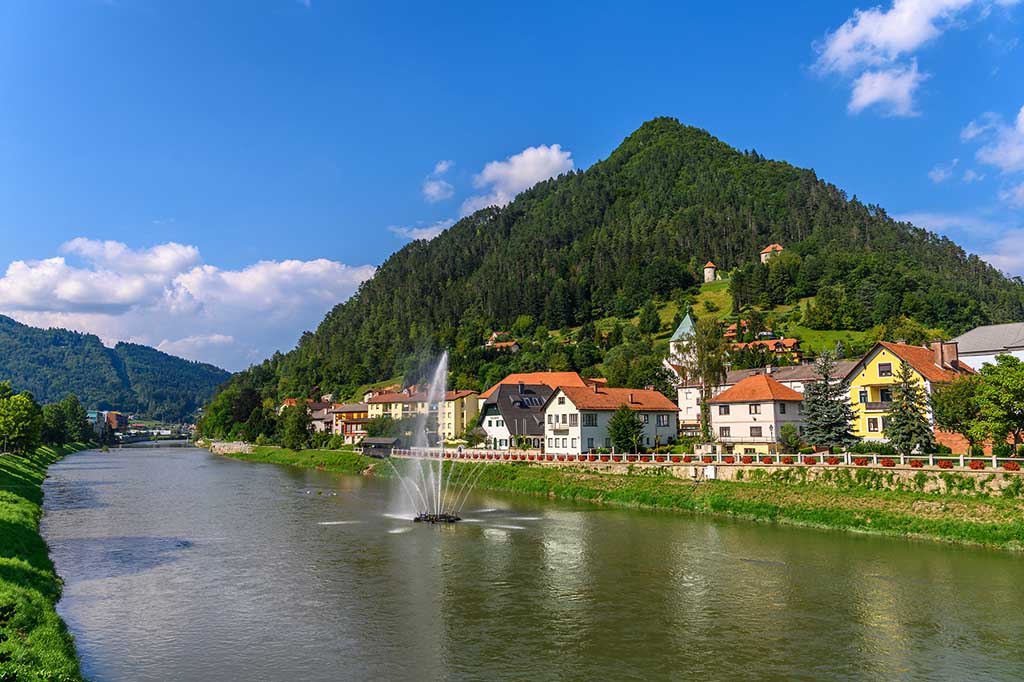
The nearby Triglav National Park unfolds into a vast wilderness of hiking trails, waterfalls and mountain huts where hikers share tables with shepherds and local families. The emerald waters of the Soča Valley wind through one of Europe’s most beautiful river landscapes, attracting kayakers, cyclists and walkers who come as much for the scenery as for the sense of tranquillity.
Elsewhere, the forests of the Dinaric Alps offer something increasingly difficult to find in modern Europe: silence. Vast stretches of woodland extend beyond the horizon, interrupted only by traditional farms, wildflower meadows and the occasional grazing herd of cattle. It is not unusual to spend an entire day walking without encountering another traveller.
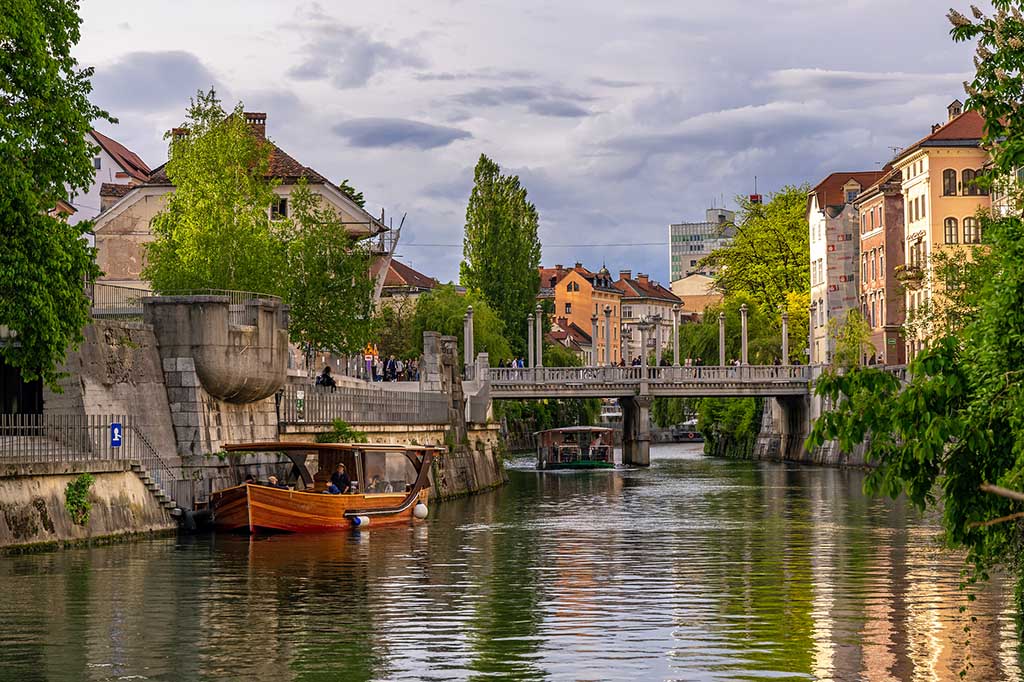
That relationship with nature is woven into Slovenian life. Locals speak about forests not as attractions but as extensions of home. Wild herb collecting remains a cherished tradition. Beekeeping is a source of national pride. Families spend weekends foraging, cycling, fishing or simply gathering in mountain huts for long lunches overlooking valleys and peaks.
Perhaps this explains why visitors often remark on the warmth of their encounters here. Unlike destinations where tourism dominates local life, Slovenia still feels genuinely welcoming. Conversations emerge naturally, whether with a beekeeper explaining centuries-old traditions, a winemaker pouring a family vintage or a farmer pointing out hiking routes known only to residents.
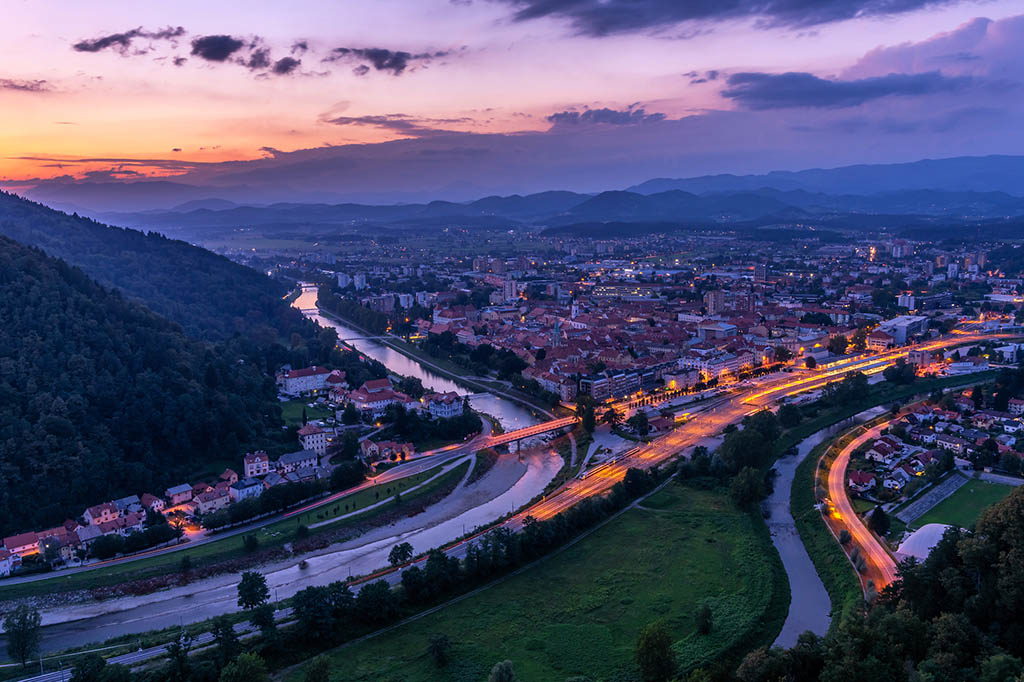
For travellers from the GCC, that sense of hospitality resonates strongly. Slovenians are curious, open and increasingly eager to welcome international visitors while preserving the character of their communities.
Food plays an equally important role in understanding the country. Influenced by neighbouring Italy, Austria, Hungary and the Balkans, Slovenian cuisine celebrates seasonality and local produce. Menus change with the harvest. Trout comes from nearby rivers, vegetables arrive from surrounding farms and wines are often produced just a few kilometres away.
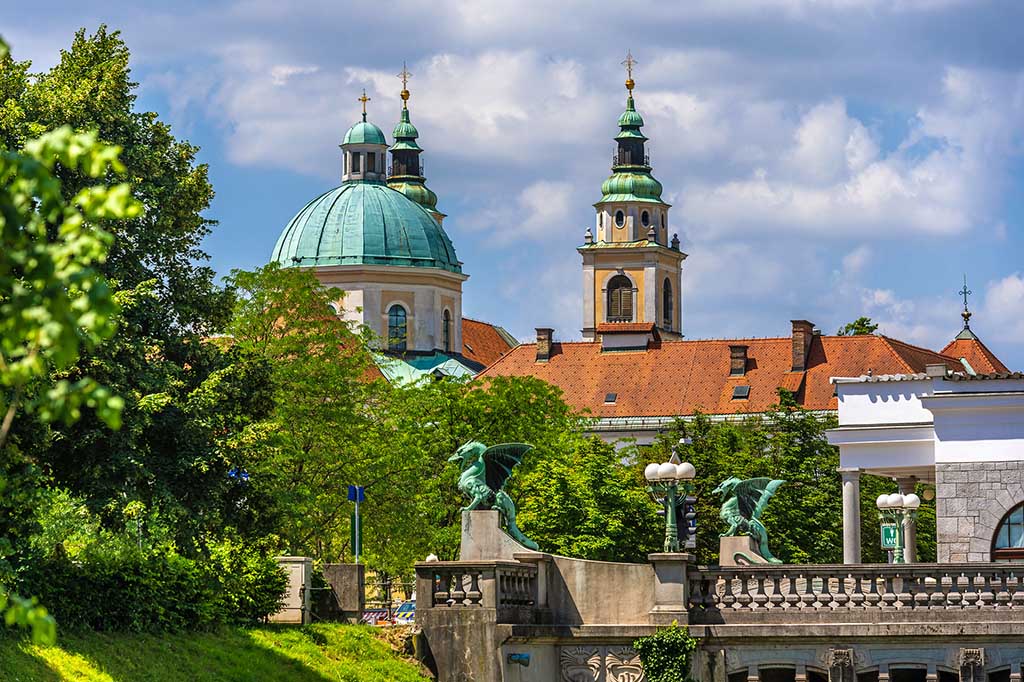
The country’s culinary reputation has grown rapidly in recent years, led by internationally acclaimed chefs who have transformed Slovenia into one of Europe’s most exciting food destinations. Yet the most memorable meals are often the simplest: homemade dumplings served in a mountain inn, wild mushroom soups after a morning hike or freshly baked pastries enjoyed beside a river.
What ultimately distinguishes Slovenia is not a single landmark or attraction but a feeling. This is a country that has resisted the temptation to become a theme park for tourists. It remains profoundly liveable, human-scaled and connected to the landscapes that define it. Visitors arrive expecting beautiful scenery and leave talking about something less tangible: the sense of calm that accompanies life here.
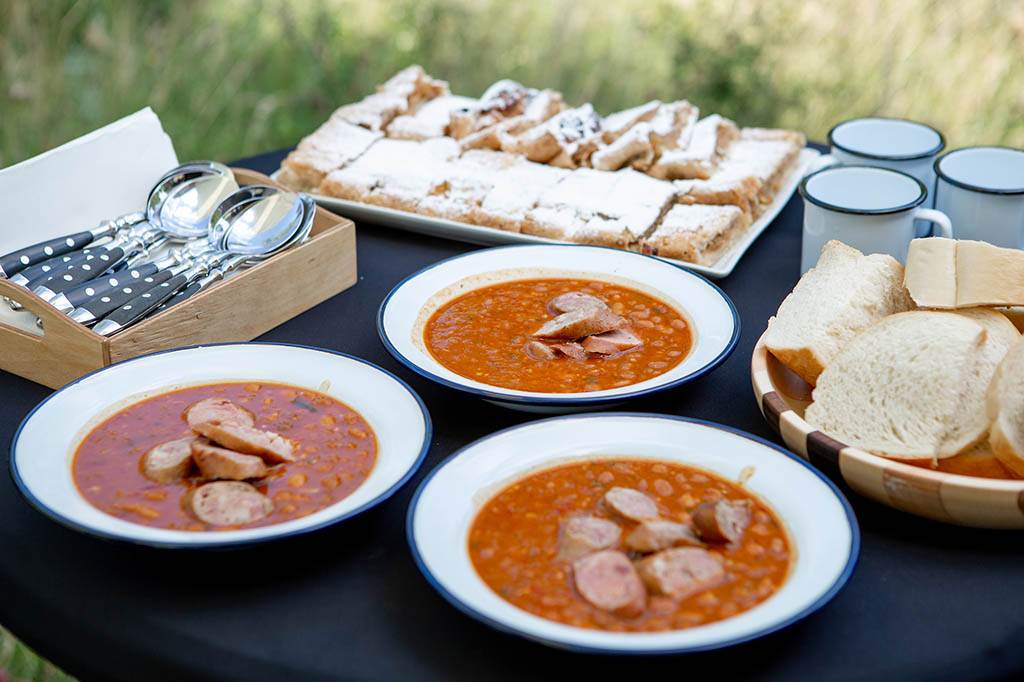
In an age when travel often feels hurried and performative, Slovenia offers a reminder that the greatest luxury may simply be space, space to walk, breathe, explore and reconnect with the natural world. For those willing to swap crowded beaches for alpine lakes, forest trails and star-filled skies, Europe’s best summer escape might just be the one that still feels like a secret.