

As the evenings of Ramadan draw families and friends to gather around the iftar table, few delicacies capture the spirit of generosity and celebration like Cecina de León. Crafted with patience, tradition, and an unwavering commitment to excellence, this artisanal cured beef offers more than flavour, it is a gift of heritage, a testament to centuries of expertise, and a culinary treasure that elevates every festive moment. From its slow-aged, smoke-kissed slices to its exquisite presentation, Cecina de León embodies the perfect harmony of taste, craftsmanship, and sophistication for this sacred season.
As the crescent moon heralds the arrival of Ramadan, kitchens across the world begin to prepare for a season of generosity, reflection, and culinary ritual. It is a time when food transcends sustenance, becoming a symbol of hospitality and celebration, a gesture of care extended to family, friends, and guests. In this sacred context, certain delicacies shine with particular brilliance, embodying tradition, refinement, and an artful hand: among them, Spain’s Cecina de León PGI stands unrivalled.
Crafted in the rolling hills of Pradorrey, León, Cecinas Nieto elevates cured meat to a study in patience and precision. Here, the hind legs of mature cows are transformed over months of slow curing, salted and kissed by the smoke of local wood, until each slice offers an aromatic symphony and a melt-in-the-mouth texture that speaks of centuries of expertise. It is a product that embodies the very essence of craftsmanship: artisanal, natural, and proudly free from industrial shortcuts.
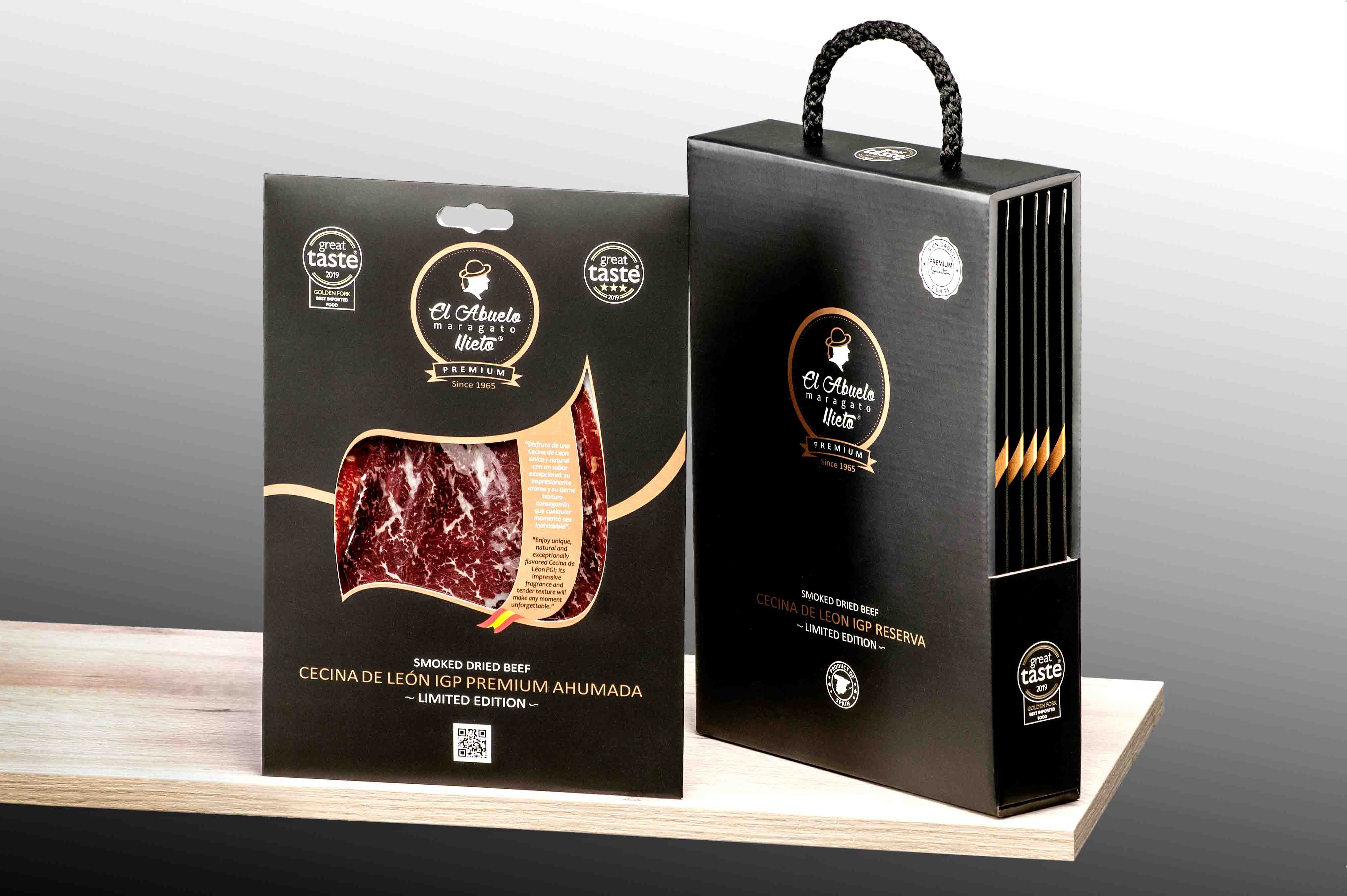
For gourmets and connoisseurs, Cecina de León is not merely a luxury; it is a story on the plate. Each cut, carefully selected, trimmed, and aged is a testament to a lineage of families who have preserved this culinary tradition for over two millennia. In a world where speed and mass production often overshadow quality, the slow passage of time in Cecinas Nieto’s ageing rooms remains indispensable, delivering umami-rich flavours that require no embellishment to delight the palate.
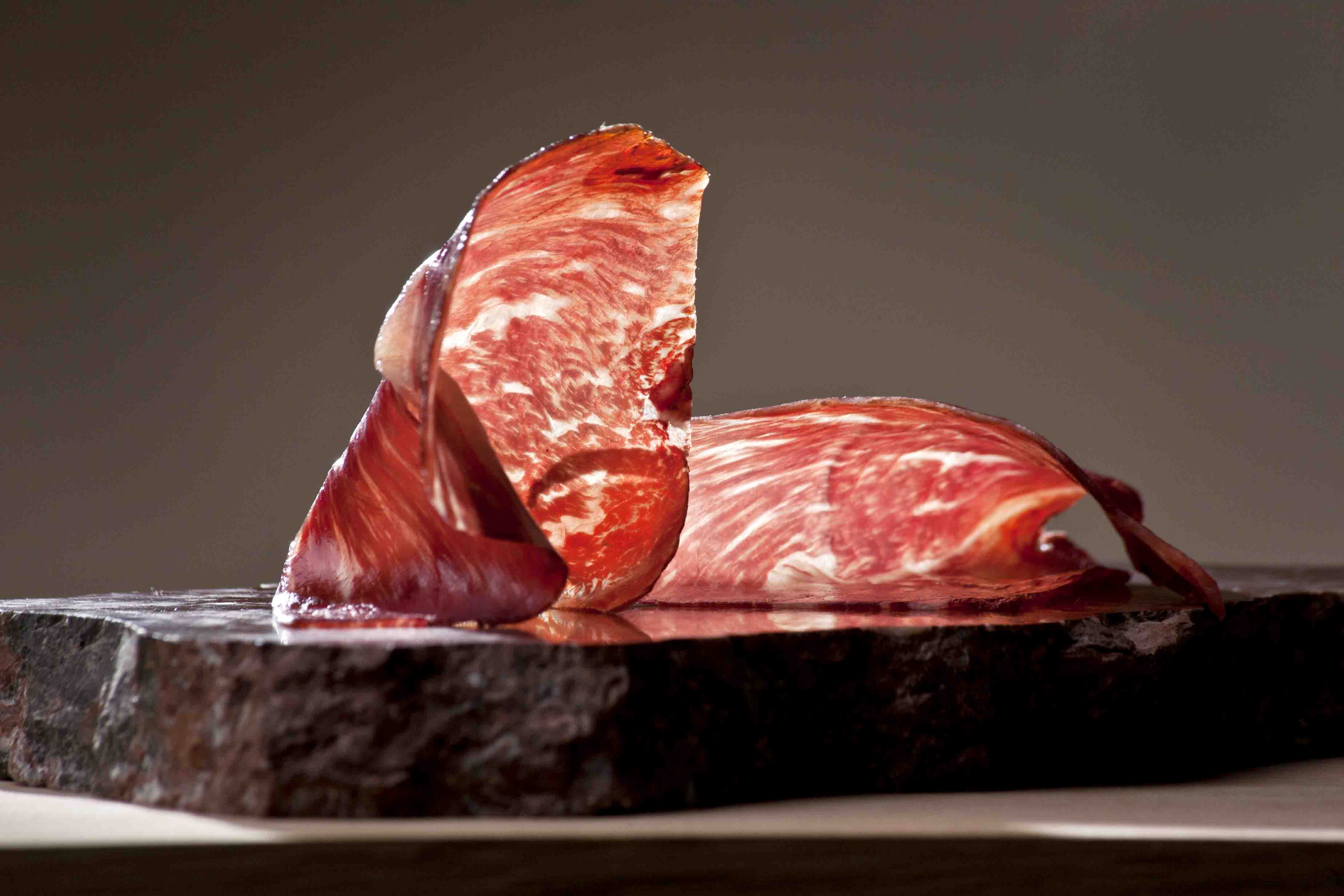
During Ramadan, this distinctive beef cecina assumes a dual role: it is both a celebratory centrepiece for iftar tables and a thoughtful gift for loved ones. With its high protein content, low fat, and mineral-rich profile, it caters to mindful consumption without sacrificing indulgence. Served simply, thinly sliced with a drizzle of extra virgin olive oil or paired with almonds, pepper jam, or fine cheeses, it becomes a feast for both the eye and the senses.
As Cecinas Nieto continues to reach discerning tables across the Middle East, it carries with it a promise of excellence, tradition, and respect for faith. Halal-certified and meticulously produced, each slice is more than cured meat; it is a celebration of heritage and generosity, a culinary ambassador that honours both the season and those who cherish exceptional gastronomy.
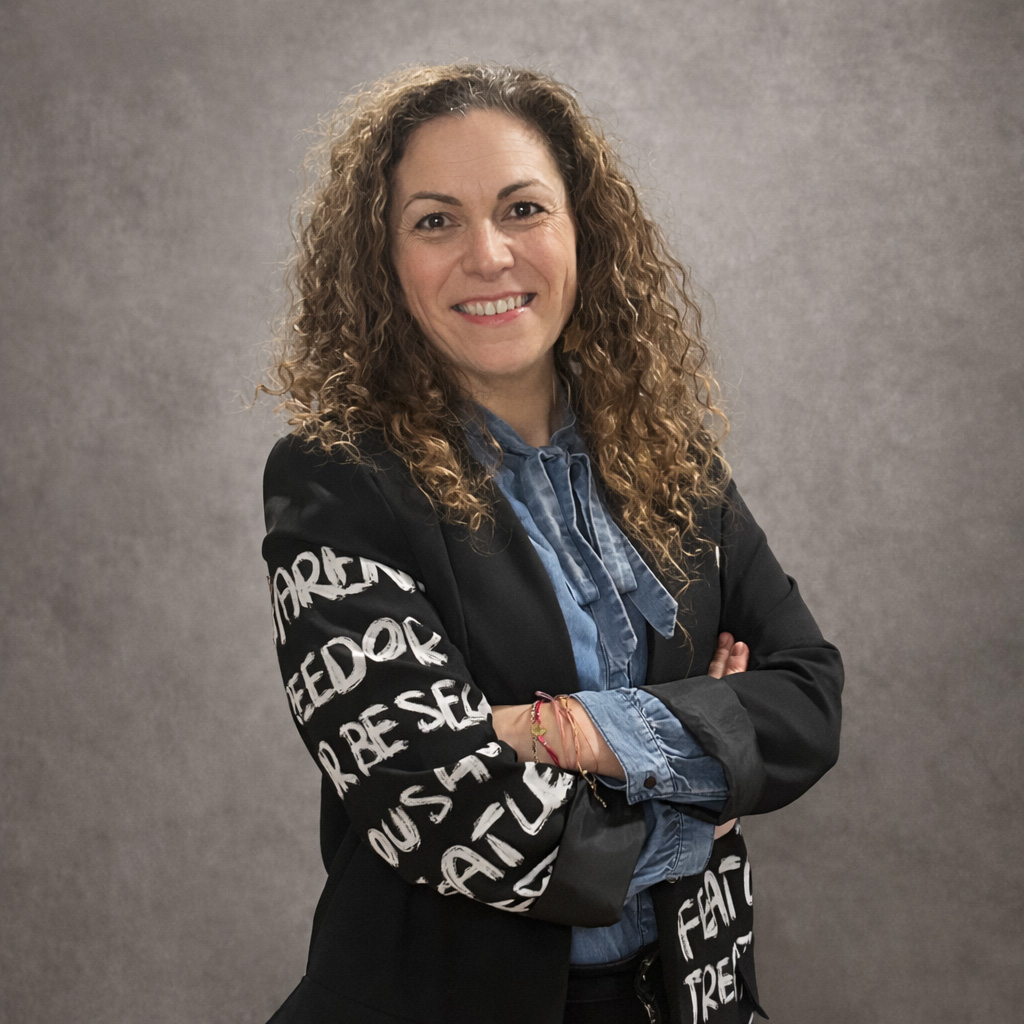
Our lifestyle editor, José Berrocoso, sits down with Conchi Nieto, Export Manager of Cecinas Nieto, to uncover the secrets behind this exquisite delicacy
For those who are not yet familiar with Spanish cecina, how would you define this product and what makes it unique within the gourmet universe?
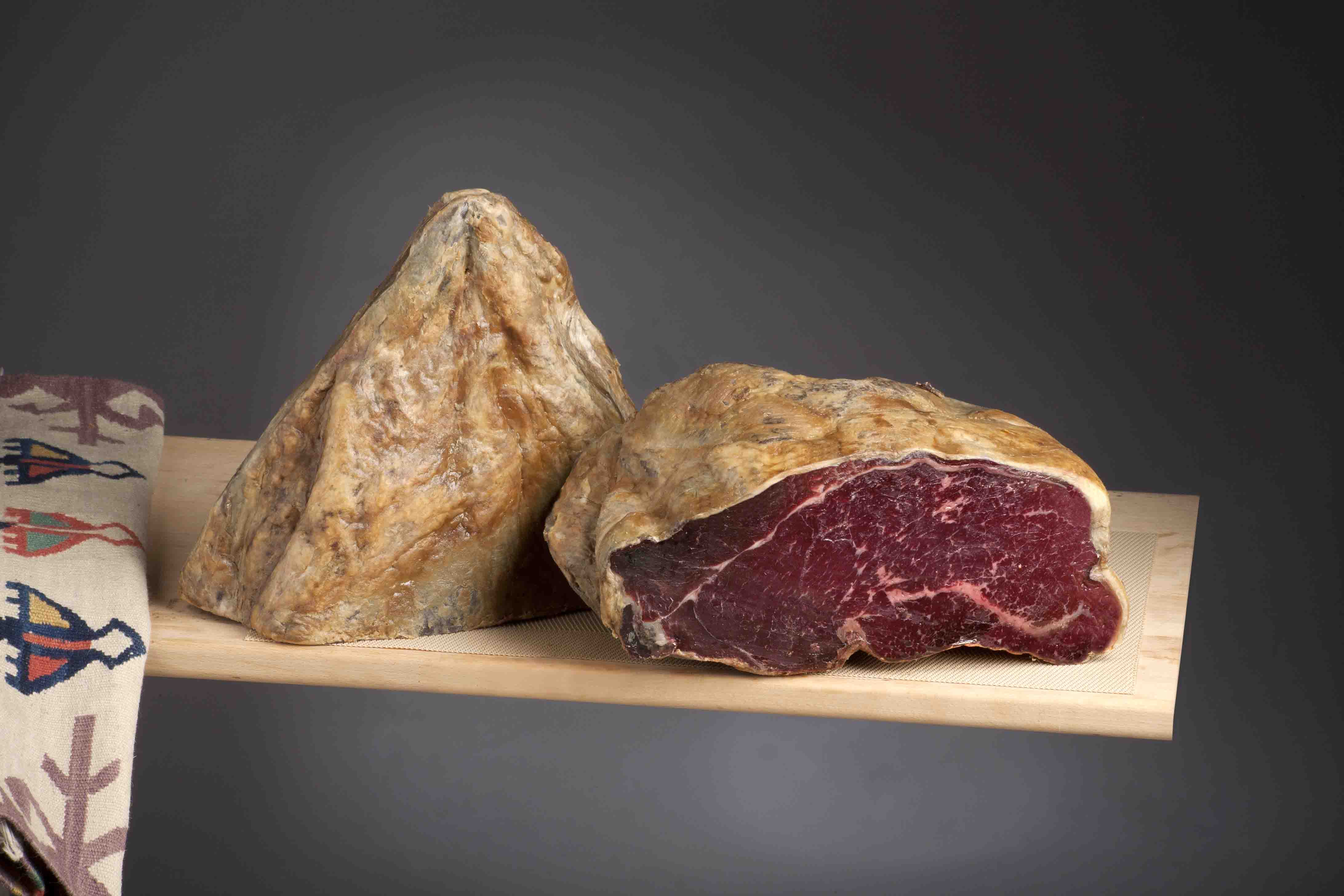
It is known as “beef ham” because it comes from the hind legs of cows over four years old. It is a unique product because the only certified Protected Geographical Indication (PGI) guaranteeing its quality, Cecina de León PGI, exists exclusively in the province of León. You may find similar products elsewhere in Spain or even abroad, but none are made in the same way as Cecina de León PGI. Moreover, it is not an industrial product but rather 100% natural and artisanal, made using only beef, salt and smoke.
Cecinas Nieto is synonymous with tradition and expertise. What role does craftsmanship play in each piece of cecina you produce today?
Cecina de León PGI is an artisanal food par excellence, produced for over 2,000 years, with families passing down the knowledge of its preparation from generation to generation. It continues to be made in the most traditional way possible, using only salt and smoke. The cutting and trimming of each piece is also done by hand. We are producing beef cecina using 21st-century facilities, but with the same essence and craftsmanship of our artisan ancestors.
In a world dominated by industrial production, why does time slow curing remain so important to the final quality of the product?
Because the slow passage of time is what gives Cecina de León PGI its unparalleled quality, flavour and umami. If it were made in a hurry, it simply would not taste the same.
Let’s talk about raw materials. What criteria do you follow when selecting the meat, and how does this influence the texture, flavour and purity of the product?
The raw material is selected primarily according to purchasing specifications established for each supplier, based mainly on minimum weight, outer fat coverage and meat marbling.
In recent years, the consumption of premium cured products has grown significantly worldwide. Have you noticed increased interest in Cecina in new markets, particularly in the Middle East?
Yes. In the Middle East, as well as in Morocco and France, there is a strong preference for top-quality HALAL products, as consumers value high-quality foods for their flavour and optimal organoleptic characteristics.
Consumers in the GCC are increasingly sophisticated and demanding, especially during periods of celebration. What values do you believe connect Cecina with this audience?
Its natural character and artisanal production, as well as the fact that it has an outstanding flavour and does not require any additional seasoning to be enjoyed.
Ramadan is a time of gathering, generosity and mindful eating. Why do you believe Cecina can be particularly appealing for celebrations during this period?
Because of its high protein content and very low fat levels. In addition, it contains phosphorus and zinc, which contribute to maintaining healthy bones, as well as potassium, which supports normal muscle function.
Presentation is key during celebrations. How do you recommend serving Cecina to enhance its gourmet character at a Ramadan table or a special iftar?
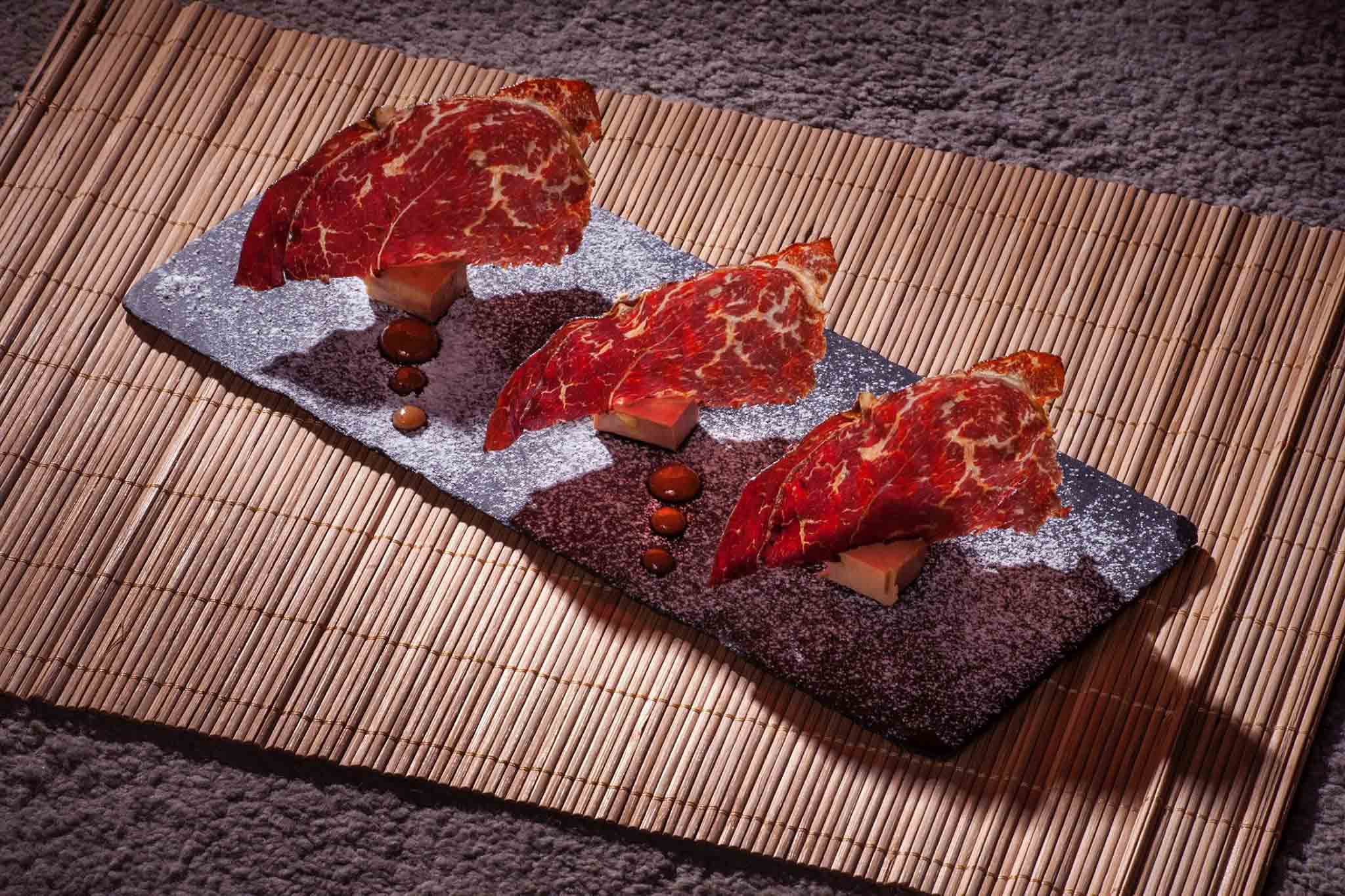
The best presentation is thinly sliced on a porcelain plate, optionally finished with a few drops of extra virgin olive oil. For added nutritional value, salted almonds can also be served alongside. There are many other ways to enjoy Cecina de León beyond the traditional presentation mentioned above, such as pairing it with pepper jam and goat’s cheese or with duck foie gras.
In cultural and religious terms, trust in the product is essential. How does Cecinas Nieto adapt to markets where certification, origin and process are especially important?
Trust is built through evidence, which is why we are committed to quality certifications. We undergo an annual HALAL audit that certifies our production process as compliant with Muslim market requirements. These certifications, together with SAE, IFS and the Cecina de León PGI, validate our ability to produce this type of product.
Beyond the product itself, Cecinas Nieto represents a philosophy. How is this idea of respect, care and excellence conveyed to the final consumer?
Through a taste for quality. Ultimately, the luxury of simplicity defines our philosophy doing things properly, with consistency and the accumulated know-how of many years.
Finally, how do you envision the future of Cecina on international tables, particularly in celebrations where gastronomy holds deep symbolic value?
I hope this product can expand into new Muslim markets such as Indonesia or Malaysia, while also gaining greater recognition in markets like Kuwait or Saudi Arabia, where we believe there is great potential, although development can be challenging. This also requires the involvement and willingness of these countries to support the introduction of beef cecina into their markets.
For readers interested in trying Cecina, where can Cecinas Nieto be purchased in the Middle East and which distribution channels do you use in the region?
It can be purchased in several gourmet shops in Dubai and Abu Dhabi, as well as at Carrefour in Dubai Mall. We sell directly to an importer, who then handles distribution. In our case, the product is supplied to restaurants and specialised retailers.