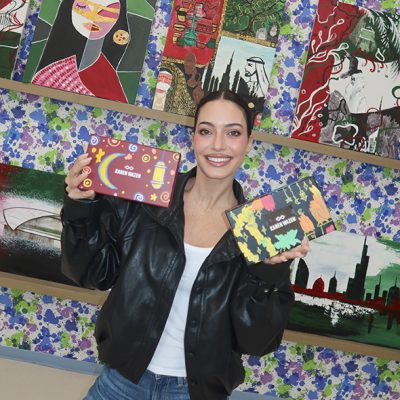


THEATRE OF THE SELF
There is always a stage in Maitha Abdalla’s work. Even when no curtain is visible, even when the figures seem suspended in an abandoned landscape or confined within a claustrophobic domestic interior, the sense of performance lingers. Born in 1989 in the United Arab Emirates, Abdalla has built a multidisciplinary practice spanning painting, drawing, sculpture, film, photography, and performance that feels less like a body of work and more like an unfolding psychological theatre.
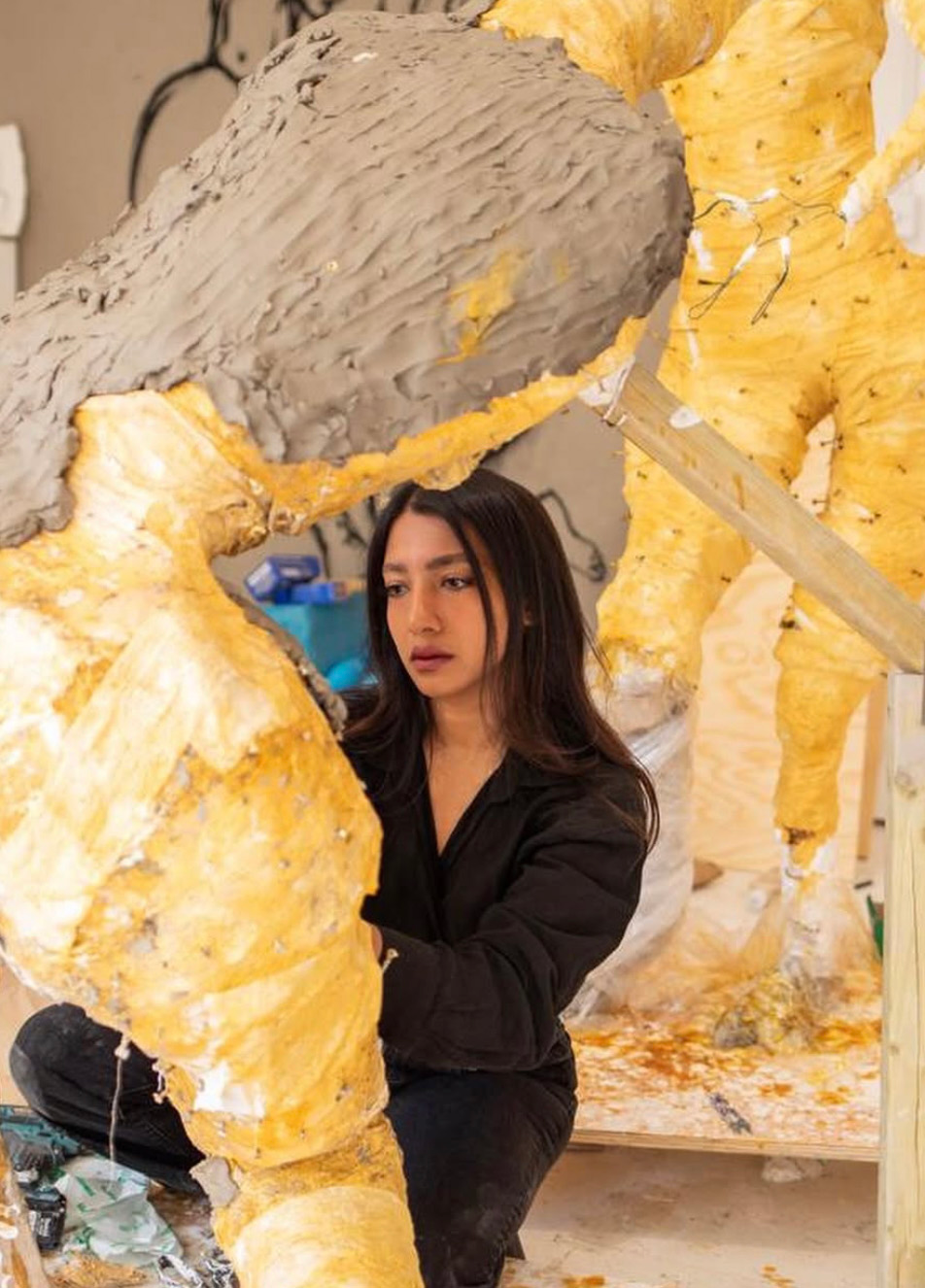
Hailing from the UAE, Abdalla belongs to a generation of artists reshaping the region’s contemporary art scene through deeply personal yet culturally resonant narratives. Inspired by memory, family stories, and regional folktales, her work moves fluidly between autobiography and myth. It is at once intimate and allegorical, grounded in lived experience yet charged with fantasy.
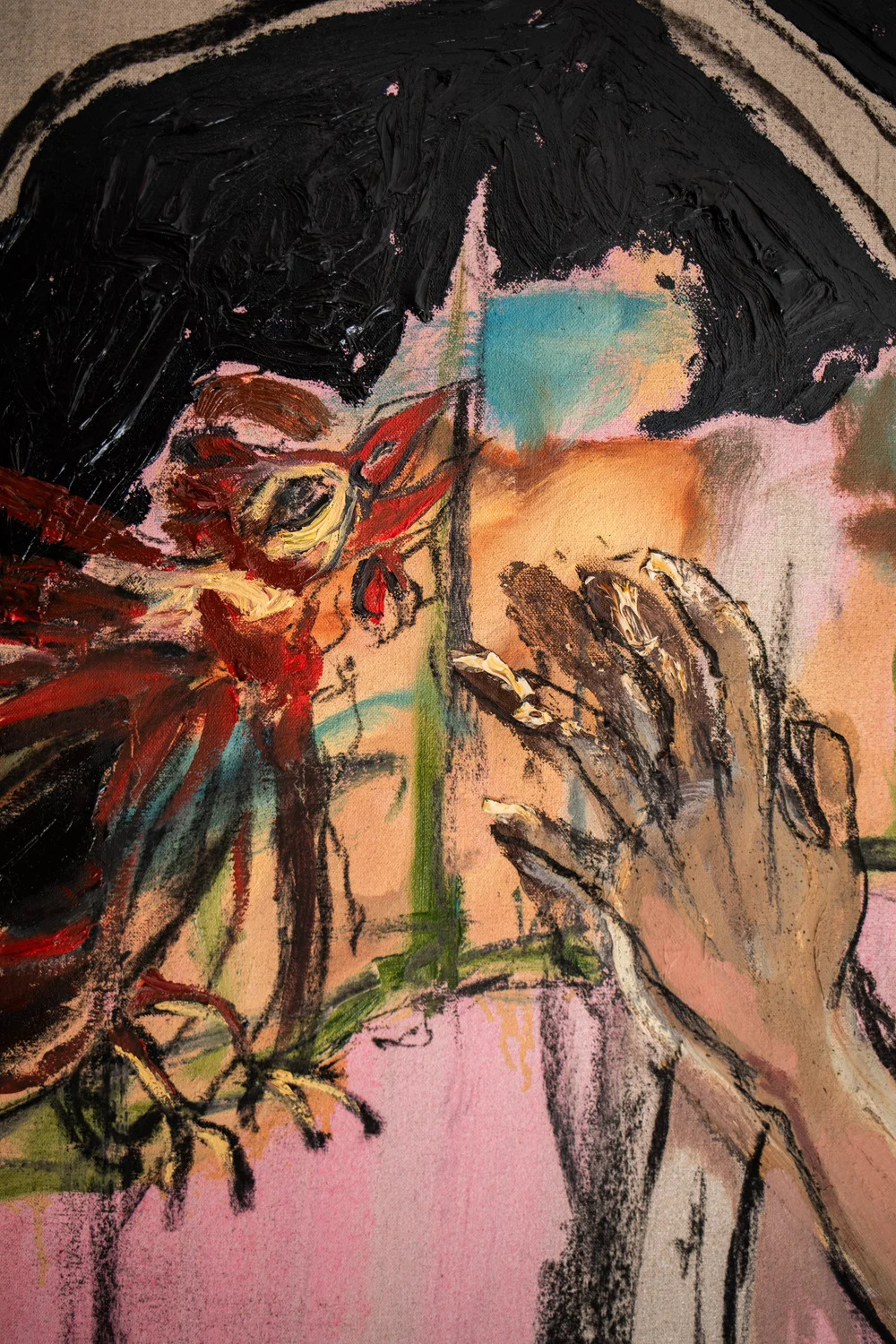
For Abdalla, theatre is not simply an aesthetic device—it is a methodology. She appropriates theatrical codes, staging, gesture, costume, and character, to confront themes that range from folklore and mythology to gender, social conditioning, and psychology. The stage becomes a safe distance from which she can interrogate the social world she inhabits.
Her compositions oscillate between the abstract and the poetic, often charged with a quiet drama or underlying melancholy. Characters emerge as alter egos, each embodying a different vector of the artist’s persona. They are frequently placed in tight, domestic settings, rooms that feel both familiar and unsettling where vulnerability is exposed rather than concealed. These interiors operate like emotional chambers, amplifying tension and introspection.
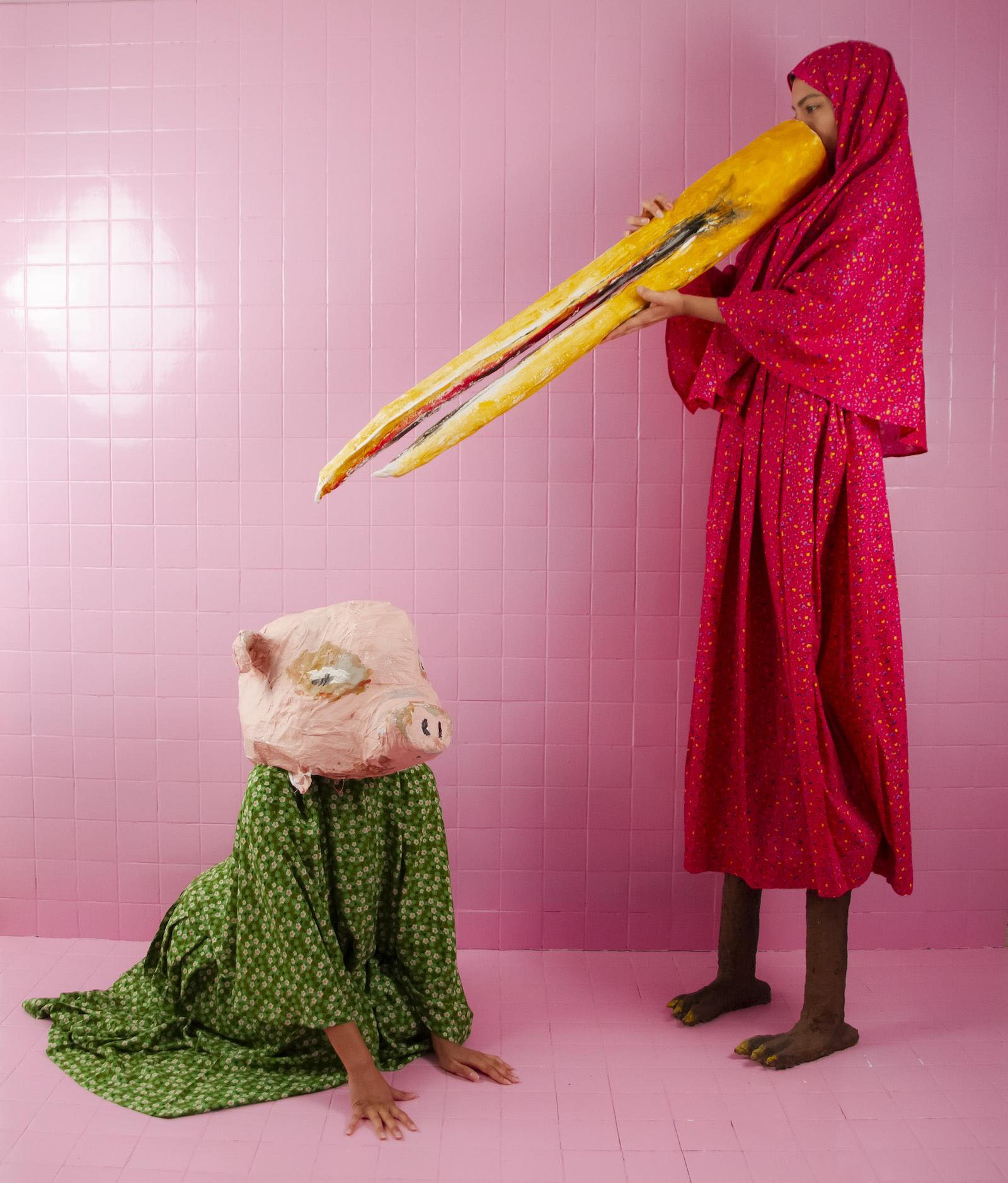
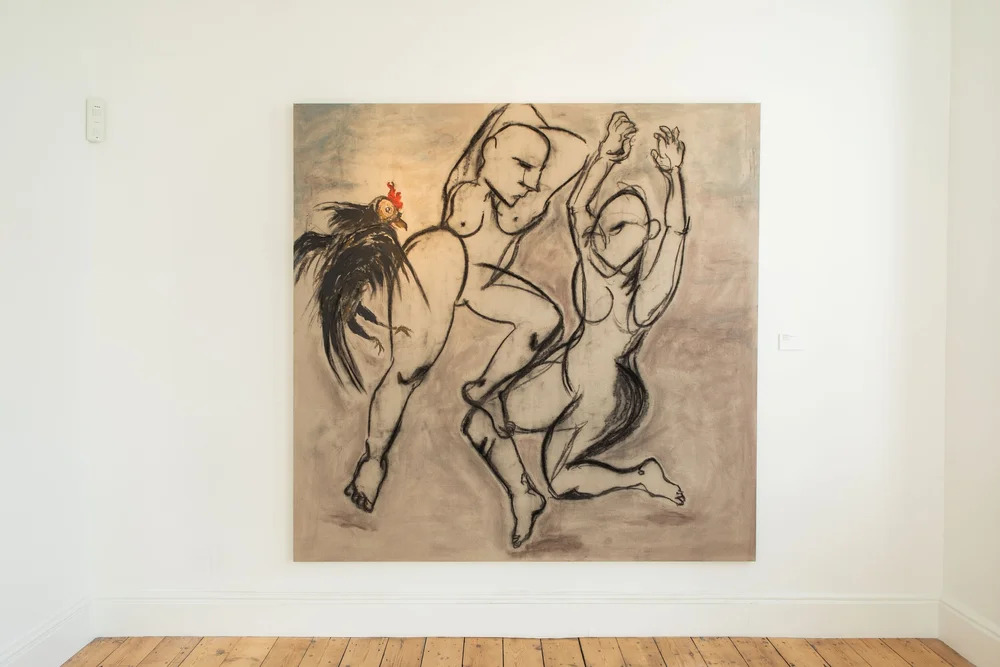
One of the most compelling aspects of Abdalla’s visual language is her use of animals. Roosters, pigs, and other creatures populate her canvases and sculptural environments, standing in for distinctly human traits, pride, shame, aggression, innocence. Through them, she humanises instinct while simultaneously revealing its absurdity. The animal becomes a mirror, reflecting both societal archetypes and private anxieties.
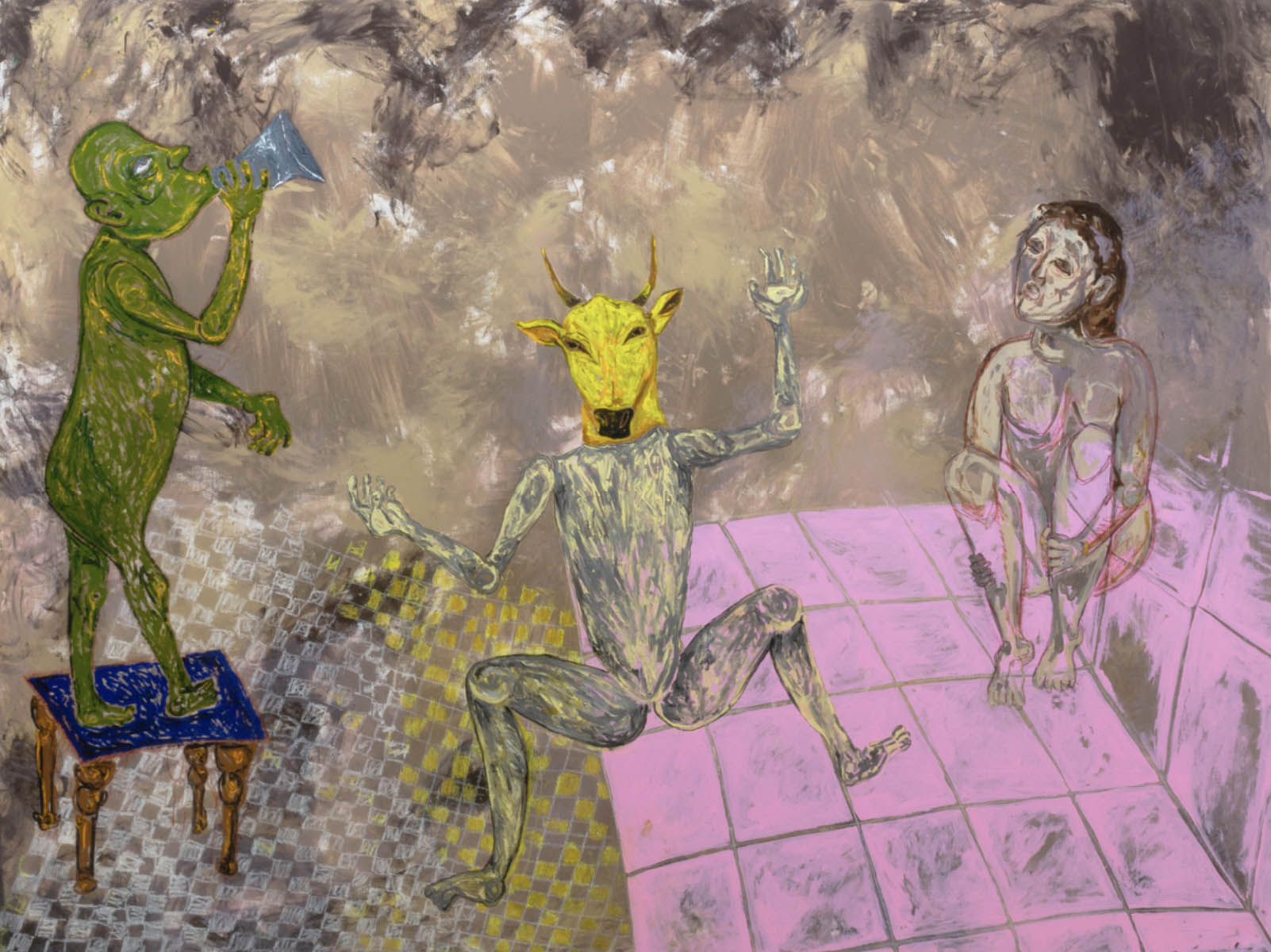
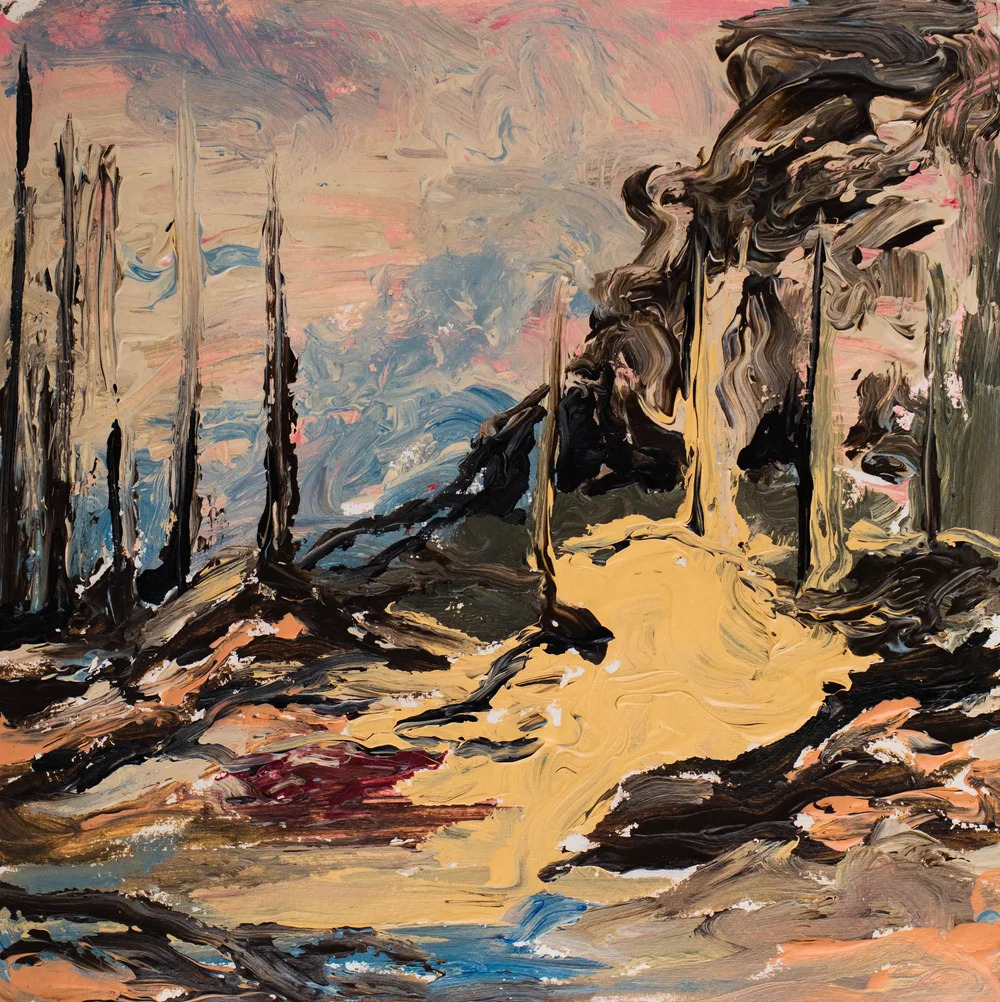
Abandoned landscapes also recur in her work, tapping into darker, more introspective themes. These spaces bare, muted, suspended in time suggest psychological terrains rather than geographical ones. They are sites of confrontation, where memory and fantasy collide.
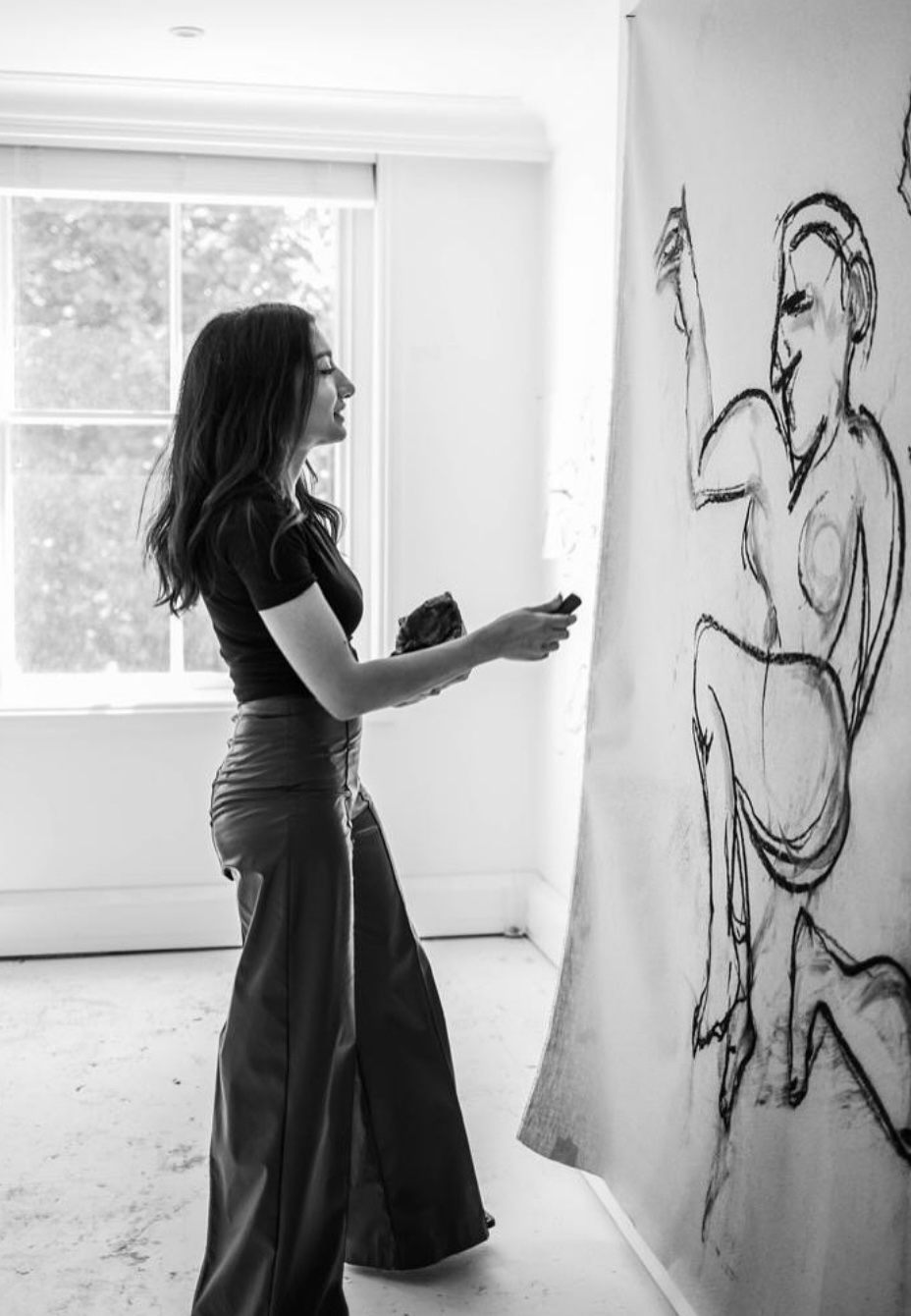
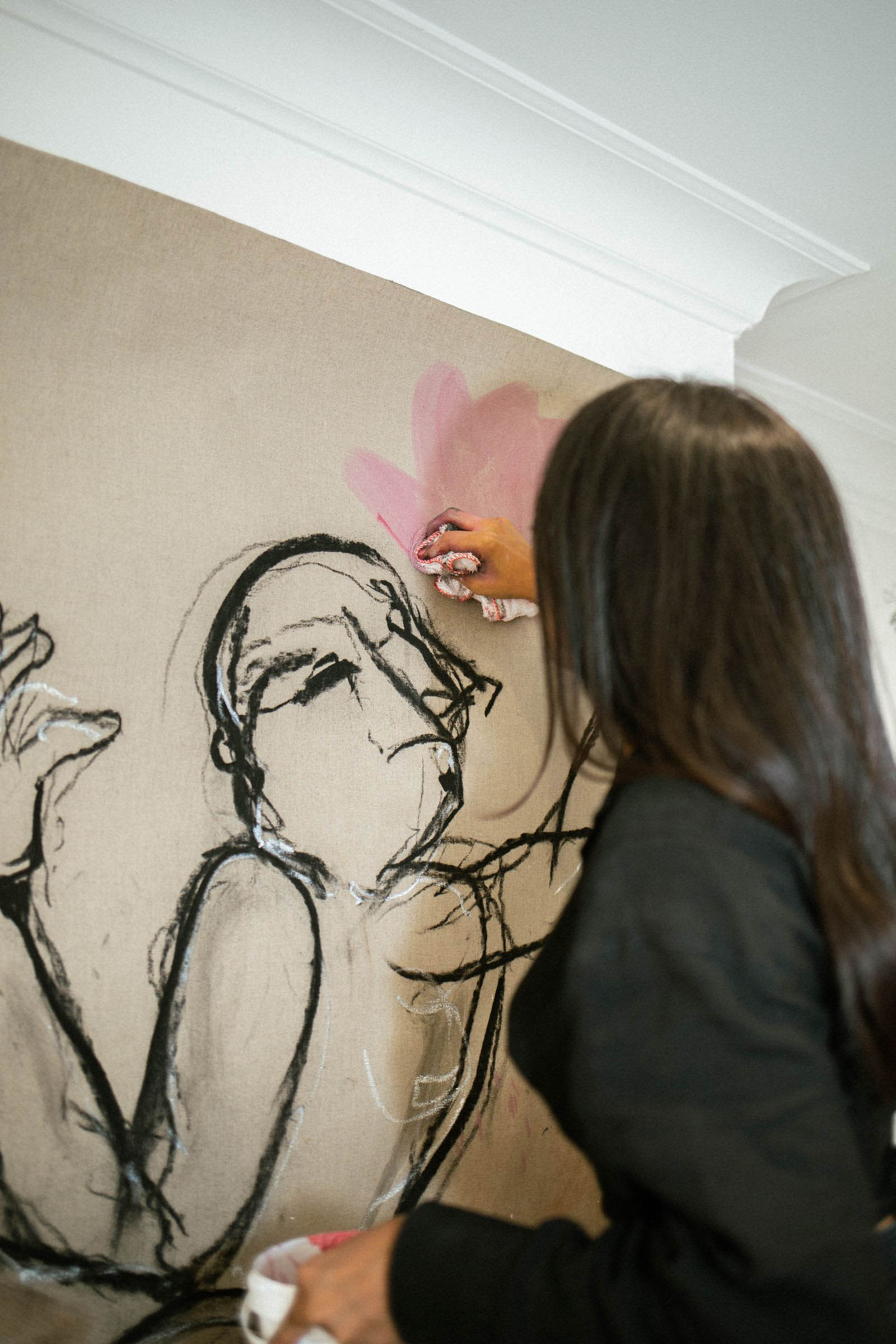
Abdalla’s process is inseparable from performance. Painting, for her, is a bodily act. She applies dense layers of oil and acrylic with her fingertips, tracing the contours of her own figure with gestural charcoal smears. The canvas becomes an extension of her physical presence; the act of making is itself a continuation of the staged narrative.
This tactile, almost ritualistic engagement with materials intensifies the emotional register of the work. The surfaces feel laboured, layered, insistent like memories that refuse to fade.
Drawing inspiration from storytelling traditions across cultures, Abdalla intentionally blurs the boundaries between Eastern and Western perspectives. Folklore from the Gulf coexists with universal archetypes; personal memory intersects with collective mythology. The result is a surreal visual language that challenges fixed notions of identity and belonging.
In doing so, Abdalla situates her practice within broader global conversations around gender roles, mental health, and social constructs yet she does so without didacticism. Instead, she invites the viewer into a space of ambiguity, where meaning is not imposed but felt.
At its core, Maitha Abdalla’s practice is an ongoing exploration of the self. Each character she creates is a fragment an aspect of her psyche externalised and examined under the theatrical spotlight. Each setting becomes a psychological landscape where vulnerability, conditioning, and desire are quietly negotiated.
In an ever-changing world grappling with questions of identity and belonging, Abdalla’s work feels both timely and timeless. It reminds us that the most compelling dramas are often the internal ones and that sometimes, the only way to confront them is to step onto the stage.
@maithaabdalla