
The Making of a CID Power 50 Interior Designer in the Middle East & Africa
In the ever-evolving world of luxury interior design, Yasmin Farahmandy has carved out a distinct voice—one that fuses emotion, identity, and narrative into every space she touches. Founder and Creative Director of Y Design Interior, Yasmin is widely recognised for her bold, immersive design language that transcends trends and borders. Named among the prestigious CID Power 50 Interior Designers in the Middle East and Africa, she is celebrated not only for her award-winning hospitality and residential projects, but also for her unique ability to turn personal stories into spatial experiences.
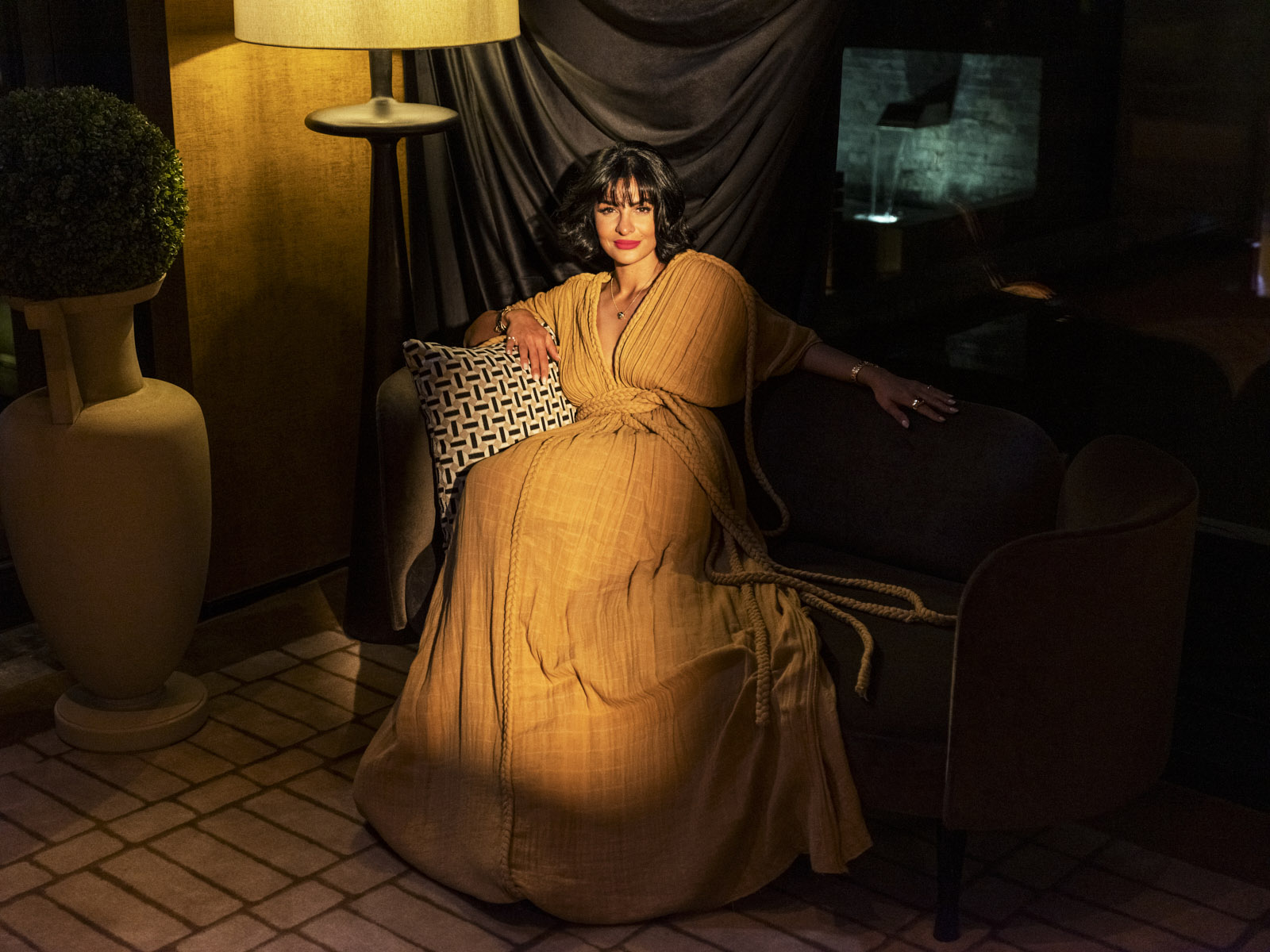
With a rich background spanning Vancouver, Milan, and Dubai, Yasmin brings a global perspective to her craft—grounded in nature, elevated by fashion, and fuelled by cultural curiosity. From her early career at leading firms like HBA and Gensler to launching her own studio during the height of the pandemic, her journey is a testament to creativity, resilience, and visionary thinking.
In this exclusive interview with CP Magazine, Yasmin opens up about her creative process, design philosophy, formative influences, and the values that shape her studio. Whether you’re a design enthusiast, aspiring creative, or simply curious about what makes a space truly unforgettable, her insights offer both inspiration and substance in equal measure.
Can you tell us a bit about your early life and upbringing?
My childhood was shaped by movement. We traveled a lot as a family—constantly between cities, countries, and cultures. From a young age, I was exposed to different ways of living, eating, dressing, and expressing beauty. Whether we were wandering through a museum in Paris, shopping in the souks of Marrakech, or simply exploring a quiet street in Milan, my parents always encouraged curiosity and creativity. Those experiences made the world feel both vast and intimately connected.
Living between Vancouver, Milan, and Dubai gave me a layered perspective on design and identity. Vancouver grounded me in nature and simplicity. Milan awakened my love for fashion and detail. Dubai showed me how to dream boldly. But it was the constant movement and cultural contrast that really shaped me—it taught me how to observe, how to feel spaces, and how to create atmospheres that tell stories beyond borders.
What first sparked your interest in interior design?
As a child, I dreamed of becoming a fashion designer. I was drawn to the way fabric could express emotion, identity, and movement. I expressed my creativity through the way I dressed and how I felt. But as I grew older and traveled between Vancouver, Milan, and Dubai, I found myself wanting to create on a larger canvas—to design spaces. Interior design became the perfect medium where I could blend my love for fashion, art, and furniture into cohesive, immersive environments. Today, I’m inspired by the challenge of translating intangible feelings into tangible forms—spaces that don’t just function beautifully, but speak to the soul.
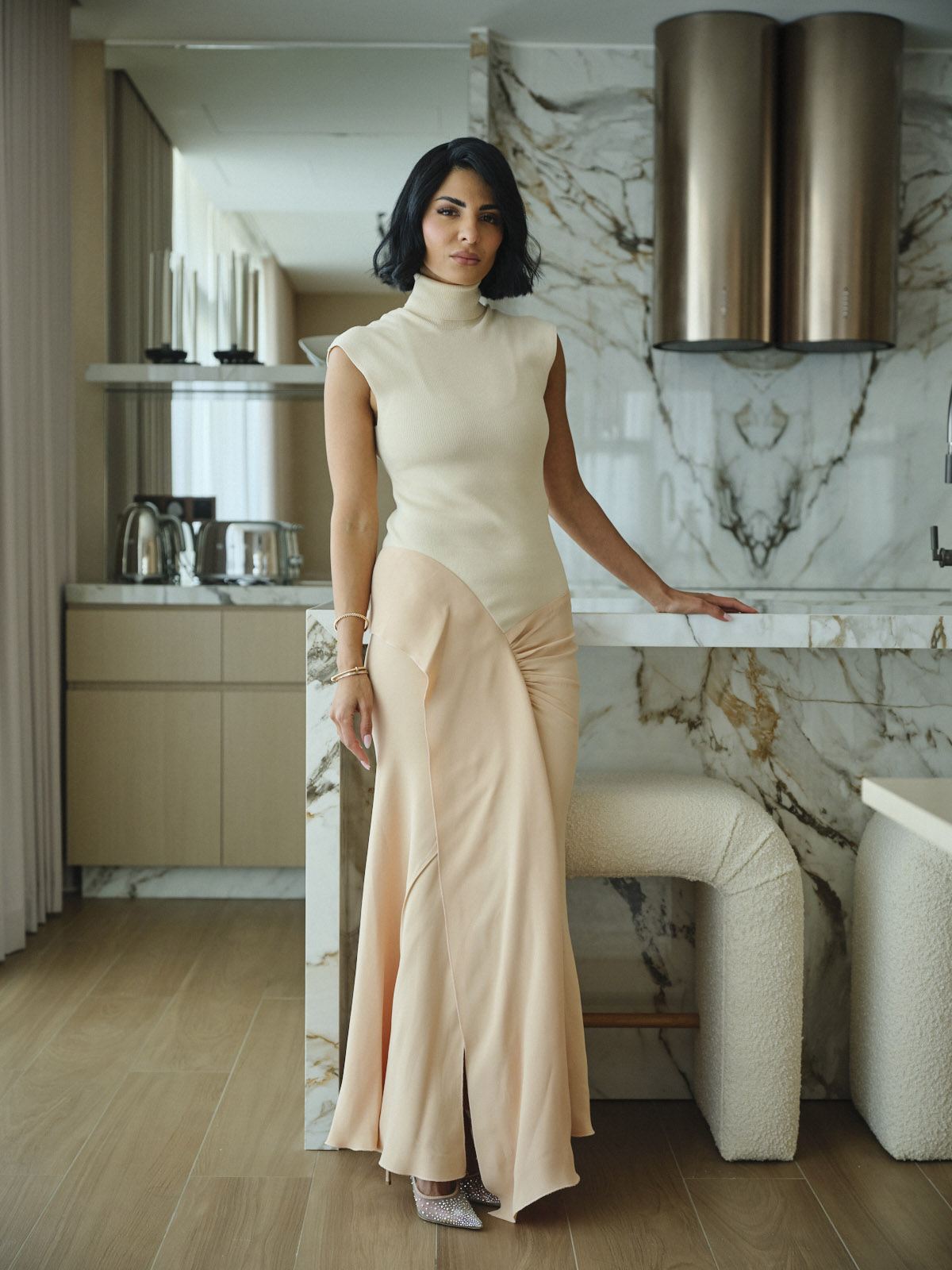
How did your personal journey bring you to where you are today?
My journey has never followed a straight line—it’s been layered with exploration, risk, and reinvention. I started with a love for fashion, using clothing as a way to express who I was and how I felt. But as I moved through cities like Vancouver, Milan, and Dubai, I realized I wanted to design on a larger scale—not just dressing myself, but dressing entire spaces.
I began my career in Dubai at global firms like HBA and Gensler, where I gained the structure and discipline to deliver large-scale hospitality projects. But deep down, I craved more creative freedom and emotional connection in my work. In 2020, during the uncertainty of the pandemic, I took the leap and launched Y Design Interior. That decision came from a place of clarity—I didn’t want to create for the sake of beauty alone; I wanted to tell stories, to move people, to design with soul.
Today, I lead a boutique studio that reflects everything I believe in: curiosity, emotion, identity, and bold, narrative-driven design. I still draw from my personal journey every day—each culture I’ve lived in, each risk I’ve taken, and each client who trusts me to bring their story to life.
What does being part of the CID Power 50 mean to you personally and professionally?
Being named among the CID Power 50 is both an honor and a reminder of how far this journey has come. Personally, it means a great deal—especially as a woman, an immigrant, and a creative building a path in a highly competitive industry. It’s a moment of reflection on the risks I’ve taken, the values I’ve held onto, and the stories I’ve had the privilege to design.
Professionally, it’s a validation of the vision behind Y Design Interior. We’re a boutique studio with a big heart—and this recognition shows that thoughtful, emotionally driven design can stand out, even in a fast-paced industry that often chases trends. It inspires me to continue pushing boundaries, mentoring others, and using design as a way to create deeper human connections.
Where did you study interior design, and how did that shape your approach to design?
I studied Furniture Design in Vancouver at Emily Carr University, where I learned how to design and build furniture and work with my hands. But my creative roots went even deeper—I wanted to design on a larger scale. So I moved to Milan and earned my Master’s in Interior Design at Domus Academy.
This multidisciplinary foundation shaped the way I approach interiors today. I don’t see design as just space planning—it’s about storytelling, emotion, and how a space makes you feel. My education taught me the technical side, but it was the blend of cultures, art, and life experiences that truly shaped my vision. Each project becomes a canvas where I merge function with soul, narrative with texture, and always, always, place the human experience at the center.
Who were your mentors or inspirations during your formative years?
During my formative years, my biggest inspirations came from beyond the world of interiors—icons like Kelly Wearstler, Salvador Dalí, and Zaha Hadid deeply influenced my creative lens. Kelly taught me the power of reinvention and a fearless approach to form, texture, and color. Dalí inspired me to embrace the surreal and challenge the norm. And Zaha Hadid showed me that bold vision paired with relentless determination could reshape entire industries.
In terms of mentorship, I was lucky to work with incredible leaders at firms like HBA and Gensler early in my career. They sharpened my understanding of large-scale hospitality design and the discipline behind creativity. But truthfully, my biggest mentor has always been experience—the lessons learned through projects, challenges, and listening closely to the stories of the people I design for.
What was your first interior design project and how did it go?
Interestingly, my first interior design project was the Kempinski Hotel in Beirut. I began on the operator’s side, managing furniture procurement, which gave me a rare insight into what happens after the design phase. It was an unexpected but invaluable start—I saw firsthand how every detail we specify needs to be functional, feasible, and emotionally resonant even after the drawings are complete.
Soon after, I transitioned to HBA to fully immerse myself in hospitality design, where I had the opportunity to work on major projects like Address Boulevard in Dubai. That shift marked a turning point—I went from managing the pieces to designing the story. And that foundation continues to shape the way I design today: with empathy, precision, and a deep respect for every phase of the process.
How did you transition from studying to founding your own studio?
The transition from studying to founding my own studio wasn’t linear—it was a journey of building, learning, and trusting my voice. After studying design in Vancouver and Milan, I spent over a decade working with global firms like HBA and Gensler, leading major hospitality and commercial projects. Those years were my training ground—I learned how to design at scale, lead teams, and shape experiences that went beyond aesthetics.
But eventually, I felt the pull to create something more personal—design that told deeper stories and reflected individuality, not just brand standards. In 2020, during the uncertainty of the pandemic, I took the leap and launched Y Design Interior. It felt like the right time to bet on myself, on intuition, and on a more intimate, experience-driven approach to design. What started as a solo vision has since grown into a boutique studio shaping some of the region’s most dynamic hospitality and lifestyle spaces.
What was the biggest challenge you faced in the early days of your career?
One of the biggest challenges in the early days of my career was earning trust in a male-dominated world—especially in hospitality design, where large-scale projects often come with high stakes and strong egos. As a young female designer, I had to work twice as hard to be heard, to prove that my vision had value beyond just the aesthetics.
There were moments of self-doubt, of questioning if I belonged in the room—but those moments became fuel. I learned to speak through my work, to let the design speak volumes when words weren’t enough. That experience taught me resilience, humility, and the power of quiet confidence. And it shaped how I now lead my studio—with empathy, strength, and the intention to create space for others to rise too.
How would you describe the design philosophy at Y Design Interior?
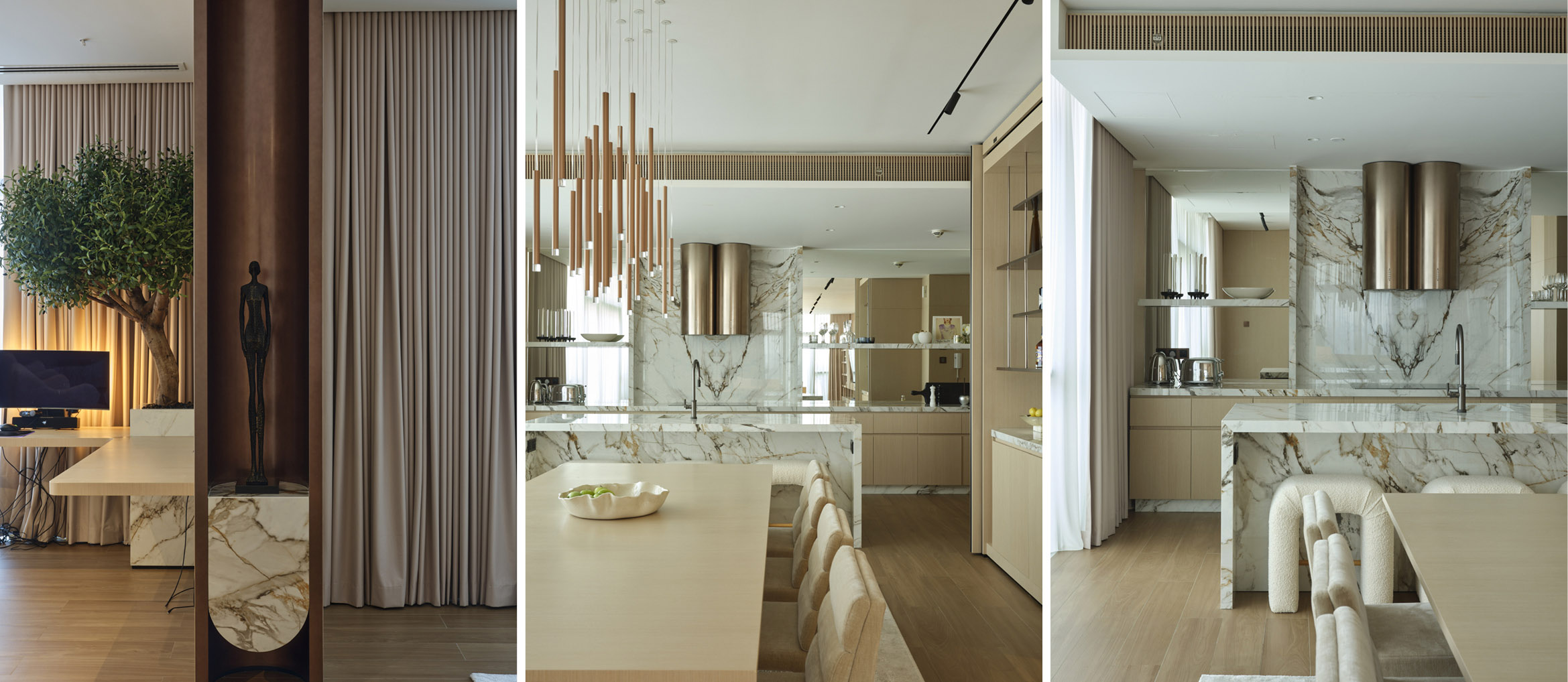
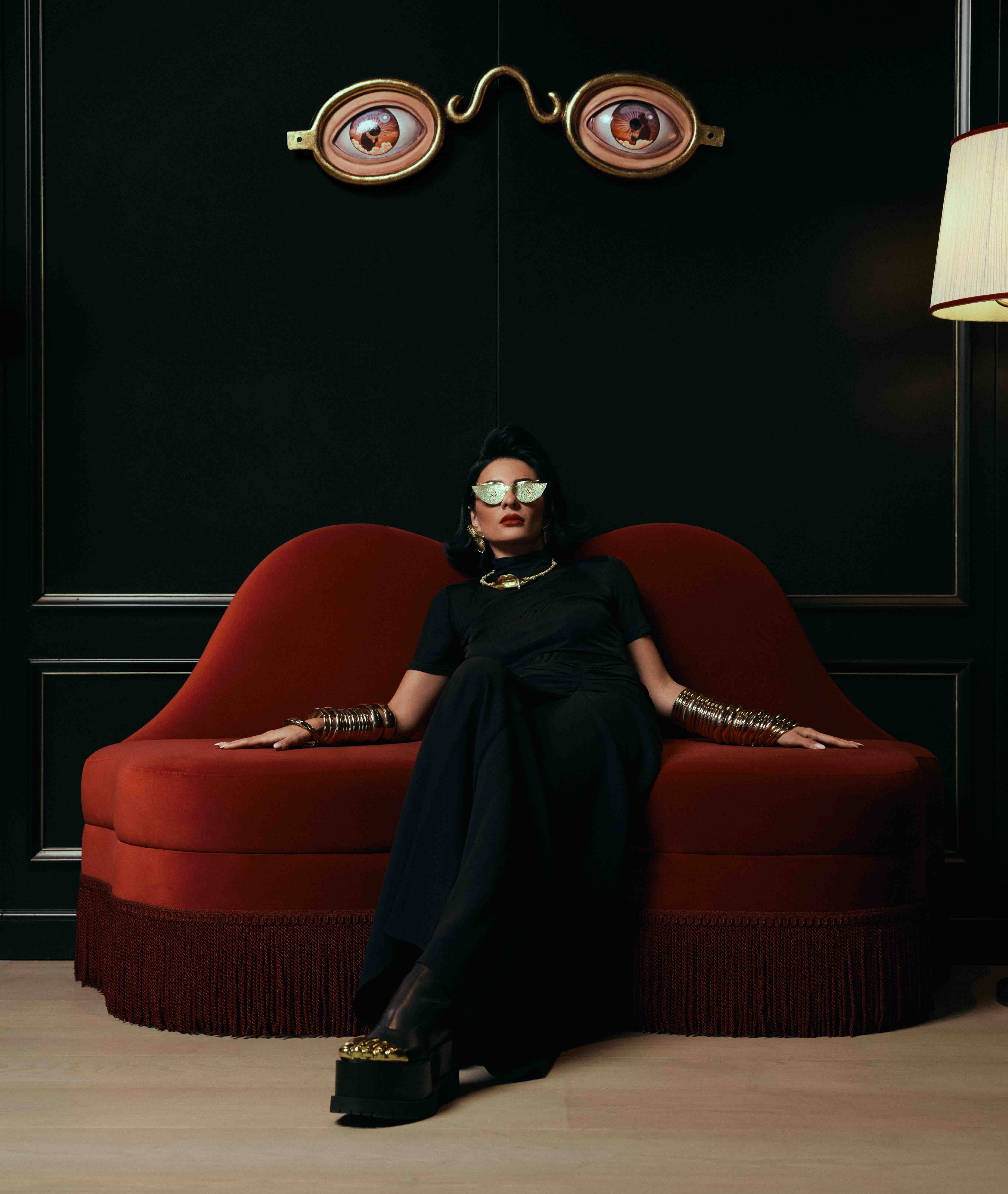
At Y Design Interior, our philosophy is rooted in storytelling. We don’t just design spaces—we translate identities, emotions, and narratives into form, texture, and light. Every project begins with a deep understanding of the client’s world—their brand, lifestyle, or purpose—and from there, we craft an experience that’s both intimate and unforgettable.
We believe that design should move people. Whether it’s a restaurant, a residence, or a hotel, the goal is to create spaces that feel alive—spaces that dress the room, live the story, and reflect the soul behind the concept. Our work is expressive yet functional, bold yet timeless. Fashion, art, and culture all inform our process, but at the heart of it is one question: How will this space make someone feel?
What does a typical project lifecycle look like at your studio?
Every project begins with a deep dive into the story behind the space. We start by understanding the client’s vision, values, and goals—whether it’s a hospitality brand, a private residence, or a commercial concept. From there, we move into concept development, where we shape the narrative, mood, and emotional tone of the design.
Once the creative direction is set, we move into detailed design—developing layouts, custom furniture, material palettes, and curated elements that bring the vision to life. We collaborate closely with consultants, suppliers, and fabricators to ensure every detail is executed with intention. During the procurement and construction phases, we remain hands-on—overseeing quality, resolving challenges, and safeguarding the design integrity all the way through to handover.
What makes your studio stand out in the competitive Dubai and global markets?
What sets Y Design Interior apart—both in Dubai and globally—is our ability to design with emotion and identity at the core. We don’t follow trends; we craft stories. Our approach is highly personalized, rooted in understanding the brand or individual behind the project, then translating that into a spatial experience that is bold, soulful, and unforgettable.
In a market filled with repetition and formulaic luxury, we bring a curated, couture-like sensibility to every project—blending fashion, art, and architecture to create spaces that are not only visually striking, but deeply resonant. As a female-founded boutique studio, we’re also uniquely agile: small enough to be hands-on and deeply involved, yet experienced enough to lead high-profile, complex hospitality and residential projects.
Can you share a project you are particularly proud of and why?
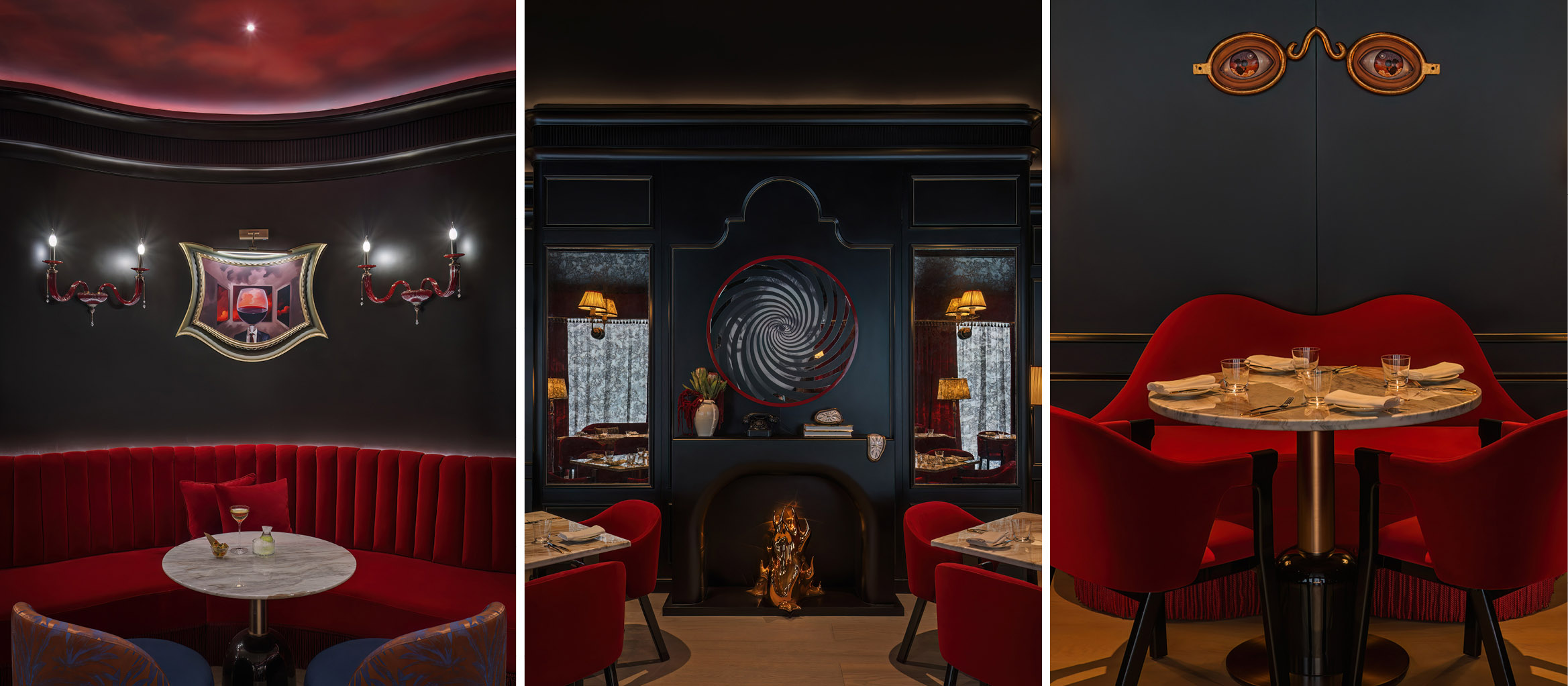
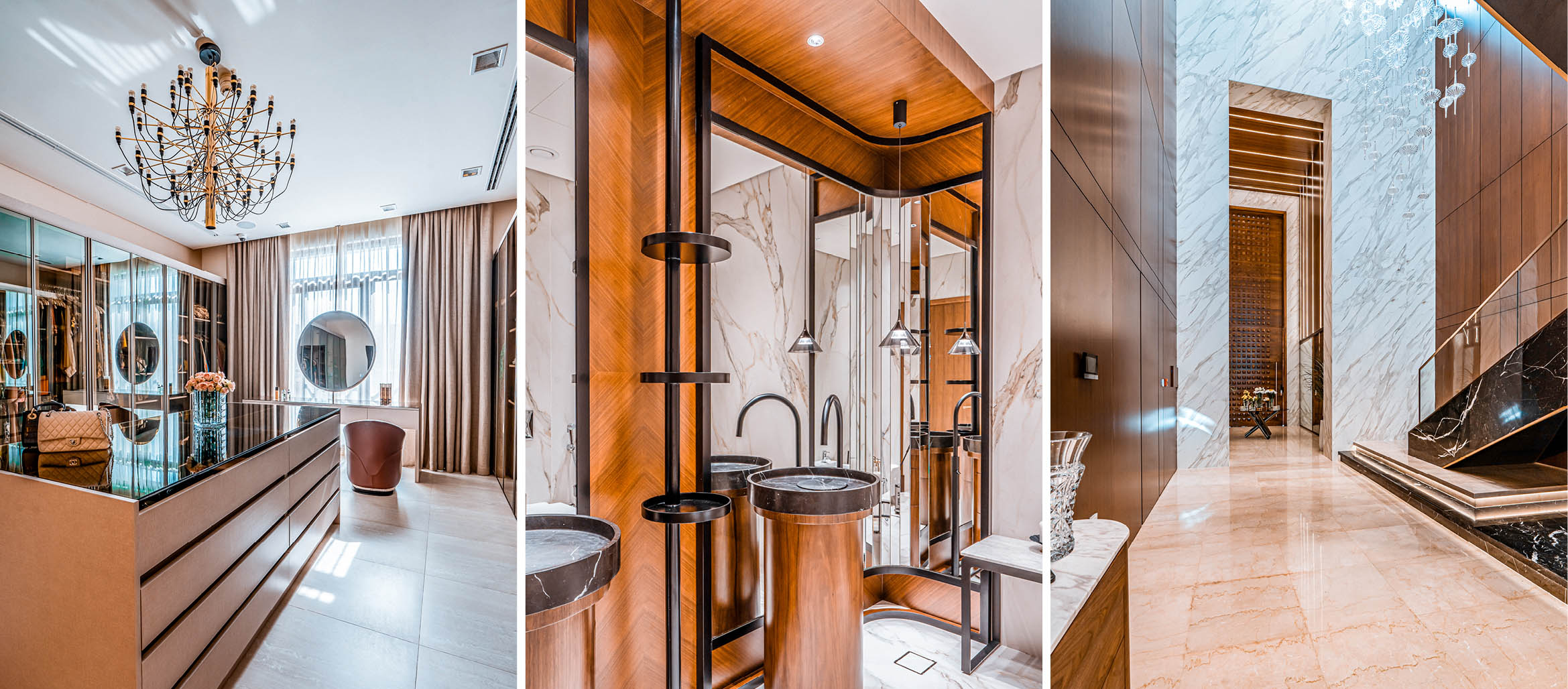
One project I’m particularly proud of is Maison Dalí—a surreal, high-end restaurant concept we brought to life in the iconic Opus Tower by Zaha Hadid. From the very first sketch to the final layer of velvet drape, this project was a dream rooted in artistic rebellion, emotion, and storytelling.
Inspired by Salvador Dalí, it was about more than creating a beautiful restaurant—it was about designing a space that challenges perception, bends time, and immerses guests in a world of curated surrealism.
Where do you usually draw inspiration from—art, travel, culture, or something else?
Art and fashion are huge influences—they teach me how to play with emotion, texture, and storytelling. But more than anything, I’m inspired by people—their rituals, their stories, their way of inhabiting space.
I always begin a project by listening. I want to understand how someone feels, what they remember, what they dream of. That emotional layer becomes the anchor for every design decision. So yes, inspiration lives in travel, culture, and art—but it ultimately comes alive through human connection.
Do you follow trends, or do you prefer to create timeless interiors?
I’ve never been drawn to trends for the sake of being current. They come and go—but emotion, story, and craftsmanship are timeless.
My goal is to create spaces that feel timeless not because they ignore the present, but because they speak to something deeper than style: identity, purpose, and feeling.
How do you balance client preferences with your artistic vision?
It always begins with listening. I believe design is a collaboration. The client’s story, lifestyle, and emotional needs are the foundation of every project. My role is to interpret and elevate that narrative, not override it.
I see myself as a translator—taking their ideas, sometimes even unspoken ones, and shaping them into something meaningful, functional, and beautiful. At the same time, I protect the integrity of the vision. Clients come to me because they trust my eye and my voice.
So I guide them with confidence, offering ideas that challenge them while honoring their intentions. The magic happens in that balance—when personal preference meets artistic direction, and the result is something neither of us could have created alone.
What role does sustainability play in your design approach?
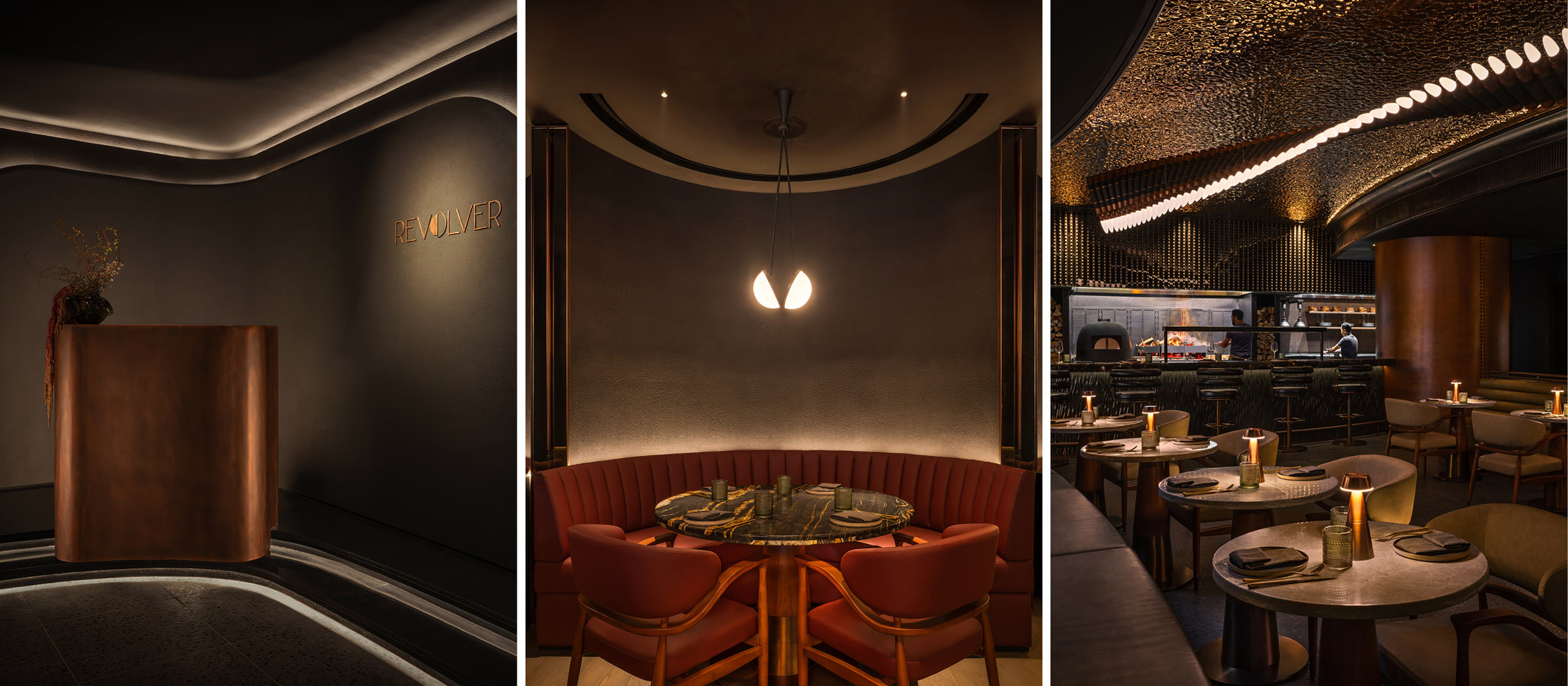
I believe truly sustainable design is one that people want to live with for years—not just until the next trend arrives. That’s why I focus on timelessness, quality craftsmanship, and emotional connection—because when people connect deeply with a space, they’re less likely to discard or redesign it.
Of course, I also make conscious choices when it comes to materials and sourcing. I love working with natural, durable finishes, collaborating with local artisans, and reducing waste wherever possible. But at its core, sustainability is about intentionality—designing with care, clarity, and a long-term mindset that respects both people and the planet.
Which of your awards or recognitions means the most to you and why?
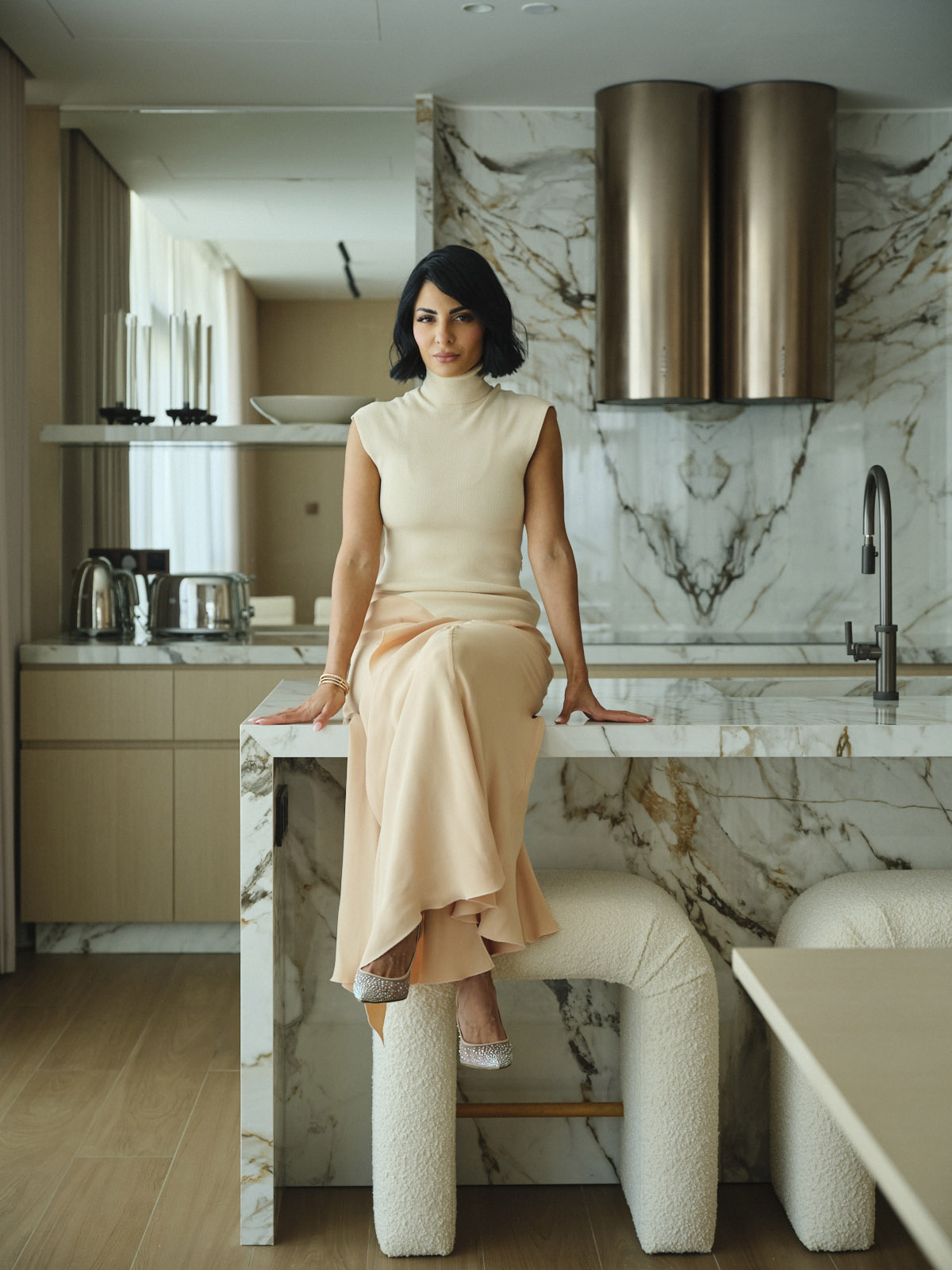
Each recognition holds a special place, but being named among the CID Power 50 Interior Designers in the Middle East & Africa is especially meaningful. It represents more than just a personal milestone—it reflects years of dedication, risks, and resilience in building something from the ground up.
Outside of interior design, what are some of your passions or hobbies?
Traveling has always been a huge part of my life—and it continues to be one of my greatest sources of inspiration. There’s nothing like stepping into a new city, hearing a different language, tasting unfamiliar food, or observing how people live and move through space. Every trip feeds my creativity and expands my perspective.
Alongside travel, I’m deeply passionate about weight training and tennis. Both keep me grounded and strong—physically and mentally. Weight training builds resilience and focus, while tennis teaches me patience and strategy. These passions fuel the discipline, energy, and curiosity I bring into every aspect of my work and life.
Is there a quote or mantra you live by, professionally or personally?
Yes—“What you think, you become. What you feel, you attract. What you imagine, you create.”
This mantra beautifully reflects both my personal philosophy and my design approach. I believe our inner world shapes our outer reality—whether it’s the spaces we live in, the people we draw in, or the energy we put into our work.
What exciting projects or launches can we expect from Y Design Interior in the near future?
We’re thrilled to be expanding our footprint beyond the UAE, collaborating with international brands and creatives to bring our unique design approach to a global audience.
Your message for us at CP Magazine.
Thank you for the opportunity to share my story. It’s an honor to be featured by a platform that celebrates creativity, culture, and the voices shaping tomorrow. I hope my journey reminds others—especially young designers and entrepreneurs—that there’s power in staying true to your vision, even when the path isn’t linear. Be resilient.