
Where memory, culture, and creativity converge
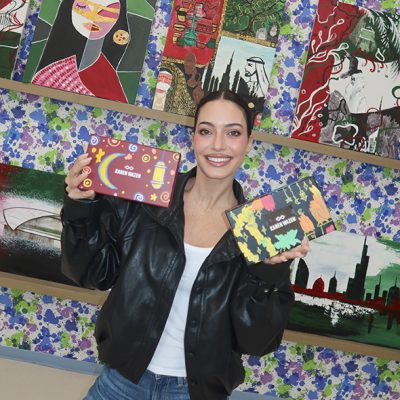
In a world where artistic practice is increasingly defined by boundaries, labels, and expectations, Zain Alkooheji’s work stands apart for its openness and intuition. A multidisciplinary artist based in Bahrain, Alkooheji approaches creation as an ongoing dialogue between material, memory, and emotion. Her practice moves fluidly across mediums, incorporating painting, textiles, found objects, and recycled materials to build layered, expressive works that resist singular interpretation.
At the core of her art is a deep engagement with feeling and experience. Drawing inspiration from personal memory, cultural heritage, and everyday encounters, her work reflects a sensitivity to both place and process. Rather than offering fixed narratives, Alkooheji invites viewers into a space of reflection, where emotion precedes explanation and meaning unfolds organically.
In this interview, CP Magazine speaks with Zain Alkooheji about her creative journey, her intuitive approach to making, and the role experimentation plays in shaping her work. She reflects on memory, cultural influence, and the quiet power of trusting the artistic process, offering insight into a practice that continues to evolve with honesty and intent.
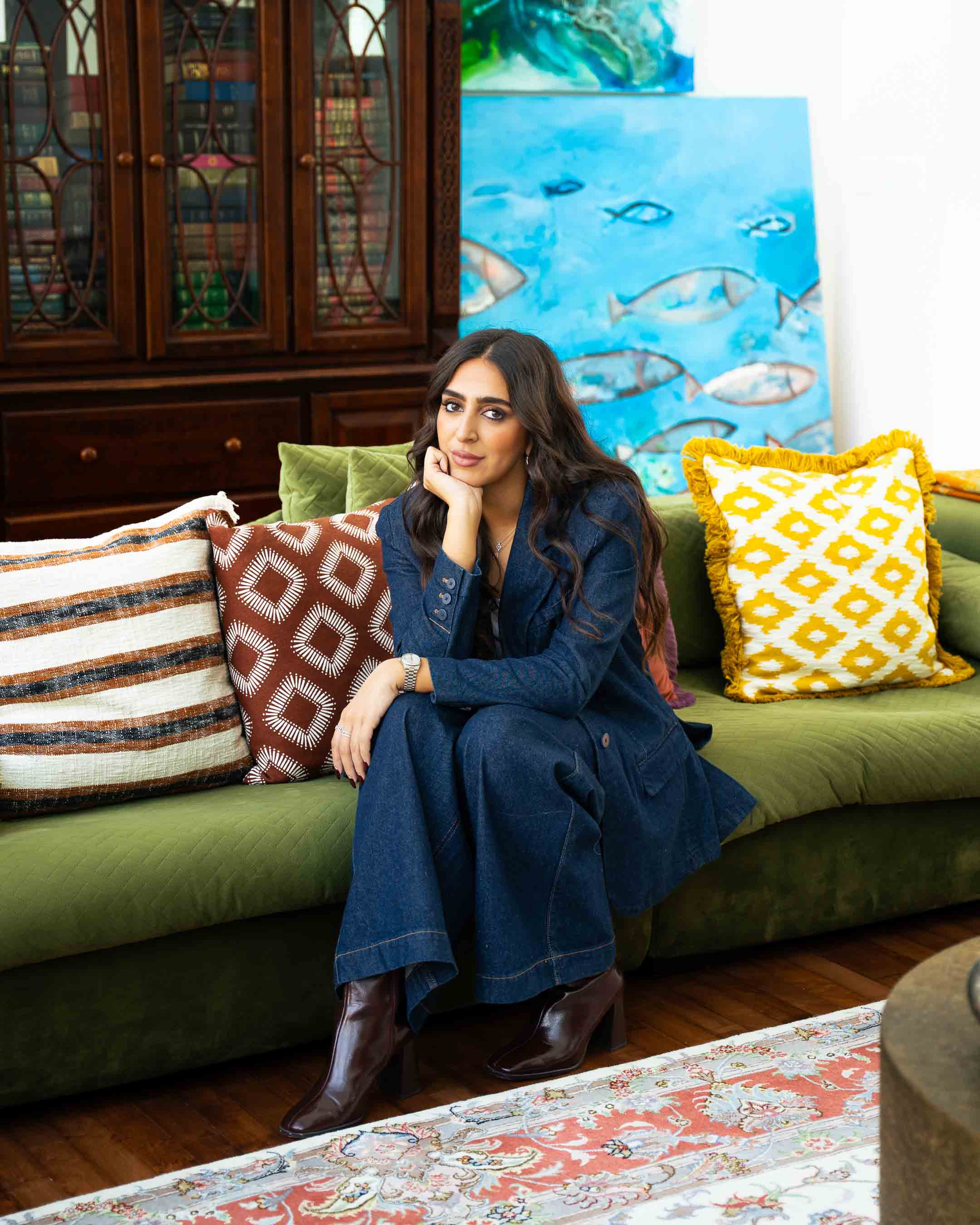
Briefly introduce yourself to our readers.
I’m Zain Alkooheji, a multidisciplinary artist and creative based in Bahrain.
Your Instagram profile simply says “I create”. Can you unpack what creation means to you personally and professionally?
The phrase ‘I create’ is left open-ended intentionally. Personally, creating is how I see and experience life. Professionally, it reflects my belief that creativity isn’t limited to one medium or one outcome. It’s about experimentation, play, and responding to what’s around me.
How do you describe yourself as an artist?
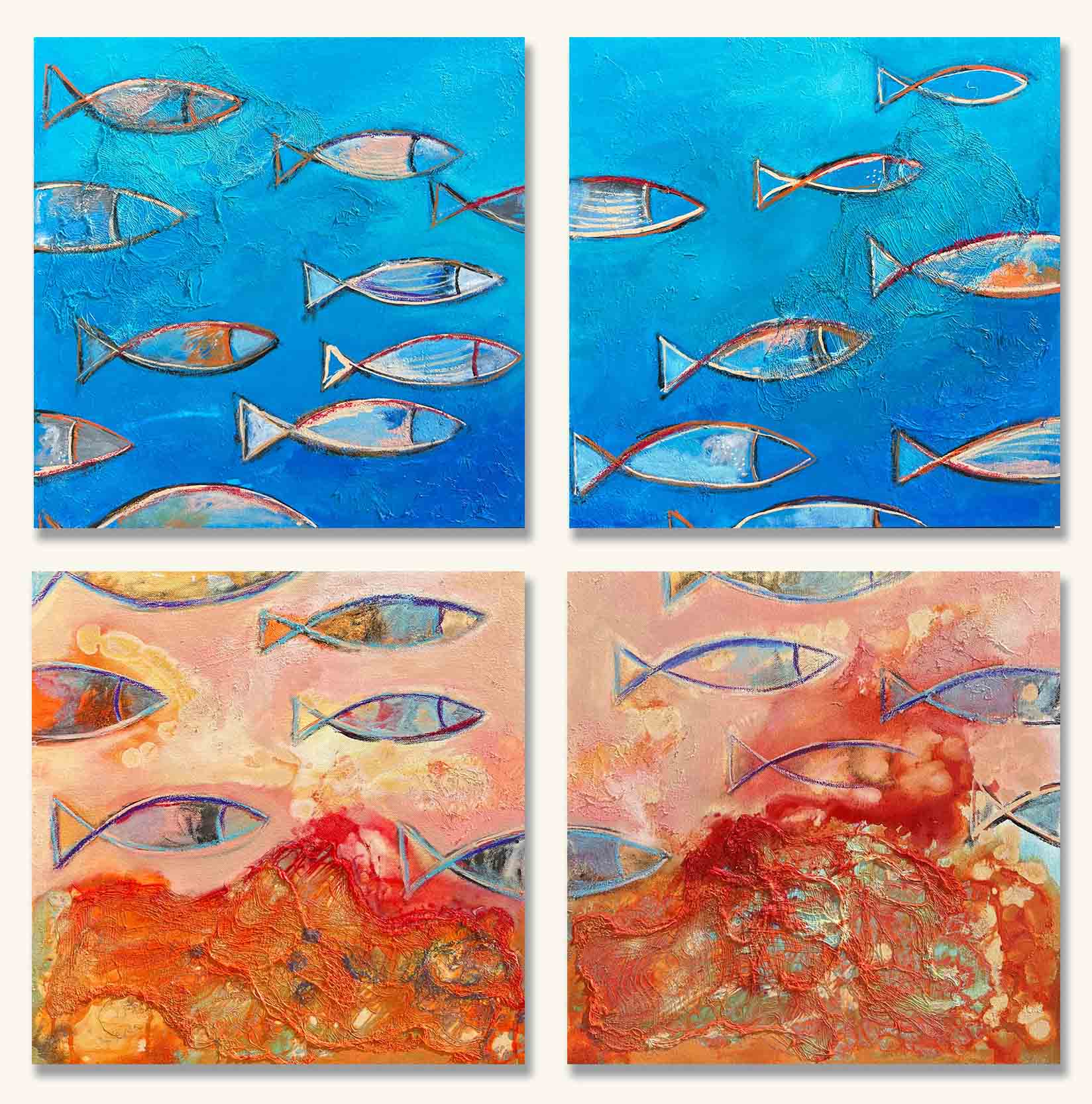
I would describe myself as an experimental and intuitive artist. I like to work with different materials and mediums, such as textiles, found objects, and recycled materials, and use these seamlessly in my artwork, not as the focal point, but as tools in achieving my final outcome.
When did you first realise art would be central to your life?
I think it was always central to my life, even within the fields I worked in. It wasn’t a single moment, but a gradual outcome. I’ve always used art as a tool for expression and would return to it no matter what else I explored.
What themes appear most often in your work?
I often create based on emotions and memories. I’m also heavily inspired by culture and history.
Where do you usually find inspiration?
Inspiration often comes to me when I’m not looking for it. I often find it in architecture, travel, conversations, and my day-to-day experiences.
How would you describe your artistic style?
Expressive, layered, and bold.
What emotions do you hope viewers feel when they see your work?
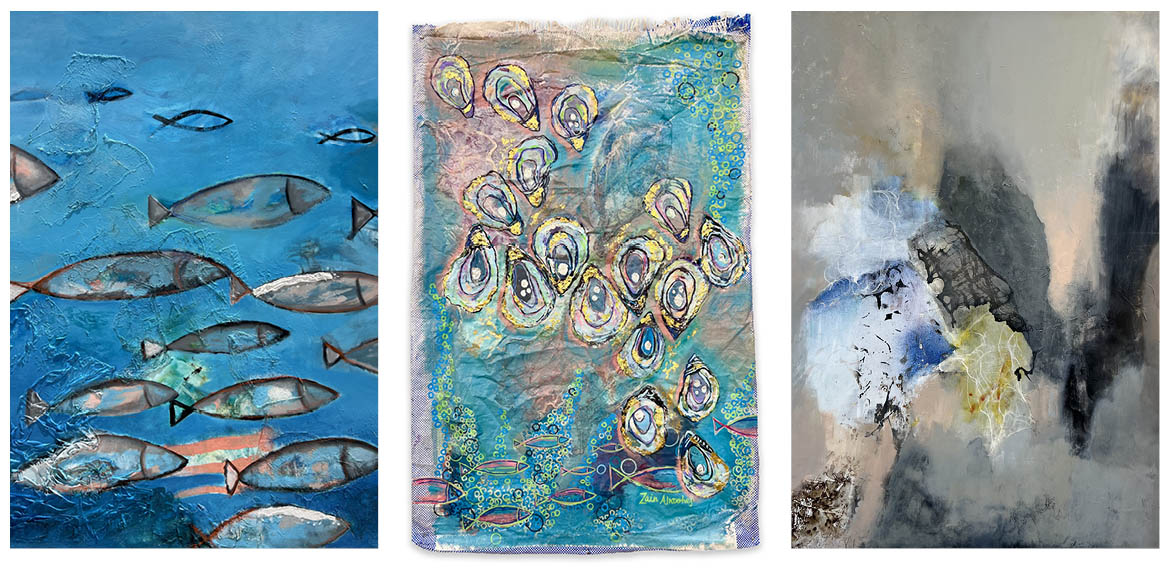
I hope they feel something before they try to understand it. Whether it’s comfort, curiosity, or tension, emotions always come first.
Which medium do you feel most connected to, and why?
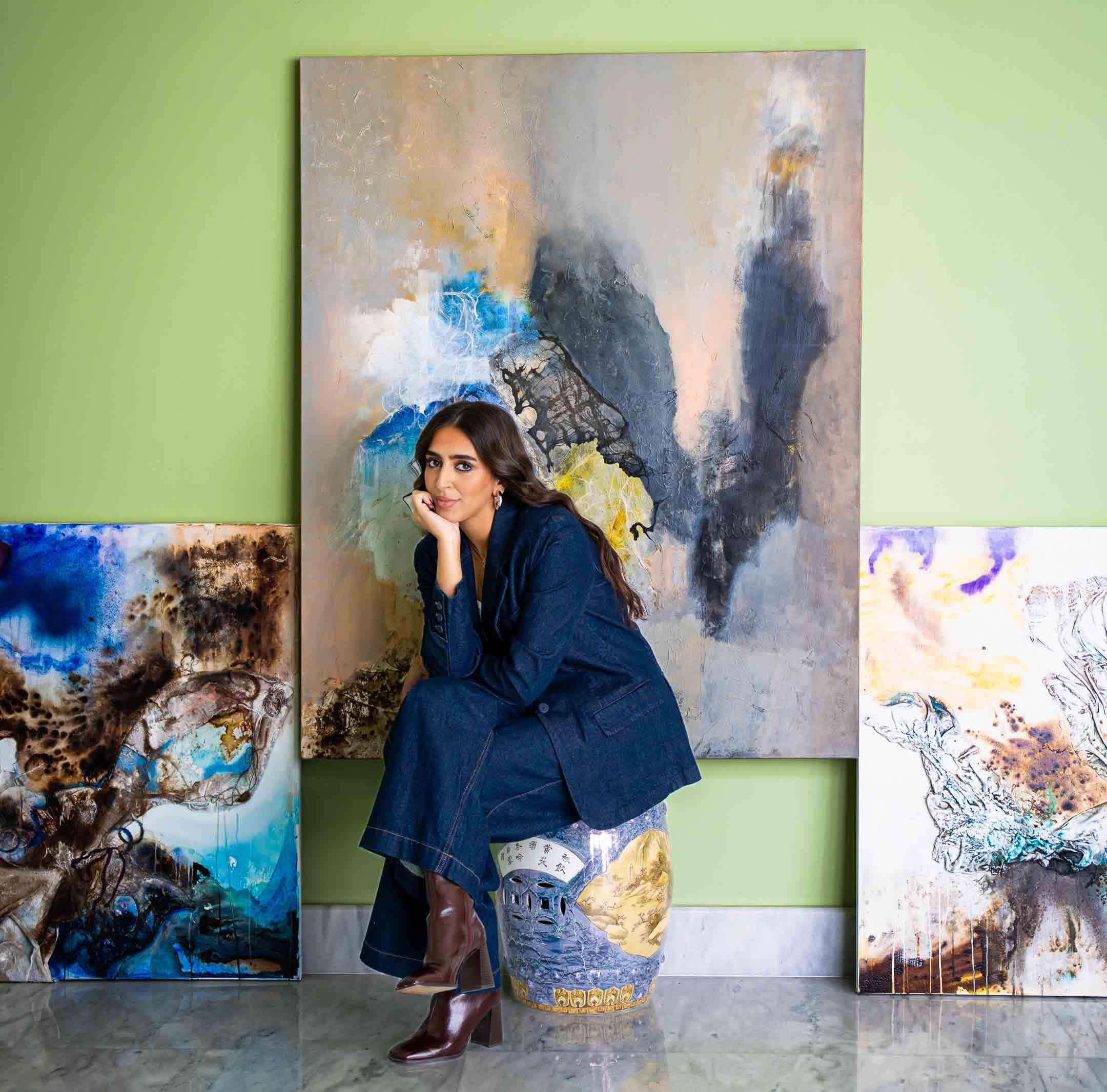
Painting, especially on a large scale. I find it the most expressive medium for me. There’s something physically immersive about it.
What role does experimentation play in your creative process?
Experimentation is key to my process. Some of my best pieces have come from experimenting, whether through different materials or mediums. There’s something exciting about taking risks without expecting a certain outcome.
Do you begin a piece with a clear idea or let it evolve naturally?
Each piece I create has a different approach, but it usually starts with a feeling or a broad concept rather than a clear idea. I let the work evolve and respond to it.
Is there a particular piece that feels especially meaningful to you?
Yes, there’s a project I worked on in 2017 that still feels very personal to me. It came after a fire broke out at my home, and many of our belongings were lost. Going through that experience made me think about how attached we are to the things we own and how much of ourselves we tie to them. The project became a way for me to process that loss and reflect on memory, absence, and what really stays with us when everything else is stripped away.
How do you deal with creative blocks?
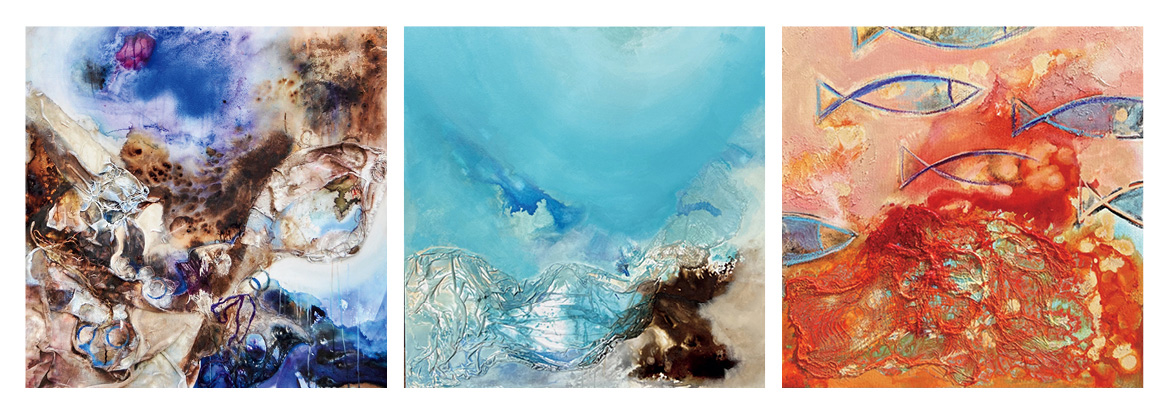
I believe creative blocks are stepping stones; you have to go through them to evolve. I try not to fight them. I sit with them and respond to my emotions. When I find myself in a creative block, I pick up a brush and try to create something without knowing where it will lead. This is what actually resulted in my most recent project, Still Surfacing.
What does “success” mean to you as an artist?
To keep making work that reflects who I am, without compromising my style, and to share it in ways that spark conversations.
How important is storytelling in your work?
Very important, although often it’s subtle. I like to leave room for viewers to come up with their own interpretations rather than presenting a fixed narrative.
Do cultural influences shape your artistic expression?
Yes, cultural influences naturally shape my artistic expression, even when they are not directly visible. Early on, I was inspired by Bahraini architecture and buildings, which led me to explore a variety of projects. More recently, I have been drawn to the sea and have created works inspired by pearl diving and fishing. Growing up around the water, many of my childhood memories are tied to fishing and boating with my family, so my work reflects both my cultural background and personal experiences.
What challenges have shaped you most as an artist?
Learning to trust my instinct and appreciate the process. Not everything has to be rushed or explained.
How does social media affect the way you share your art?
It’s a useful platform, but I try not to let it dictate my work. It’s also a great tool for connecting with other creatives.
How do you balance discipline and spontaneity in your work?
I use discipline to stay focused and organised, but I let spontaneity guide my creative choices so the work still feels natural and expressive.
What are you currently exploring creatively?
At the moment, I’m exploring other mediums, focusing on how materials and space can add another layer to the work. It’s a way for me to expand my practice while staying connected to the themes I’ve been working with.
What do you hope your art will say about you in the future?
I want my work to speak to who I am, whether through my experiences or my style, whilst also inviting others to see the world through my perspective.
Your message for us at CP Magazine.
Thank you for providing a platform for creatives to share their work and process. Platforms like yours are essential for meaningful creative dialogue.