

From Engineer to Brand Consultant, Crafting Real Impact through Clarity and Connection
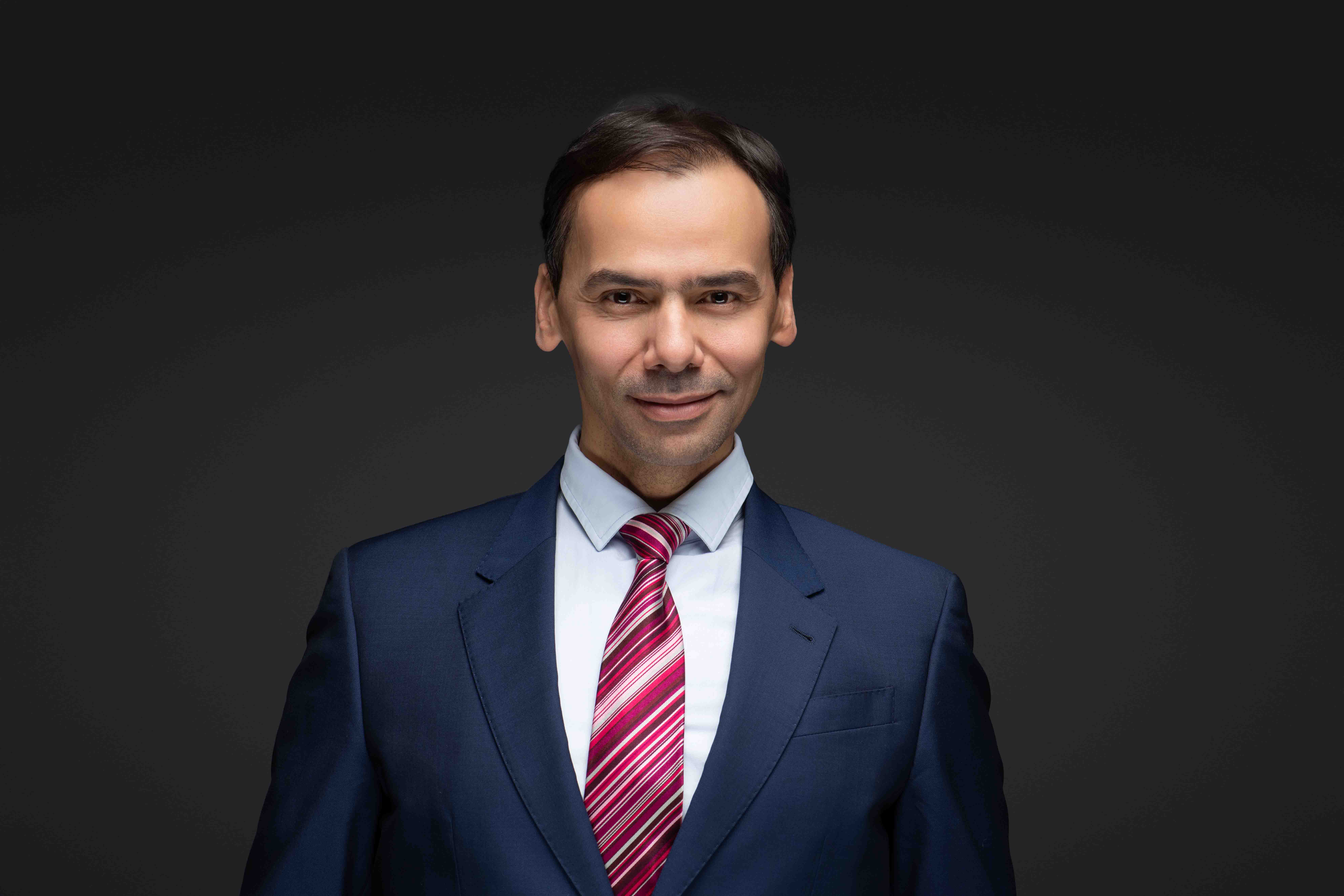
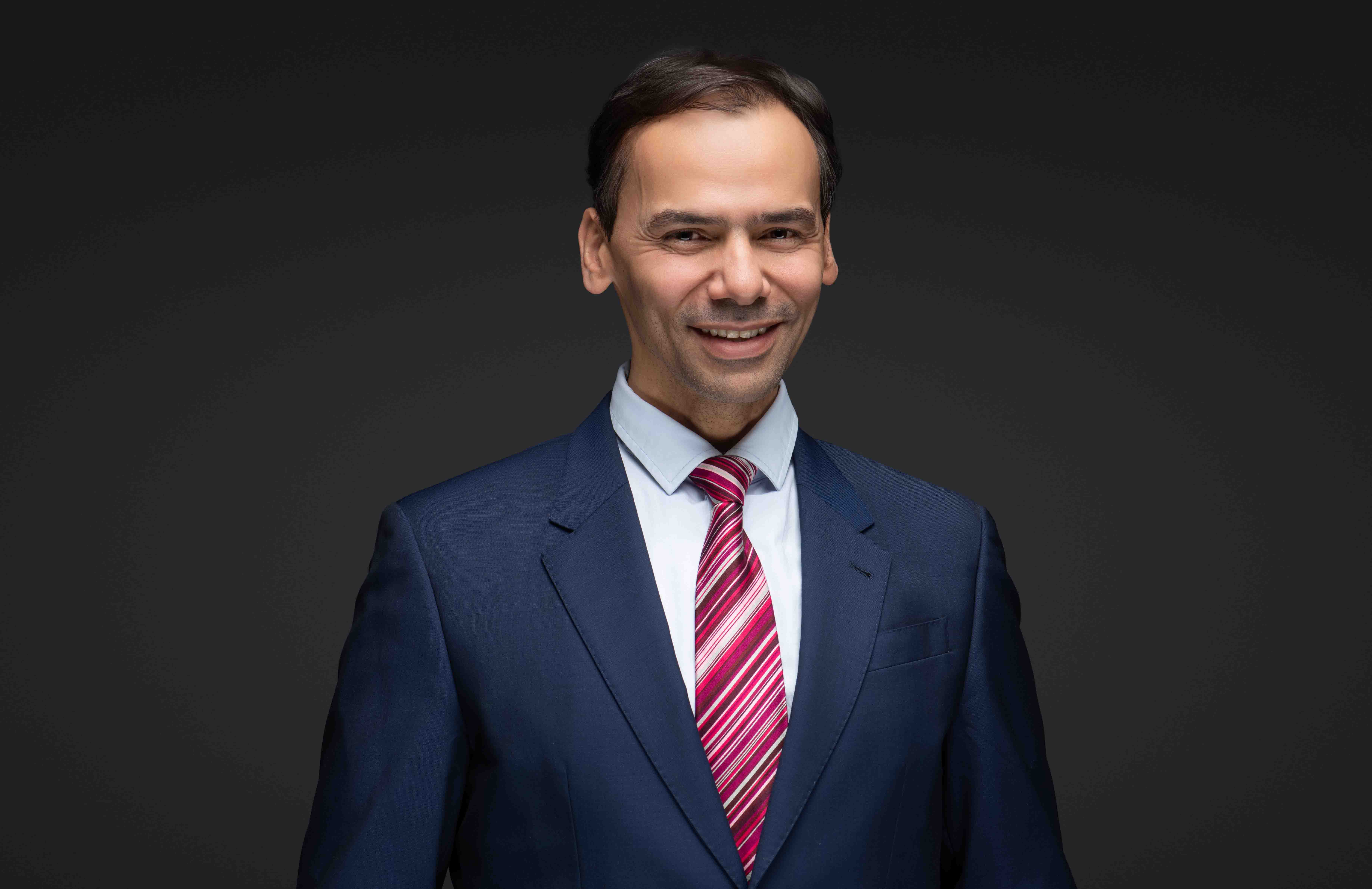
In a region rich with entrepreneurial ambition, few voices cut through the noise with the clarity and depth of Dr. Helal AlHelal. An engineer by training, a university lecturer by profession, and a strategic marketing consultant by passion, Dr. Helal has carved out a unique space at the intersection of logic, empathy, and brand storytelling. Based in Kuwait and serving clients across the GCC, he empowers service providers particularly solo entrepreneurs and freelancers to build brands that not only look compelling but truly work.
Through his consultancy, online presence, and the growing Zawya community he founded, Dr. Helal is known for distilling complex marketing ideas into practical, human strategies. With a gift for structured thinking and a heart for purpose-driven business, he challenges conventional branding tropes and champions authenticity.
In this insightful conversation, CP Magazine sits down with Dr. Helal to explore his journey, philosophies, and the principles behind brand-building that creates both meaning and income delivered with simplicity, intelligence, and lasting impact.
Hi, Please introduce yourself to our readers.
I’m a simple father and husband, and a strategic marketing consultant based in Kuwait with a background that might surprise you. I began my career as a civil engineer and earned my MBA along the way, before shifting entirely into marketing.
Today, I help service providers especially freelancers and solo entrepreneurs build brands that are not just beautiful, but profitable.
My core clients are women navigating new beginnings: single, or juggling careers and kids, trying to turn their skills into side hustles or full-time businesses. They often find me through Instagram, where I’ve built a community by sharing generous, practical marketing advice.
I’m also the founder of the Zawya community – a safe space for freelancers across the Gulf to connect, grow, and gain clarity. My work blends strategy, psychology, and storytelling, driven by one question: “How do we build something real that works?”
Whether I’m coaching, speaking, or writing, I always strive to simplify, humanise, and make marketing doable again.
Can you take us back to your childhood. What moments or experiences shaped who you are today?
Childhood was not simply a phase but a forge. Raised in Kuwait within a traditional Gulf household, the early years were marked by a quiet curiosity and a need to make sense of contradictions: discipline at home, chaos outside; expectation and silence in equal measure.
Books became companions before language became power.
A formative memory remains vivid: being gifted a pen far too expensive for a child, under one condition, never to write nonsense.
That moment instilled a sense that words, like tools, can build or destroy. This belief later shaped a career that sits between the scientific and the human, engineering and emotion.
Solitude in those early years bred reflection, while the longing for connection birthed a deep understanding of how people wish to be seen, heard, and understood. It is not surprising, then, that later work would revolve around decoding human behaviour and helping others craft identities they feel proud to present to the world.
What shaped today’s outlook was not a single grand event, but rather a collection of subtle lessons from a life spent listening to what is not always said aloud.
What inspired your transition from engineering into marketing consultancy?
Engineering offered structure, logic, and the comfort of precision. Yet, over time, it became clear that the world does not operate on numbers alone. Buildings might stand on calculations, but businesses stand or fall on perception, emotion, and trust. The transition was less a leap and more a gradual unveiling of where impact truly lies.
While working in project management, colleagues would seek advice not on concrete or deadlines, but on how to present ideas, convince stakeholders, or bring clarity to chaos. This repeated pattern revealed a strength better suited to communication than construction.
Marketing, particularly consultancy became the natural progression. It offered the opportunity to blend the engineer’s mind with the storyteller’s heart. The joy of solving human puzzles replaced the satisfaction of structural calculations. What began as informal advice evolved into a strategic practice, one that helps individuals articulate their worth and align their voice with their vision.
Rather than abandoning engineering, the principles of systems, sequencing, and precision now underpin every branding and marketing framework applied to client work. It is, in essence, engineering for the invisible.
How do you merge analytical engineering thinking with creative marketing strategies?
At first glance, engineering and marketing appear to belong to opposite worlds, one rooted in formulas, the other in feeling. In truth, their combination offers rare clarity. Analytical thinking ensures that strategies are not merely attractive but structurally sound. Creativity, when tethered to logic, becomes not indulgent but purposeful.
Every campaign, every personal brand, begins with a framework akin to a blueprint. Just as an engineer examines load, tolerance, and materials, the strategist explores audience readiness, brand strengths, and timing. Data replaces guesswork. Messaging follows sequence, not whim.
Visual identity, often treated as decoration, is guided instead by positioning and user psychology. Campaigns are plotted like construction plans one layer at a time, each building upon the next. This method transforms intuition into intention.
Clients benefit from marketing that is not only expressive but executable. The balance between left and right brain is not a compromise; it is a quiet advantage. Precision delivers trust, while beauty invites engagement. When both are honoured, marketing ceases to be noise and becomes architecture.
What was the turning point that led you to start your own consultancy business?
The path towards consultancy was not marked by fanfare, but by fatigue. After years of following predefined roles, there came a moment of quiet realisation: the most valuable contributions were not being made within boardrooms, but inside conversations, advising colleagues, reframing problems, and simplifying chaos.
The tipping point arrived when an informal Instagram post, shared without agenda, sparked more genuine engagement than months of formal presentations. It became clear that people were not seeking grand strategies, but clarity-spoken in their language, matched to their pace. A desire to build something of value, with freedom and focus, took root.
Rather than wait for validation from titles or institutions, the decision was made to offer what was already being given freely, structure, positioning, and practical marketing insight but now, under one’s own name and model.
It was not the ambition for a consultancy firm that sparked the leap, but the deeper yearning to be useful in a way that felt honest. To serve not from behind a desk, but from beside the client. This moment transformed a scattered journey into a deliberate calling.
Tell us about a childhood story that still influences your work ethic or philosophy today.
In primary school, a teacher once handed back an assignment with praise, then quietly added, “But you missed the instruction, read it again.” The mark remained high, but the remark lingered. It introduced a subtle lesson: excellence without alignment is incomplete.
That moment remains foundational to all professional work today. It taught that brilliance must be matched with attentiveness. Clients often possess talent, ideas, or ambition, but struggle to align these with the true demands of their market. Much like that early assignment, effort alone is not enough. Relevance matters.
This philosophy now underpins every consultation: helping individuals not simply do more, but do what matters. Whether guiding a freelancer through her first Instagram bio or a company through strategic rebranding, the lens remains the same does it align, does it serve, and is it understood?
The childhood memory is a quiet reminder that praise without purpose is hollow. One must return to the brief, to the message, to the “why” behind it all. That is where the real work and the real reward reside.
How do you define a brand that “works and generates income” as you put it?
A brand that “works” is not defined by aesthetics alone, nor by popularity, but by its ability to create trust and translate that trust into sustained income. It is a bridge between what one offers and what the market truly values. This type of brand does not simply attract attention, it converts it.
At its core, such a brand is built on clarity. It knows whom it serves, why it matters, and how to speak in a voice that resonates without performance or pretence. It functions as a system, not a stunt. Every visual, message, and service aligns towards one goal: helping the right person say “yes” with ease.
In practical terms, a working brand simplifies decision-making for the client. It removes friction, projects consistency, and builds quiet confidence. It does not chase trends, but honours its positioning.
The measure of success is not likes or applause, but repeat clients, referrals, and the ability to raise prices while maintaining demand. A brand that works becomes an asset, not an expense one that grows in value the more it is used with intention.
What are the biggest mistakes people make when building their brand?
The majority fall into the trap of building a brand that reflects personal taste rather than market relevance. Colours are chosen based on favourites, not on what the audience finds familiar or trustworthy. Language drifts towards complexity, driven by ego rather than empathy.
Another common misstep is beginning with visuals, like logo, colours, maybe fonts too, before strategy. Without defining the brand’s purpose, audience, and promise, even the most polished design remains hollow. A beautiful logo cannot compensate for a confused message.
Inconsistency also erodes trust. Switching fonts, tones, or promises too often confuses clients and weakens perception. A brand must feel like a reliable character recognisable in every interaction, whether on social media, via email, or in person.
Perhaps the most damaging error is trying to appeal to everyone. In attempting to please all, the brand becomes forgettable to most. Clarity requires courage: the willingness to be specific, to stand for something, and to risk being irrelevant to the wrong crowd in order to matter deeply to the right one.
True branding is not decoration; it is declaration.
Can you walk us through your process when working with a new client?
Every collaboration begins not with strategy, but with silence – an invitation to listen.
The goal is not to impress, but to understand: Who is this person? What brought them here? And beneath the surface, what are they truly seeking?
Rather than offering immediate solutions, the process begins with questions guided reflection. A diagnostic framework is used to uncover gaps in mindset, positioning, audience clarity, and service structure. Only once the personal and professional realities are understood does strategy begin.
This is followed by mapping out the client’s goals using the Hammel | Zawya Canvas – a 15-block visual tool designed to translate big dreams into realistic steps. From there, a roadmap is created: one that includes content systems, pricing models, brand voice, and seasonal offers.
Implementation is paced deliberately. Templates, automation tools, and scripts are introduced gradually, avoiding overwhelm. The aim is not short-term motivation, but long-term sustainability.
Throughout, the client is treated not as a follower but as a builder. Someone reclaiming their independence through structured thought and consistent action. The work is personal, precise, and positioned for growth that feels like their own.
What’s one marketing myth you wish more people would stop believing?
One persistent myth is the idea that success comes from “being everywhere”. Posting daily, showing up constantly, speaking louder than others. This myth exhausts people, especially freelancers and service providers who already juggle personal burdens and financial strain.
Visibility is important, yes but only when it is aligned. Presence without positioning is noise. A brand is not strengthened by volume; it is strengthened by consistency and resonance.
Instead of focusing on quantity, focus on building what can be found even when you are offline: a clear offer, a trustworthy profile, a body of content that answers your audience’s real questions. Let your digital presence be a lighthouse, not a blinking neon sign.
The myth that hustle alone leads to income has caused burnout and broken confidence. What works is strategic calm: showing up where it matters, with messages that stick, and services that solve real pain points.
Marketing is not a race; it’s a rhythm. And when that rhythm matches both your energy and your audience’s needs, growth becomes not only possible, but sustainable.
How did your upbringing in the Gulf region shape your approach to business and branding?
Growing up in the Gulf meant living within a paradox: tradition and transformation side by side.
The marketplace wasn’t just a physical space, it was a theatre of reputation, rhythm, and relational depth. One learned quickly that business was never just transactional; it was personal, tribal, emotional.
This taught that a brand is not a label, but a legacy. It must carry a name with honour, echo values through behaviour, and build trust over time not just through marketing, but through memory.
The Gulf’s pace, though fast, still honours patience.
Clients here do not buy from speed alone; they buy from familiarity, stories, and sincerity. As such, the branding approach that emerged is rooted in respect for the culture, for the language, and for the layered nature of decision-making.
It also shaped a multilingual sensitivity. A message that works in London must be softened for Sharjah. Colours that resonate in New York may jar in Jeddah. Strategy without cultural fluency is dangerous; branding in the Gulf must not just fit, it must feel right.
What’s one personal value that’s non-negotiable in your professional life?
The magic word: “Integrity.”
Not the performative kind that’s written in mission statements, but the quieter kind felt in decisions made when no one is watching.
It manifests in not overselling, not copying, and not compromising clarity just to win favour.
There is a deep commitment to never position a client where they don’t belong, no matter how profitable the offer. The work is built on alignment between who they are, what they do, and how they show up. Anything that disrupts that is gently declined.
Integrity also means speaking the truth when it’s uncomfortable.
Sometimes that’s telling a client their visual identity is beautiful but misaligned. Sometimes it’s recommending they pause marketing until they resolve operational gaps.
These conversations are not always easy, but they are always necessary.
In a space flooded with noise, shortcuts, and superficial growth hacks, holding to integrity is the anchor. It preserves trust, protects one’s peace, and builds a business that can be carried with dignity not just across campaigns, but across decades.
How do you stay sharp and updated in such a fast evolving marketing landscape?
The key is not to chase every new tool, but to observe the patterns behind them. Technologies change; human needs do not.
Curiosity becomes the compass. Time is carved out weekly for deep listening, whether through niche podcasts, industry newsletters, or client conversations. Often, the most revealing insights come not from experts, but from real-world frustrations expressed by freelancers in the Gulf.
Learning happens in short, strategic bursts. A single idea well understood is more valuable than five trends superficially consumed. Each month, a new topic is explored in depth, not to become trendy, but to remain useful.
The Zawya community also plays a vital role. Guiding others creates a loop of reflection, forcing ideas to be clarified, questioned, and adapted to the region’s unique realities.
Staying sharp is not about speed; it’s about focus. What matters is staying relevant to the people served not being the loudest, but the clearest.
What’s the most rewarding project you’ve worked on and why?
The most rewarding project wasn’t the largest or most public. It was a quiet collaboration with a single mother in her forties, recently divorced, raising two children, and struggling to find meaning and money after leaving a decade-long job.
She came in with only questions, not a business. Through weeks of structured reflection and guided coaching, her story was reframed not as failure, but as fuel. A freelancing path was carved from her strengths in organisation and empathy. Her service was named, priced, and packaged. A plan was drawn not just for income, but for dignity.
Six months later, she messaged to say she’d paid her first loan instalment alone, without help. That message meant more than any corporate cheque.
The reward wasn’t just in her transformation, but in witnessing what happens when someone sees themselves again not as broken, but as building.
This project is revisited often not to relive it, but to remember why this work matters. Beneath strategy lies humanity. And sometimes, helping someone restore belief in their voice is the greatest result a brand can deliver.
How do you measure success in your consultancy work?
Success is measured not in virality, but in vitality. Not in how loud a client becomes, but in how aligned they feel. The clearest sign of success is when a client no longer depends on hand-holding when they start saying, “I now know what to do, and why I’m doing it.”
It’s not always about immediate financial return. Sometimes success is a freelancer who finally dares to raise her price. Or a coach who posts his first video after months of self-doubt. Other times, it’s the shift in language: from “I think” to “I know.”
Progress is also tracked through structure. Did the client gain a replicable process? A clearer offer? A roadmap that allows them to plan without panic?
Referrals are telling too. When a client sends someone else, not out of obligation, but out of gratitude that’s legacy, not just loyalty.
Success here is quiet but deep. It’s not in the applause. It’s in the eyes of someone who finally sees themselves as capable again.
What’s one skill that every entrepreneur in the GCC region should master?
Emotional clarity. Before strategy, before tools, before marketing funnels, what’s needed is inner alignment. The ability to pause and ask: Why am I doing this? Who am I trying to impress? Am I building this business out of passion, or pressure?
The Gulf region, rich in tradition yet flooded with trends, often creates a confusing backdrop for entrepreneurs. It’s easy to compare, to copy, to lose one’s voice in the noise. That’s why emotional clarity becomes a survival skill.
With it, decisions become intentional. The entrepreneur stops chasing what’s popular and starts building what’s personal. Services become anchored. Communication sharpens. Burnout fades.
This clarity also builds resilience. When setbacks happen and they will, clarity reminds them that the journey is not failure, but refinement.
Mastering platforms is useful. But mastering the self? That’s essential.
The market changes, but the internal compass must stay intact. And for entrepreneurs in the GCC, where identity, family, and ambition constantly intersect clarity is not a luxury. It’s the foundation.
What motivated you to make your book freely available to the public?
The decision came not from strategy, but from service.
Many in the Gulf, especially single women/mothers starting over, unemployed, or simply stuck, couldn’t afford mentorship. Yet they had wisdom, resilience, and ideas worth nurturing. The book was written for them.
Making it free wasn’t a sacrifice; it was a statement. Knowledge shouldn’t be locked behind paywalls, especially when it can shift someone’s trajectory. In a region where access can be unequal, generosity becomes a quiet form of justice.
There was also a deeper belief: what’s given with intention returns in unexpected ways. And it did through invitations, clients, partnerships. Not immediately, but steadily. The book opened doors not because it sold, but because it served.
The joy came in messages like, “This helped me see myself again,” or, “I thought I was alone.” That’s a form of ROI no metric can measure.
In a world chasing scale, the focus here was impact. And sometimes, the most powerful marketing is simply showing up with sincerity no gatekeeping, no gimmicks, just guidance.
How do you approach training differently from traditional corporate workshops?
Most corporate workshops are built around content. These sessions are built around context. Instead of delivering pre-packaged slides, time is spent understanding who’s in the room, what they carry, what they hide, and what they hope to build.
The method blends coaching with content. Participants aren’t just taught; they are seen. They are guided through structured reflection, practical tools, and real-life case studies drawn from the region not generic Western examples.
Each session feels more like a conversation than a classroom. And each takeaway is designed to be applied immediately not someday, not after a certification, but today.
The emotional layer is never ignored. In fact, it’s honoured. Burnout, imposter syndrome, fear of visibility, these are addressed alongside branding and pricing. Because no strategy works if the human behind it is stuck.
Visual tools like the Hammel Canvas are used to simplify complexity. Language is adapted to the audience, be it engineers, coaches, or freelancers. And most importantly, dignity is preserved. No participant is ever made to feel less than for not knowing.
In short, the training is not about information, it’s about transformation.
What are some books that have significantly influenced your thinking, whether in marketing, business, or life in general?
Books weren’t just sources of information, they were lifelines. The Decision Book by Krogerus and Tschäppeler offered frameworks that brought clarity during chaos. Simple, visual, and deeply human. It’s now a staple in my training.
Start with Why by Simon Sinek challenged the way purpose is viewed not as a slogan, but as a compass. In a region where many build businesses to survive, not to self-express, this book opened up a new language for leadership.
For strategy and grounded marketing, Building a StoryBrand by Donald Miller reframed communication. It reminded me that clients don’t want heroes, they want guides.
But beyond business, The Prophet by Khalil Gibran taught the subtle power of poetic wisdom. And Man’s Search for Meaning by Viktor Frankl remains a haunting reminder that purpose isn’t found, it’s forged through pain.
From Arab classics to Western strategy manuals, the thread was always the same: understand people first. Whether in branding or healing, marketing or mentoring the book that shapes the soul always shapes the work.
If you had to start your entire career over, what would you do differently?
The steps wouldn’t change, but the speed might. Less rushing. More observing. The pressure to “arrive” early robbed many moments of presence.
There would be a stronger boundary between giving and over-giving. The early years were spent proving worth through exhaustion saying yes to everyone, absorbing every expectation, and calling it ambition. It wasn’t.
Starting over, clarity would come before movement. Instead of collecting tools, the focus would be on collecting truths. Who am I trying to help? What am I truly good at? And what cost am I willing to pay?
Also, mentorship would be sought earlier. Not just business mentors, but emotional mirrors – people who hold up the truth when ego or fear clouds the path.
The title wouldn’t be rushed. The brand wouldn’t be built around aesthetics, but around utility.
And perhaps most importantly, there would be more celebration along the way. Not just for big wins, but for surviving, restarting, and choosing integrity in moments when it felt invisible.
The path would still be winding but it would be walked with softer steps.
What are some of your other hobbies?
There’s a quiet pleasure in things that don’t demand to be monetised, walking in shaded gardens, writing longhand with a fountain pen, browsing antique bookshops in London. These are more than hobbies; they are grounding rituals.
Collecting watches and rare pens isn’t about status, it’s about story. Each one carries memory, intention, a silent reward for surviving another chapter. They’re companions in solitude.
Travel is another form of therapy. Not the fast kind, but the intentional kind where walking through unfamiliar streets becomes a form of rediscovery.
Reading, always. But in fragments – sometimes poetry, sometimes psychology, sometimes a Japanese philosophy book half read and half understood, but somehow soothing.
And lately, podcasting. Not as a performance, but as a space to think aloud, to connect, to give voice to questions that have no clean answers.
These hobbies aren’t escapes. They are returns to the self, to silence, and to what truly matters beneath the noise.
What message for us at CP magazine
Thank you for holding space for stories that don’t always fit into neat boxes.
In a world obsessed with scale, speed, and spectacle, platforms like CP Magazine become rare sanctuaries where thoughtfulness is still allowed, where nuance is welcomed, and where voices from this region can speak in their own tone.
The Gulf is rich not just in resources, but in complexity. Behind every consultant, creative, or coach is a backstory woven with cultural expectations, quiet battles, and untold resilience.
Your work doesn’t just showcase individuals, it dignifies the journeys behind the titles.
Let this platform continue to honour depth over trend, roots over noise, and stories that challenge as much as they inspire.
And may every reader remember: the best brands, like the best lives, are built slowly through clarity, service, and the courage to begin again.
From the heart: thank you.