
“Building a Future Where Innovation Serves Humanity”
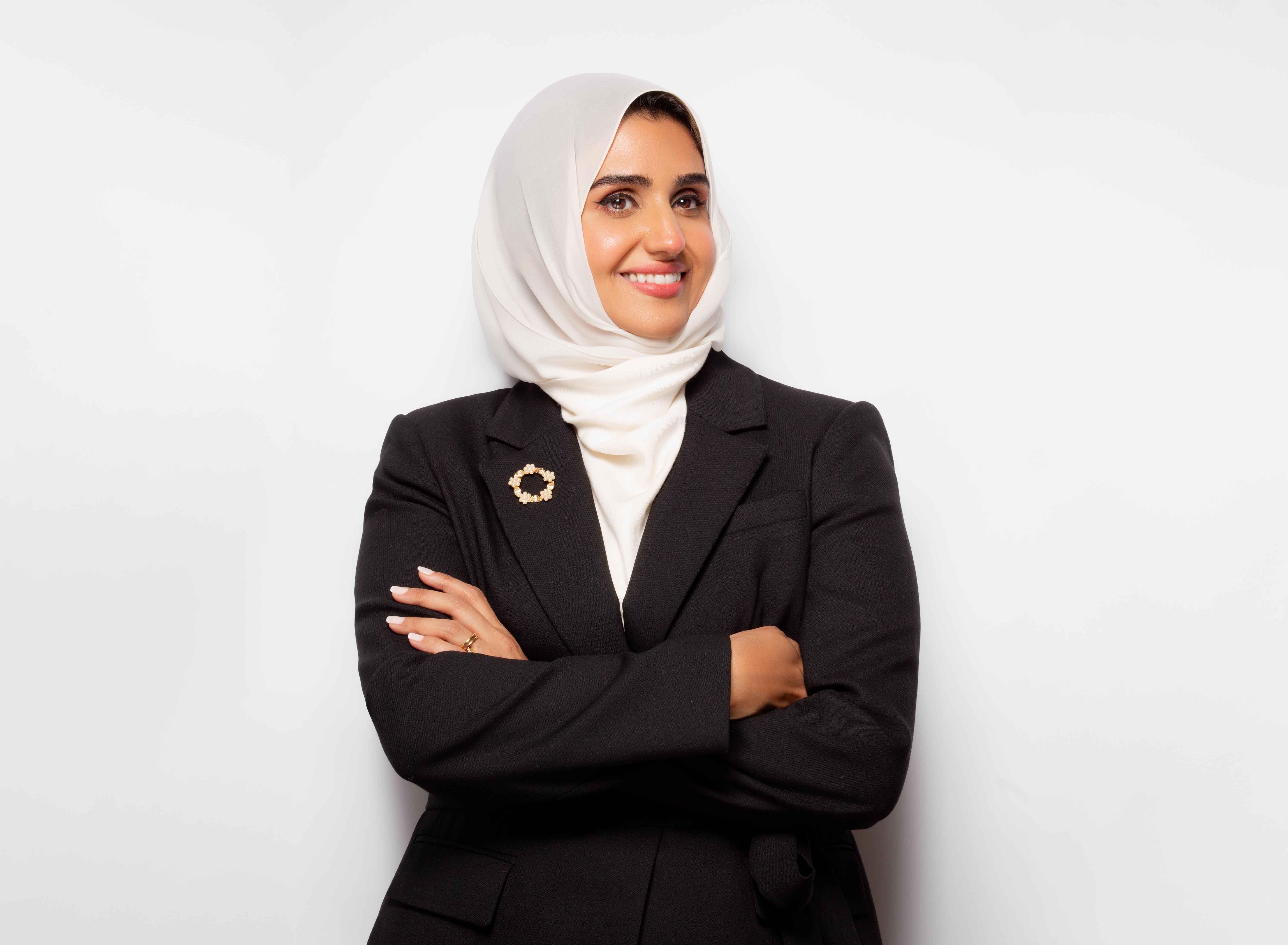
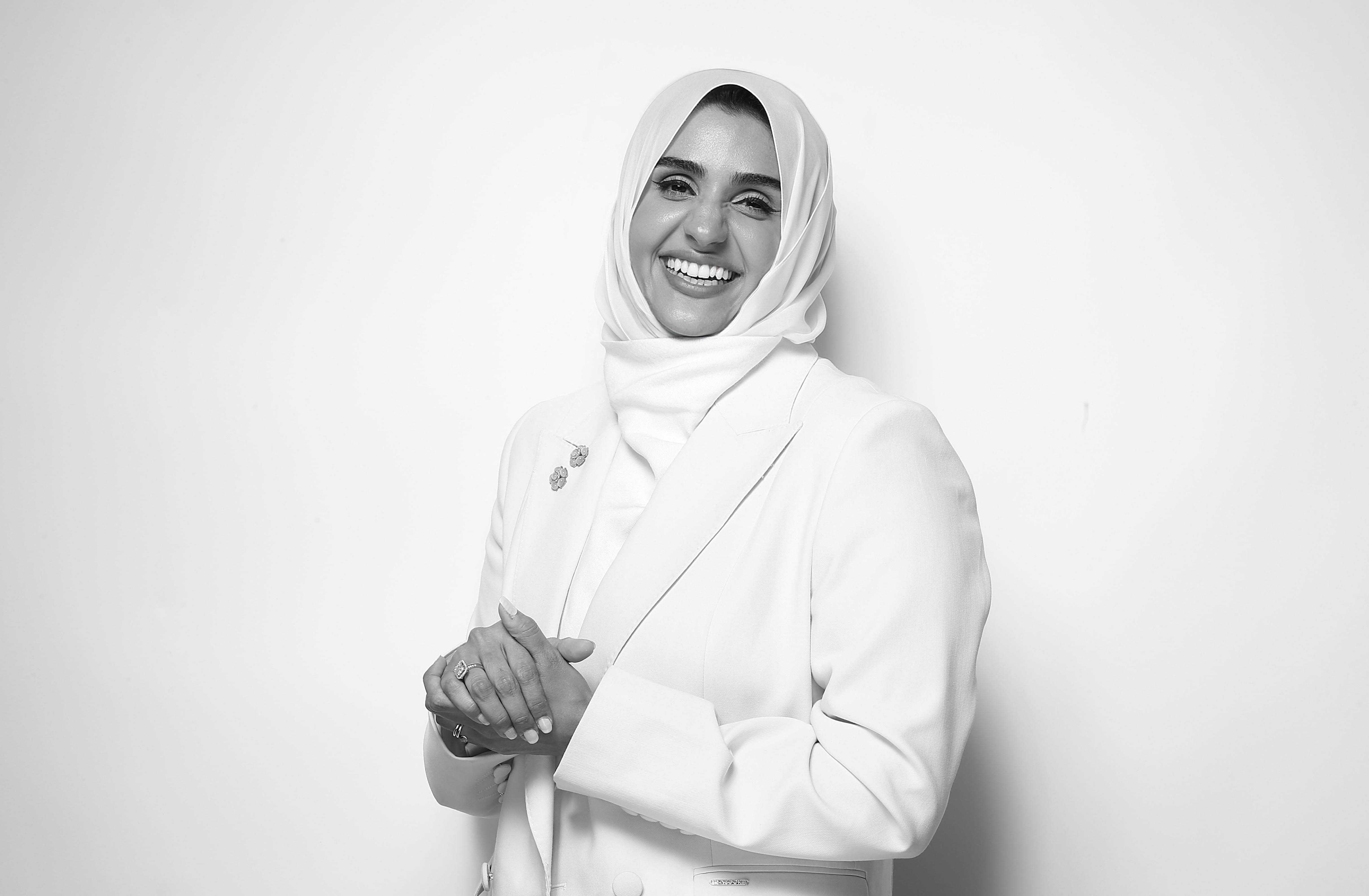
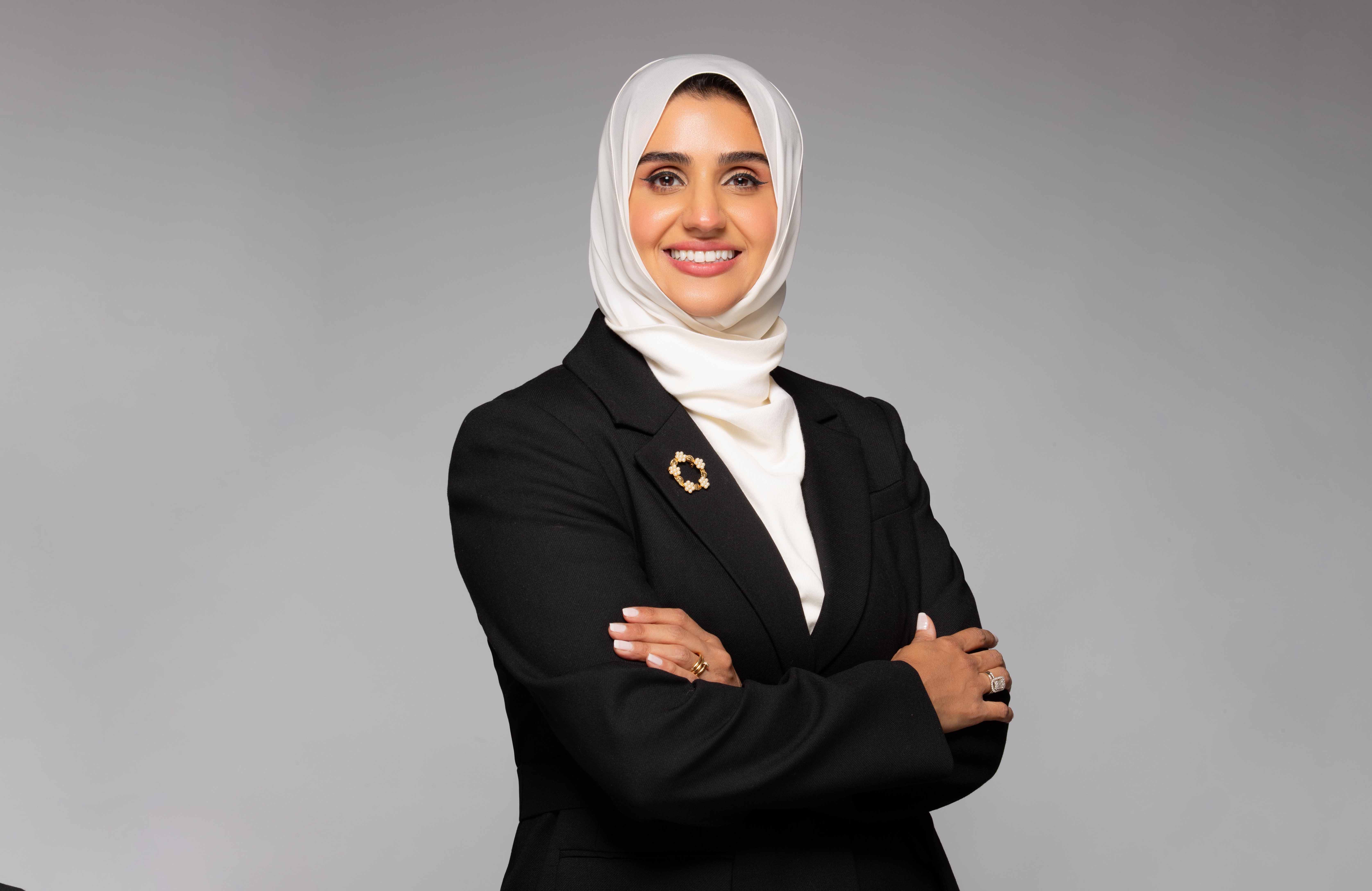
In a world where technology is rewriting the rules of progress, few voices speak with the clarity and conviction of Dr. Hanan Al-Sharah. An academic, entrepreneur, and strategic consultant, she stands at the forefront of a new generation of leaders reshaping how the Middle East approaches innovation. As Founder and CEO of INNOTECH Business Technological Consultation, Dr. Hanan has become a driving force in guiding organisations, start-ups, and policymakers to harness the transformative power of artificial intelligence for sustainable growth.
Currently a doctoral researcher at Essex Business School, University of Essex, her work explores how AI can fuel entrepreneurship and design inclusive, future-ready ecosystems across the MENA and GCC regions. She combines rigorous scholarship with hands-on experience, bridging the gap between theory and practice in ways that make technology both accessible and purposeful.
Beyond her research and consulting, Dr. Hanan’s influence extends to education, youth empowerment, and community leadership. Her mission is to ensure that innovation serves humanity not the other way around. In this exclusive conversation with CP Magazine, she reflects on her journey, the ethical and practical dimensions of AI, and how Kuwait and the wider region can build resilient, tech-driven economies that balance progress with purpose.
Could you tell us a little about your background and upbringing in Kuwait?
I was born and raised in Kuwait in a family that deeply valued knowledge and service. My father, a professor at Kuwait University, has always been my role model. His dedication to teaching and research shaped my view of education as a lifelong mission. My mother instilled in us from a very young age the importance of knowledge not just as personal power, but as something to share and spread to others. That combination of intellectual rigour and a sense of responsibility to give back has guided every step of my journey.
What inspired you to pursue a career that bridges both technology and business?
I’ve always believed that technology without strategy is underutilised, and business without innovation is unsustainable. The intersection of the two is where transformation happens. Seeing how digital solutions could empower entrepreneurs, improve public systems, and even save lives inspired me to build a career where I could merge technological innovation with business vision.
When did your fascination with artificial intelligence first begin?
My fascination with AI began during my academic journey in the UK, when I realised how intelligent systems could bridge gaps across industries, from healthcare to entrepreneurship. What began as curiosity grew into conviction when I saw how AI could empower small businesses, women entrepreneurs, and policymakers in the MENA region to unlock growth and inclusivity.
How would you describe your professional journey so far, in just three words?
Resilient. Transformative. Impactful.
Who have been the biggest influences or mentors in your academic and professional life?
Without question, my parents. My father’s career as a professor at Kuwait University showed me what it means to dedicate your life to teaching, research, and mentoring the next generation. My mother taught me that knowledge is never meant to be hoarded; it is meant to be shared, taught, and used to uplift others. Their example gave me both the vision and the values that I continue to carry into my academic, entrepreneurial, and community work.
What motivated you to launch your consulting firm, InnoTech, alongside your academic path?
InnoTech was born from a simple but powerful observation: too many organisations struggle to keep pace with the speed of technological change. I wanted to create a bridge to help businesses, start-ups, and governments not just adopt technology, but use it to design sustainable futures.
How do you balance your many roles – researcher, entrepreneur, teacher, and community leader?
For me, balance doesn’t mean dividing time equally; it means creating harmony. My academic work feeds into my entrepreneurial ventures, my consulting informs my teaching, and my community roles keep me human and empathetic. It’s a cycle of learning and giving back.
Outside of your professional work, what hobbies or interests keep you grounded?
I find balance through activities that challenge both mind and body. I enjoy fencing, which sharpens discipline and focus, and playing chess, which strengthens strategic thinking. Most importantly, I always support my children in what they love. Being present in their passions keeps me grounded, inspired, and constantly reminded of the joy of learning and growth.
What first drew you to the intersection of entrepreneurship and artificial intelligence, and how has that focus evolved over time?
At first, I was curious about how AI could optimise business processes. But as I went deeper, I realised AI isn’t just about efficiency, it’s about empowerment. It can give small businesses the tools once reserved for multinationals, and it can level the playing field for women and youth in entrepreneurship. Today, my focus has evolved to designing AI-ready ecosystems that make innovation accessible and inclusive.
As a doctoral researcher, what is the core question your PhD is tackling, and why does it matter to founders right now?
My PhD asks: how can entrepreneurs integrate AI effectively to not only grow their ventures but also contribute to national innovation ecosystems? This matters because founders today face both opportunity and risk. AI can accelerate growth, but only if integrated thoughtfully, ethically, and sustainably.
Where do you see AI adding immediate, practical value for SMEs in Kuwait and the wider GCC, and where is the hype still ahead of reality?
AI adds immediate value in customer service, predictive analytics, and operational efficiency areas where SMEs can quickly see cost savings and improved decision-making. The hype, however, lies in thinking AI can replace human creativity, trust, or leadership. Those remain uniquely human domains.
You’ve served in leadership roles with robotics competitions in Kuwait, what have you learned about inspiring young people to pursue STEM?
I’ve learned that young people don’t lack curiosity, they lack platforms. When you give them challenges like robotics competitions, you see brilliance unfold. My role is to ignite belief: that a child in Kuwait can create solutions with global impact.
In your view, what are the most realistic pathways for Kuwait to lead in the Fourth Industrial Revolution, and how can public–private partnerships accelerate this?
Kuwait can lead by building AI-powered entrepreneurial ecosystems that nurture both local talent and global partnerships. Public–private collaborations are the catalyst. Government provides vision and infrastructure, while businesses bring agility and innovation. Together, they can turn national visions into reality.
What’s your advice to founders who want to use generative AI without eroding their brand’s originality and voice?
Use AI as an amplifier, not a replacement. Let it handle repetitive tasks, but keep your human voice at the centre. Authenticity is the currency of trust. AI can polish, but your originality must always lead.
You often speak on national TV and at community programmes, what topic do audiences most misunderstand about AI, and how do you reframe it?
Many believe AI is a threat or that it will replace humans. I reframe it by showing that AI is a tool, not a destiny. The question isn’t “Will AI take our jobs?” but rather “How will we redesign jobs, industries, and education around AI to unlock human potential?”
For students deciding between academia and start-ups, what criteria should guide whether to pursue research, a venture, or a hybrid path?
I tell students to ask: where can you create the most impact today, and what path will prepare you for the future you want? Academia builds depth; start-ups build agility. A hybrid often gives you both. The right choice is the one aligned with both your passion and your long-term vision.
You often emphasise resilience and consistency, how do you personally sustain momentum and avoid burnout across research, teaching, and consulting?
I sustain momentum by anchoring my work in purpose. Whenever I feel overwhelmed, I remind myself why I started: to empower others, to create ecosystems, to inspire change. And resilience, for me, isn’t about never falling, it’s about rising each time stronger and wiser.
Finally, your message for us at CP Magazine.
My message is one of deep gratitude and vision. In a time of disruption, we need platforms like CP Magazine that amplify voices shaping the future. I was recently honoured at the International Peace Conclave 2025 & London Awards of Excellence, hosted at the House of Lords, UK Parliament, by the United Nations Global Peace Council. This distinction, granted for my contributions to women’s empowerment, leadership, and social development, is not just a personal milestone, it is a reflection of Kuwait’s values and its commitment to progress on the international stage.
I am profoundly grateful for every opportunity, challenge, and recognition along this journey. They remind me that the future is not something we wait for; it is something we build together with resilience, collaboration, and hope.