
“Exploring justice, awareness, and the power of knowledge.”
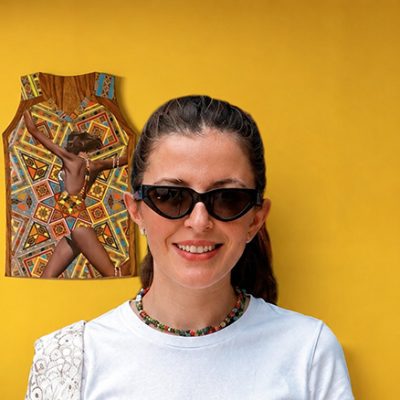
Since beginning her legal career in 2018, Lawyer Hayat Ossama Al-Mahdeii has become a prominent voice in Kuwait’s legal community. With a focus on women’s and children’s rights and the growing challenges of cybercrime, she believes that protecting families – the nucleus of society while addressing digital threats is essential for a secure future.
Beyond her legal practice, she serves as an arbitrator at the Arbitration Centre of the Bar Association, is a certified trainer in arbitration, and an active member of the Women’s Committee. Her dedication extends outside the courtroom through her podcast Litawtheeh, where she uniquely combines law and psychology to promote awareness of rights, duties, and well-being in an accessible way.
Passionate about simplifying complex laws and bringing clarity to everyday life, Hayat represents a new generation of lawyers who combine expertise with social responsibility.
CP Magazine is pleased to feature her journey, an inspiring blend of knowledge, justice, and empowerment.

Please introduce yourself to our readers.
I’m lawyer Hayat Ossama Almahdeii from Kuwait. I have been working in the field of law since 2018. Currently, I present a podcast (Litawtheeh) and I am also a member of the Women’s Committee. I serve as an arbitrator at the Arbitration Centre of the Bar Association and I am a certified trainer in arbitration.
What inspired you to choose law as a career?
Firstly, I noticed that no one in my family, from either side, had a law degree, so I became the first-generation legal expert in my family. Later, I realised that by choosing a legal career, I was also protecting myself and my family.
Which areas of Kuwaiti law do you find yourself returning to most often, and why do they matter right now?
I often return to women’s and children’s law, as well as cybercrime law, because they reflect the daily challenges in Kuwaiti society. The family is the nucleus of society, and its protection is necessary. Cybercrimes, on the other hand, are a new reality that requires awareness and continuous monitoring to protect individuals and their rights.

In your view, what is the single most misunderstood aspect of the Kuwaiti legal system among the public?
The most misunderstood aspect is the litigation process. Many believe that the law is designed to complicate or restrict people. In reality, the law aims to protect rights and regulate relationships. Many people only encounter the law when they face a problem, which is why they often see it negatively. But if we look at it as a tool to organise life and protect both the individual and society, we will find that it is closer to us than we imagine.
What part of your job brings you the most satisfaction?
It is the moral fulfilment I feel when I see justice restored, the voice of truth heard, and justice prevailing.
What is the biggest challenge you face as a lawyer in Kuwait?
The biggest challenge is finding the balance between written laws and people’s everyday reality. Sometimes laws are clear in text, but their application or understanding by society requires awareness and patience to ensure that rights are effectively respected.

How do you explain complicated legal matters to clients in simple terms?
I strive to simplify legal issues by using examples from everyday life and linking the law to situations familiar to the client. I explain step by step in clear language, focusing on what matters directly to them. This way, clients feel understood and reassured, without unnecessary complexity or legal jargon.
Financial crime is constantly evolving. What practical safeguards should ordinary people in Kuwait adopt to avoid being entangled in money-laundering schemes?
People should be transparent in their financial dealings, verify sources of funds before making any investment, and avoid suspicious offers. They should also seek legal advice when needed. These measures ensure personal protection and maintain the integrity of the financial system in Kuwait.
How has technology like AI, e-filing, and digital evidence changed your day-to-day work, and what changes are still needed?
Technology has dramatically changed my daily work, especially with the use of artificial intelligence, electronic deposit systems, and digital evidence. Access to information is now faster, procedures are more efficient, and documentation is more accurate. However, there is still a need to develop integrated systems that connect all parties, enhance data protection, and provide continuous training for lawyers to use these tools effectively.
What do clients most often get wrong in their first consultation, and how can they prepare better?
The most common mistakes are not preparing important documents and information, expecting an immediate solution without understanding legal procedures, and not asking all their questions clearly. To prepare better, clients should collect all documents related to the case, write down their questions in advance, and set realistic expectations of what a lawyer can provide during the first consultation.
Do you feel social media helps people understand the law better?
Yes, social media can help people better understand the law if used responsibly. However, it is essential to ensure that information is accurate and to avoid misinterpretations that may cause confusion.

Tell us about your podcast لتوضيح (Litawtheeh). How did the idea come about?
Litawtheeh is a psychological and legal podcast. The idea came after I read several books on mental health, human development, and awareness. I wanted to connect what I learnt with practical reality in the legal field, in order to create a generation that is both psychologically and legally aware. I also wanted a platform that would explain rights and duties in a simple, accessible way, with contributions from expert guests to enrich the discussion.
Which podcast episode has been the most memorable for you so far?
Every episode is unforgettable to me, as I present each one with passion and love. But if I had to choose, I would say the first episode with Dr. Nevin, because it was the first time I saw my idea realised and implemented.
What are your other hobbies?
I enjoy exercising, playing the piano as best I can, reading, watching educational podcasts, and spending quiet time at the beach to relax.
If you weren’t a lawyer, what other profession could you see yourself doing?
If I weren’t a lawyer, I would imagine myself working in mental health or counselling, or perhaps as a sports coach. I have a passion for understanding human behaviour and supporting others in achieving self-awareness and psychological well-being, while also caring for their physical health.
Legal work can be emotionally demanding. What routines or mindsets help you maintain resilience without becoming detached?
I maintain flexibility by exercising regularly, sometimes running, attending sound-healing sessions, spending quiet time at the beach, reading and listening to educational podcasts, and taking time to meditate and recharge. These habits help me cope with the pressures of legal work, though sometimes solitude itself is necessary.
What’s one piece of advice you live by and would like to pass on to our readers?
Believe in yourself and be yourself. Don’t try to imitate anyone else. When you are honest with yourself, you feel more at peace and more connected and influential with others.
Your message for us at CP Magazine.
My message to readers is to always strive for self-awareness and legal knowledge. Link your understanding of rights and duties with your psychological and social development. Knowledge and awareness are the true tools of power in our daily lives.