

Berlin isn’t just a city; it’s a mood that shifts with the light. Edgy yet elegant, layered with history and restless creativity, it’s a place where grand monuments, contemporary culture and everyday life blur into something unmistakably alive. As spring returns, the German capital reveals itself at its most inviting, made for long walks, late museum hours and the quiet thrill of discovery around every corner. So pack your bags, book a flight to Berlin, and let the city do the rest.
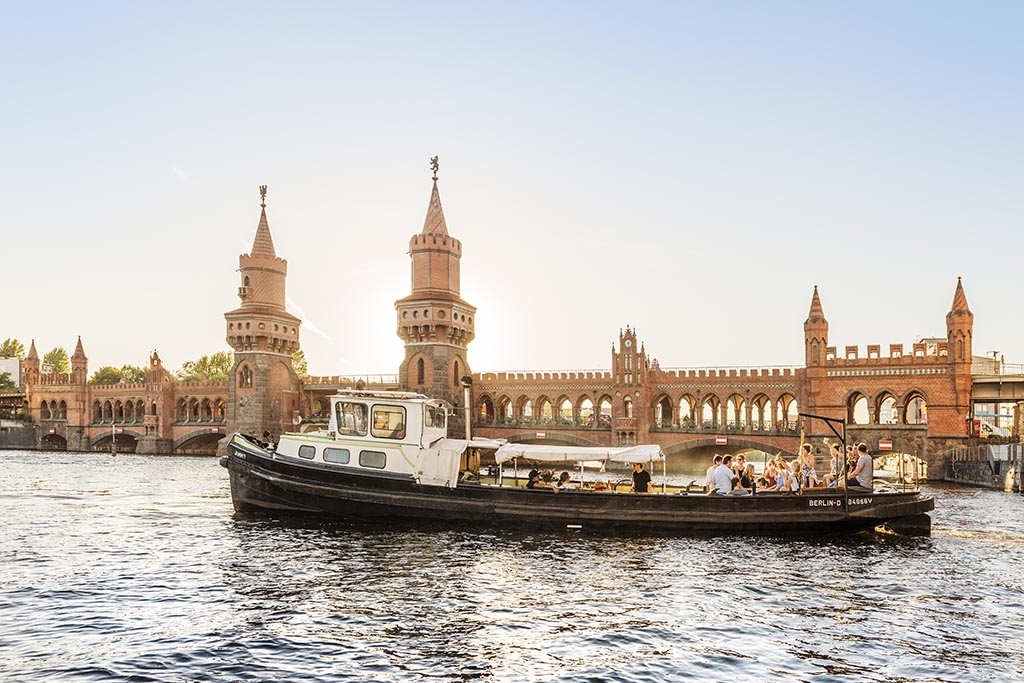
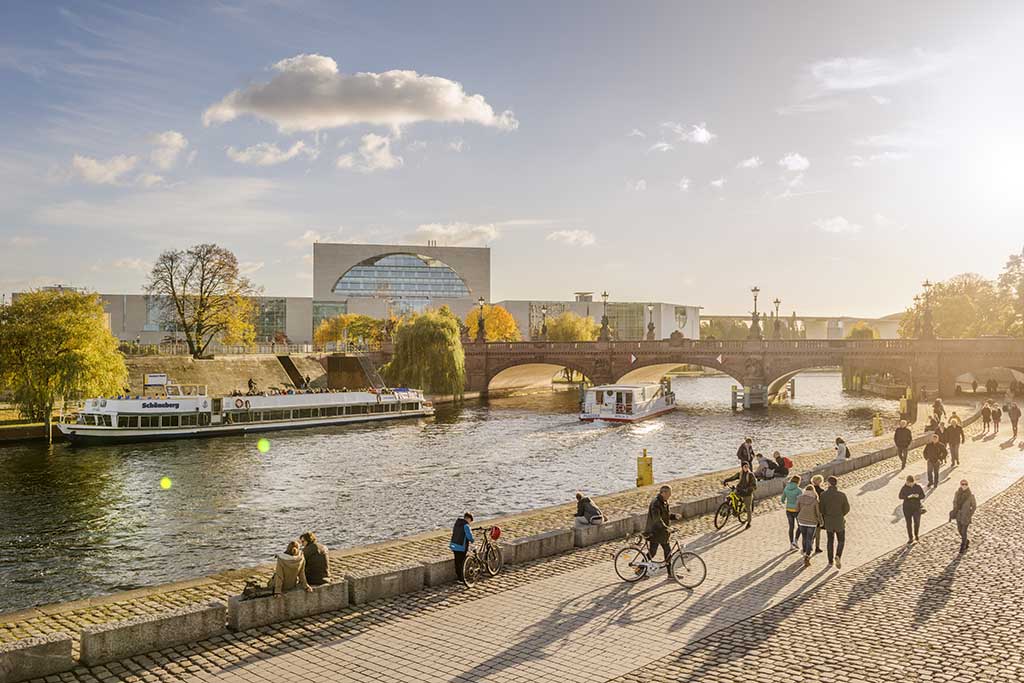
Spring arrives in Berlin with a particular kind of clarity: the light feels sharper, the air less burdened, and the city’s famously layered history seems momentarily softened by blossom and warmth. It is a season that suits Berlin well. Parks and avenues begin to turn pale green, cherry trees spill colour across neighbourhood streets, and terraces along the Spree slowly fill with a mix of locals and visitors rediscovering the pleasure of lingering outdoors. Easter, in particular, brings a gentle rhythm to the capital, a pause that invites exploration at walking pace, between cultural discovery and unhurried café stops.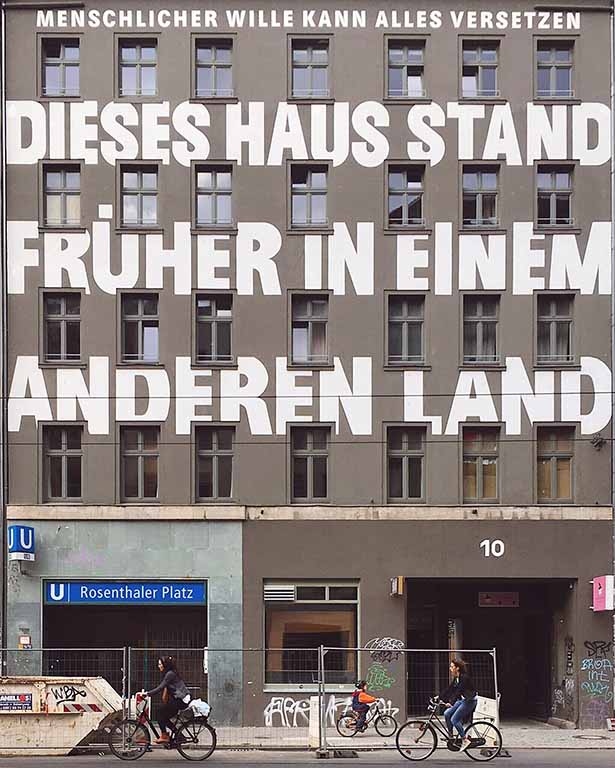
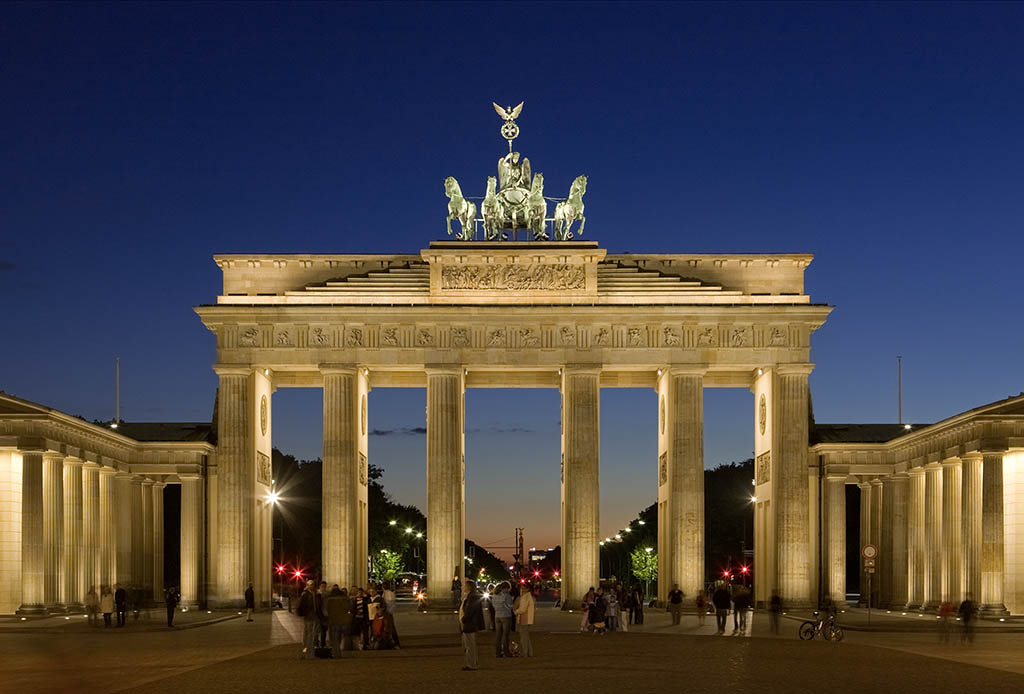
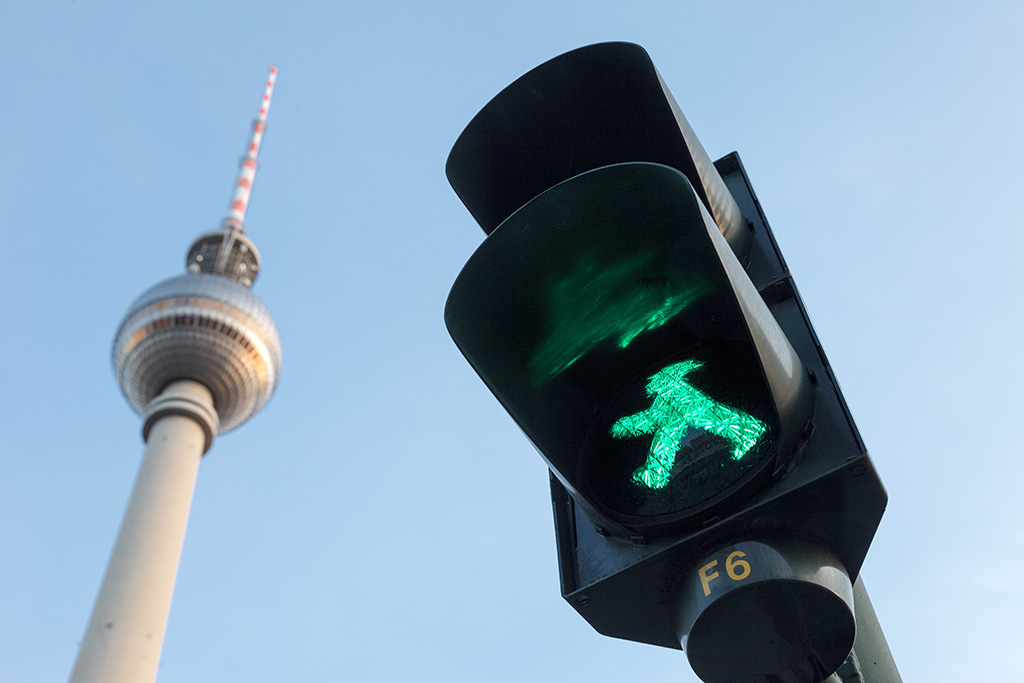
To understand Berlin in spring is to move between eras and atmospheres almost instinctively. Begin at the Reichstag, where the glass dome offers one of the city’s most striking perspectives, both outward, across government buildings and the Spree, and inward, towards the symbolic heart of modern Germany. From there, a short walk leads to the Brandenburg Gate, still the city’s defining emblem, its neoclassical symmetry opening onto Pariser Platz and the grand sweep of Unter den Linden. Not far away, the Berlin TV Tower rises above Alexanderplatz, a reminder of the city’s divided past and ever-evolving present, offering a 360-degree panorama that feels particularly vivid on a clear spring day.
On Museum Island, a UNESCO World Heritage Site, the city’s intellectual and artistic ambitions unfold across centuries, from antiquity to 19th-century painting, while just across the river, the Humboldt Forum continues this dialogue between past and present within the reconstructed Berlin Palace. Further west, Schloss Charlottenburg offers a quieter counterpoint its Rococo interiors and expansive gardens recalling a more ceremonial Berlin, framed by the slow return of seasonal colour. Along Bernauer Straße, the Berlin Wall Memorial grounds the journey in memory, its preserved fragments and watchtower providing a stark, necessary pause in any understanding of the city.
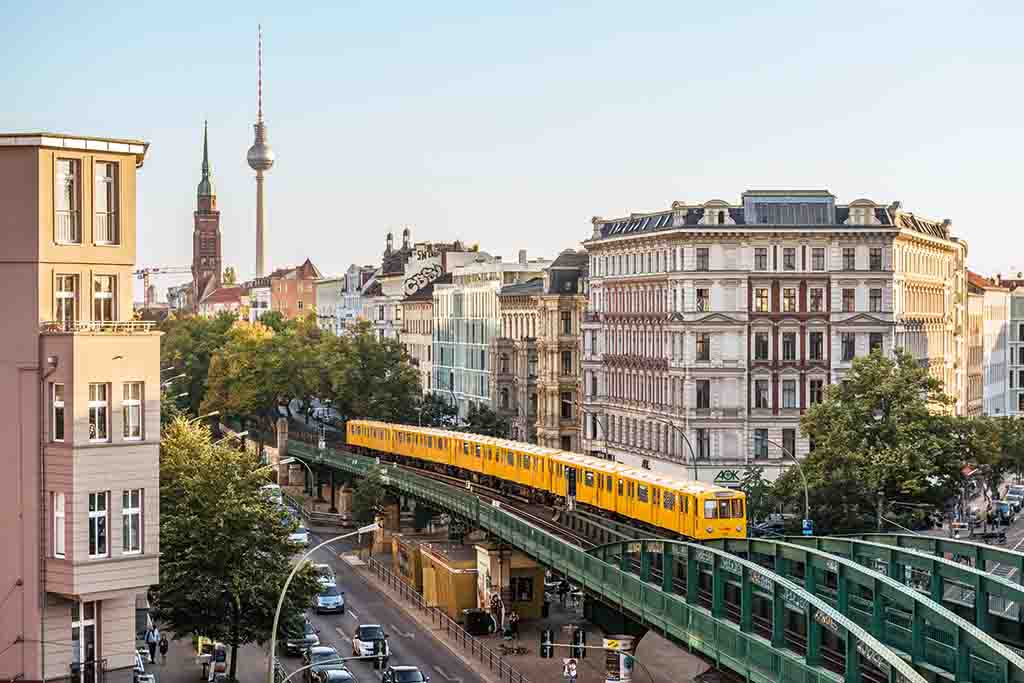
Yet spring in Berlin is not only about monuments and reflection. It is also a season of movement and open air. Cyclists return to the city’s extensive routes along former railway lines, canals and stretches of the old Wall, while kayaks drift through waterways under initiatives such as GreenKayak, where the act of paddling becomes quietly environmental. Street art tours reveal the city as an ever-changing canvas, from the East Side Gallery to hidden courtyards layered with murals, stickers and political expression. Everywhere, from Charlottenburg to Kreuzberg, there is a sense that Berlin is best experienced outdoors, in motion, as it slowly reclaims its open-air life after winter.
Inside Berlin’s Most Creative Neighbourhoods
Berlin’s creative pulse is perhaps best felt along the remnants of its past, nowhere more poignantly than at the East Side Gallery. This open-air stretch of the former Wall has been transformed into a living canvas, where more than a kilometre of murals narrate stories of division, freedom and reinvention. Iconic works, such as the painted embrace between Leonid Brezhnev and Erich Honecker, sit alongside bold contemporary interventions, capturing Berlin’s enduring dialogue between history and modernity. It is a place where art does not simply decorate the city; it defines it.
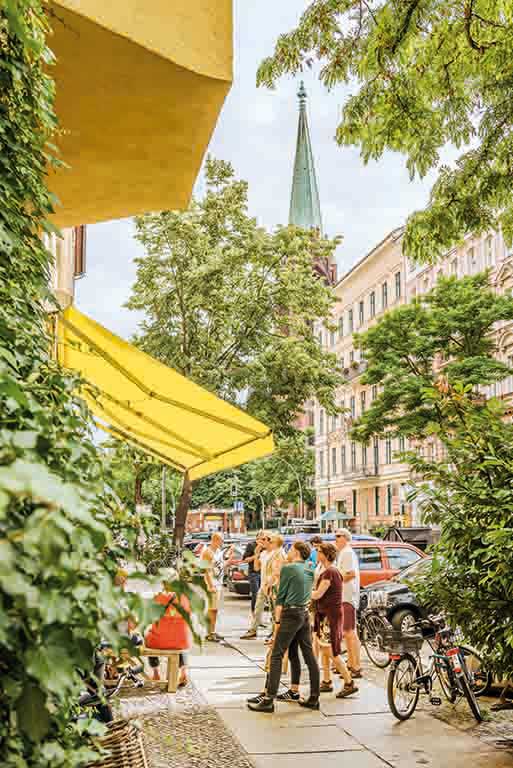
Beyond this symbolic spine, neighbourhoods such as Kreuzberg and Friedrichshain embody the capital’s ever-evolving creative identity. In Kreuzberg, independent galleries, vinyl shops and effortlessly cool cafés sit alongside the bustling Markthalle Neun, where local flavours meet global influences. Friedrichshain, by contrast, channels a more industrial edge, with former warehouses reimagined as cultural hubs and experimental spaces, anchored by the legendary Berghain, now a global institution in electronic music. For a softer, more refined take on Berlin life, Prenzlauer Berg offers leafy streets, independent bookshops and sunlit cafés, with weekends unfolding at Mauerpark, where flea markets, live music and open-air karaoke lend the neighbourhood its quietly magnetic charm.
Street Markets and the Pulse of Everyday Berlin
Berlin’s markets are less a weekend diversion than a way of life, open-air extensions of the city’s famously unpolished living rooms, where locals linger as much for conversation as for commerce. In neighbourhoods like Neukölln, the weekly market along the Maybachufer unfurls with a distinctly cosmopolitan rhythm: Turkish traders call out over piles of olives and spices, bolts of fabric ripple in the breeze, and Berliners drift between stalls as if browsing a well-loved wardrobe. For a more consciously curated edit, Boxhagener Platz in Friedrichshain leans into organic produce and slow living, while Hackescher Markt blends handmade jewellery and fashion with street-ready bites, an intersection of craft and culture that feels quintessentially Mitte. The Kollwitzplatz Ökomarkt, meanwhile, offers a lesson in terroir: farmers from Brandenburg arrive late enough to ensure that what you buy was likely harvested that very morning.
Yet Berlin’s true charm lies in its more unruly corners, where the line between treasure and trinket is deliciously blurred. The flea market by Mauerpark is gloriously chaotic, where private sellers rather than polished dealers lay out vinyl records, mismatched crockery, bicycles and the occasional improbable relic, less antiques fair, more neighbourhood attic emptied onto the pavement. There is a certain thrill in the hunt here, best followed by a coffee or ice cream at one of the surrounding cafés while watching the theatre of local life unfold. Equally atmospheric is the market at Rathaus Schöneberg, where rows of canvas-topped stalls form corridors of curiosity; arrive early and you will beat both the crowds and the most seasoned bargain hunters.
And then, of course, there is the food, arguably Berlin’s most democratic pleasure. In Kreuzberg, street food has evolved from quick sustenance into a defining cultural export, where global flavours meet regional ingredients with effortless ease. Pilgrims queue patiently at Mustafa’s Gemüse Kebap for what many insist is the city’s finest döner, while just steps away Curry 36 continues to serve its iconic currywurst with near-religious devotion. My advice? Come hungry, carry cash, and allow time to wander without purpose because in Berlin, the best finds are rarely the ones you came looking for.
Making Berlin Easier: Two Travel Essentials
If there is a practical tip that can transform a first visit to Berlin, it is the Berlin WelcomeCard. More than a transport ticket, it provides a simple framework for moving across the city, linking neighbourhoods and sights with a quiet efficiency that allows Berlin to unfold at its own pace.
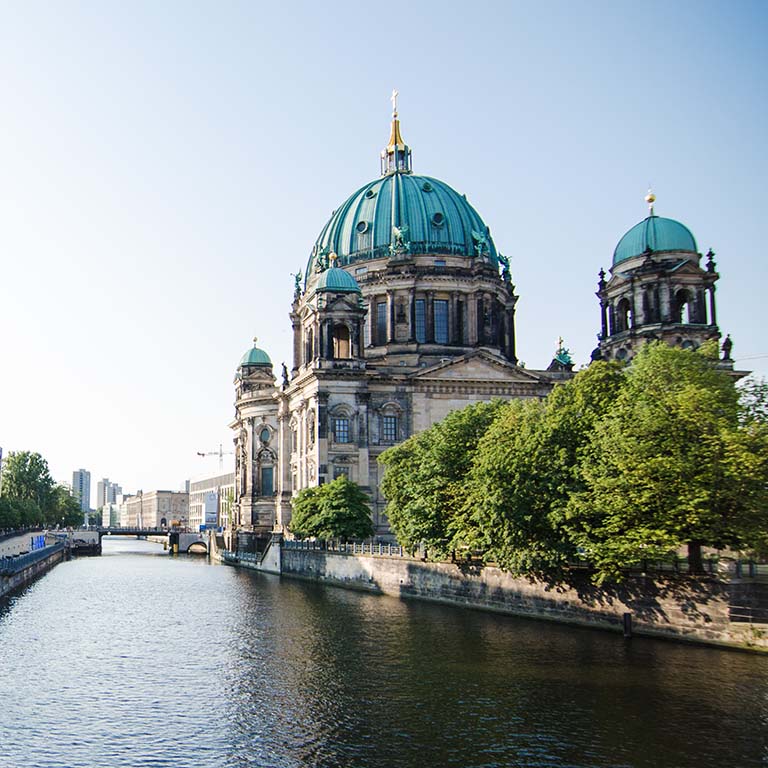
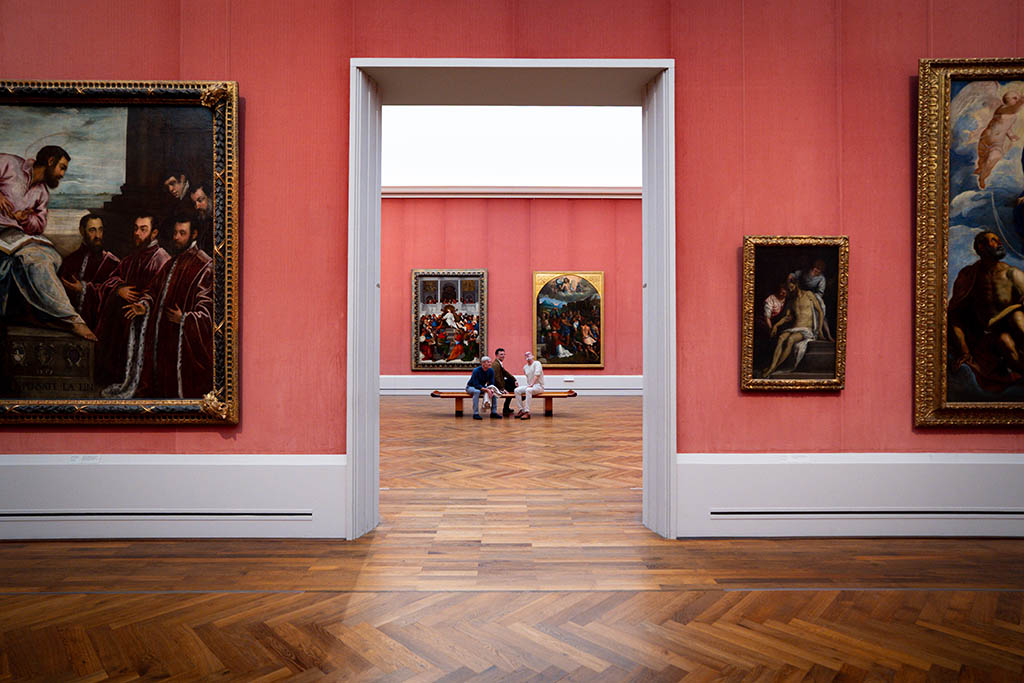
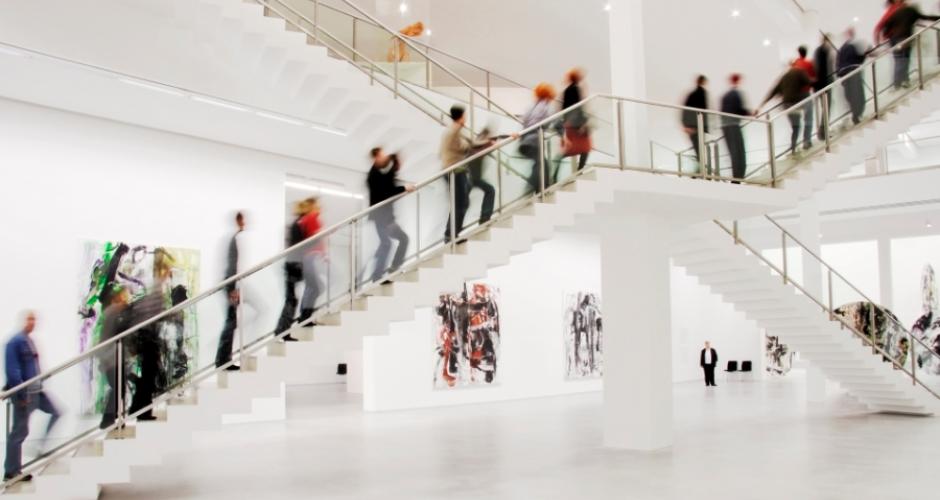
The 3-day Berlin Museum Pass grants access to more than 30 museums over consecutive days, offering a concentrated journey through the city’s cultural landscape. From six millennia of archaeological history and European masterpieces to design, science and interactive collections, it brings together some of Berlin’s most significant institutions in a single gesture. Highlights include Museum Island, home to the Old Museum, New Museum, Old National Gallery and Bode Museum, alongside the Pergamonmuseum. Das Panorama, PETRI Berlin and the Bauhaus Archive. Beyond the island, it also covers key sites such as the Berlinische Galerie, the German Historical Museum, the Gemäldegalerie, the Jewish Museum Berlin, the Museum of Natural History and the Neue Nationalgalerie.