
Painting the invisible emotions that shape the human experience.
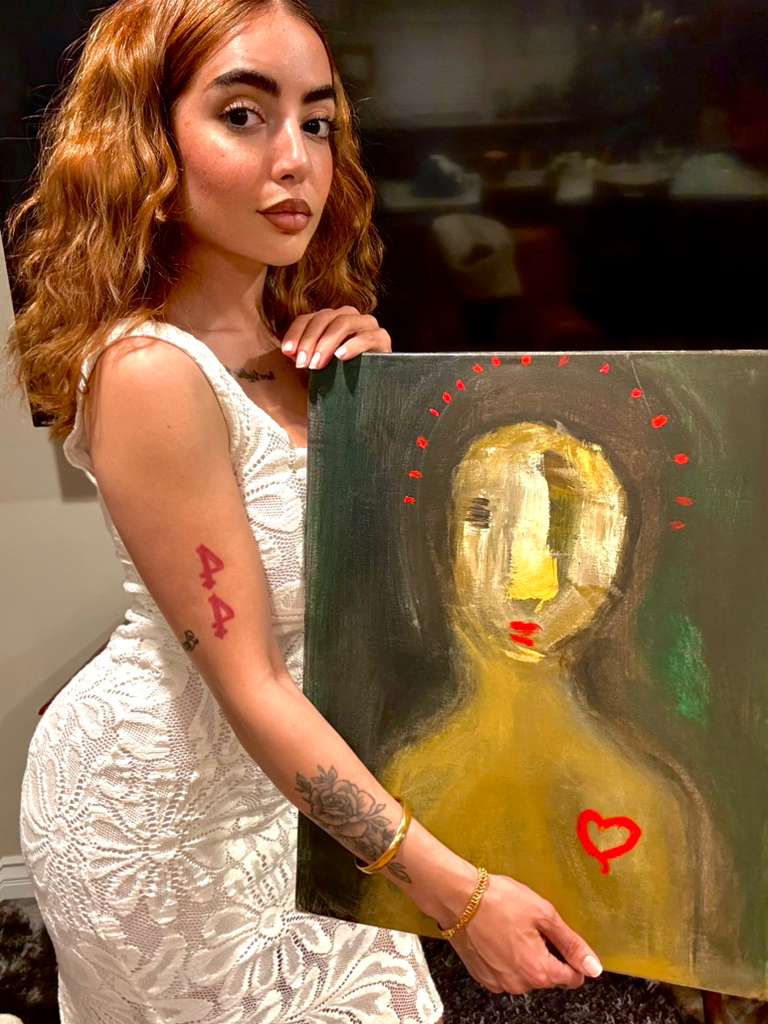
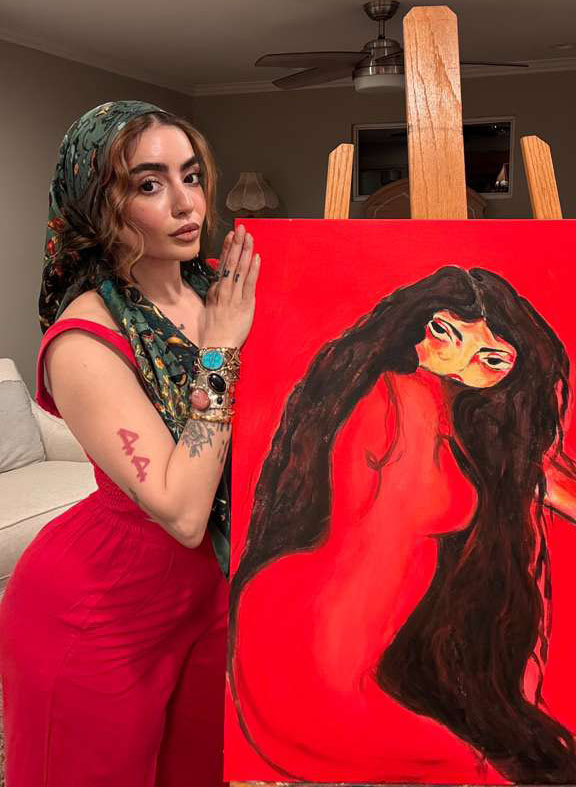
In the contemporary art world, few figures embody such a compelling blend of intellect, discipline and creativity as Sherehan Khalid Ibdah. A practising attorney with a Master’s degree in Law, a specialist in intellectual property, a professional athlete and an accomplished contemporary artist, she brings a rare multidimensional perspective to everything she creates. Her artistic practice is rooted in the exploration of the psychological and emotional architecture of human experience, examining the silent inner landscapes that often remain hidden beneath the surface of identity.
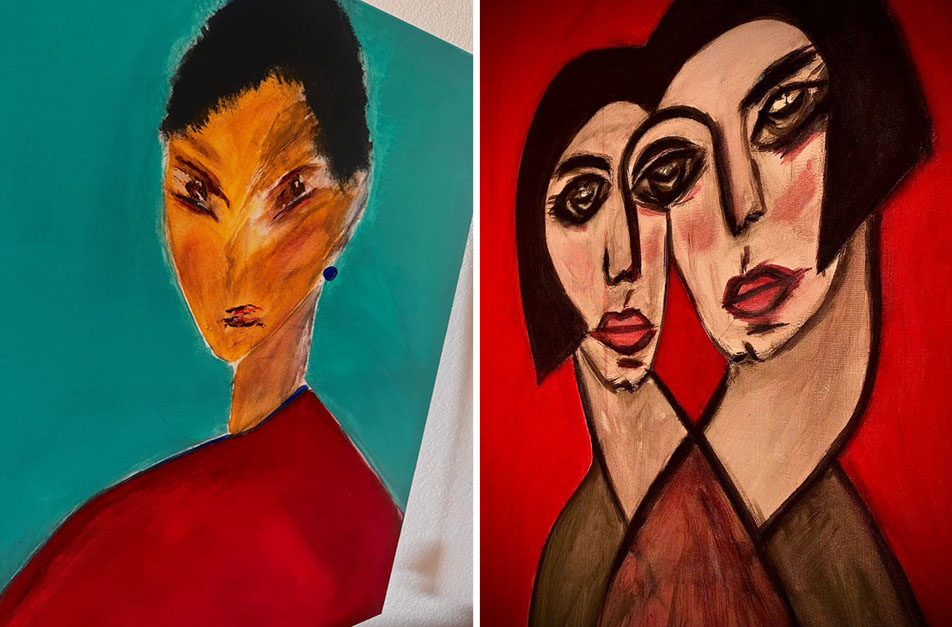
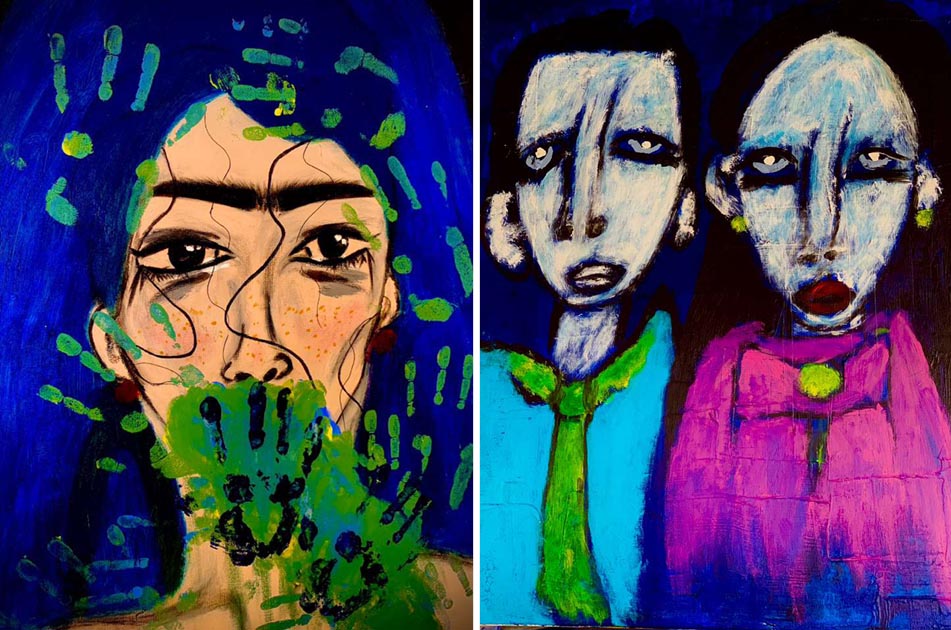
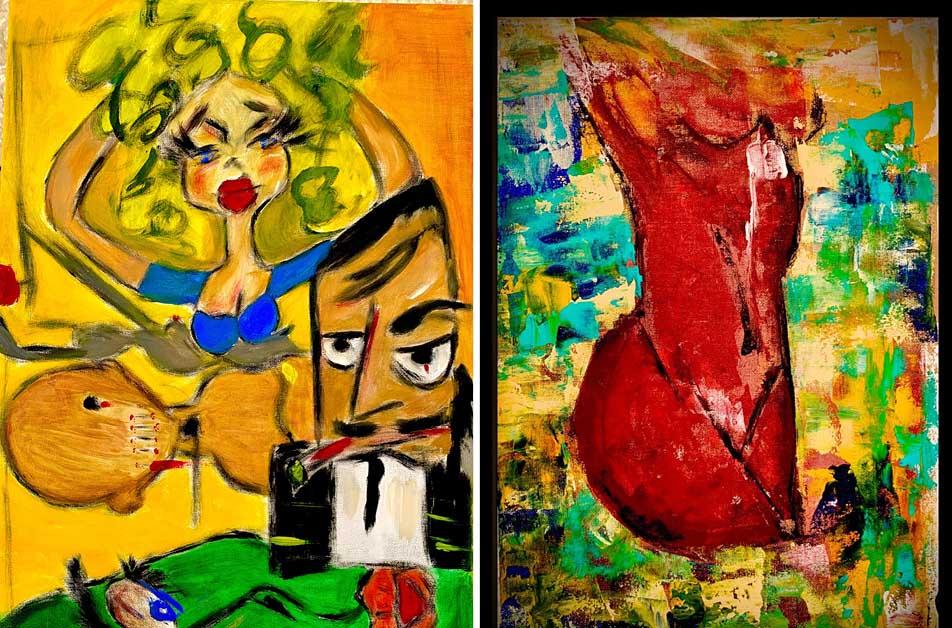
Through fragmented forms, symbolic imagery and expressive colour, Sherehan’s work moves beyond outward appearances to capture the emotional reality of being human. Themes of vulnerability, resilience, memory and inner conflict emerge throughout her compositions, inviting viewers into moments of reflection and self-recognition. Her understanding of law and authorship further enriches her practice, deepening her awareness of originality, identity and the value of authentic expression in an age of endless digital circulation.
Now based in the United States, Sherehan continues to develop a body of work shaped by philosophy, psychology and personal truth. In this exclusive conversation with CP Magazine, she speaks about art, discipline, identity and the deeper purpose of creative expression.
Introduce yourself briefly to our readers.
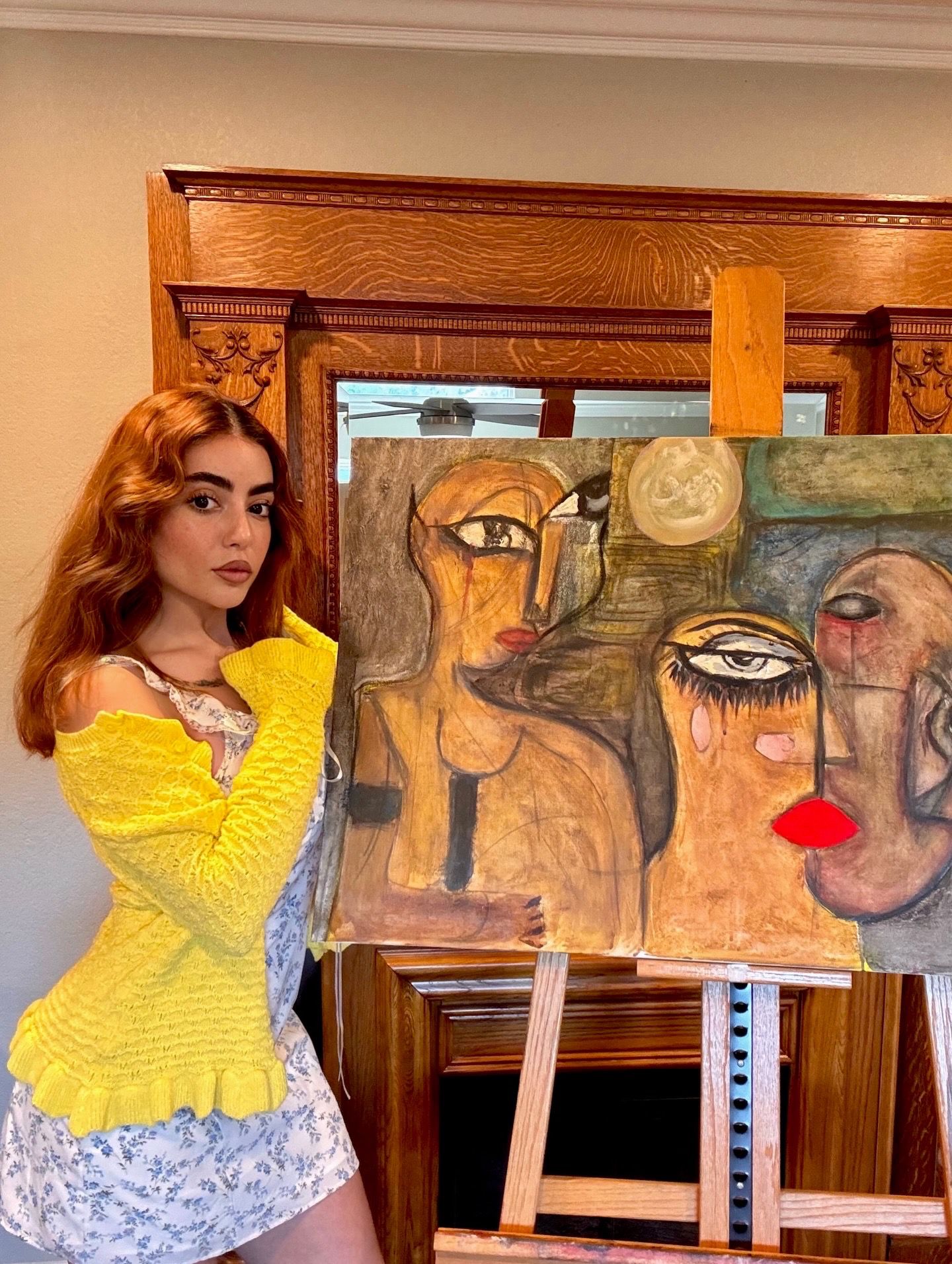
My name is Sherehan Khalid Ibdah. I am a contemporary artist whose work explores the psychological and emotional architecture of the human experience. Alongside my artistic practice, I hold a Master’s degree in Law and specialise in intellectual property. My path moves between art, law and discipline, and these fields revolve around one central question: how human beings express identity, emotion and authorship.
You are an attorney, contemporary artist, intellectual property specialist and professional athlete. How do these disciplines shape creativity?
Each discipline cultivates a different dimension of the mind. Law taught me precision, structure and the value of intellectual ownership. Athletics taught me discipline, endurance and quiet strength. Art taught me honesty. When these worlds meet, creativity becomes disciplined freedom.
When did you first realise that art would become essential in your life?
Art entered my life long before I understood its importance. Over time, I realised that painting allowed me to express emotions that language could not fully contain. Painting became a necessary language.
How would you describe your artistic style?
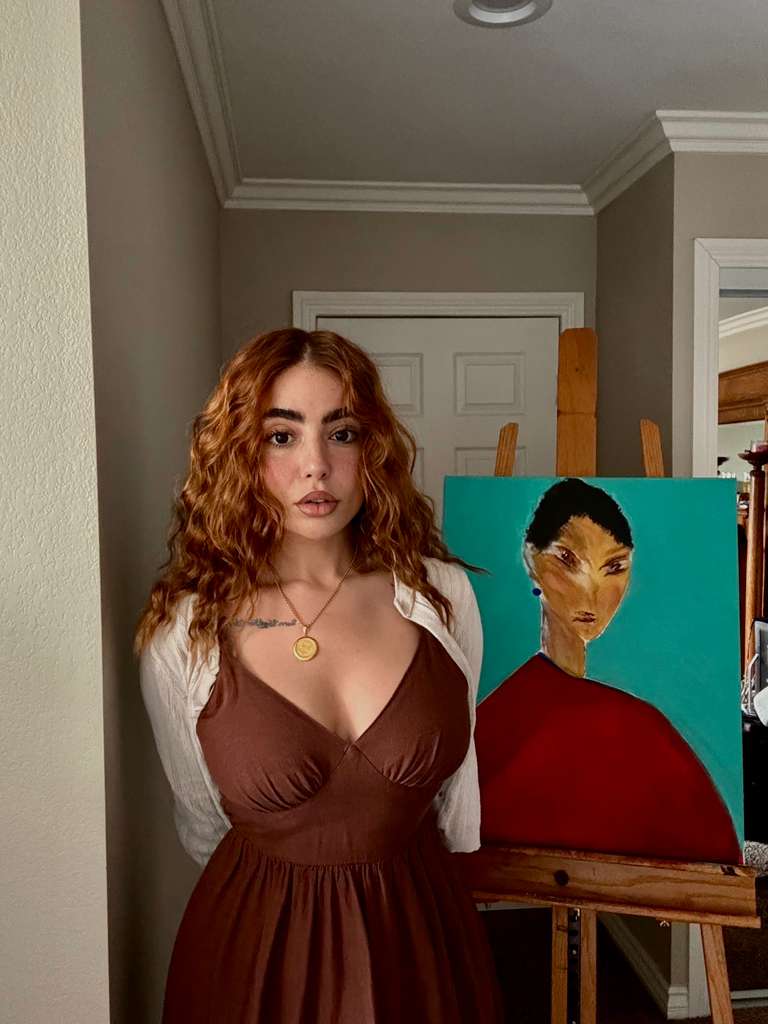
My work is rooted in contemporary expressionism. I explore emotional and psychological landscapes beneath the surface of identity. I am less interested in painting how a person looks and more interested in painting how existence feels.
What emotions do you hope viewers experience when engaging with your work?
I do not hope for a single emotion, but rather a moment of inner recognition. When someone stands before my work, I hope they feel as if something within the painting quietly reflects something within themselves. Art becomes meaningful when it awakens an inner dialogue between the viewer and their own experience.
Do you begin with a concept or intuition?
Most works begin with intuition rather than a fixed concept. The canvas becomes a dialogue between intention and discovery.
What role does experimentation play in your process?
Experimentation is essential. Without experimentation, art becomes repetition. Each painting becomes a new investigation.
How has studying intellectual property shaped your understanding of art?
Studying intellectual property transformed my understanding of authorship. Art is both emotional expression and intellectual creation.
What advice would you give emerging creatives about protecting their work?
As someone trained in intellectual property law, I believe that protecting artistic work begins with awareness. Many artists invest years developing their creative voice, yet remain unaware of the legal mechanisms that safeguard their work. The first principle is documentation. Artists should always keep clear records of the creation of their works, including dates, sketches, drafts and photographic evidence of the artistic process. Such documentation can become essential legal proof of authorship in the event of disputes.
Secondly, artists must understand that copyright protection arises automatically once an original work is created and fixed in a tangible form such as a painting, drawing or digital file. However, formal copyright registration significantly strengthens legal protection, especially when pursuing legal remedies for infringement.
Thirdly, artists should remain cautious about how their work is distributed online. While digital platforms provide visibility, they also expose artworks to unauthorised reproduction. For this reason, artists should consider watermarking high-resolution images, maintaining original files and controlling the resolution of images shared publicly.
Finally, artists should remember that intellectual property is not merely a legal technicality. It is the foundation of artistic dignity and professional sustainability. When artists understand their rights, they preserve not only their creations but also the integrity of their creative identity.
How do you balance law, athletics and art?
Balance is less about time and more about discipline. Art becomes the space where discipline meets freedom.
Does athletic discipline influence creativity?
Athletics teaches endurance, which is essential for creative practice.
What mediums do you feel most connected to?
I work primarily with acrylic and mixed media on canvas because they allow emotional layering.
Should art address social issues?
Art does not require an obligation to address social issues, yet authentic work often reflects its time.
How do you overcome creative block?
I shift towards observation, reading philosophy and reflection until clarity returns.
How has living in the United States influenced your work?
The diverse artistic environment encourages experimentation and openness.
What distinguishes contemporary art today?
Contemporary art reflects modern complexity and the fluid boundaries between disciplines.
What are your hobbies?
I enjoy philosophy, psychology, reading and athletics.
Your message for CP Magazine.
I would like to express my sincere gratitude to CP Magazine for creating a space where artists can share their voices. Art reminds us to pause, reflect and reconnect with our humanity.