

A BERLIN ADDRESS WORTH KNOWING
Few hotels capture the spirit of their neighbourhood quite like Orania.Berlin. Set inside a beautifully restored 1912 Art Nouveau building in the heart of Kreuzberg, it is a hotel with real personality, elegant yet relaxed, polished yet entirely welcoming. Travellers come for the design-led rooms, the live music in the lounge and service that feels genuinely warm rather than overly formal. Then there are the details that make it memorable, from elephant motifs woven through the interiors to the celebrated XBerg Duck, one of Berlin’s most talked-about dining experiences.
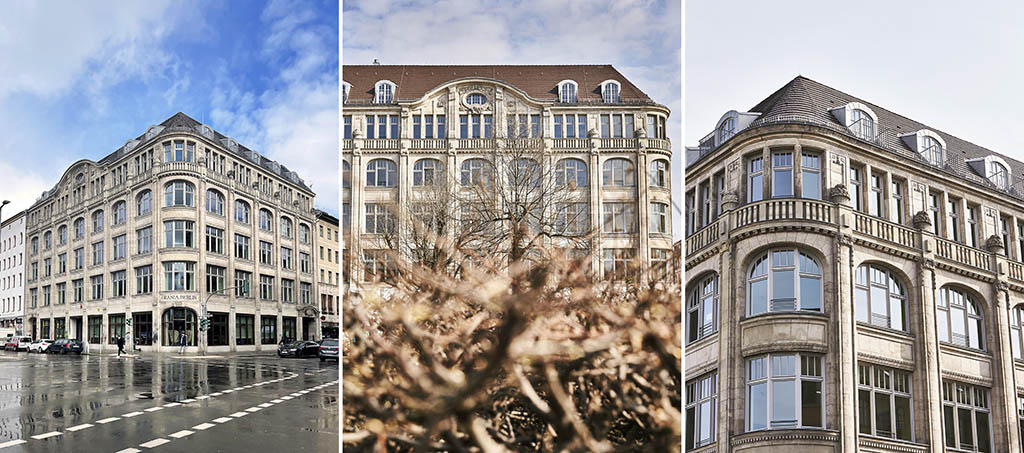
There are cities where location is everything. And then there is Berlin, where location is a statement. To stay in Kreuzberg is not simply to choose a neighbourhood; it is to step into the city’s most restless, contradictory and creatively charged identity. Oranienstraße, recently named one of the 30 coolest streets in the world, captures this spirit perfectly: a stretch where cultures overlap, late-night energy spills onto the pavements, and Berlin feels at its most alive. It is here, just off the leafy calm of Oranienplatz, that Orania.Berlin quietly rewrites the idea of the grand hotel.
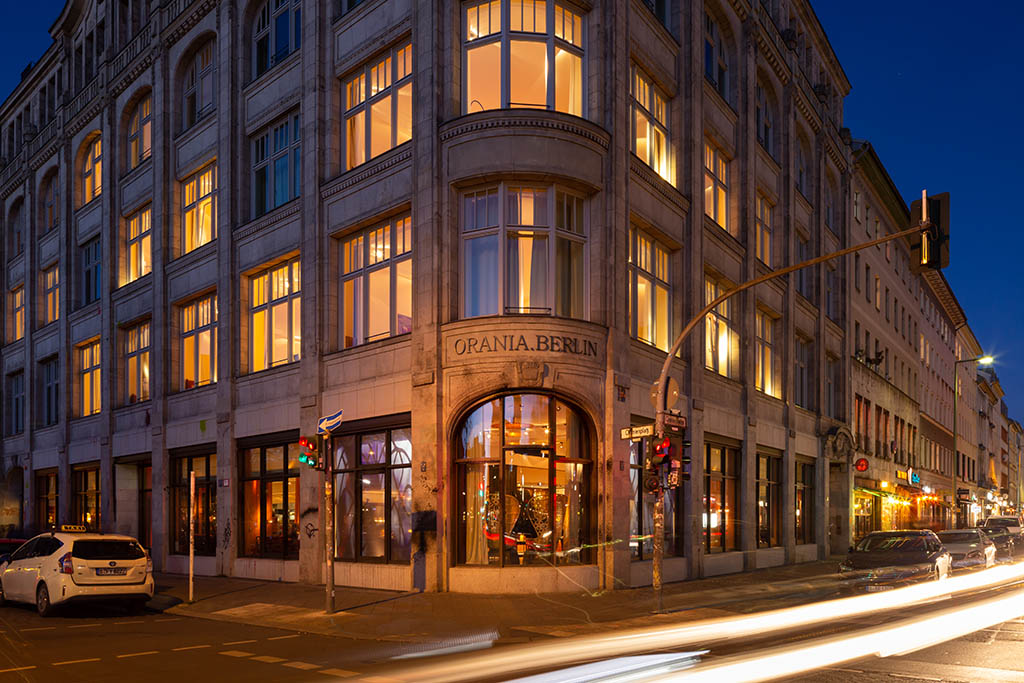
Housed in a restored 1912 Art Nouveau building, the hotel carries its history with a quiet confidence. In its early years, the ground floor was home to Café Oranienpalast, where concerts and cabaret performances once unfolded under the direction of Oscar Barton, a spirit of culture and gathering that still lingers today. Over the decades, the building shifted identities (a department store, a grocery, even a nightclub) before being reimagined in the 21st century by entrepreneur Dietrich von Bötticher and hotelier Dietmar Müller-Elmau, the force behind the acclaimed Schloss Elmau in the Bavarian Alps.Since opening in 2017, Orania.Berlin has been shaped by the vision of Jennifer and Philipp Vogel, a duo who bring together international hotel expertise and culinary pedigree. Under their direction, the hotel has evolved into something that feels increasingly rare in European capitals: a property with the sensibility and comforts of a grand hotel, yet free from its traditional formality. There is personality here, and a sense of place, what Berliners might call Kiez, that sets it apart. It is, in many ways, Berlin’s coolest interpretation of a grand hotel.
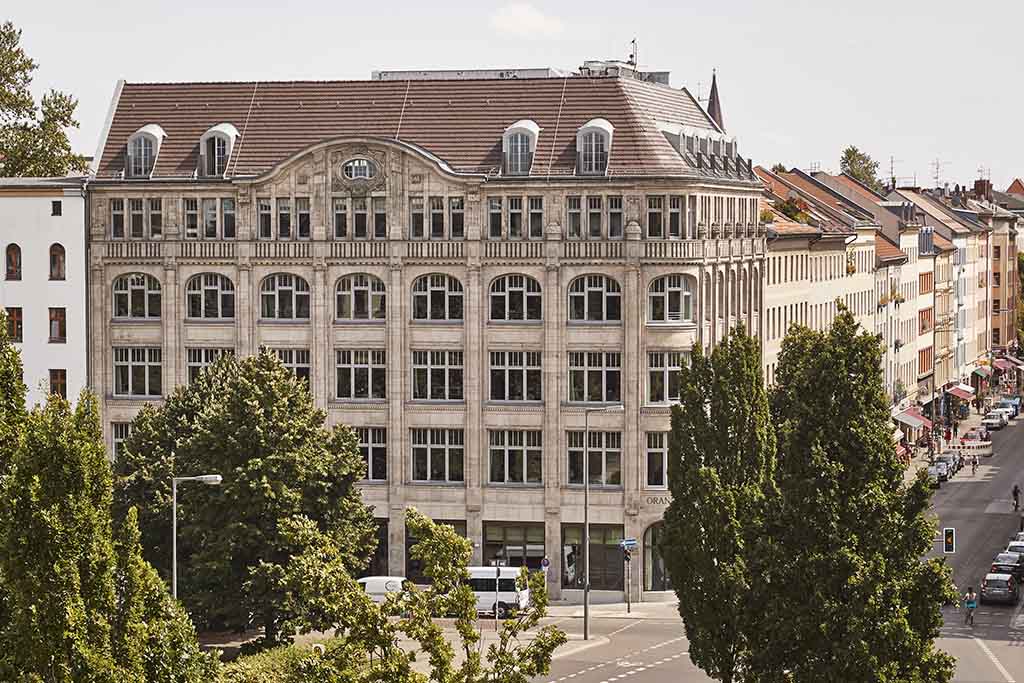
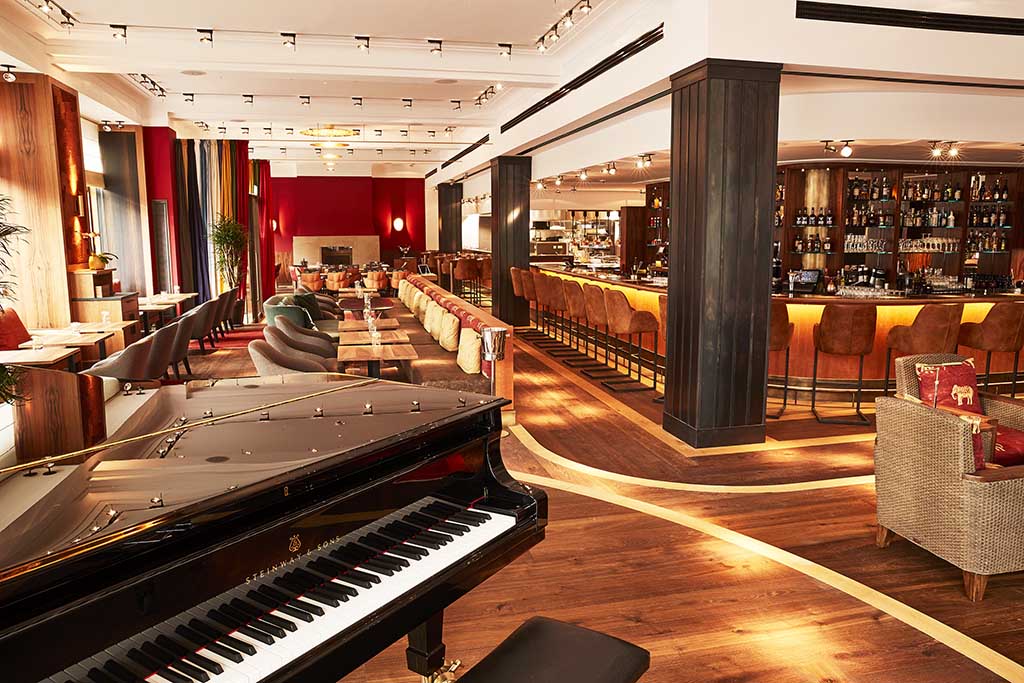
Arrival is deliberately informal. There is no rigid reception desk, no sense of ceremony for its own sake. Instead, guests step directly into the hotel’s ‘Living Room’: an expansive, light-filled space where a Steinway piano anchors a small stage, where floor-to-ceiling windows open onto the neighbourhood, and where locals and travellers mingle with ease. In winter, fireplaces glow softly; in the evenings, live music, jazz, classical, or something in between turns the space into something closer to a cultural salon than a hotel lobby.
And then there is the human side. Service at Orania.Berlin is perhaps its most defining luxury. Staff move with ease between professionalism and familiarity, striking that rare balance where nothing feels scripted. There is a genuine sense of continuity too which translates into a warmth and intuition that seasoned travellers will immediately recognise. It is the kind of place where recommendations feel personal, not performative, and where the line between host and guest softens over the course of a stay.
Elephants in the details
What is the first thing you notice when you step into Orania.Berlin? Not the furniture, not the light, not even the sense of calm that settles almost immediately but the elephants. They appear quietly at first, then everywhere: woven into rich textiles, embroidered into cushions, etched into the visual language of the hotel. It is a motif that feels both unexpected and entirely deliberate, setting the tone for a design narrative that is anything but generic.
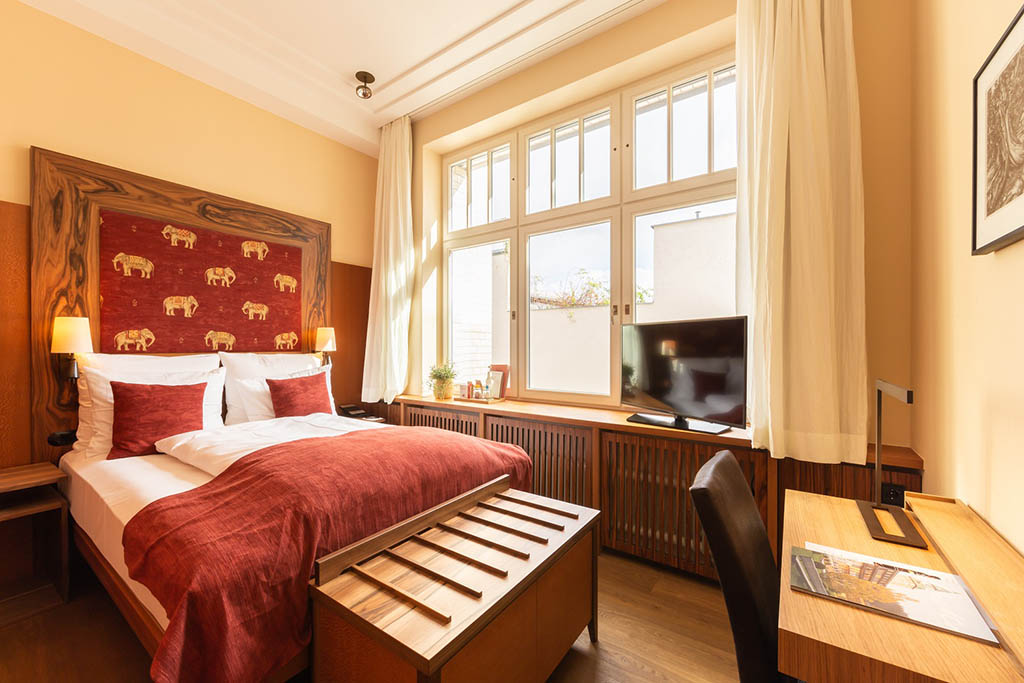
The 41 rooms and suites are not designed to impress at first glance, but to reveal themselves slowly, spaces that reward attention and invite a more unhurried way of inhabiting them. The elephant, borrowed from the visual identity of Schloss Elmau and rooted in founder Dietmar Müller-Elmau’s long-standing connection to India, finds its most expressive form in the gold-red Jehan fabric discovered in London. It brings warmth, depth and a sense of continuity, reappearing in headboards, soft furnishings and subtle details that tie each room together.
Materials, here, are not just decorative but essential to the experience. Untreated solid wood, chosen for its natural grain, runs through floors, desks, wardrobes and beds, ensuring that no two rooms feel exactly alike. Handwoven Luribaff carpets from Iran soften the spaces underfoot, while silk curtains and golden-toned lighting by Enzo Catellani create a glow that feels almost cinematic. Furniture from B&B Italia sits alongside handmade mattresses by Schramm, striking a careful balance between design pedigree and genuine comfort.
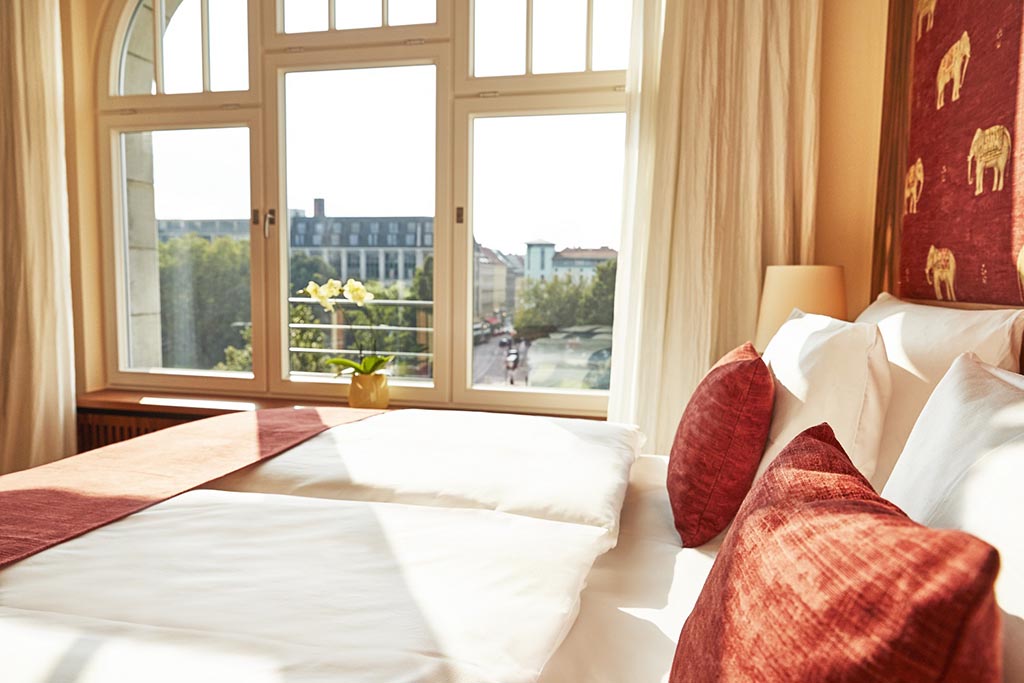
Large windows flood each room with light, framing Kreuzberg’s restless energy below, while thoughtful details, from natural, vegan bathroom products made in Berlin to intuitive in-room technology, add a layer of modern ease. The result is a kind of quiet, textural luxury: one that doesn’t announce itself, but lingers long after you leave.
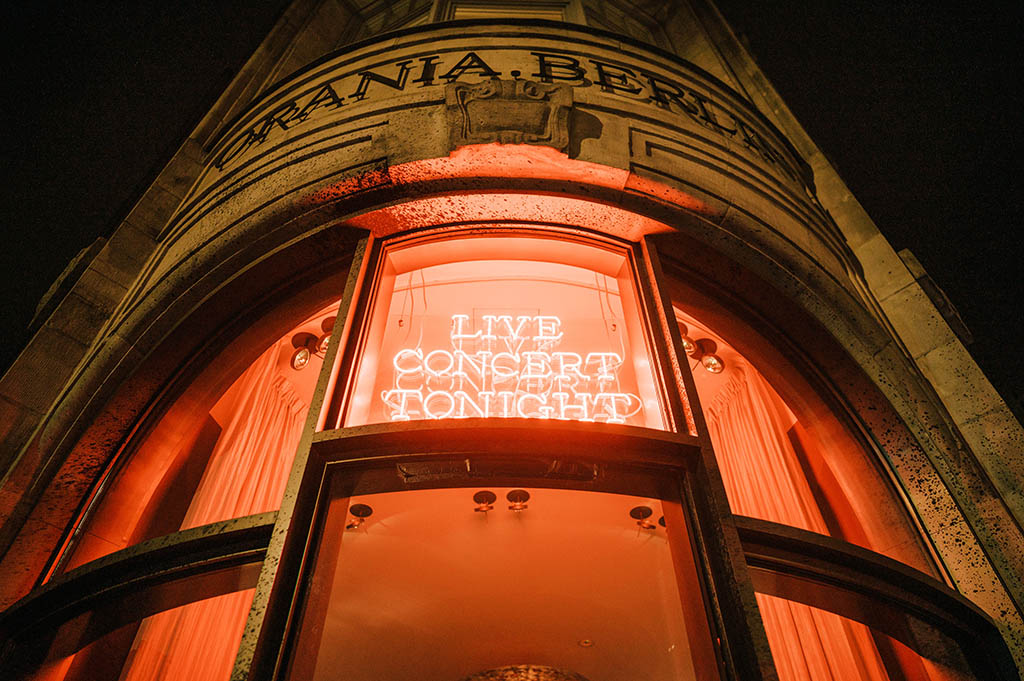
Home of Xberg Duck
If the hotel is the heart, then the restaurant is its pulse. And here, everything revolves around one dish. The XBerg Duck has become something of a local institution, drawing Berliners and in-the-know travellers alike. Long before it reaches the table, the ritual begins: ducks hang on metal hooks, slowly roasting for hours until the skin, arguably the essence of this once imperial dish, turns lacquered, crisp and deeply golden.
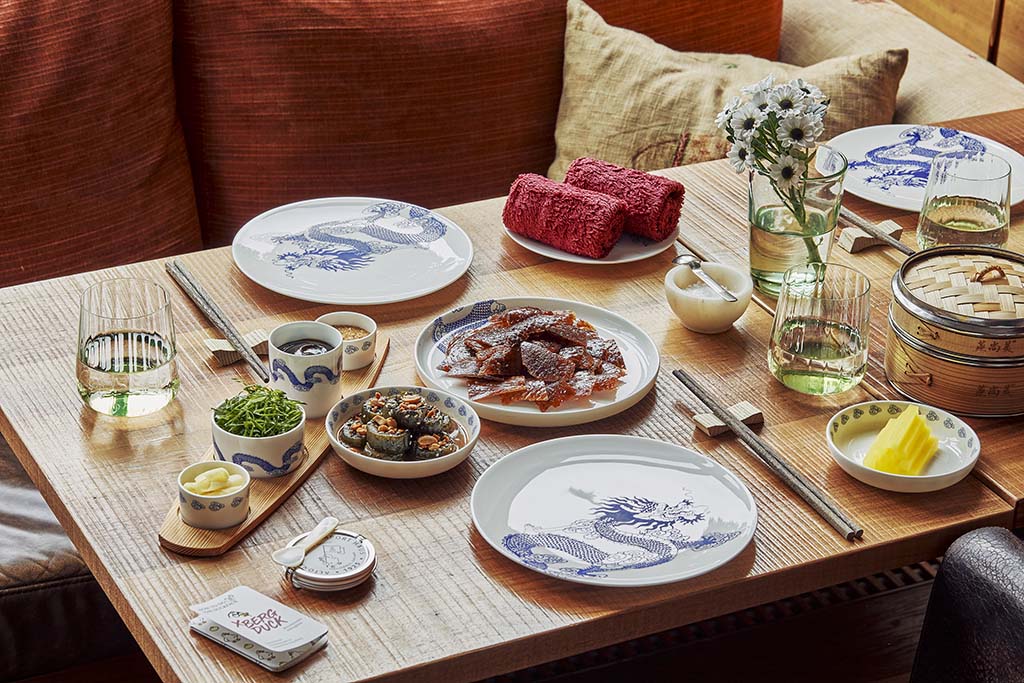
Dinner unfolds in four carefully paced acts. It opens unexpectedly with a deeply savoury dashi broth, followed by a delicate dim sum filled with duck, an early nod to the kitchen’s zero-waste philosophy. Then comes the centrepiece: the whole duck, presented tableside, gleaming like polished cherry wood before being carved with quiet precision. The skin, impossibly crisp, is served with thin pancakes, cucumber, ginger and hoisin, rolled by hand, eaten without ceremony.
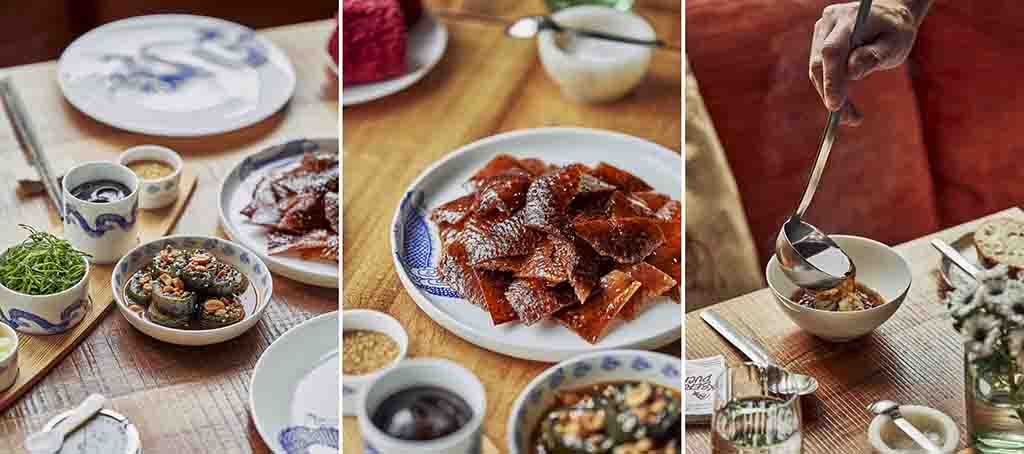
The experience continues with tender duck breast, rich yet balanced, and finishes with a deeply satisfying fried rice made from the leg meat, bound with egg yolk and crisped to an almost unexpected texture. By the time the fortune biscuits arrive, there is little room left for anything more. The reputation of the XBerg Duck, however, is entirely deserved.
Photography:Orania.Berlin & Claudia Goedke