
From Beirut to Milan: Redefining Global Luxury through Narrative and Restraint.
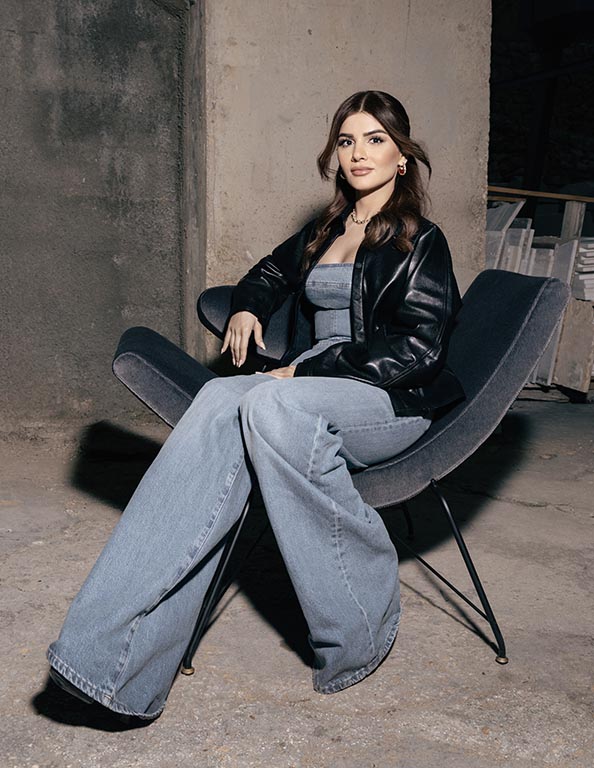
In this exclusive interview, CP Magazine sits down with May Jbara, the award-winning founder of May Jbara Design Studio and recipient of the prestigious 2024 Luxury Lifestyle Award for Best Interior Designer. Born and raised amidst the rich cultural and architectural contrasts of Lebanon, May’s creative journey eventually led her to Milan, where she completed an advanced specialisation in yacht interior design at the Italian Design Institute. This unique training instilled in her a rigorous spatial discipline, a reverence for bespoke craftsmanship, and a philosophy she describes as ‘bold minimalism’.
Spanning high-end residential projects, boutique hospitality, and luxury superyachts across Lebanon, Saudi Arabia, and Côte d’Ivoire, her portfolio challenges the conventional, image-driven standards of contemporary design. Rather than imposing a fixed aesthetic, May approaches each environment as a living entity, seeking to uncover its unique ‘soul’ by balancing light, texture, and sensory narration.
Here, she shares insightful reflections on her early inspirations in Beirut, the complex technicalities of designing for life at sea, and the evolving position of Middle Eastern design on the global stage.
Could you begin by telling us about your early life in Lebanon and the experiences that first drew you towards architecture and design?
Since childhood, I have felt a natural and deep connection to colours, textures, and creative expression. I loved playing with my outfits, mixing shades, patterns, and materials in a way that allowed me to express emotions without words. Even then, I was sensitive to visual harmony and the feeling that beauty can create.
Later, during my adolescence, when I began spending more time in the city, my curiosity expanded beyond fashion and colours to the buildings and spaces around me. I would observe architecture closely and imagine the lives unfolding within those walls, the stories, emotions, and everyday moments shaping each home. Growing up in Lebanon, a country rich in cultural contrasts, artistic heritage, and architectural diversity, also deeply influenced the way I perceive space and atmosphere.
From that moment, architecture and interior design naturally became the path through which I could unite creativity, emotion, and purpose. What started as a childhood fascination gradually evolved into a deeper calling: to create spaces that are not only aesthetically refined, but emotionally meaningful and timeless.
You pursued advanced specialisation in interior and yacht interior design in Milan. How did your education in Italy shape your creative philosophy and professional discipline?
Studying in Milan was a deeply transformative experience for me, both creatively and professionally. As a city that lives and breathes art, fashion, architecture, and design, it exposed me to a culture where aesthetics are approached with great intention, refinement, and discipline. It taught me to appreciate the beauty of detail, proportion, craftsmanship, and timeless simplicity.
During my second master’s degree in yacht interior design at the Italian Design Institute, I was introduced to a highly sophisticated approach to luxury and spatial design. Yacht interiors fascinated me because they represent a unique balance between elegance, precision, functionality, and emotional experience within limited spaces. That challenge pushed me to think more intelligently and sensitively about every detail and every square metre.
Beyond technical knowledge, Italy shaped the way I perceive design emotionally. It strengthened my belief that true luxury is not about excess, but about atmosphere, harmony, and creating spaces that evoke feeling and leave a lasting impression.
Looking back at the beginning of your career, what were the defining moments that ultimately led you to establish May Jbara Design Studio in 2015?
Looking back, the defining moments of my journey were shaped by a combination of passion, curiosity, and a strong desire to create something deeply personal and meaningful. From the very beginning of my career, I realised that design, for me, was never only about aesthetics, it was about emotion, atmosphere, and the way spaces influence human experience.
Starting my career as an employee was also a very important phase in shaping my path. While I was grateful for the experience and learning opportunities, I gradually discovered that I could not remain confined to executing ideas that did not fully reflect my own creative identity. I often felt a strong need to express my personal vision more freely and authentically. That realisation made me understand that I would gain the experience I needed, then eventually build my own design studio where my philosophy and creativity could truly come to life.
As I continued evolving professionally, I developed a clearer understanding of my own design language and emotional approach to space. Establishing May Jbara Design Studio in 2015 became a natural step toward transforming that vision into reality. It was not only the beginning of a business, but the beginning of a deeper journey built on commitment, passion, and the ambition to create timeless spaces that leave a lasting emotional impact.
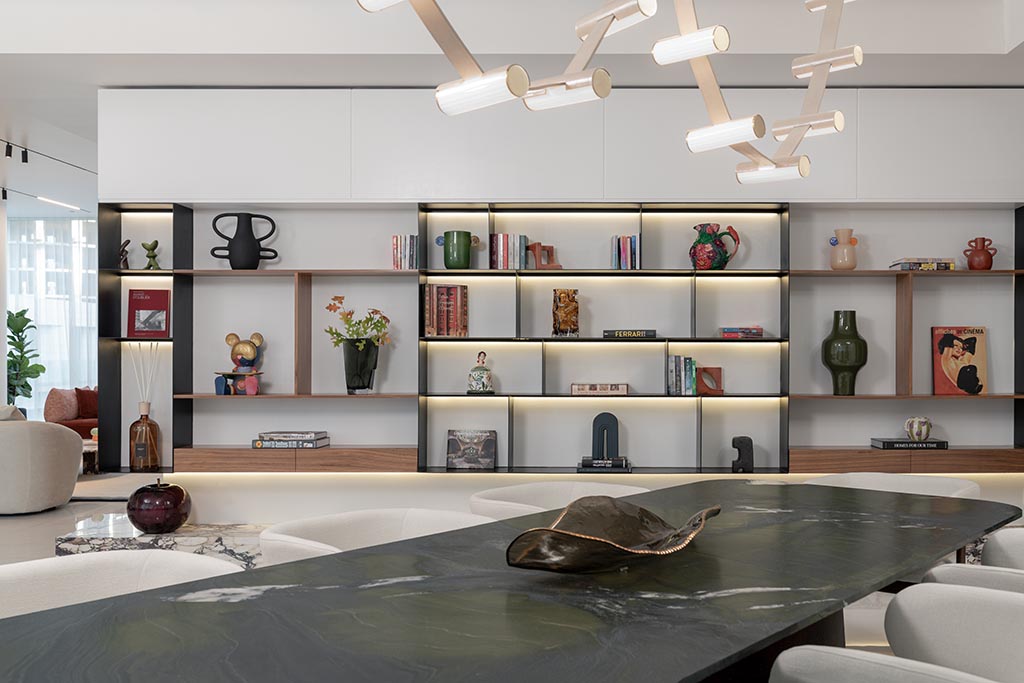
In your latest statement, you describe every space as having ‘a soul’. When did you first begin to view design through this deeply emotional and psychological lens?
I believe this perspective developed naturally over time through observation, sensitivity, and a growing understanding of human behaviour. From a young age, I was always emotionally connected to spaces and atmospheres. I noticed how certain environments could instantly affect the way people feel, think, or interact, sometimes creating calm, warmth, inspiration, or even discomfort without saying a single word.
As my journey in architecture and interior design evolved, I became increasingly interested in the psychological and emotional dimensions of space. This interest later deepened academically through my first master’s degree, which explored the relationship between psychology, architecture, and interior design. It reinforced my belief that a space is never only visual; it carries identity, memory, rhythm, and emotion.
That understanding completely shaped my philosophy. I no longer see design as the act of decorating or imposing aesthetics, but as a process of listening, observing, and translating human experience into space. Today, I approach every project as something to be understood before it is designed. I believe every space carries a soul, and my role is to reveal what already exists through atmosphere, proportion, materiality, light, and emotional connection.
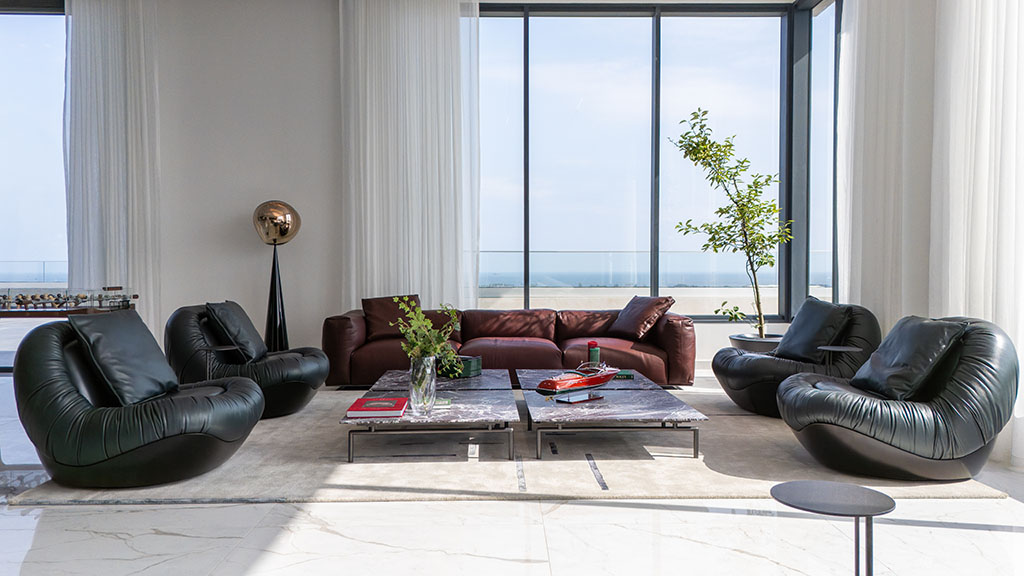
Your work is often described as minimalist, yet highly layered and emotionally resonant. How do you personally define ‘bold minimalism’?
For me, bold minimalism is not about emptiness or reducing a space to its bare elements. It is about creating clarity with intention, where every detail carries meaning, presence, and emotional weight. I believe minimalism should feel warm, soulful, and deeply human rather than cold or overly restrained
My approach focuses on precision, proportion, materiality, and atmosphere. I am interested in how a space settles around a person emotionally, not only how it appears visually. The layering often comes through textures, light, spatial rhythm, natural materials, and subtle contrasts that quietly shape the experience of the space.
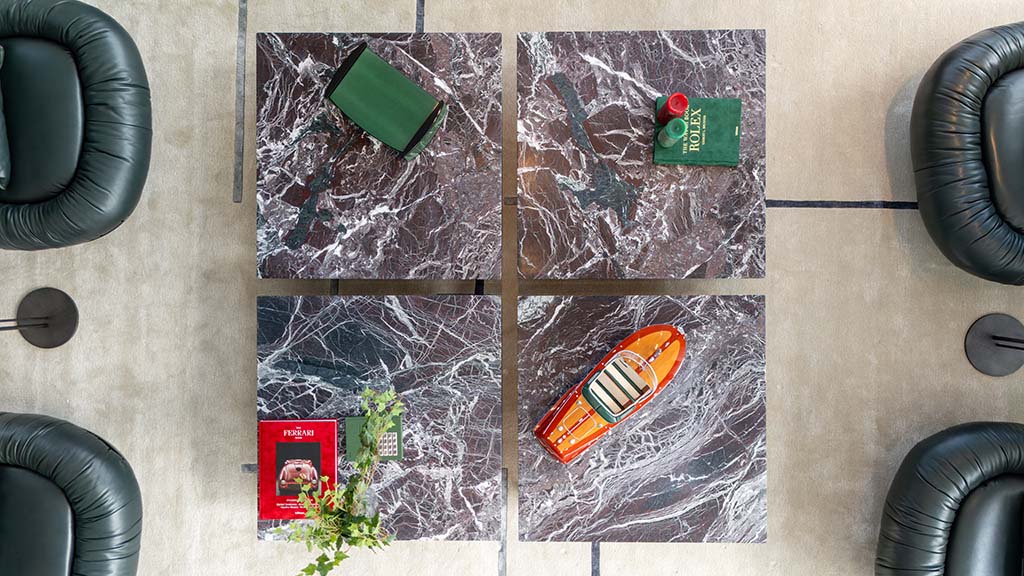
I often say that minimalism is not about less, but about clarity. Sometimes the boldness exists in restraint itself in allowing a space to breathe, to feel intentional, and to communicate emotion without excess. For me, true luxury is found in balance, depth, and the quiet sophistication of spaces that are deeply understood rather than overdesigned.
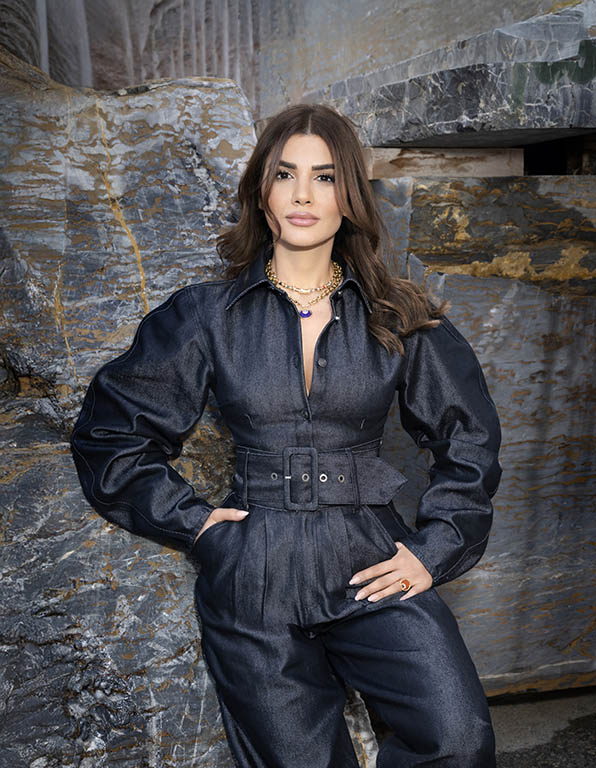
You have said that your role is to ‘reveal’ a space rather than impose upon it. How does that philosophy practically influence the way you approach a new client or project?
For me, every project begins long before plans, materials, or aesthetics are discussed. It begins with listening and observation. I invest a great deal of time understanding my clients beyond their functional needs, how they live, what they value, their emotional patterns, habits, memories, and the atmosphere they naturally connect with.
I do not believe in imposing a fixed signature style onto a space. Instead, I see design as a process of translation, revealing the identity, rhythm, and emotional essence that already exist within the client and the environment itself. This is why each project feels personal and deeply connected to the people experiencing it, while still carrying a consistent design language rooted in refinement, balance, and emotional depth.
Practically, this philosophy influences every decision throughout the process from spatial flow and proportions to materiality, light, texture, and sensory details. I approach a space almost as something to be read and understood first. Only then can design become meaningful, authentic, and timeless, rather than simply visually impressive.
Before beginning a design, how much importance do you place on understanding a client’s emotional patterns, habits, and lifestyle?
For me, this is one of the most essential parts of the entire design process. I believe a space should not only reflect a client’s aesthetic preferences, but also their rhythm of life, emotional needs, habits, and the way they naturally experience comfort and connection. Design begins with understanding before drawing.
This sensitivity toward human behaviour and emotional experience was also reinforced through my academic interest in the relationship between psychology, architecture, and interior design. It taught me that spaces have a direct impact on mood, energy, and everyday life, which is why I approach every project through deep listening and observation.
Before thinking about materials or forms, I try to understand how my clients live, what inspires them, how they interact with their environment, and what atmosphere feels authentic to them. I believe that when a space is emotionally aligned with the person inhabiting it, it naturally becomes more timeless, meaningful, and deeply personal.
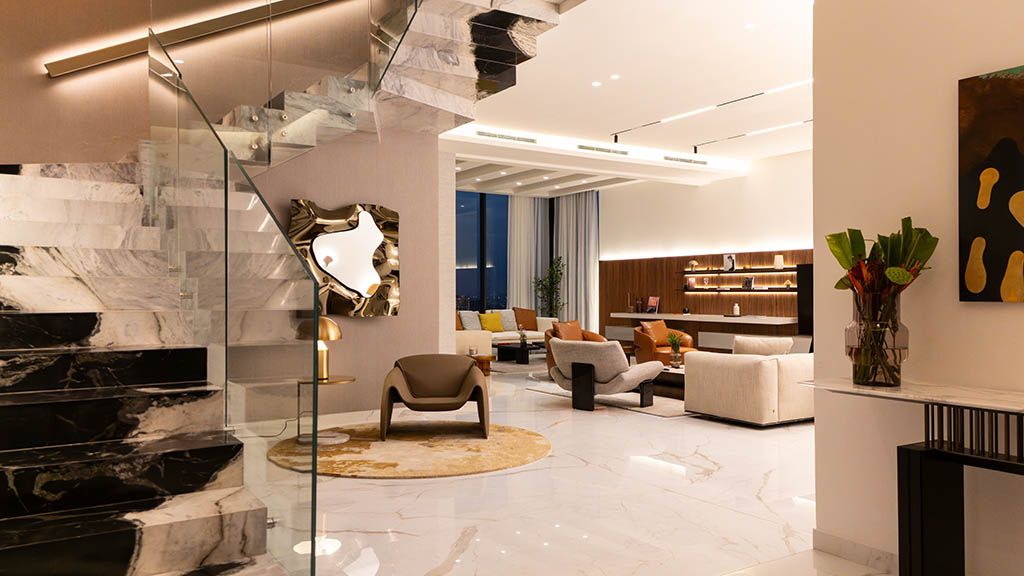
Many designers focus heavily on visual impact. You often speak about atmosphere, feeling, and sensory experience. Do you believe the design industry is becoming too image-driven?
To some extent, yes. With the rise of digital platforms and visual culture, many spaces today are designed primarily to be photographed rather than truly experienced. While visual impact is important, I believe design becomes incomplete when it only exists on the surface level. A successful space should not only look beautiful in an image, but also evoke emotion, comfort, presence, and connection in real life.
For me, atmosphere is what gives a space depth and authenticity. Light, texture, scent, acoustics, spatial flow, and even silence all influence the way a person emotionally experiences an environment. These sensory and psychological layers are often invisible in photographs, yet they are what make a space memorable and deeply human.
I believe the future of design will move beyond purely image-driven aesthetics toward more meaningful, experiential spaces. People today are searching for environments that feel grounding, soulful, and emotionally resonant, not only visually impressive. Ultimately, design should be lived and felt, not only seen.
Your projects integrate elements such as scent, music, light, texture, and spatial flow. Why do you believe these often-overlooked details are essential to truly successful design?
Because design is experienced emotionally and sensorially long before it is intellectually understood. A truly successful space is not only seen; it is felt. Elements such as light, scent, texture, acoustics, spatial rhythm, and even the way one moves through a space have a profound impact on human emotion, memory, and well-being.
For me, these details are not accessories added at the end of a project; they are integral parts of the atmosphere and identity of the space itself. They shape presence, mood, intimacy, and the way people connect with their environment on a subconscious level. A beautiful space without emotional resonance can feel empty, while a thoughtfully layered atmosphere can leave a lasting impression long after someone has left it.
I believe luxury today is becoming increasingly experiential. People are searching for spaces that create calm, connection, escapism, and authenticity. This is why I approach design holistically, where architecture, interiors, light, music, materiality, and sensory experience exist together as one continuous emotional narrative.
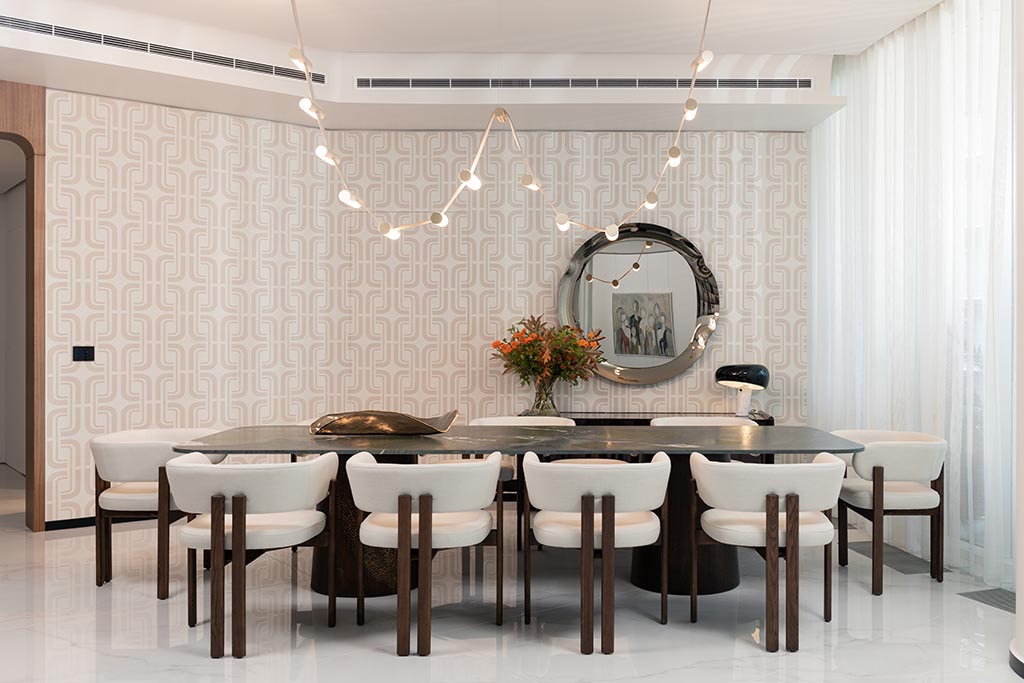
Lebanon has a unique architectural and cultural identity. In what ways has Beirut specifically influenced your design language and creative sensibility?
Beirut has deeply shaped the way I perceive beauty, atmosphere, and emotional contrast within design. It is a city layered with history, culture, resilience, and artistic expression, a place where tradition and modernity coexist in a very raw and authentic way. Growing up and working within that environment taught me to appreciate spaces that carry depth, memory, and soul, rather than perfection alone.
What inspires me most about Beirut is its emotional richness and complexity. There is a certain poetry in the contrasts of the city, the old beside the contemporary, softness beside strength, refinement beside imperfection. I believe this duality naturally influenced my own design language and my attraction toward bold minimalism, layered textures, natural materials, and spaces that feel lived-in and emotionally resonant.
Beirut also taught me resilience and adaptability as a designer. Despite challenges, the city continues to create, evolve, and preserve its identity, and I believe that spirit is reflected in my work. My approach has always been rooted in creating timeless spaces with presence, authenticity, and emotional connection, qualities that Beirut itself embodies deeply.
Your portfolio spans residential projects, boutique hospitality, mixed-use developments, and luxury yachts. Which environment challenges you most creatively, and why?
Each typology challenges me differently, which is what makes design such a continuously evolving discipline. Residential projects are deeply emotional and personal, hospitality projects are immersive and experiential, while mixed-use developments require a strong balance between identity, functionality, and human interaction.
However, I would say yacht interiors are among the most creatively demanding and intellectually stimulating environments for me. Designing within highly limited spatial dimensions while maintaining a sense of openness, luxury, comfort, and fluidity requires an exceptional level of precision and intentionality. Every centimetre matters, and every element must serve both functionality and emotional experience simultaneously.
What inspires me most about yacht design is the complexity behind its elegance. It pushes me to think beyond conventional architecture and approach space in a more refined, disciplined, and innovative way. At the same time, it aligns deeply with my philosophy of creating environments that are not only visually sophisticated, but emotionally immersive and thoughtfully composed.
Yacht interior design is an exceptionally specialised field. What first attracted you to designing luxury yacht interiors, and how different is the process compared with designing a residence?
What first attracted me to yacht interior design was the complexity and sophistication behind it. I was fascinated by the idea of creating luxurious, emotionally immersive environments within highly limited and technically demanding spaces. It felt like the perfect intersection between architecture, interior design, craftsmanship, engineering, and lifestyle. This curiosity eventually led me to pursue my second master’s degree in yacht interior design at the Italian Design Institute in Milan.
What makes yacht design so unique is the level of precision and intentionality it requires. Unlike residential projects, where there is often more spatial freedom, yacht interiors demand a deep understanding of optimisation, functionality, movement, and technical constraints without compromising elegance or comfort. Every detail must be carefully considered, from material selection and weight to circulation, proportions, and sensory experience.
At the same time, yacht interiors are deeply emotional spaces. They are designed around escapism, exclusivity, and the experience of life at sea. That emotional dimension resonates strongly with my own philosophy of design: creating environments that are not only visually refined, but atmospherically rich, timeless, and deeply felt.
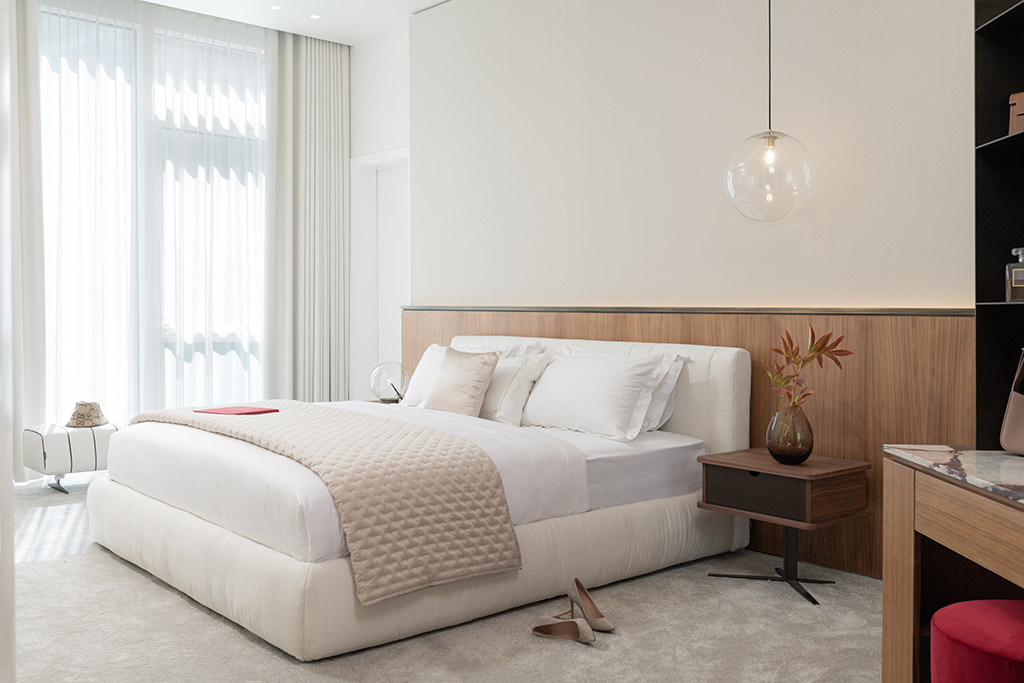
Space optimisation is critical in yacht interiors. Has working within those spatial limitations changed the way you approach architecture on land as well?
Absolutely. Working in yacht interiors has profoundly influenced the way I approach space in all forms of architecture and interior design. Designing within such precise spatial limitations teaches you to become extremely intentional, every line, proportion, material, and movement must have a purpose. Nothing can feel unnecessary or unresolved.
That discipline naturally carried into my work on land. It strengthened my sensitivity toward spatial flow, functionality, and the emotional relationship between people and their environment.
I became even more attentive to how spaces are experienced physically and psychologically, and how intelligent design can create a feeling of openness, balance, and fluidity regardless of scale.
Yacht design also reinforced my belief that luxury is not about excess, but about precision, atmosphere, and thoughtful composition. Even in larger architectural projects, I now approach space with the same mindset: creating environments that feel intentional, refined, emotionally immersive, and deeply connected to the way people truly live and move within them.
You are among a relatively small number of Middle Eastern designers operating in the luxury yacht sector. Have you faced any challenges entering such a niche international market?
Entering the luxury yacht sector certainly comes with challenges, especially as it is a highly specialised and internationally competitive field that requires both technical precision and a very refined understanding of luxury, craftsmanship, and spatial optimisation. Coming from the Middle East also meant stepping into a market where representation from the region is still relatively limited.
However, I have always believed that strong design language, discipline, and authenticity eventually transcend geography. Rather than seeing those challenges as limitations, I viewed them as motivation to deepen my expertise and develop a more distinctive perspective. Pursuing advanced studies in yacht interior design in Milan was an important step in that journey, as it exposed me to a highly sophisticated design culture and strengthened both my technical and creative approach.
I also believe that being a Middle Eastern designer brings a unique emotional richness and cultural sensitivity to the work. Our region carries depth, storytelling, warmth, and a strong connection to atmosphere and hospitality, and I think these qualities can offer a very distinctive contribution to contemporary luxury design internationally.
Your work extends across Lebanon, Saudi Arabia, and Côte d’Ivoire. How do you adapt your designs to different cultural contexts while maintaining a recognisable signature style?
For me, adapting to different cultural contexts begins with observation, listening, and understanding before design even starts. Every place carries its own rhythm, lifestyle, emotional atmosphere, and relationship with space. I believe it is essential to respect and absorb those cultural nuances rather than impose a universal aesthetic onto every project.
Whether I am working in Lebanon, Saudi Arabia, or Côte d’Ivoire, I approach each project as a dialogue between the local context and my own design philosophy. I study how people live, gather, experience hospitality, interact with light, materials, privacy, and spatial flow. These cultural and emotional details naturally shape the final environment and give it authenticity.
What remains consistent throughout my work is not a repetitive style, but a recognisable sensibility, timelessness, emotional depth, refined materiality, quiet sophistication, and a strong sense of atmosphere. I believe a design signature should be felt through the experience of a space rather than through visual repetition alone.
In recent years, Middle Eastern design has gained growing international recognition. How do you view the region’s evolving position within the global design industry?
I believe the Middle East is entering a very important and exciting moment within the global design industry. For many years, the region was often perceived primarily through luxury and scale, but today there is a much deeper creative conversation emerging, one that combines cultural identity, craftsmanship, innovation, and emotional storytelling.
What makes Middle Eastern design increasingly influential is its ability to merge heritage with contemporary vision. Designers from the region are beginning to move beyond imitation and are instead creating more authentic, refined, and globally relevant narratives rooted in their own culture and sensibility. I believe this authenticity is what the international design world is increasingly drawn to.
At the same time, the region is experiencing major architectural and cultural transformations, particularly in countries such as Saudi Arabia and the UAE, creating extraordinary opportunities for creativity, experimentation, and new design perspectives. I see the Middle East not only as an emerging market, but as a future creative force capable of contributing a more emotional, experiential, and human-centred approach to contemporary luxury design.
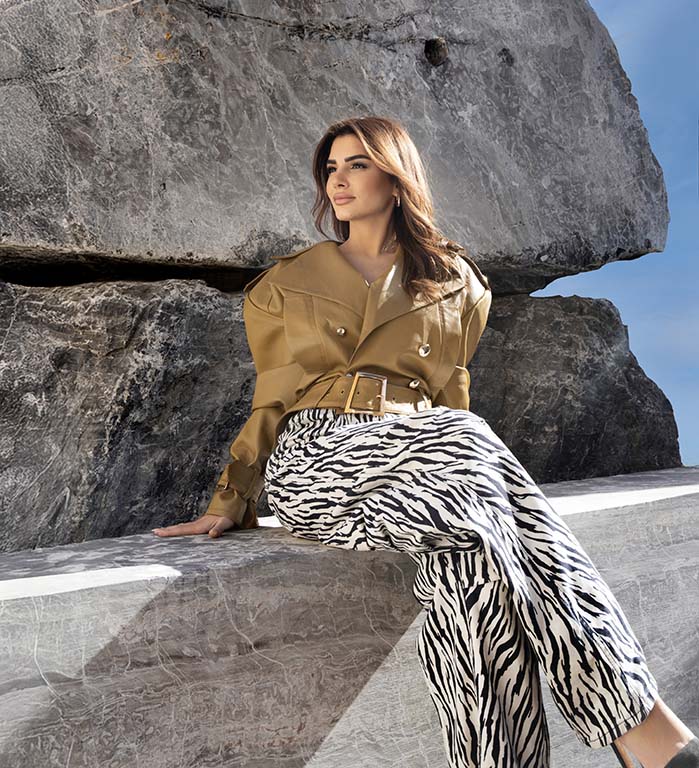
Saudi Arabia is undergoing a major architectural and cultural transformation. What opportunities do you see emerging there for contemporary interior architecture?
Saudi Arabia is currently experiencing one of the most significant architectural and cultural transformations globally, and I believe it represents an extraordinary opportunity for contemporary interior architecture to evolve beyond conventional luxury into more meaningful and experiential design.
What is particularly exciting is that the Kingdom is not only investing in large-scale development, but also redefining how people experience hospitality, lifestyle, culture, wellness, and public space. This creates opportunities for designers to think more holistically and emotionally, designing environments that are immersive, human-centred, and deeply connected to identity and storytelling.
I also see a growing openness toward refined contemporary aesthetics that still respect cultural heritage and local values. This balance between innovation and authenticity is very inspiring to me. It allows interior architecture to become more than a visual statement; it becomes a tool for shaping atmosphere, experience, and emotional connection on a much larger scale.
As a designer, I find this evolution incredibly stimulating creatively, especially within hospitality, luxury residential, mixed-use, and experiential projects where architecture and interiors are conceived as one continuous narrative.
Sustainability has become a defining conversation within architecture and design. How do you incorporate sustainability into projects without compromising luxury or emotional warmth?
For me, sustainability should feel natural and timeless rather than forced or purely technical. I believe true luxury today is no longer defined by excess, but by quality, longevity, craftsmanship, and emotional durability. A well-designed space that remains meaningful and functional over time is, in itself, a form of sustainability
In my projects, I focus on creating interiors that age gracefully through the use of natural materials, timeless compositions, thoughtful spatial planning, and carefully selected pieces that carry authenticity and permanence. I am also deeply drawn to artistic imperfection, organic textures, natural light, and materials that create warmth, sensory comfort, and emotional connection.
From a more technical perspective, sustainability is also integrated through conscious material selection, energy-efficient lighting systems, optimised spatial planning, passive design strategies, and the integration of durable, low-maintenance materials that reduce long-term environmental impact. I pay particular attention to maximising natural light and ventilation whenever possible, as well as designing spaces that remain adaptable and relevant over time rather than quickly becoming obsolete.
I believe sustainability should never remove the soul from a space. On the contrary, when approached thoughtfully, it can actually deepen the emotional experience of design by creating environments that feel more grounded, human, and connected to nature and lifestyle. For me, the goal is always to create spaces that are both enduring and emotionally resonant, where luxury and sustainability exist in harmony rather than opposition.
In an era increasingly influenced by artificial intelligence and digital visualisation, how do you preserve authenticity and human intuition within your creative process?
I believe technology and artificial intelligence are powerful tools, especially in terms of visualisation, efficiency, and expanding creative possibilities. However, for me, design remains fundamentally human. A space can be technically perfect and visually impressive, yet still feel emotionally empty if it lacks intuition, atmosphere, and genuine human connection.
My creative process always begins away from technology, with observation, conversation, emotion, and understanding. Before thinking about visuals or references, I focus on reading the client, the lifestyle, the emotional patterns, and the identity of the space itself. These are deeply human dimensions that cannot be generated artificially.
I see AI and digital tools as supportive instruments rather than replacements for creativity or sensitivity. They can assist the process, but they cannot replace instinct, emotional intelligence, cultural understanding, or the subtle intuition that comes from truly experiencing space. For me, authenticity is preserved by remaining connected to emotion, materiality, atmosphere, and the human experience behind every project.
Ultimately, I believe the future of design will belong to those who know how to balance innovation with soul using technology intelligently while preserving the emotional depth and authenticity that make spaces truly meaningful.
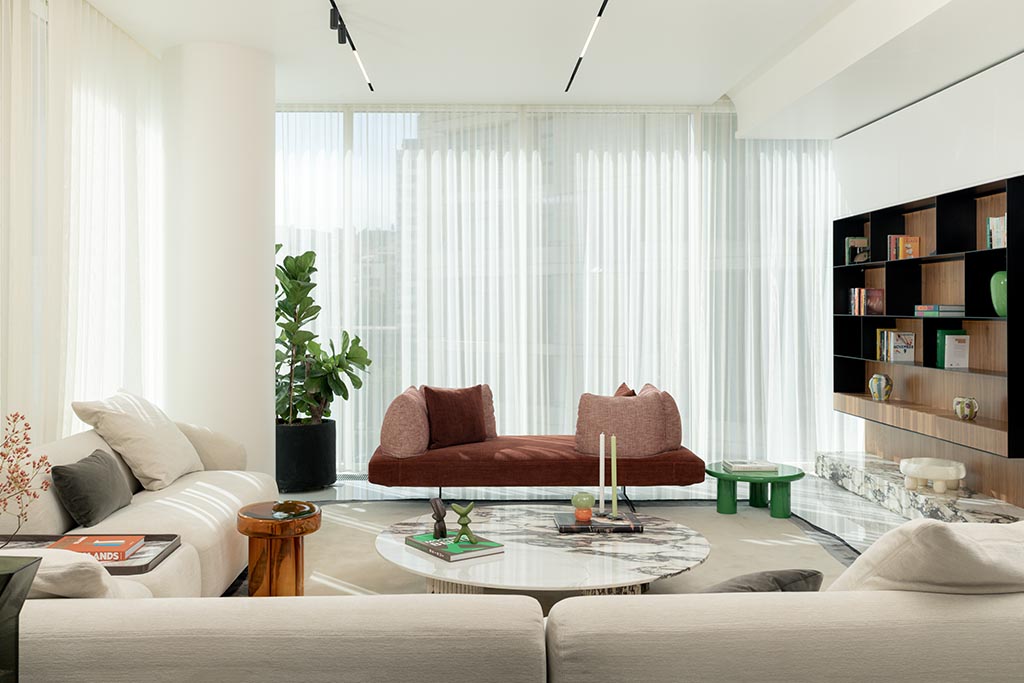
Your projects often involve bespoke elements and custom-designed pieces. Why is craftsmanship still so important in contemporary luxury interiors?
For me, craftsmanship is what gives a space authenticity, soul, and emotional depth. In an era of mass production and fast aesthetics, handcrafted and bespoke elements bring a sense of individuality and permanence that cannot be replicated. They carry a human touch, precision, and narrative, which makes a space feel far more personal and meaningful.
I believe contemporary luxury is shifting away from excess and toward refinement, material integrity, and thoughtful detailing. Custom-designed pieces allow me to create environments that feel unique to each client and deeply connected to the identity of the project, rather than assembled from trends or standardised solutions.
Craftsmanship also reflects patience, discipline, and attention to detail, values that are very important within my own design philosophy. Whether through custom furniture, carefully selected materials, artisanal finishes, or tailored spatial compositions, these elements add richness, texture, and emotional resonance to a space.
Ultimately, true luxury lies in the details that are quietly felt rather than loudly displayed. Craftsmanship creates that depth and timelessness, allowing interiors to feel not only visually refined, but deeply lived-in, enduring, and emotionally connected.
Winning the Luxury Lifestyle Award for Best Interior Designer in 2024 marked a significant milestone in your career. What did that recognition represent to you personally and professionally?
Receiving the Luxury Lifestyle Award for Best Interior Designer in 2024 was a deeply meaningful moment for me, both personally and professionally. Beyond the recognition itself, it felt like a validation of years of dedication, discipline, and belief in a very personal design philosophy, one rooted not only in aesthetics, but in emotion, atmosphere, and human experience.
Personally, it represented the result of persistence and passion. Building my own studio, developing an authentic voice, and remaining committed to my vision throughout the years required both resilience and consistency. As a woman, entrepreneur, and creative professional, the recognition carried an emotional significance because it reflected how far commitment and belief in one’s identity can lead.
Professionally, the award reinforced my presence within the international design scene and encouraged me to continue pushing my work further creatively and intellectually. More importantly, it affirmed that contemporary luxury design is evolving toward more meaningful, emotionally resonant spaces and that this human-centred approach to design is increasingly valued globally.
For me, the most rewarding aspect was not simply receiving an award, but knowing that the philosophy behind my work creating spaces that are deeply understood, timeless, and emotionally connected, resonated beyond borders.
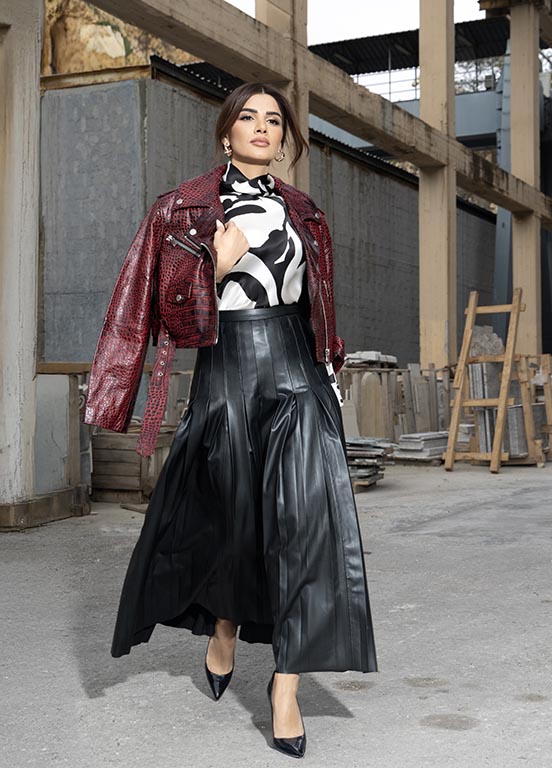
Your message for us at CP Magazine.
To CP Magazine, thank you for creating a platform that celebrates creativity, culture, and meaningful dialogue within the world of design and beyond. In a time where everything moves quickly and visually, it is refreshing to see a publication that values depth, authenticity, and the human stories behind creativity.
Magazines and cultural platforms have the power to inspire, connect, and preserve the emotional and artistic spirit of our generation. They become more than publications; they become spaces where ideas, passions, and visions are shared and remembered.
I truly appreciate the care and intention behind your work, and I believe that celebrating art, architecture, design, and culture with sincerity continues to bring beauty, awareness, and inspiration into people’s lives. Thank you for giving creatives and visionaries a voice and for contributing to a more thoughtful and meaningful creative conversation.