

Move beyond Malaysia’s familiar holiday addresses and discover Penang, an island where centuries of cultural exchange have shaped a world of extraordinary architecture, layered history and one of Asia’s most compelling food scenes. For GCC travellers seeking somewhere different, this characterful corner of the Strait of Malacca offers a fresh perspective on Southeast Asia, with heritage hotels, atmospheric streets and experiences best savoured slowly.
There is a particular hour in George Town when the light settles gently over the old shophouses, picking out faded pastel façades, intricate timber shutters and the decorative tiles that have survived generations of monsoon rains. Shopkeepers lift their metal shutters, the first coffees are poured and the city begins to stir. Down a narrow lane, incense curls from a temple; a few streets away, the call to prayer rises above the rooftops. In Penang, the day begins with many voices, and the most rewarding way to experience the city is to listen to them all.
Set off the north-western coast of Peninsular Malaysia, in the strategic waters of the Strait of Malacca, Penang has long occupied a crossroads between the Indian Ocean and the wider Asian world. Its modern history took a decisive turn in 1786, when British trader Francis Light established a settlement on the island for the East India Company. Merchants and migrants followed, arriving from China, India, the Malay Archipelago and further afield, bringing their faiths, crafts, languages and culinary traditions with them. Trade brought prosperity, but also inequality and exploitation; the island’s cosmopolitan character was shaped by both.
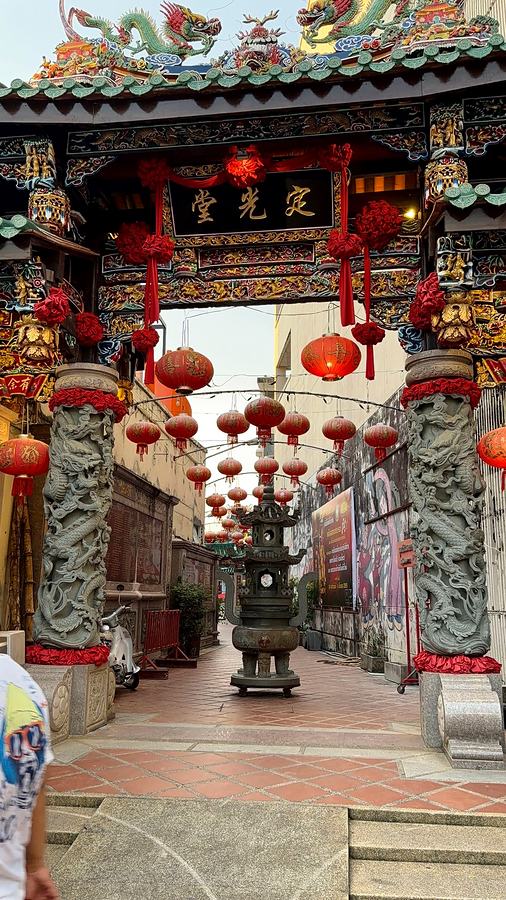
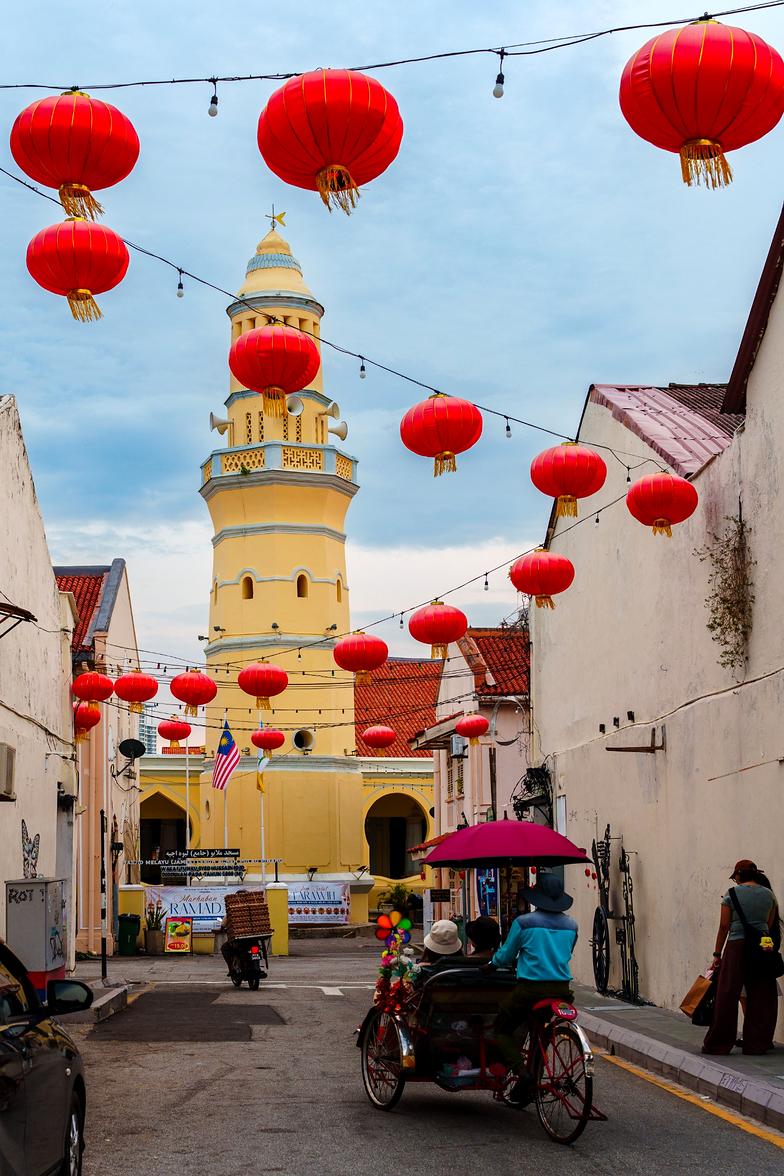
The result is a place whose identity cannot be reduced to a single influence. British colonial buildings, Chinese clan houses, Indian temples and Malay traditions form part of the same urban fabric, each with its own history and continuing place in local life. In 2008, George Town was inscribed on the UNESCO World Heritage List alongside Melaka, recognised for the exceptional cultural exchange reflected in its historic architecture and urban landscape. Yet its appeal lies as much in what remains lived-in as in what has been preserved. This is no museum city: families still occupy old houses, businesses pass between generations and everyday rituals unfold amid the architectural splendour.
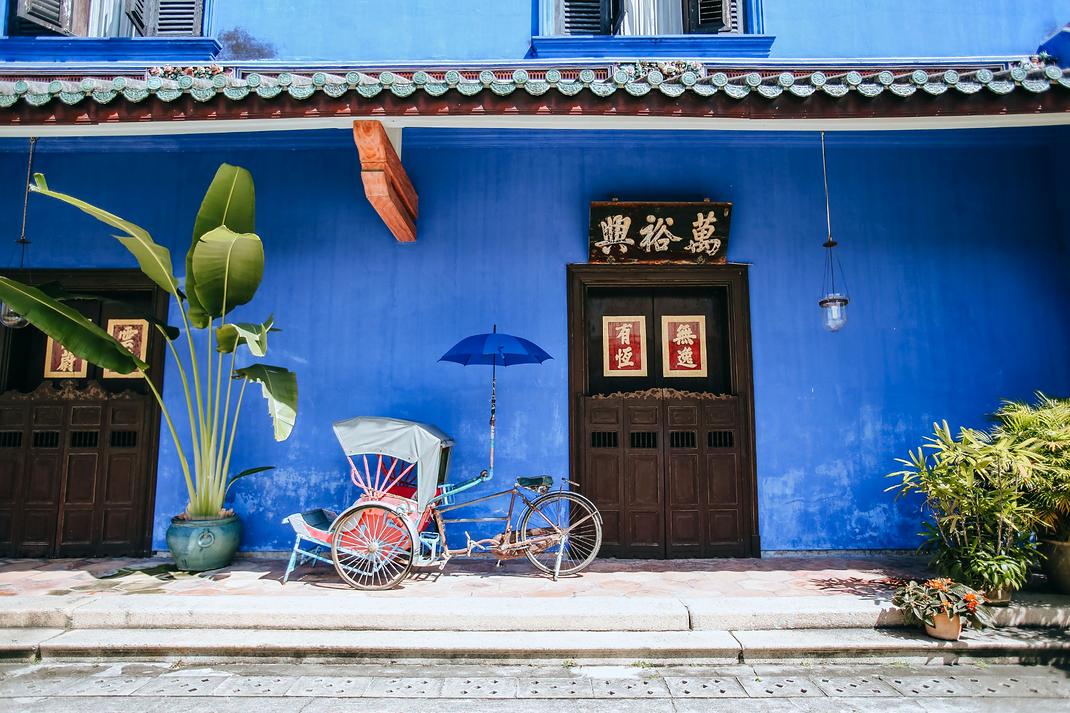
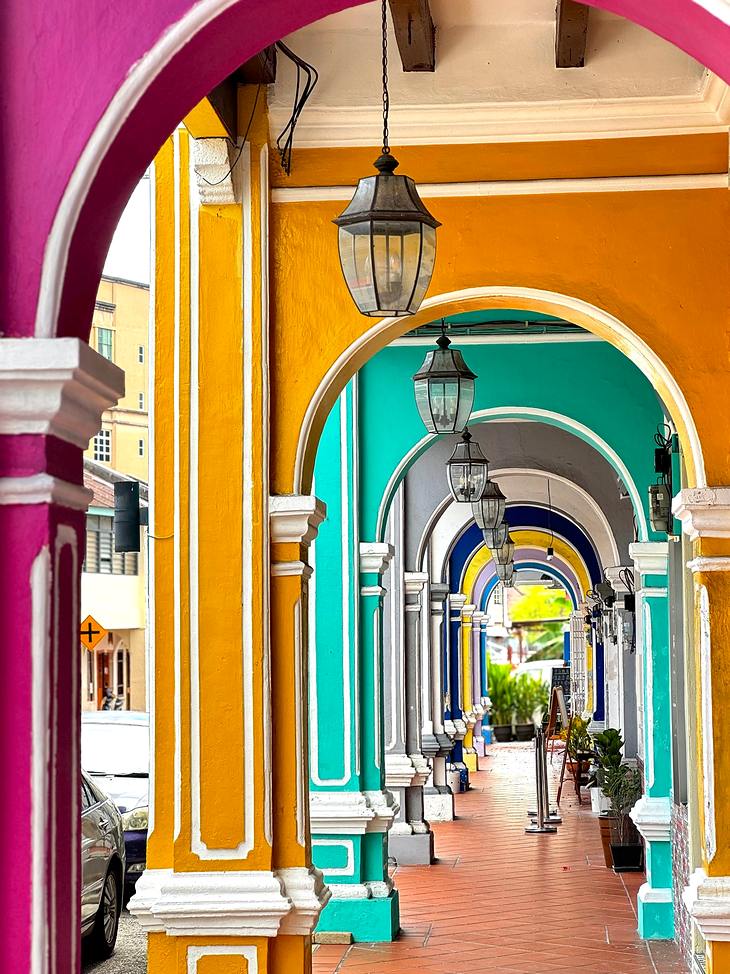
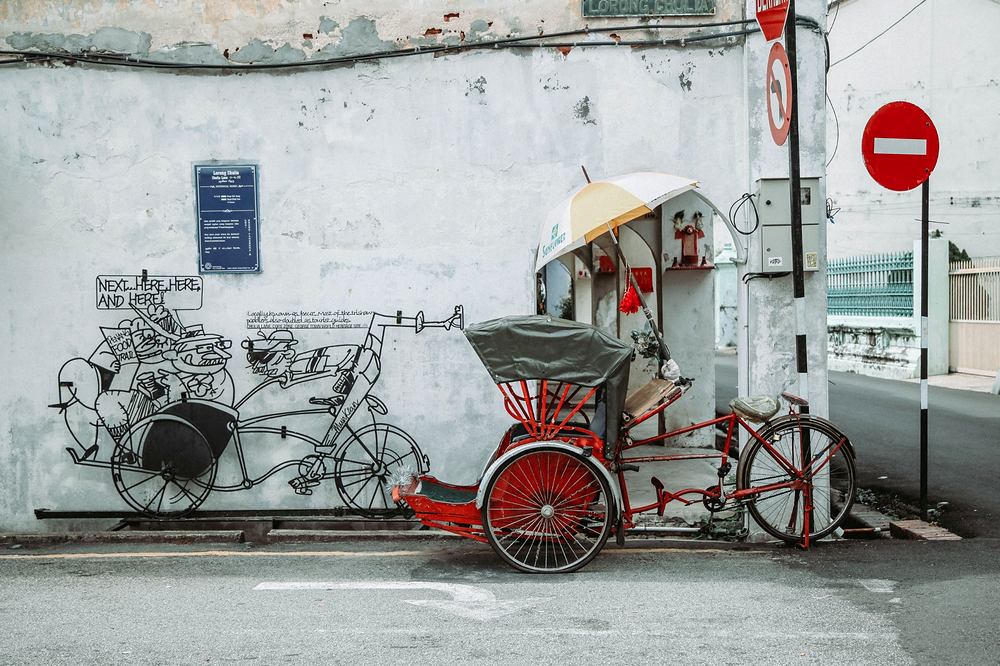
The best way to understand George Town is on foot, without an itinerary too tightly drawn. Armenian Street and its neighbouring lanes reveal a world of antique shops, independent galleries, cafés and workshops hidden behind unassuming façades. The celebrated street murals are worth seeking out, but the quieter discoveries often linger longer: a carved doorway, a courtyard glimpsed through an open gate, the intricate geometry of a five-foot way, the covered pedestrian passage that runs along traditional shophouses.
For a closer look at the island’s domestic heritage, the Pinang Peranakan Mansion offers an introduction to the culture of the Peranakan, communities of Chinese descent whose lives and traditions developed across the Straits Settlements. Its ornate interiors, carved furniture, ceramics and decorative objects reveal a distinctive aesthetic shaped by Chinese heritage, Malay influences and European tastes. The house offers more than a display of beautiful things; it suggests how identity can evolve across generations, absorbing new influences without losing its own character.
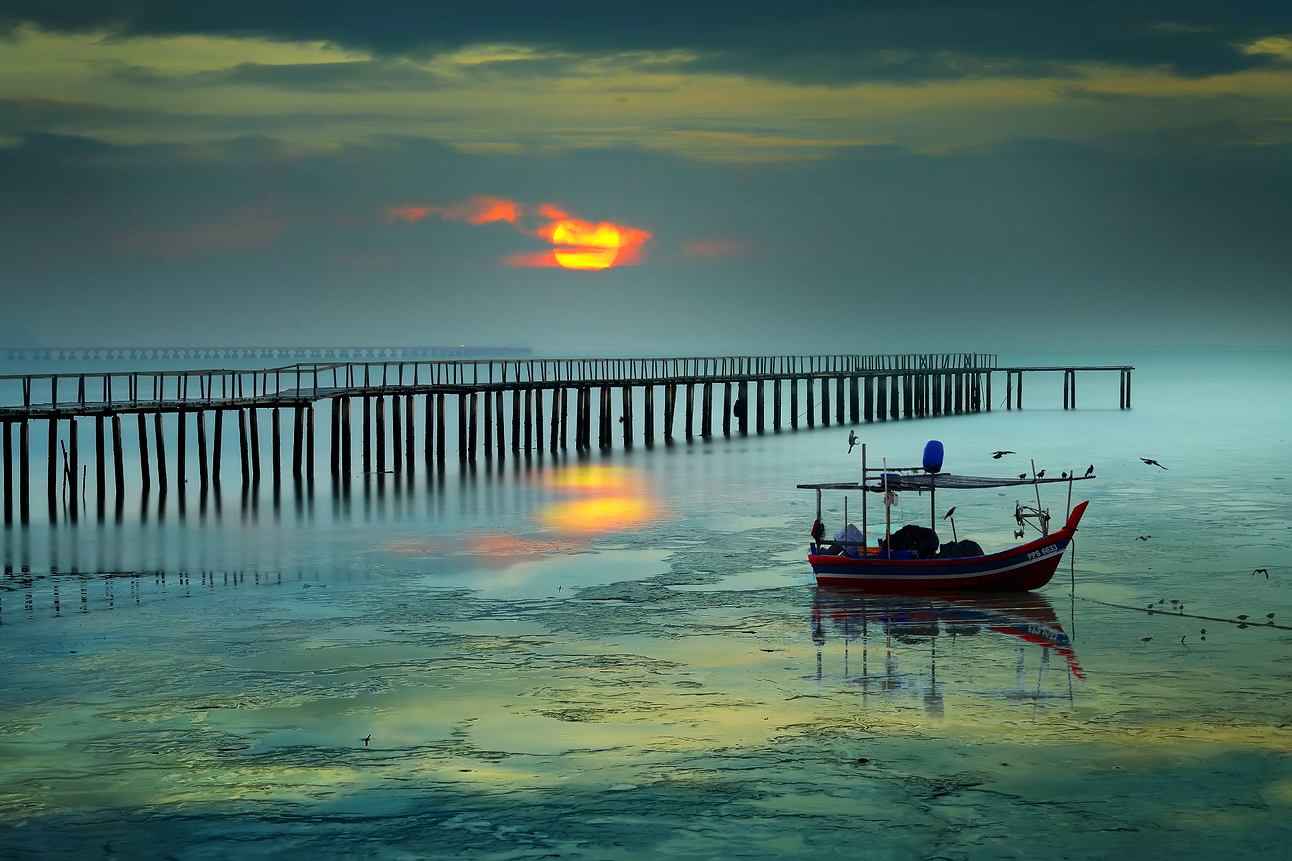
Elsewhere, the clan jetties extend the story towards the water. These wooden settlements, built on stilts above the sea, grew from Chinese clan and family networks that provided newcomers with a place to live and work. Their weathered walkways and modest houses offer a different perspective on Penang’s maritime past, far removed from the grand residences of its wealthier merchants. The contrast is essential to the island’s story: behind the polished surfaces of its heritage architecture lies a history of labour, migration and communities making a life in an unfamiliar place.
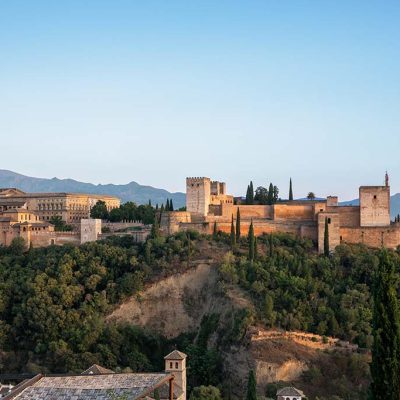
Luxury in Penang is best understood not as an escape from this history, but as a way of inhabiting it. The Eastern & Oriental Hotel, with its grand colonial architecture and views across the strait, evokes the age when Penang was an important port on the imperial trading routes. Its verandas and leisurely pace invite a pause between explorations, when the heat of the afternoon makes a shaded table and a long drink particularly appealing. Across George Town, restored merchant houses and heritage buildings have found new lives as intimate boutique hotels, where original architectural details lend a sense of place that a newly built resort could rarely replicate.
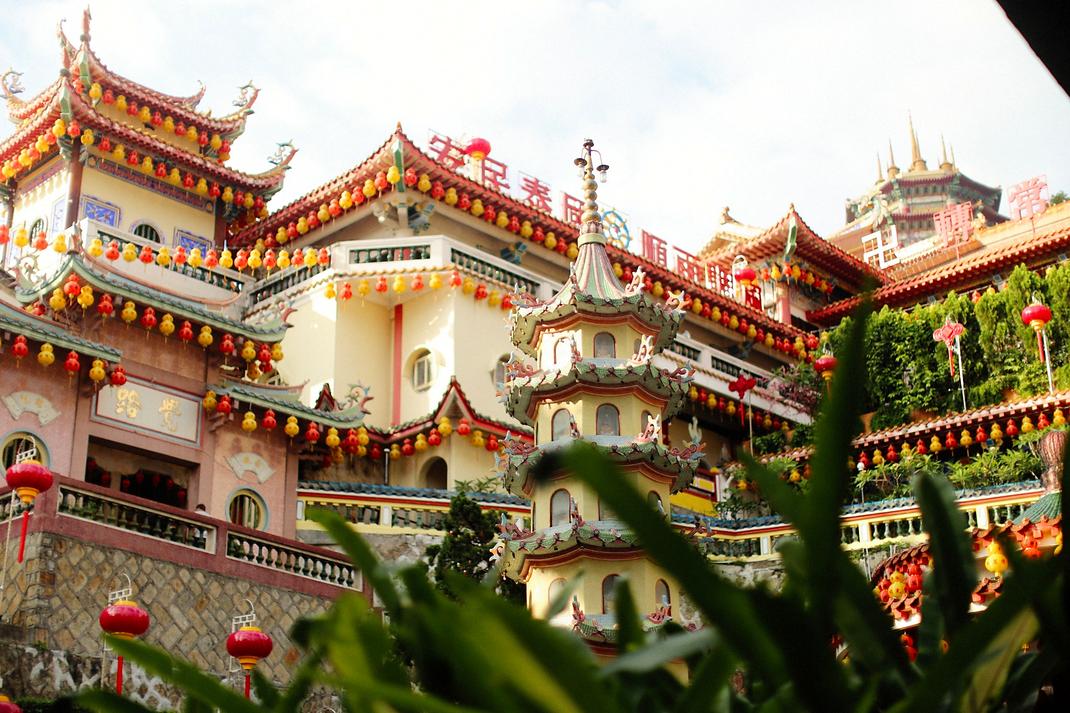
For a change of perspective, head inland to Penang Hill. The ascent by funicular leaves the traffic and humidity of the city behind, climbing towards cooler air, forested slopes and wide views across the island and mainland. Walking trails through the rainforest reveal a surprisingly green side to this densely layered destination, while the Habitat offers a closer encounter with the canopy. At the foot of the hill, the monumental Kek Lok Si Temple spreads across a hillside of pagodas, pavilions and gardens, its many architectural influences reflecting the region’s long-standing connections with Buddhist traditions.
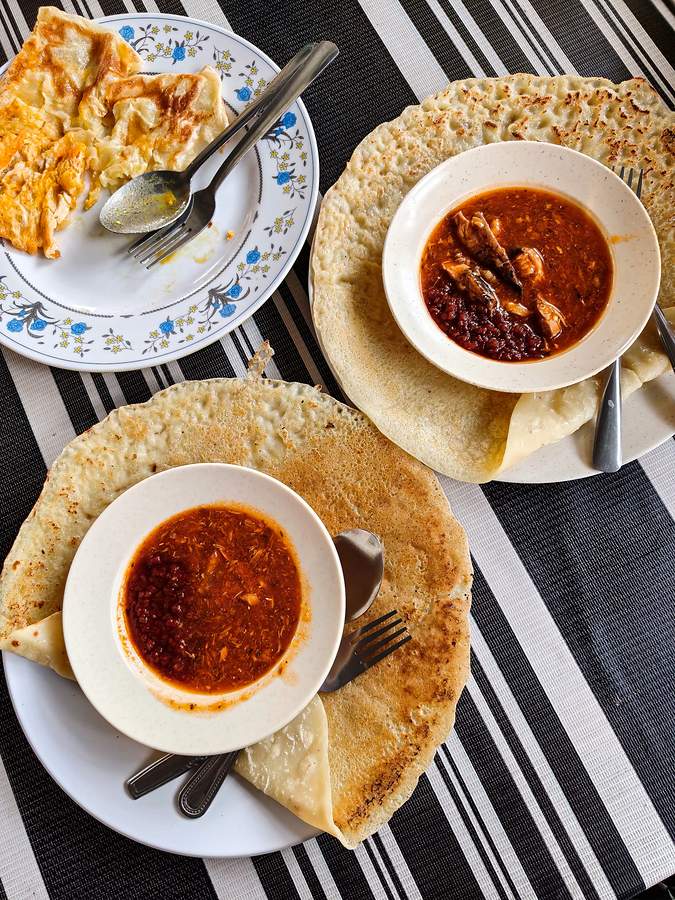
And then there is the food, perhaps the most immediate expression of Penang’s cultural character. Here, culinary heritage is not confined to fine-dining rooms or formal tasting menus. It is found at hawker stalls, in family-run restaurants and in recipes refined over decades. Char kway teow arrives from the wok smoky and savoury, its flat rice noodles tossed with prawns and other ingredients over intense heat. Asam laksa balances the richness of fish with tamarind’s sharpness, chilli and fragrant herbs. Nasi kandar, with rice served alongside an assortment of curries, reflects the enduring influence of Indian Muslim food traditions.
The island’s Peranakan cooking offers another layer, combining techniques and ingredients associated with Chinese and Malay kitchens in dishes that are complex, aromatic and deeply rooted in family tradition. To eat well here is to encounter history in its most immediate form: not as a sequence of dates, but as something tasted, shared and carried forward. Some of the most memorable meals may come from a humble counter rather than a beautifully appointed restaurant, and that is part of Penang’s appeal.
As evening approaches, George Town softens. The façades take on warmer tones, temple courtyards grow quieter and the streets begin to fill again as locals head out to eat. There is time for one last walk before returning to the calm of a heritage hotel, where the day’s discoveries settle into memory.
Penang rewards those who resist the urge to hurry. Its pleasures are not confined to a landmark or a single experience, but emerge through the connections between them: the merchant’s house and the family recipe, the colonial veranda and the working jetty, the rainforest above the city and the busy food stall below. For travellers ready to look beyond Southeast Asia’s better-known escapes, this small island offers something increasingly precious: a destination with a strong sense of place, where history is not something left behind, but part of the way life continues.