

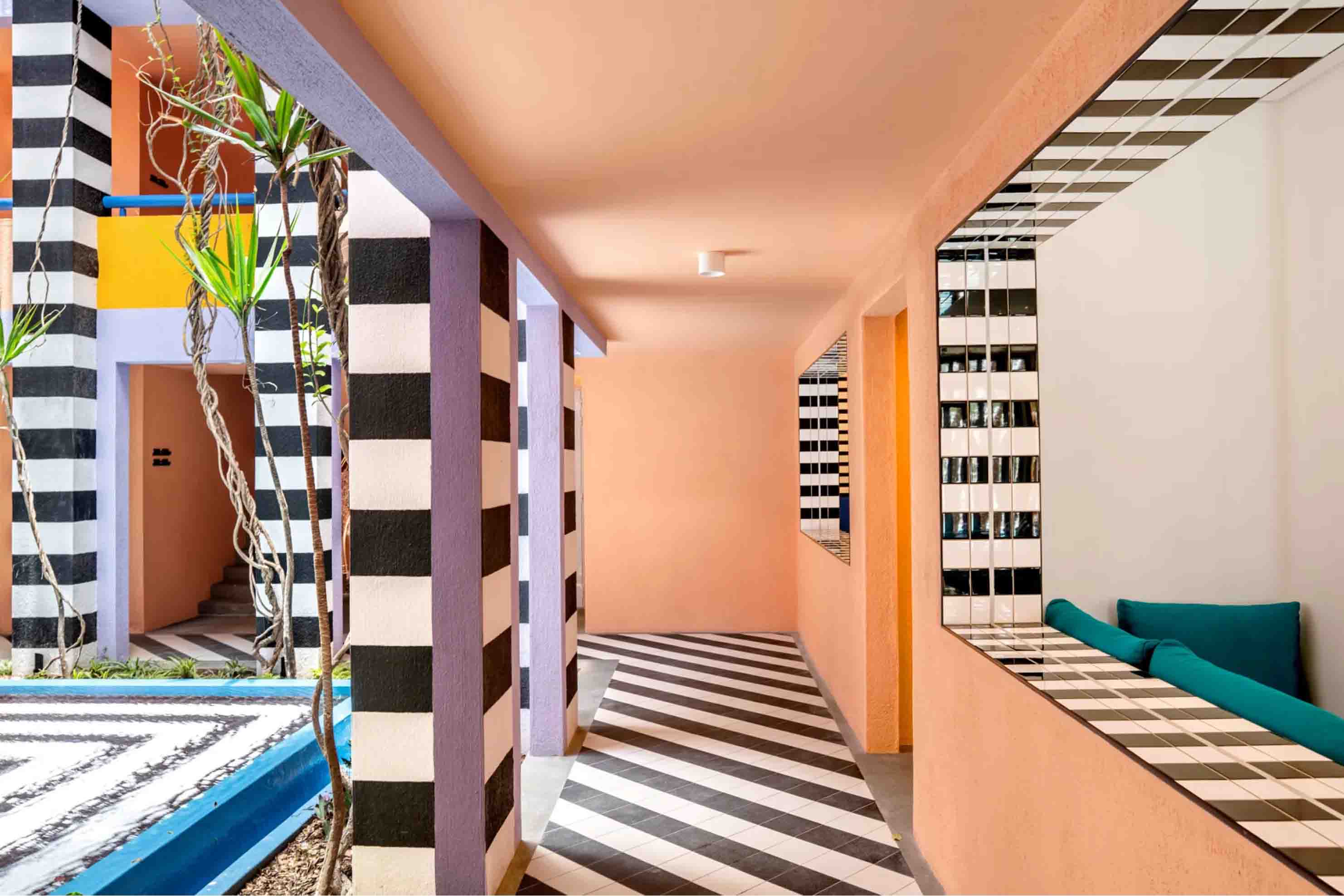
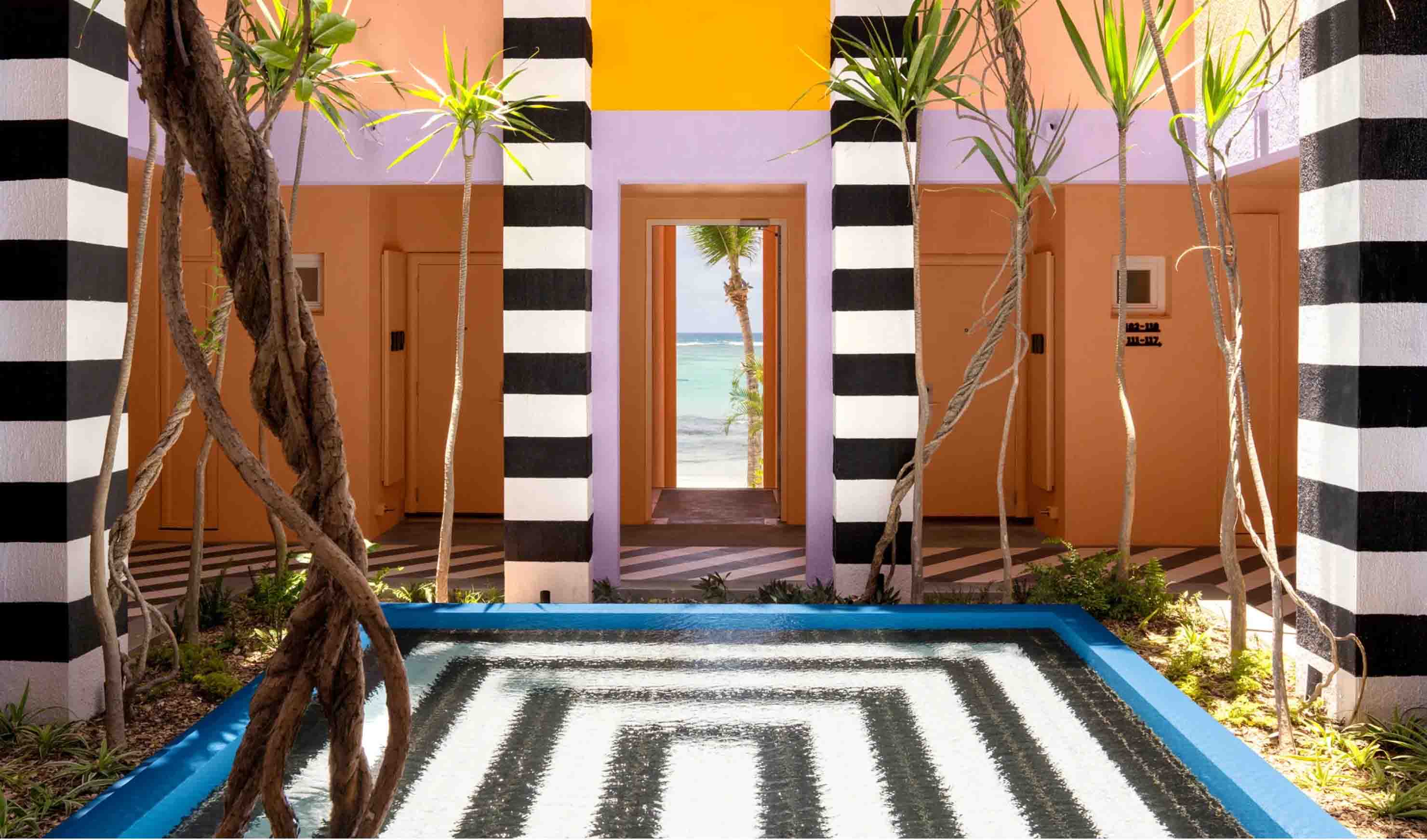
Architect Jean-François Adam and French designer Camille Walala have given SALT of Palmar a strong visual identity, pairing bold geometry and saturated colour with woven textures, mosaic, timber and handmade details. The result is a hotel with enough character to become a destination in its own right, where the architecture and interiors are as much part of the experience as the turquoise lagoon beyond them.
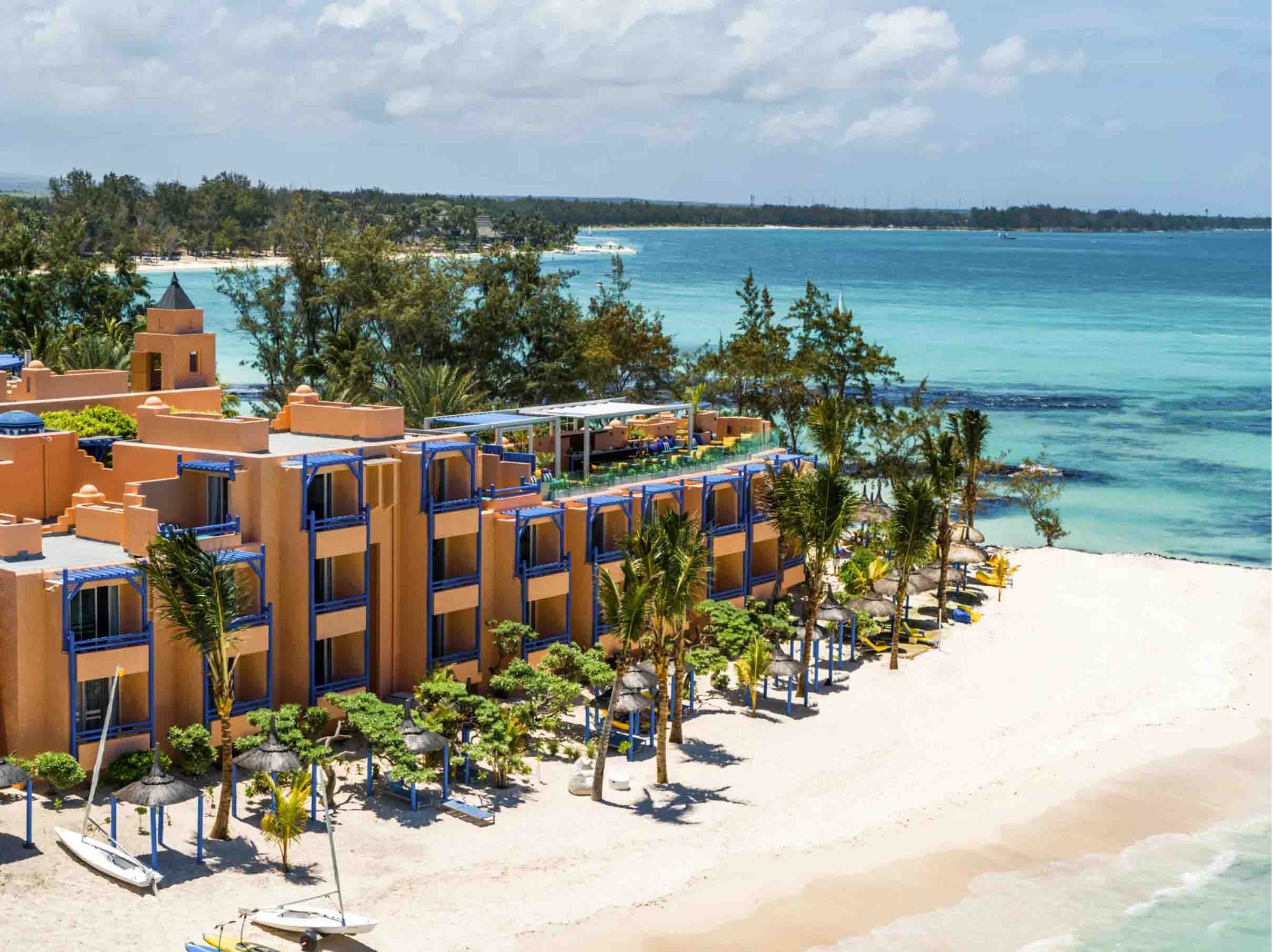
On Mauritius’ east coast, SALT of Palmar feels less like a conventional beach resort and more like a world created around design. Architect Jean-François Adam and French designer Camille Walala have transformed an existing Moroccan-inspired property into something altogether more graphic and contemporary, bringing together strong geometric forms, vivid colour and a collection of textures that give the hotel its unmistakable personality.
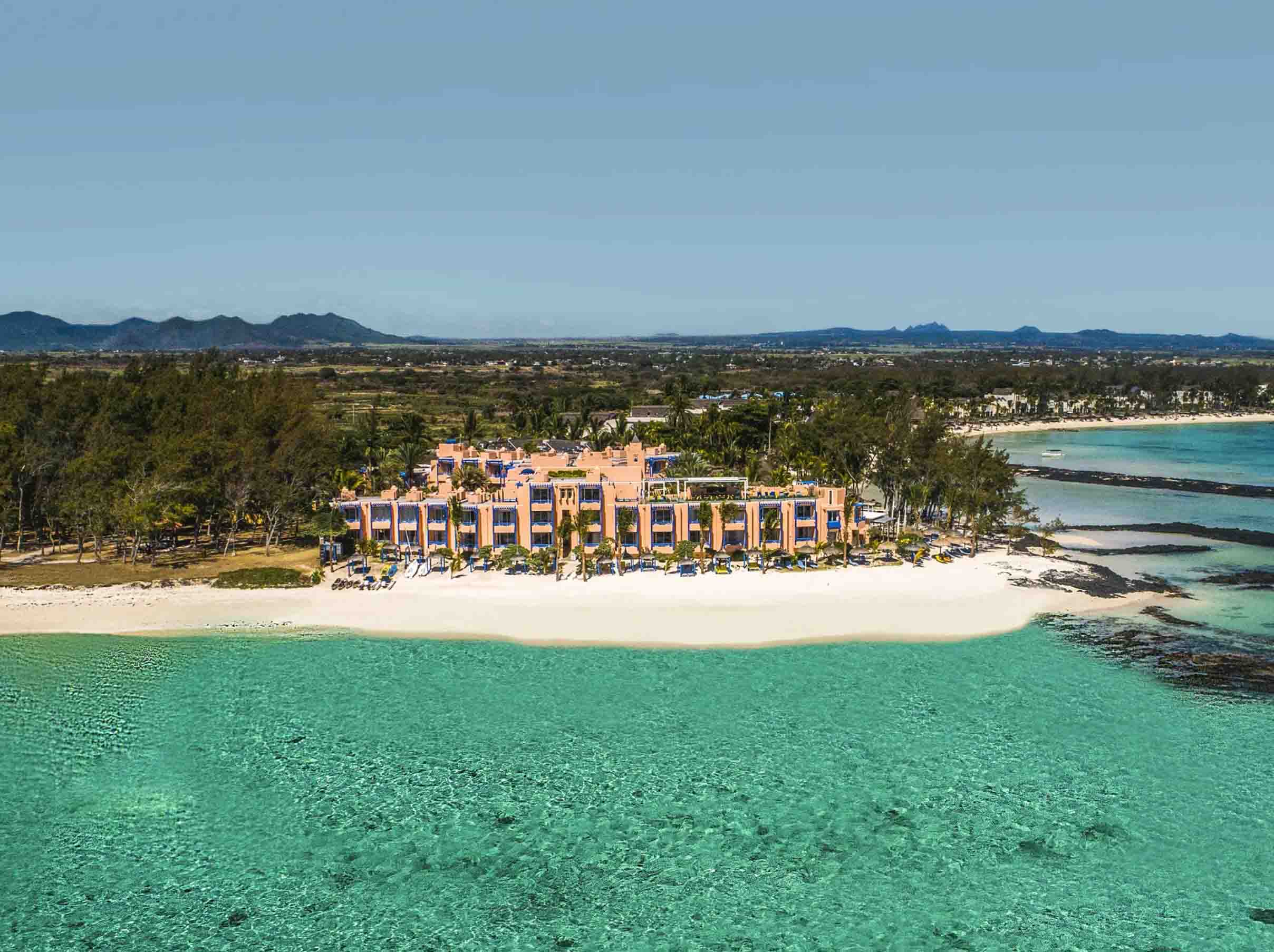
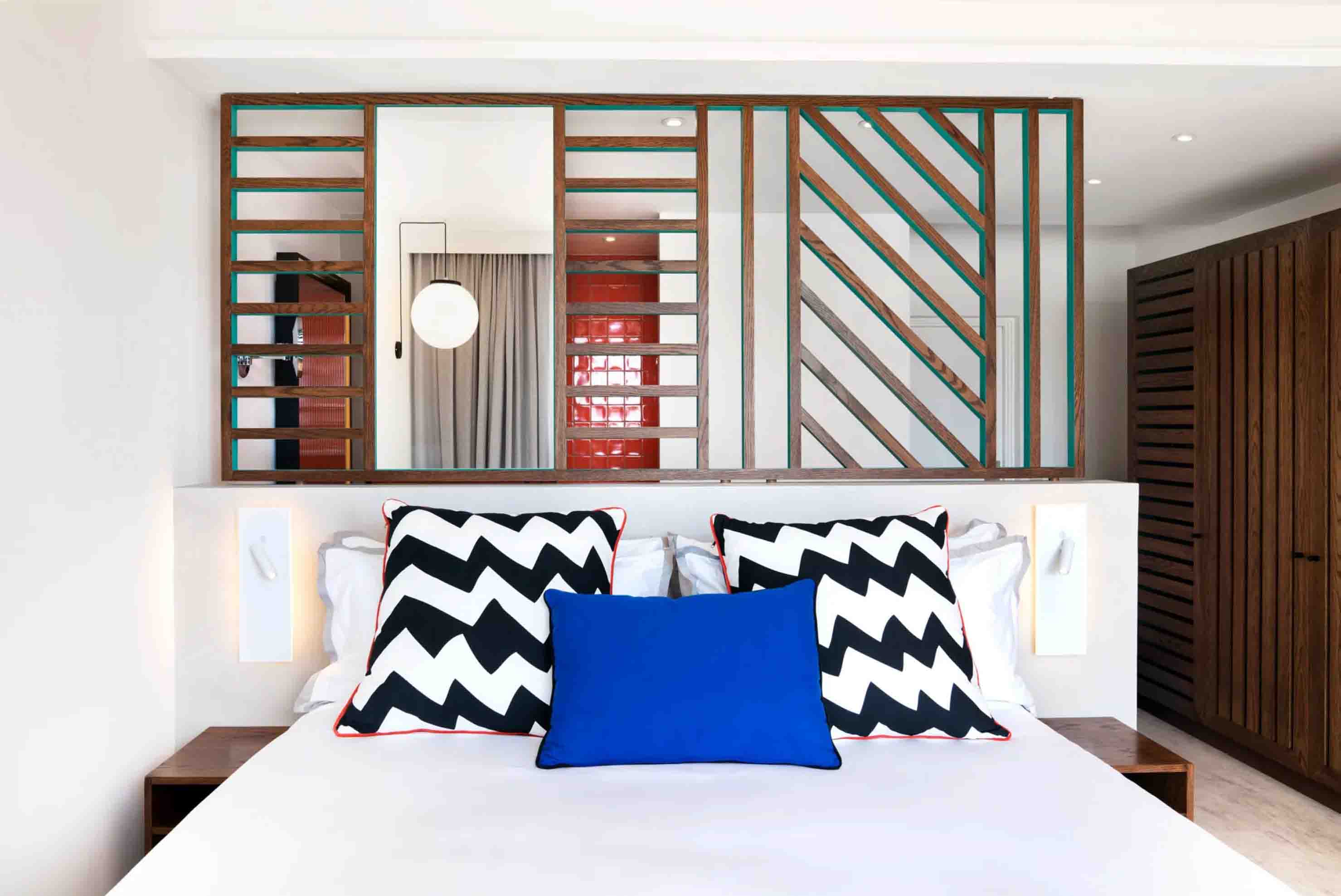
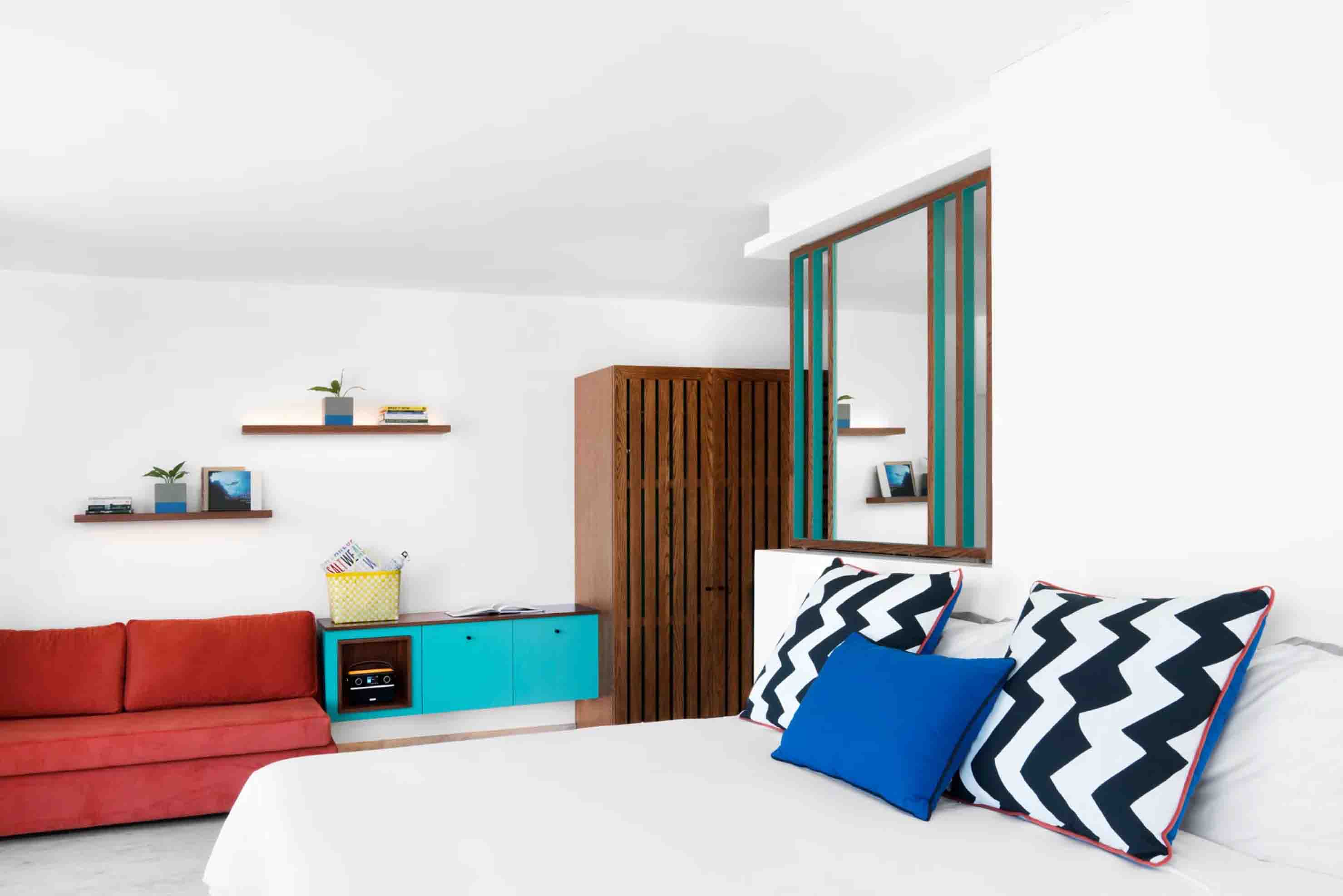
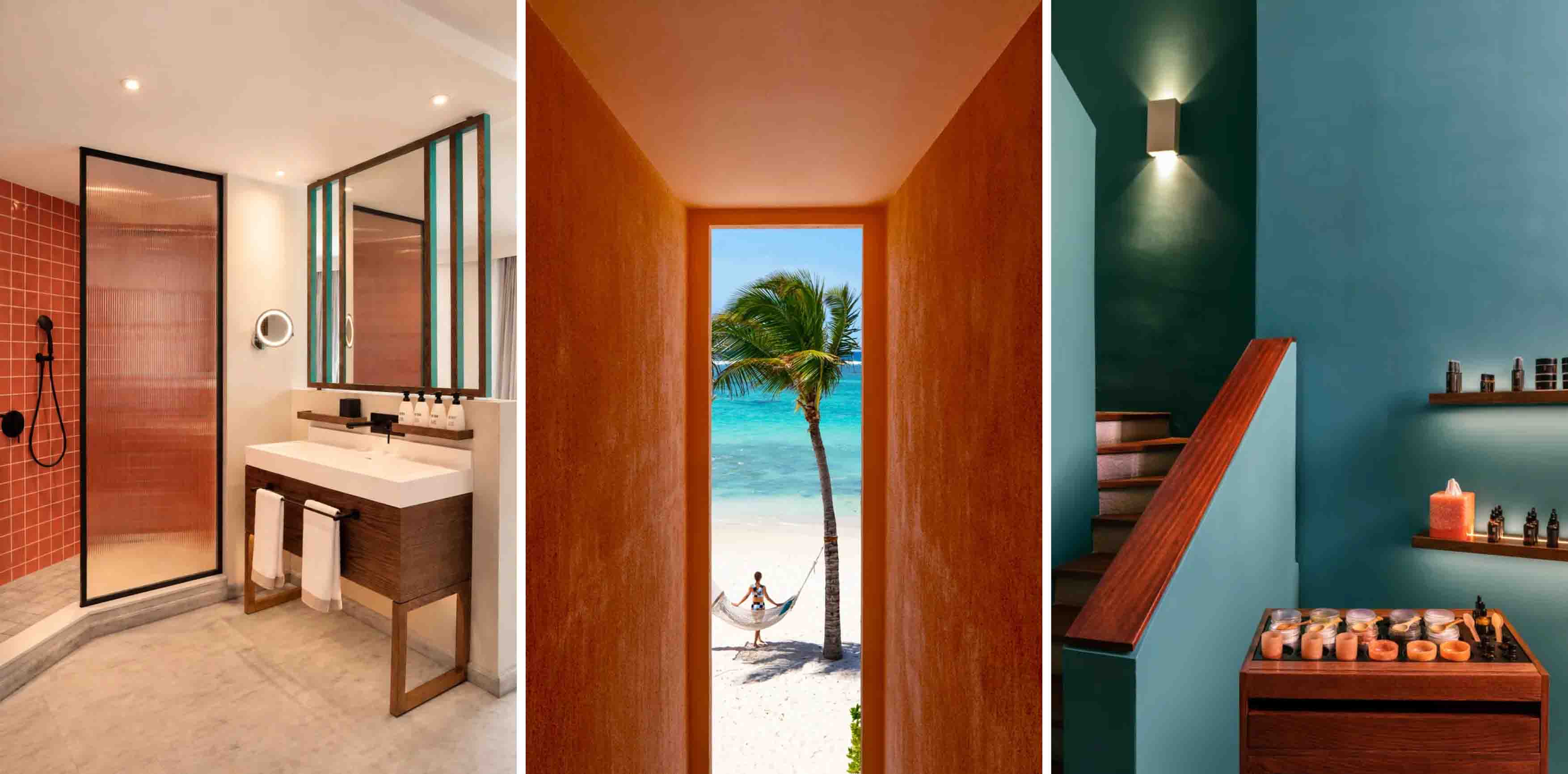
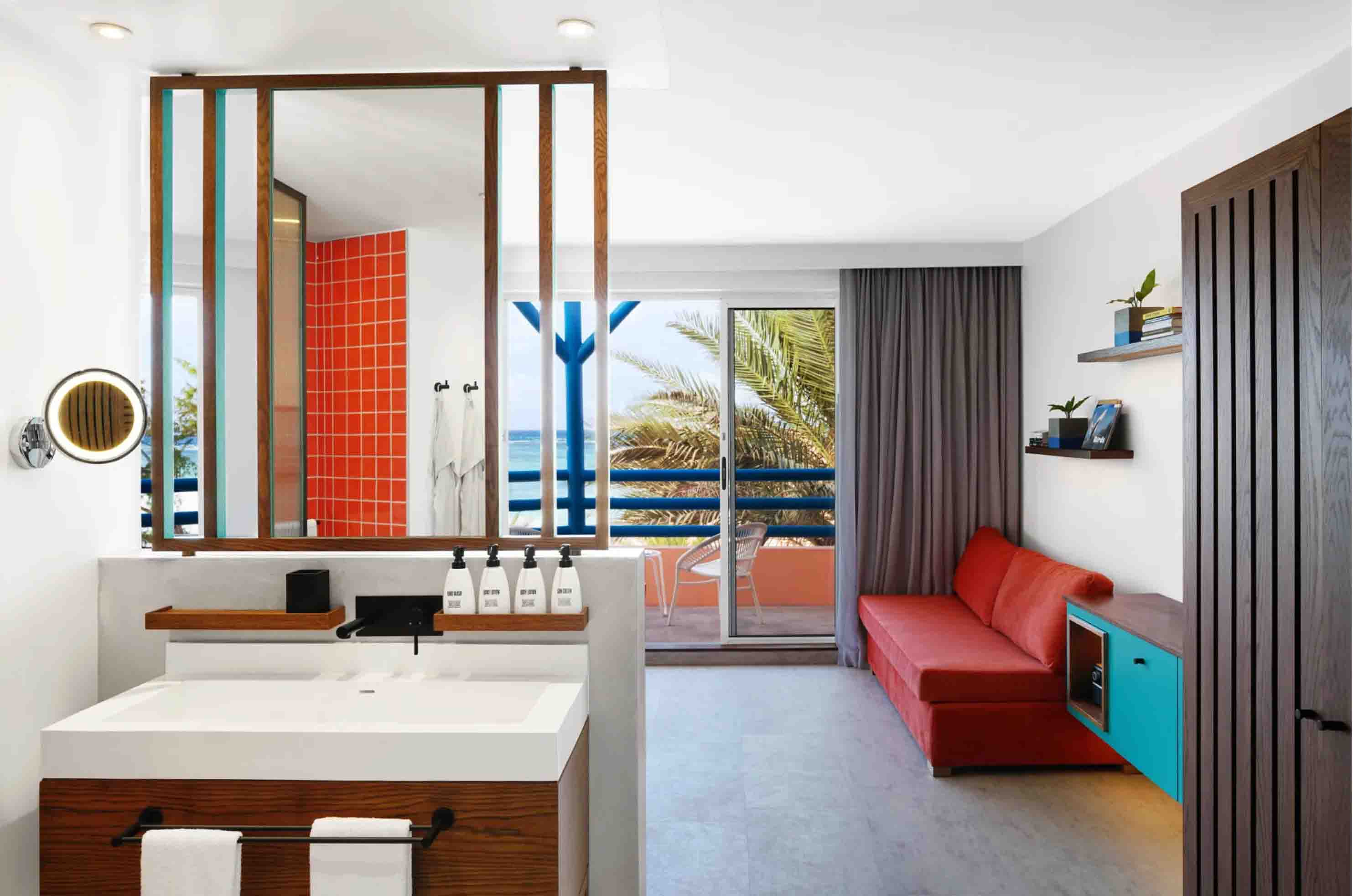
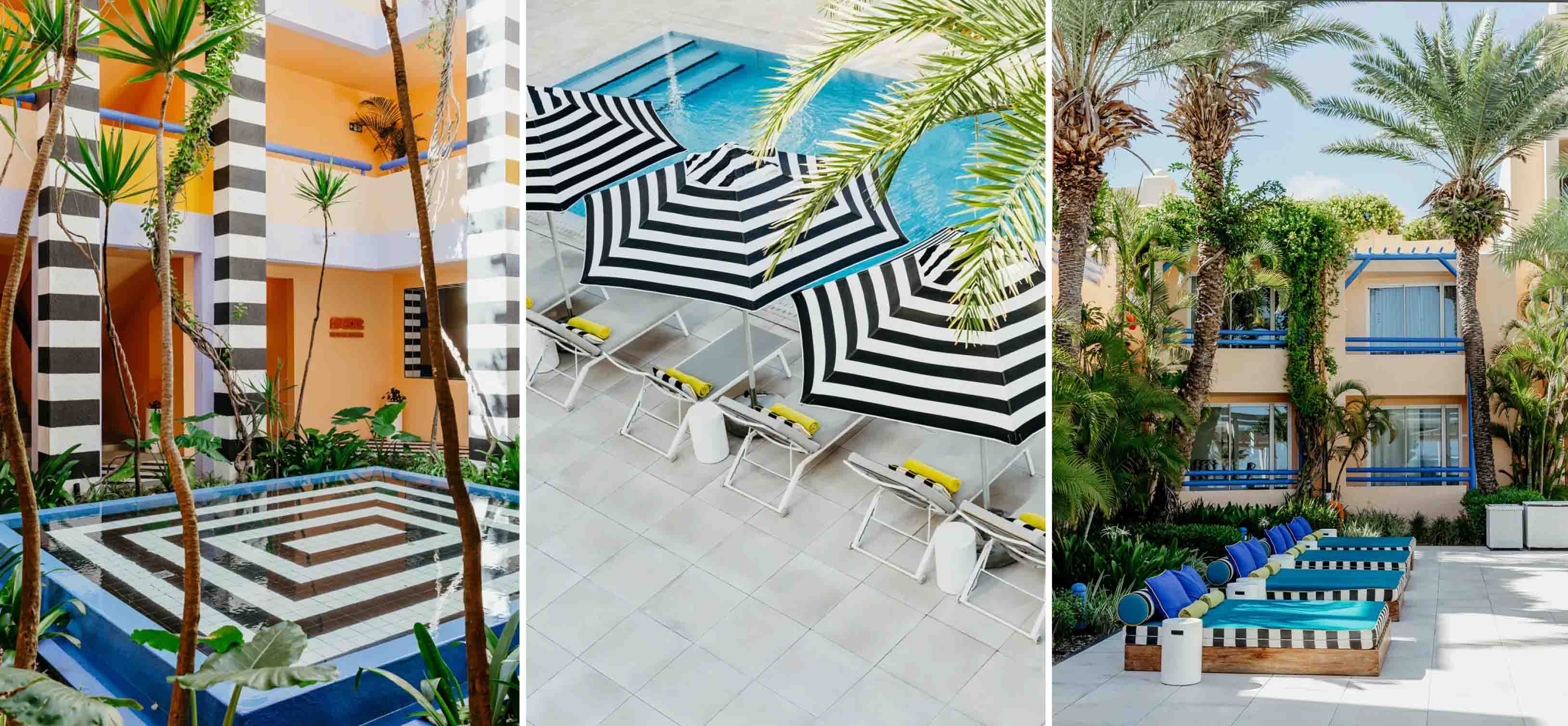
The palette moves confidently through turquoise, coral, peach, black and white, echoing the colours of the island without attempting to compete with its landscape. Sugarcane fields stretch inland while the Indian Ocean provides an ever-changing backdrop, and throughout the property there is a sense that the design has been allowed to have fun.
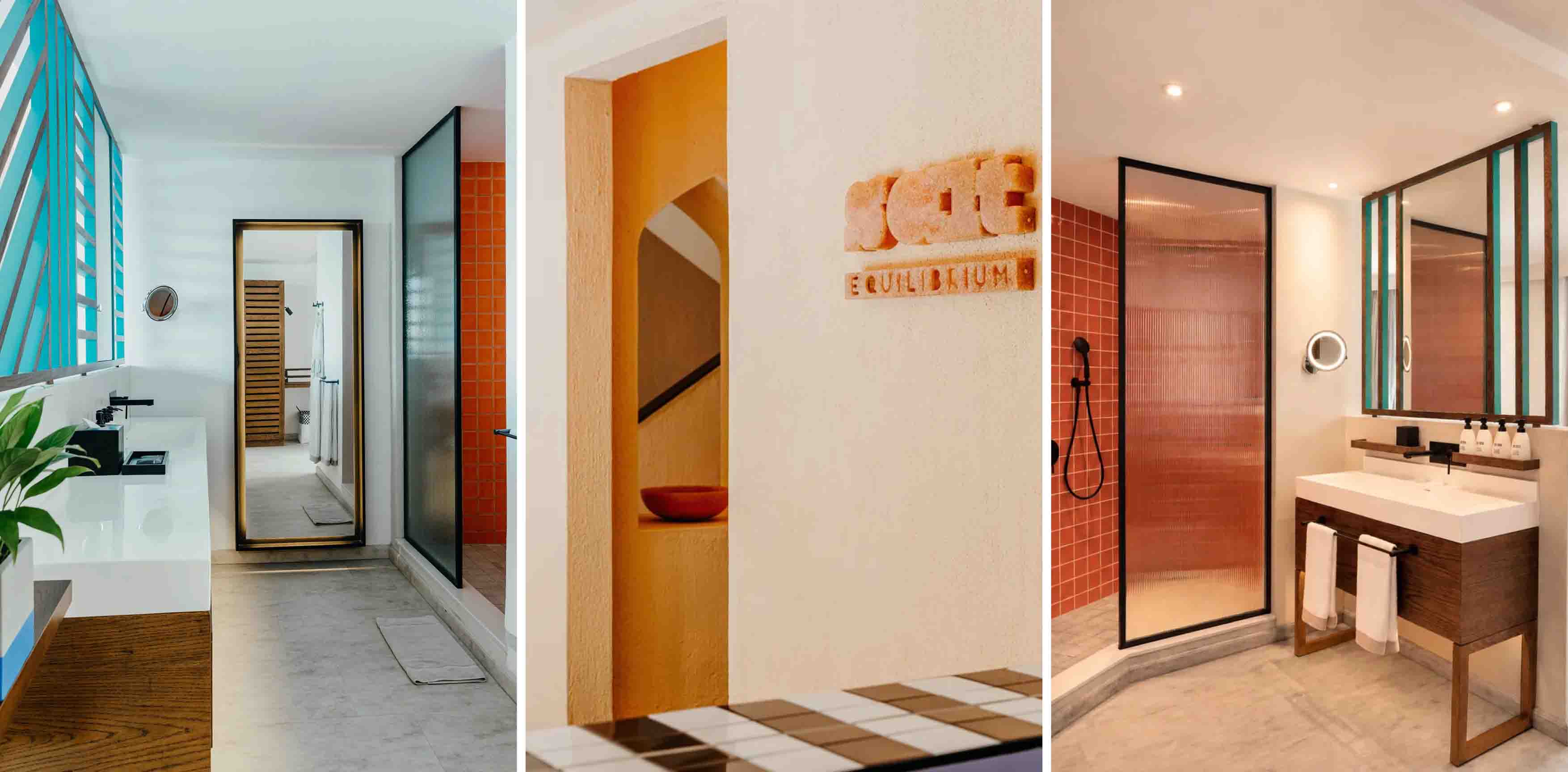
Woven black-and-white chairs sit around the pool, beach and bar, alongside mosaic tables, patterned cushions, rugs and sunbeds. In the rooms, fiery orange-red chairs contrast with turquoise-blue timber furniture, while striped cushions and woven beach bags add another layer of texture. Terraces in shades of blue and peach open towards the sea, giving even the quieter corners of the hotel a strong sense of place.
The architecture works particularly well because it does not try to impose itself on Mauritius. Instead, it creates a series of spaces that encourage guests to move between them naturally. An interior courtyard brings water and artwork into the centre of the property, while the redesigned swimming pool establishes a visual connection with the beach. Even the traditional hotel lobby has been reconsidered as a calmer meditation space, reinforcing SALT’s more relaxed approach to hospitality.
That attention to atmosphere continues beyond the aesthetics. SALT of Palmar is an adults-only retreat designed around a slower rhythm, with the Indian Ocean, rather than a conventional resort programme, providing much of the entertainment. The property has also been awarded four stars by Forbes Travel Guide.
Its position on Palmar Beach, close to Belle Mare, makes it a particularly appealing base for travellers looking to experience Mauritius without being entirely removed from local life. The airport is around an hour away, while the immediate surroundings remain relatively low-key, with the Ambre resort and a small supermarket nearby. A car or driver is useful for exploring further afield, but there is little pressure to leave once the hotel begins to feel like the destination itself.
The beach directly in front of the property is rocky in places, but the swimming lagoon to the left opens onto clear, calm water. SALT sits on a point with two distinct beach settings, giving guests different places to spend the day. Paddleboarding, kayaking, snorkelling and glass-bottom boat trips are among the options on the water, while yoga, walking, jogging, beach football and horseback riding offer more ways to experience the coastline.
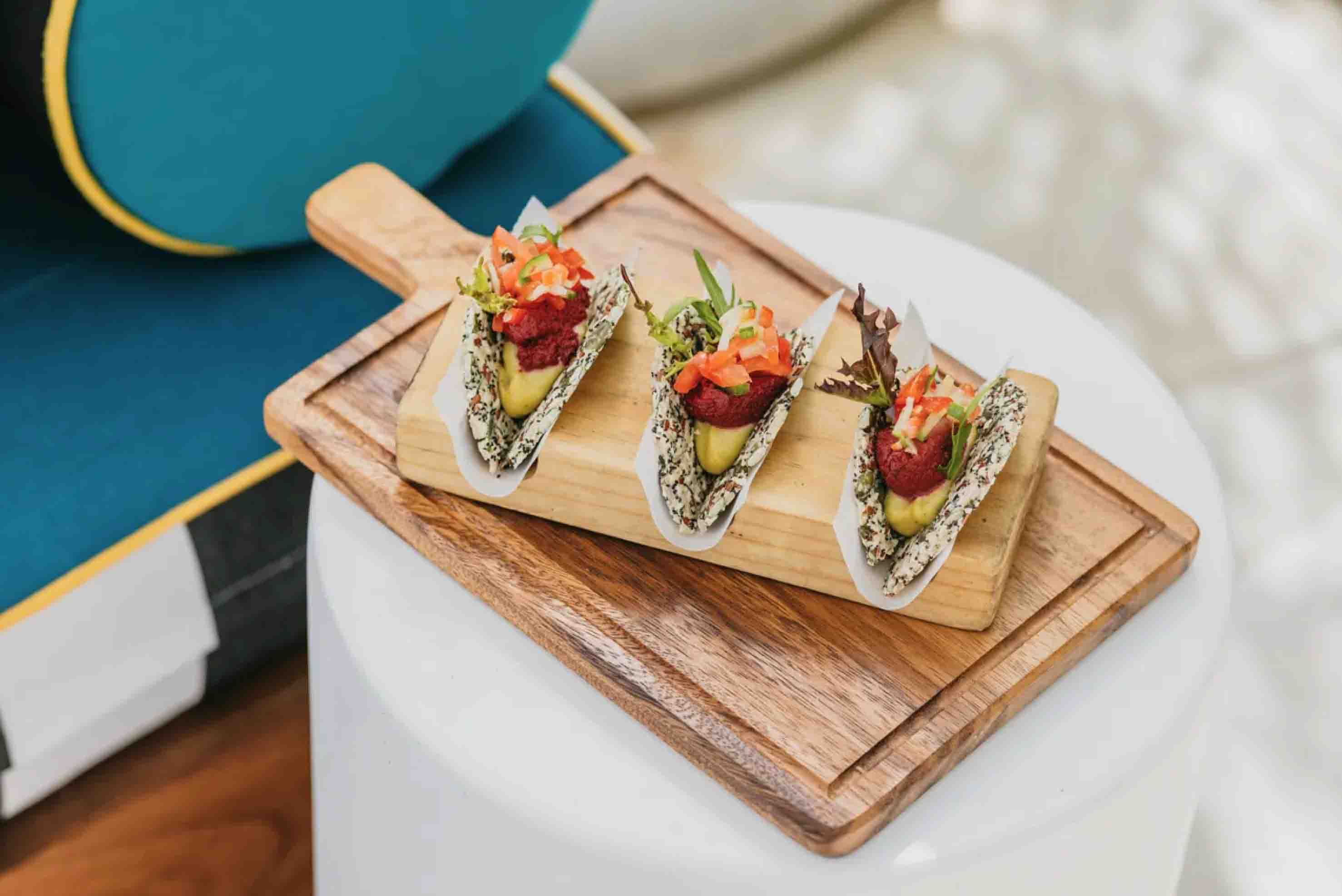
Food is equally central to the experience. The Good Kitchen focuses on fresh, seasonal ingredients sourced from local farmers and fishermen, with vegetarian, vegan, raw and seafood dishes among the choices. Tek Tek takes a more casual approach, serving Mauritian comfort food in an informal setting. Two bars complete the offering, with cocktails created by London mixologist Mathew Atkinson and inspired by stories and characters from the island.
There is also a considered approach to sustainability. Single-use plastics have been removed from the property, food waste is kept to a minimum and a proportion of the produce comes from the hotel’s own farm or nearby suppliers. A skill-swap programme gives guests the opportunity to exchange knowledge and experiences, adding another layer to the idea of a hotel that is connected to its surroundings rather than simply positioned within them.
For GCC travellers accustomed to highly polished five-star resorts, SALT offers a different proposition. Privacy, a beautiful stretch of the Indian Ocean and thoughtful hospitality remain firmly in place, but the experience is driven by personality rather than ceremony. The design gives the property its own visual language, while the food, local connections and easy pace make it possible to experience Mauritius without feeling detached from it.
SALT of Palmar ultimately succeeds because the hotel itself becomes part of the journey. Its colours, textures, architecture and sense of place create an environment worth exploring, photographing and simply spending time in. Paradise provides the setting, but here design gives it a character of its own.