

THE VOLCANIC ISLAND THAT CHANGED THE RULES
Forged by volcanic eruptions and reimagined through the extraordinary vision of César Manrique, Lanzarote is unlike anywhere else in Europe. What many once saw as a barren landscape of lava and ash became, in Manrique’s eyes, one of nature’s greatest masterpieces. Here, architecture blends seamlessly into volcanic rock, art emerges from ancient lava tubes and even the island’s most dramatic scenery is left to speak for itself. Long before sustainability became a global conversation, Lanzarote had already discovered that true luxury lies not in conquering nature, but in living beautifully alongside it.
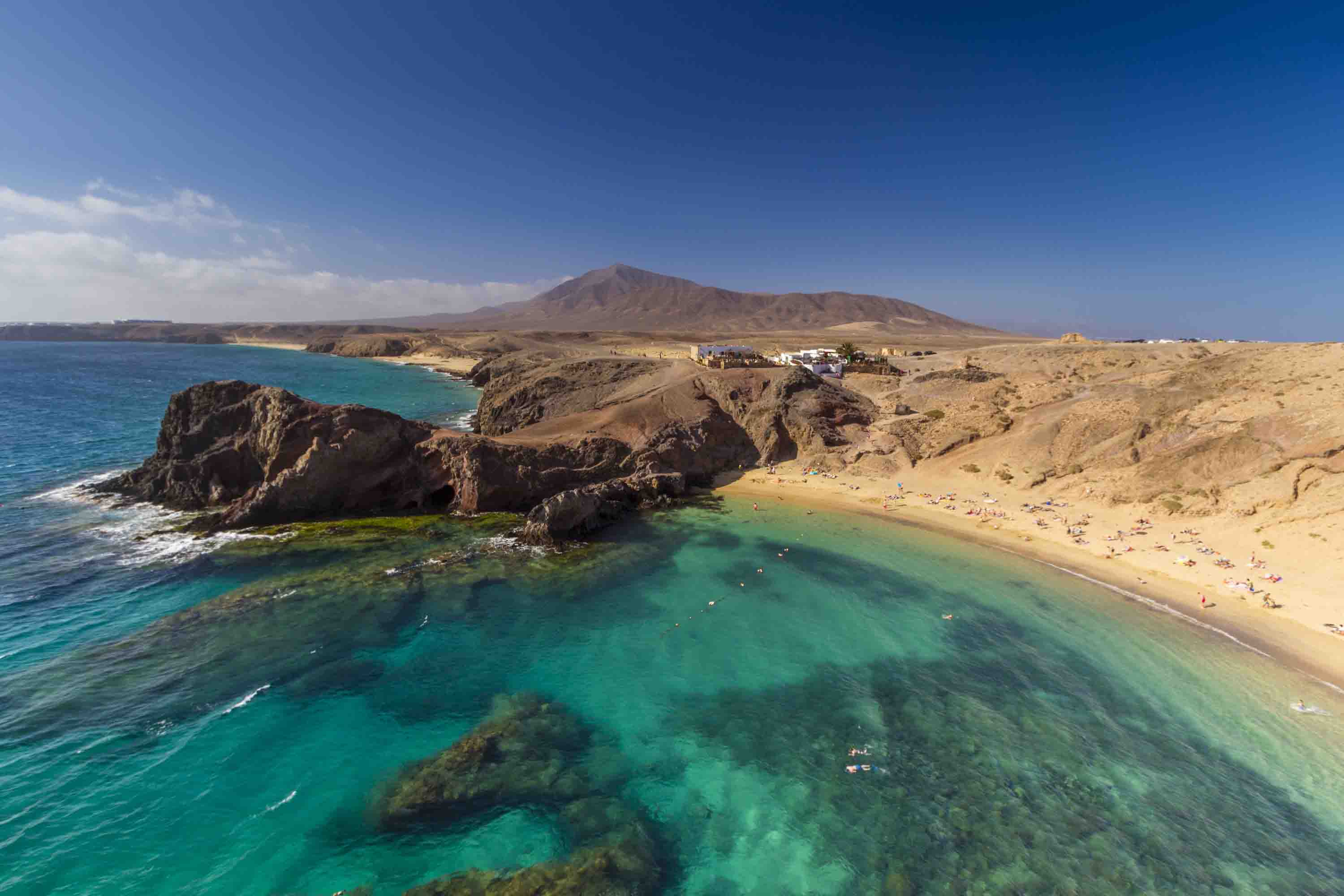
There is something wonderfully unsettling about arriving in Lanzarote for the first time. From the aircraft window, the island appears almost monochrome, an expanse of black lava flowing towards an impossibly blue Atlantic. Green is scarce, trees are few and the landscape feels almost prehistoric, as though the Earth itself were still unfinished. It is a place shaped by fire rather than by time, where more than 300 volcanic cones rise from the horizon and the silence feels every bit as dramatic as the scenery.
For centuries, this was regarded as a harsh island. One where farming demanded ingenuity rather than abundance, where villages clung to life between lava fields and where the eruptions of the eighteenth century left scars so immense they transformed almost a quarter of the island forever. When the volcanoes awoke in 1730, they did not merely reshape the landscape. They buried homes, erased fertile land and forced generations of islanders to rebuild their lives upon ash and stone.
Yet what appears desolate at first glance slowly reveals itself as something altogether different. The black lava begins to glow with unexpected shades of amber beneath the afternoon sun. Whitewashed villages seem to float effortlessly above the volcanic earth. Vineyards emerge from fields of ash with an elegance that defies logic. What once appeared austere becomes strangely hypnotic. Lanzarote is not an island that overwhelms you instantly; it seduces you gradually, rewarding those willing to look beyond first impressions.
Perhaps no one understood that better than César Manrique. When the artist returned home after years spent in Madrid and New York during the 1960s, he found an island standing at a crossroads. Across the Mediterranean and the Atlantic, coastlines were surrendering to concrete towers, sprawling developments and the promise of mass tourism. Lanzarote could easily have followed the same path.
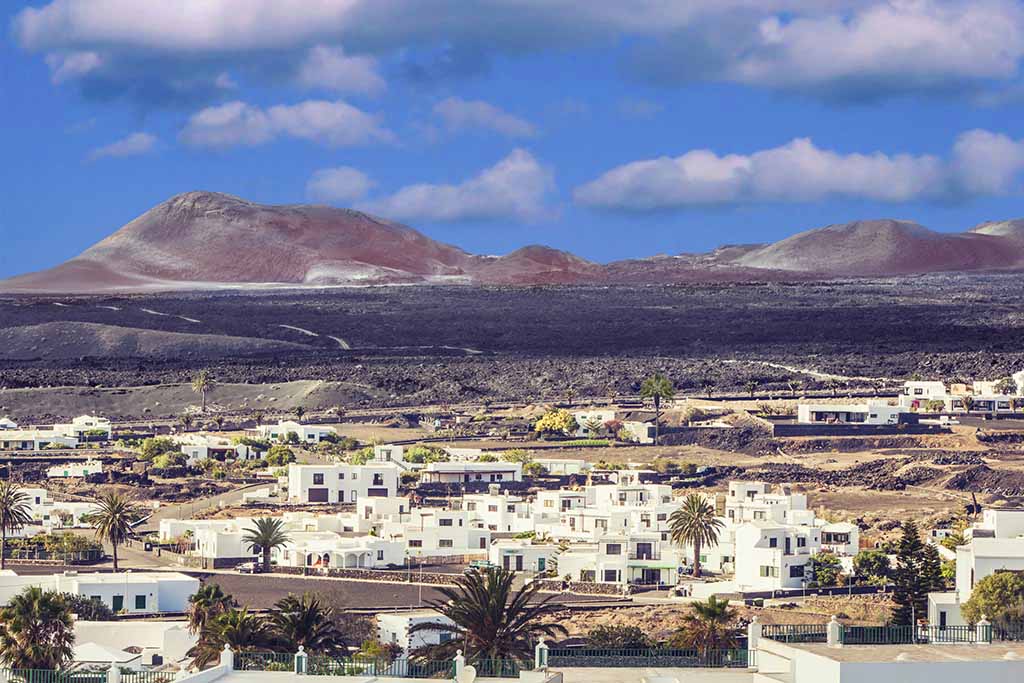
Manrique refused to let that happen. Painter, sculptor, architect, designer and one of Europe’s earliest environmental visionaries, he believed that the island’s greatest asset was not something waiting to be built, but something that already existed. Others saw a barren landscape of lava and ash. Manrique saw one of nature’s greatest works of art. Rather than softening the island’s volcanic character, he celebrated it. Rather than hiding its dramatic landscape, he invited people to experience it more deeply.
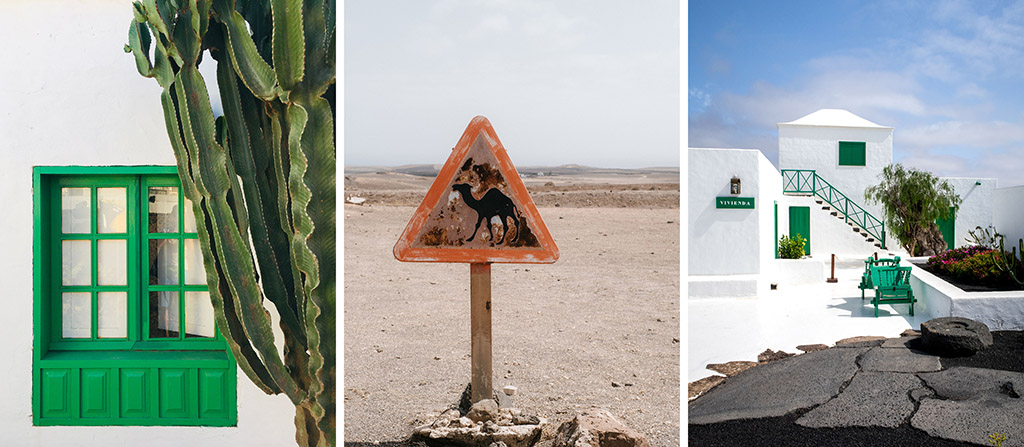
His philosophy was remarkably simple: every intervention should enhance nature, never compete with it. It was a radical idea at the time. Buildings remained low-rise and traditionally whitewashed, preserving the visual harmony of the island. Palm trees replaced advertising billboards. New architecture was encouraged to disappear into the landscape rather than dominate it. Manrique understood that beauty did not need to be manufactured; it needed to be revealed.
Today, his legacy is everywhere, yet it rarely demands attention. It appears almost quietly. A home carved into volcanic bubbles. A cultural space hidden inside an ancient lava tube. A panoramic viewpoint concealed within the cliffs. A cactus garden rising from an abandoned quarry. Individually, each is remarkable. Together, they tell a far more compelling story: that art and nature need not exist in opposition. In Lanzarote, they complete one another.
That quiet dialogue between creativity and landscape remains the island’s defining characteristic. It is impossible to understand Lanzarote without understanding Manrique, just as it is impossible to understand Manrique without understanding the volcanoes that shaped him. Fire created the island. He simply taught the world how to see its beauty.
A LANDSCAPE REIMAGINED
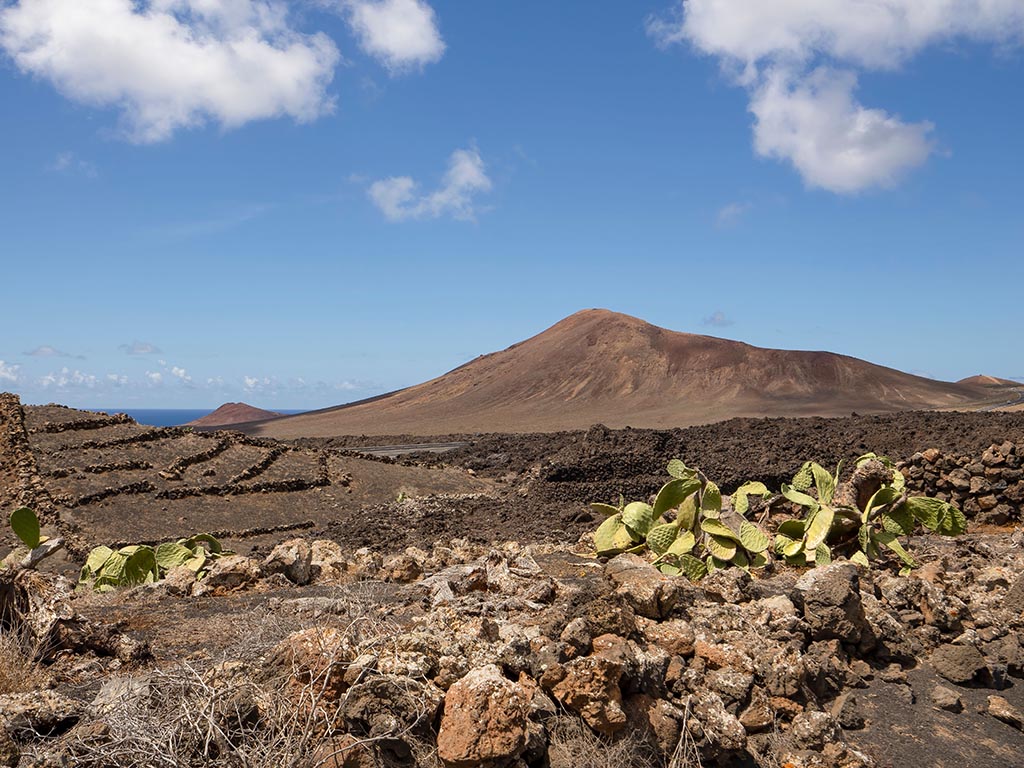
If Timanfaya is the island’s heart, then César Manrique taught the world how to listen to it. No place captures the soul of Lanzarote quite like Timanfaya National Park, a landscape so extraordinary it feels almost beyond imagination. Here, the earth is stripped back to its essence: rivers of solidified lava, charcoal-black plains, copper-coloured craters and mountains sculpted entirely by fire. It is an unsettling beauty, raw and almost silent, where the only movement comes from the Atlantic wind sweeping across a land that still feels wonderfully unfinished.
Between 1730 and 1736, one of the longest volcanic eruptions in recorded European history transformed this part of Lanzarote forever. For six relentless years, the island burned. Entire villages disappeared beneath lava and ash, fertile land was erased and what remained was a landscape many believed had become uninhabitable. Yet nearly three centuries later, those same eruptions have created one of Europe’s most extraordinary natural wonders. Beneath the surface, the island is still alive. Heat continues to radiate from the earth, a quiet reminder that the volcanoes have never entirely gone to sleep.
For Manrique, however, Timanfaya represented something far greater than geological spectacle. It was proof that nature did not need to be softened, disguised or improved. It demanded respect. The dramatic Route of the Volcanoes, conceived with his involvement, was designed not simply to transport visitors across the lava fields, but to immerse them in the scale and silence of the landscape. Rather than interrupting the experience, the road follows the contours of the volcanic terrain, allowing the scenery to remain the undisputed protagonist.
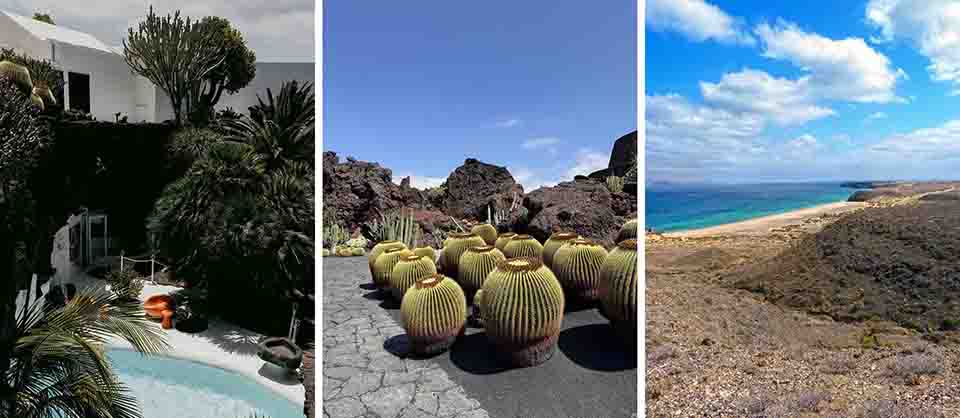
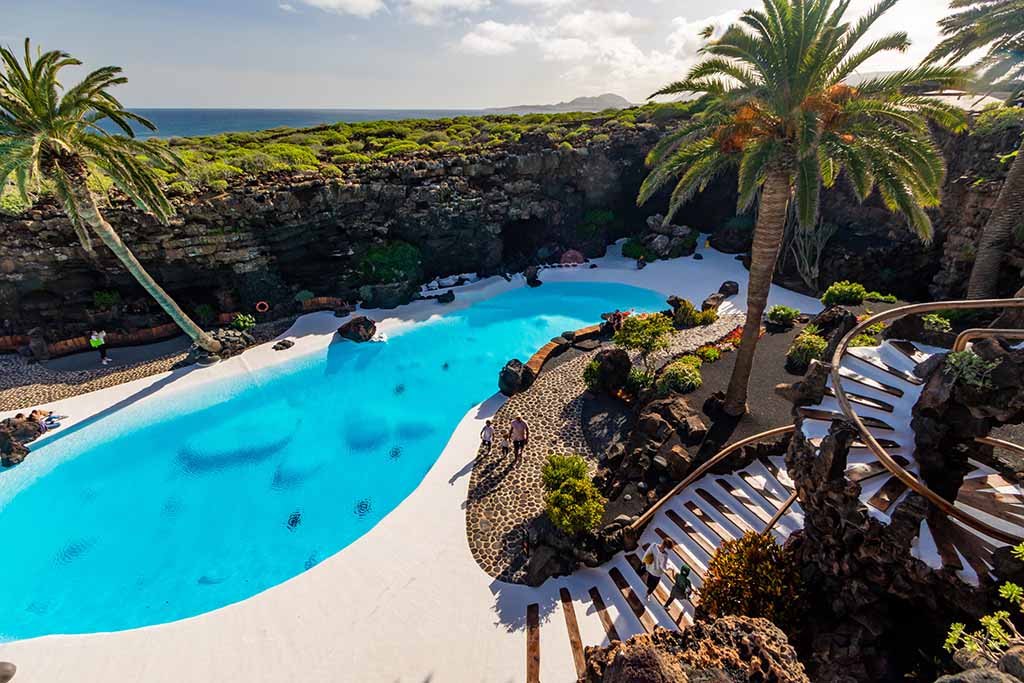
That same philosophy echoes throughout the island. At Jameos del Agua, Manrique transformed a collapsed lava tube into one of the world’s most extraordinary cultural spaces. Descending into the volcanic cavern feels almost like travelling to the centre of the earth, where architecture dissolves into geology with astonishing elegance. Sunlight filters through openings in the basalt ceiling, tropical vegetation emerges unexpectedly from black volcanic rock and a crystal-clear lagoon shelters the tiny blind albino crabs found nowhere else on Earth. There is no sense of spectacle for its own sake. Every detail feels inevitable, as though the space had simply been waiting to be discovered rather than designed.
Just a few minutes away, the Cueva de los Verdes continues the story beneath the island’s surface. Formed by the eruption of Volcán de la Corona thousands of years ago, this remarkable lava tunnel stretches for more than six kilometres before continuing beneath the Atlantic itself. Walking through its galleries is both humbling and strangely theatrical. Lava waterfalls, basalt vaults and chambers sculpted entirely by fire reveal nature at its most imaginative, while the carefully considered lighting, designed by the renowned artist Jesús Soto, a close collaborator of Manrique does little more than reveal what was already there. It is another reminder that, in Lanzarote, the greatest design often comes from knowing when to step back.
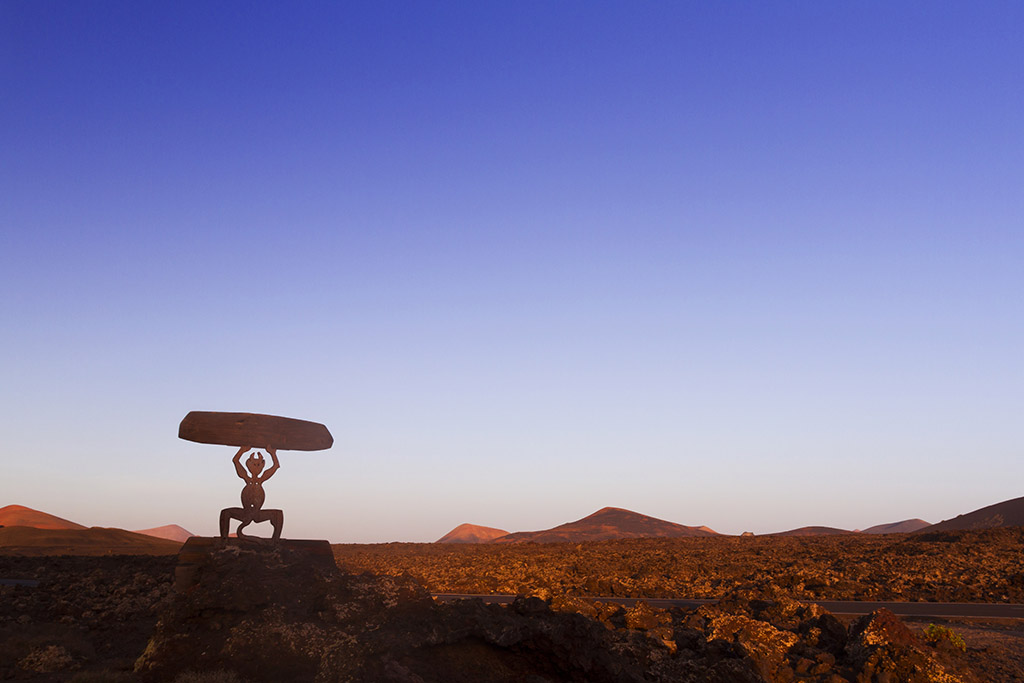
Elsewhere, Manrique’s legacy continues to unfold with quiet confidence. The Jardín de Cactus, created within an abandoned volcanic quarry, transforms thousands of cacti from every corner of the world into a living sculpture, proving that even the harshest landscapes can become places of extraordinary beauty. At the Fundación César Manrique, his former home in Tahíche, visitors descend into a series of natural volcanic bubbles that the artist converted into intimate living spaces. Built directly into the lava flow, the house remains perhaps the purest expression of his lifelong belief that architecture should never dominate the landscape, only reveal its hidden poetry.
BEYOND THE VOLCANOES
Beyond Manrique’s masterpieces and the dramatic landscapes of Timanfaya, Lanzarote continues to reveal itself in quieter, more unexpected ways. This is an island best explored without haste, where every road seems to lead towards another breathtaking contrast between volcanic wilderness and the Atlantic.
Perched high above the Risco de Famara, the Mirador del Río remains one of Manrique’s most inspired creations. Almost invisible from the outside, the viewpoint emerges discreetly from the cliff before revealing a spectacular panorama over La Graciosa and the protected Chinijo Archipelago. Through its vast curved windows, the Atlantic appears almost painterly, while the narrow strip of sea known locally as El Río shimmers between the islands. It is a reminder that some of the finest architecture is the kind that allows the landscape to take centre stage.
Inland, the peaceful village of Haría offers an altogether different perspective on Lanzarote. Nestled among thousands of palm trees beneath the slopes of Volcán de la Corona, it feels worlds away from the island’s austere lava fields. This was where Manrique chose to spend the final years of his life, finding inspiration in its slower rhythm and timeless character. Even today, its leafy squares, whitewashed streets and artisan market preserve an authenticity that has become increasingly rare across southern Europe.
No journey across Lanzarote would be complete without following the road through La Geria, one of the world’s most extraordinary wine landscapes. Here, each vine grows inside its own hollow, carefully dug into volcanic ash and sheltered by semicircular stone walls that protect it from the Atlantic winds. The result is both an agricultural marvel and an unforgettable visual spectacle. Stopping at one of the family-owned bodegas to sample a glass of crisp Malvasía Volcánica, while gazing across the seemingly endless pattern of black ash and emerald vines, is one of the island’s simplest and greatest pleasures.
Further south, nature once again takes centre stage. At Los Hervideros, Atlantic waves crash into lava caves carved by centuries of erosion, sending fountains of seawater high into the air in a spectacle of extraordinary force. Just a few minutes away lies El Golfo, where the emerald-green waters of Charco de los Clicos fill the crater of a collapsed volcano, creating one of the Canary Islands’ most photographed landscapes. The sheltered coves of Papagayo, with their golden sand and crystalline water, offer a more familiar image of the Canary Islands, while the vast sweep of Famara is something altogether wilder. Backed by dramatic cliffs stretching for more than 500 metres above the Atlantic, it has become one of Europe’s finest destinations for surfing, kitesurfing and simply watching the ocean perform.
Lanzarote is often described as the island of volcanoes. It is certainly that. But to leave with only that impression would be to miss its greatest achievement. This is an island that chose harmony over excess, creativity over spectacle and identity over imitation. César Manrique understood that the greatest destinations are not those that transform themselves for visitors, but those that remain true to themselves.