
Bridging Tradition and Emotion Through Canvas.
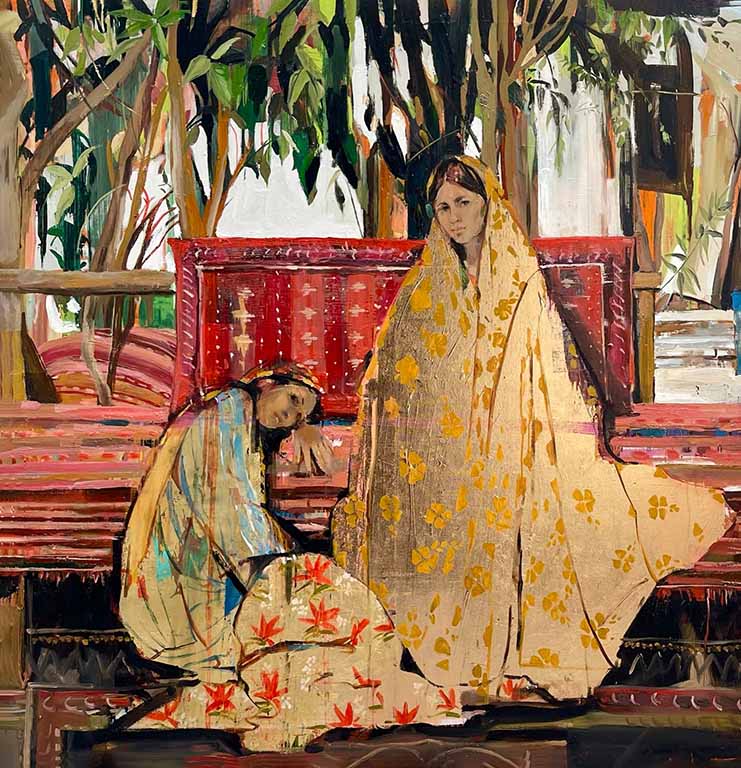
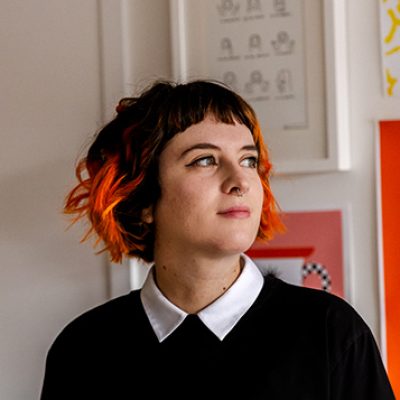
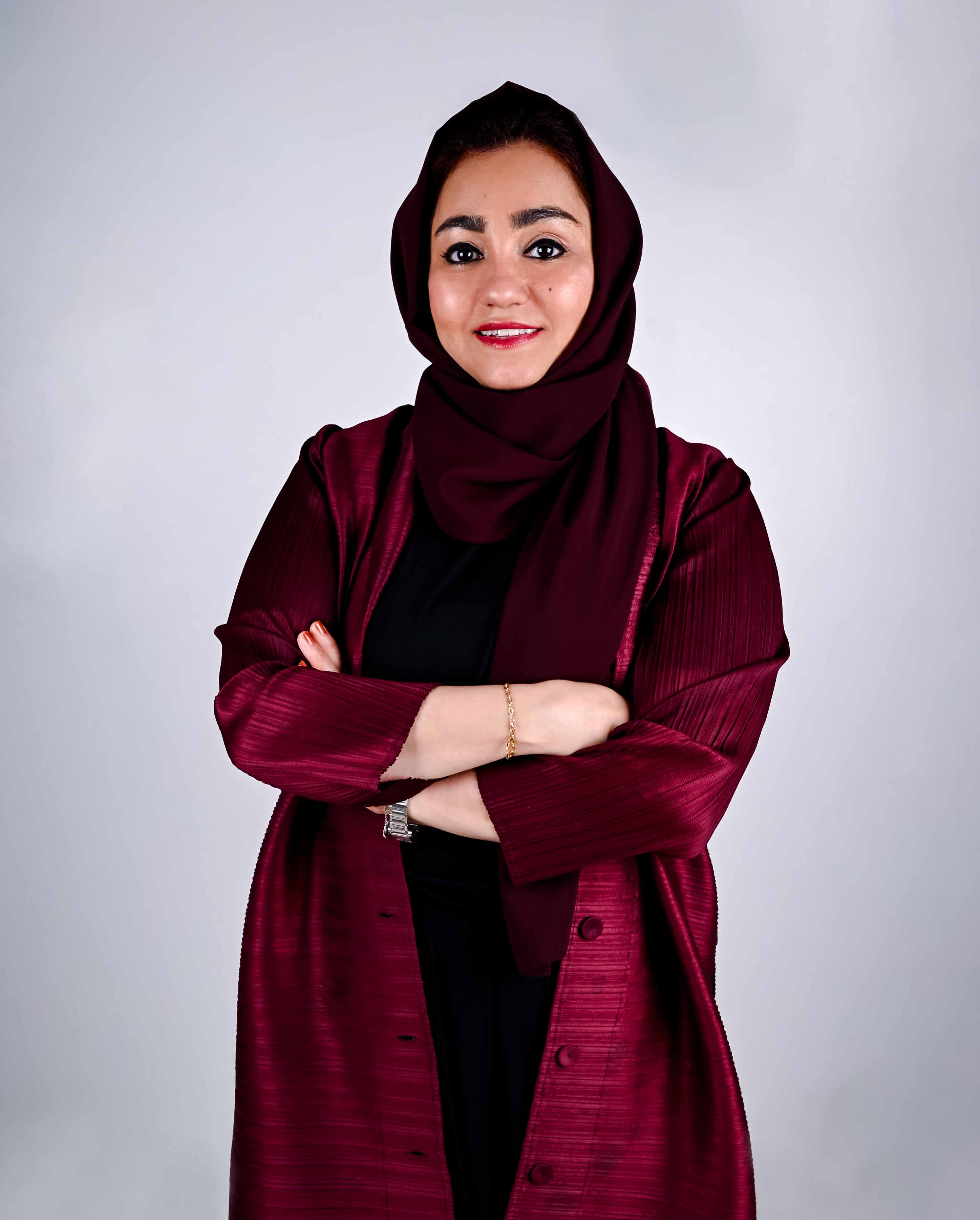
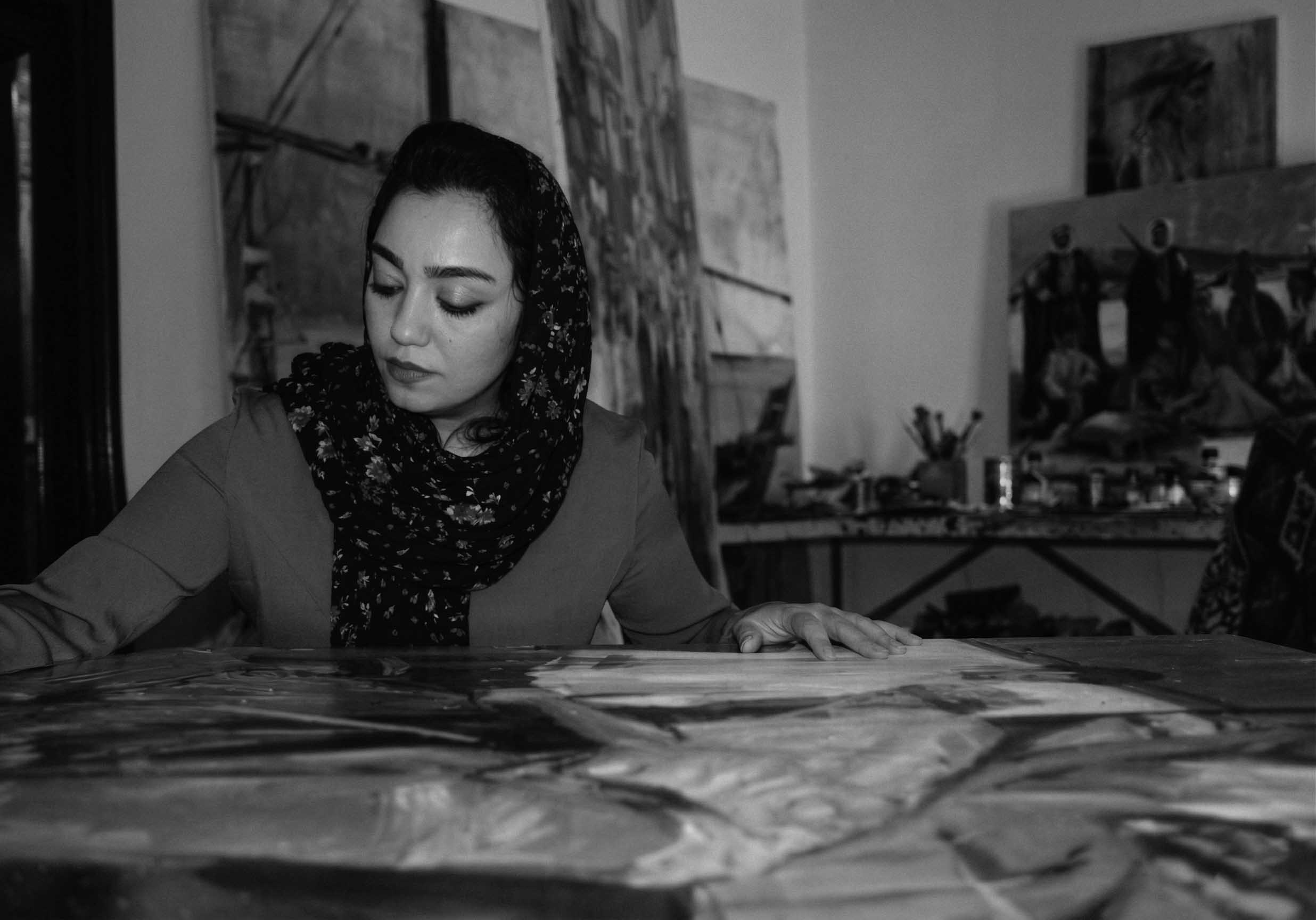
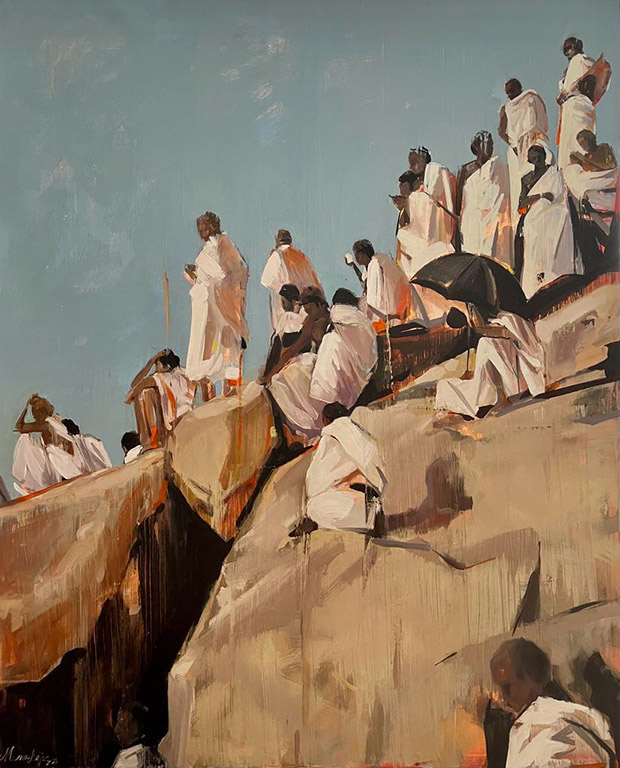
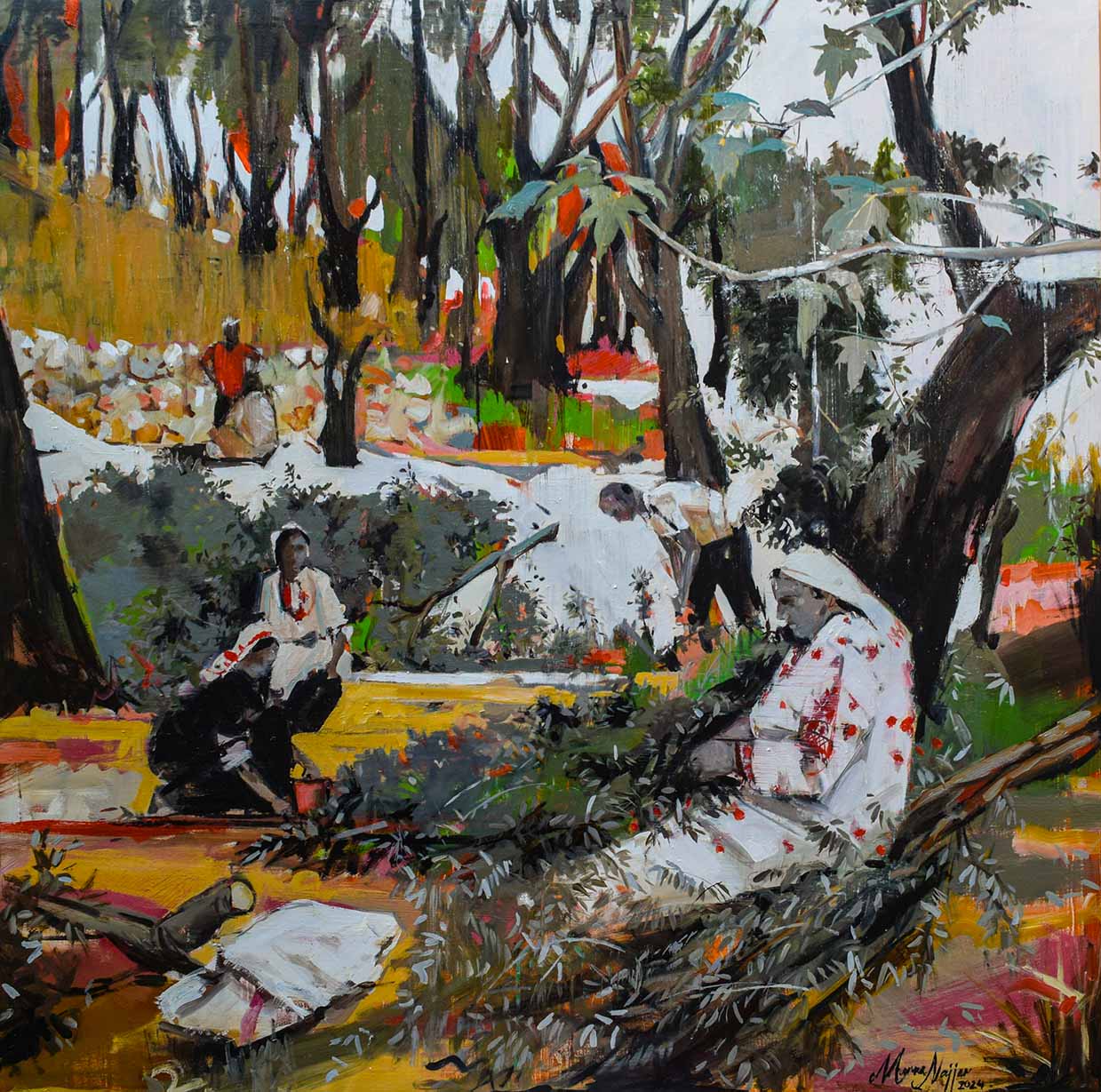
Marwa AlNajjar is an artist whose work delicately balances heritage and contemporary expression, creating a visual language that speaks to memory, identity, and emotion. Born and educated in Nablus, her formative years coincided with a period of political and social turbulence, shaping both her worldview and her understanding of art as a medium of responsibility and storytelling. Today, based in Jubail, Saudi Arabia, Marwa draws inspiration from the contrasts that surround her, the interplay of industry and nature, tradition and modernity translating these dualities onto canvas with a remarkable sensitivity.
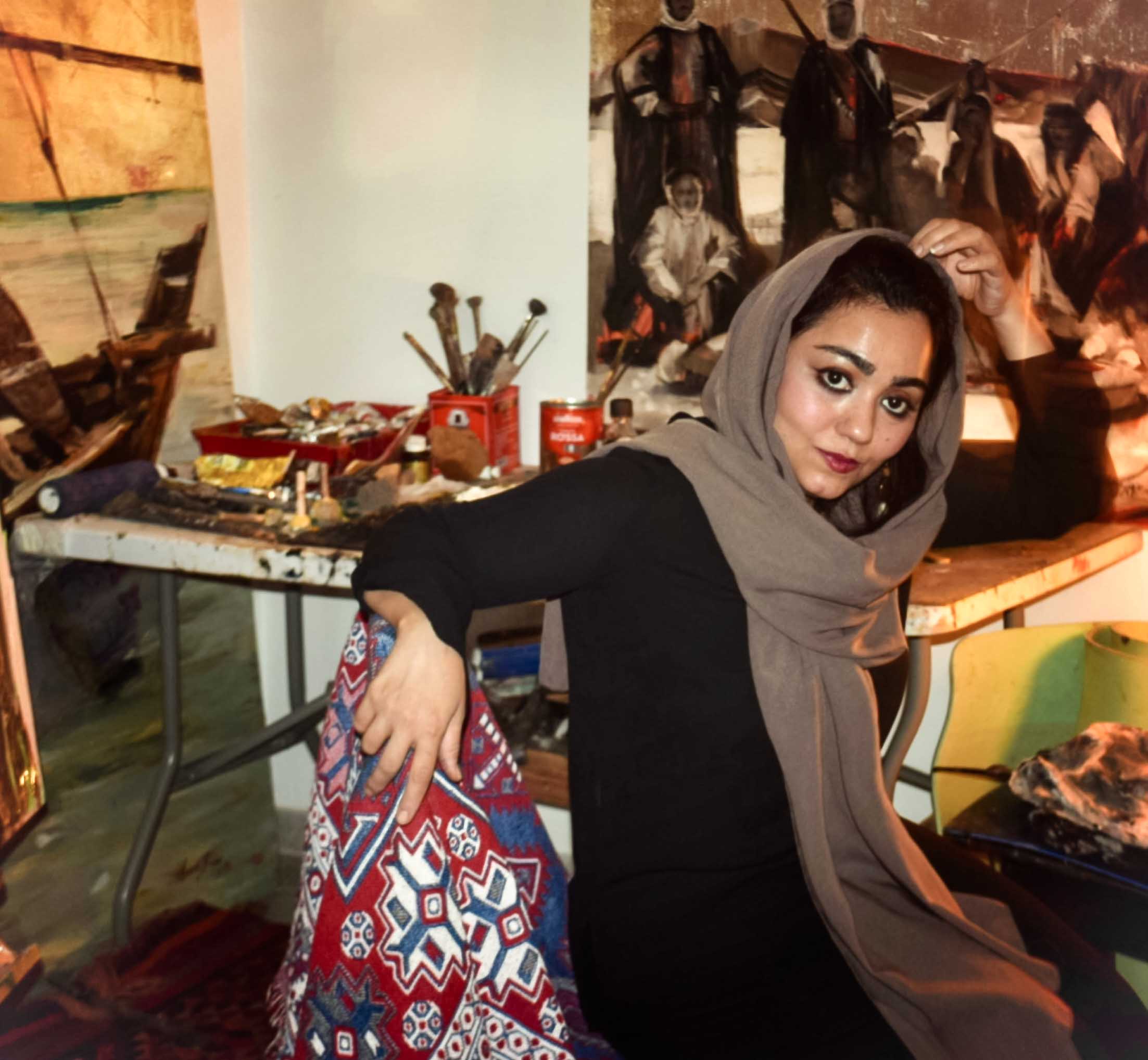
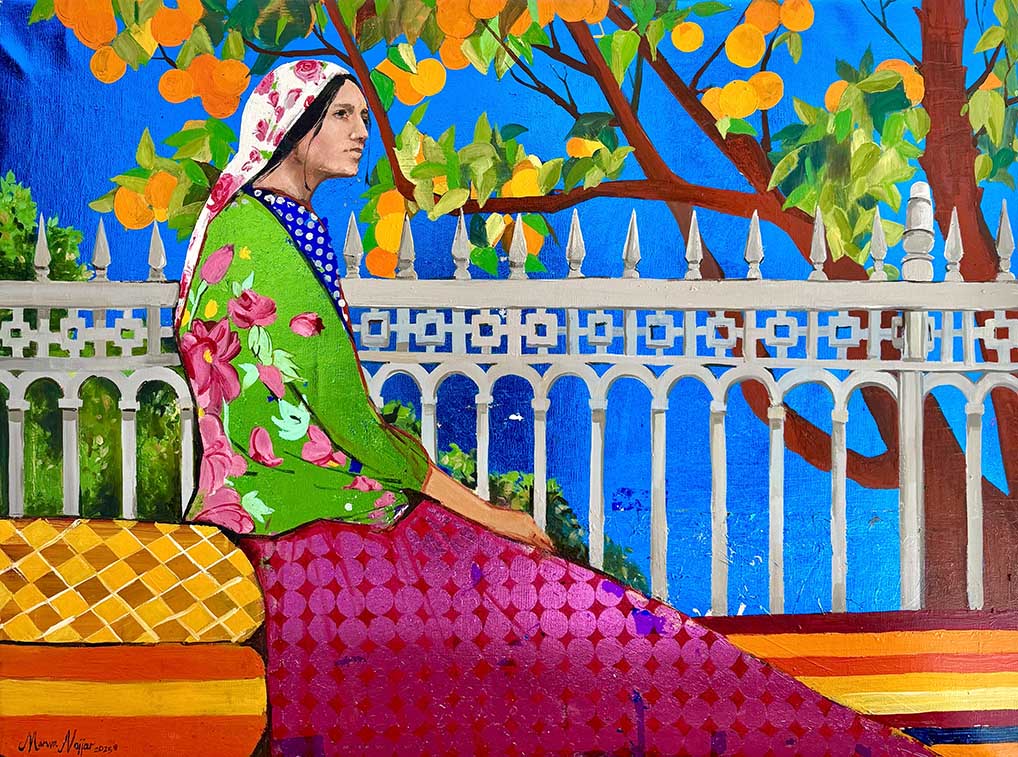
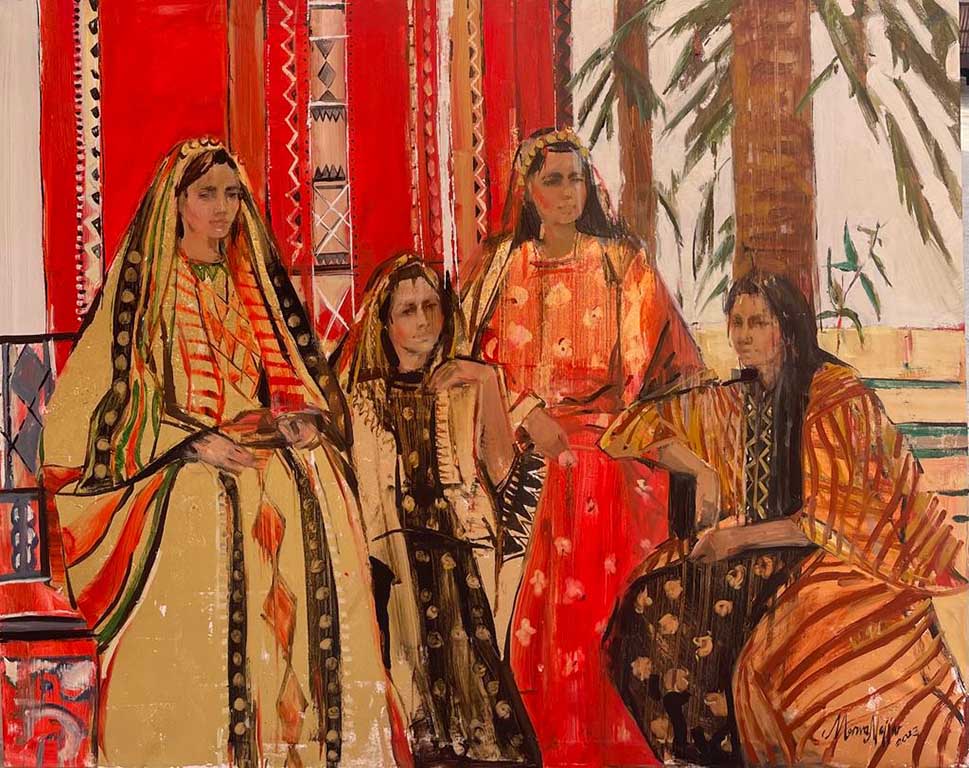
Her signature approach often combines oil paints with gold and silver leaf or copper, elevating her compositions beyond mere representation. Through her work, she explores the gestures, symbols, and rituals of everyday life, particularly those of women, creating pieces that resonate on both personal and collective levels. Exhibited widely across the region, Marwa’s art invites viewers into a space where beauty, memory, and cultural identity coexist, offering both intimacy and universality.
In this interview for CP Magazine, she opens up about her creative process, the inspirations that shape her practice, and the delicate balance between personal storytelling and shared human experience, providing insight into a practice that is at once deeply reflective and profoundly evocative.
When did you first realise art would be your life’s language, not just a skill?
I realised it when I understood that I was not painting objects, I was painting memory. Art became the only way I could translate feelings I couldn’t explain in words. It stopped being something I did and became something I am.
Your work often bridges tradition and the contemporary; what do you refuse to “modernise” away?
I refuse to modernise away authenticity. The gestures of women, the symbolism of windows, the presence of gold, the quiet dignity of heritage, these are not trends to update. They are anchors. I can reinterpret form, but I won’t dilute cultural memory.
How has living and working in Jubail shaped what you make, day to day?
Living in Jubail, between industry and sea, taught me contrast. Steel structures against open horizons. Movement against stillness. That contrast enters my paintings, strength and softness living in the same space.
What is the emotional starting point for a new painting?
Usually a memory. Sometimes it is a symbol, a palm tree, a window, a dress. But emotionally, it begins with longing. A desire to hold something before it disappears.
Do you treat gold and silver as decoration, symbolism, or light?
They are light. Not decorative light, emotional light. Gold is warmth, ancestry, sacred memory. Silver is reflection and silence. They carry energy inside the canvas.
How do you decide when a piece is finished?
When it stops asking for more. There is a moment when the painting becomes quiet. If I add more detail after that, it becomes noise. I wait for the silence.
What role does research play in your studio?
Research is essential. I study traditional garments, architecture, oral stories, and lived experiences. But the most important research is observation, watching how women move, how light falls on fabric, how memory lives in small details.
In your Saudi-inspired collection, what surprised you most?
The depth of regional diversity. From Najd to the south to the Eastern Province, each region carries different colour palettes, textiles, and emotional rhythms. It expanded my understanding of belonging.
What do you want viewers to feel first?
Recognition. Even if they have never lived my story, I want them to feel something familiar, a shared human memory.
How do you balance personal storytelling with collective experience?
I begin with my own truth. When something is honest, it becomes universal. The more personal I am, the more others see themselves in it.
How did studying art in Nablus during a turbulent period shape you?
Studying art during instability taught me that art is a responsibility. It is not decoration. It can hold history, resistance, and identity. It made me conscious of what I choose to represent.
When you paint women, what are you adding to the visual archive?
Presence. Strength without aggression. Silence without weakness. I want women to be seen not as symbols alone, but as layered beings, rooted, complex, and dignified.
In exhibition spaces, what matters more: narrative or intimacy?
Both. The exhibition narrative guides the audience, but each painting must stand alone. Intimacy is what makes someone stop.
What did your first solo exhibition in Saudi Arabia teach you?
It taught me that my voice was strong enough. That my cultural language resonated beyond my personal circle. It gave me confidence to speak louder through colour and form.
When collectors connect with your work, what do you hope they’re collecting?
A feeling. An emotional atmosphere they can live with. The image is just the doorway.
How do you handle the tension between making work that’s beautiful and work that’s necessary?
Beauty invites the viewer in. Necessity makes them stay. I try to let beauty carry deeper meaning.
What’s your relationship with colour?
Emotional first. Then instinctive. I rarely calculate colour, I feel it. Later, I refine it intellectually.
How has sharing your work online changed your practice?
It has increased pace and visibility, but it has also made me protect my depth. Social media is fast; my work is slow. I learned to keep that slowness sacred.
If you were creating a piece specifically for Kuwait, where would you begin?
With light. The golden dust before sunset. The memory of the sea. The quiet nostalgia of old houses. Kuwait is softness mixed with resilience.
Looking ahead, what would growth mean for you?
Deeper craft. Stronger conceptual clarity. Perhaps new media but always with sharper intention.
Your message for CP Magazine.
Art is not only something we look at, it is something we carry. Preserve your stories. Honour your heritage. And allow beauty to hold truth.