
ON STYLE, SUBSTANCE AND A LIFE IN CREATIVITY
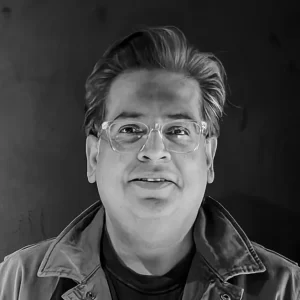
There are careers built on momentum, and then there are careers shaped by instinct, reinvention and an unmistakable point of view. Musaed Almutairi belongs firmly to the latter. Over more than a decade, he has evolved from the world of luxury retail and personal styling into a multifaceted creative force whose work now spans fashion, art direction, advertising, television, directing and screenwriting.
CP Magazine first photographed Musaed more than a decade ago, long before his creative journey had expanded into the many disciplines that define him today. In 2018, we honoured him with the CP Inspiring Men Award; now, in 2026, he returns as the first name recognised on the newly launched CP Power List – a fitting milestone for a career defined not simply by visibility, but by progression.
What makes Musaed compelling is not a single title, project or achievement, but his ability to move effortlessly between worlds while maintaining a distinct creative identity. From shaping personal style to building complete visual narratives for campaigns and productions, his approach has become increasingly rooted in storytelling, character and emotion.
Today, Musaed is less interested in fitting neatly into one category than in expanding what his creative voice can become. In this conversation, he reflects on where it began, how far it has travelled, and the ambitions still driving the next chapter.
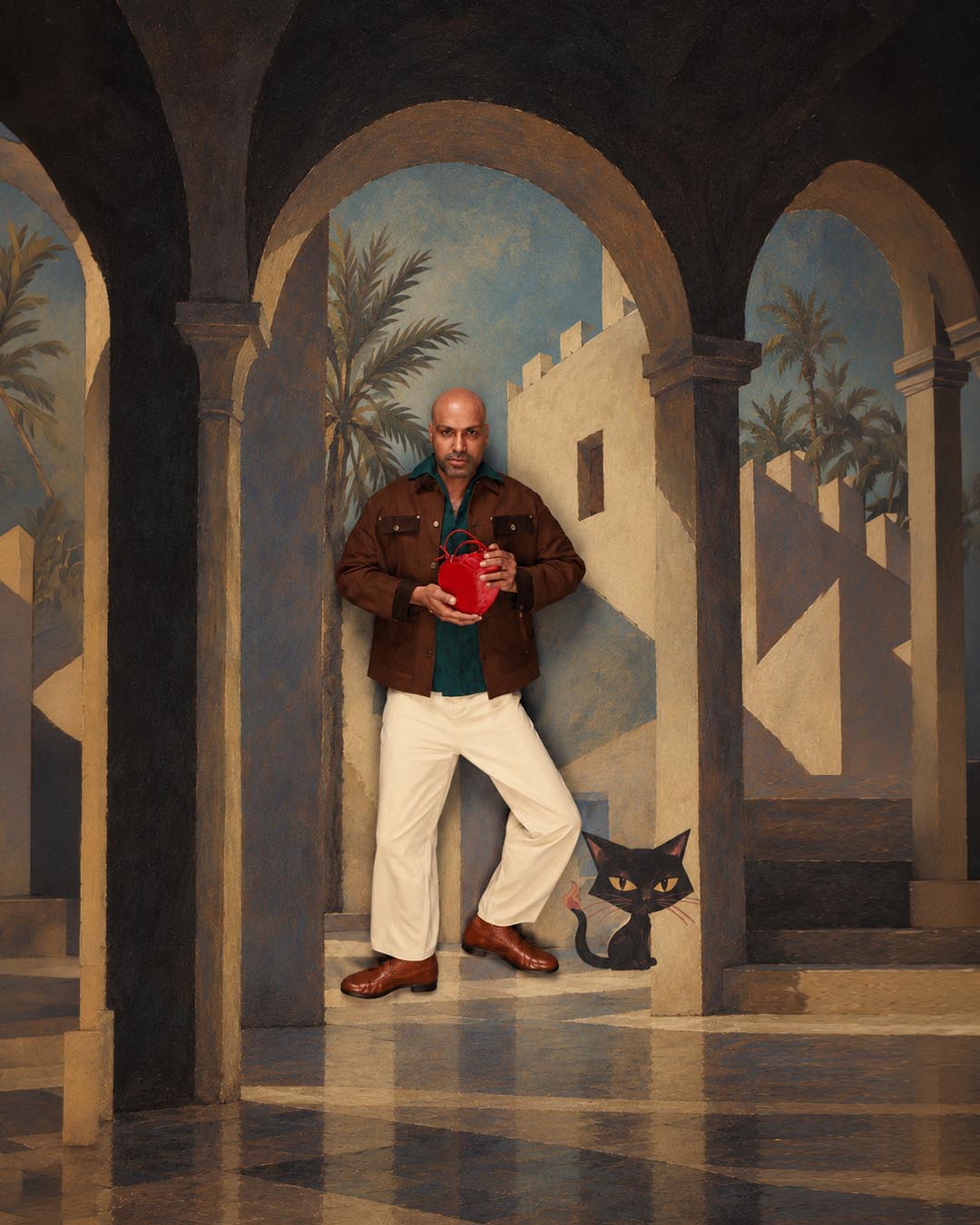
Evolving by Instinct. Creating with Purpose.
CP first photographed you more than a decade ago. How different is Musaed today from the man we met then?
I believe I am still the same person at heart, with the same passion for beauty, fashion and creativity, but with a much deeper understanding of who I am and what I want to express. Over the years, I have grown from someone who was passionate about fashion into someone who uses fashion as a language to tell stories and create experiences. Today, I am more confident in my vision, more selective in my choices and much more aware that true style comes from knowing yourself.
You began in retail before becoming a personal shopper and stylist. What did those early years teach you?
My journey began at Villa Moda when I was 21, working as a sales assistant. Those years taught me that fashion is not just about clothes; it is about people. I learned how to listen, understand different personalities, recognise individual needs and build trust. That experience gave me a strong foundation that I still rely on today. Understanding people has always been just as important to me as understanding fashion.
How did your time at Harvey Nichols shape your understanding of luxury and personal style?
Harvey Nichols played a major role in shaping my professional identity. It taught me that luxury is not simply about wearing expensive brands or following trends; it is about knowledge, attention to detail, individuality and the experience you create for someone. My experiences in Kuwait and London allowed me to understand different perspectives on luxury and customer service. They also taught me that personal style should never overpower someone’s personality; it should reveal it.
You were recently the first name recognised on CP Magazine’s 2026 CP Power List. What does this recognition mean to you?
It means a great deal to me, especially coming from a magazine that has been part of my journey for more than a decade. Recognition is always meaningful, but what makes this particular moment special is knowing that the work, experiences and different chapters of my career have been seen and appreciated. I receive it with gratitude and humility, but also as motivation to continue challenging myself and creating work that has meaning.
Looking back at your achievements since receiving the CP Inspiring Men Award in 2018, which moments have meant the most to you?
The most meaningful moments have not necessarily been the awards or public recognition, but the opportunities that allowed me to grow beyond the boundaries I once imagined for myself. Moving from personal styling into art direction, creative direction, television, advertising and filmmaking has been incredibly rewarding. Every project that allowed me to express a different side of my creativity has contributed to the person and professional I am today. I am particularly proud of the trust people have placed in my vision.
Your journey began far from the conventional fashion world. How has your upbringing shaped your creative identity?
I think growing up and finding my own way into fashion taught me to look at things differently. My creative identity was not built around following a particular formula or trying to fit into an established fashion world. Instead, it developed through observation, curiosity and my own interpretation of beauty. I have always believed that creativity comes from how you see the world, not necessarily from where you begin.
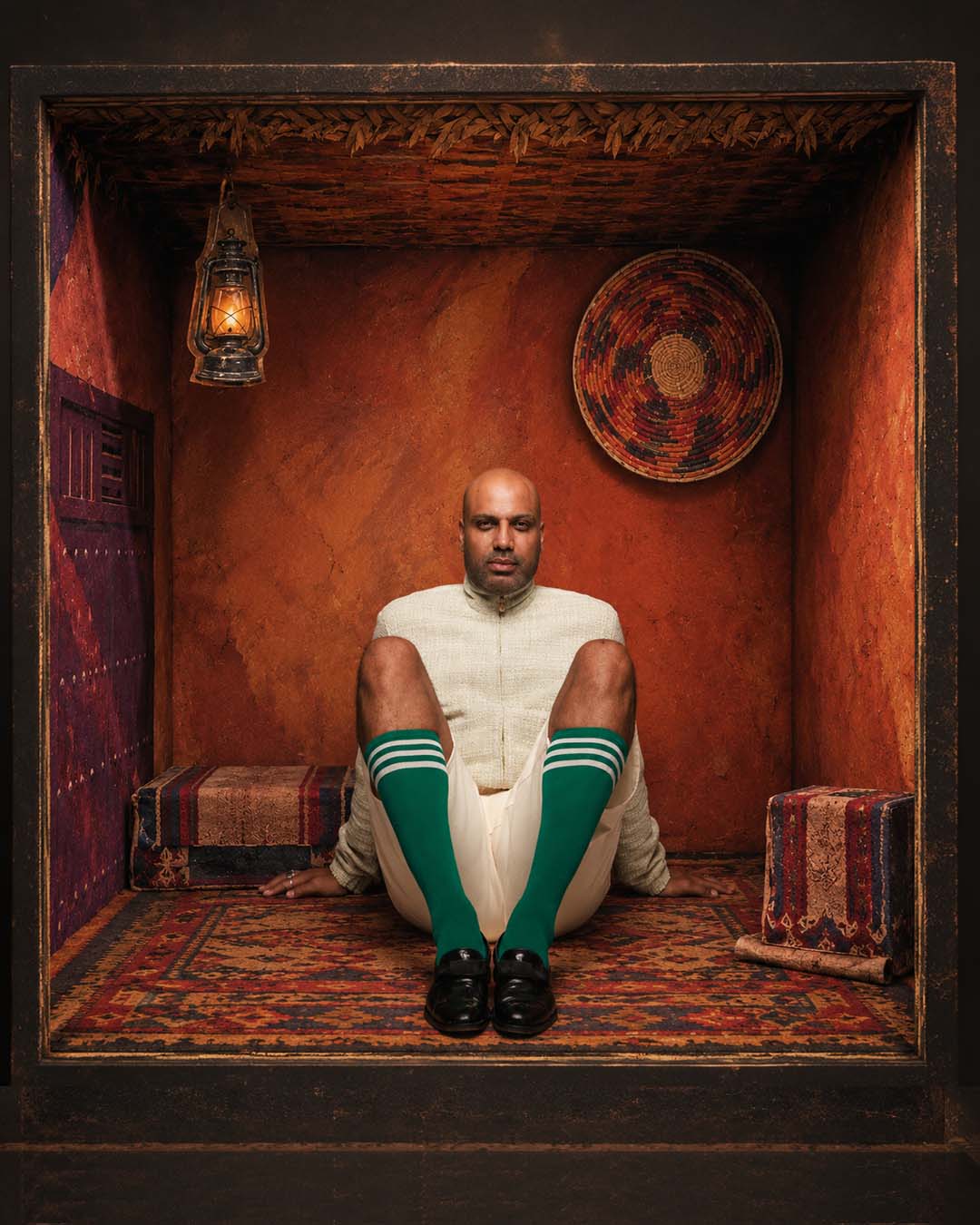
At what point did fashion become more than an interest and turn into a serious career?
It started when I joined Villa Moda at the age of 21. What initially seemed like a job gradually became something I genuinely loved. But I think the turning point came when I realised that I was not only interested in selling fashion; I was interested in understanding it, interpreting it and helping people discover their own style. That was when I began to see fashion as a long-term career rather than simply a passion.
Your work has evolved from personal shopping into styling, art direction and creative direction. Was that progression intentional?
Not entirely. It happened naturally through curiosity, experience and a desire to explore more. I never wanted to limit myself to one title or one discipline. Every stage of my career introduced me to something new and encouraged me to take on greater creative responsibilities. Looking back, I can see how every experience prepared me for the next chapter. I believe growth happens when you remain open to possibilities.
How did your training and experiences in Britain change the way you approached fashion?
My experience in Britain, particularly my year at Harvey Nichols London, was an important chapter in my professional development. Supervising a training and staff development programme within the Arab Customer Service Department gave me a different perspective on communication, professionalism and cultural understanding. Working in London also exposed me to a more diverse creative environment and different approaches to fashion and luxury. It made me more open-minded and strengthened my belief that good style has no geographical boundaries.
Today, how would you describe what you actually do: stylist, creative director, image-maker or something else?
I would describe myself as a creative storyteller. Styling is where my journey began, but today my work extends into art direction, creative direction, directing and screenwriting. I enjoy bringing different creative elements together to build a complete vision. Titles are useful for defining responsibilities, but I believe what matters most is the ability to translate an idea into something people can see, feel and remember.
What attracts you most about working on advertising campaigns and film productions?
What I love most is the opportunity to create a world from an idea. Advertising and film allow me to combine fashion, storytelling, visuals, emotions and human experiences. Every project has its own identity, and I enjoy the challenge of finding the right visual language to communicate it. For me, the most rewarding part is seeing an idea evolve from a conversation or brief into something tangible on screen.
When styling a commercial, where does your creative process usually begin?
It always begins with understanding the story and purpose of the project. Before choosing clothes, I need to understand the concept, the audience, the characters and the emotion we want to communicate. From there, I build a visual direction, explore references, colours, textures and silhouettes, and consider how every element will work within the overall production. I never see styling as an isolated element; it has to serve the bigger picture.
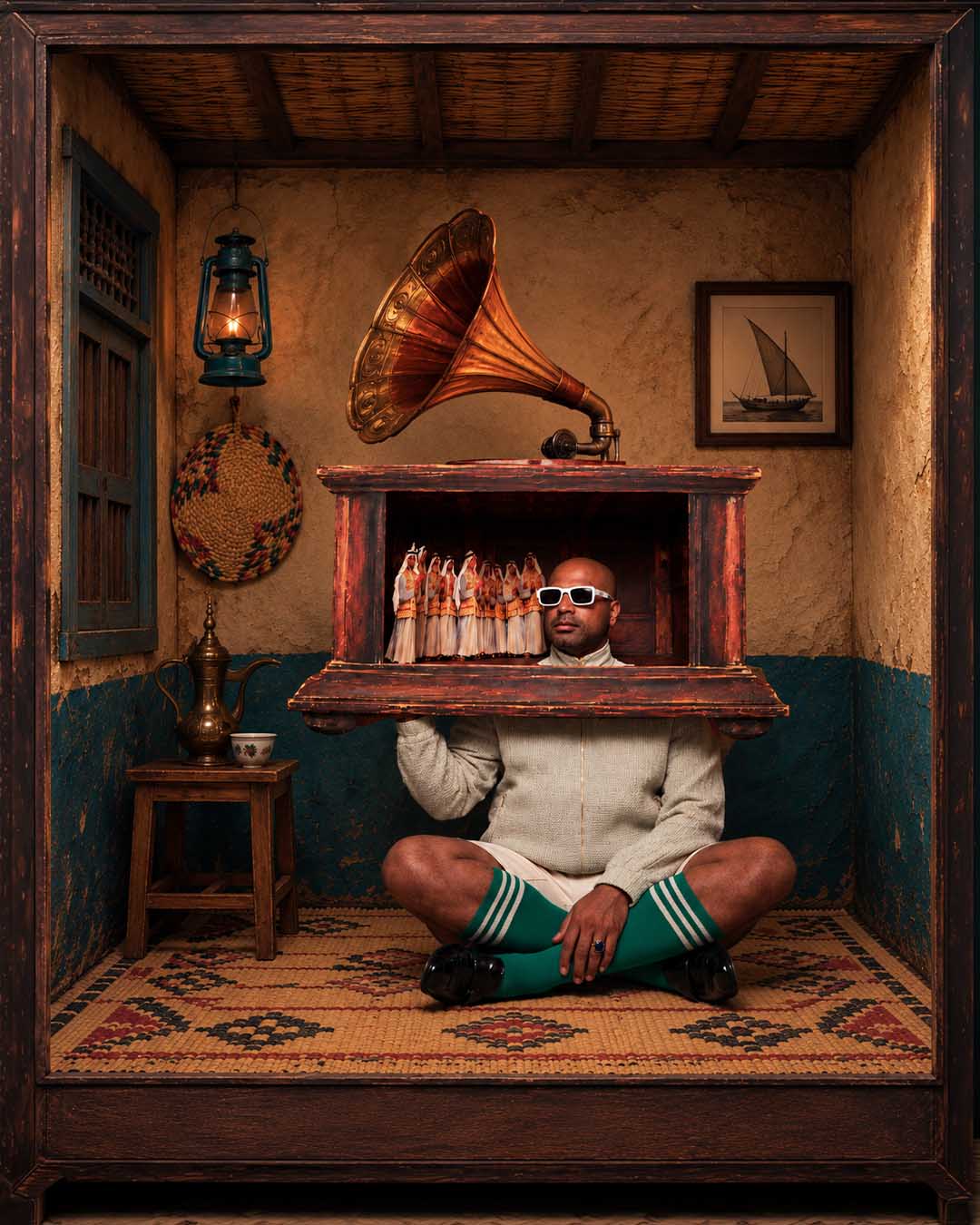
How do you use clothing to help tell a story rather than simply make someone look good?
Clothing is a powerful form of communication. It can reveal a character’s personality, background, confidence, mood and even their transformation throughout a story. I always ask myself what the clothes are saying about the person wearing them. Sometimes, the smallest detail can communicate more than an entire outfit. For me, successful styling is not necessarily about what looks the most beautiful, but what feels the most truthful to the story.
What has been the most creatively challenging project of your career so far?
I find the most challenging projects are those that require me to bring several creative disciplines together, especially when working on television and commercial productions. You are not only responsible for the visual result; you also have to consider the story, the production requirements, the people involved and the smallest details. I enjoy that pressure because it pushes me beyond my comfort zone. I don’t think creativity should always feel easy; sometimes, the most challenging projects produce the most rewarding results.
How different is styling an individual client from creating a complete visual identity for a campaign?
They are two very different creative experiences. When styling an individual, the focus is on understanding their personality, lifestyle and how they want to present themselves. It is a very personal process. With a campaign, I am creating an entire visual identity that needs to communicate a specific message and remain consistent across every frame and detail. One is about revealing an individual’s identity, while the other is about building a world around an idea.
What makes a great stylist different from someone who simply understands fashion?
Understanding fashion is only the beginning. A great stylist needs to understand people, storytelling, proportions, movement, culture and context. They need to know when to make a statement and when to step back. Most importantly, they need to have a point of view. Fashion knowledge can help you put an outfit together, but vision and the ability to understand what a person or story truly needs are what make the difference.
How has Kuwait’s fashion and creative scene changed since you first entered the industry?
The transformation has been remarkable. When I first entered the industry, the fashion and creative scene was very different, with fewer platforms and opportunities for local talent to showcase their work. Today, there is a new generation of designers, creatives, photographers, filmmakers and entrepreneurs bringing fresh ideas and perspectives. I think Kuwait has developed a stronger creative identity, and there is a growing appreciation for local talent and original concepts. What excites me most is seeing how much potential the next generation has.
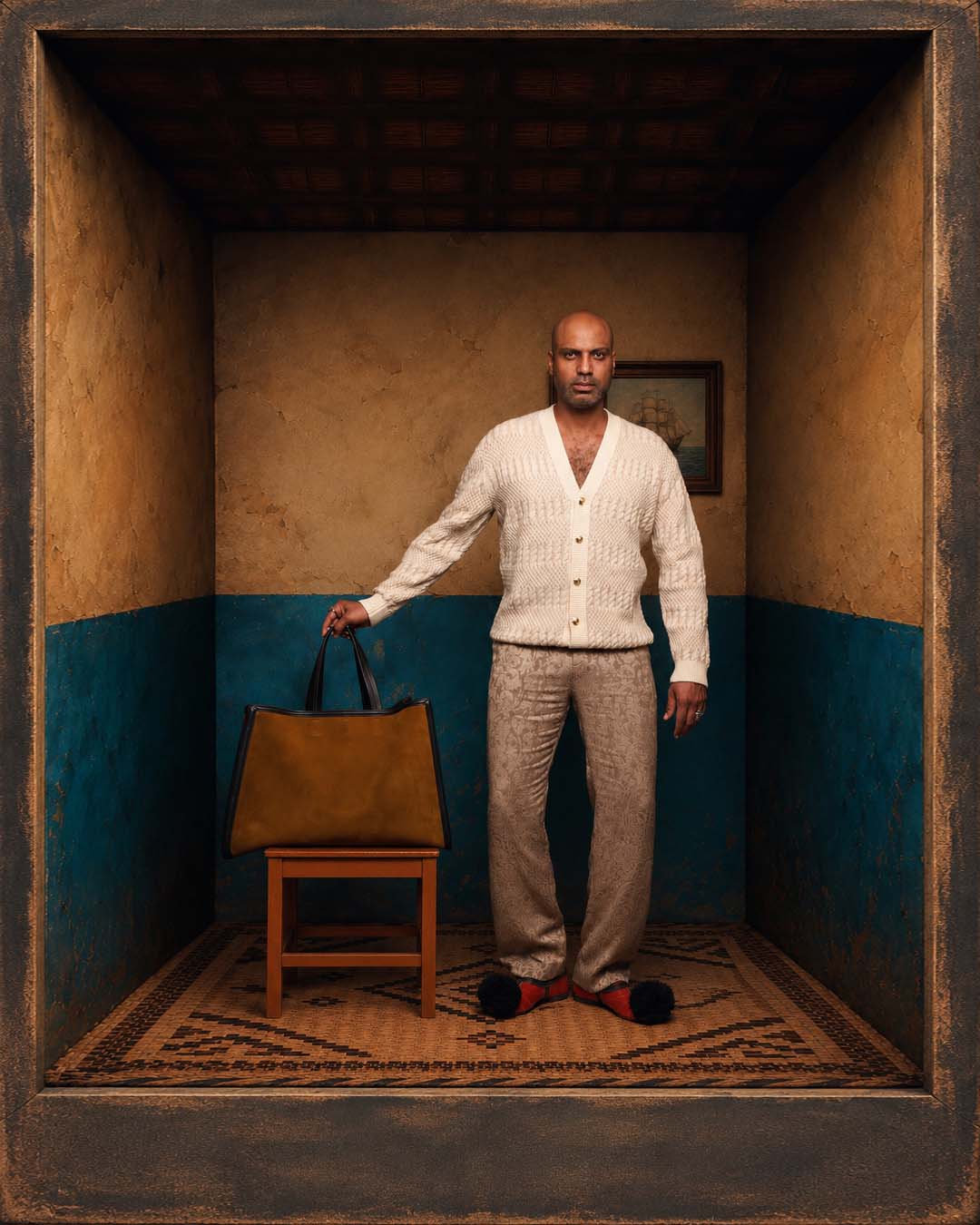
Your personal style often mixes simplicity with unexpected details. What makes a look feel distinctly ‘Musaed’?
I have always been drawn to simplicity, but I don’t believe simplicity has to be predictable. I love clean silhouettes, strong proportions and timeless pieces, combined with an unexpected detail that gives the look its own personality. I believe in knowing when to stop. A look should never feel as though it is trying too hard. Ultimately, what makes something distinctly Musaed is the balance between confidence, simplicity and individuality.
You have worked across fashion, television, advertising and creative direction. Which world feels most like home today?
I don’t think I belong to just one world anymore. Fashion will always be my foundation, but storytelling is what connects everything I do today. Whether I am styling a person, directing a scene, developing a campaign or writing a script, I am always looking for a way to communicate an idea visually and emotionally. I feel most at home wherever I have the freedom to create.
What is the next chapter for Musaed Almutairi, and what would you still like your name to become known for?
I feel that I am entering a new chapter, one in which I want to explore storytelling on a much deeper level. I would love to develop more projects in directing and screenwriting, while continuing to expand my work in fashion and creative direction. I am interested in creating work that crosses disciplines and reaches audiences beyond geographical boundaries. Ultimately, I would like my name to be associated with a distinctive creative vision, meaningful work and the courage to keep evolving.
Your message for us at CP Magazine.
Thank you, CP Magazine, for being part of my journey and for documenting different chapters of my life and career over the years. From the first time you photographed me more than a decade ago to recognising me again today, it has been a beautiful journey. I truly appreciate your continued support of creativity, individuality and the people who contribute to our cultural scene. Some relationships become part of your story, and CP is certainly one of them. Thank you for allowing me to share mine.
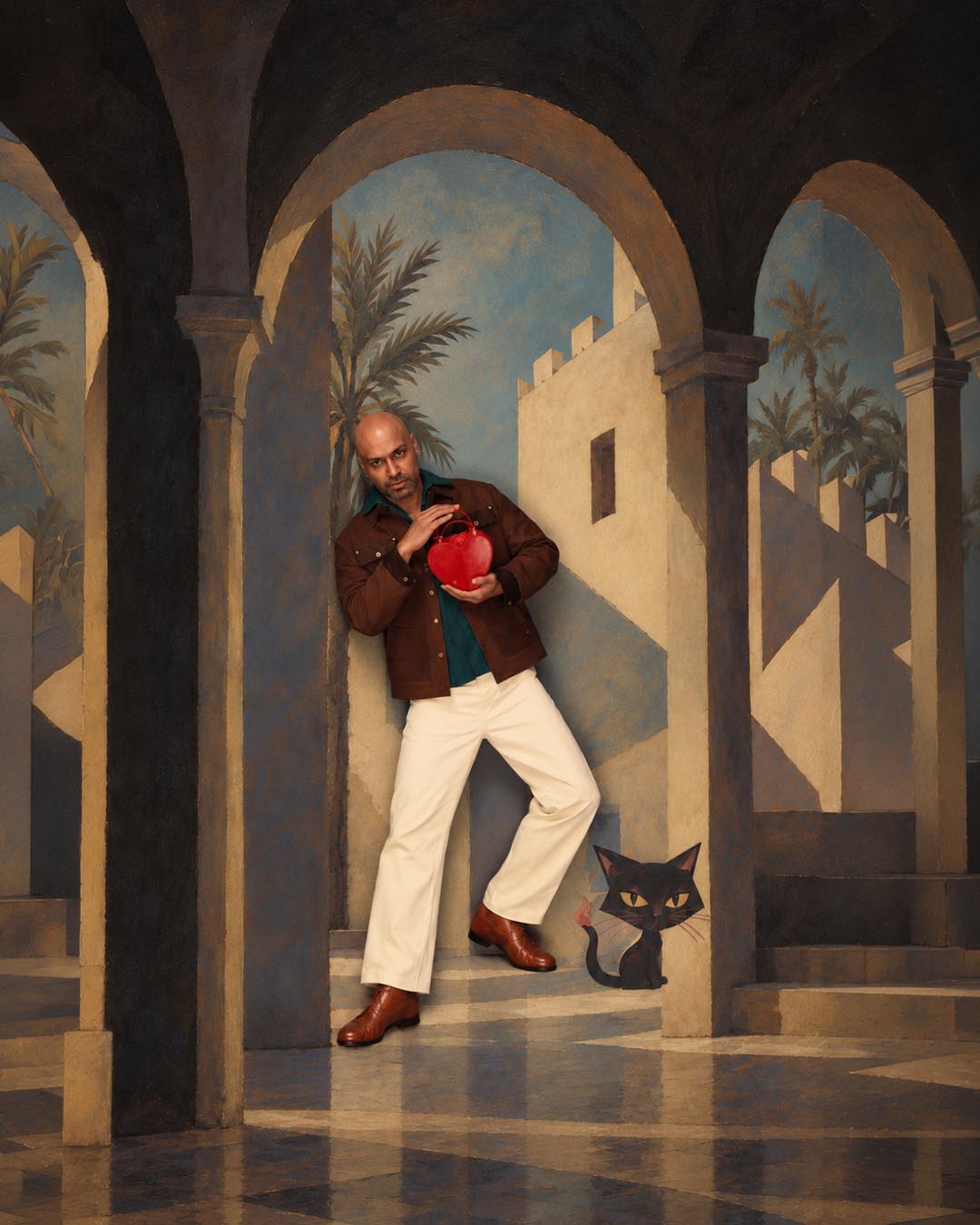
Concept: @musaed_1980
Photographer: @leo_graphy90
Set Design: @imad.taziii
Stylist: @themaestro.co
Special thanks to @harveynicholskuwait for providing the wardrobe and accessories for the shoot.
Featuring pieces from:
Drôle de Monsieur @droledemonsieur
* Baggy Shorts
* Le Jean Baggy
* Golf Pants
* Track Jacket
* Cardigan
* La Chemise Brodée
* Casquette Cap
Casablanca @casablancabrand
* Safari Jacket
ROTATE @rotatebirgerchristensen
* Velvet Heart Bag
Phoebe Philo @phoebephilo
* Extra Large Brown Bag