
Keeping Kuwait’s Cultural Legacy Alive, One Brushstroke at a Time.
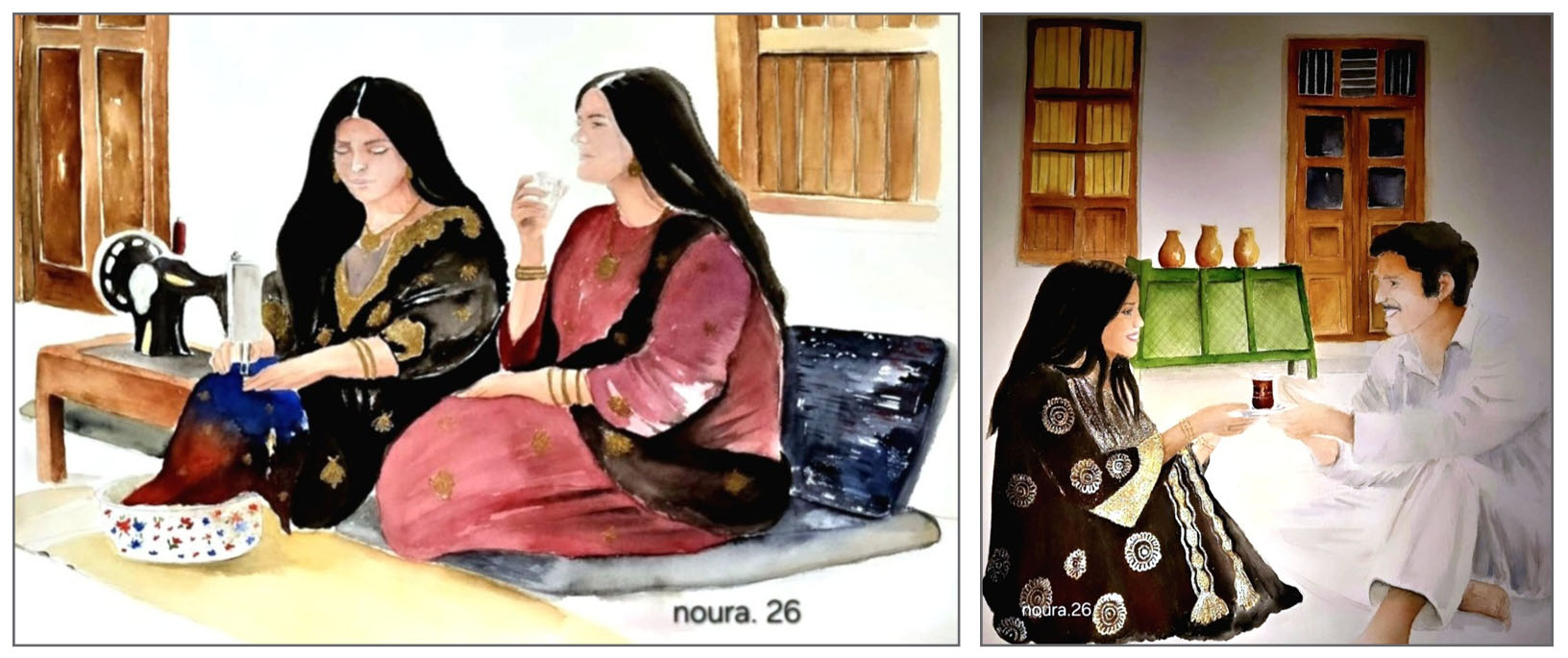
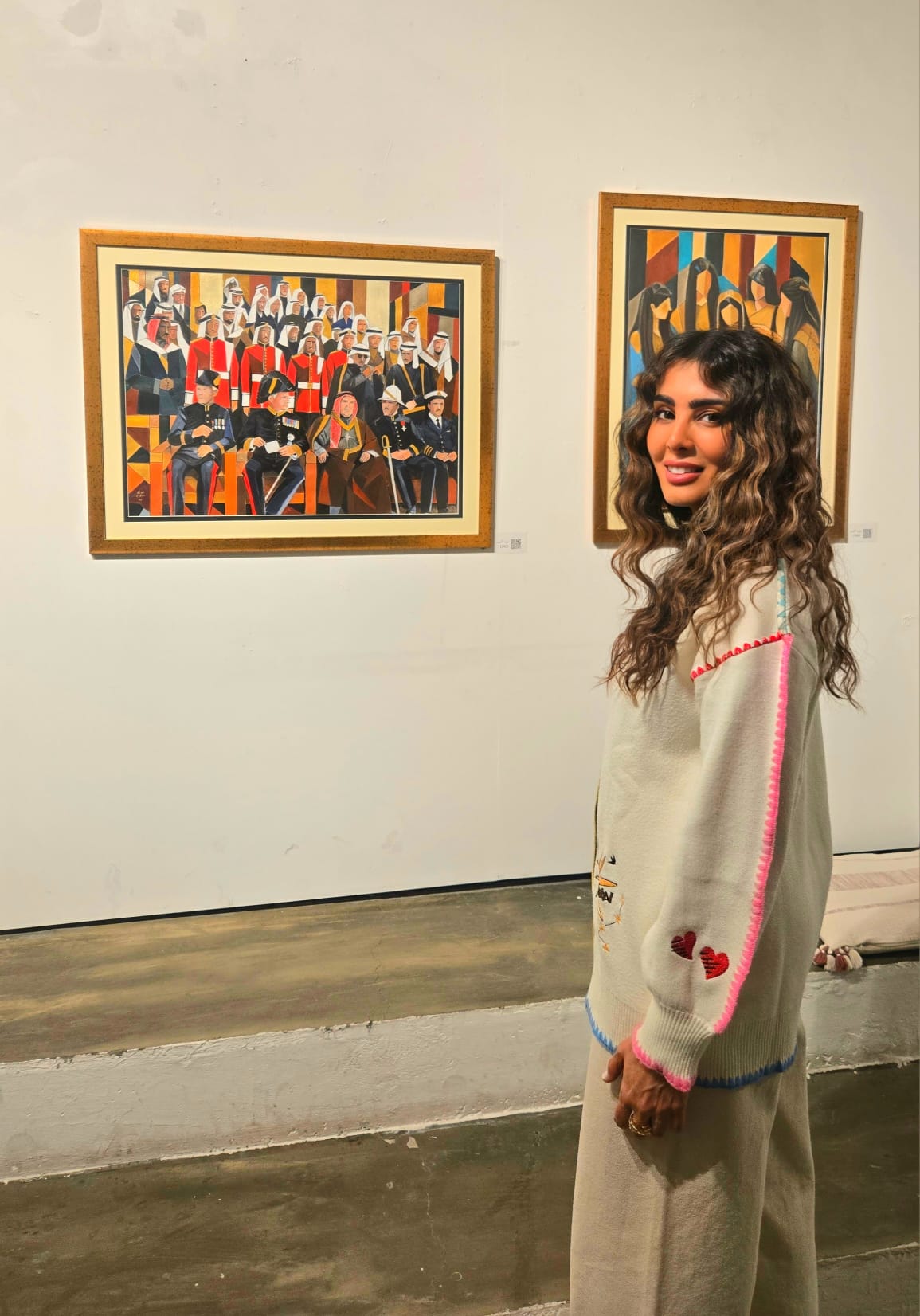
Art has the remarkable ability to preserve moments that time gradually leaves behind, and few contemporary Kuwaiti artists embrace that responsibility as passionately as Noura Altoura. Through her delicate use of watercolour and acrylic, she transforms Kuwait’s rich cultural heritage into timeless visual narratives, capturing everything from traditional architecture and everyday life to customs, craftsmanship and the enduring beauty of Arabian horses. Rather than simply documenting history, her paintings invite viewers to reconnect with the stories, memories and values that continue to shape the nation’s identity.
Driven by a deep appreciation for her roots, Noura combines meticulous historical research with artistic sensitivity, ensuring every brushstroke reflects authenticity while remaining accessible to modern audiences. Her work has been showcased in prominent exhibitions, including The Avenues Gallery, and has earned recognition for its meaningful contribution to preserving Kuwait’s cultural legacy.
In this exclusive interview with CP Magazine, Noura reflects on the childhood passion that shaped her artistic journey, the inspiration behind her heritage-focused work, the challenges of balancing tradition with contemporary expression, and the milestones that have defined her career. She also shares why preserving culture through art is more important today than ever before.
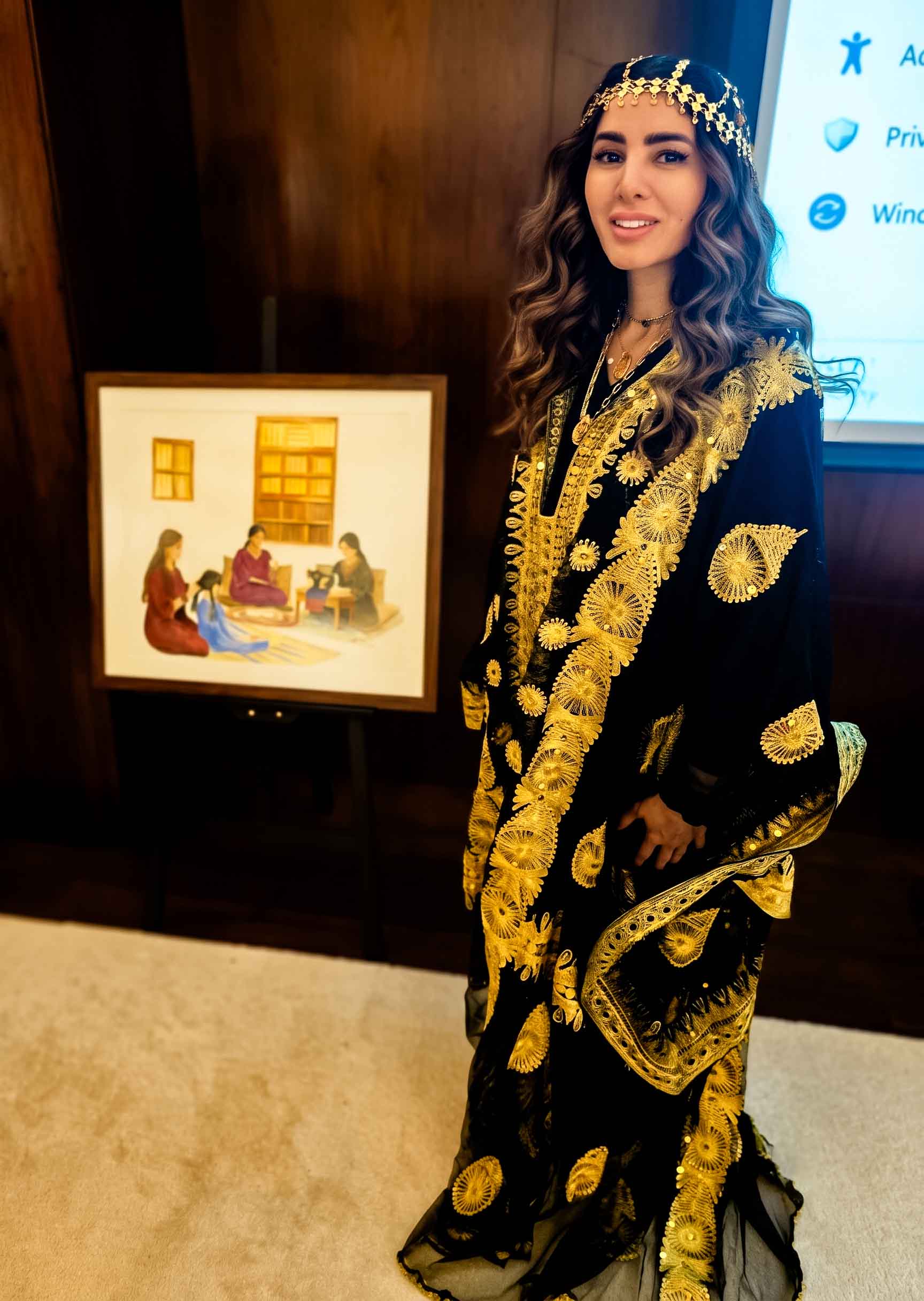
For readers discovering your work for the first time, could you introduce yourself and tell us a little about your background?
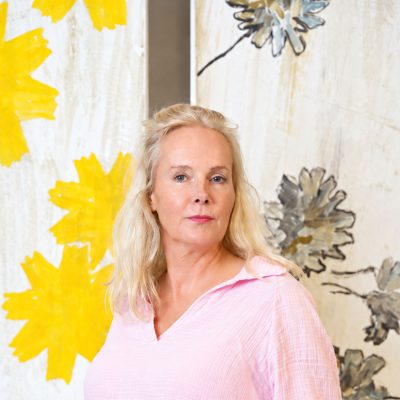
I am a Kuwaiti artist whose work focuses on documenting Kuwaiti heritage through watercolour and acrylic paintings. I have participated in several exhibitions, including The Avenues Gallery, where I have had the opportunity to share my passion for preserving our culture through art.
Looking back at your childhood, what first sparked your interest in art, and when did you realise it was more than just a hobby?
As a child, I simply loved doodling all the time. At some point, I realised I never wanted to stop. It felt completely natural, as though art had always been a part of me.
Did you receive any formal art education or training, or are you primarily self-taught? How has your artistic journey evolved over the years?
I did study art formally, but honestly, much of my growth came from experimenting on my own. Over time, my style became more personal, refined and confident.
Your work is strongly inspired by Kuwaiti heritage and culture. What initially drew you towards preserving these stories and traditions through art?
I was initially drawn to preserving Kuwaiti heritage because I grew up surrounded by these stories. I wanted to ensure that our cultural identity and traditions would be passed down to future generations through my artwork.
Many young artists are influenced by global trends, yet you chose to focus on local identity and heritage. Why was that important to you?
For me, focusing on local identity and heritage is a way of preserving and celebrating the unique stories, values and traditions that shape who we are. While global trends can certainly be inspiring, I believe it is important to stay connected to our roots and share our culture with others through art. This helps keep our heritage alive and relevant for future generations.
Your paintings often feel like visual archives of old Kuwait. Do you see yourself as an artist, a storyteller, or perhaps even a cultural documentarian?
I see myself as a combination of all three, an artist, a storyteller and a cultural documentarian. Through my work, I aim not only to create visually engaging pieces but also to preserve memories, traditions and everyday moments from Kuwait’s past. My art allows me to tell stories that connect people to their heritage and keep those cultural narratives alive.
What aspects of Kuwait’s heritage fascinate you the most, its people, architecture, traditions, crafts, or everyday life?
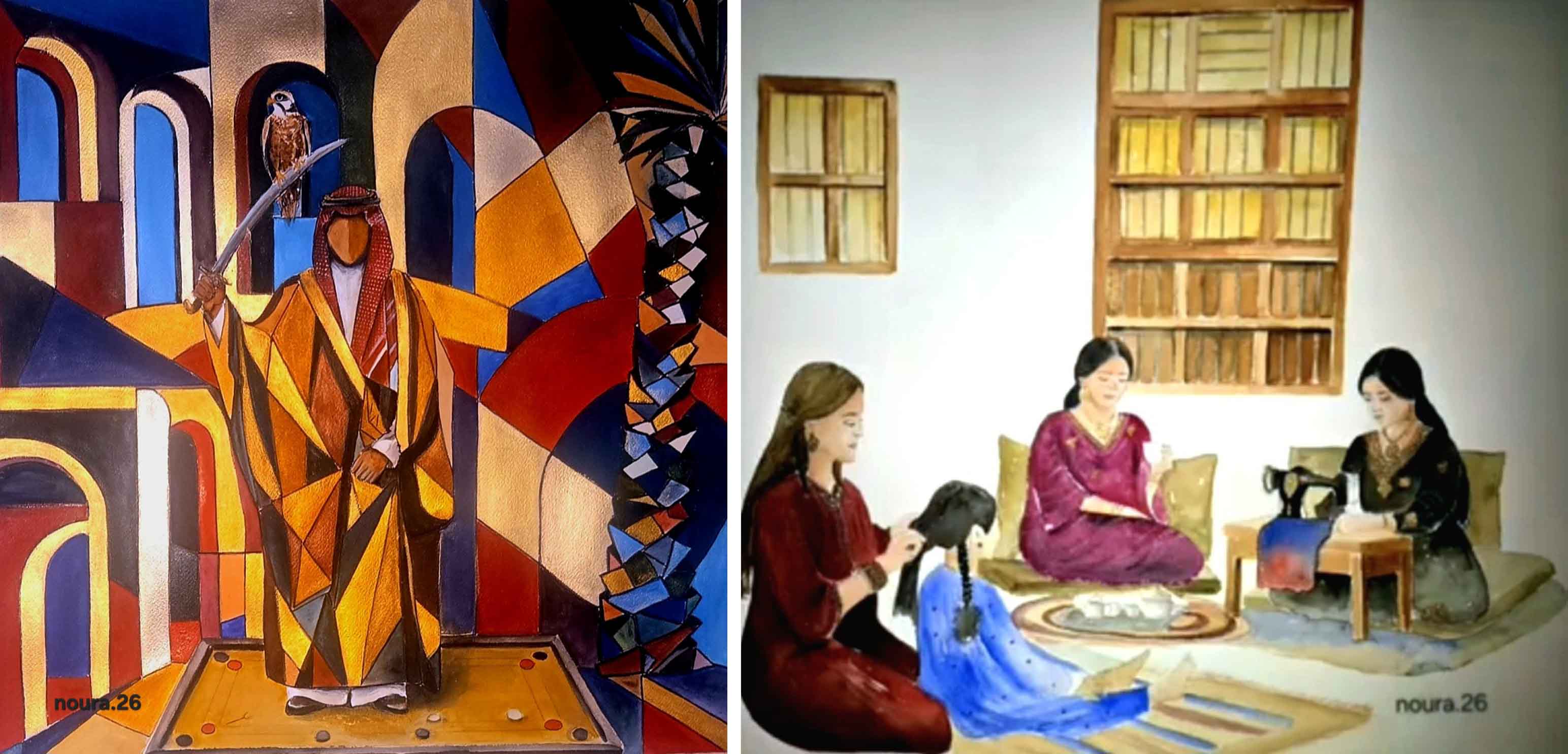
What fascinates me most is everyday life in old Kuwait because it reflects the spirit of the people, their traditions and the way communities interacted with one another. I am also deeply inspired by traditional architecture, local crafts and cultural customs, as they all tell stories about our history and identity. Through these elements, I try to capture the true essence of Kuwaiti heritage in my work.
Before beginning a new piece, how much research goes into ensuring the historical and cultural details are accurate?
Before starting a new piece, I spend a considerable amount of time researching to ensure the historical and cultural details are accurate. I refer to old photographs, historical references and sometimes personal stories shared by older generations. Accuracy is very important to me because it helps preserve and represent our heritage with authenticity and respect.
What is the most challenging aspect of recreating scenes from Kuwait’s past for modern audiences?
The most challenging aspect is balancing historical accuracy with the expectations of modern audiences. I want to remain faithful to the details and spirit of the past while creating work that feels engaging and relatable to people today. Another challenge is bringing forgotten stories and environments to life in a way that helps viewers connect with them emotionally, even if they have never experienced that era themselves.
Watercolour appears to be one of your preferred mediums. What attracts you to this technique, and what does it allow you to express that other mediums may not?
Watercolour is one of my preferred mediums because of its transparency, fluidity and ability to capture light and atmosphere in a unique way. It allows me to create a sense of nostalgia and softness that perfectly complements the historical subjects I often portray. The spontaneity of watercolour also adds life and emotion to each piece, making every painting feel natural and expressive in a way that other mediums may not achieve as easily.
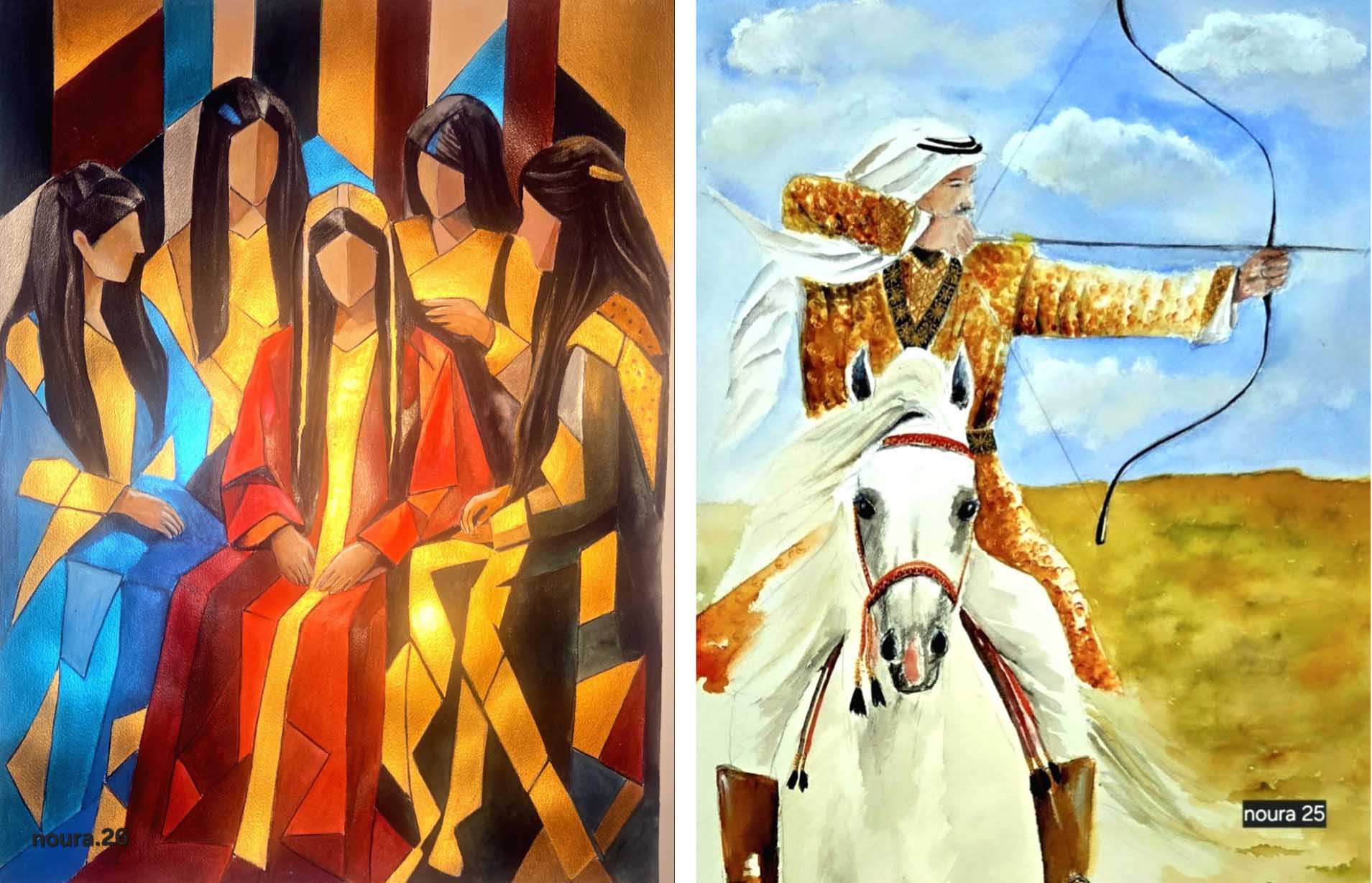
Arabian horses frequently appear in your work. What is the significance of horses in your artistic language and personal connection to heritage?
Arabian horses hold a special place in my artistic language because they symbolise strength, nobility, beauty and the deep connection between people and their heritage. They are an important part of Arab history and culture, representing values such as courage, loyalty and pride. On a personal level, including horses in my work allows me to celebrate this rich heritage and express a sense of identity and continuity between the past and the present.
Is there a particular artwork you have created that holds special meaning for you? What is the story behind it?
One of the artworks that holds the greatest meaning for me is the portrait I created of Sheikh Jaber Al-Mubarak Al-Sabah, which was presented to His Highness the Emir through His Highness the Crown Prince. It was an incredible honour and one of the proudest moments of my career, as it celebrated our nation’s history while highlighting the important role art plays in preserving our cultural heritage.
Through your art, what emotions or reflections do you hope viewers experience when they see Kuwait’s history and traditions portrayed on canvas?
Through my art, I hope viewers feel a sense of connection, pride and appreciation for Kuwaiti history and traditions. I want my work to evoke nostalgia for those who remember these times and curiosity in younger generations who may never have experienced them. Ultimately, I hope my paintings encourage reflection on the importance of preserving our cultural heritage and inspire a deeper understanding of the stories that shape our identity.
Have there been moments where older generations have shared memories inspired by your artwork? Are there any stories that particularly touched you?
Yes, many people from older generations have shared personal memories and stories after viewing my artwork, and those moments are among the most meaningful parts of my journey as an artist. Some have told me that certain paintings reminded them of their childhood, family gatherings, traditional markets or aspects of daily life that no longer exist. What touches me most is when someone becomes emotional because a painting reconnects them with a cherished memory or a loved one. Those stories remind me of the power of art to preserve memories and keep our cultural heritage alive.
In a rapidly changing world, do you feel artists have a responsibility to preserve cultural identity and collective memory?
Yes, I believe artists have an important role in preserving cultural identity and collective memory. Art is a powerful way to document stories, traditions and values that might otherwise be forgotten over time. While artists are free to choose their own subjects and styles, I believe contributing to the preservation of heritage helps strengthen a community’s connection to its history and provides future generations with a deeper understanding of their roots.
Social media has allowed your work to reach audiences far beyond Kuwait. How has Instagram influenced your artistic career and visibility?
Instagram has played a significant role in expanding the reach of my artwork beyond Kuwait. It has allowed me to connect with people from different cultures and backgrounds who share an interest in art and heritage. The platform has also provided opportunities to showcase my work to a wider audience, receive valuable feedback and build meaningful relationships with collectors, art enthusiasts and fellow artists. Overall, Instagram has increased the visibility of my work while allowing me to share Kuwaiti culture with the world.
As someone whose work celebrates the past, how do you balance tradition with contemporary artistic expression?
I strive to honour tradition by staying true to the historical and cultural essence of my subjects while using contemporary artistic techniques and perspectives to make the work relevant to today’s audience. This balance allows me to preserve the authenticity of the past while presenting it in a way that feels fresh, engaging and meaningful. I believe tradition and innovation can complement each other, helping cultural heritage remain alive and appreciated across generations.
You were recently selected as the featured artist for ASAR’s Art Arena programme. What did that recognition mean to you personally and professionally?
Being selected as the featured artist for ASAR’s Art Arena programme was a great honour and a meaningful milestone in my artistic journey. It gave me the opportunity to present my work to a wider audience while reinforcing the importance of preserving Kuwaiti heritage through art. Professionally, it encouraged me to continue developing my artistic voice, and personally, it strengthened my confidence that cultural storytelling through art can have a lasting impact.
Looking back at your artistic journey so far, what would you consider your proudest achievement or milestone?
One of my proudest achievements has been using my art to preserve and celebrate Kuwaiti heritage while connecting with people across different generations and cultures. Seeing my work resonate with audiences, especially when it evokes memories, emotions or a deeper appreciation for our history is incredibly rewarding. I am also especially proud of creating the portrait of Sheikh Jaber Al-Mubarak Al-Sabah that was presented to His Highness the Emir through His Highness the Crown Prince, a milestone that remains one of the greatest honours of my career.
Has there ever been a project or artwork that pushed you outside your comfort zone and challenged you creatively?
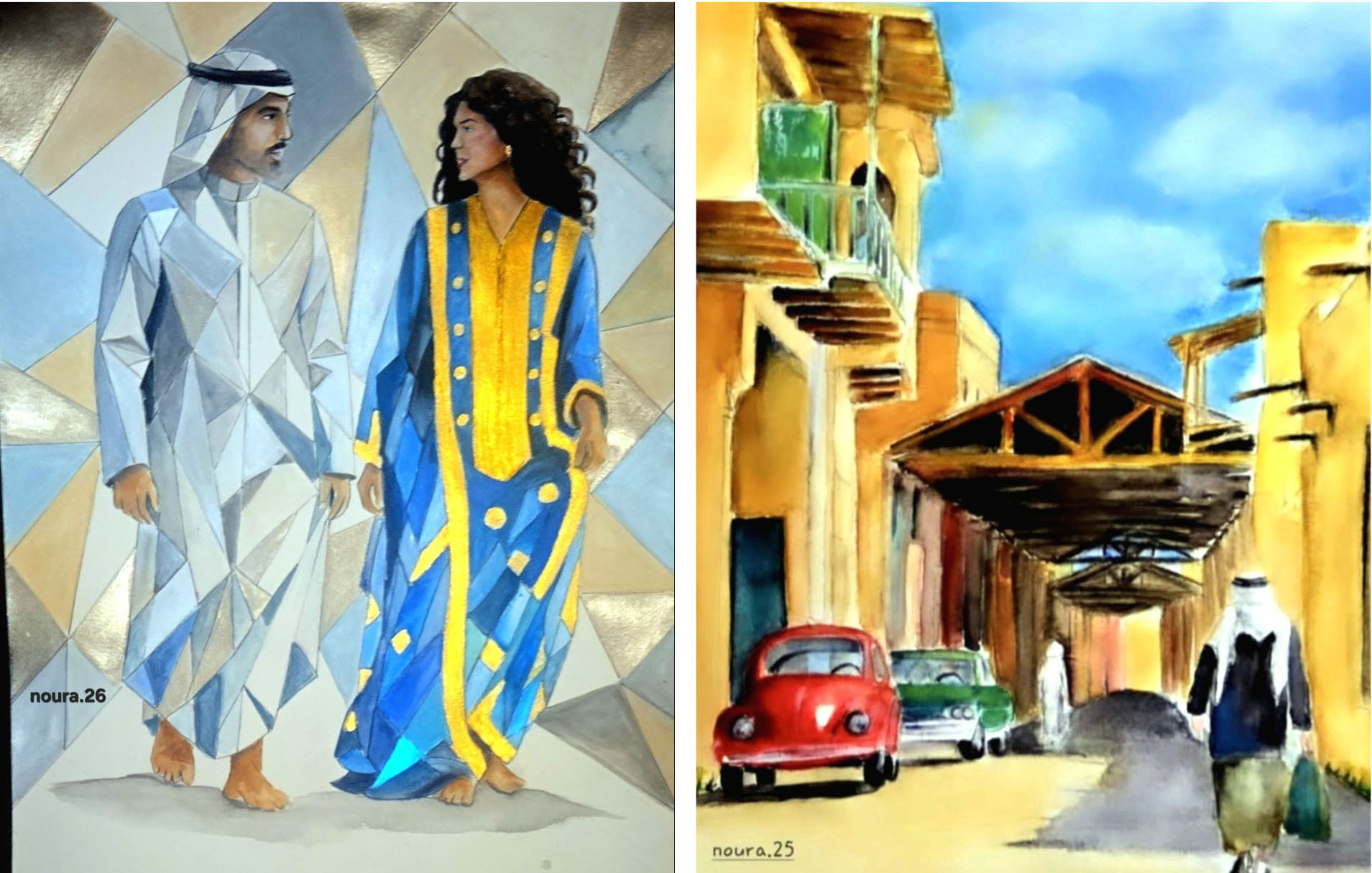
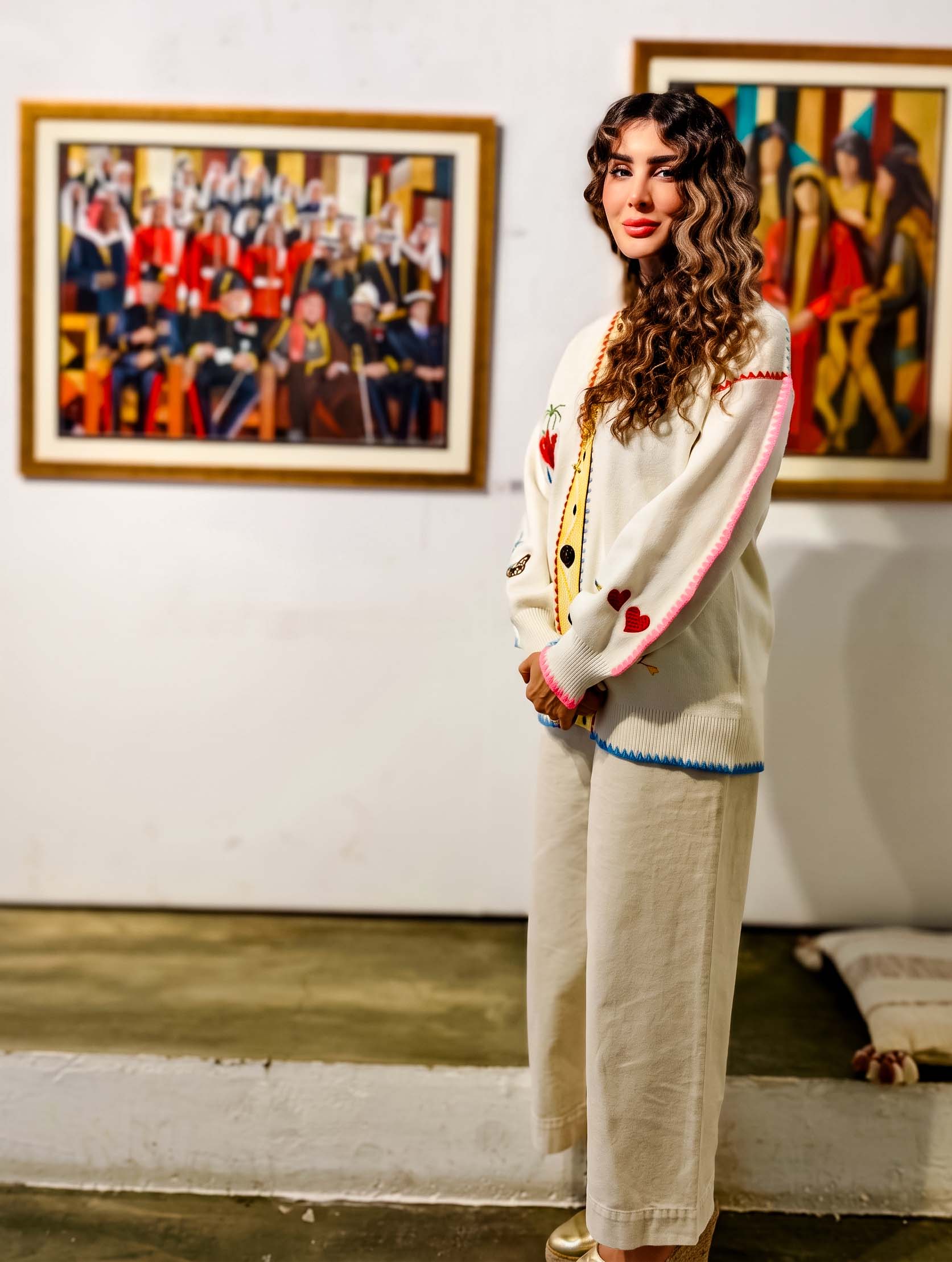
Yes. One of my greatest creative challenges came when I began exploring geometric abstract art as a new technique while applying it to Kuwaiti heritage. I wanted to represent our cultural legacy through an abstract geometric style, presenting tradition in a more interpretive and artistic way. It pushed me to think differently while remaining true to the essence of my subject matter.
What are some goals, dream collaborations, or exhibitions you hope to achieve in the coming years?
I hope to collaborate with international artists who share a passion for cultural storytelling, creating a dialogue between different heritages. I also dream of exhibiting my work in renowned museums and cultural festivals that focus on preserving heritage. Ultimately, I hope to expand my platform to educate and inspire more people about the beauty of Kuwaiti culture.
Finally, your message for us at CP Magazine.
My message is one of gratitude. I truly appreciate the opportunity to share my passion for art and heritage with your readers. I hope my journey encourages others to explore their roots, preserve their stories and express them creatively. Thank you for supporting the arts and helping to keep our cultural heritage alive.