

Picnic Island, a small granite outcrop just 800 metres off Coles Bay on Tasmania’s east coast, has reopened as one of Australia’s most exclusive private island retreats. Framed by the wild landscapes of Freycinet National Park, the island combines sustainability, understated luxury and remarkable wildlife encountersm, including a resident colony of Little Penguins. With only a handful of guests welcomed each year, it is a rare escape shaped by privacy, nature and a sense of remoteness that is not for everyone.
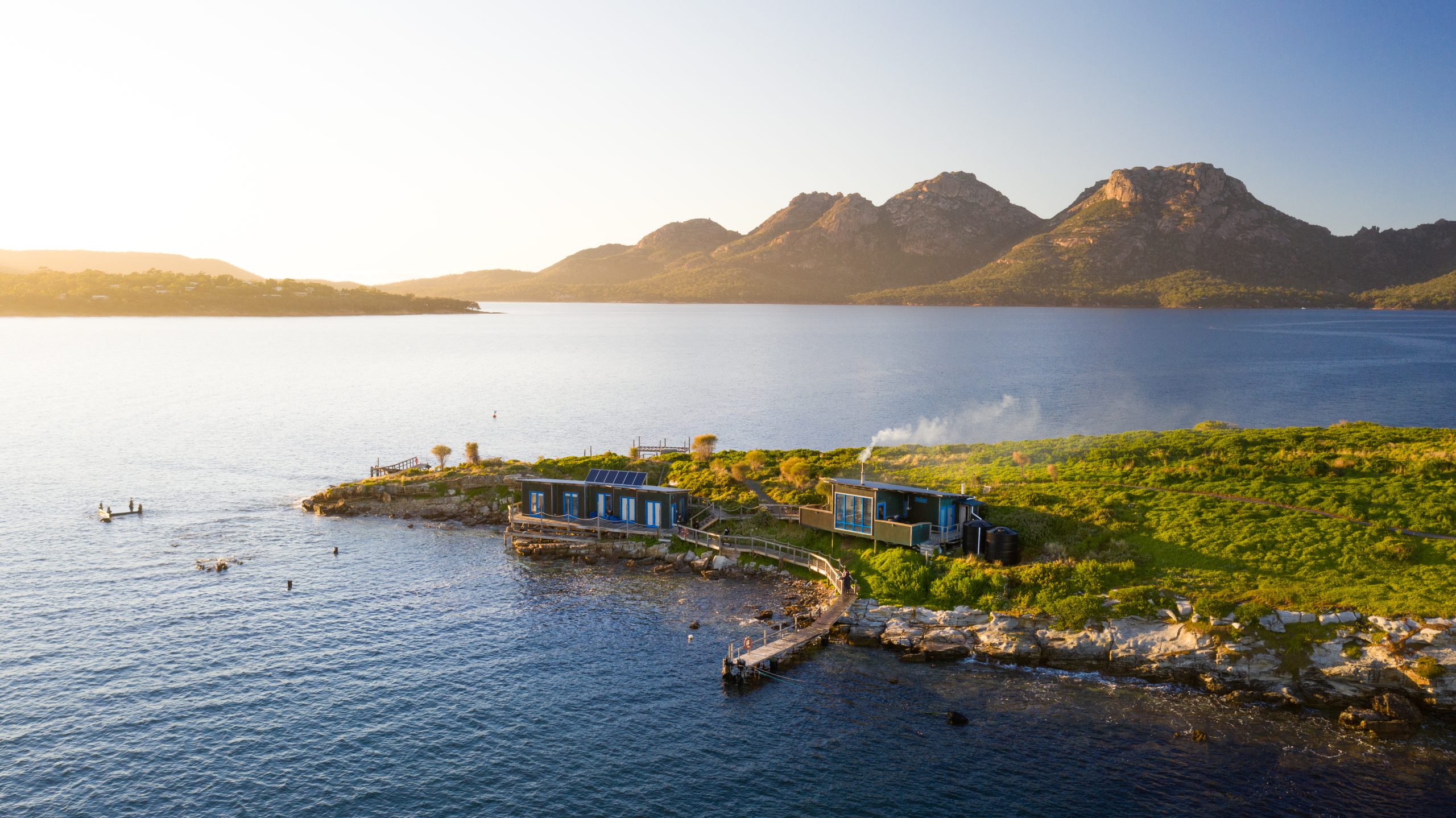
Australia has never been short of space. Vast deserts, immense coastlines and national parks the size of small countries have long defined the nation’s relationship with landscape. Yet even in a country built on scale, the rarest luxury of all is not size but solitude, the feeling that a place exists briefly for you alone. Off the eastern coast of Tasmania, just 800 metres from the fishing village of Coles Bay, a small island is quietly reclaiming that idea.
Picnic Island, a granite outcrop floating in the cool waters of Great Oyster Bay, has reopened after an extensive transformation. The project has reshaped the island into one of Australia’s most exclusive private retreats, a place designed not to compete with the polished opulence of urban hotels but to offer something far rarer: time, quiet and a direct relationship with the natural world.
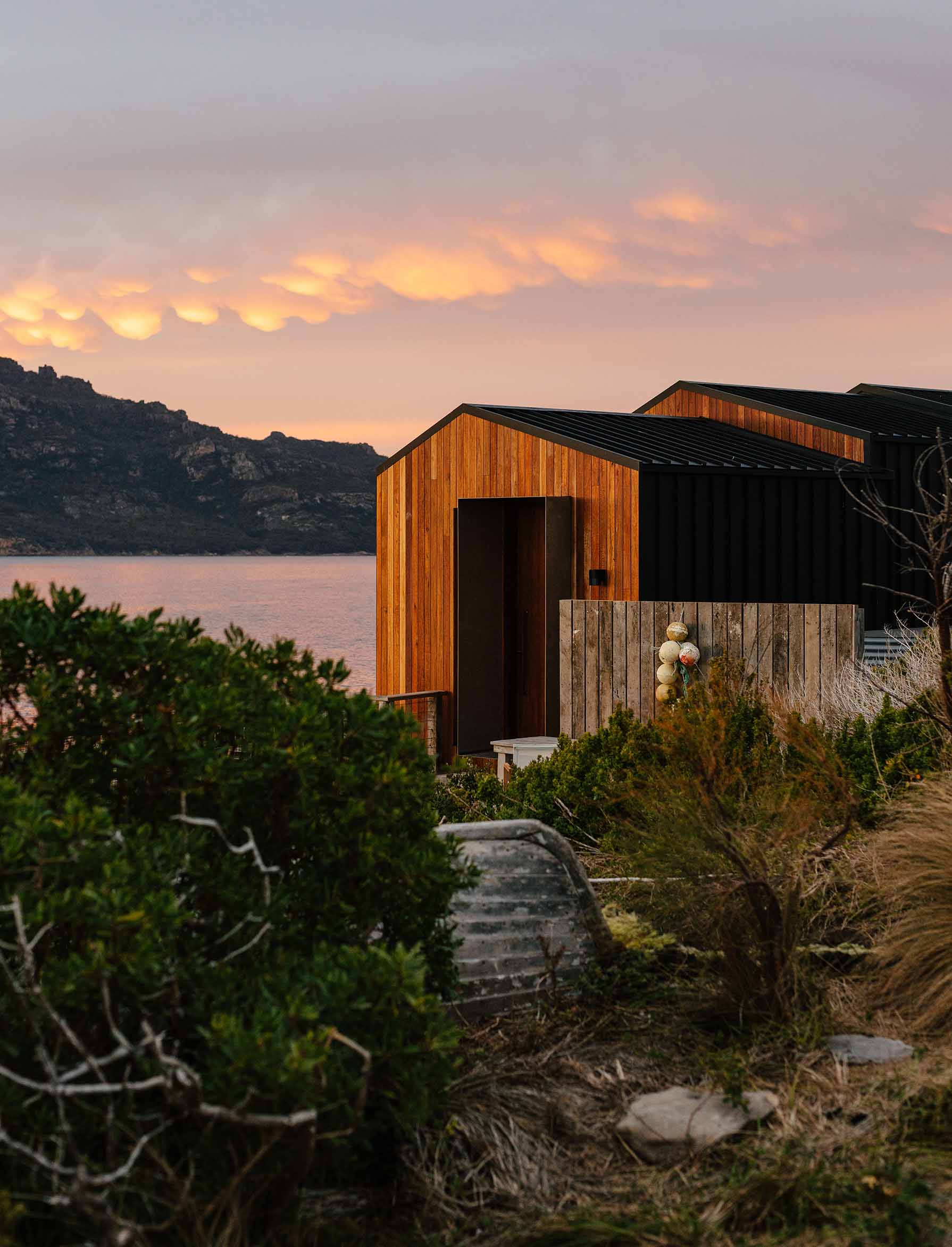
From the mainland the island appears almost modest, a green silhouette framed by the rose-coloured granite peaks of the Hazards mountain range in nearby Freycinet National Park. Yet the setting is among the most dramatic in Tasmania, a region long celebrated for its raw beauty and luminous coastal light. Beyond the island lies the sweep of Wineglass Bay, often described as one of the most beautiful beaches in the world, its white crescent tucked between forested hills and the deep blue of the Tasman Sea.
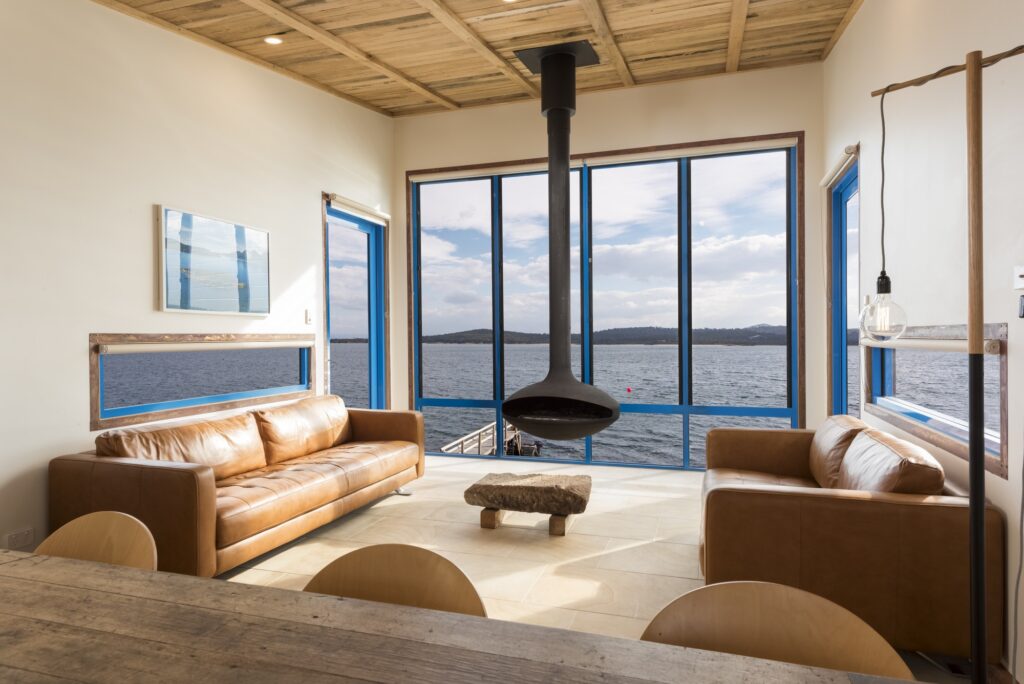
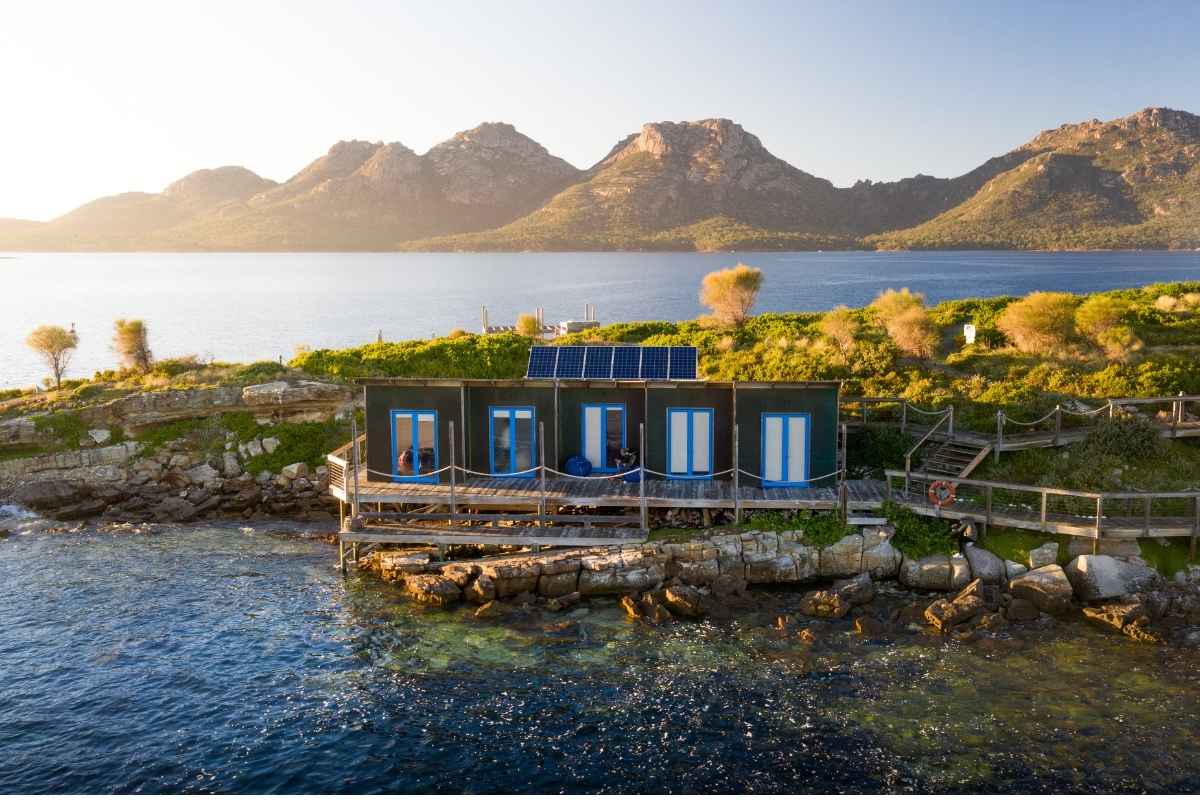
The island itself remains deliberately small in scale. Accommodation is limited to just four private spaces for a maximum of eight guests, including a newly built primary suite and a series of copper-clad structures that have been carefully restored. Their metallic surfaces, weathering gradually under salt air and southern sunlight, echo the colour palette of the surrounding cliffs and coastal rock formations.
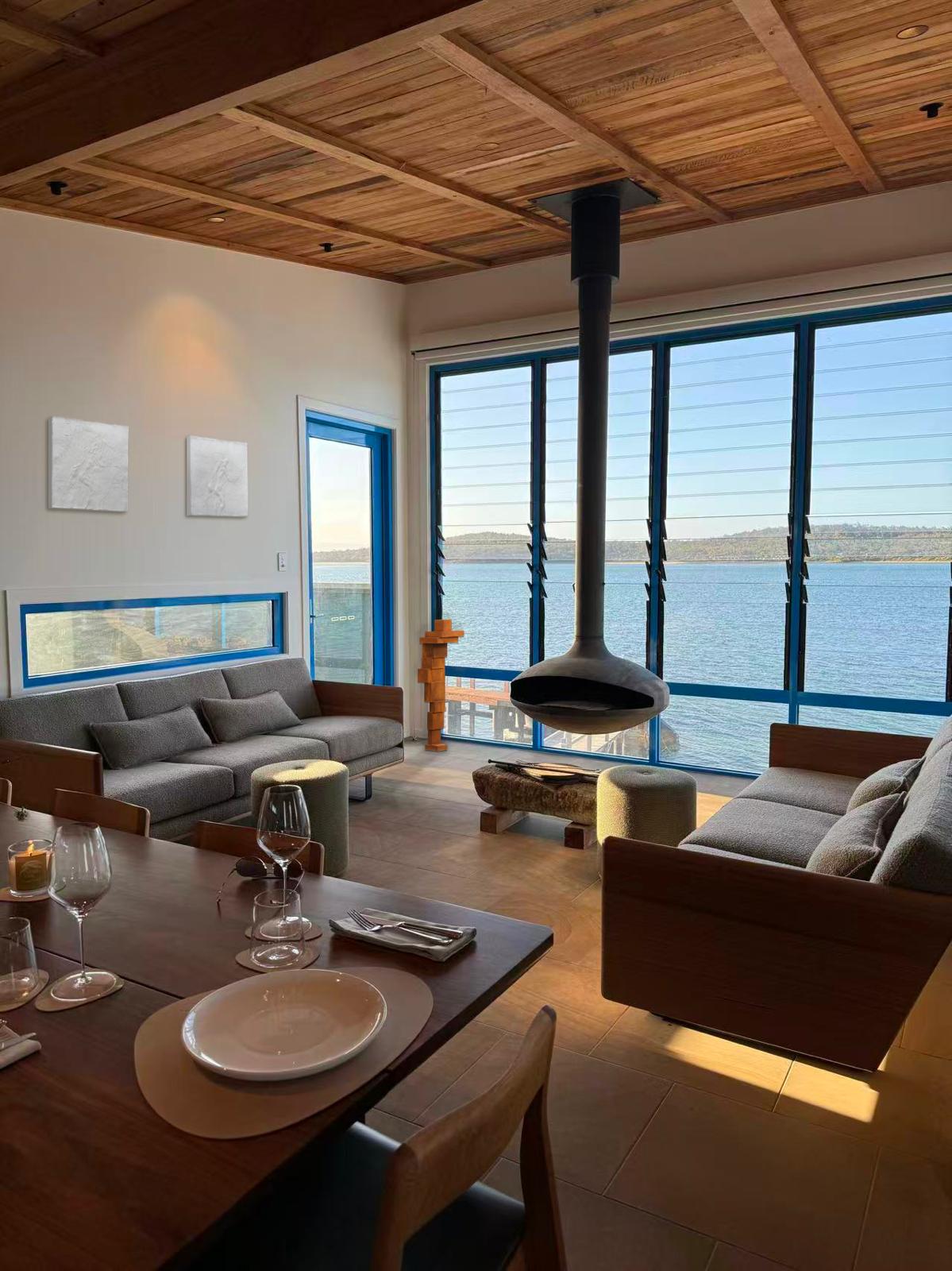
What distinguishes Picnic Island is not simply its isolation but the philosophy behind it. The retreat operates entirely off-grid, powered by solar energy and supported by rainwater collection systems, allowing the island to function independently without placing strain on the surrounding environment. Its annual availability is also intentionally restricted: guests can stay on the island for only around 100 nights each year, a measure designed to protect the fragile ecosystem and the wildlife that inhabits it.
Among the most charming residents is a small colony of Little Penguins, the world’s smallest penguin species that returns each evening from the sea, waddling ashore after a day of fishing in the cool southern waters. Their presence is a reminder that this is not a place built over nature but carefully woven into it.
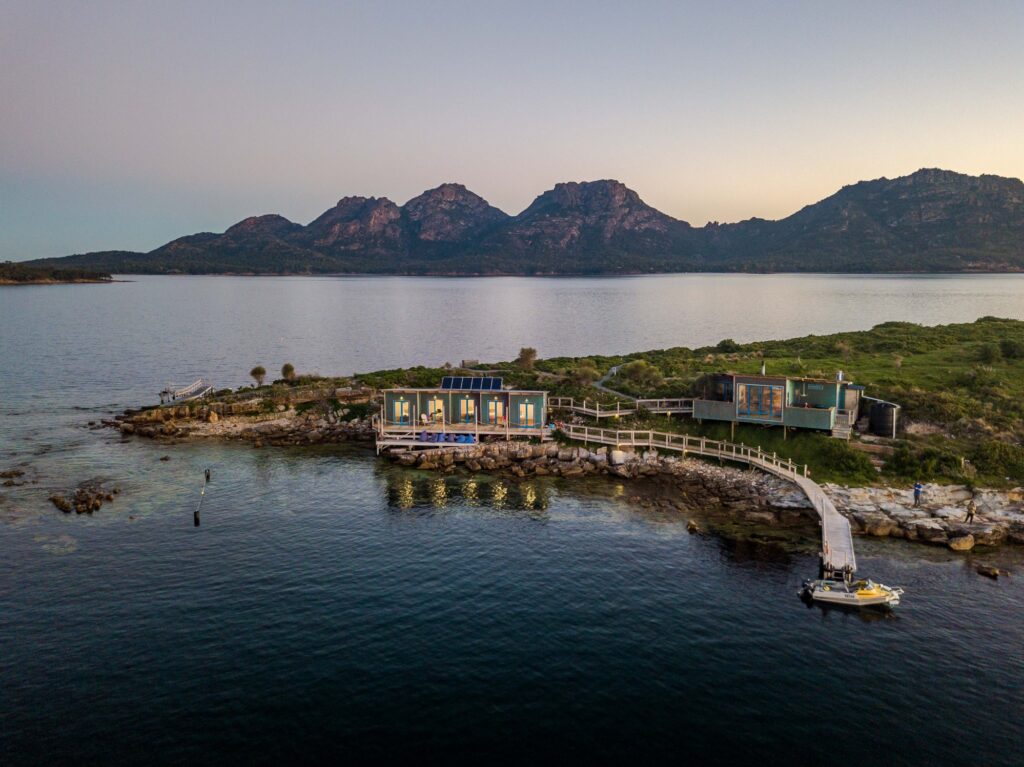
Tasmania has increasingly embraced this style of thoughtful tourism. While the island state, often affectionately known as the Apple Isle, has long drawn travellers for its wilderness and produce, a new generation of hospitality projects is redefining luxury here. Rather than imposing grand architecture on pristine landscapes, many developments favour small-scale retreats that prioritise conservation, design sensitivity and a deep connection to place.
Picnic Island fits naturally into this evolution. Days here unfold slowly and according to the rhythms of sea and weather. Guests might wake to the call of seabirds and the quiet movement of tides around the island’s rocky shoreline. Boats slip across the bay for excursions into the surrounding marine environment, where dolphins and migrating whales occasionally appear offshore, while seals lounge on distant rocks warmed by the sun.
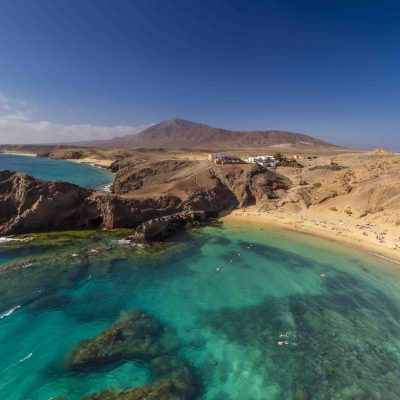
Beyond the water lies one of Tasmania’s most celebrated landscapes. The walking trails of Freycinet National Park wind through eucalyptus forest and along windswept headlands, revealing sudden viewpoints over turquoise coves and remote beaches. The terrain feels ancient and elemental, shaped by wind, salt and time.
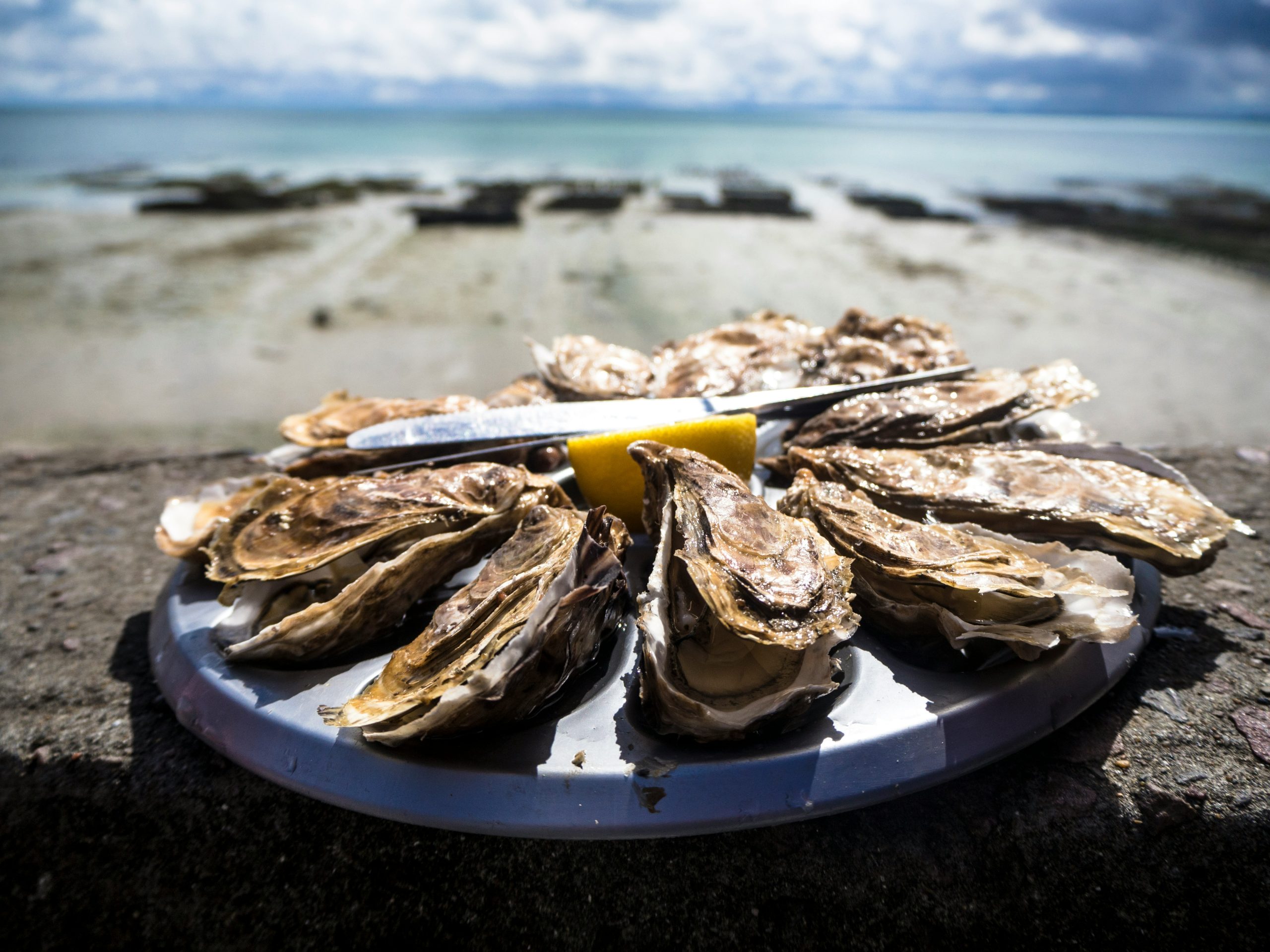
Yet the island experience is not solely about wilderness. Tasmania’s reputation as one of Australia’s most exciting culinary regions is quietly woven into daily life here. The surrounding waters provide oysters, abalone and mussels, while nearby vineyards produce elegant cool-climate pinot noir and chardonnay. Distilleries across the island state have also earned global attention for their whisky and craft spirits, bringing a distinctly Tasmanian character to the table.
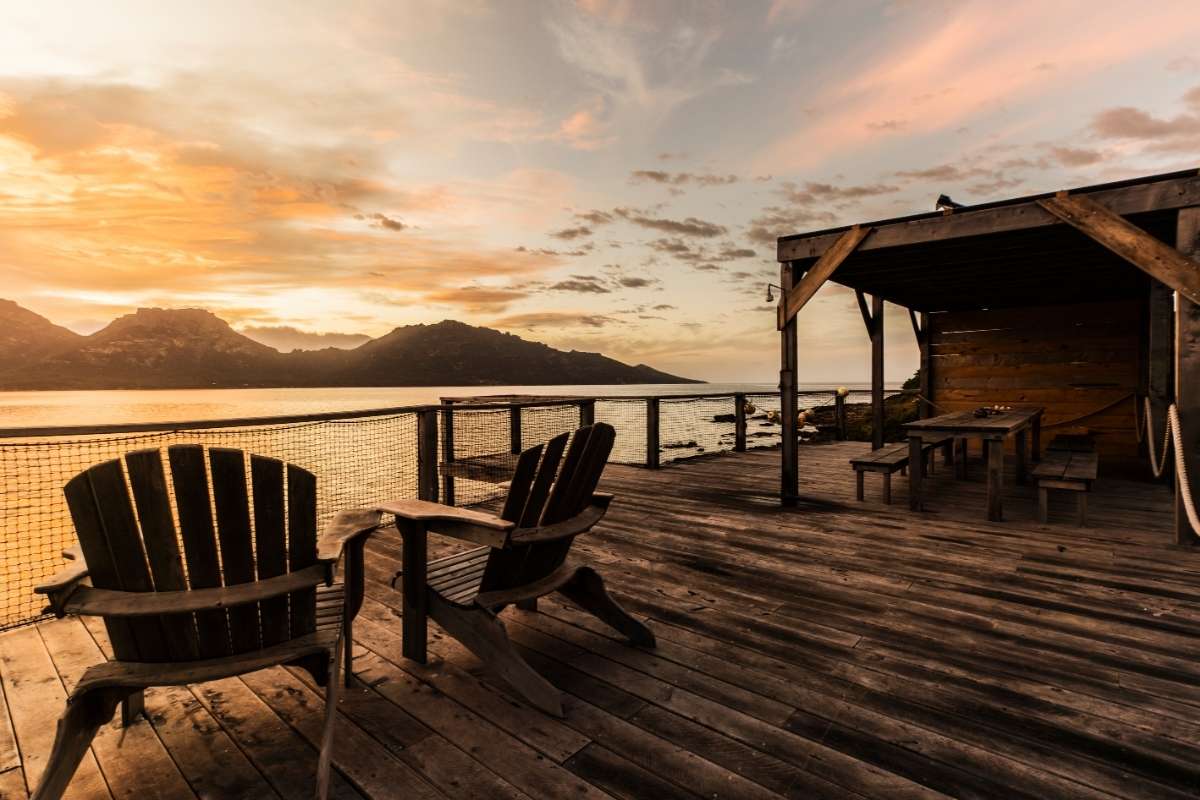
Evenings tend to return guests to the simplest pleasures. Sunsets burn slowly behind the Hazards mountains, turning the granite peaks a deep shade of copper before darkness settles across the bay. With no neighbouring buildings and little light pollution, the night sky appears unusually clear, the southern constellations glittering above the water.
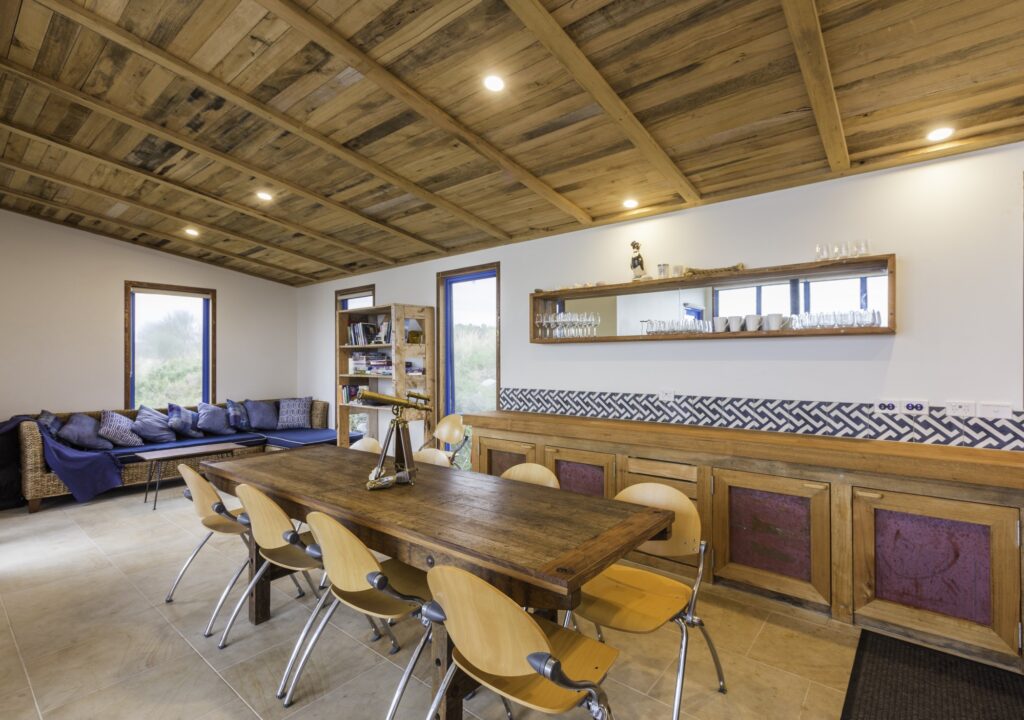
It is this balance between design and restraint, comfort and wilderness that defines Picnic Island’s appeal. Rather than constructing an extravagant resort in a fragile landscape, the retreat offers a different interpretation of luxury: one built on privacy, ecological respect and immersion in a place that remains largely untouched.
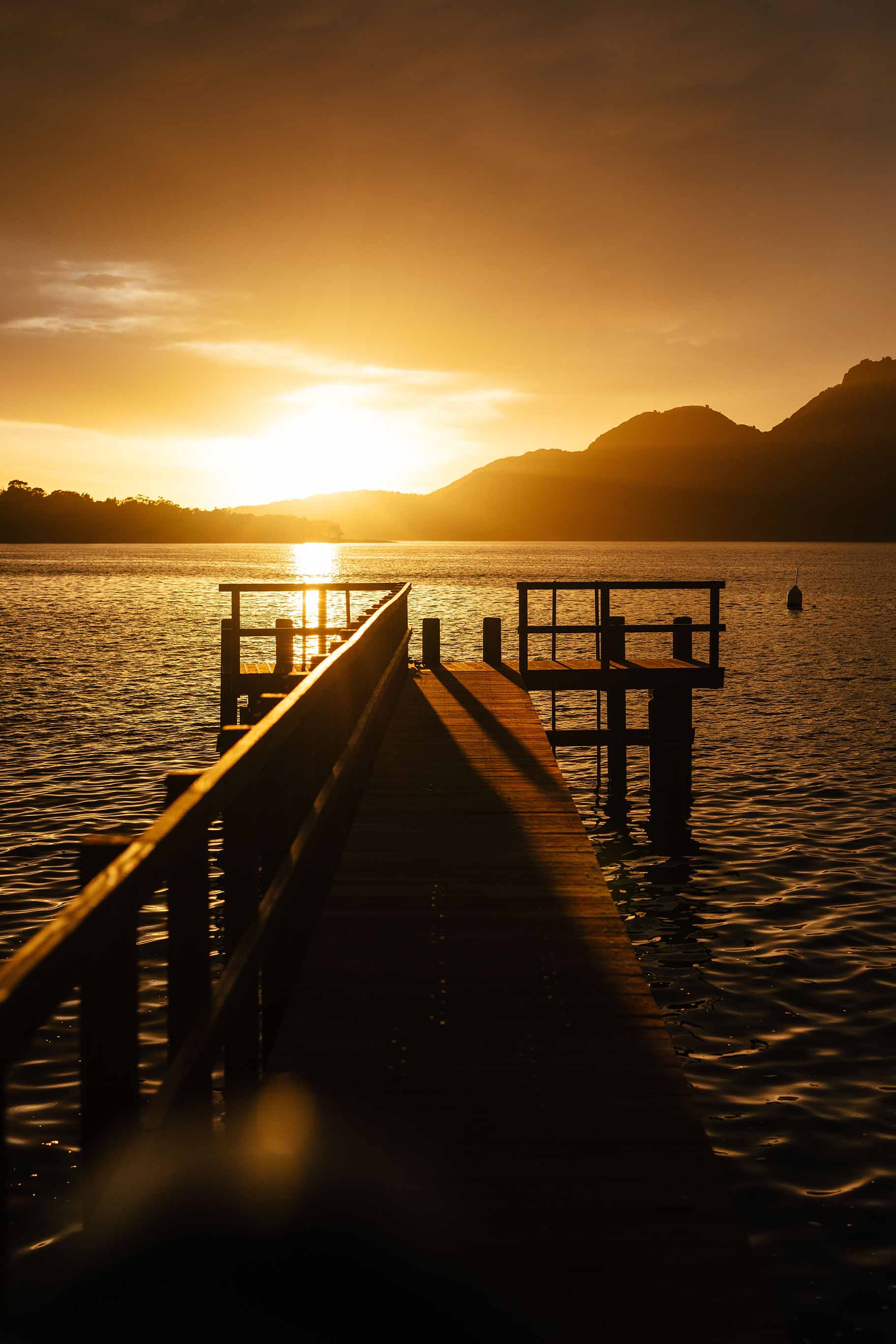
In a world where travel increasingly chases spectacle, the small island off Tasmania’s east coast proposes another idea altogether. Here, luxury is not about excess but about absence, the absence of crowds, noise and urgency, leaving only sea air, open space and the quiet rhythm of nature.