

Only an hour from Paris, Abbaye des Vaux-de-Cernay transforms one of France’s most remarkable medieval abbeys into a destination where history, design and the quiet pleasures of the countryside come together with effortless elegance. More than a hotel, it is a place to slow down, breathe deeply and rediscover the romance of the French art de vivre.
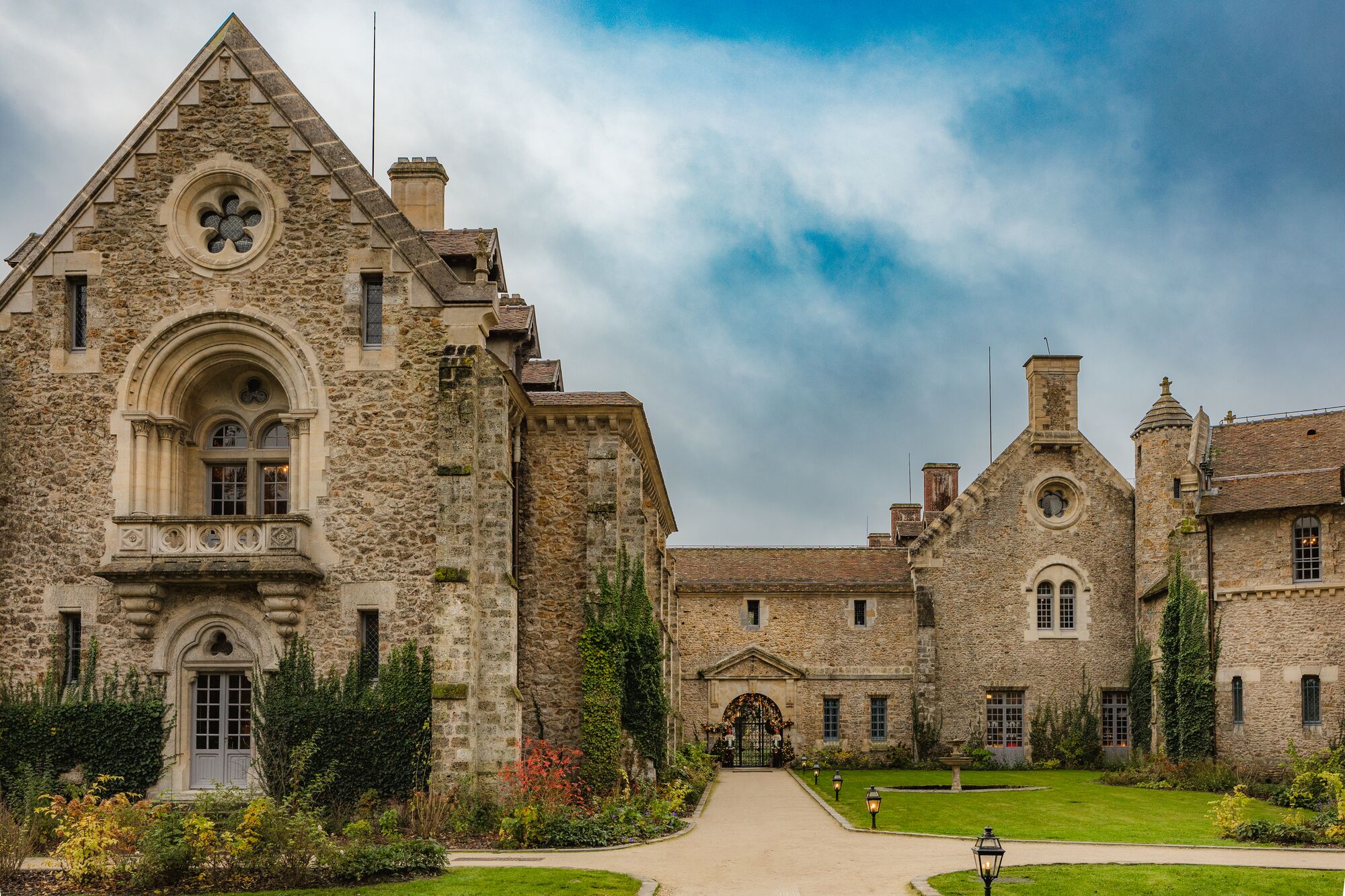
The road from Paris winds gently through the forests of the Vallée de Chevreuse before revealing one of France’s most extraordinary arrivals. Rising above lakes, woodland and perfectly kept gardens, the honey-coloured stone façades of Abbaye des Vaux-de-Cernay still carry the quiet grandeur of the Cistercian monastery founded here in the twelfth century. The sense of theatre begins long before check-in. Crossing the estate feels less like arriving at a hotel than stepping into another century.
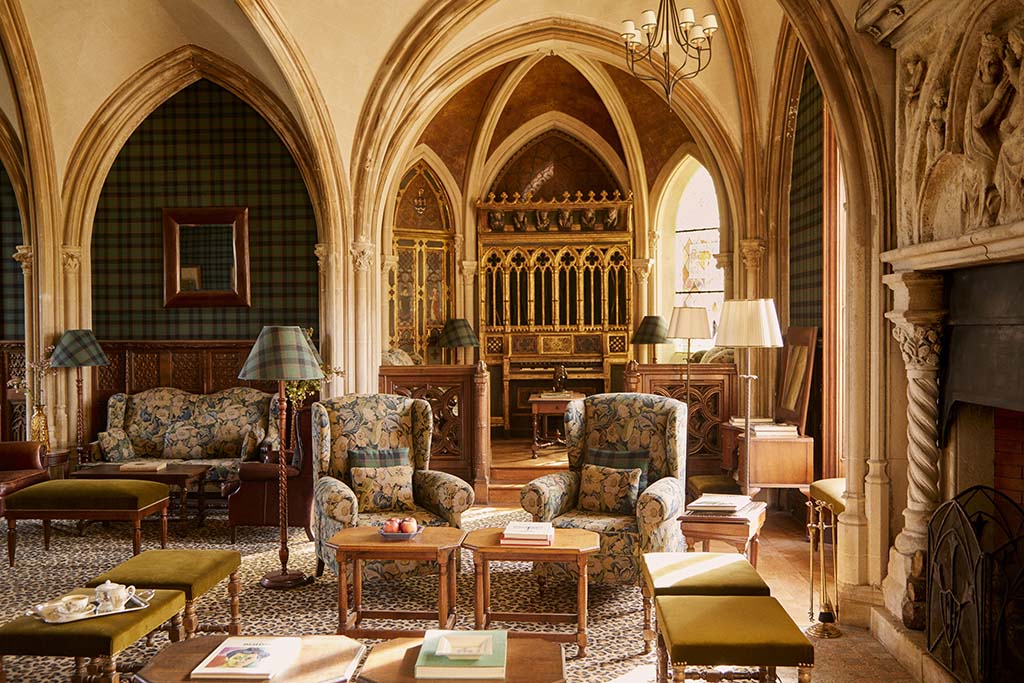
Inside, soaring Gothic arches, ancient fireplaces and oak-panelled salons have been carefully softened with richly layered fabrics, antique furniture and the unmistakable touch of Cordélia de Castellane, Artistic Director of Dior Maison. The result is remarkable: grand without feeling intimidating, luxurious without ever becoming ostentatious.
Founded in 1147 by Cistercian monks, the abbey survived centuries of religious life before falling into decline after the French Revolution. Its fortunes changed in the nineteenth century when Baroness Charlotte de Rothschild transformed the estate into her summer residence, welcoming artists, writers and musicians who helped shape its cultural legacy.
More recently, Paris Society undertook an ambitious €60 million restoration, breathing new life into one of France’s most treasured historic monuments. Rather than reinventing the abbey, the project celebrates its imperfections, allowing medieval stonework, ruined cloisters and centuries-old craftsmanship to remain at the heart of the experience.
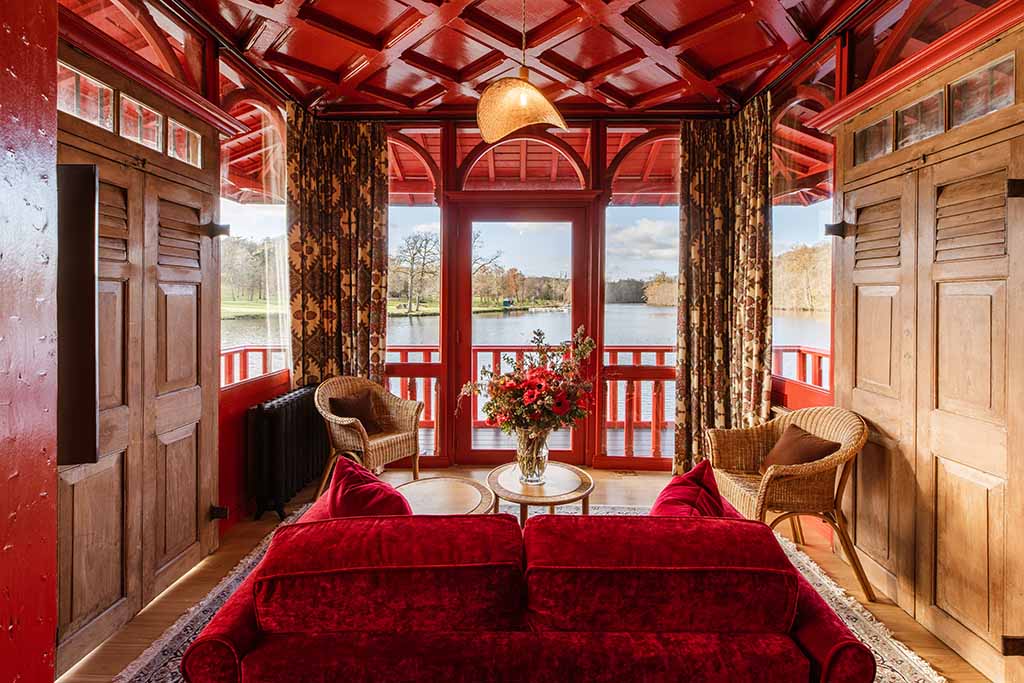
There are 145 rooms and suites spread between the abbey itself, the former stables and a collection of elegant pavilions scattered across the estate. No two are exactly alike, yet all share the same philosophy: respect the building’s history while making it effortlessly liveable.
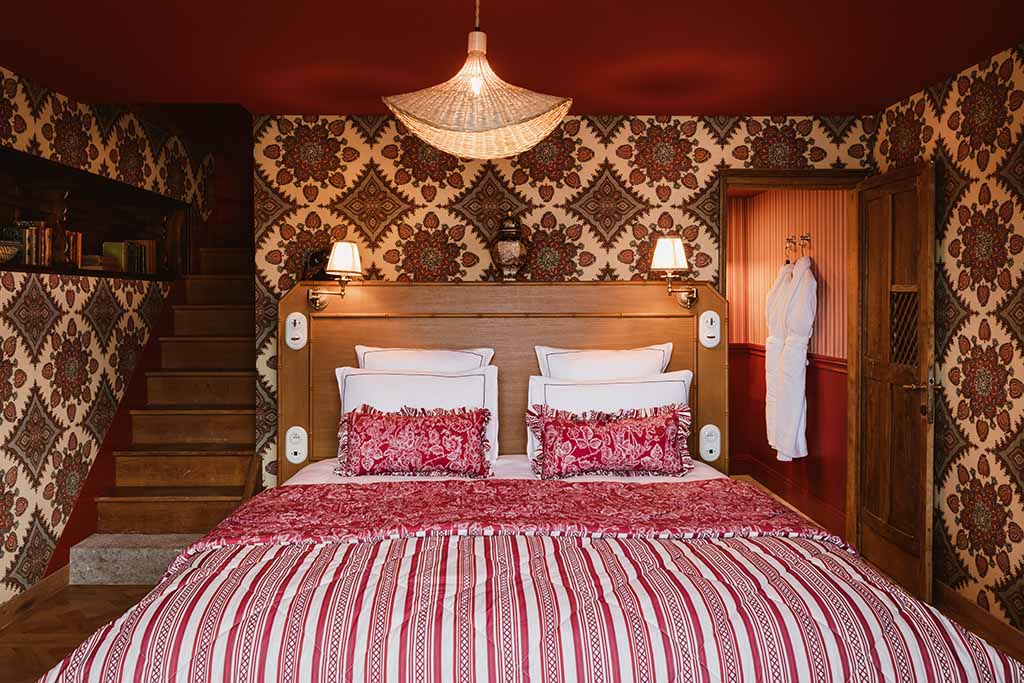
Cordélia de Castellane, Artistic Director of Dior Maison, has approached the interiors with a collector’s eye rather than a decorator’s hand. Toile de Jouy wallpapers, antique wooden panelling, embroidered fabrics and carefully sourced pieces from French brocantes sit naturally alongside contemporary comforts. The effect is neither theatrical nor nostalgic. Instead, it feels wonderfully lived-in, as though generations of guests had quietly left their mark.
Many rooms still use traditional keys rather than key cards, a charming reminder that this is a building that has never lost its sense of identity. Open the windows in the morning and the soundtrack is birdsong rather than traffic; beyond the gardens lie lakes, woodland and rolling countryside that seem to stretch endlessly towards the horizon.
Food is very much part of the destination rather than an afterthought. Instead of concentrating everything into a single signature restaurant, Abbaye des Vaux-de-Cernay invites guests to experience the estate through several distinct dining venues, each with its own atmosphere.
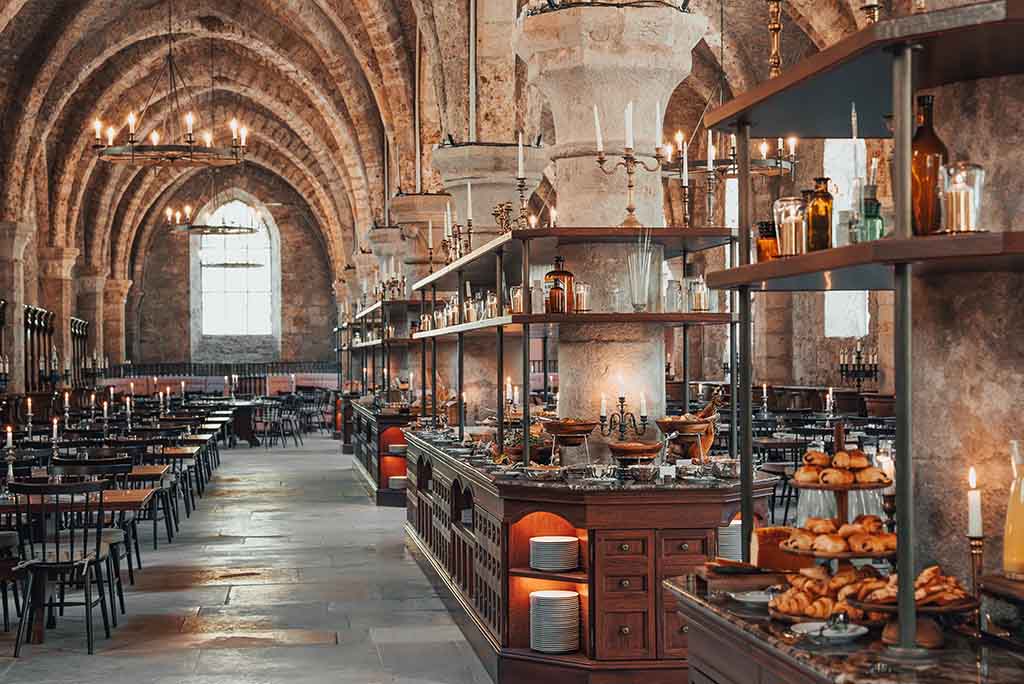
Breakfast is served in the spectacular Réfectoire des Moines, the former monks’ refectory, where vaulted ceilings frame generous buffets of buttery viennoiseries, artisan breads, seasonal fruit and regional cheeses. Later in the afternoon comes one of the hotel’s most charming rituals: le goûter. Every day at four o’clock, tables appear laden with homemade cakes, tarts and pastries, encouraging guests to pause whatever they are doing and embrace one of France’s most civilised traditions.
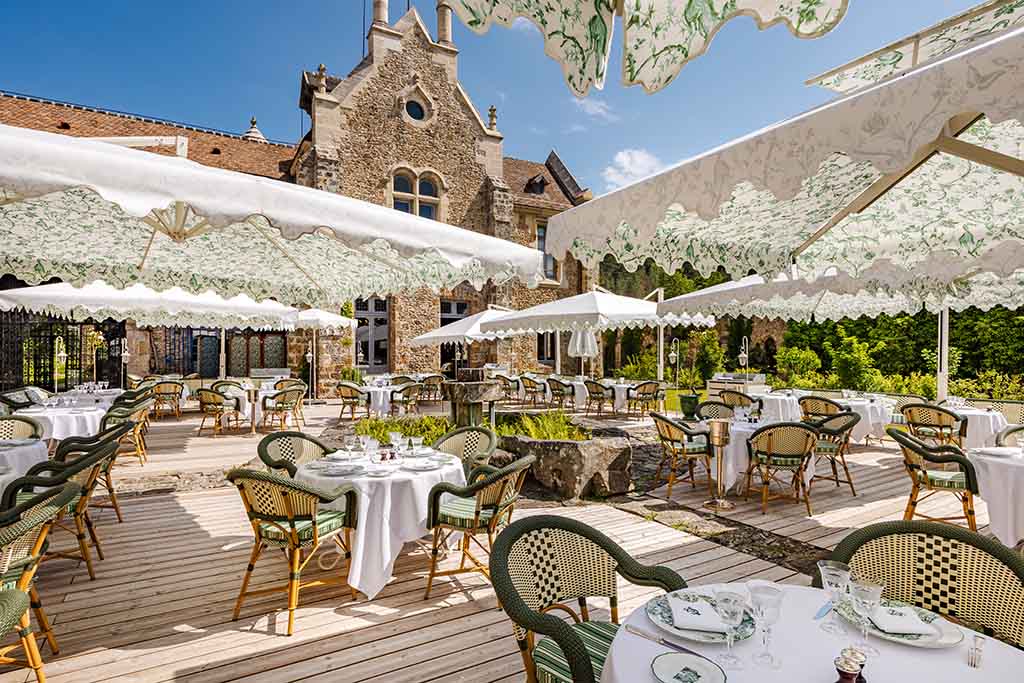
Dinner offers two very different moods. Les Chasses is the elegant, white-tablecloth dining room where beautifully executed French classics are served beneath softly glowing chandeliers, while L’Auberge, beside the lake, delivers something altogether more relaxed. Here, the atmosphere feels closer to a country house gathering than a restaurant, with crackling fireplaces, live music and generous dishes celebrating regional produce. Stay long enough and the evening often drifts into impromptu singing around the piano, accompanied by Champagne and the unmistakable feeling that nobody is in any hurry to leave.
More recently, La Ferme has added another layer to the culinary offering. Set within the estate’s newest extension, this rustic Italian restaurant proves that even outside traditional French cuisine, the attention to detail remains unwavering.
Housed inside the estate’s former stables, the spa provides a quieter counterpoint to the grandeur of the abbey itself. Treatments use the acclaimed Tata Harper range, while the facilities include a hammam, sauna and one of the most inviting heated outdoor pools in northern France. Surrounded by gardens and centuries-old trees, it feels wonderfully disconnected from everyday life.