
“I like to get lost in the creation”
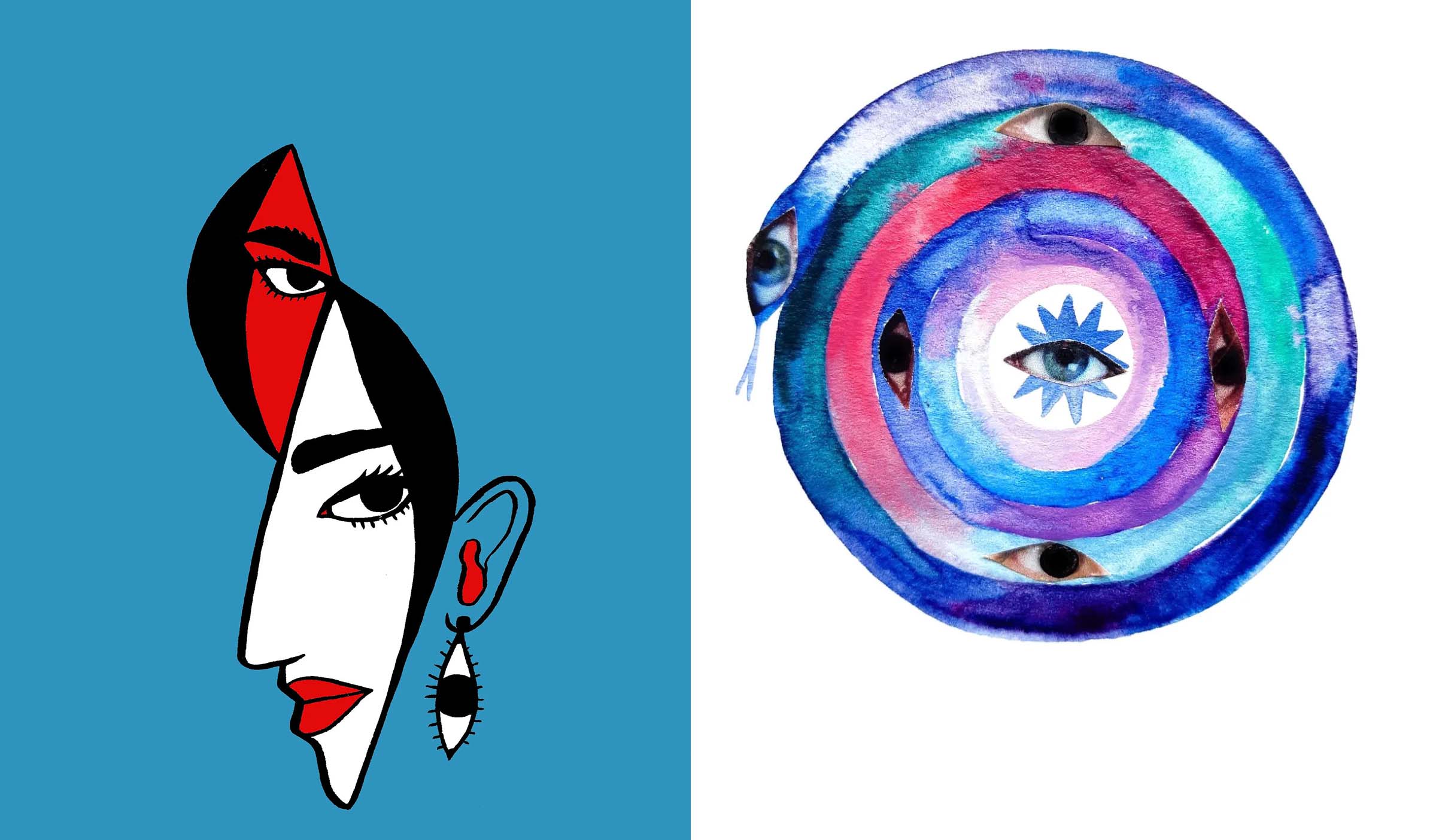
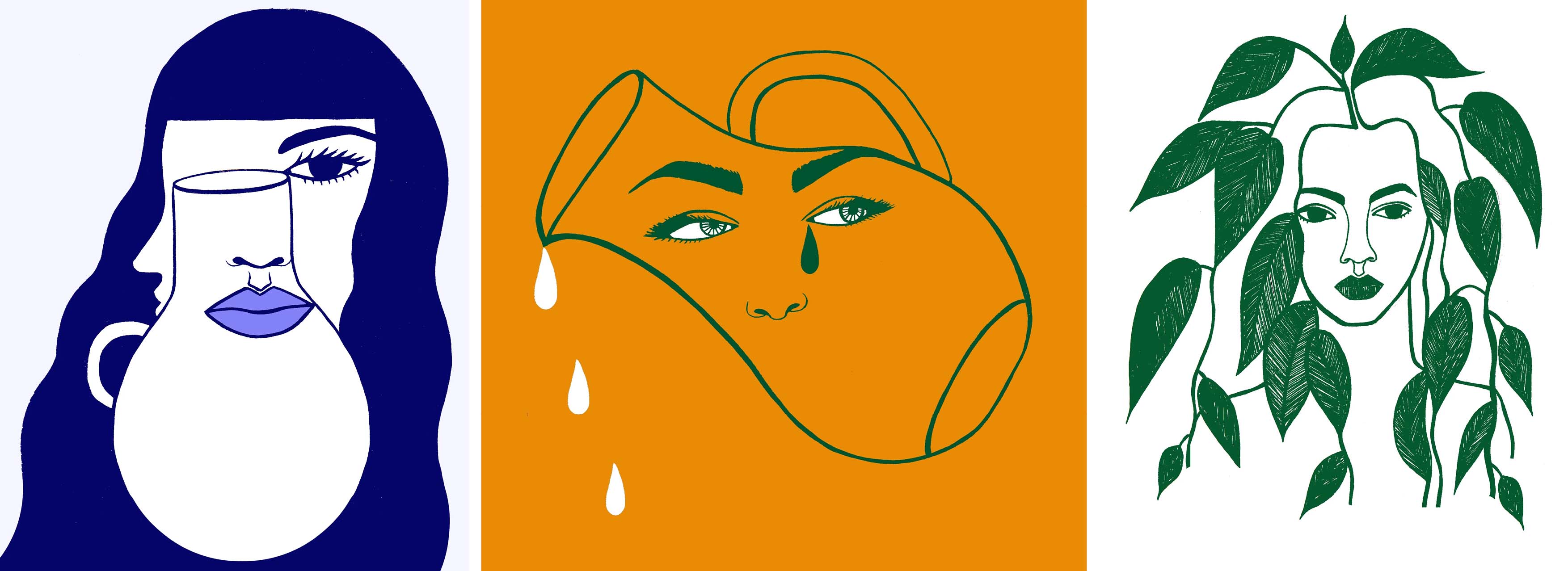
There is something quietly magical in Beata Kruszynski’s work. Working with recycled materials, collage, paint and mixed media, the Canadian artist transforms fragments of the everyday into vivid compositions where nature, humanity and imagination appear to exist in constant conversation. Faces, plants and surreal geometric landscapes become portals into worlds that feel at once familiar and otherworldly, inviting us to look beyond what is immediately visible.
Based in Brampton, Ontario, Kruszynski has built a multidisciplinary practice that moves effortlessly between illustration, painting, collage, public murals and large-scale installations. Her work has travelled well beyond Canada, appearing in exhibitions and projects across the United States, Europe and the Caribbean, while collaborations with institutions and publications including The New York Times, The Walrus, Spirituality & Health Magazine and LuminaTO have further expanded her visual language. Yet at the heart of her practice remains a deeply personal fascination with the natural world and its ability to connect, heal and inspire.
Perhaps what makes Kruszynski’s work particularly compelling is the balance she strikes between restraint and wonder. She is drawn to minimalism and white space, yet allows room for intuitive chaos; she begins with abstract imagery, then carefully manipulates it until something resembling reality emerges. The result is a body of work that feels both contemporary and timeless, rooted in sustainable artistic practice while exploring questions that are as old as humanity itself: our relationship with nature, the unseen forces that shape us, and the possibility of finding magic in the ordinary.
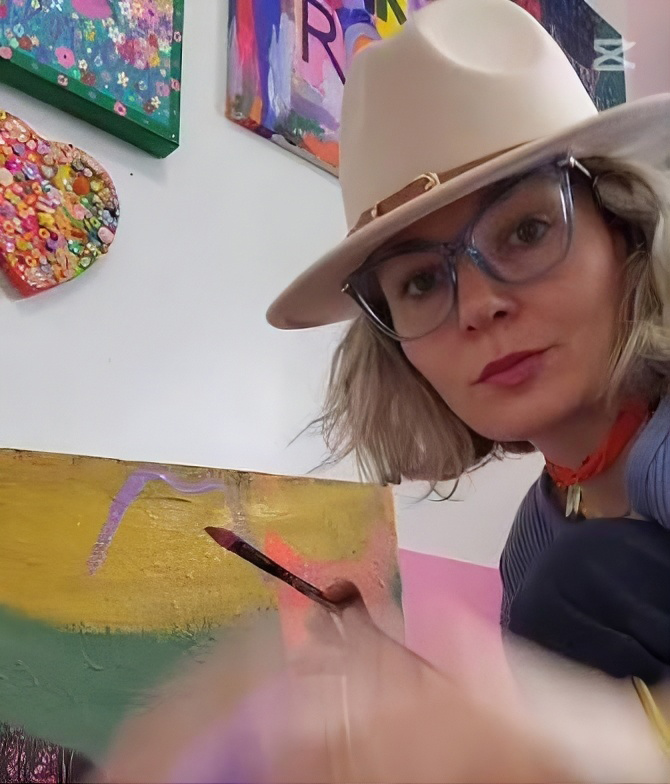
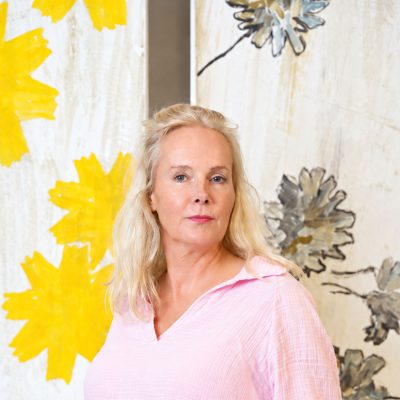
Our Lifestyle Editor, José Berrocoso, sits down with Canadian artist Beata Kruszynski to explore the stories, symbolism and unexpected beauty behind her intricate collages, and the connection between nature, humanity and the unseen.
Your collages begin with fragments of discarded printed matter, yet they often end up feeling strangely alive. At what point does recycled material stop being an object and become a psychological portrait?
I like to collect random pieces of black, white and greyscale images from magazines but also very intentional pieces like eyes or beautiful or unique faces.Then the magic happens that the fragments begin to match and become a cohesive image, with my experimentation and play. A lot of my work comes from the process; I have a general idea and then I alter the pieces by trimming them down to make the composition feel right.
Sustainability is frequently discussed in terms of responsibility, but in your work it also seems to become an aesthetic language. Do you see the act of recycling images as an environmental gesture, a conceptual one, or something closer to an act of memory?
I believe that beauty exists in reusing and reimaging ideas. Whether it is a collage used from magazines or my collage inspiring my paintings there is a cyclical nature in what I do. I have always been fond of or obsessed with archiving magazines and pages from magazines, but there comes a moment that I feel compelled to create something out of their memory.
Faces occupy a central place throughout your practice, although they rarely belong to identifiable individuals. What attracts you to anonymity, and how does fragmentation allow you to say something that a conventional portrait could not?
I am passionate about the human experience. Why we do what we do, why we behave the way we do, why we love or don’t, why we hurt and either forgive or continue the pain. Documenting emotion or the lack thereof in a metaphorical way of representing emptiness or stillness and peace. It is very endearing and thoughtful and it reflects how hopefully, we are constantly evolving. Our memories and experiences are mirrored in our art.
There is a fascinating tension in your work between meticulous composition and intuitive spontaneity. How do you know when to relinquish control and allow the collage to dictate its own direction?
I chase ideas and visions. Once I catch a thought , it’s time. I have piles of cut pieces and sometimes there are only 4 pieces; so yes, my process is very intuitive and I allow the collage to reveal itself to me, as poetic as that sounds I mean it. Not everything is always controlled.
You have described yourself as an “esoteric storyteller”. That is an unusual expression in contemporary art. What does esotericism represent within your visual vocabulary, and how does it shape the narratives hidden beneath your compositions?
Repetition, symbolism and synchronicity go hand in hand with my art. I like to get lost in the creation and hopefully that experience is extended to the viewer also.
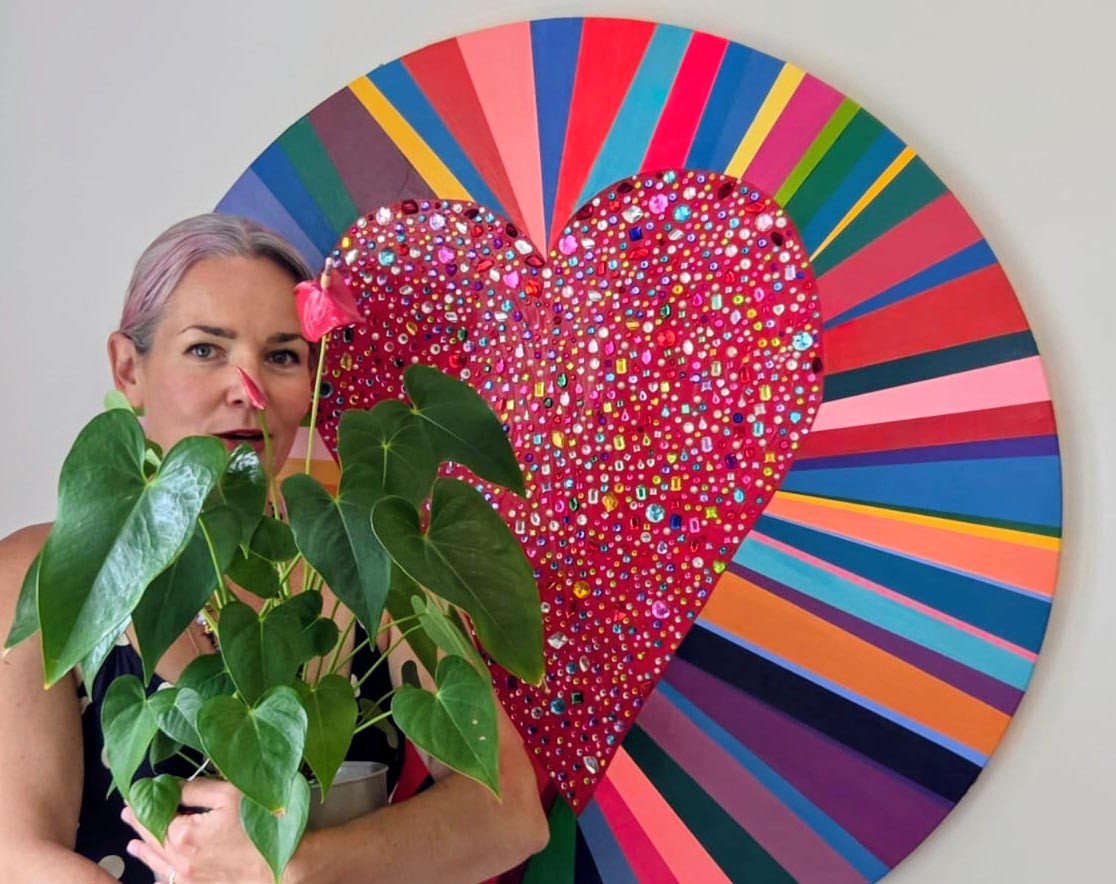
Your imagery constantly moves between nature and humanity, often suggesting that the boundary between the two is far less fixed than we imagine. Do you believe contemporary society has forgotten how deeply interconnected those worlds really are?
Yes, I feel that along the way of progress we have forgotten how blessed we are to exist with nature. But this is something we must feel deeply, perhaps madly even.
White space plays an unexpectedly important role in your work, despite the density of the collaged imagery itself. What does emptiness contribute that another image never could?
Emptiness is like silence and stillness but it also acts like a hug to the image, like look but just here.
Your compositions often transform abstract arrangements into scenes that feel almost believable. Are you interested in challenging the viewer’s perception of reality, or in revealing that reality itself is constructed from fragments?
Thank you, that is quite the compliment. I want to take people into a world that one doesn’t question just exists. Our reality is so interchangeable. Our experiences, relationships, perceptions and memories are fluid so it is lovely to be able to create spaces where people can connect in their own way.
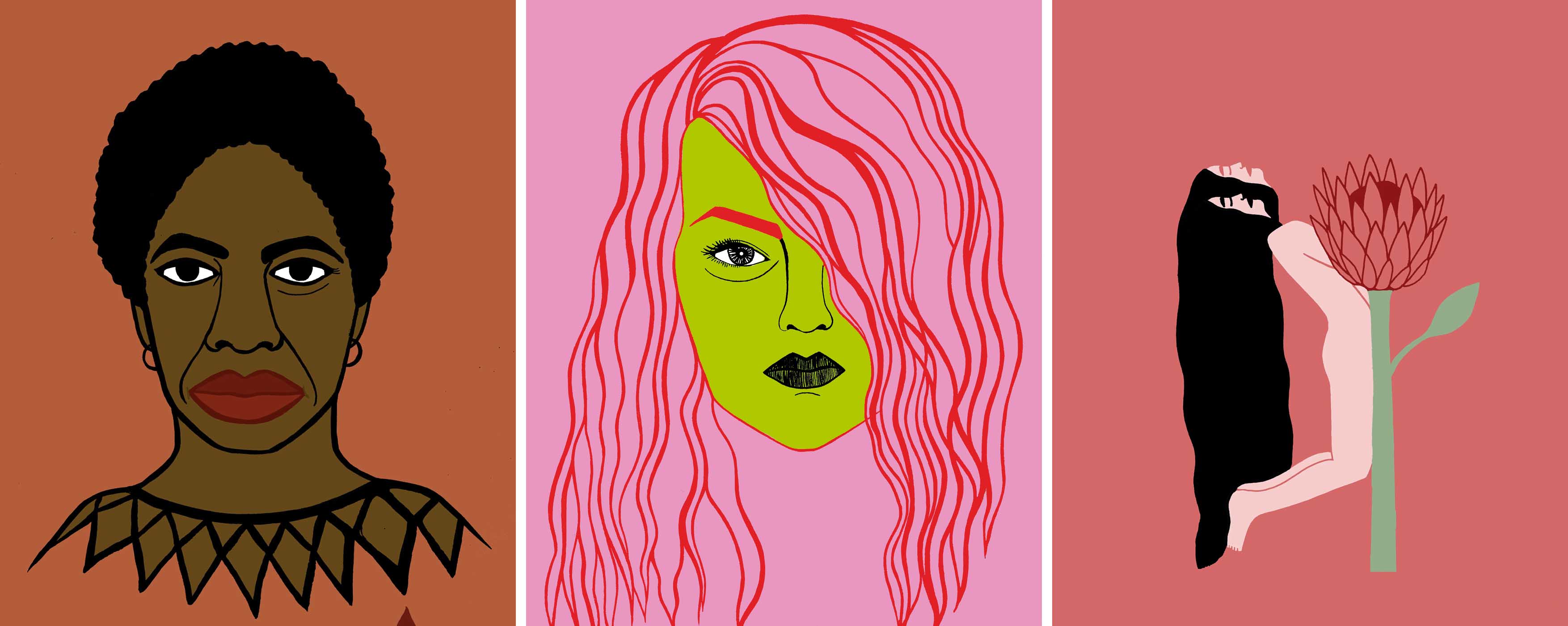
Alongside your artistic practice, you have spent years teaching. Has explaining creativity to students altered your own understanding of what it means to be an artist?
Yes, I am always reminded how curiosity leads creation. The added bonus of watching and being inspired by students is quite immense.
Your work has travelled across countries with very different cultural identities, from Canada and Iceland to Poland and the Dominican Republic. Have audiences interpreted your collages in ways that have genuinely surprised you?
I find people generally kind, in awe, and appreciative in their connection to my art. The visual language is felt by all, no matter where I go, the response seems to be, I never saw things that way.
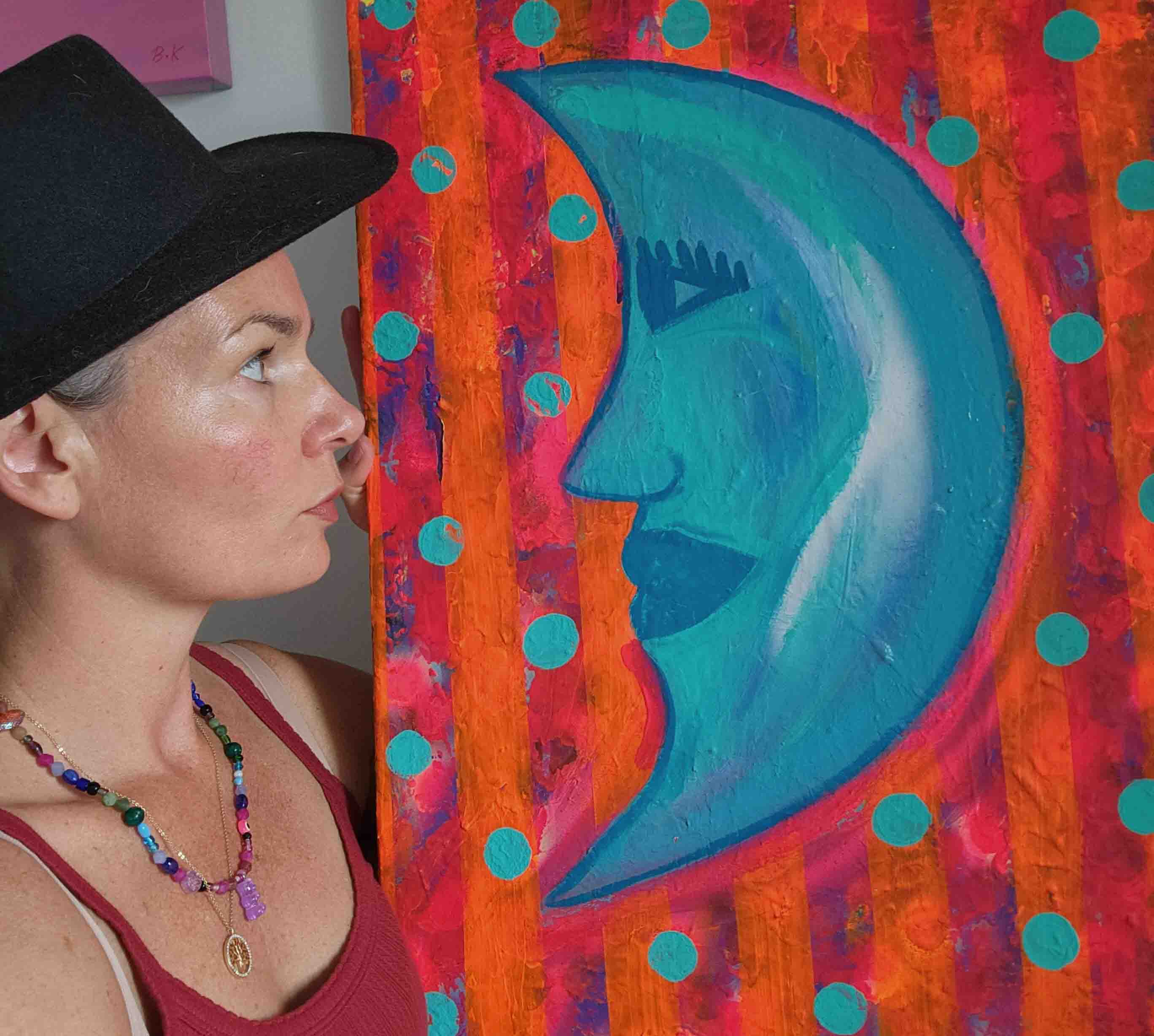
We live in an age saturated with endlessly scrolling digital images, yet your practice remains rooted in the tactile act of cutting, arranging and assembling paper by hand. Do you see collage as a quiet form of resistance against the speed and disposability of contemporary visual culture?
Definitely, being present and mindful is one of my favourite reasons to create analog work. The depth and connection I feel is like a playful resistance.I am a generally go-go person so it’s a benefit to me as it slows me down.
Looking at your recent work, there is a sense that each collage exists somewhere between dream and observation, order and accident. As your practice continues to evolve, what questions are you asking now that you were not asking five years ago?
I think I am gathering a silent strength in my arts practice, where I am gentler in the process and compilation of my work. My guiding values in my work are to be more playful, authentic and curious in a way that reconnects me to myself.