
The Art Of Belonging Between Worlds
A Syrian-Armenian story told through culture, curiosity and fearless reinvention
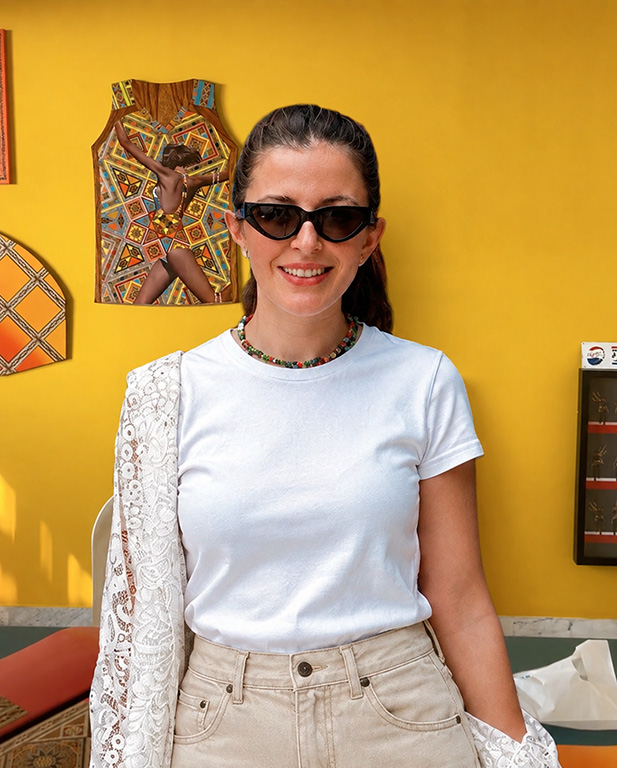
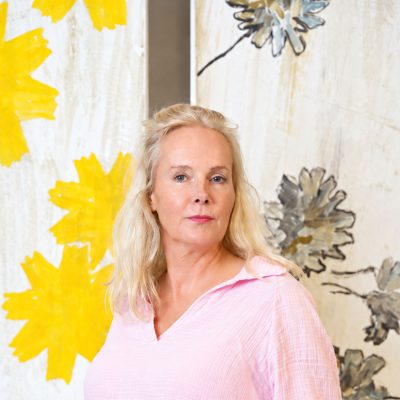
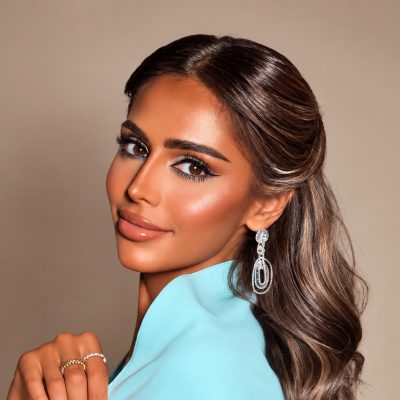
For Stephany Sanossian, art is more than an act of creation; it is a way of collecting, questioning and preserving the stories that shape who we are. A Syrian-Armenian artist raised in Aleppo and now based in Dubai, Stephany has developed a distinctive visual language that moves effortlessly between cultures, memories and mediums. Her work brings together East and West, tradition and contemporary expression, transforming familiar references into unexpected conversations about identity, heritage and belonging.
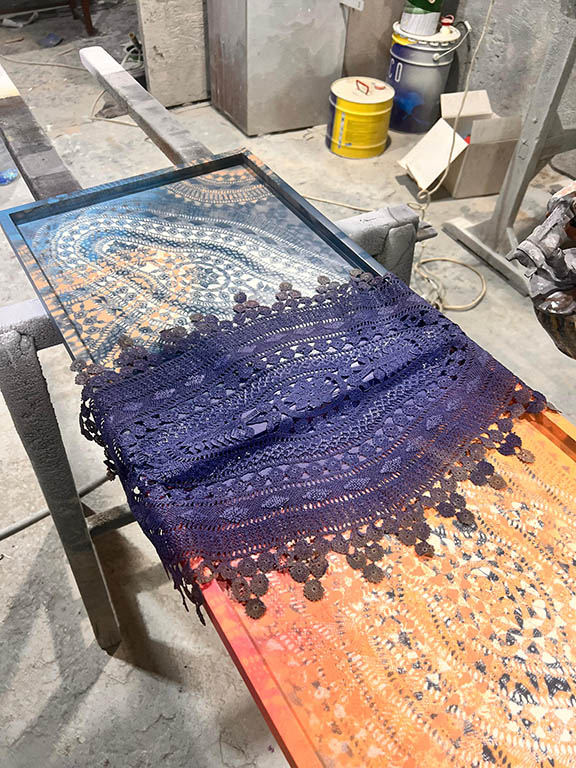
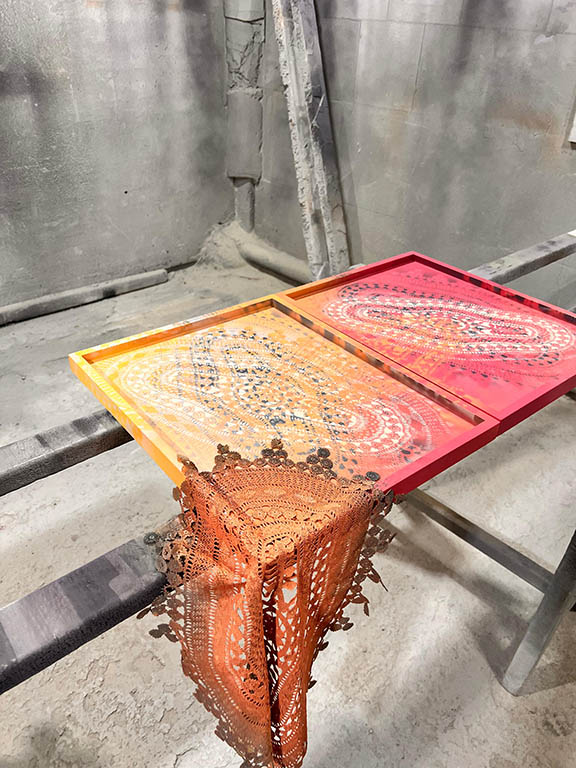
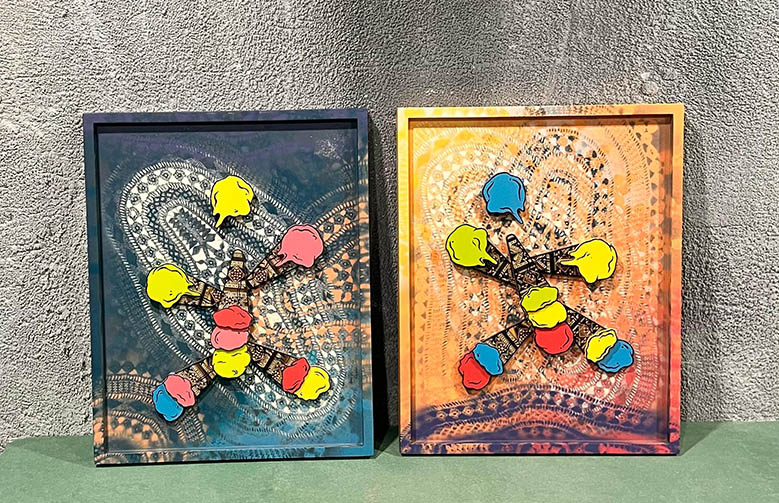
From early digital collages that reimagined Syria beyond familiar narratives to skateboards carrying cultural stories, Syrian marquetry, Damascene geometric patterns and, more recently, acrylic painting, her practice continues to evolve through curiosity and experimentation. Yet beneath the changing materials lies a consistent purpose: to document, archive and reinterpret experiences that might otherwise disappear.
In this conversation with CP Magazine, Stephany reflects on her Aleppo childhood, Syrian-Armenian identity, creative evolution, life between cultures and the responsibility of preserving memory, revealing an artist who believes meaningful ideas will always outlast the platforms carrying them.
For readers discovering you for the first time, who is Stephany Sanossian beyond the title of artist?
A curious observer who collects stories, memories and materials, then turns them into conversations.
How would you describe your childhood in Aleppo, and what memories from that time still live inside your work?
It was full of colour, community and constant learning. Those everyday memories continue to shape how I think about home, heritage and belonging.
You come from both Syrian and Armenian roots. How have these two cultures shaped your identity, your personality and your creative voice?
They taught me that identity is layered. My work reflects that complexity rather than trying to simplify it.
Were you always a creative child, or did art slowly find its way into your life?
I think every child is creative. I simply loved connecting two unrelated things, and I still do.
You studied Research for Design and Innovation in Barcelona. How did that experience change the way you observe people, culture, trends and visual storytelling?
It taught me to design for humans, not for the concrete to always put people first.
Your work often brings together East and West, nostalgia and pop culture, humour and emotion. How did this visual language first begin
It began by observing everyday life. My work reflects the people, places and moments that surround me.
Your earlier digital collages placed celebrities and fashion figures into Syrian landscapes. What were you hoping people would feel when they saw those images?
I wanted people to look at Syria and think, “Why not?” Why not visit it one day?
You once said you wanted people to see Syria beyond war and destruction. Do you feel your work has helped shift that conversation in some way?
I hope it has encouraged people to see Syria through culture, creativity and everyday life.
Nostalgia appears strongly in your art. Is nostalgia, for you, a comfort, a responsibility or a form of resistance?
A responsibility to preserve and archive stories that might otherwise disappear.
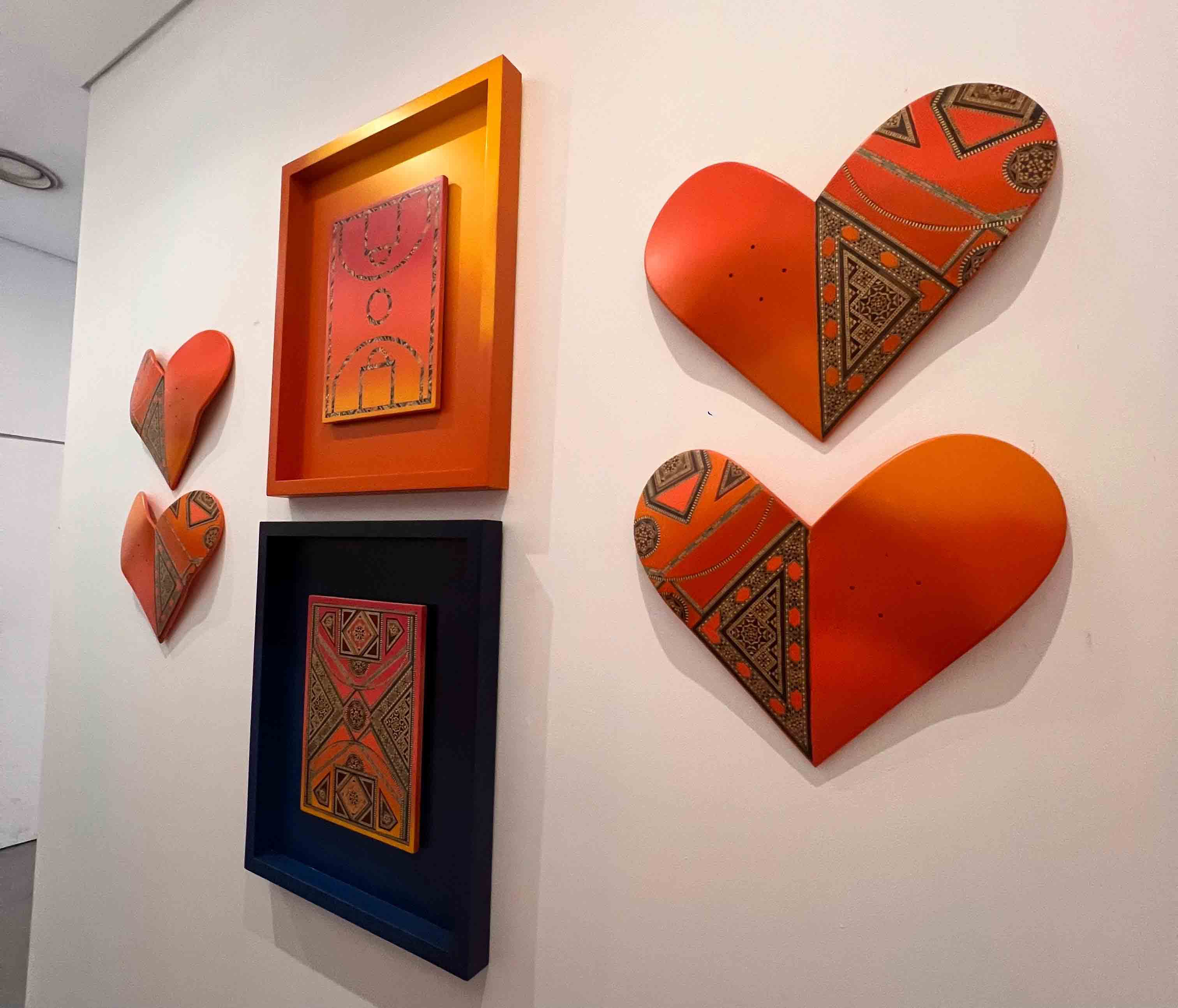
Why did the skateboard become such an important object in your artistic journey?
The skateboard became my visual language. It connects me to something deeply Western while carrying my own cultural narratives.
Your recent works explore Syrian marquetry and Damascene geometric patterns. What drew you towards this traditional craft?
I wanted to explore how something so traditional could exist in a completely different, contemporary context.
How do you approach the challenge of respecting heritage while also making it feel contemporary?
I don’t copy traditions. I study them, understand them and reinterpret them through my own perspective.
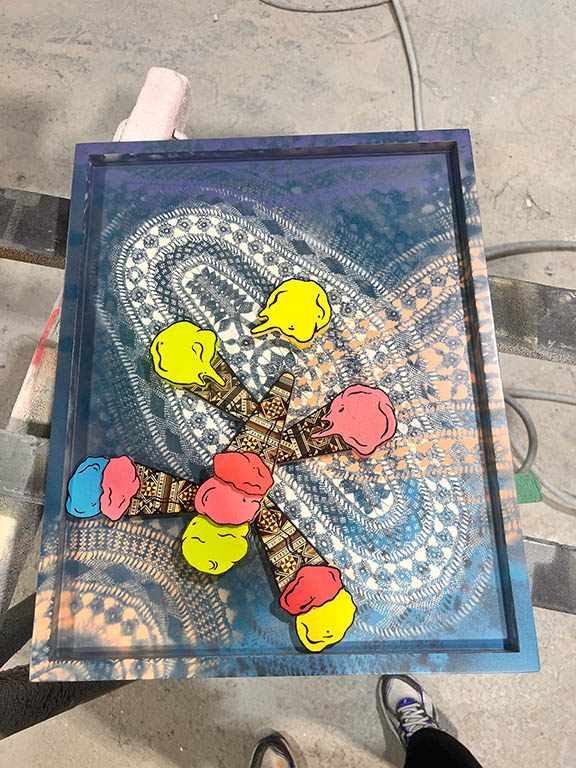
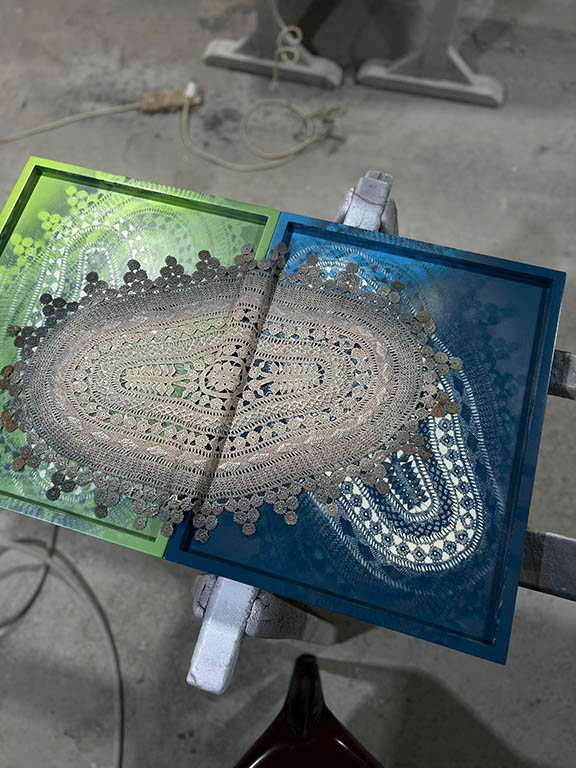
When working with patterns, colours and cultural references, how much is planned and how much happens instinctively?
The research is always planned and takes time. I dive deep into that process, while the making remains intuitive.
You often create conversations between images, objects, places and identities. What kind of conversation are you most interested in creating today?
One that documents and archives the journey of a Syrian-Armenian immigrant.
Your practice has evolved from collage to mixed media, installation and handcrafted forms. Where do you feel you are artistically right now?
I always enjoy exploring new mediums. Right now, I’m deeply immersed in acrylic painting.
You explored NFTs and digital innovation quite early compared with many regional artists. What did that period teach you about art, ownership and the internet?
It showed me how quickly technology changes, but also that meaningful ideas always outlast platforms.
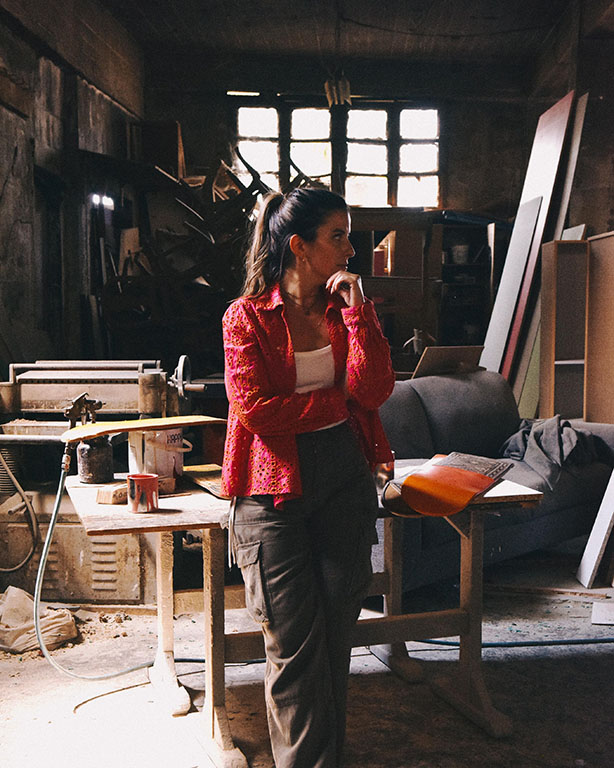
You recently took part in an artist residency in Italy. What did being away from Dubai, routine, noise and convenience teach you about yourself?
It taught me the value of slowing down, being alone and giving ideas the time they need to grow.
You mentioned working with thousands of dots during the residency. What did that repetitive, patient process reveal to you?
That repetition can become a form of focus, reflection and discipline.
What did you learn from being surrounded by other artists during that residency?
That every artist has a different process, but we are all asking similar questions.
As a Dubai-based artist with Syrian-Armenian roots and international experiences, where do you feel most at home creatively?
In the space between cultures, where different ideas can meet.
What kind of legacy would you like your work to leave behind?
I hope my work gives people the courage to say what they are afraid to say and inspires them to keep asking questions.
Finally, what message would you like to share with us at CP magazine and our readers?
Thank you for creating space for artists and their stories. I hope readers leave feeling curious enough to keep exploring art, culture and the conversations they create.