

The road out of Cusco drops into a world of steep mountains, green fields and villages where life still follows ancient rhythms. The Sacred Valley is one of Peru’s great journeys: a place to explore Inca ruins, walk through extraordinary landscapes and discover small towns where weaving, farming and tradition remain part of everyday life. Between the salt terraces of Maras and the stone streets of Ollantaytambo, adventure comes naturally here. And, yes, Machu Picchu is waiting at the end of it all.
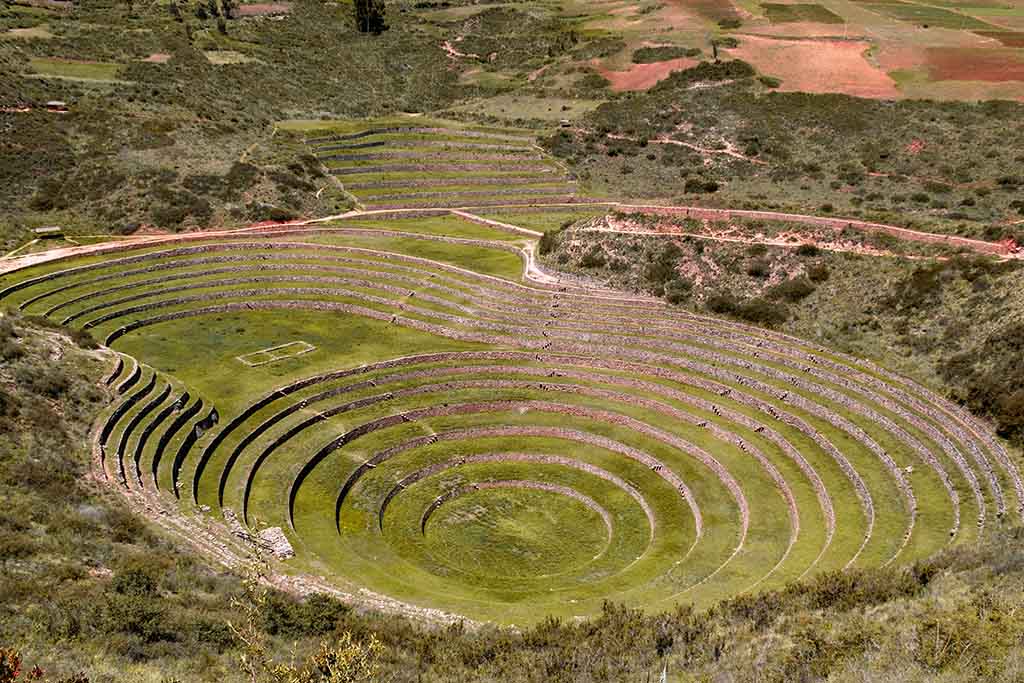
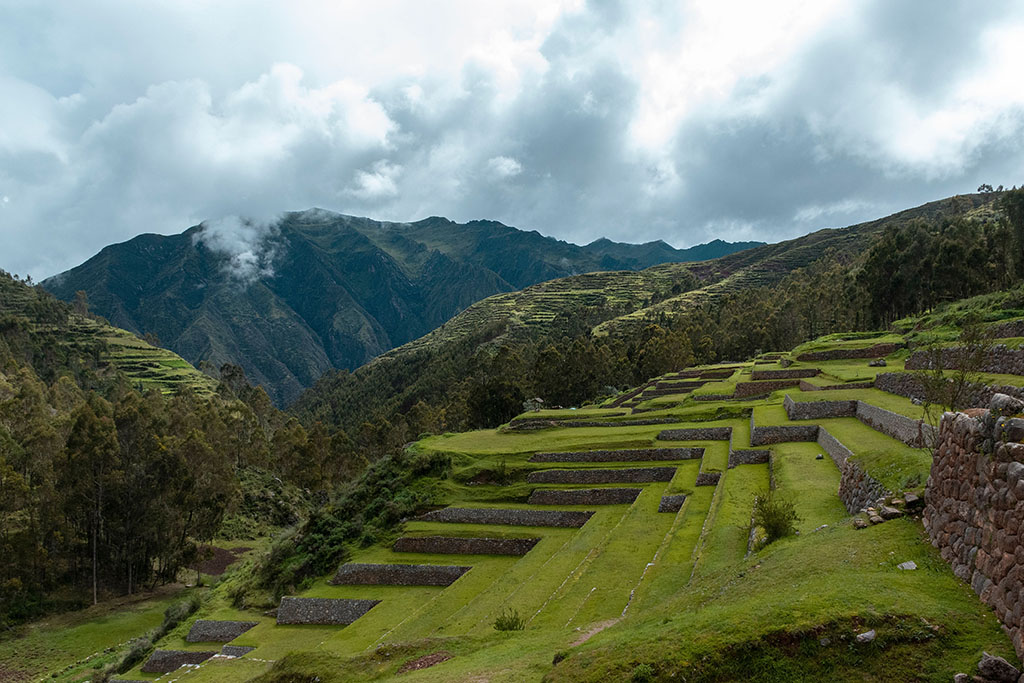
The first glimpse of the Sacred Valley can stop a conversation. The Andes rise sharply on either side, the Urubamba River cuts its way through the landscape and, across the slopes, centuries-old agricultural terraces appear almost as if they have always belonged to the mountains. This is one of the most fascinating parts of Peru, and one that is often rushed.
Many travellers arrive in Cusco, book a day trip through the valley and continue towards Machu Picchu. It is perfectly possible to do it that way, but spending a little longer here changes the experience completely. The Sacred Valley is made for detours, long lunches, mountain walks and unexpected stops in villages where you may find a textile workshop behind an unassuming wooden door.
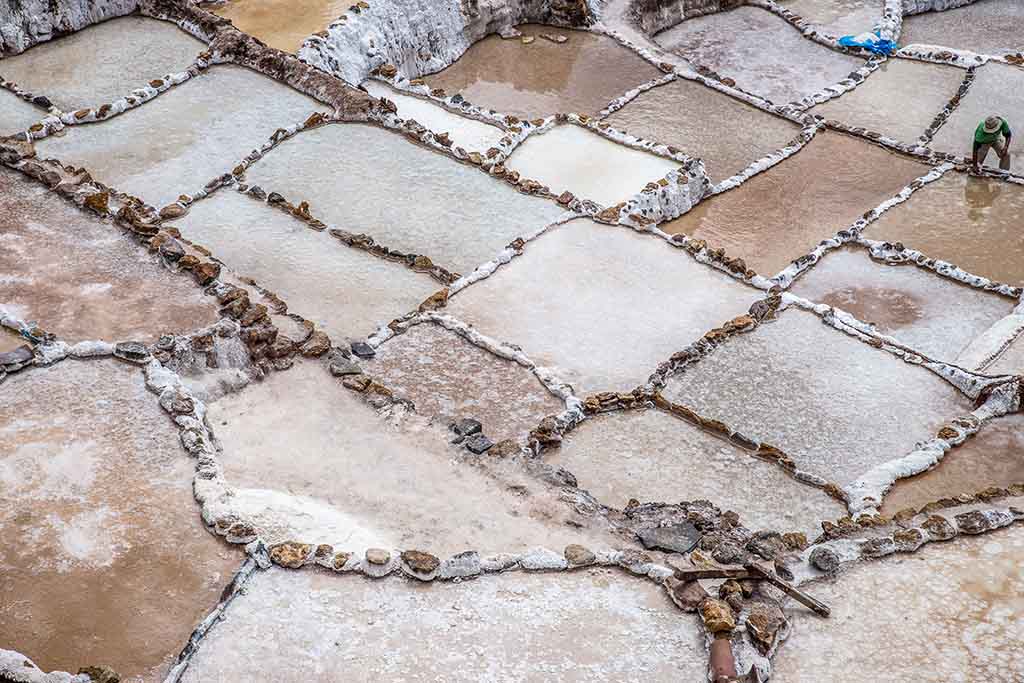
It is also a remarkably varied place. One morning you can be standing among the vast circular terraces of Moray, trying to make sense of the extraordinary agricultural experiments carried out here by the Incas. A few kilometres later, the mountainside suddenly opens onto thousands of salt pools at Maras, their white and earthy tones creating one of the valley’s most striking landscapes.
Maras and Moray: two landscapes like nowhere else
Moray is one of those archaeological sites that feels almost contemporary. Its enormous circular terraces descend into the ground like a giant amphitheatre, each level creating slightly different climatic conditions. The Incas used this ingenious system to experiment with crops and understand how they would grow in different environments.
Then comes Maras. The salt terraces appear unexpectedly on the mountainside: around 3,000 shallow pools, fed by a natural saltwater spring, forming an extraordinary patchwork across the landscape. Families from the surrounding community have worked these pools for generations, collecting the salt once the water evaporates under the Andean sun.
It is a spectacular place to visit, but also a reminder that the Sacred Valley is not simply about looking back at the Inca civilisation. Many of its traditions remain very much alive.
Chinchero, where colour is part of everyday life
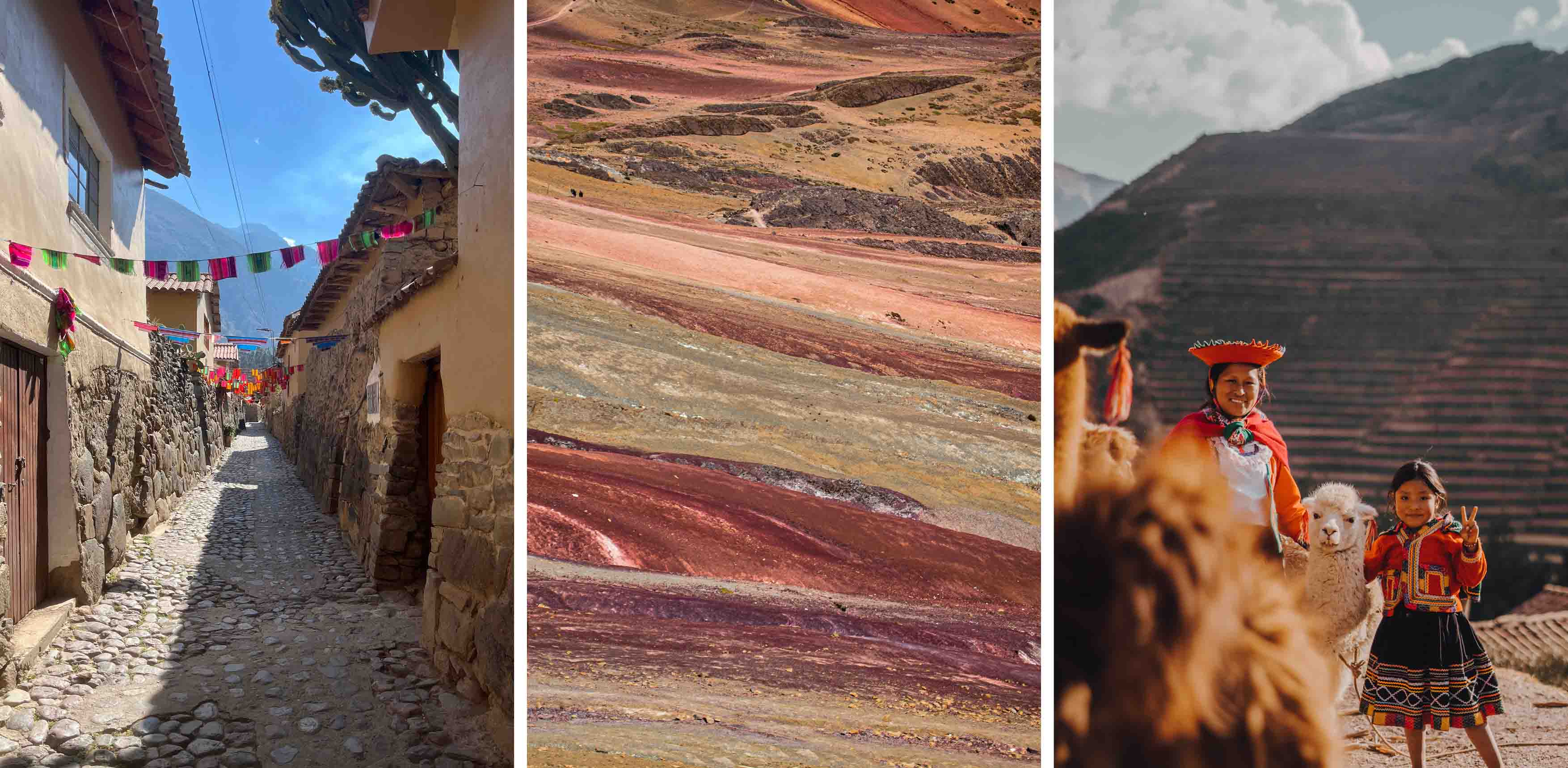
High in the Andes, Chinchero is one of the most atmospheric villages in the valley. The air is cooler here, the streets are narrow and cobbled, and the mountains seem very close.
The town is particularly well known for its textiles. In workshops around the village, local women continue to work with alpaca, llama and sheep wool, using techniques and natural dyes passed down through generations. Watching the process, from raw wool to richly coloured fabric, is far more interesting than simply buying another souvenir.
Chinchero also carries the marks of several periods of Peruvian history. Inca terraces surround the village, while a seventeenth-century church stands on the foundations of an earlier Inca palace. It is a place where history does not arrive neatly packaged.
Pisac: the view alone is worth the journey
Pisac is home to one of the Sacred Valley’s most impressive archaeological sites, spread dramatically across a mountainside above the town.
The terraces are extraordinary, sweeping in wide curves across the slopes, while stone paths lead past ceremonial spaces, ancient structures and views over the valley that make it difficult to know where to look first.The town below has its famous market, particularly lively on Sundays, but Pisac deserves more than a quick stop for photographs and shopping. The archaeological complex is vast, and walking through it gives a far better sense of how ambitious Inca architecture really was.
Ollantaytambo: stay for the night
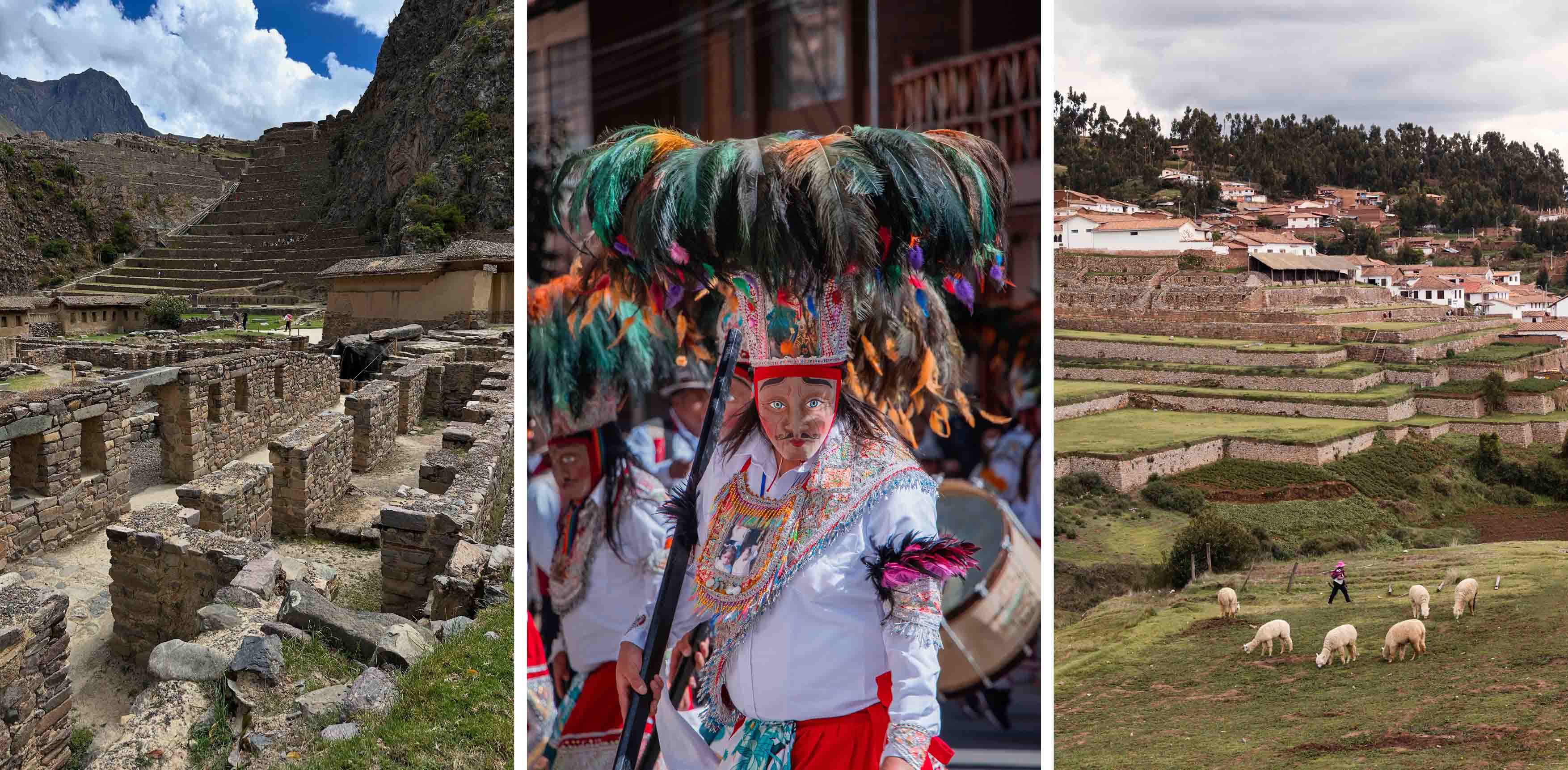
Ollantaytambo is the place to slow down. Most visitors know it as the point from which trains leave for Machu Picchu, but the town is worth far more than a few hours between one journey and the next. Its narrow lanes, stone walls and water channels still follow the layout of an ancient Inca settlement, while one of the valley’s most impressive archaeological complexes rises directly above it.
The so-called fortress is an extraordinary sight. Vast terraces climb the mountainside towards the Temple of the Sun, built from enormous stones transported across difficult terrain. Ollantaytambo also played a key role during the Spanish conquest and was the scene of one of the Incas’ most important victories against Pizarro’s forces.
But history is only part of its appeal. Stay overnight and the town becomes quieter once the day visitors leave. Find a table for dinner, wander through the old streets and look up. The mountains are never far away.
The valley for adventurers
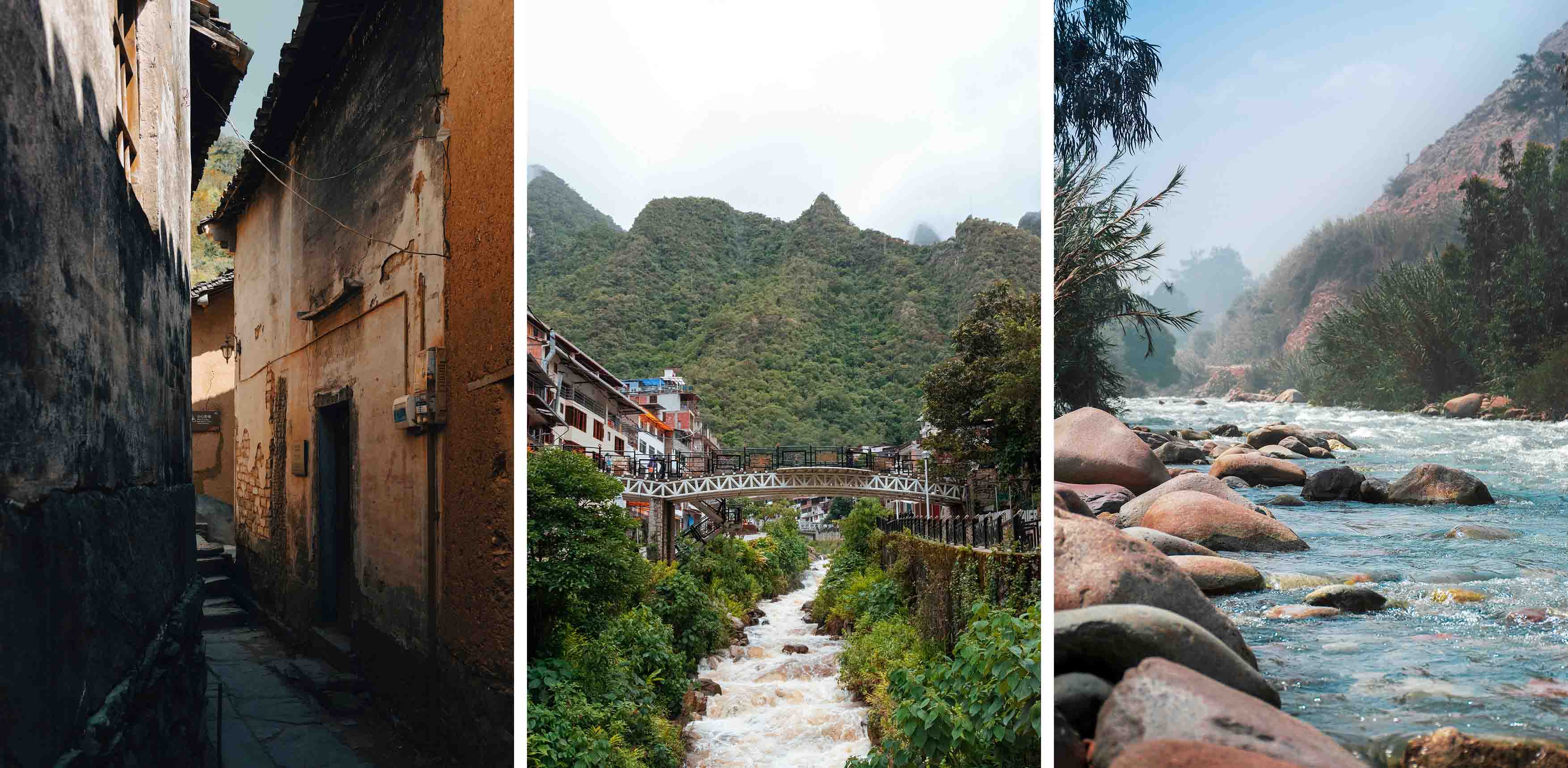
The Sacred Valley is not only for archaeology enthusiasts. The landscape invites you to get outside, whether that means hiking through the Andes, mountain biking, rafting or climbing. For travellers with a taste for heights, there is even the Skylodge Adventure Suites: transparent capsules suspended from a cliff, reached by climbing or ziplining. It is not an experience for everyone. That is rather the point.
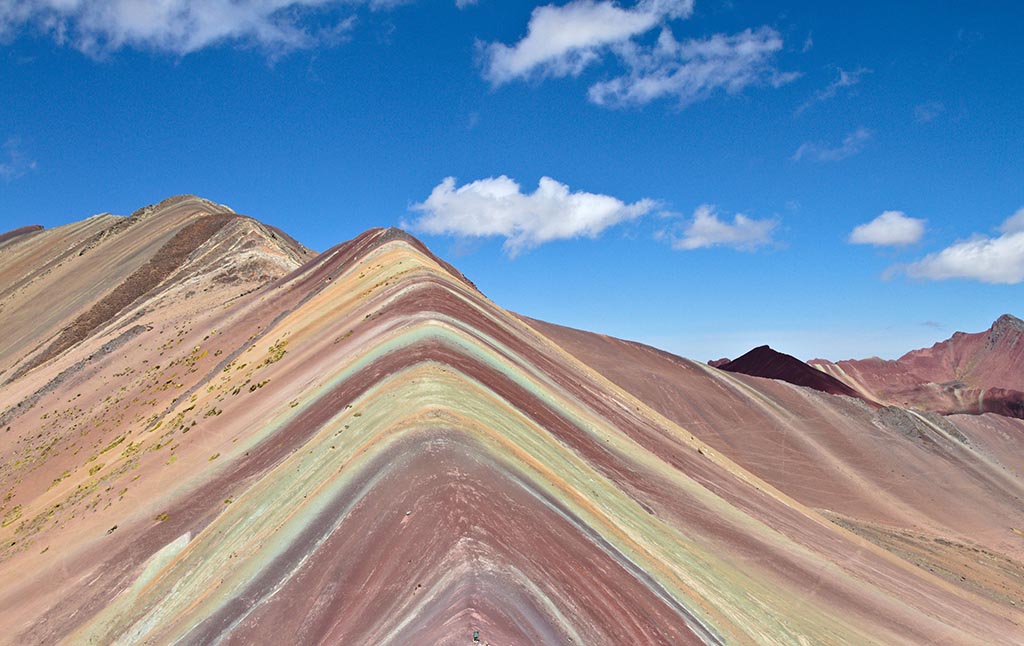
For something equally spectacular, Rainbow Mountain, called in local language Vinicunca, can be visited from the Cusco region. Its extraordinary stripes of colour have made it one of Peru’s most photographed landscapes, although reaching it involves a demanding trek at serious altitude.
This is not the place to test your fitness without preparation. Spending a few days acclimatising in Cusco and the Sacred Valley before heading higher is essential. The Andes are magnificent, but they do not make things easy.
And then, Machu Picchu
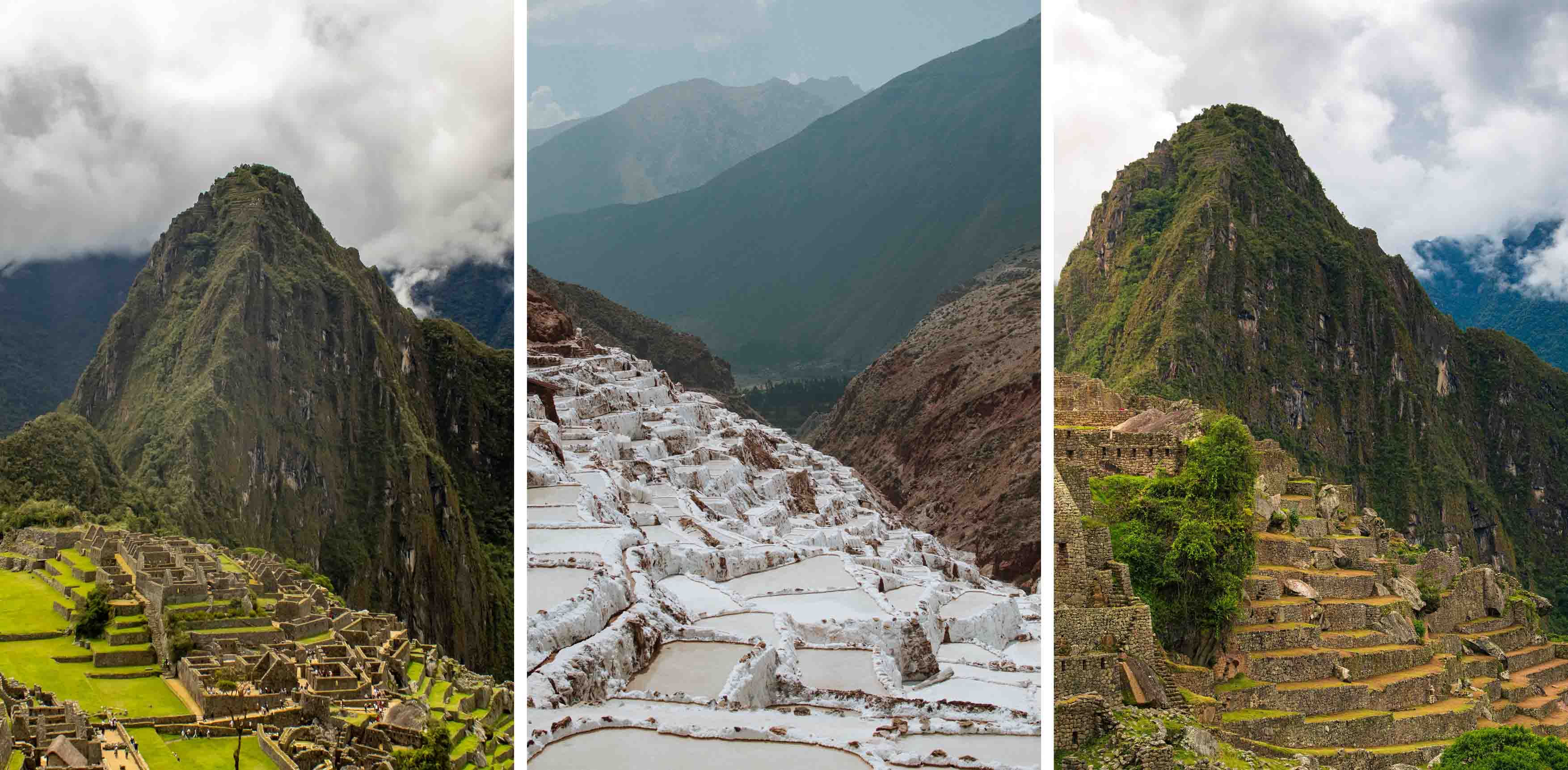
Machu Picchu does not technically belong to the Sacred Valley, but the two journeys naturally belong together. After days spent among the terraces of Pisac, the agricultural experiments of Moray and the stone streets of Ollantaytambo, arriving at Machu Picchu feels less like ticking off the world’s most famous Inca site and more like the culmination of a story.
The citadel remains extraordinary, of course. Nothing quite prepares you for the moment when it appears among the mountains. But the Sacred Valley gives it context. It shows you the ingenuity behind the terraces, the importance of the mountains, the sophistication of Inca engineering and the communities whose traditions have continued long after the empire disappeared.
So take your time. Spend a few days in the valley. Stop when something catches your eye. Sleep in Ollantaytambo instead of rushing back to Cusco. Order another coffee. Walk a little further. Peru’s most famous landmark may be waiting ahead, but some of the best moments happen long before you get there.