
As Frieze prepares for its inaugural Abu Dhabi edition, artists presented by Dubai-based Carbon 12 explore the relationships between tradition and modernity, the body and technology, and the knowledge carried by materials. Alongside a major new commission by Dala Nasser, their work forms part of a wider conversation about art, identity and the histories that connect the region to the world.
From 19 to 22 November 2026, Abu Dhabi will host the inaugural edition of Frieze Abu Dhabi at Manarat Al Saadiyat, in the heart of Saadiyat Cultural District. The launch marks a new chapter for a fair with an established history: exactly one year after it was announced that Abu Dhabi Art, which held its 18th edition in November 2025, would be rebranded as Frieze Abu Dhabi, the transition now becomes reality. Presented by the Department of Culture and Tourism – Abu Dhabi and Frieze, the fair brings together 84 galleries from 64 cities across 37 countries and regions, from international heavyweights such as Gagosian, Pace Gallery and Perrotin to established regional voices including The Third Line, Green Art Gallery, Lawrie Shabibi and Carbon 12.
The significance of this first edition lies not simply in the arrival of one of the art world’s most prominent fair brands, but in the international attention it brings to a cultural landscape that has been developing for decades. Building on 18 editions of Abu Dhabi Art, Frieze Abu Dhabi places the UAE and the wider West Asia, North Africa and South Asia region within a broader global conversation, while retaining a strong regional presence. Its setting on Saadiyat Island, alongside institutions such as Louvre Abu Dhabi and the forthcoming Zayed National Museum and Guggenheim Abu Dhabi, reinforces the emirate’s growing cultural ambitions. The programme itself reflects this dual perspective, bringing international galleries into dialogue with artists, histories and contemporary practices rooted in the region.
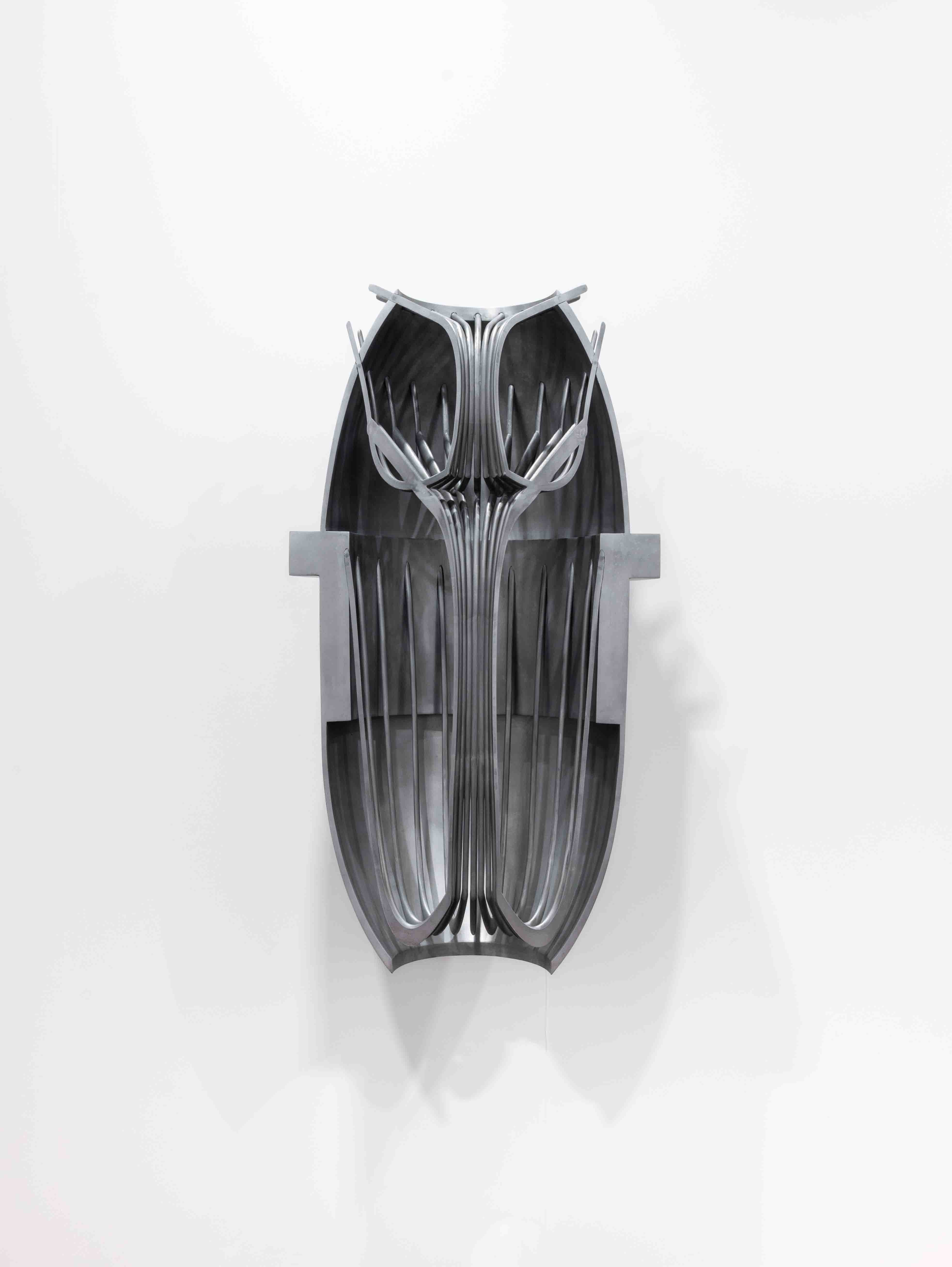
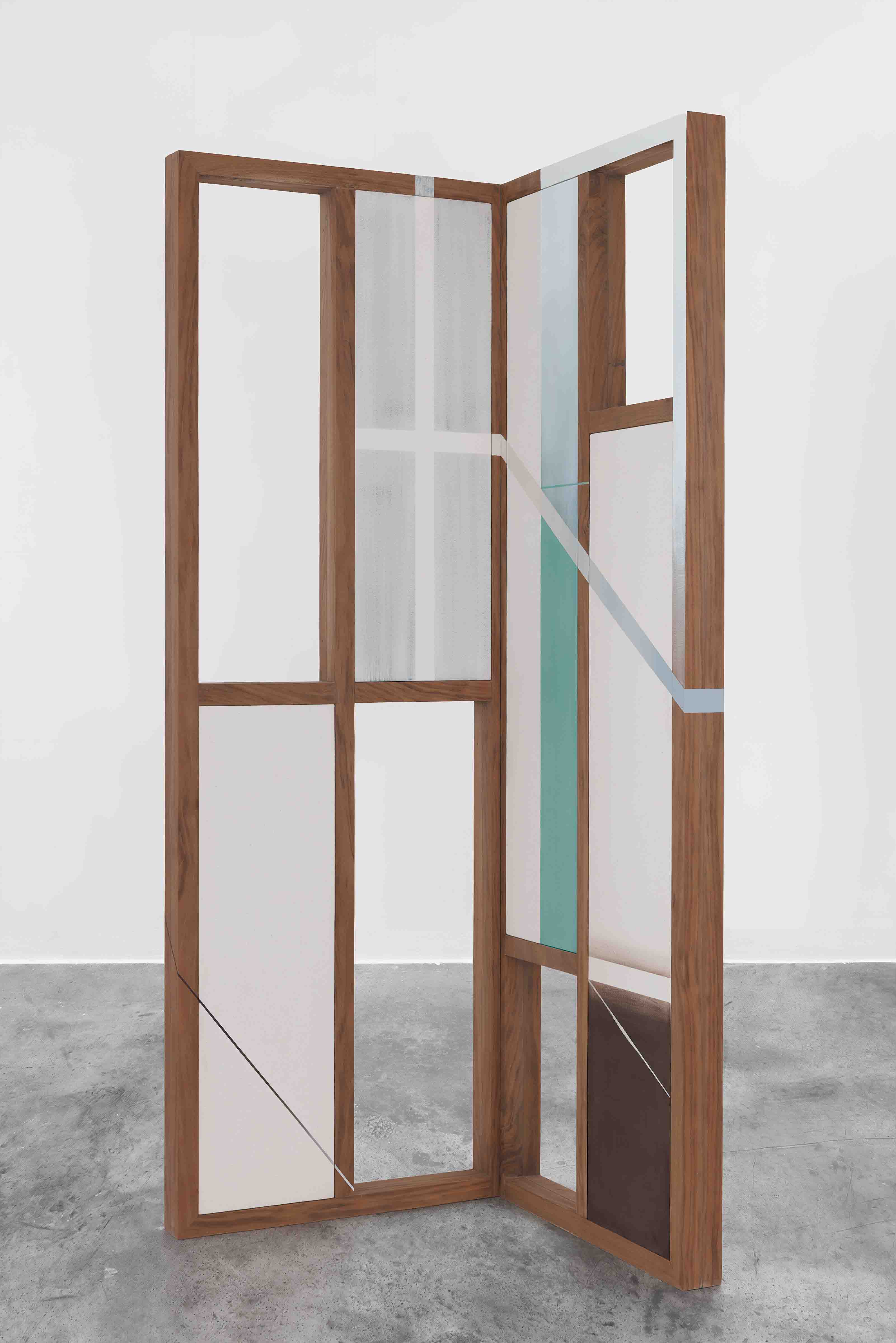
Among its key projects is Qubbat Duris, a new commission by Beirut- and London-based artist Dala Nasser, selected by curator and art historian Nabila Abdel Nabi for the inaugural Frieze Abu Dhabi Artist Award. Named after a 13th-century monument near Baalbek in Lebanon’s Bekaa Valley, the work takes inspiration from a structure whose architecture embodies the region’s layered cultural history. Fragments of Roman limestone sarcophagi rest on granite columns from earlier centuries; Nasser reinterprets this accumulation of histories through a timber framework draped with paintings on textile, incorporating charcoal rubbings of the ruins, ash, raw clay and terracotta.
The result promises a meditation on how materials preserve memory across generations, as well as on collective responsibility towards landscapes facing destruction. It establishes a compelling point of departure for a fair concerned not simply with presenting art, but with the histories and ideas that shape how it is made and understood.
The programme also includes In Dialogue, featuring Emirati artists Mohammed Kazem and Alia Zaal, and Frieze Sculpture Abu Dhabi at Mamsha Beach on Saadiyat Island. Together, these initiatives place artists and their ideas at the heart of the event, connecting the gallery floor with the wider cultural environment of the city.
A regional scene with a global conversation
For Nadine Knotzer, Co-Founder of Dubai-based gallery Carbon 12, Frieze’s arrival is an important moment for a scene that has been developing for years: “The arrival of a major global brand like Frieze is a massive validation of the maturity and strength of our regional ecosystem,” she says. “We want to show people who are new to the region that there is a vibrant, sophisticated community here that has been thriving long before the big names arrived”.
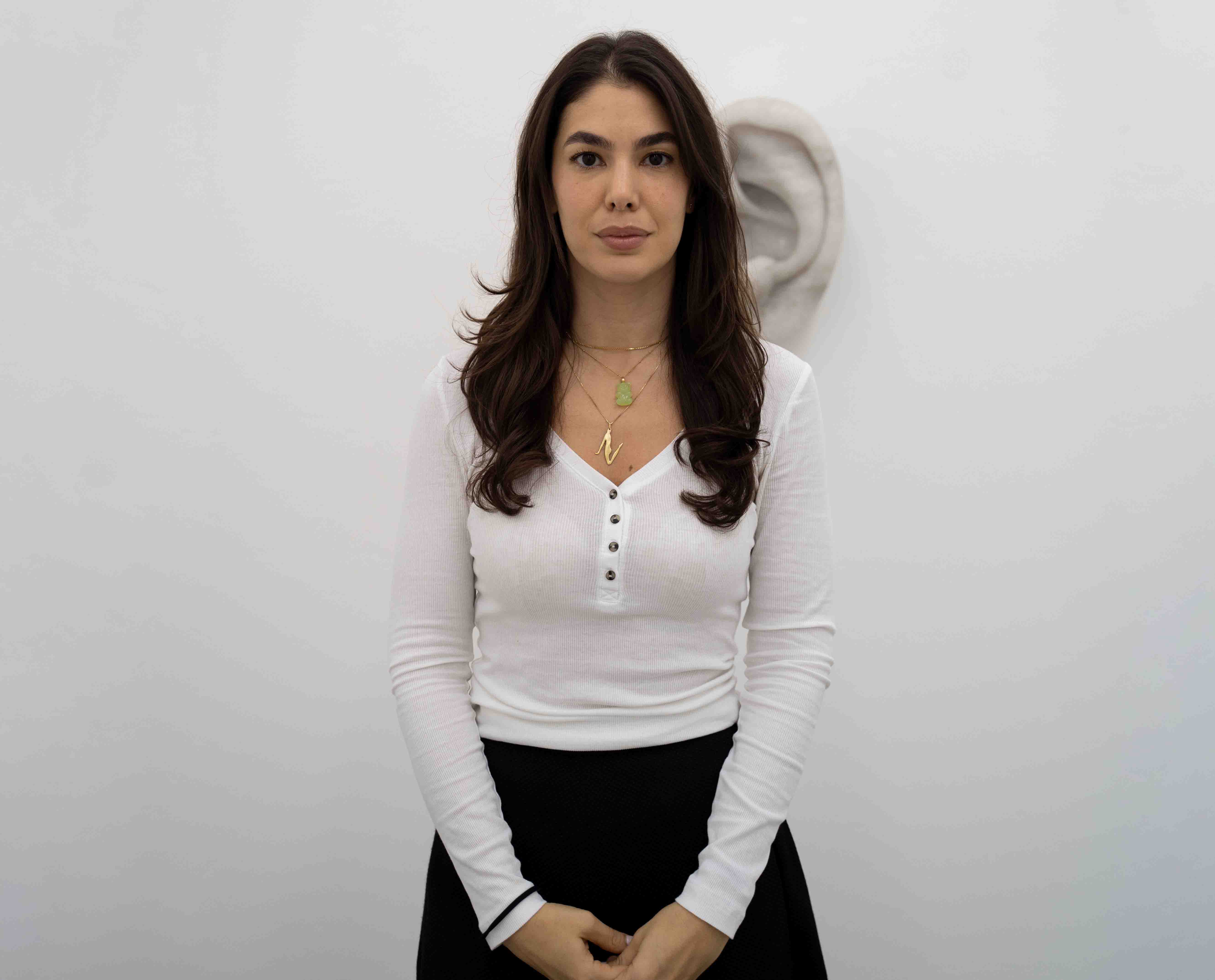
Her perspective is rooted in long-term engagement with the UAE’s contemporary art landscape. Rather than seeing the fair as the beginning of something new, Knotzer views it as an opportunity to amplify work and relationships already established across the region. International visibility can bring new audiences, institutional connections and curatorial interest, but the foundations of a thriving art scene are built over time.
At Frieze Abu Dhabi, Carbon 12 presents a group of artists whose practices differ in form and cultural reference, yet share an interest in the systems through which knowledge, identity and meaning are constructed. The gallery’s presentation brings together Mexican artist Edgar Orlaineta, Austrian painter Bernhard Buhmann, British artist Amba Sayal-Bennett and Emirati artist Sarah Almehairi.
Their work offers different ways of considering the relationship between inherited knowledge and contemporary life: from the intelligence embedded in craft to the assumptions behind medical imagery, and from the construction of identity to the uncertain moment before change.
Edgar Orlaineta and the knowledge of making
For Edgar Orlaineta, the relationship between tradition and modernity is not a matter of choosing one over the other. His practice draws on Mexican culture, modernism, craft, popular traditions and pre-Hispanic histories, but he resists treating these references as exclusively local.
Abu Dhabi, where tradition and accelerated modernity exist side by side, provides a context in which these ideas can resonate. The works he presents include drawings and sculptures centred on human figures rendered in coloured pencil on black MDF. These figures bring together two seemingly contrasting models of the body: the Mexican Judas, a handmade popular figure whose irregularity is part of its character, and Le Corbusier’s Modulor, an attempt to establish ideal human proportions as a rational system of measurement.
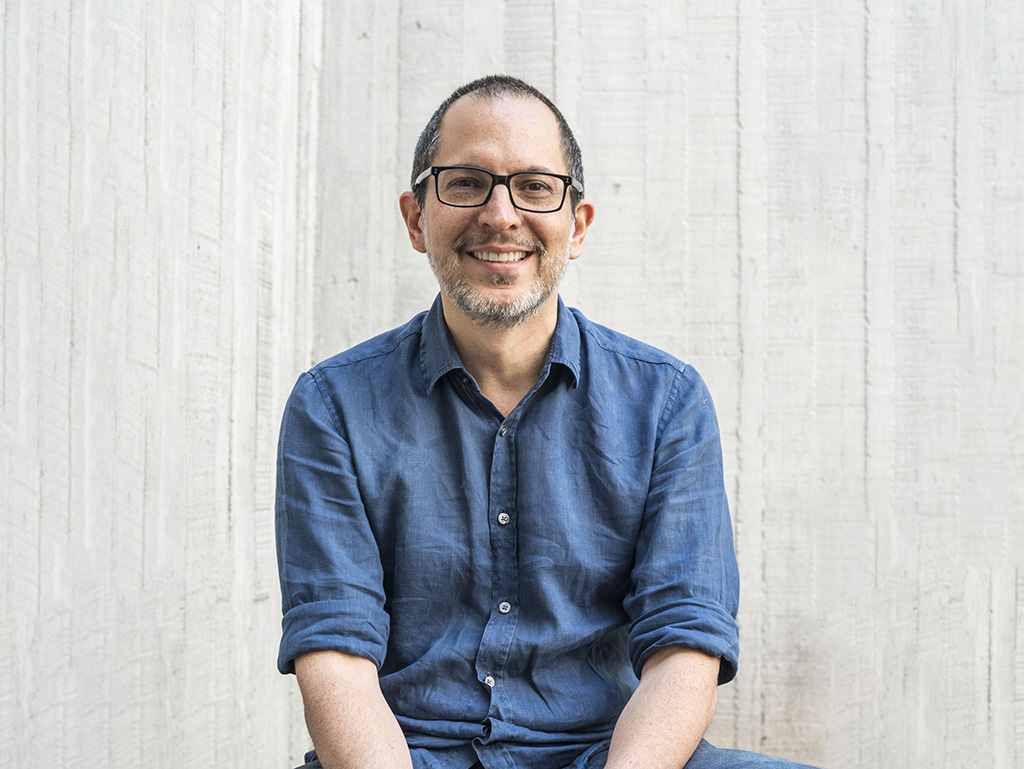
The combination challenges the assumption that progress necessarily means leaving older forms of knowledge behind. Orlaineta describes his figures as “artist–craftsman–thinkers”, embodying an approach in which making is not merely a means to an end but a way of producing understanding. “I have long understood making as a form of thinking: knowledge produced through the encounter between mind, hand, material and tool,” he explains.
His position is not anti-technology. Rather, it questions the belief that technological development automatically renders other forms of knowledge obsolete. In a world increasingly shaped by digital systems and automation, his work returns attention to the intelligence of the hand, the imagination and the material itself.
Amba Sayal-Bennett and the body as a system of knowledge
Amba Sayal-Bennett approaches the relationship between knowledge and power through the body. Her work Dura forms part of a wider investigation into cross-cultural dialogues in medical practice and the different systems through which the body is understood, treated and cared for.
At its centre is a question about anatomical imagery: what happens when the body is divided into parts, diagrammed and detached from the person as a whole? Sayal-Bennett is interested in the authority that Western anatomical drawings have acquired, and in the way their apparently objective visual language can shape medical thinking.
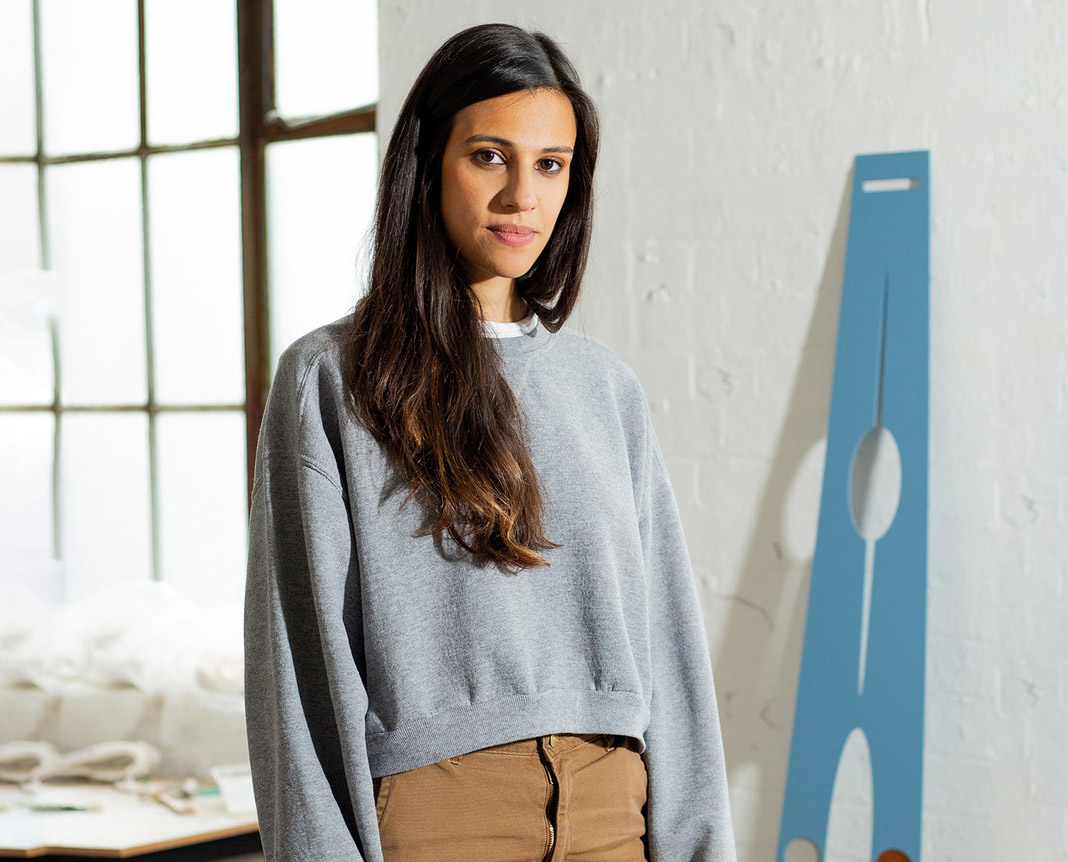
Her perspective also draws on family history. Her Indian grandmother was a medical doctor who practised Ayurvedic medicine, a tradition that approaches the body and health holistically. This experience offers a counterpoint to the fragmentation often associated with anatomical diagrams, prompting questions about what is lost when the body is understood through isolated structures rather than interconnected systems.
“I have been interested in the agency of these images in the development and transmission of knowledge,” she says. The artist describes anatomical drawing as a sanitised perspective, one that can present a particular way of seeing as though it were neutral or universal. Her wider practice examines how bodies are incorporated into systems of knowledge, as well as how forms and ideas migrate across cultures and generations. Digital drawing and computer-aided design are central to this process, translating gestures and movements into digital traces.
The result is work that moves between the physical and the conceptual, asking viewers to consider how images do more than represent the world: they can influence the way it is interpreted, organised and experienced.
Bernhard Buhmann and the moment before change
In Bernhard Buhmann’s paintings, uncertainty becomes a space of possibility. The Austrian artist will present his new series Versions of E for the first time at Frieze Abu Dhabi, making the debut of the works coincide with the inaugural edition of the fair. That parallel is more than a convenient coincidence. Buhmann’s series explores the threshold between an ending and a beginning, a moment when neither state has fully taken hold and several possible futures remain open.
His compositions bring together carefully layered fields of colour, neon gradients and geometric forms. Slate blue, black, mustard, rose and cream establish a visual language in which edges sit slightly out of alignment and curves interrupt rectangles. In diptychs, the same figure appears more than once, suggesting alternative continuations rather than a single definitive outcome.
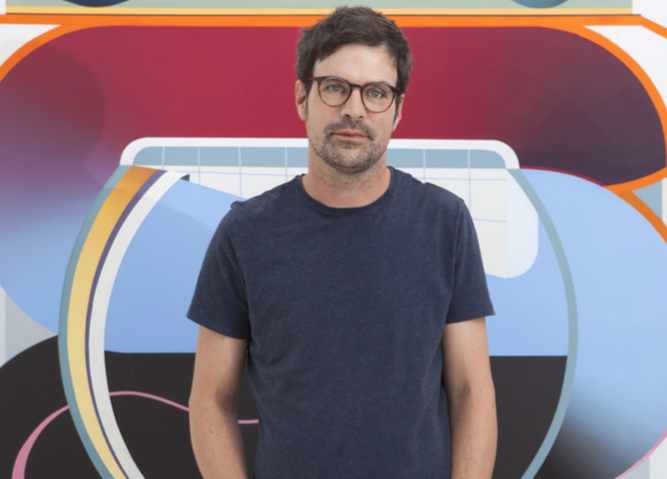
The paintings resist offering a fixed message. Instead, they leave space for viewers to form their own interpretations, allowing meaning to emerge through the act of looking.
“An inaugural edition carries a particular charge: nothing has yet been settled, no habits of looking have hardened, and the work meets its audience at the very moment something new begins,” Buhmann says.
It is an observation that speaks to the fair itself as much as to his paintings. Every beginning carries the possibility of change, while every ending contains the seeds of something that has yet to emerge. Buhmann’s work inhabits that interval, holding the viewer in a moment of suspension.
A homecoming for Sarah Almehairi
For Carbon 12, the presentation also carries a particular significance through the inclusion of Emirati artist Sarah Almehairi, who will be shown in her hometown of Abu Dhabi.
Knotzer describes the occasion as “a beautiful full-circle moment”. The phrase captures something of the wider significance of Frieze’s arrival: an international platform can bring artists into contact with new audiences while also returning attention to the places and communities that have shaped their practices.
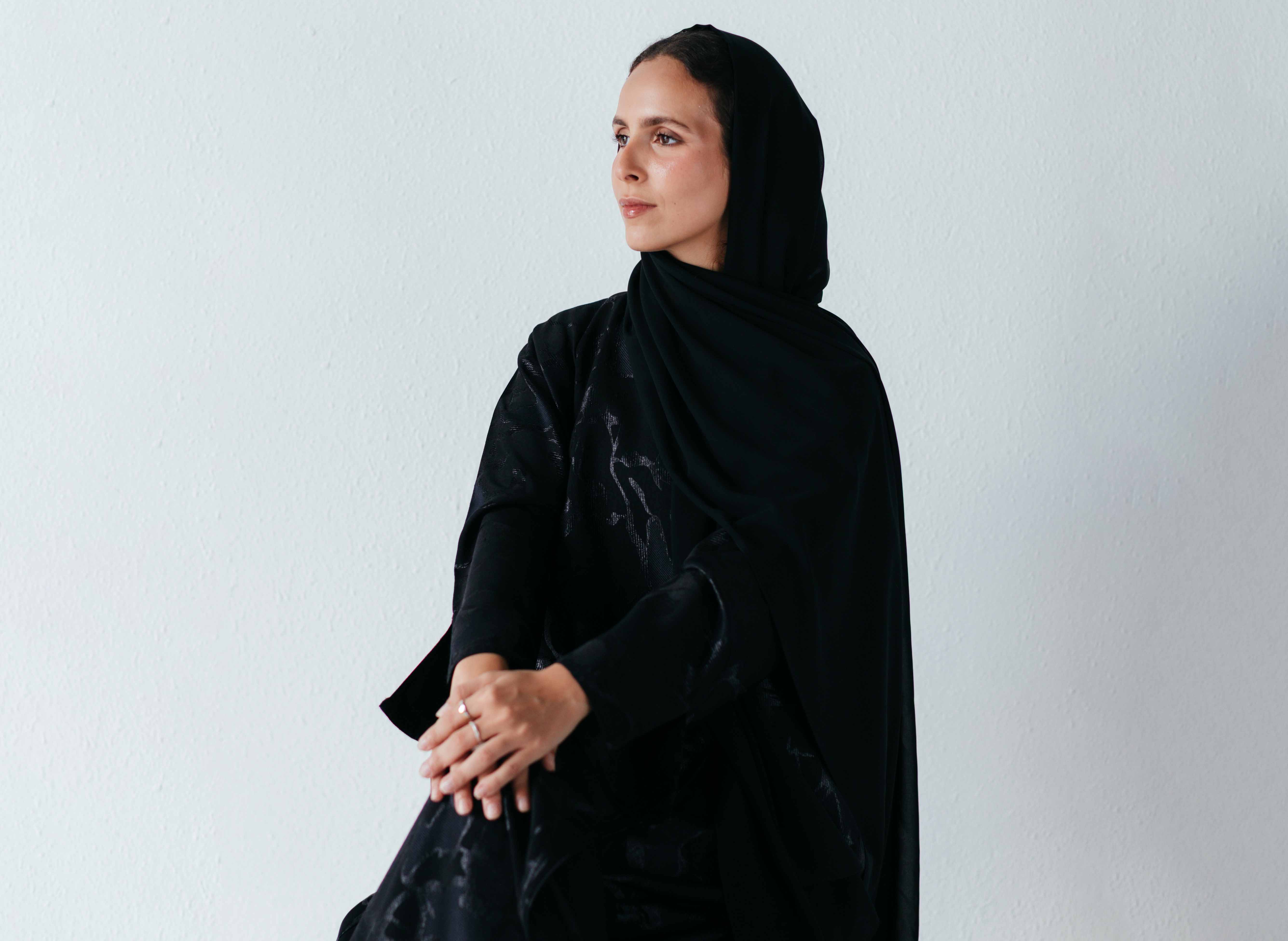
Almehairi’s presentation sits within a broader regional programme that brings together artists working across different generations, geographies and artistic languages. It is a reminder that the story of contemporary art in the UAE cannot be told solely through international recognition. It is also a story of artists developing their practices at home, building networks and contributing to a cultural landscape that has its own histories and ambitions.
Beyond the spectacle of the fair
Frieze Abu Dhabi’s inaugural edition brings international galleries into a cultural district that is increasingly defined by its museums, public spaces and artistic programmes. Its wider offer, from Dala Nasser’s Qubbat Duris to the Emirati artists featured in In Dialogue and the sculptures planned for Mamsha Beach, suggests an approach that connects the fair to the city rather than confining it to the exhibition hall.
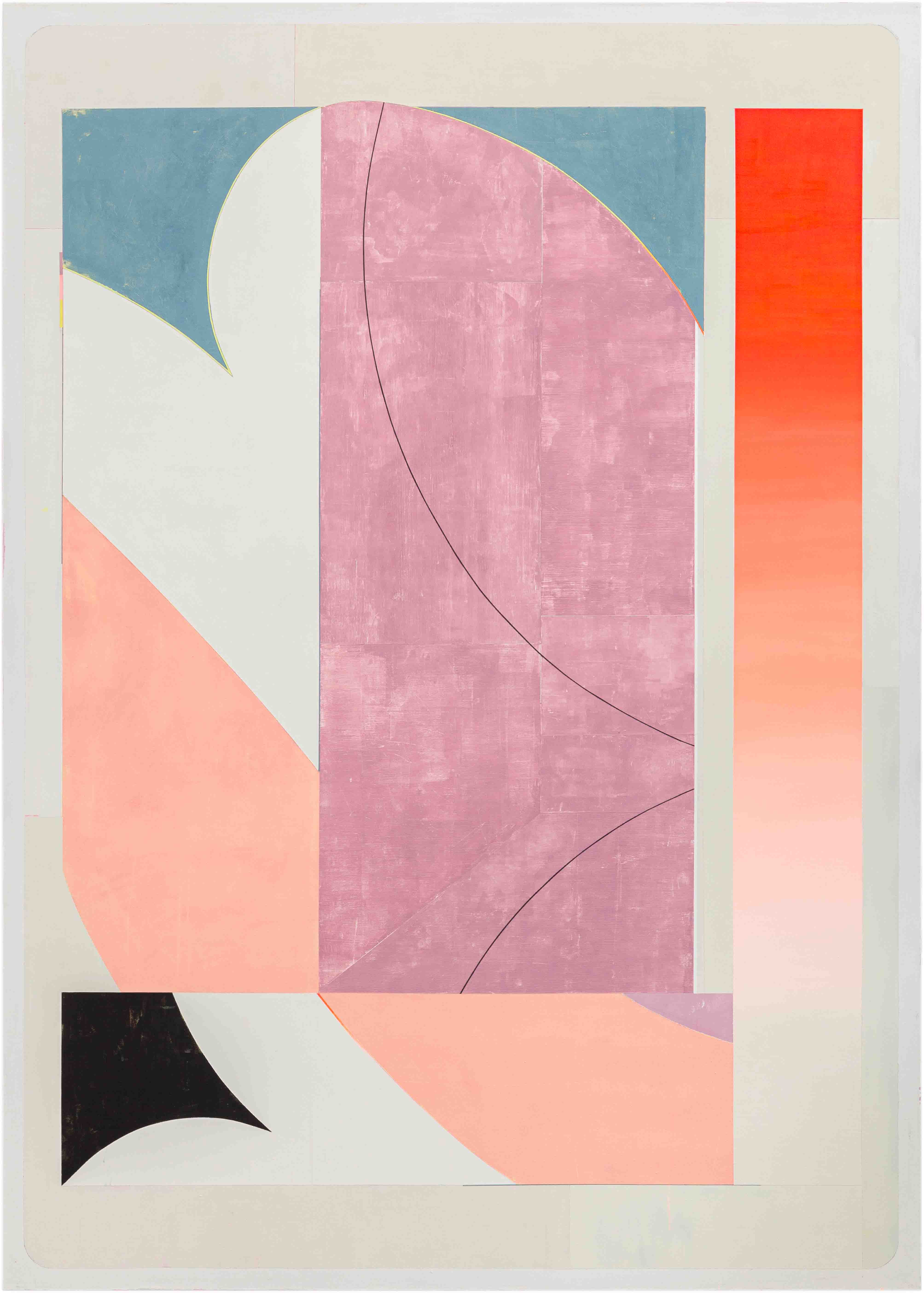
Carbon 12’s presentation adds another dimension to that conversation. Orlaineta considers the knowledge embedded in making; Sayal-Bennett questions the authority of medical imagery; Buhmann explores the uncertainty of beginnings; and Almehairi’s presence connects the gallery’s international outlook with Abu Dhabi itself.
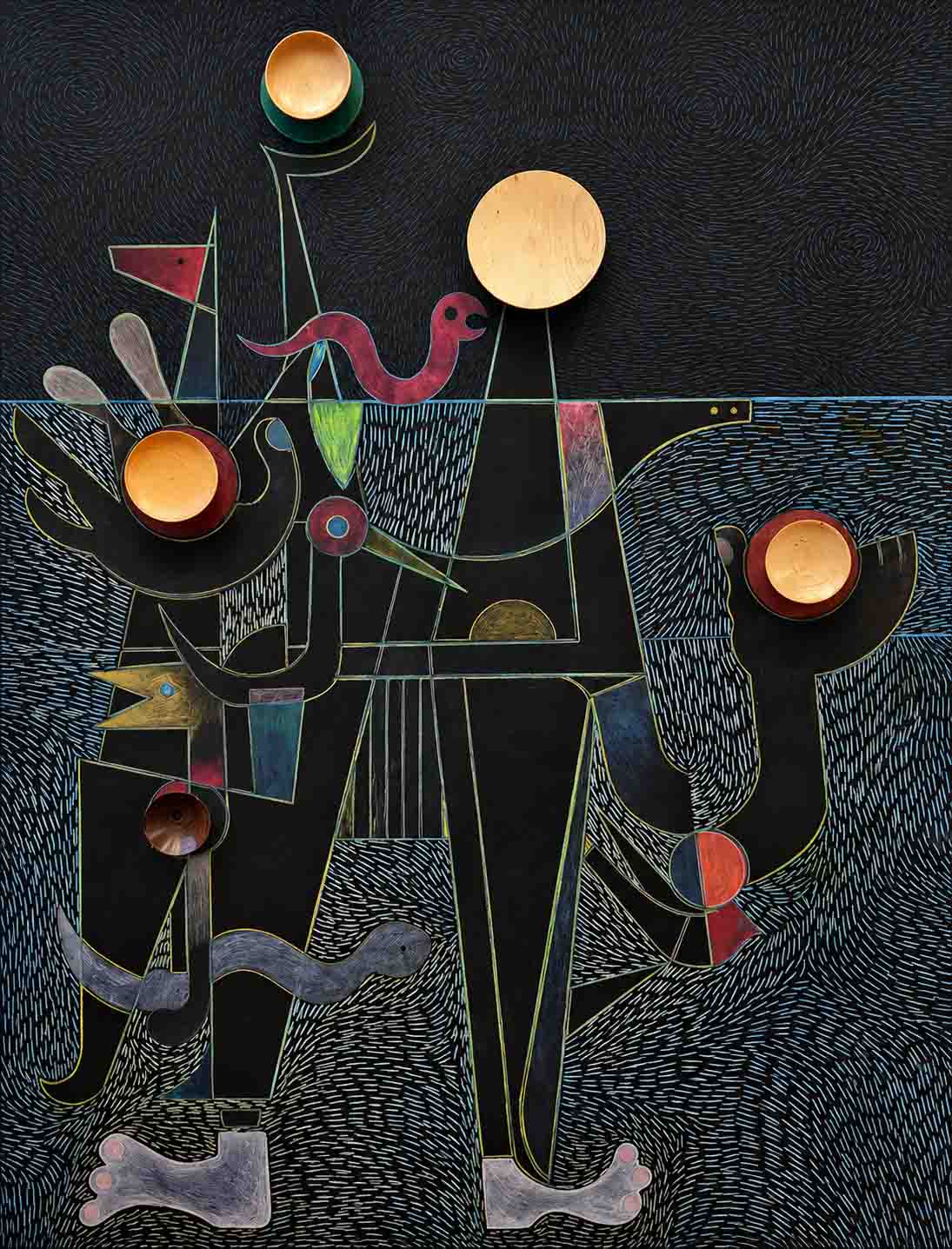
Their approaches are distinct, but each asks how meaning is formed: through inherited traditions, systems of representation, material encounters or the experience of a place. These questions also echo through Nasser’s commission, in which fragments of architecture and traces of the landscape become carriers of collective memory.
For a first edition, Frieze Abu Dhabi has an opportunity to establish more than a new date on the international art calendar. It can create space for a conversation between local histories and global perspectives, between established practices and emerging possibilities. The most compelling outcome may be not a single defining statement, but a greater willingness to look closely at the connections between them.