
From Beirut to Dubai
BUS Architects, a dynamic architectural and interior design studio, was founded by the talented duo, Sarah and Gilbert, who bring a unique blend of creativity, expertise, and passion to every project they undertake. With bases in Beirut and Dubai, their firm has gained recognition for seamlessly integrating architecture and interior design, creating spaces that are both visually stunning and emotionally resonant. Their approach is rooted in a deep respect for context, culture, and sustainability, while also embracing innovation and modernity.
In this interview, we delve into their creative process, the philosophy that drives their designs, and how they manage to balance the two disciplines of architecture and interior design. Sarah and Gilbert share insights into their journey, the challenges they face working across different regions, and the importance of storytelling in their work. Their commitment to crafting spaces that are timeless, functional, and inspiring has earned them a well-deserved reputation in the design world. We are excited to explore the story behind BUS Architects and the visionary work they continue to produce.
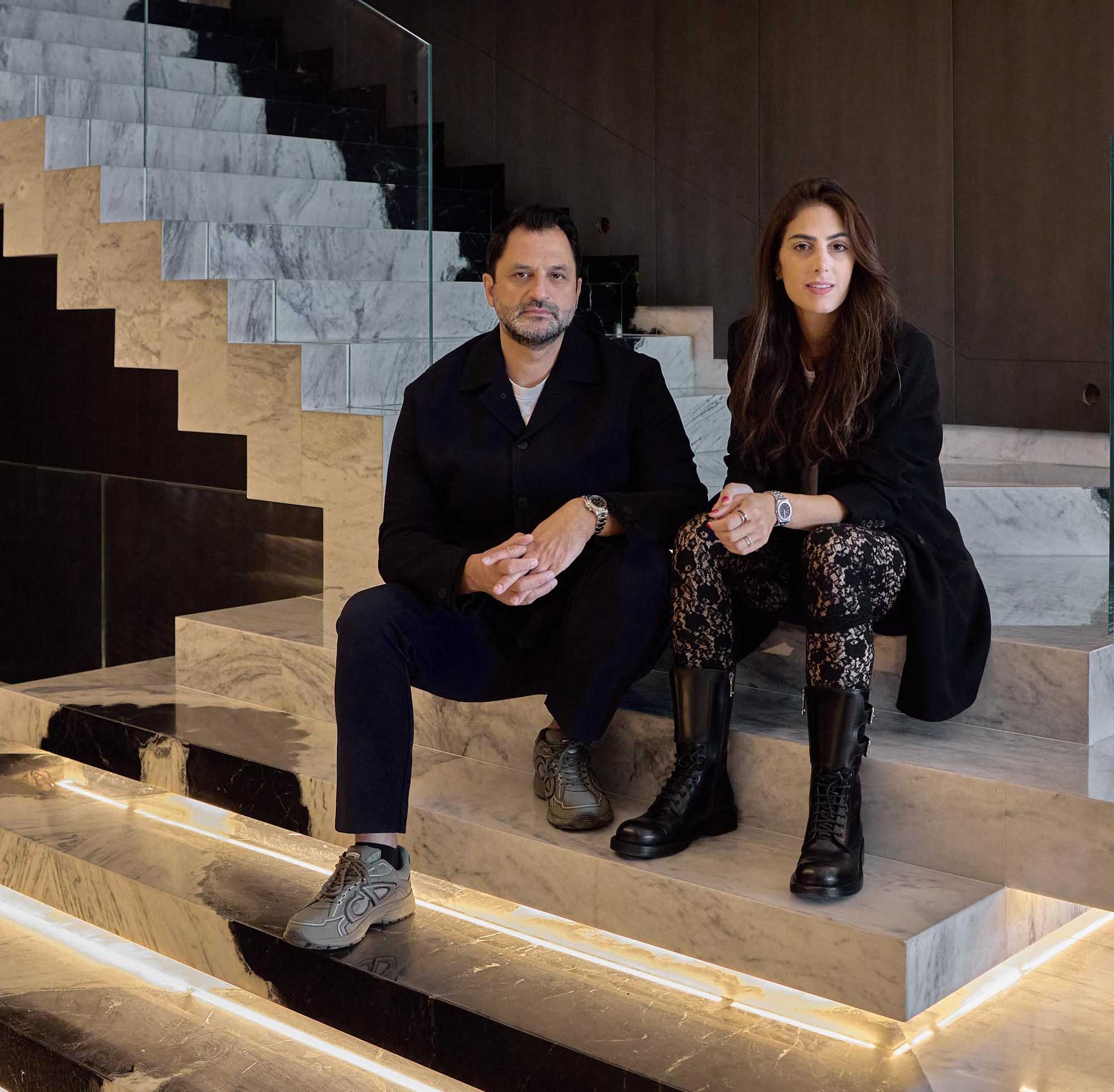
Can you introduce yourselves and tell us a bit about your journey into architecture and interior design?
We’re Sarah and Gilbert, partners in both life and in BUS Architects. Our journey began with a shared vision: to create spaces that are personal, timeless, and emotionally resonant. Together, we’ve built a studio that bridges architecture and curated interiors, with a deep focus on context, detail, and narrative.
Gilbert holds a diverse academic background in Interior Architecture, Set Design, and Luxury Management. This multidimensional foundation allows him to approach each project with a strong conceptual lens, focusing on spatial storytelling, atmosphere, and experiential design. His work is defined by a refined sense of luxury, clarity in execution, and a deep understanding of how emotion shapes space.
Sarah studied Interior Design and earned her Master’s degree at Marangoni University in Italy. With a specialisation in FF&E, she brings a precise and thoughtful eye to materiality, furniture, and finishes ensuring that every space is not only well-resolved but also beautifully layered and emotionally rich.
Together, we see each project as a dialogue between architecture and interior, structure and soul crafting environments that reflect the lives, stories, and aspirations of those who inhabit them.
How did the idea of founding BUS Architects come about, and what was the initial vision?
BUS Architects was founded 16 years ago from our shared ambition to create a studio where architecture and interior design seamlessly intertwine. After years of working in different creative environments, we felt the need to build a space where concepts could be developed holistically from the structure down to the smallest detail.
Our vision has always been clear: to craft emotionally resonant, highly personalised spaces that balance boldness with timelessness. Whether designing boutique hospitality venues or private homes, BUS Architects values storytelling, precision, and thoughtful luxury.
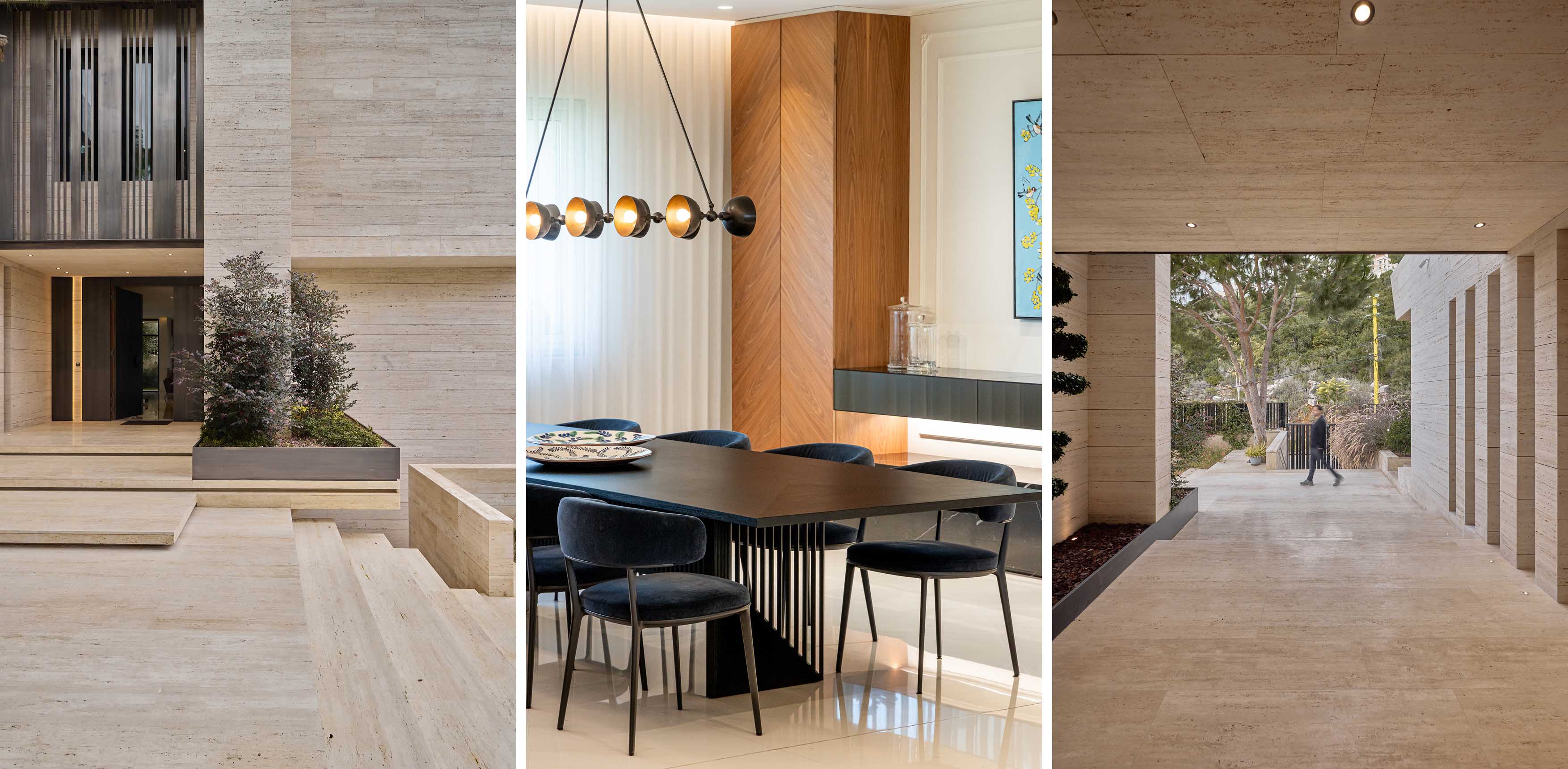
How do you balance both architecture and interior design within your projects?
For us at BUS Architects, architecture and interior design are never separate, they inform and enrich one another from the very start. We approach every project with a holistic mindset, where the spatial form, materiality, and interior atmosphere are conceived together as part of a single narrative.
Balancing both disciplines allows us to maintain consistency in vision and detail. The architecture sets the tone and rhythm, while the interior brings intimacy, emotion, and texture.
Could you describe the creative process behind your designs? Does it differ depending on the project’s nature?
At BUS Architects, our creative process starts with deep research into the site, client needs, and context. We begin by listening carefully and gathering inspiration, then move to sketching by hand to explore concepts and layouts. This hands-on approach helps us visualise the project fully before progressing to 3D modelling and photorealistic renders, ensuring each design tells its unique story.
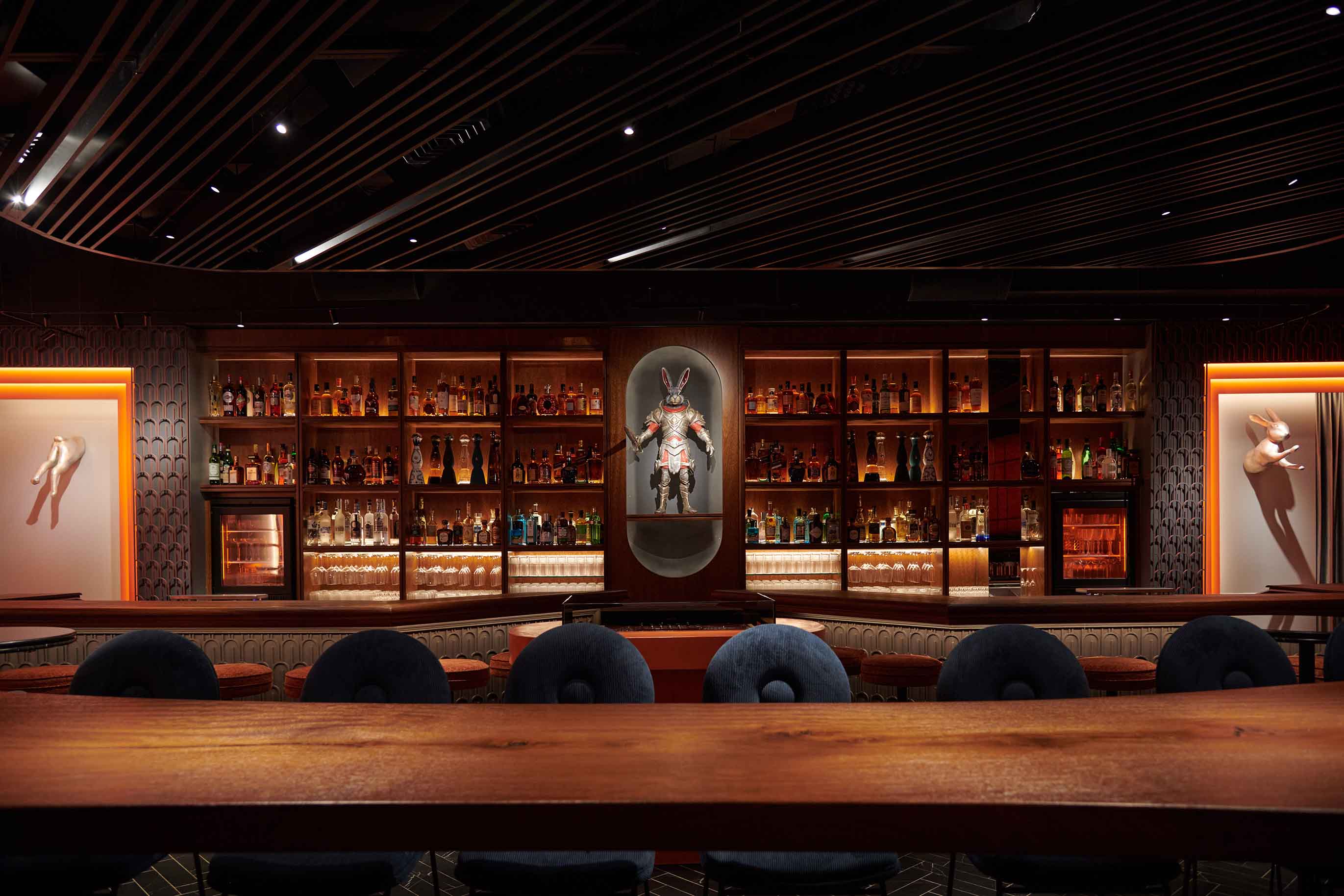
How does your Beirut-based origin influence your architectural style, especially in the international projects you take on?
Being from Beirut has deeply influenced how we approach design. The city’s mix of history, resilience, and modern energy pushes me to create work that honours tradition while embracing innovation. When we work on international projects, we carry that perspective with us, making sure each space feels authentic, grounded in culture, yet fresh and relevant anywhere in the world.
What is your approach to integrating local culture and context in your designs, particularly in Dubai and Lebanon?
Gilbert: In Dubai and Lebanon, I start by listening carefully and researching the local culture and environment. It’s about understanding the story behind the place and its people, so we can reflect that in the architecture and atmosphere.
Sarah: I focus on translating those cultural insights into design details, using local materials and incorporating traditional patterns. The goal is to create spaces that feel authentic and rooted in their context, blending modernity with heritage.
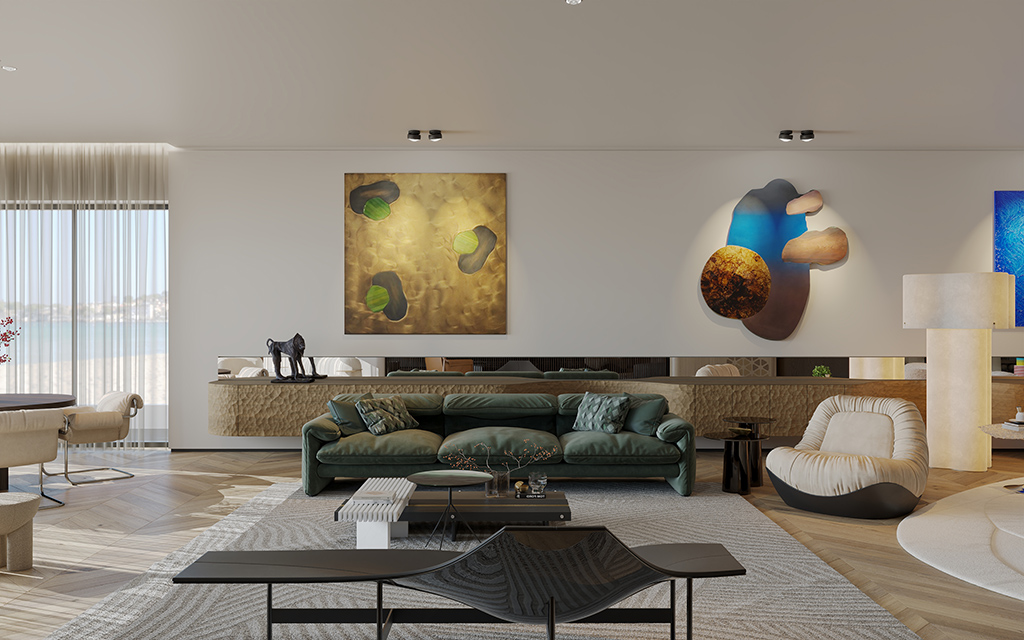
How do you see the role of technology evolving in architecture today, and how does it shape your projects?
Technology is key in architecture today. At BUS Architects, we use tools like 3D modelling to improve accuracy and communication, and explore new materials and sustainable solutions to create innovative, high-quality projects.
How important is sustainability in your work, and can you give examples where this has played a central role?
Sustainability is key in our work, achieved through careful material selection, thoughtful space design, and strategic planning. By prioritising eco-friendly materials, integrating natural elements for better indoor quality, and designing spaces to reduce environmental impact, we create architecture that is both sustainable and in harmony with nature.
What are some key challenges you face while working across different regions, like Lebanon and the UAE?
Working across regions means constantly adapting to different cultures, lifestyles, and regulations. Each place has its own expectations around space, function, and aesthetics. Sourcing materials and aligning with local codes can also be challenging, but these differences push us to stay flexible and think more creatively.
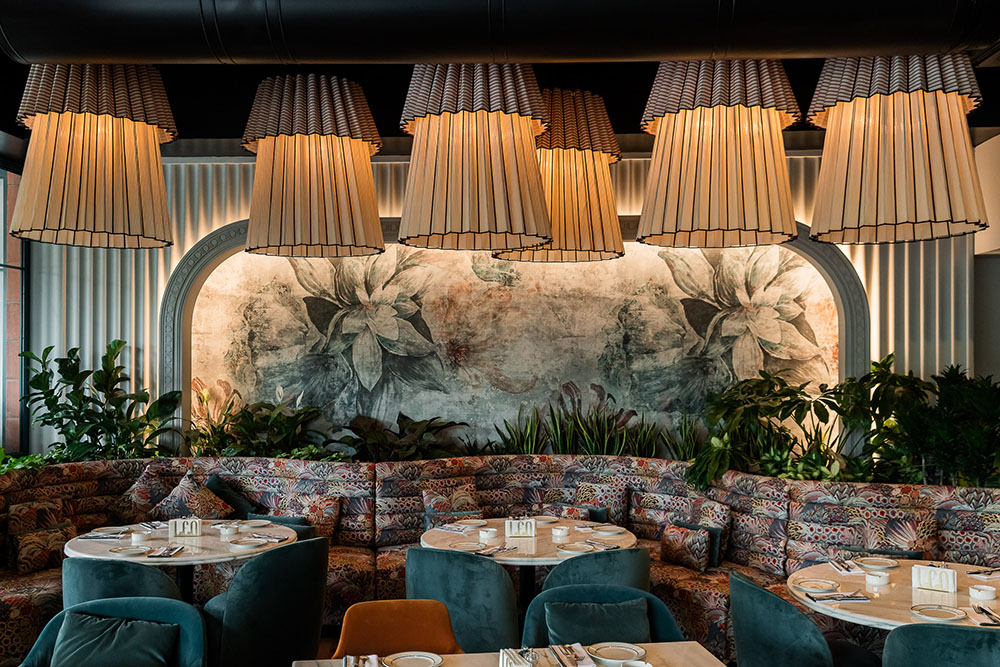
Can you talk about a project that pushed the boundaries of your creativity? What made it unique?
Gilbert: One standout project was a three-story villa we designed for three brothers, each with very different tastes, on a challenging steep site with stunning panoramic views. The real challenge was to create harmony among three distinct lifestyles under one roof.
Sarah: We treated each floor as its own unique world, shaped by the personality of each brother. Using natural light, carefully chosen materials, and thoughtful landscape design, we connected these individual spaces with skylights, courtyards, and layered indoor-outdoor transitions.
Gilbert: It wasn’t just about managing space. It was about crafting three identities within a single architectural narrative, making the home feel both unified and deeply personal.
Do you see any specific architectural trends emerging in the Middle East and Lebanon that you’re excited about?
Gilbert: What excites me most is how contemporary architecture in the Middle East and Lebanon is blending cultural heritage with modern design. It’s a thoughtful fusion that respects tradition while pushing boundaries.
Sarah: I’m also inspired by the growing focus on sustainability, wellness, and adaptive reuse. These trends are shaping spaces that aren’t just innovative but deeply connected to their environment and community.
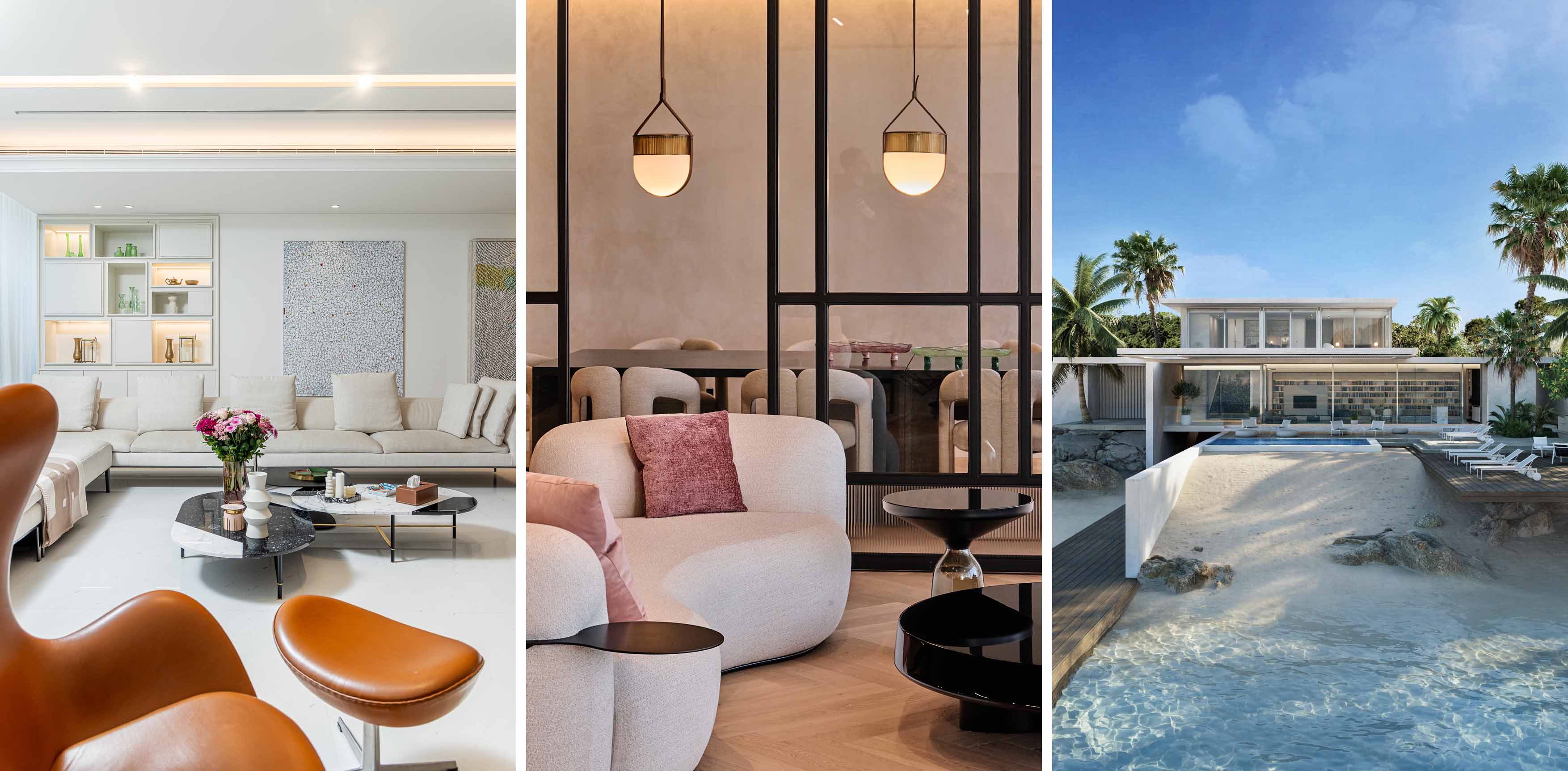
How do you ensure that your designs remain timeless while also reflecting contemporary trends?
To keep designs timeless yet current, we focus on strong fundamentals proportion, material quality, and attention to detail that never go out of style. At the same time, I selectively incorporate contemporary trends in ways that complement rather than overwhelm, ensuring each space feels fresh without losing its lasting appeal.
What is your process for selecting materials and finishes in your designs?
At BUS Architects, the material and finish selection starts with understanding the design vision and how each element supports it. We explore samples, test textures, and consider how materials interact with light and space. Collaboration with clients and suppliers ensures the choices align with both aesthetics and practical needs, resulting in a harmonious and refined finish.
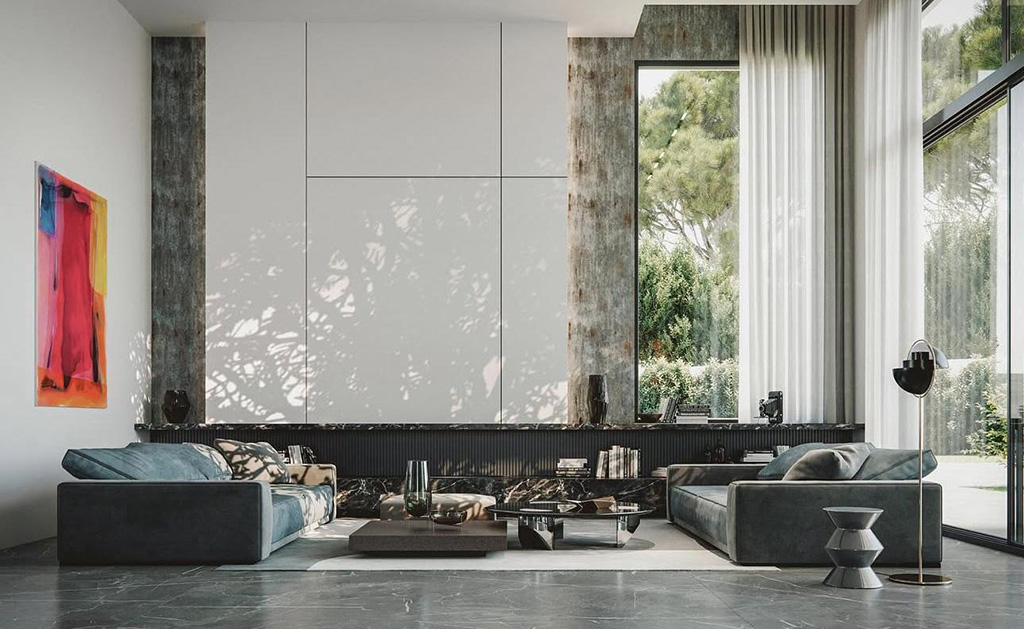
Are there any particular architects or design movements that have influenced your work?
We are inspired by Ludwig Mies van der Rohe, a key figure in 20th-century architecture known for his minimalist philosophy of “less is more.” His work stands out for its clean lines, careful use of space and proportion, and innovative use of glass and steel. The simplicity and clarity in his designs continue to influence architects, including ourselves, to create spaces that are both elegant and meaningful.
How do you approach creating spaces that are both functional and aesthetically pleasing?
Creating spaces that are both functional and beautiful starts with understanding how people will use them. We focus on flow, comfort, and practicality while layering in materials, light, and details that elevate the experience. The goal is always to design environments that feel effortless to live in and inspiring to be in.
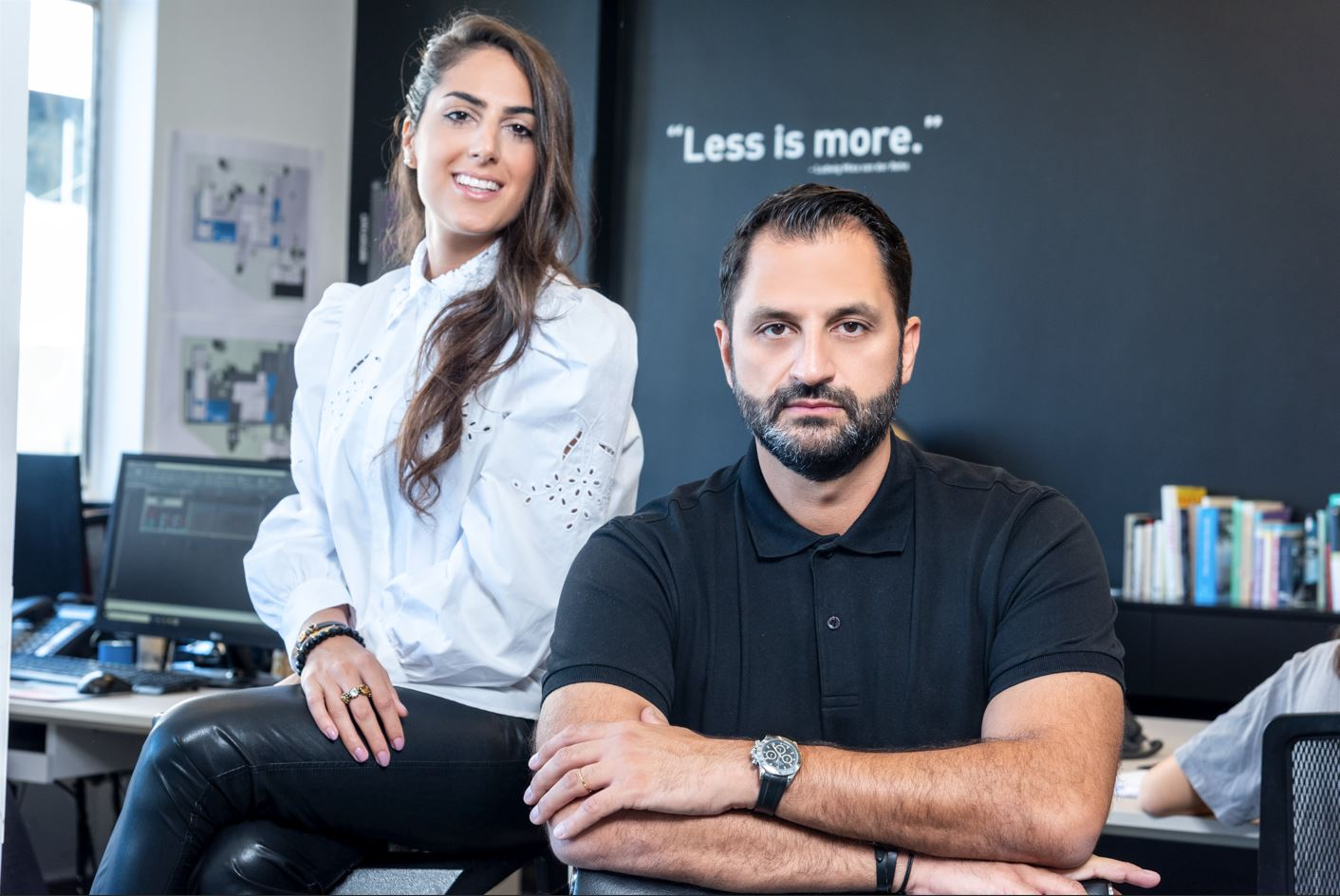
How does each of you contribute individually to the firm’s projects, and how do you collaborate together as a duo?
We each bring different strengths to the table, which creates a balanced and dynamic partnership. Gilbert focuses on architectural and interior design, leading the creative direction and spatial development of each project. Sarah, with her background in interior design and specialisation in FF&E, curates the furniture, finishes, and materials bringing depth, warmth, and refinement to the interiors.
While we each lead our respective areas, we constantly collaborate throughout the process. Our dialogue helps shape every detail, and we work closely with our team to ensure that each project is both thoughtful and cohesive from concept to execution.
In your opinion, what’s the most challenging aspect of the architectural and interior design process?
The most challenging aspect is balancing creativity with practicality. It’s about creating beautiful, innovative designs that also meet functional needs, budgets, and timelines. Finding that harmony requires constant communication, flexibility, and problem-solving throughout the process.
What are the biggest lessons you’ve learned from working on large-scale international projects?
Working on large-scale international projects has taught us the importance of cultural sensitivity and adaptability. Each location has its unique context, regulations, and client expectations, so flexibility and clear communication are key. It also reinforced the value of strong teamwork and meticulous planning to successfully navigate complexity.
How do you feel about the current state of architecture and design in the Middle East?
The architecture and design scene in the Middle East is vibrant and evolving. There’s a strong focus on blending cultural heritage with modern styles, embracing sustainability, and integrating smart technologies. Wellness and experience-driven design are also gaining importance. It’s an exciting time with a dynamic mix of tradition and innovation shaping the region’s future.
Your message for us at CP Magazine.
Thank you for the opportunity to share our journey and perspective. At BUS Architects, we believe in creating spaces that tell stories deeply personal, culturally rooted, and thoughtfully crafted. We are grateful to be part of a platform that celebrates design and the people behind it.
Instagram: @busarchitects