

Redefining Dialogue Through Thoughtful Conversations on Business, Policy and Progress.
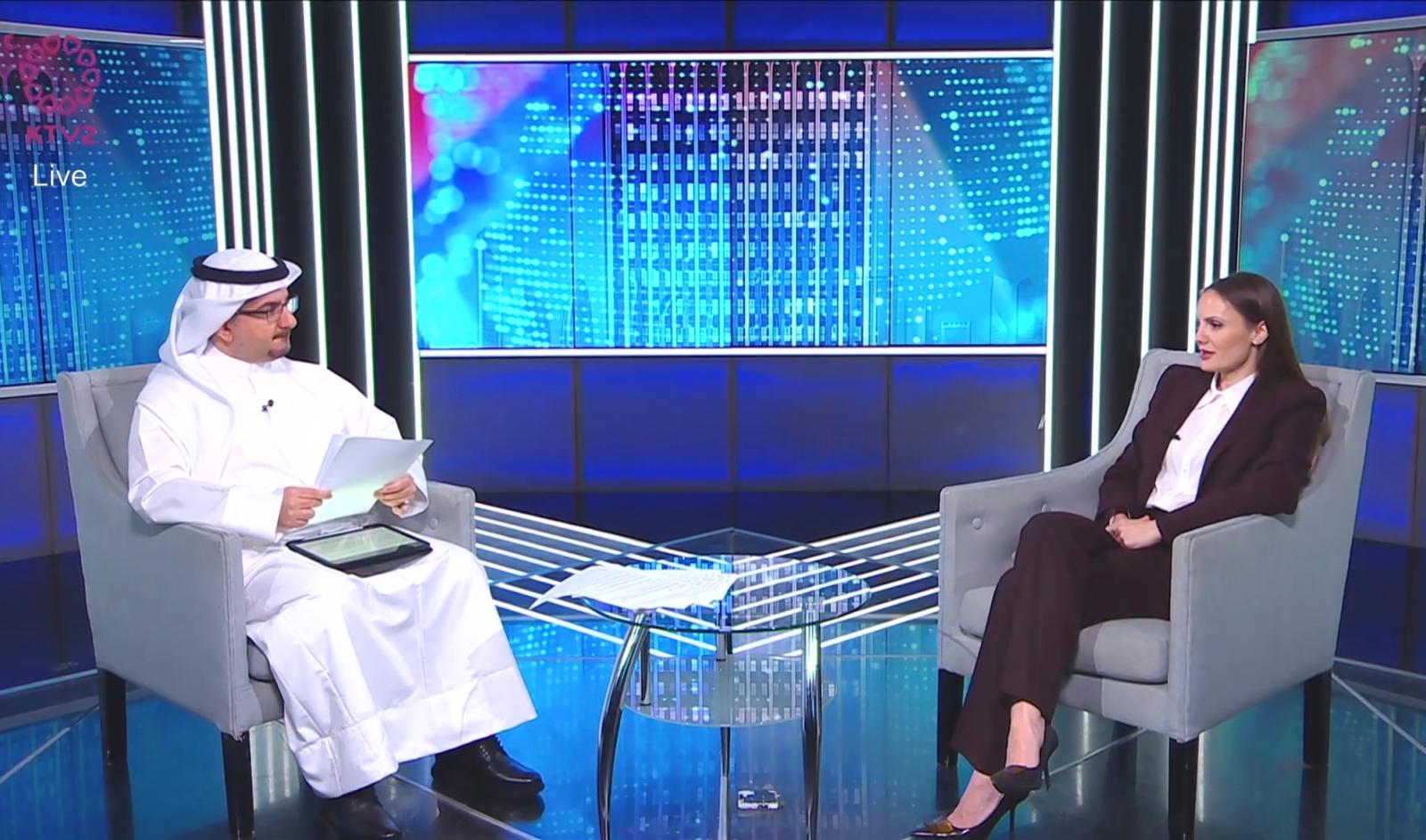
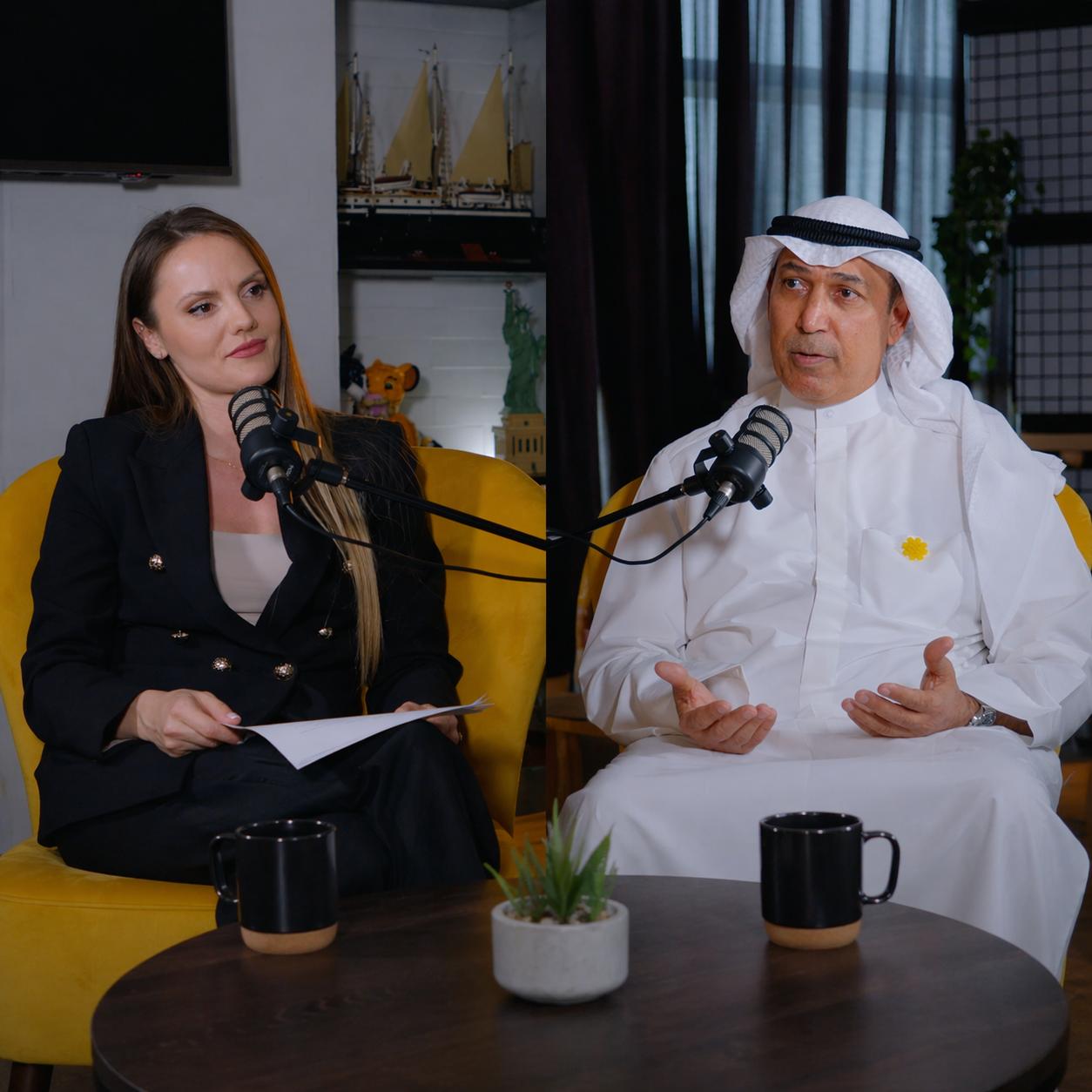
In a media landscape increasingly driven by speed, soundbites and instant reactions, Cristina Gabriela Mirica is choosing a different path. As the founder and host of The Middle Ground, she has created a platform built around thoughtful conversation, context and the belief that the most valuable stories often sit beneath the surface.
Based in Kuwait, Cristina’s podcast brings together business leaders, entrepreneurs, policymakers and industry experts for in-depth discussions on leadership, technology, infrastructure, innovation and the forces shaping the country’s future. Rather than chasing controversy, The Middle Ground focuses on understanding the decisions, experiences and challenges behind the headlines, giving guests the space to explain not only what they have achieved, but how they arrived there.
For Cristina, the podcast is also about preserving knowledge. Every conversation becomes part of a growing archive of lessons, ideas and perspectives that could prove valuable to future entrepreneurs, leaders and decision-makers. Her approach is curious rather than confrontational, driven by a desire to listen, question assumptions and encourage more informed dialogue.
In this interview with CP Magazine, Cristina discusses the inspiration behind The Middle Ground, her approach to long-form storytelling, the importance of context, Kuwait’s untapped potential and her ambition to build a trusted platform that contributes meaningfully to the region’s evolving conversation.
What first convinced you that Kuwait needed a platform like The Middle Ground?
I think it started with something quite simple: there was a real information gap.
Kuwait has fascinating stories to tell, but if you don’t speak Arabic, access to them is limited. Some of the most interesting conversations happen in Arabic, while much of the English-language content is promotional or corporate. We hear about achievements and appointments, but rarely about the people and experiences behind them.
There’s also something personal behind it. Throughout my career, I’ve learnt that you never really know who you’re sitting across from until you start asking questions. We see the CEO title or the successful company, but not the failures, industry transformations or moments when everything felt beyond their control.
That’s where the real value lies, especially for the next generation. We shouldn’t have to learn every lesson the hard way when we can learn from people who’ve already lived through it.
Why did “The Middle Ground” feel like the right name for the podcast?
Over the past three years, I’ve had hundreds of meetings, and I’ve been fascinated by how differently the same story can be told. A CEO might proudly describe a decision or achievement, only for someone in another meeting to offer a completely different account. Suddenly, something that seemed straightforward becomes much more complicated!
It taught me how much we don’t know about the circumstances behind people’s decisions. We don’t always need every detail, but we do need to distinguish between information that helps us understand and noise that simply shapes our perceptions. We’re often too quick to choose sides.
That’s particularly relevant when companies and business leaders face public criticism. I wanted to create a platform where people could explain their reasoning and take ownership of their choices, not to shield them from criticism, but to make that criticism more informed.
I’d especially love to bring more public-sector leaders into conversations about issues of national interest. People deserve to hear directly from those making important decisions and form their own conclusions.
You’ve said that people are more interesting than their titles. How does that belief shape the way you interview your guests?
Titles tell us what someone does, but rarely who they are. I’ve met leaders who have witnessed entire industries transform, reinvented themselves and pursued remarkable interests outside work. Yet we often approach people wondering, ‘What can they do for me?’ rather than, ‘Who are they?’
I’m interested in their values, motivations and choices. Titles come and go; character and the impact we leave behind matter much more.
What do you want audiences to understand about Kuwait that traditional headlines often fail to capture?
I think people sometimes forget just how much Kuwait has contributed to the development of this region. Kuwait was a pioneer in so many fields, from finance and investment to education, media and culture. Its influence extended well beyond its borders through development assistance, diplomacy and institutions that helped shape other countries.
Of course, things changed after 1990, and Kuwait’s development has followed a different path from some of its neighbours. But I think we also need to appreciate the complexity of that journey. Kuwait experimented early with constitutional governance, parliamentary representation and a political system that allowed for a level of public participation and debate that was quite distinctive in the Gulf. That came with its own challenges, and progress hasn’t always been straightforward.
What I sometimes find frustrating is the idea that Kuwait somehow lacks the ingredients for success. We don’t lack knowledge; we don’t lack capable people; and we certainly don’t lack capital. Perhaps what we need is greater cohesion, a clearer sense of shared direction and the ability to turn that potential into action.
I don’t think we need to romanticise Kuwait’s past or ignore its present challenges. But we shouldn’t overlook its achievements either. Through The Middle Ground, I hope we can contribute, even in a small way, to a more informed conversation about where Kuwait has been, where it stands today and what it could still become.
In an age of short clips and shrinking attention spans, why was long-form conversation important to you?
Because not everything worth understanding fits into 30 seconds! Short clips are useful, but understanding AI, economic reform or energy infrastructure requires context. You need to know how we got here before discussing where we’re going.
Our audience has stayed with long, technical conversations, which tells me people haven’t necessarily lost the ability to pay attention. Perhaps we just need to give them something worth paying attention to.
Your editorial philosophy includes “context over controversy” and “dialogue over debate”. Which principle matters most to you personally?
Context over controversy. Disagreement often becomes conflict because people are arguing without understanding the full situation. Controversy attracts attention, but attention isn’t the same as value.
I’d rather someone finish an episode thinking, ‘I never saw it that way before.’ That doesn’t mean avoiding difficult questions. You can challenge someone directly without turning the conversation into a fight. I’m more interested in learning than winning an argument.
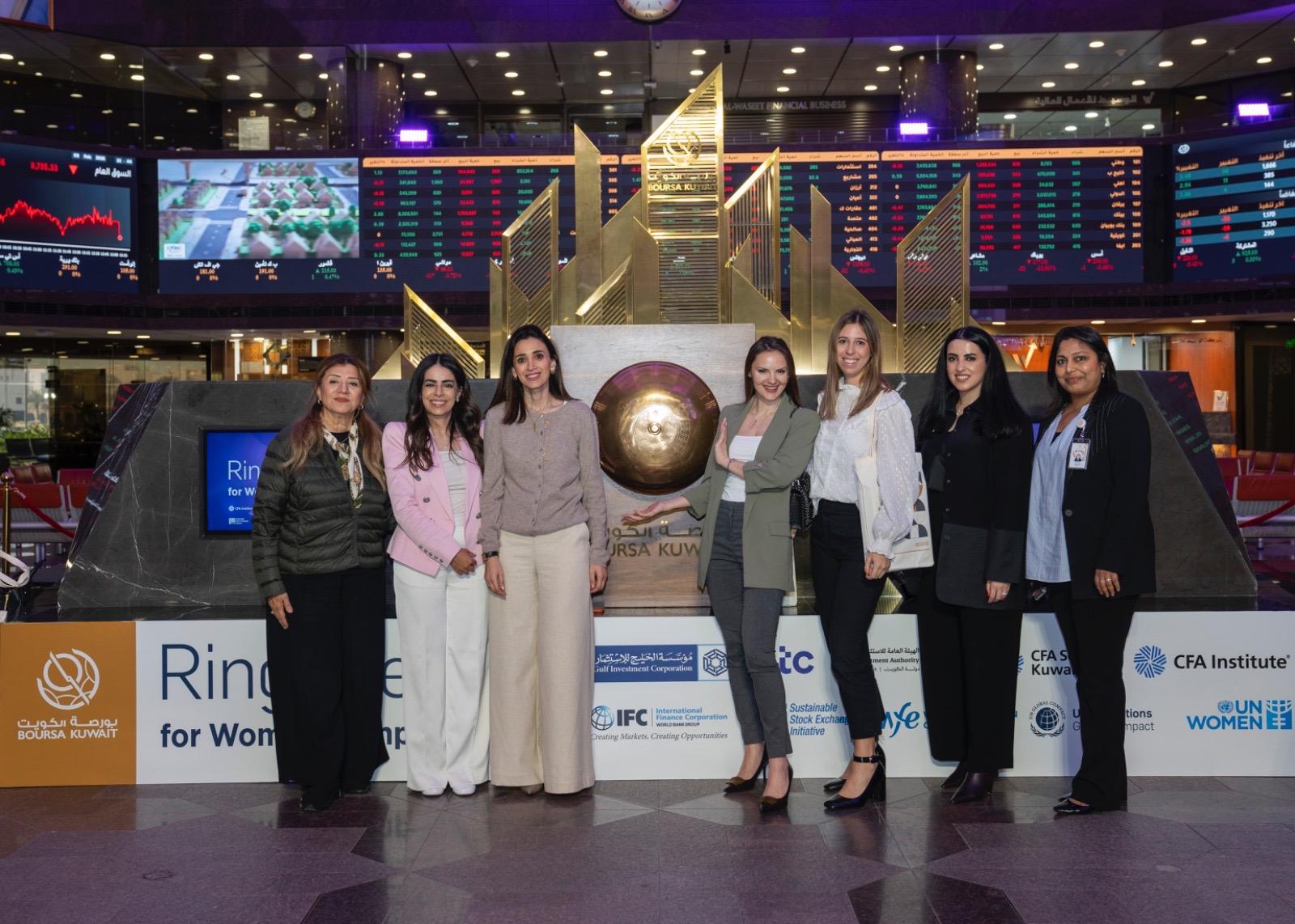
What makes someone the right guest for The Middle Ground?
I’m drawn to people with vision, passion and values, especially those navigating the tension between doing what’s right and what makes commercial sense.
Relevance matters too. When we launched amid regional disruption, we spoke with aviation and logistics leaders to understand what was happening beyond the headlines. But interesting stories aren’t reserved for famous CEOs. A small Kuwaiti business that might become the next Talabat could be just as compelling.
We have some surprising conversations coming up!
How much research goes into an episode before you sit down with a guest?
Quite a lot! I research the guest, their organisation, their industry and the wider regulatory context. I can’t be an expert in every subject, but I need to understand enough to ask intelligent questions and recognise when an answer needs explaining.
Preparation isn’t about demonstrating how much I know. It’s about listening properly and being willing to ask the simple question everyone else might be wondering about.
Do you prefer to enter an interview with a clear direction, or allow the conversation to take you somewhere unexpected?
The magic happens between the two. Putting two talkative people together doesn’t automatically produce a good interview. When a guest shares decades of experience, you owe both them and your audience proper preparation.
I enter with a direction, but remain alert to the unexpected remark or story that could lead somewhere more interesting. You create the conditions for a meaningful conversation, then allow yourself to be surprised.
How do you create enough trust for senior leaders to speak candidly rather than give polished corporate answers?
I approach guests as people, not just representatives of their organisations. I’m curious about how they think and what they’ve experienced, without trying to push them towards a predetermined answer.
We’ve laughed a lot during interviews, and some guests have spoken at length in English even when it wasn’t entirely comfortable for them. That means something to me. Audiences don’t need perfect corporate delivery; they want substance and a sense of the person behind it.
Your Kuwait Airways episode tackled losses, bureaucracy, political interference and difficult leadership decisions. How important was it to have such an unfiltered conversation?
I’ve met incredibly capable people who eventually walked away from senior positions because the systems they were operating within became too complex, or because staying would have meant compromising something fundamental to their values.
Abdulmohsen Alfagaan stayed. And whether you agree with his decisions or not, I think there’s something worth understanding about that. Running a national airline with thousands of employees, competing interests and enormous public scrutiny requires more than competence. It takes resilience, the ability to navigate complexity and the acceptance that you simply cannot make everyone happy.
That’s why these conversations matter. We’re not the CIA, and I can’t possibly verify every detail of someone’s experience. But we can give people the opportunity to explain their side of the story and allow the public to draw its own conclusions.
Have you seen the recent interview with WeWork’s former CEO on The Diary of a CEO? It was mind-blowing! Three hours of discussing the decisions, mistakes and consequences that brought an entire business empire to its knees. Imagine how much another entrepreneur could learn from that conversation. It might save them years of struggle, millions in losses or even their entire business.
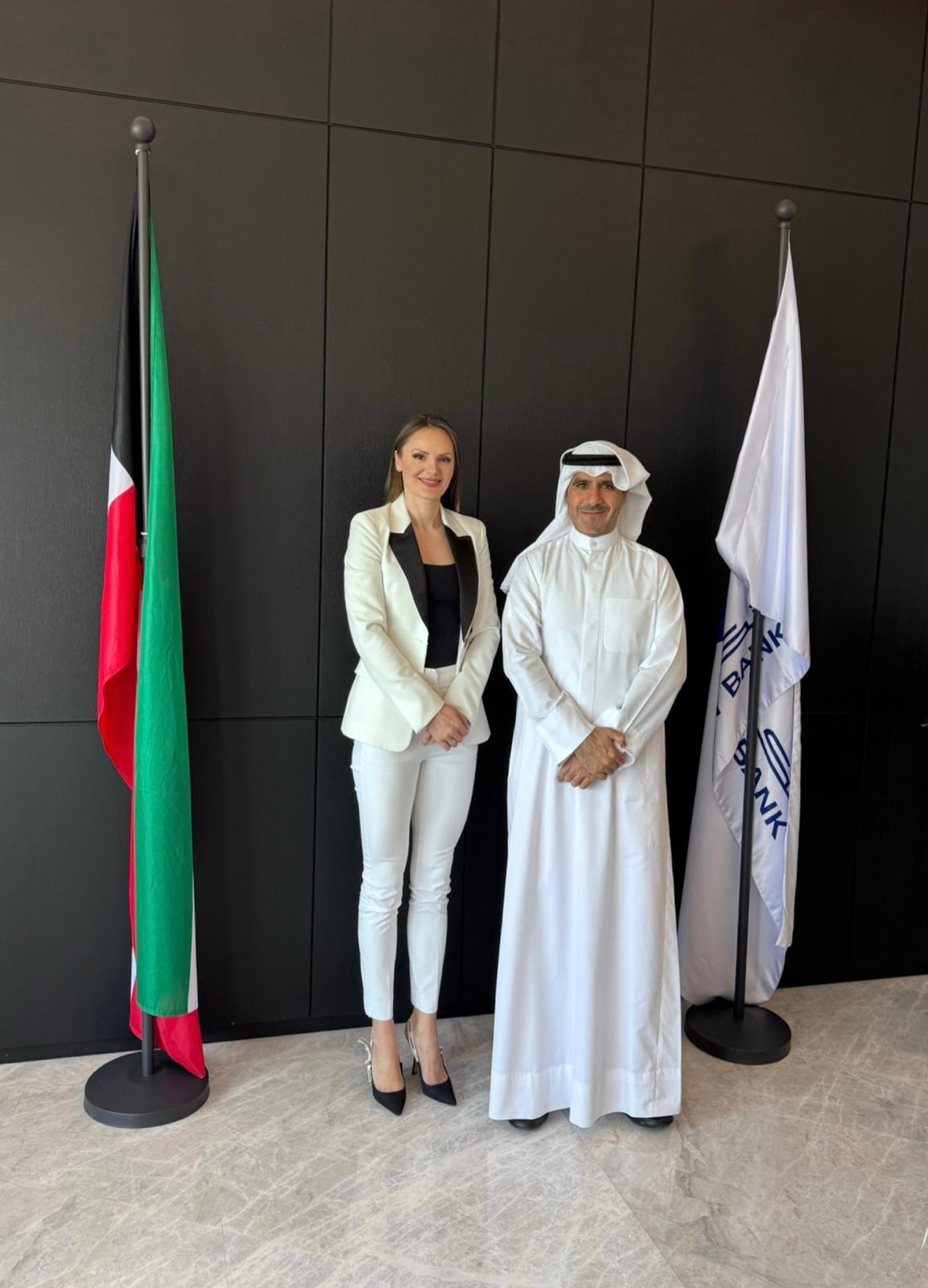
After discussing Kuwait’s potential as a regional aviation and logistics hub with Abdulmohsen Alfagaan, did your own view of that potential change?
My perspective has actually been shaped by hundreds of conversations over the past two years, not just that one interview. And funnily enough, my interest in Kuwait’s aviation potential goes back to 2018, when I used Kuwait Airways as a case study during my MBA. I never imagined I’d eventually be sitting across from its Chairman, discussing some of those very challenges!
When you look at what’s happening today, there’s a lot to be excited about: the new Terminal 2, the Air Cargo City, Mubarak Al-Kabeer Port on Boubyan Island, railway connections and even plans to modernise postal services. These aren’t isolated projects. Together, they could fundamentally change Kuwait’s position in regional trade and logistics.
Of course, every project comes with its own challenges, and many require structural changes that go far beyond building new infrastructure. But I’ve also met companies bringing exceptional expertise and people who genuinely know how to make things work.
What I think we need more of is cohesion: more collaboration between companies, closer coordination with public institutions and less energy spent figuring out who failed in the past. Every system in the world has flaws.
At some point, we need to sit around the same table, agree on what needs to happen, decide who’s responsible for what and put clear measures in place to track progress.
Your conversation with Fahad AlSharekh moved from Kuwait’s ICT history to AI, robotics and the future economy. What surprised you most during that episode?
I already knew about his father’s legacy, having met his brother Abdullah first, and I was fascinated by the family’s contribution to Kuwait’s technology sector. Fahad is, in many ways, following in his father’s footsteps, while also carving out his own path in a completely different technological era.
What I found particularly interesting is how, in a relatively conservative investment landscape, Fahad is opening the door to an entirely new world of opportunities. Through his work, his understanding of emerging technologies and initiatives like the Jedi Fund, he’s bringing a perspective that could be incredibly valuable to Kuwait’s family offices and investors looking to position themselves for the next wave of innovation.
I also loved how unapologetically opinionated he is, especially when challenging Europe’s position in the AI race! And I learnt so much about things like vibe coding and Lovable, which made me realise just how quickly technology is changing the way we live and work.
But one of my favourite moments was when he encouraged Kuwaiti parents to look beyond traditional activities and invest in their children’s future skills. He joked that horse riding is fun, but children need to learn skills that will actually prepare them for a changing world.
The episode with Mai AlOwaish explored data, digital identity, AI and trust. Do you see the podcast as a way of making complex subjects more accessible?
Absolutely, but sometimes the most useful questions are the obvious ones. How many of us really understand what a credit bureau does or why it affects us?
Mai explained CINET’s role, its limitations and why reliable credit information matters to the economy. I was especially intrigued by her point that some bureaus are exploring non-financial data.
We shouldn’t wait until we need a bank loan to think about our financial reputation. A technical subject suddenly becomes something relevant to everyday decisions.
Built To Last explored infrastructure, PPPs, energy transition and sustainability. How do you turn highly technical subjects into human conversations?
I think we rarely stop to consider the things that actually make our lives liveable, as Tarek Almoosa so nicely put it during our episode with MRC. We take electricity, clean water, waste collection and recycling for granted, yet behind these basic services are incredibly sophisticated systems, technologies and industries.
I believe we should all understand, at least at a basic level, why these projects matter, how they become possible and why countries sometimes need international expertise to deliver them. Especially in a country like Kuwait, with considerable financial resources, it’s interesting to explore why capital alone isn’t enough and what expertise, technology and partnerships bring to the table.
For me, the way to make these subjects accessible is to start with why they exist: to solve problems and improve our quality of life. And there’s something fascinating about looking at infrastructure through the history of human progress. We’ve always faced challenges, experimented, failed, learnt new skills and eventually found better ways of doing things. Today, we have technologies that would have seemed unimaginable just two or three decades ago.
Behind that progress are people, years of trial and error, ingenuity and a genuine commitment to making life better. Infrastructure is, in many ways, the story of how we keep learning to solve fundamental human problems.
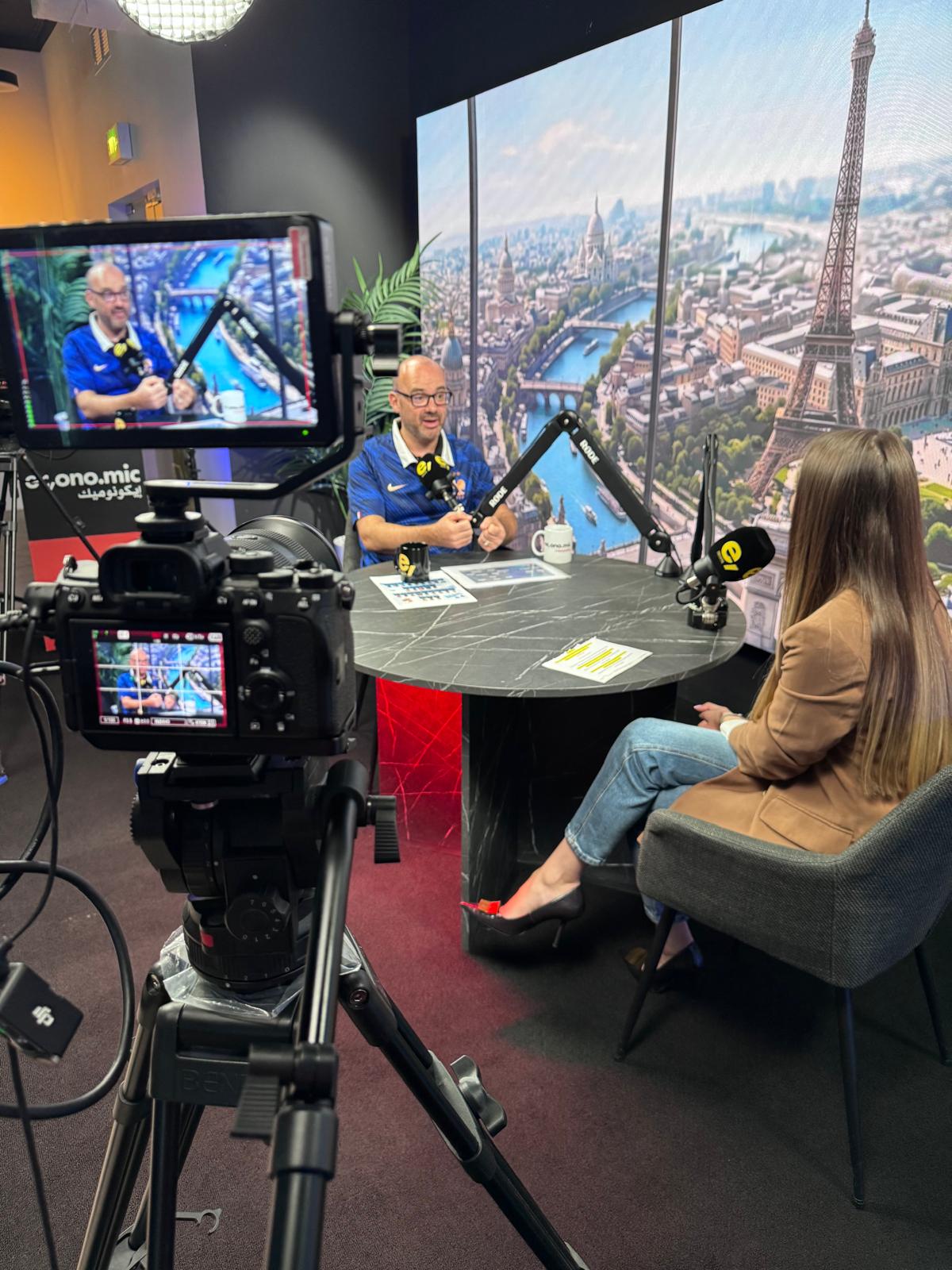
Is The Middle Ground ultimately a business podcast, a leadership platform or something broader than both?
If you ask me what The Middle Ground is today, it’s an independent platform for meaningful conversations about business, leadership, technology, policy and the issues shaping our society. But if you ask what I envision it becoming, my ambitions go much further!
I want it to become a trusted reference point for understanding Kuwait and, eventually, the wider region – a place where business leaders, policymakers, entrepreneurs and academics can explain their perspectives and challenge one another constructively.
I’m particularly drawn to building a lasting library of knowledge. Think of everything people learn through difficult decisions, failures and unexpected successes. Too often, that experience stays with the individual. Imagine a young entrepreneur or future policymaker discovering a conversation years from now and finding an insight that helps them avoid a costly mistake.
Business and leadership are important parts of our identity, but they aren’t its limits. I want The Middle Ground to have lasting intellectual and social value: a place people turn not only for interesting stories, but to understand the world around them a little better.
Has there been a guest who genuinely challenged one of your own assumptions?
Each guest has reminded me how much context we’re missing and how often complex challenges come down to human behaviour.
A friend in Romania taught me this vividly. We disagreed strongly about politics, but instead of arguing, he calmly asked why I held my views. Within minutes, I was questioning my own certainty! That experience shapes how I listen to guests today.
Kuwait has talent and resources, yet perceptions and judgements can still hold us back. Sometimes progress begins by trying to understand rather than immediately defending our position.
How do you protect editorial credibility while also working with brands, institutions and strategic partners?
By being transparent about partnerships and protecting the audience’s experience. Quality long-form production has real costs, and partners can bring valuable expertise and subjects into the conversation.
But support shouldn’t turn an episode into an advertisement or guarantee favourable treatment. We still need to ask useful questions and distinguish a guest’s perspective from established fact.
Credibility takes time to build and very little time to lose.
Your message for us at CP Magazine.
Thank you to CP Magazine for sharing our story. This is my first interview as founder of The Middle Ground, and it means a lot!
I’d encourage everyone to stay curious, question what they think they know and listen to people they disagree with. It’s also why we don’t rush from one episode to the next. Algorithms reward constant content, but good conversations deserve time to sink in.
If we inspire people to ask better questions, we’re doing something worthwhile.